
What Dilution Rate Benchmarks Really Signal in Laser Cladding


For technical evaluators, laser cladding dilution rate benchmarks are more than process numbers. They indicate coating integrity, bond quality, heat input behavior, and likely service life.
In repair, wear protection, and surface enhancement programs, dilution rate data helps separate stable engineering control from attractive marketing claims. It also supports supplier comparison across industries.
This guide explains what laser cladding dilution rate benchmarks really signal, where they matter most, how to compare results, and which mistakes can distort decisions.
What do laser cladding dilution rate benchmarks actually measure?
Dilution rate describes how much base material melts and mixes into the clad layer. It is usually expressed as a percentage of substrate contribution within the deposited zone.
A low number often suggests limited substrate mixing. A higher number suggests stronger melting and deeper interaction between the coating alloy and the parent material.
That sounds simple, but laser cladding dilution rate benchmarks signal several hidden variables at once. They reflect thermal control, bead geometry, powder catchment, travel speed, and process stability.
They also affect chemistry. If excess iron, nickel, or other substrate elements enter the clad, corrosion resistance, hardness, or crack behavior may change materially.
For this reason, dilution should never be read in isolation. It must be tied to cross-section evidence, microstructure, hardness mapping, and application-specific performance criteria.
Why a single benchmark can mislead
Two systems may report the same dilution rate, yet produce different outcomes. One may achieve smooth metallurgical bonding, while another hides porosity, undercut, or inconsistent overlap.
Benchmark validity depends on how the value was calculated, where the sample was cut, and whether it represents one bead, multiple layers, or a full production condition.
Why do laser cladding dilution rate benchmarks matter for coating performance?
In most industrial applications, the goal is balance. Too little mixing can weaken bonding. Too much mixing can dilute the designed alloy chemistry and reduce functional performance.
That balance explains why laser cladding dilution rate benchmarks are used in wear-resistant overlays, corrosion barriers, dimensional restoration, and hybrid additive repair strategies.
When dilution rises beyond the acceptable window, a cobalt, nickel, or iron-based alloy may lose the very properties it was selected to deliver.
For example, carbide retention can drop if thermal exposure is excessive. Corrosion behavior can shift if substrate elements migrate into the clad beyond controlled limits.
Residual stress behavior also matters. A process tuned only for low dilution may still create cracking risk if cooling rates, substrate thickness, or preheat strategy are poorly managed.
- Bond reliability depends on adequate fusion.
- Surface chemistry depends on limited contamination from the substrate.
- Lifecycle cost depends on repeatable, measurable process control.
What good benchmarks often signal
Strong benchmark sets usually show narrow variability, traceable test conditions, and cross-sectional consistency. That signals mature process development rather than a one-time laboratory success.
Which dilution rate range is considered acceptable?
There is no universal best number. Acceptable ranges depend on alloy family, substrate type, repair thickness, layer count, and the required balance between bonding and chemistry retention.
Many technical references discuss low dilution windows, often around single-digit to low double-digit percentages. Still, those values should not be copied without context.
A benchmark suitable for turbine component restoration may differ from one used in mining, petrochemical valves, paper rolls, or mold refurbishment.
Multi-layer builds add another complication. First-layer dilution may be higher because the substrate contributes directly. Upper layers may show lower effective dilution against previous clad material.
Therefore, useful laser cladding dilution rate benchmarks should identify at least these conditions:
- Substrate material and thickness.
- Cladding alloy and particle specification.
- Laser power, spot size, and travel speed.
- Single-layer or multi-layer build condition.
- Measurement method and sample count.
A practical interpretation rule
Treat any benchmark as a decision clue, not a verdict. If the number is attractive but the reporting context is thin, technical risk remains high.
How should systems or suppliers be compared using laser cladding dilution rate benchmarks?
Meaningful comparison starts with standardized conditions. Without common geometry, alloy, substrate, and inspection methods, benchmark differences may reflect test design rather than machine capability.
This is where a benchmarking approach aligned with ISO, ASTM, IEEE, or sector-specific quality protocols becomes valuable. Comparable data reduces ambiguity and supports technical due diligence.
When reviewing laser cladding dilution rate benchmarks, check whether the source provides metallographic images, bead dimensions, hardness profiles, and defect rates alongside dilution values.
Also verify repeatability. A low dilution result from one polished sample means little if production runs show unstable melt pools or inconsistent powder delivery.
Why benchmark repositories matter
Independent technical repositories help translate scattered vendor statements into comparable evidence. That is especially useful across global, multi-sector industrial sourcing environments.
What common mistakes distort dilution benchmark decisions?
A frequent mistake is assuming lower is always better. Extremely low dilution may look ideal on paper, yet insufficient fusion can reduce adhesion confidence under cyclic service.
Another mistake is ignoring application chemistry. A benchmark proven on low-alloy steel may not transfer cleanly to stainless, tool steel, superalloys, or cast substrates.
Some reports also hide variability. Average dilution can appear acceptable while local sections reveal edge defects, overlap inconsistencies, or unstable penetration profiles.
Cost pressure introduces another risk. Faster travel speed or lower energy input may improve throughput, but benchmark quality can collapse if process margins become too narrow.
- Do not compare numbers from unmatched alloys.
- Do not accept dilution data without section evidence.
- Do not ignore repeatability across multiple runs.
- Do not separate benchmark review from compliance needs.
How implementation realities affect the benchmark
Fixturing, operator skill, powder storage, nozzle wear, path strategy, and thermal mass all influence delivered dilution. Laboratory figures can drift once industrial volume begins.
How can teams use laser cladding dilution rate benchmarks in a practical evaluation workflow?
Start with the end-use requirement. Define whether the main target is corrosion resistance, wear life, dimensional rebuild, crack avoidance, or certification support.
Next, request benchmark packages rather than a single percentage. Useful packages combine laser cladding dilution rate benchmarks with micrographs, hardness maps, chemistry data, and process ranges.
Then compare those packages against service conditions. High-load shafts, valve seats, aerospace repairs, and energy components may require different acceptance logic.
Finally, validate with a pilot run that mirrors production geometry. Real parts often reveal heat flow and accessibility issues absent in standard flat coupons.
In the broader industrial technology landscape, benchmark interpretation works best when supported by independent data, standards awareness, and cross-disciplinary process scrutiny.
That is why laser cladding dilution rate benchmarks should be treated as strategic engineering evidence. They reveal far more than melt depth.
They signal whether a process protects alloy intent, maintains bond integrity, supports compliance pathways, and can survive the transition from trials to reliable industrial deployment.
The most effective next step is to build a comparison checklist, request traceable benchmark data, and validate results on application-specific samples before committing to scale.
Related News
How to verify part consistency before choosing a 3D printing OEM
Choosing a 3D printing OEM? Learn how to verify part consistency with repeat-build trials, validated inspections, and traceability checks before committing to production.
How does a rigid cryogenic transfer line handle thermal contraction?
Learn how a rigid cryogenic transfer line manages thermal contraction with bends, bellows, and guided supports. Discover key design checks for safe, reliable cryogenic performance.

How much does edge vision deployment cost beyond the hardware?
Understand edge vision deployment cost beyond hardware, from data and integration to security and support. Uncover hidden expenses and build a smarter lifecycle budget before you scale.
How does the purity of sputtering targets affect thin-film quality?
Discover how sputtering targets affect thin-film quality. Learn to assess purity, identify harmful impurities, and choose specifications that improve coating performance.
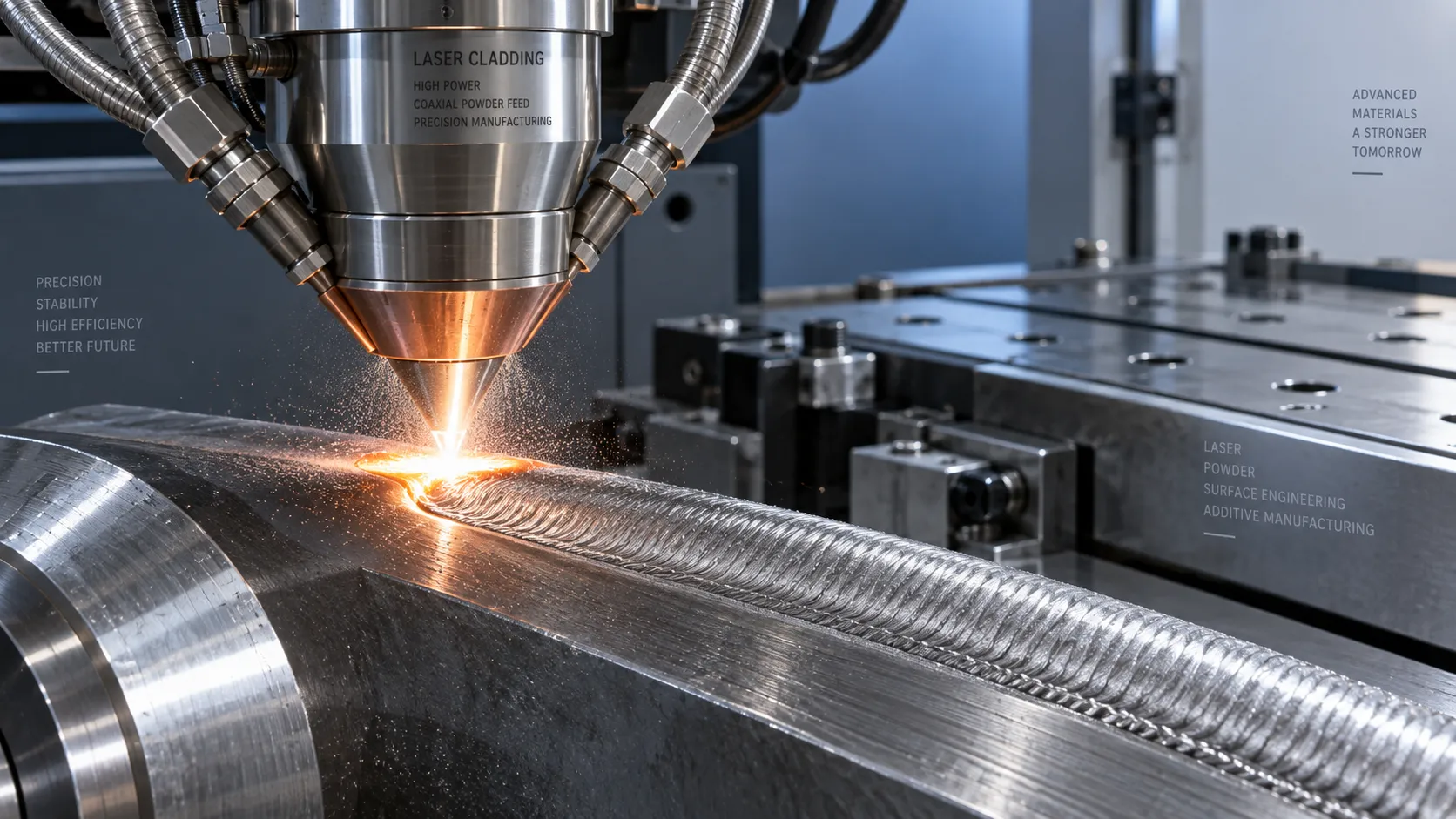
How high power laser cladding systems control substrate dilution
Discover how high power laser cladding systems control substrate dilution through beam shaping, material feed, and thermal management to deliver reliable bonds and coating performance.

How to check HS codes for customs compliance in international logistics
Strengthen international logistics customs compliance: learn how to verify HS codes, check official tariffs, and document classifications to reduce costly shipment delays.
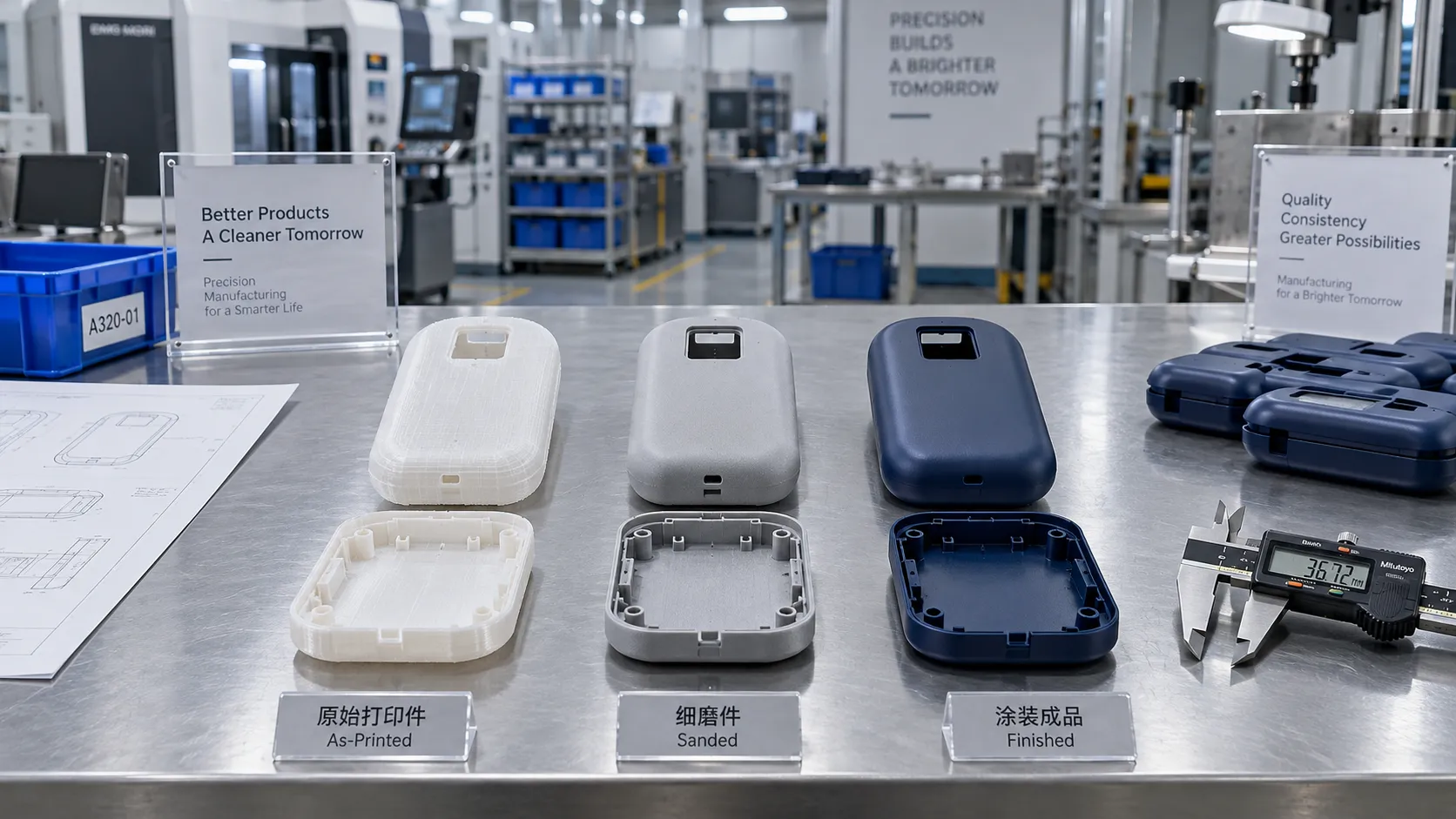
Choosing a 3D Printing Service for Consumer Products: Finish, Fit, and Cost
Compare 3d printing consumer good services by finish, fit, materials, and total cost. Learn how to choose a reliable supplier and avoid costly defects before ordering.
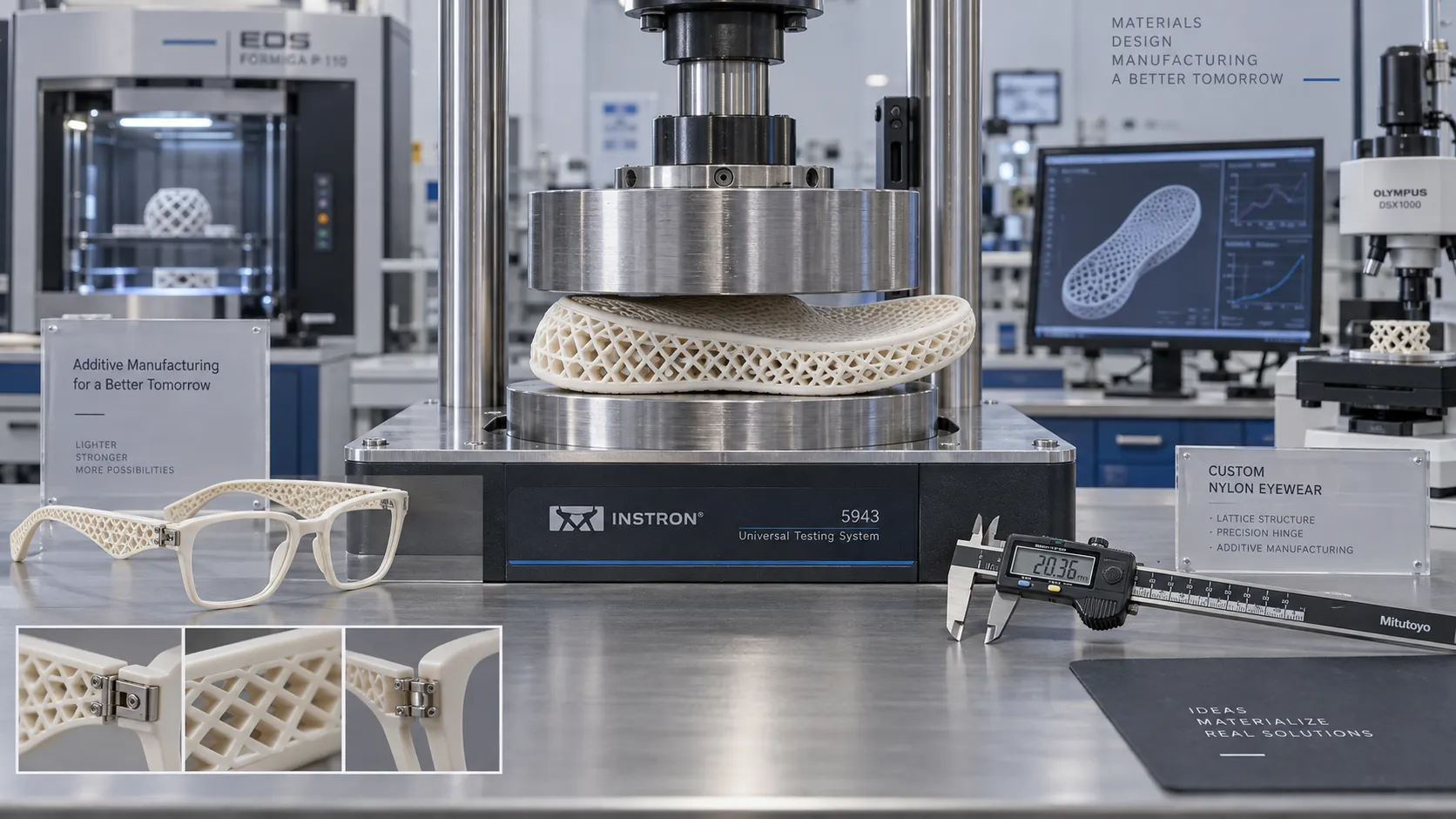
Which Consumer Goods Can Be 3D Printed, and What Are the Practical Limits?
Explore 3d printing consumer goods, from custom eyewear to replacement parts. Discover practical limits on materials, safety, and costs to make smarter production decisions.
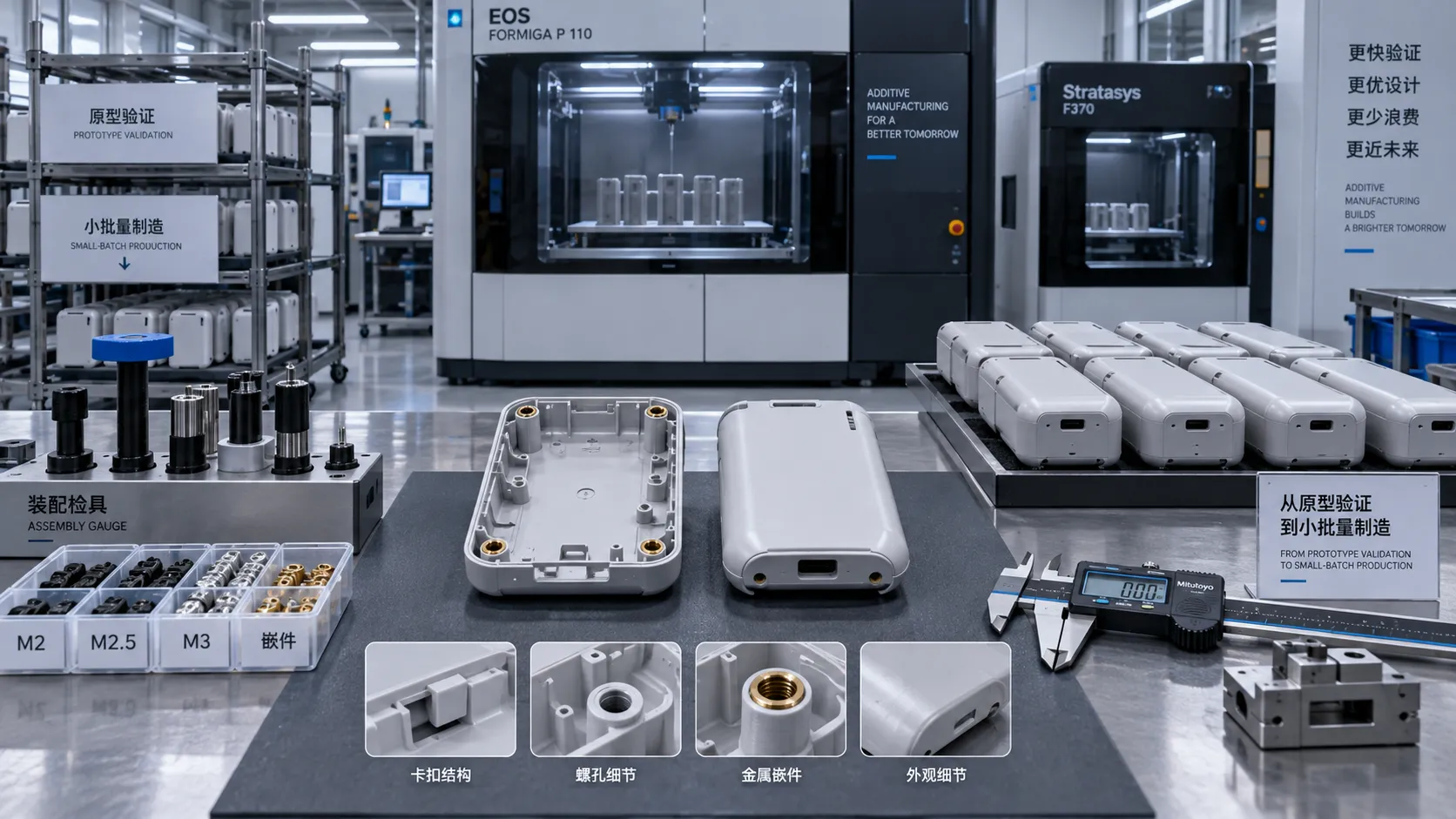
From Prototype to Small Batch: Applying 3D Printing to Consumer Goods
Explore 3d printing in consumer goods: learn how to move from prototype to small-batch production with practical guidance on materials, quality validation, and cost control.
Related News
- 00
0000-00
How to verify part consistency before choosing a 3D printing OEM - 00
0000-00
How does a rigid cryogenic transfer line handle thermal contraction? - 00
0000-00
How much does edge vision deployment cost beyond the hardware? - 00
0000-00
How does the purity of sputtering targets affect thin-film quality? - 00
0000-00
How high power laser cladding systems control substrate dilution
Marcus Print
Weekly Insights
Stay ahead with our curated technology reports delivered every Monday.