
How Lightweight 3D Printed Components Affect Strength and Cost

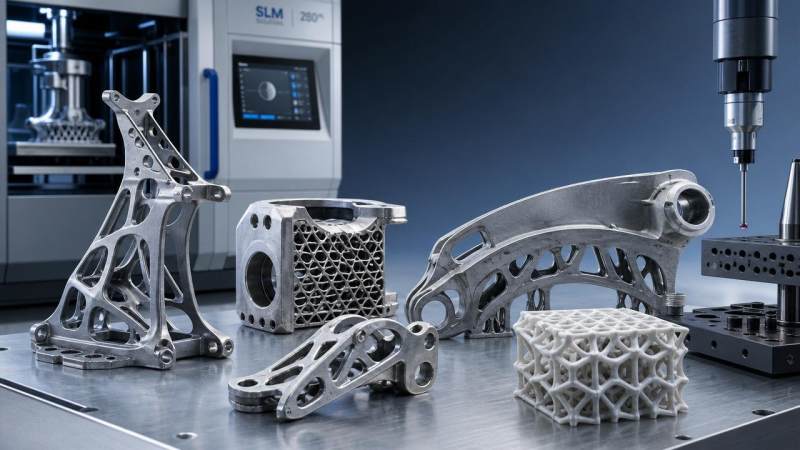
For project managers balancing performance targets with budget pressure, 3D printing lightweight components has become a strategic way to cut material use, shorten production cycles, and improve design flexibility. But lower weight does not automatically guarantee lower cost or reliable strength. Understanding this trade-off is essential for making informed sourcing, engineering, and production decisions in advanced manufacturing projects.
In industrial programs where every gram, lead-time day, and qualification step matters, weight reduction must be evaluated against structural performance, post-processing load, inspection requirements, and supply chain risk. For aerospace fixtures, robotic end-effectors, thermal management parts, medical devices, and custom machine components, the wrong lightweighting strategy can shift cost from raw material into redesign, support removal, or repeated testing.
For B2B buyers and engineering leaders, the key question is not whether lightweight additive manufacturing works. The real question is where 3D printing lightweight components create measurable value, how much strength can be retained, and at what production volume the business case remains favorable. That is where a structured review of geometry, material, process capability, and validation protocol becomes critical.
Why Lightweight Design Changes Both Strength and Total Cost
Lightweighting in additive manufacturing usually comes from 3 core methods: thinner walls, topology optimization, and internal lattice or hollow structures. Each method reduces mass, often by 15% to 60%, but each also changes stress distribution, print time, heat flow, and finishing complexity. A part that is 35% lighter may not be 35% cheaper if it requires tighter build orientation control or more non-destructive inspection.
Strength is affected because conventional solid geometry distributes loads differently from optimized geometry. In metal powder bed fusion, for example, reduced cross-sections can increase the risk of local stress concentration, thermal distortion, or fatigue sensitivity. In polymer processes such as SLS or MJF, lower density may still meet static load requirements but fail under cyclic loading after 50,000 to 200,000 duty cycles.
The four cost layers project managers often overlook
When teams estimate savings from 3D printing lightweight components, they often focus on powder or filament consumption alone. In practice, total part cost typically includes 4 layers: design engineering, machine time, post-processing, and quality assurance. On low-volume projects of 10 to 200 units, these indirect layers can represent 40% to 70% of the total delivered cost.
- Design iteration: 1 to 3 redesign loops are common when moving from solid to lattice-based geometry.
- Build preparation: support strategy, nesting, and orientation can alter cost by 10% to 25%.
- Post-processing: depowdering, heat treatment, machining, or bead blasting may add 15% to 50%.
- Validation: tensile testing, CT scanning, or dimensional inspection can be mandatory for critical parts.
This is why lightweight design should be evaluated at assembly level, not only at part level. A lighter bracket that reduces a robot arm payload by 8% may justify a higher unit price if it allows a smaller motor, lower energy consumption, or faster cycle time over 24 months of operation.
Strength depends on load case, not just material datasheet
Material datasheets are useful starting points, but they do not guarantee in-part performance. A titanium or nylon component may show strong tensile values in test coupons, yet perform differently once printed with thin ribs, angled layers, or enclosed lattice cells. For project qualification, engineering teams should compare at least 3 conditions: static strength, fatigue behavior, and dimensional stability after thermal or mechanical post-processing.
The table below shows how common lightweighting approaches influence both structural behavior and delivered cost in industrial additive manufacturing programs.
The most important takeaway is that maximum weight reduction is not always the optimal target. In many industrial programs, the better result is a 15% to 30% mass reduction with predictable strength retention and stable throughput, rather than an aggressive 50% reduction that creates qualification delays or scrap risk.
How Material and Process Selection Shape the Trade-Off
The effect of 3D printing lightweight components depends heavily on the material family and manufacturing process. Metals, high-performance polymers, and reinforced composites behave very differently under lightweight geometries. Process managers should review not only nominal material properties, but also anisotropy, surface finish, thermal history, and repeatability across multiple builds.
Metal additive manufacturing
Metal 3D printing is often selected when lightweighting must be combined with heat resistance, stiffness, or high mechanical integrity. Aluminum, titanium, stainless steel, and nickel alloys are common choices. For functional parts, engineers typically target wall thickness ranges above 0.8 mm to 1.5 mm, depending on feature height and print process. Below that range, distortion and support sensitivity usually increase.
In metal applications, lightweighting can create major system-level value. A lighter aerospace duct, automation gripper, or optical support frame may reduce assembly weight by 20% to 40%. However, metal powder bed systems also bring higher machine-hour cost, inert gas requirements, heat treatment steps, and stricter qualification workflows than polymer systems.
Polymer and composite additive manufacturing
For fixtures, covers, channels, jigs, ergonomic tooling, and low-to-medium load housings, polymer lightweight parts often provide the fastest return. Nylon-based powder processes and engineering filaments can reduce material waste and tooling lead time significantly. In many programs, delivery can fall from 4 to 8 weeks with conventional machining or molding support to 3 to 10 days for printed components.
That said, polymer components are more sensitive to creep, humidity, temperature exposure, and long-term fatigue. A lightweight polymer bracket performing well at 23°C may behave differently at 60°C or under continuous vibration. This is especially relevant for project managers overseeing deployment across multiple facilities or export climates.
Selection criteria for procurement and engineering teams
A practical sourcing decision should compare at least 5 criteria: target load, service environment, required tolerance, annual volume, and inspection burden. The following matrix helps teams assess where different process categories usually fit.
For project leaders, the best process is usually the one that meets the load case with the lowest validation burden, not the one with the highest headline performance. A part that exceeds strength needs by 2 times but doubles lead time may weaken the overall project outcome.
Where Lightweight Components Deliver the Best Business Case
Not every component should be lightened aggressively. The strongest commercial case for 3D printing lightweight components appears when one part influences multiple cost drivers at once: material use, assembly count, transport cost, machine payload, or maintenance effort. This is particularly true in advanced manufacturing cells, custom equipment builds, and low-volume specialized systems.
High-value use cases
- Robotic end-of-arm tooling where 10% to 25% lower mass can improve acceleration and reduce actuator stress.
- Consolidated manifolds or ducts where one printed part replaces 3 to 8 assembled pieces.
- Portable inspection fixtures where lower weight shortens operator handling time and reduces fatigue.
- Thermal management parts where complex internal channels improve performance while cutting material.
- Legacy spare parts where tooling cost cannot be justified for annual demand below 100 to 300 units.
In these scenarios, even if the printed unit cost is equal to or slightly above a machined part, the total project cost may drop because assembly steps, fasteners, packaging volume, and changeover time are reduced. Time-to-deployment also matters. A 2-week acceleration in a production launch can outweigh modest part price differences.
When lightweighting may not pay off
The business case becomes weaker when annual volumes are high, geometry is simple, and the component already performs well in conventional manufacturing. For example, a flat plate, standard spacer, or non-optimized bracket produced in thousands of units may remain cheaper through stamping, molding, or CNC methods. Lightweighting also loses value when tight tolerances below ±0.05 mm require substantial secondary machining.
Project managers should also be cautious if a part requires frequent certification updates, multi-country regulatory review, or strict batch traceability. In such environments, the added documentation load can offset expected savings from reduced weight.
A Practical Evaluation Framework for Project Managers
A successful sourcing or implementation decision needs a repeatable framework. Instead of asking whether 3D printing lightweight components are cheaper in general, teams should assess them through a stepwise commercial and technical review. A 5-step process is often enough to screen opportunities before deeper qualification work begins.
Five steps to qualify a lightweight part concept
- Define the load case, safety factor, environment, and expected lifecycle.
- Identify the current cost baseline, including assembly, maintenance, and lead time.
- Model 2 to 3 lightweight design paths, such as wall reduction, topology optimization, or lattice insertion.
- Compare manufacturing routes based on printability, post-processing hours, and inspection methods.
- Run pilot validation with dimensional checks and mechanical testing before scaling.
This approach helps prevent a common error: approving a lightweight concept based on CAD-level mass savings without quantifying downstream production effects. In many industrial programs, 1 pilot batch of 5 to 20 parts is enough to reveal whether the design is stable, whether scrap risk is acceptable, and whether the real cost aligns with quotation assumptions.
Key questions to ask suppliers or technical partners
To reduce risk, procurement and engineering teams should request evidence beyond a general capability statement. Ask how the supplier validates thin-wall features, what inspection method is used for internal geometry, what build-to-build repeatability range is typical, and which standards or internal protocols guide acceptance. For critical components, also ask whether witness coupons, CT scans, or fatigue samples are available within the quotation scope.
Organizations such as G-AIT add value here by benchmarking process capability, standards alignment, and technical suitability across different additive manufacturing pathways. For project managers under pressure to justify sourcing decisions, verifiable engineering data is more useful than generic claims about innovation or flexibility.
Risk Control, Inspection, and Long-Term Performance
The lighter the component, the more important validation becomes. Internal structures, reduced wall thickness, and complex geometries can hide defects that are not visible during routine visual inspection. That does not make lightweight additive parts unreliable, but it does mean inspection planning should be built into the project from the beginning rather than added at final acceptance.
Common risk areas
- Porosity or incomplete fusion in metal parts with thin sections.
- Residual powder trapped in enclosed cavities or lattice regions.
- Warping or dimensional drift during cooling, sintering, or post-curing.
- Strength reduction from unfavorable print orientation.
- Field performance gaps between prototype tests and production batches.
A risk-based plan may include 3 levels of control: incoming material verification, in-process monitoring, and final inspection. For non-critical industrial tooling, dimensional inspection and visual checks may be enough. For load-bearing or regulated applications, the plan may expand to CT scanning, hardness checks, tensile coupon testing, or documented traceability by lot and build number.
Service-life thinking improves cost decisions
Initial unit price can be misleading if service life is ignored. A lightweight printed part that costs 12% more but lasts 2 times longer than a conventionally fabricated assembly may reduce replacement downtime, labor intervention, and spare inventory. On the other hand, if lightweighting reduces maintenance intervals from 18 months to 6 months, the apparent savings disappear quickly.
That is why the most reliable decisions combine engineering verification with lifecycle costing. For project management teams, the target is not the lightest printable geometry. It is the lightest geometry that can maintain required strength, predictable quality, and acceptable total cost over the intended operating window.
Decision Guidance for Industrial Buyers
When evaluating 3D printing lightweight components, industrial buyers should prioritize fit-for-purpose value over abstract design ambition. A strong purchasing decision typically balances 4 outcomes: sufficient mechanical reliability, manageable qualification cost, acceptable lead time, and measurable system-level savings. If one of these elements fails, the lightweight strategy may need to be revised.
The best candidates are usually low-to-medium volume parts with functional complexity, customization requirements, or assembly consolidation potential. The weakest candidates are simple, high-volume components with stable conventional production economics. Between those extremes lies the real opportunity space where additive manufacturing can create both engineering and commercial advantage.
For organizations managing advanced manufacturing projects across multiple technologies, a disciplined benchmark-driven approach is essential. Evaluating geometry, process, material, inspection, and lifecycle cost together leads to better sourcing decisions than focusing on weight reduction alone. To assess whether a lightweight additive strategy fits your program, contact us to discuss technical details, compare qualification pathways, or request a tailored solution review from G-AIT.
Related News
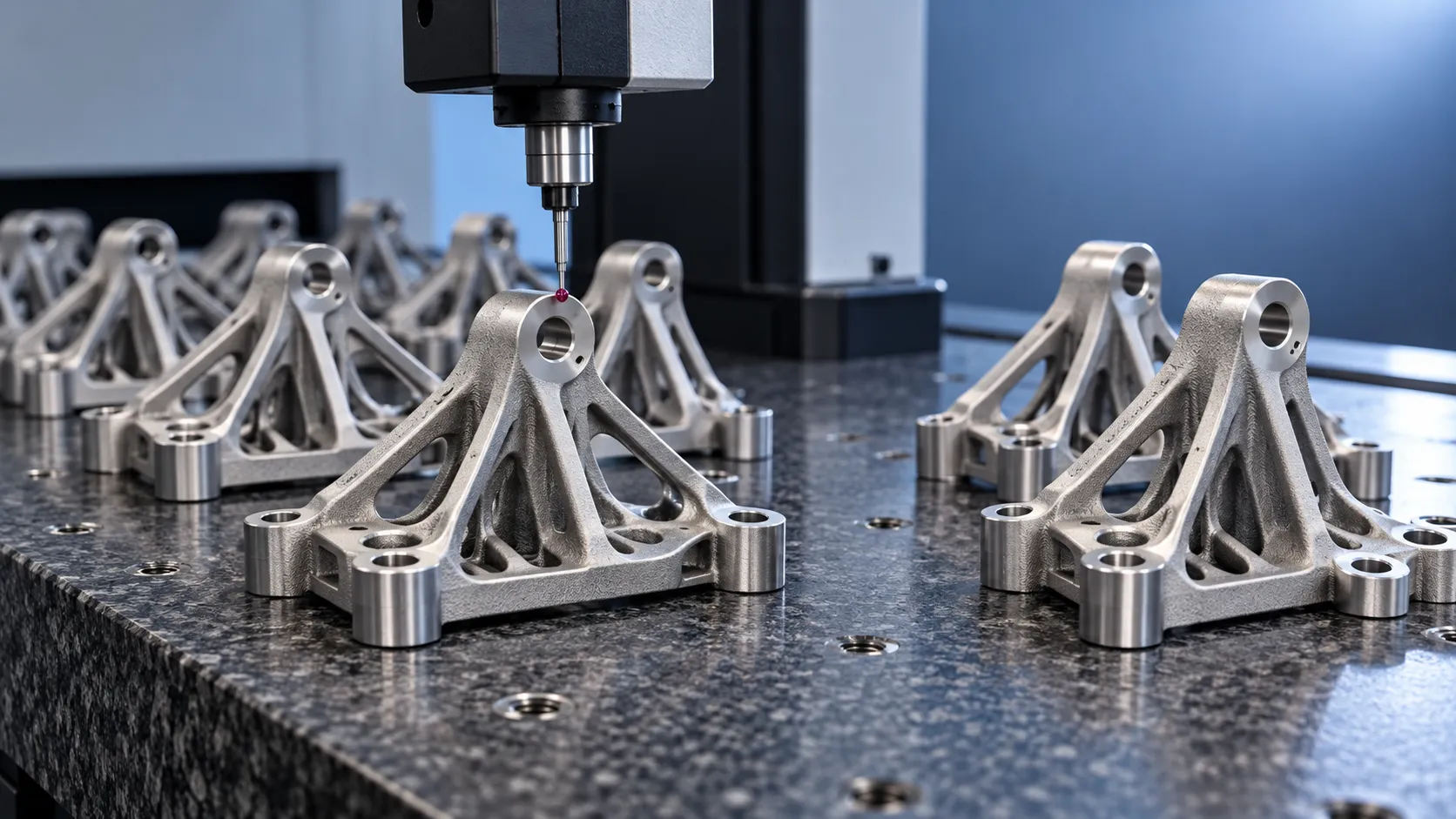
How to verify part consistency before choosing a 3D printing OEM
Choosing a 3D printing OEM? Learn how to verify part consistency with repeat-build trials, validated inspections, and traceability checks before committing to production.
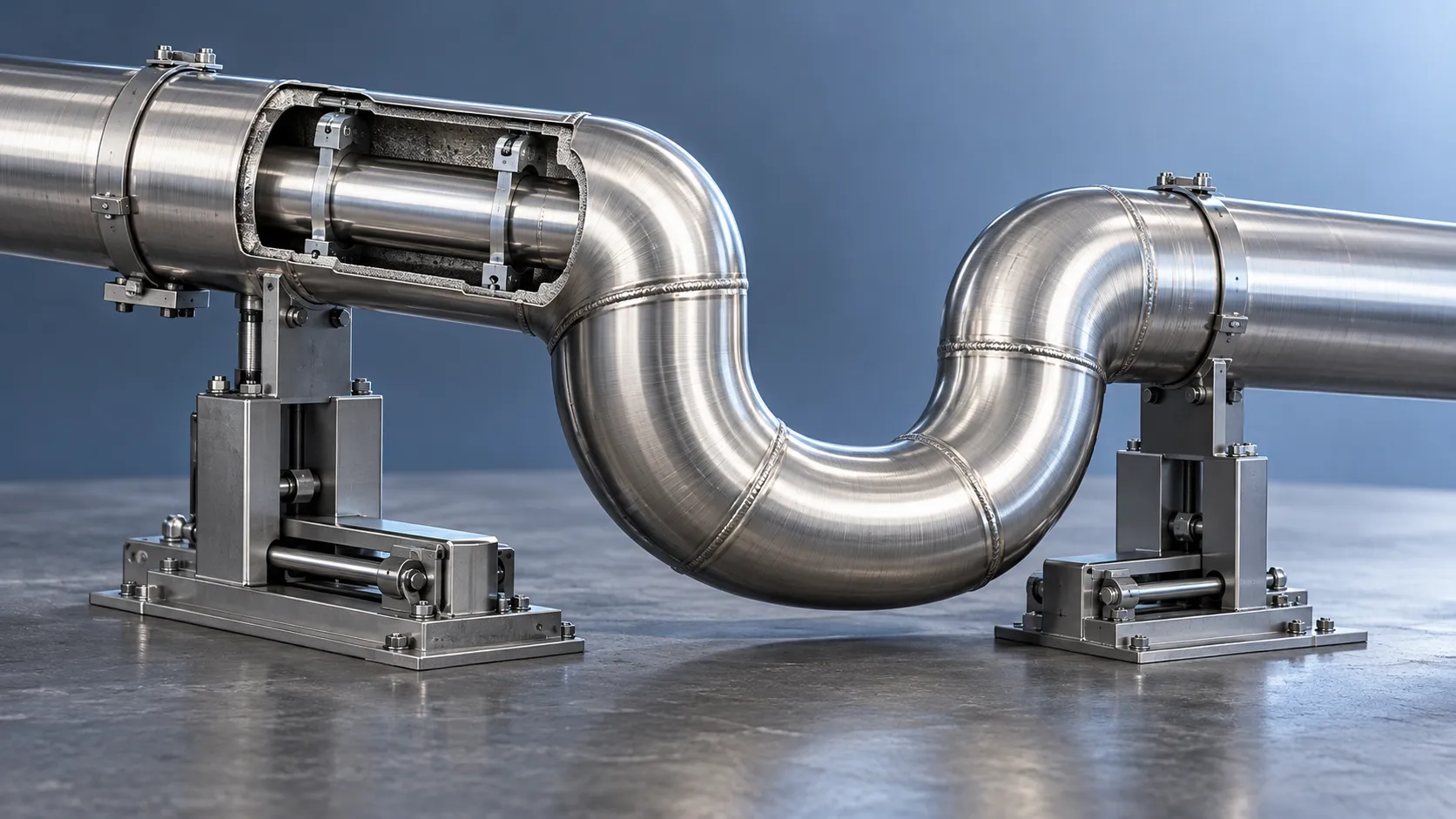
How does a rigid cryogenic transfer line handle thermal contraction?
Learn how a rigid cryogenic transfer line manages thermal contraction with bends, bellows, and guided supports. Discover key design checks for safe, reliable cryogenic performance.
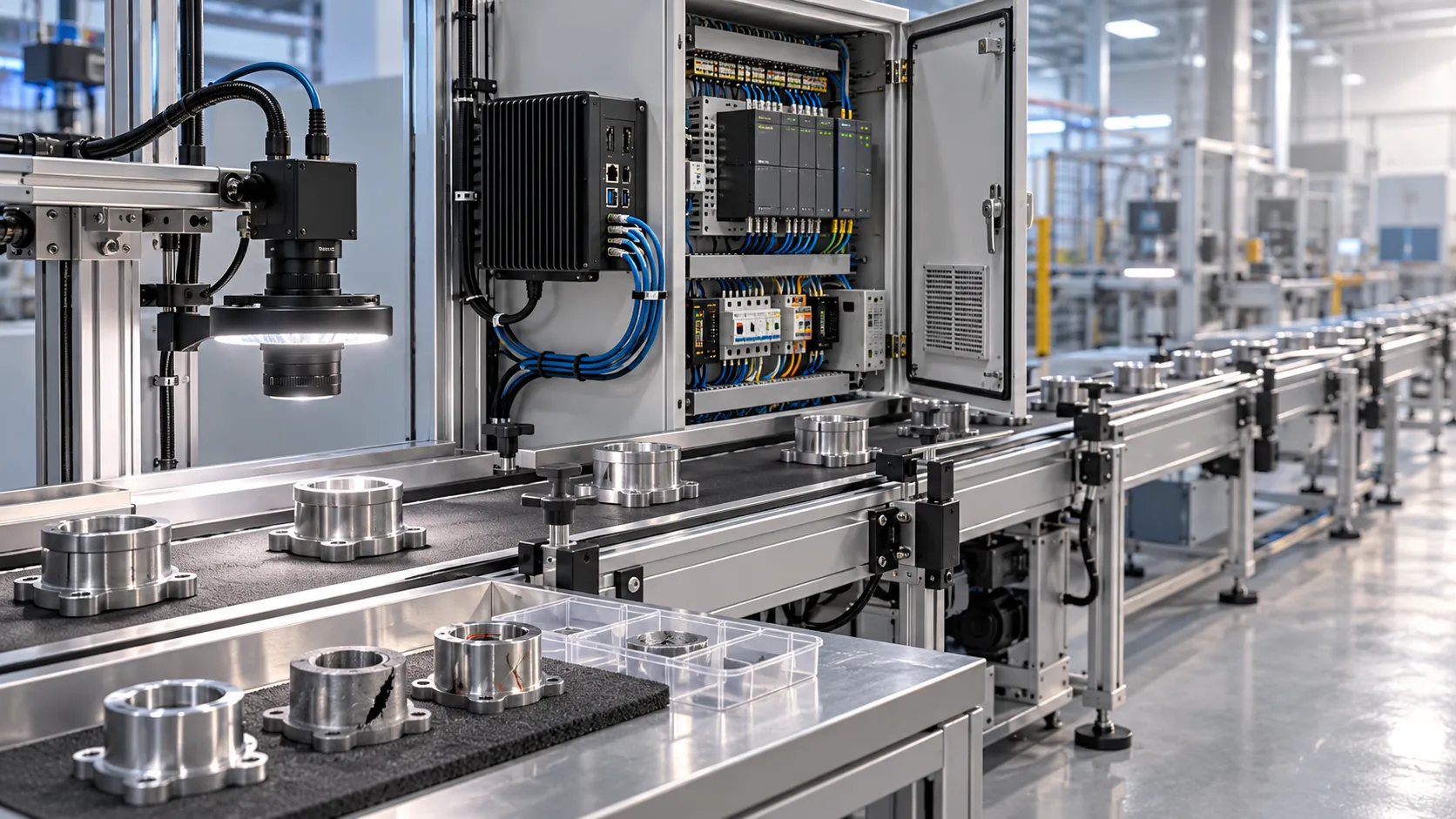
How much does edge vision deployment cost beyond the hardware?
Understand edge vision deployment cost beyond hardware, from data and integration to security and support. Uncover hidden expenses and build a smarter lifecycle budget before you scale.

How does the purity of sputtering targets affect thin-film quality?
Discover how sputtering targets affect thin-film quality. Learn to assess purity, identify harmful impurities, and choose specifications that improve coating performance.
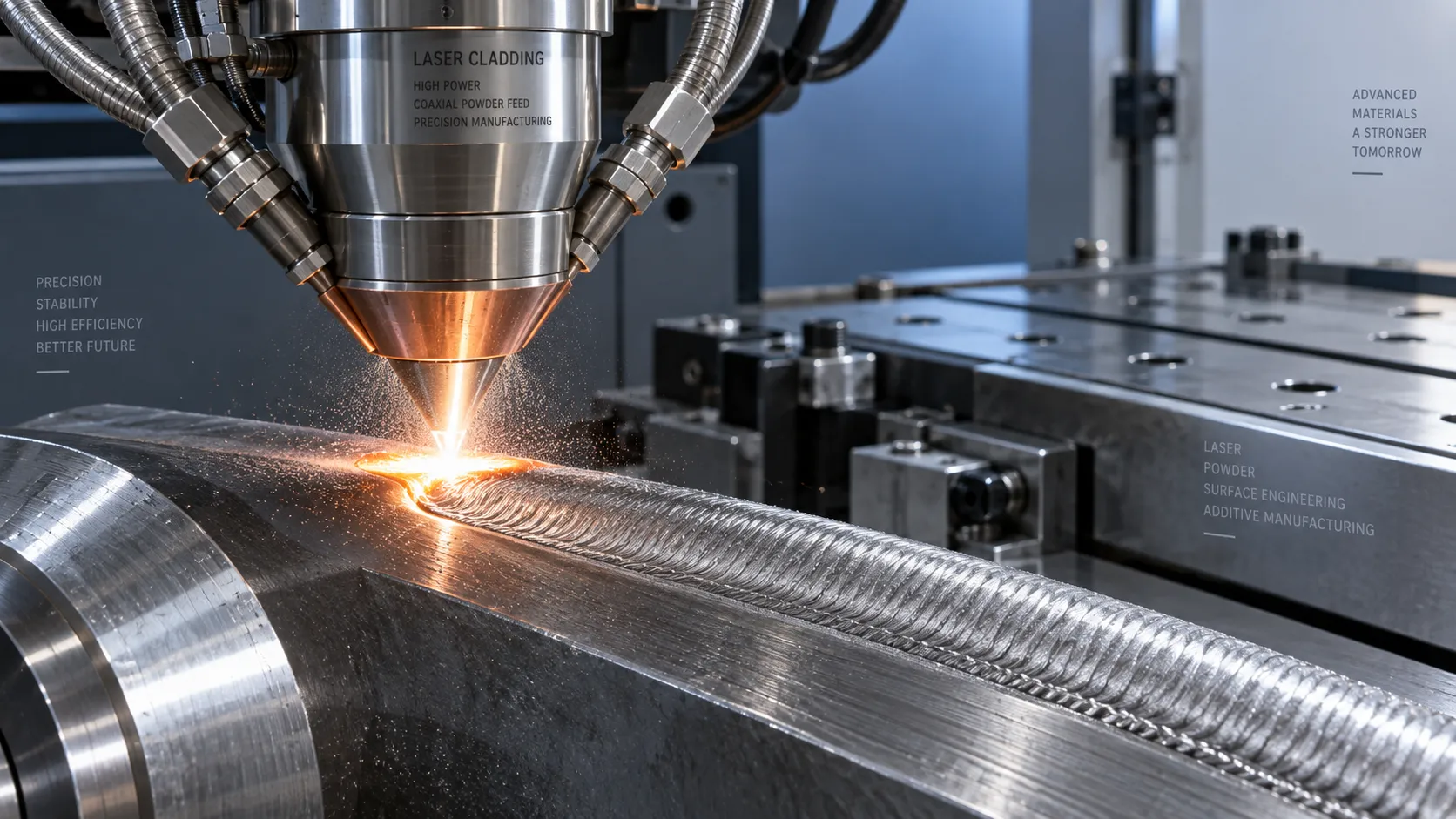
How high power laser cladding systems control substrate dilution
Discover how high power laser cladding systems control substrate dilution through beam shaping, material feed, and thermal management to deliver reliable bonds and coating performance.
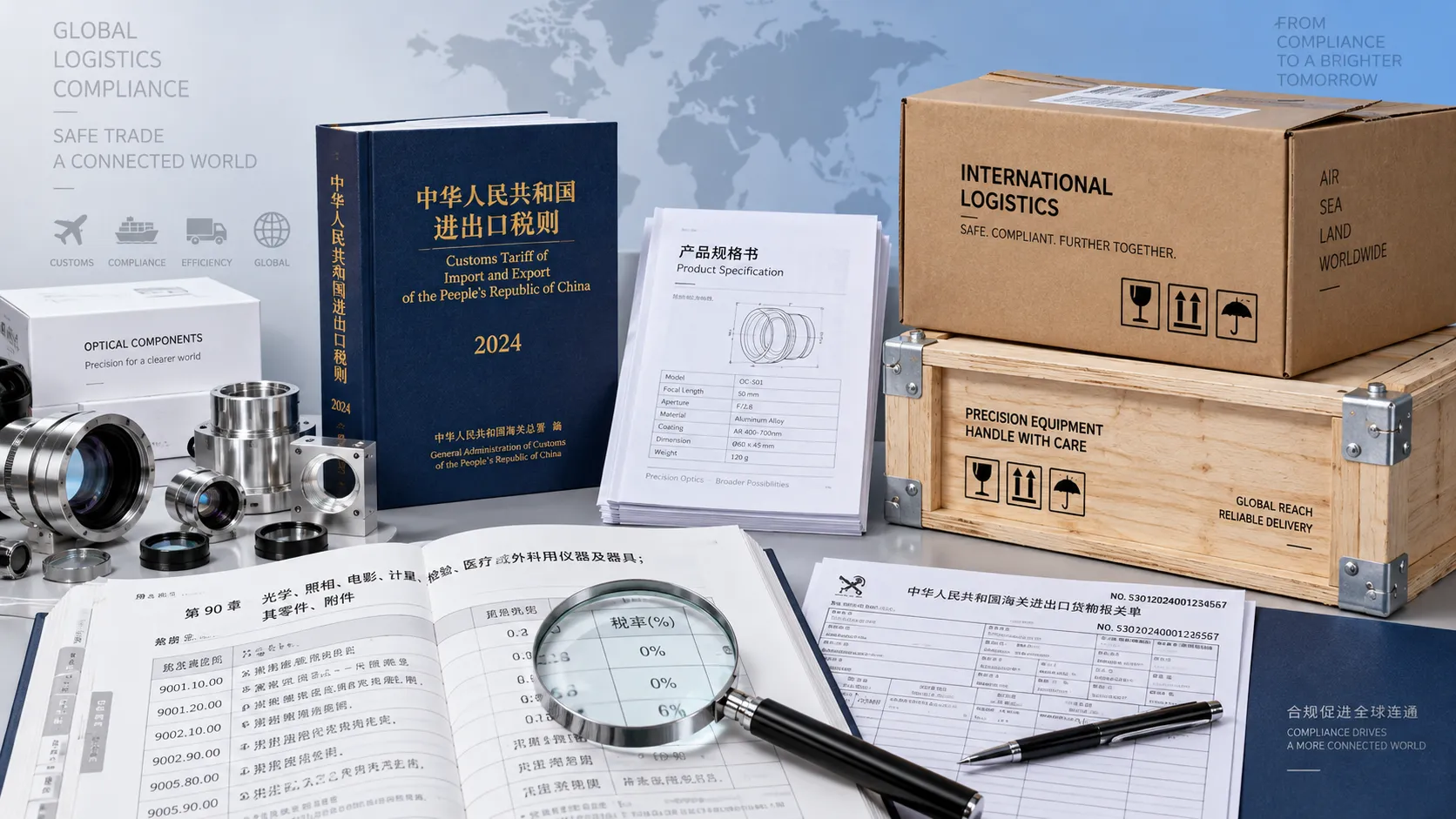
How to check HS codes for customs compliance in international logistics
Strengthen international logistics customs compliance: learn how to verify HS codes, check official tariffs, and document classifications to reduce costly shipment delays.
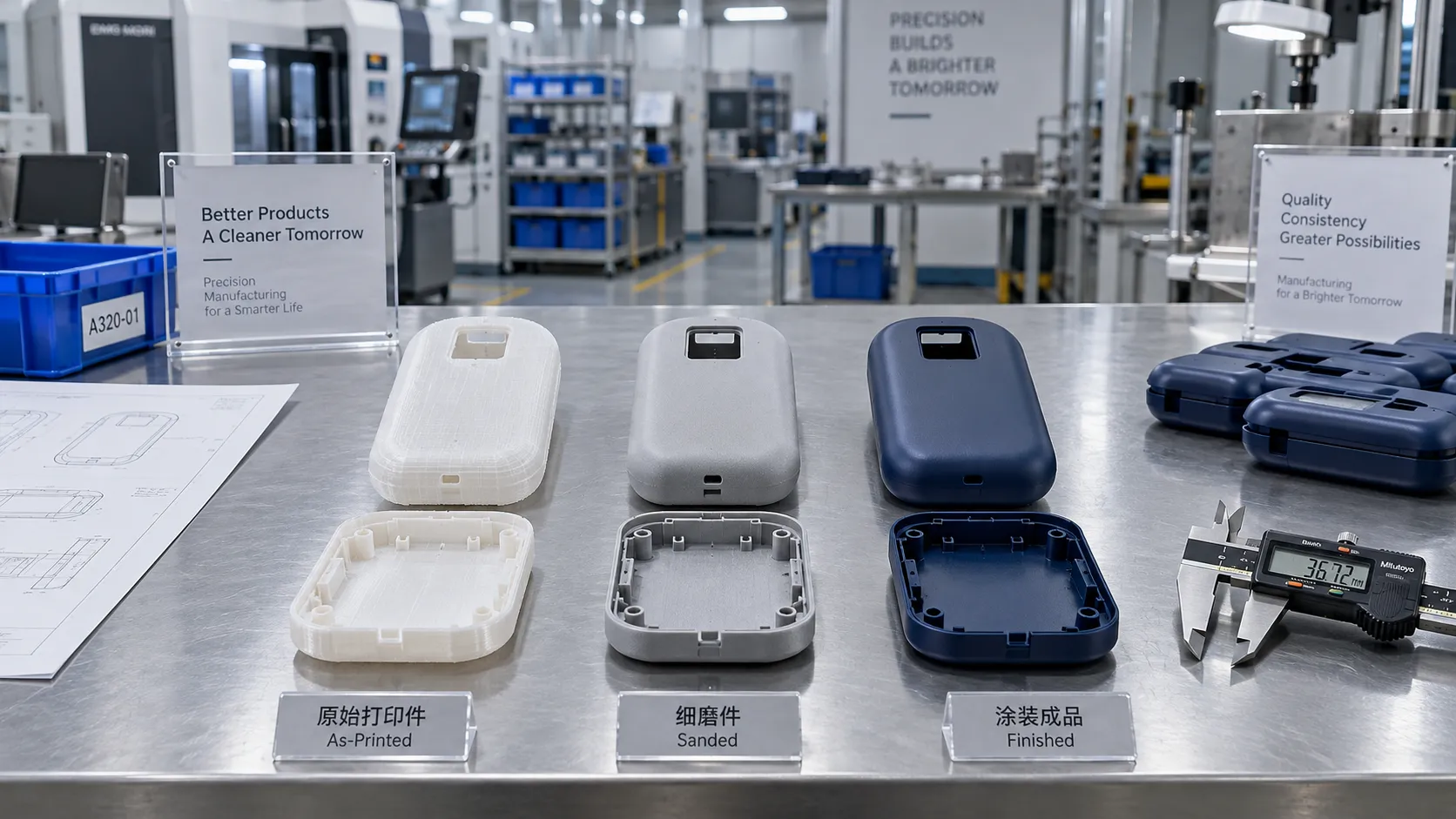
Choosing a 3D Printing Service for Consumer Products: Finish, Fit, and Cost
Compare 3d printing consumer good services by finish, fit, materials, and total cost. Learn how to choose a reliable supplier and avoid costly defects before ordering.
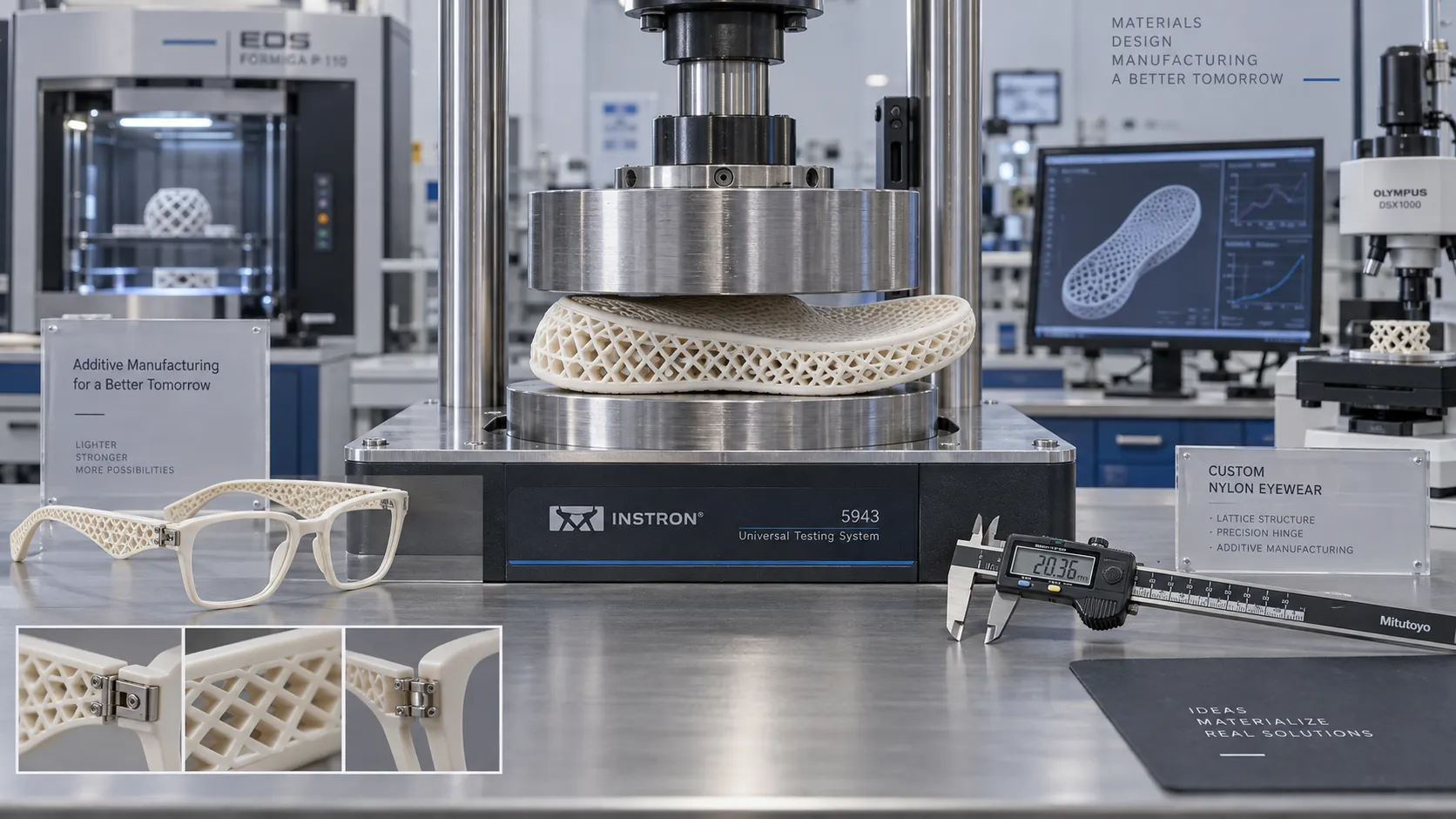
Which Consumer Goods Can Be 3D Printed, and What Are the Practical Limits?
Explore 3d printing consumer goods, from custom eyewear to replacement parts. Discover practical limits on materials, safety, and costs to make smarter production decisions.

From Prototype to Small Batch: Applying 3D Printing to Consumer Goods
Explore 3d printing in consumer goods: learn how to move from prototype to small-batch production with practical guidance on materials, quality validation, and cost control.
Related News
- 00
0000-00
How to verify part consistency before choosing a 3D printing OEM - 00
0000-00
How does a rigid cryogenic transfer line handle thermal contraction? - 00
0000-00
How much does edge vision deployment cost beyond the hardware? - 00
0000-00
How does the purity of sputtering targets affect thin-film quality? - 00
0000-00
How high power laser cladding systems control substrate dilution
Marcus Print
Weekly Insights
Stay ahead with our curated technology reports delivered every Monday.