
How high temperature resin performs under continuous heat

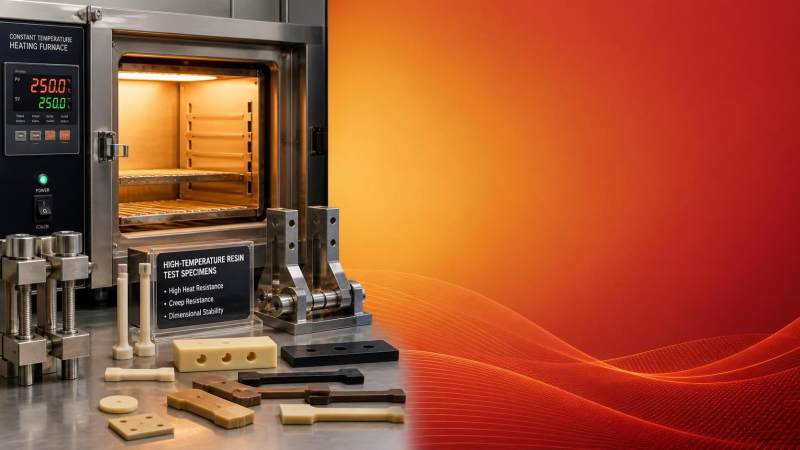
Continuous heat exposes the real limits of high temperature resin: glass transition behavior, heat deflection stability, creep resistance, and retention of mechanical properties after prolonged exposure. A resin that looks suitable in a short thermal test can still lose stiffness, warp under load, or embrittle after sustained service. For technical evaluation, the central question is whether the material keeps its dimensional and structural profile when heat is not an event but a condition.
In practice, performance under continuous heat depends on the resin family, the curing system, the filler package, and the part geometry. Aromatic thermosets, reinforced epoxies, polyimides, PPS variants, PEI grades, and specialty blends each respond differently once temperature rises above the normal operating range of the polymer. Some materials tolerate heat well in unloaded fixtures but change behavior when stress, vibration, or clamp force is present. Others retain shape but absorb moisture or suffer surface softening that affects fit and contact reliability.
The first point of evaluation is the temperature definition itself. Continuous heat performance is usually assessed at a service temperature that may sit below short-term peak ratings and below the point where the material begins rapid degradation. That distinction matters. A resin can survive brief excursions yet fail in a chamber, enclosure, electrical housing, or thermal barrier where the temperature profile remains elevated for long cycles. Thermal aging data, heat deflection measurements, and long-duration mechanical retention should be read together rather than in isolation.
Mechanical retention under heat is often the deciding factor. Tensile strength, flexural modulus, impact resistance, and compressive behavior do not decline at the same rate. In some high temperature resin systems, stiffness remains acceptable while toughness falls sharply. That can create hidden risk in snap-fit features, threaded inserts, thin ribs, and parts exposed to repeated assembly force. Creep is especially relevant when a load is constant and the part is positioned near a heat source, because deformation may accumulate slowly without visible early damage.
Chemical and environmental exposure also changes the picture. Continuous heat combined with oils, solvents, coolants, cleaning agents, or process vapors can accelerate surface cracking or property loss. In humid service, certain resins may show hydrolysis sensitivity or dimensional drift after thermal cycling. If a part lives in a mixed environment, the correct comparison is not only between resin grades but between the full material system: resin, glass fiber, mineral filler, pigments, release agents, and any post-cure state.
Processing history has a direct effect on thermal performance. Under-cure leaves unreacted groups that can continue to evolve under heat, changing modulus and dimensional stability over time. Overheating during molding can create internal stress, voids, or localized degradation that only becomes visible after service begins. For filled systems, fiber orientation and wall thickness variation produce anisotropic behavior; a coupon result may not fully represent a ribbed or highly constrained component. Drying discipline before molding also matters, especially for hygroscopic grades that can hydrolyze or foam if moisture remains in the feedstock.
Part design can either preserve or undermine the resin’s thermal capability. Sharp corners concentrate stress, while thick-to-thin transitions retain heat differently and can build residual stress during cooling. Metal inserts introduce differential expansion, which matters when the assembly is repeatedly heated and cooled. A resin that remains stable in a flat specimen may still creep around inserts, loosen fasteners, or shift alignment in a real housing. When continuous heat is expected, designers often need to prioritize uniform wall sections, controlled rib layout, and enough clearance to absorb thermal expansion without forcing the polymer into permanent strain.
Testing should reflect the actual use condition, not only the catalog limit. Long-term oven aging, heat deflection temperature, thermal mechanical analysis, and load-bearing aging tests answer different questions. A high temperature resin may pass a high-temperature exposure without cracking but still become too flexible for precision alignment. For electrical or insulation uses, thermal endurance must be checked together with dielectric behavior, surface tracking resistance, and any risk of carbonization under hot spots. For structural uses, retention of modulus and dimensional tolerance may matter more than peak temperature resistance.
Interpretation of data also needs caution. A single quoted temperature rating can hide differences in load, duration, atmosphere, and specimen thickness. Ratings obtained under laboratory air flow may not match a stagnant enclosure. Glass-fiber reinforcement can improve dimensional control but complicate surface finish and machining. Flame-retardant additives can alter heat aging response, so a resin selected for thermal resistance alone may not behave the same once the formulation is optimized for other requirements. The correct reading of a datasheet is conditional: what temperature, for how long, under what stress, and in what geometry.
Transport and storage can affect later performance before the part is even installed. Moisture pickup, contamination, UV exposure, and prolonged storage near heat sources may change molding behavior or initial properties. Packaging that protects against humidity and dust is useful, but it is not a substitute for controlled storage conditions. For finished parts, post-machining heat exposure should also be considered, because drilling, tapping, or trimming can introduce microcracks and residual stress that later propagate when the part is held at elevated temperature.
Common misjudgment comes from equating temperature resistance with overall durability. A resin that survives heat may still fail under vibration, solvent contact, electrical loading, or pressure. Another error is to rely on short thermal snapshots and assume long-term stability. Continuous heat performance is a time-dependent property. It must be judged by how the material changes after hours, days, or longer under a realistic load path, not by the highest number printed in isolation.
For applications in industrial enclosures, connectors, thermal fixtures, aerospace interiors, process equipment, optical mounts, and additive-manufactured functional parts, the evaluation standard should stay anchored to the service envelope. That means checking the resin’s temperature class, reinforcement strategy, post-cure state, moisture sensitivity, and dimensional behavior under sustained load. When these factors are aligned, high temperature resin can remain structurally reliable under continuous heat. When they are not, the first visible symptom is often not failure but drift: a slow loss of fit, flatness, preload, or contact quality that grows harder to correct later.
Related News
How to verify part consistency before choosing a 3D printing OEM
Choosing a 3D printing OEM? Learn how to verify part consistency with repeat-build trials, validated inspections, and traceability checks before committing to production.
How does a rigid cryogenic transfer line handle thermal contraction?
Learn how a rigid cryogenic transfer line manages thermal contraction with bends, bellows, and guided supports. Discover key design checks for safe, reliable cryogenic performance.
How much does edge vision deployment cost beyond the hardware?
Understand edge vision deployment cost beyond hardware, from data and integration to security and support. Uncover hidden expenses and build a smarter lifecycle budget before you scale.
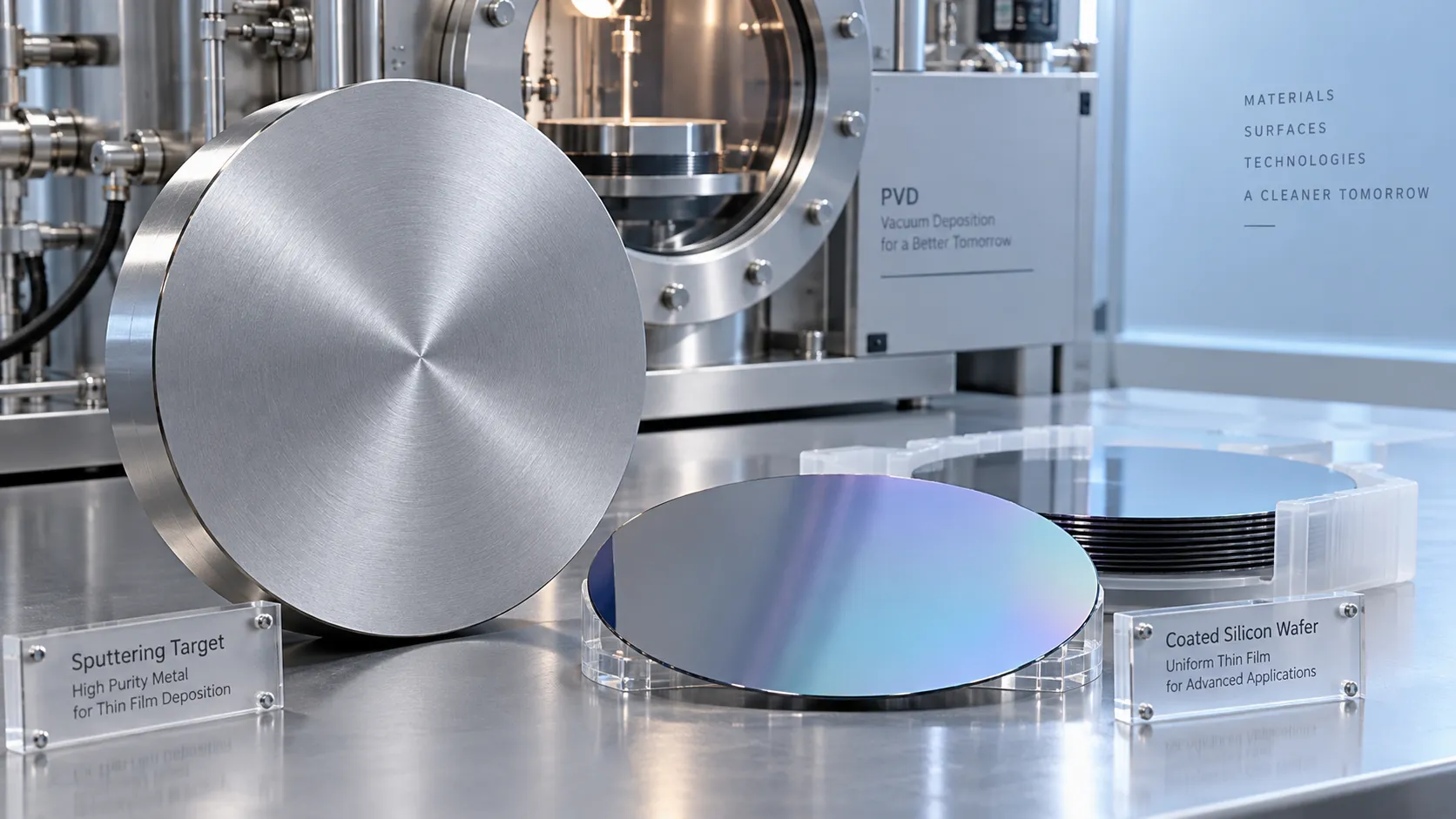
How does the purity of sputtering targets affect thin-film quality?
Discover how sputtering targets affect thin-film quality. Learn to assess purity, identify harmful impurities, and choose specifications that improve coating performance.
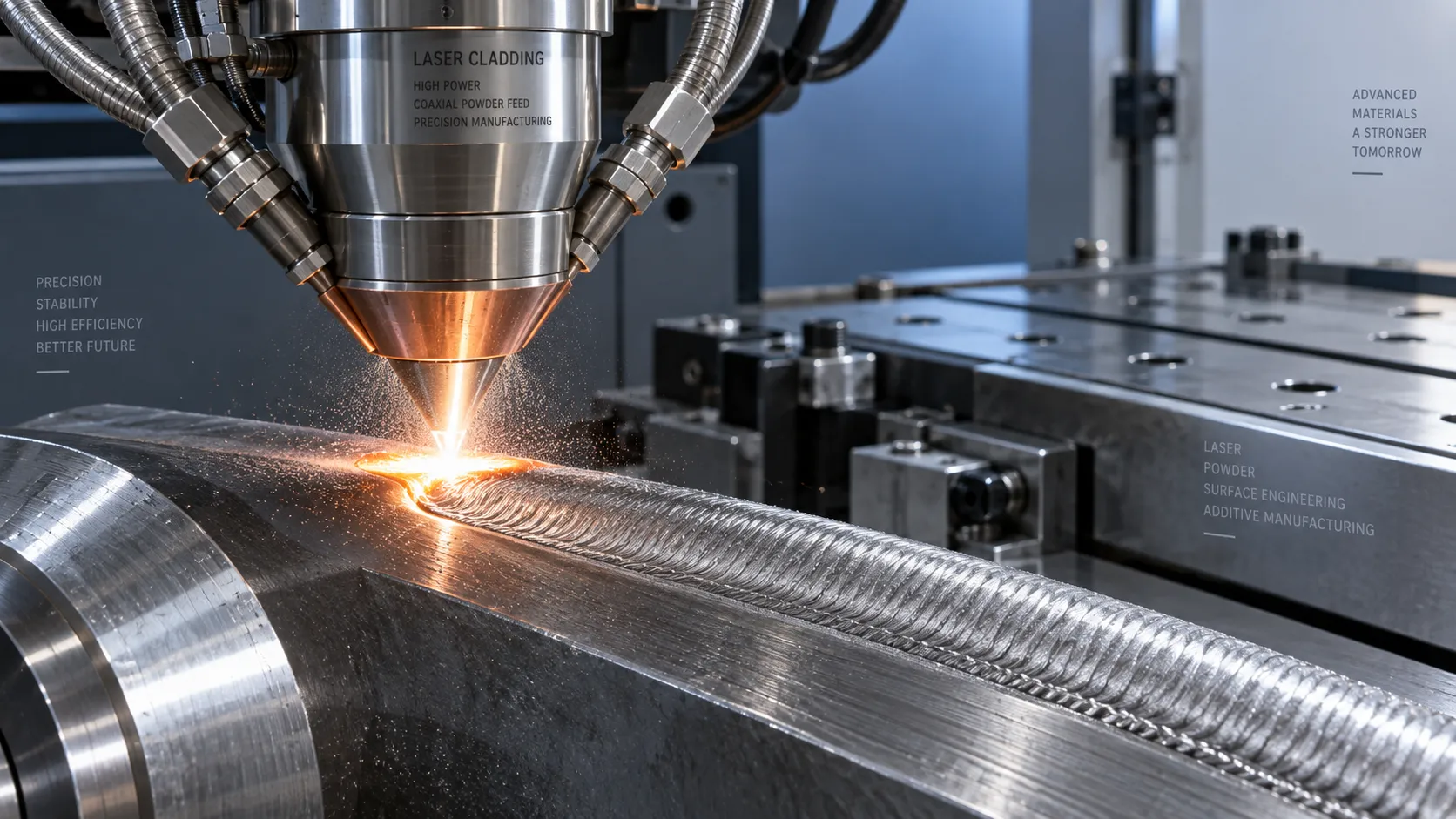
How high power laser cladding systems control substrate dilution
Discover how high power laser cladding systems control substrate dilution through beam shaping, material feed, and thermal management to deliver reliable bonds and coating performance.
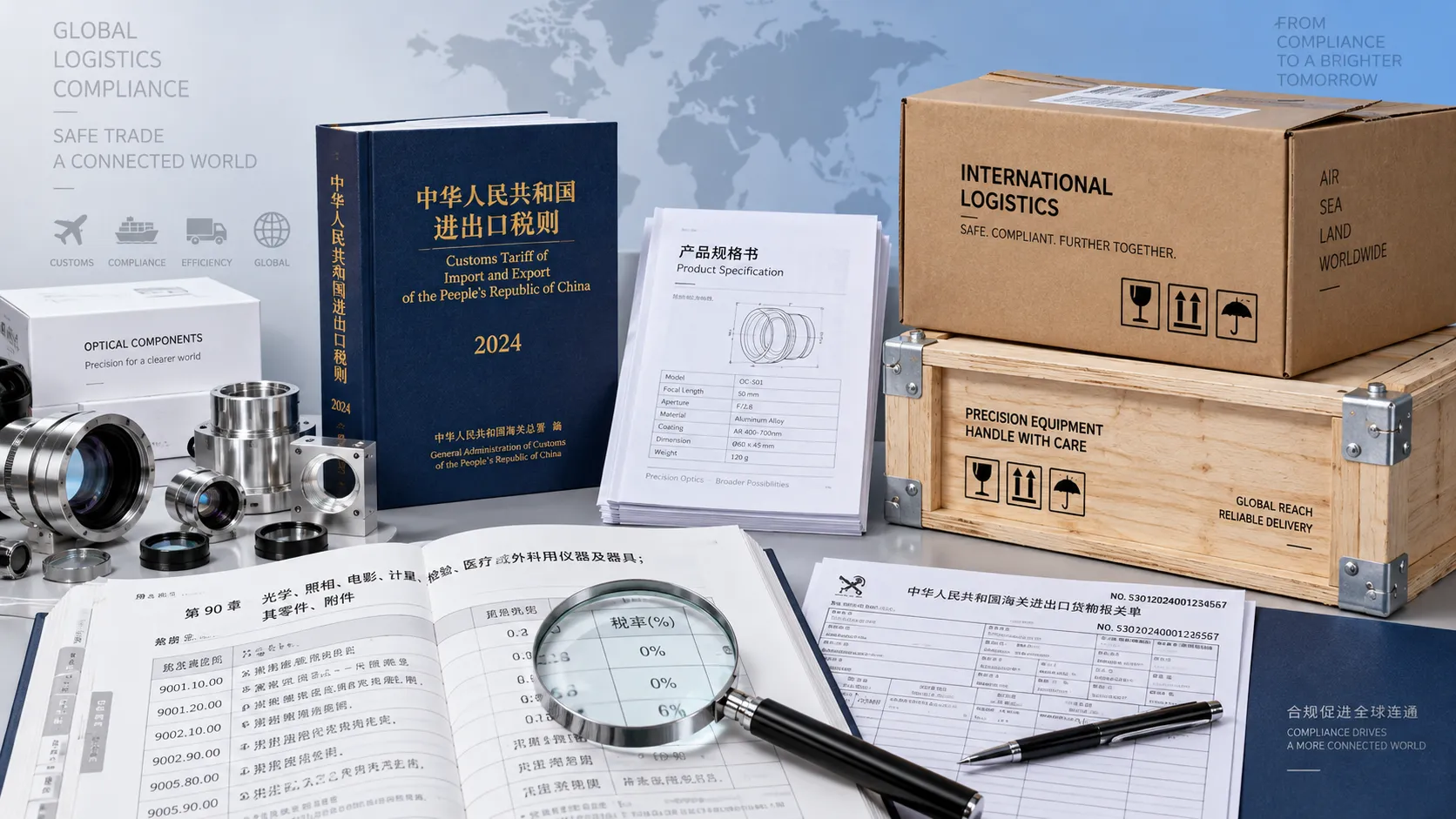
How to check HS codes for customs compliance in international logistics
Strengthen international logistics customs compliance: learn how to verify HS codes, check official tariffs, and document classifications to reduce costly shipment delays.
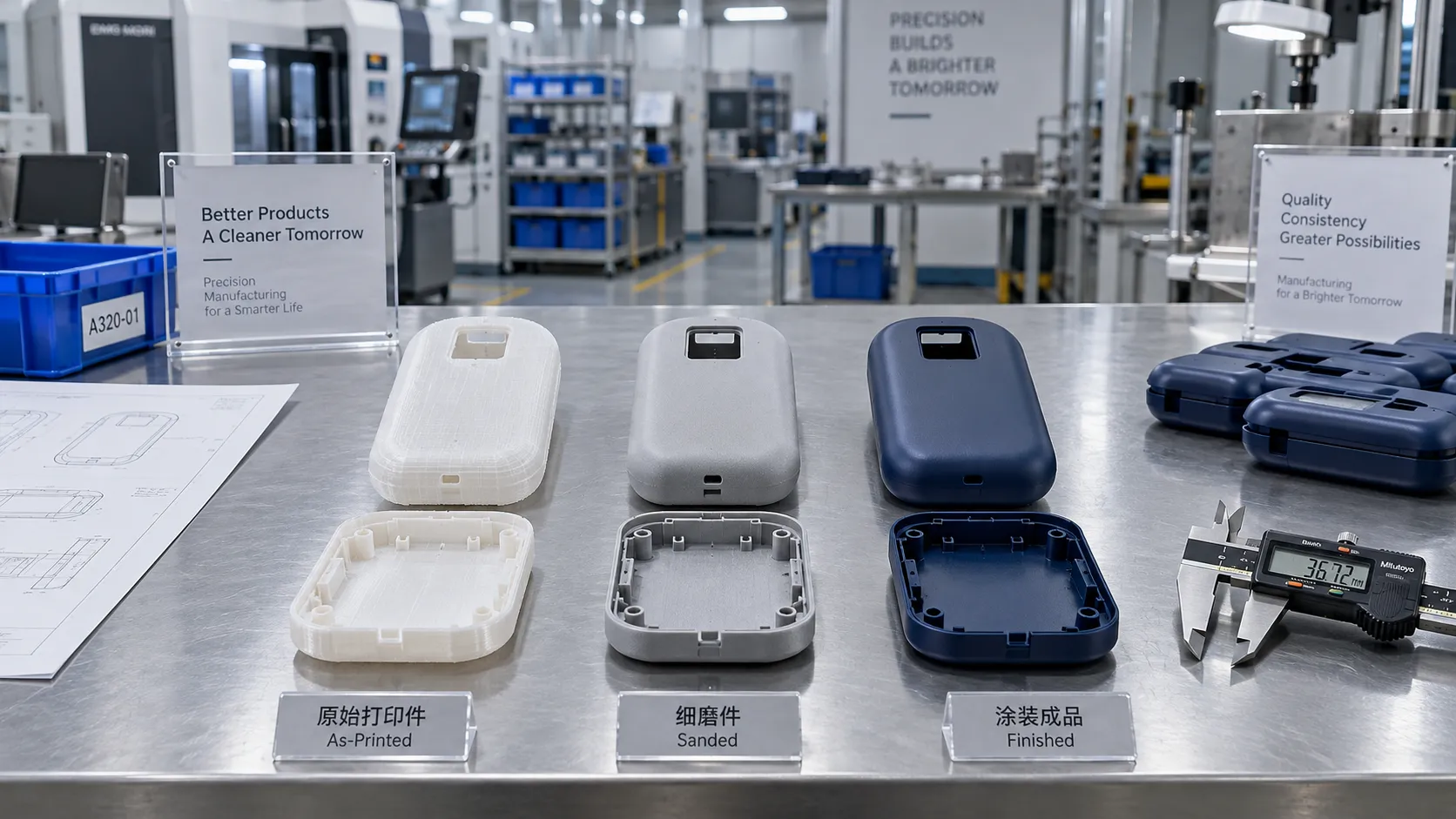
Choosing a 3D Printing Service for Consumer Products: Finish, Fit, and Cost
Compare 3d printing consumer good services by finish, fit, materials, and total cost. Learn how to choose a reliable supplier and avoid costly defects before ordering.
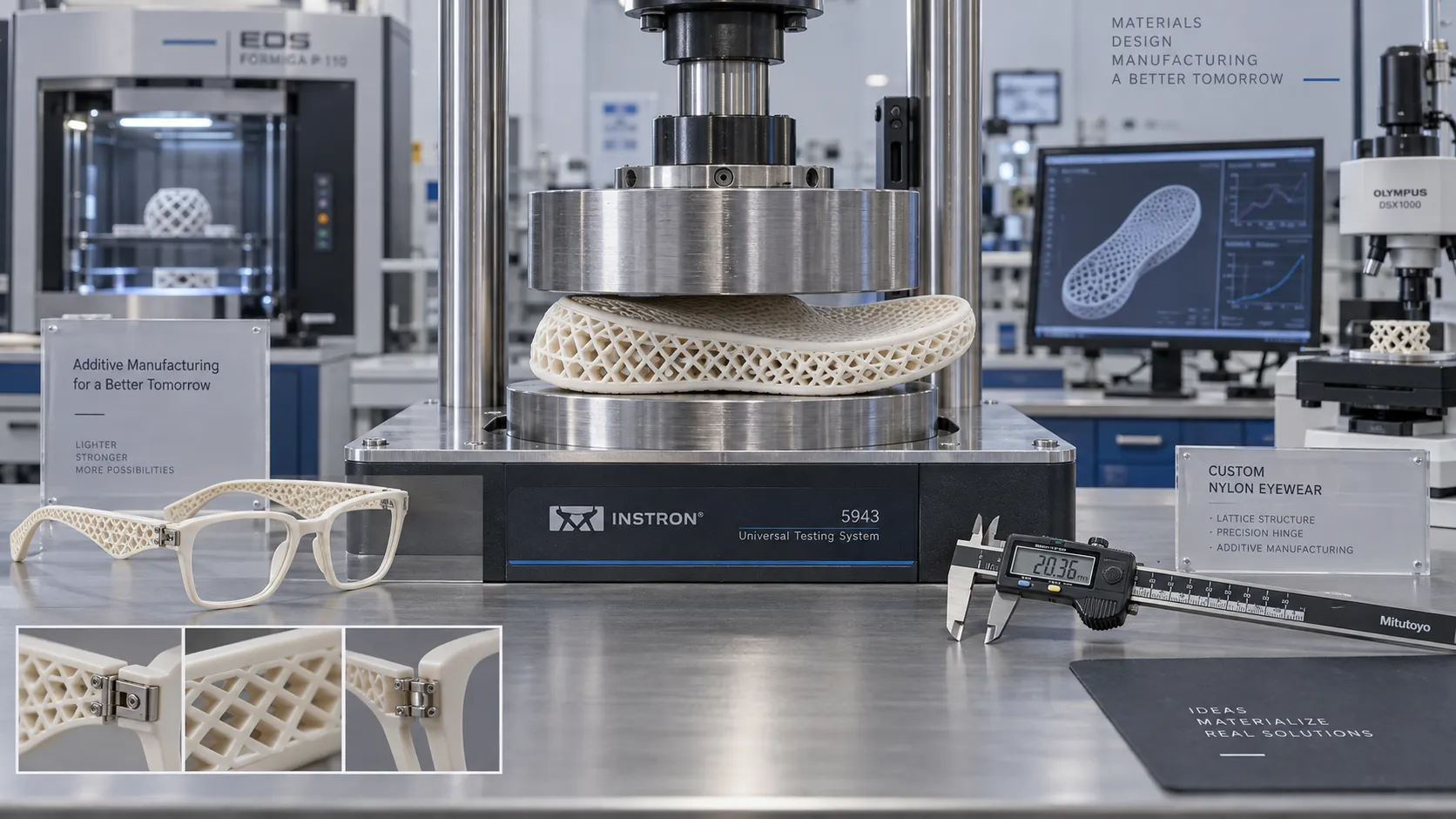
Which Consumer Goods Can Be 3D Printed, and What Are the Practical Limits?
Explore 3d printing consumer goods, from custom eyewear to replacement parts. Discover practical limits on materials, safety, and costs to make smarter production decisions.
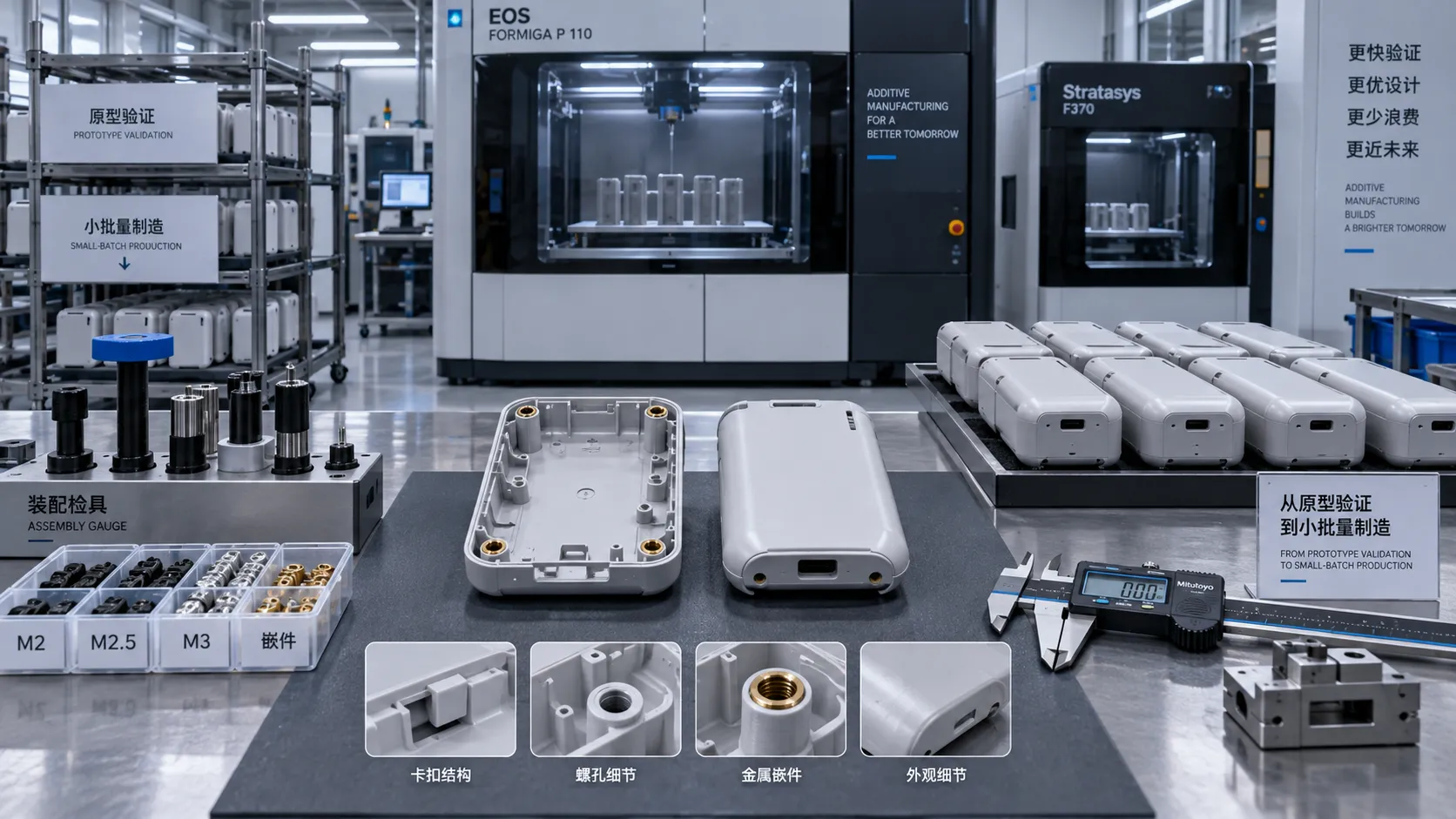
From Prototype to Small Batch: Applying 3D Printing to Consumer Goods
Explore 3d printing in consumer goods: learn how to move from prototype to small-batch production with practical guidance on materials, quality validation, and cost control.
Related News
- 00
0000-00
How to verify part consistency before choosing a 3D printing OEM - 00
0000-00
How does a rigid cryogenic transfer line handle thermal contraction? - 00
0000-00
How much does edge vision deployment cost beyond the hardware? - 00
0000-00
How does the purity of sputtering targets affect thin-film quality? - 00
0000-00
How high power laser cladding systems control substrate dilution
Marcus Print
Weekly Insights
Stay ahead with our curated technology reports delivered every Monday.