
Paper Packaging vs Plastic: What Changes in 2026

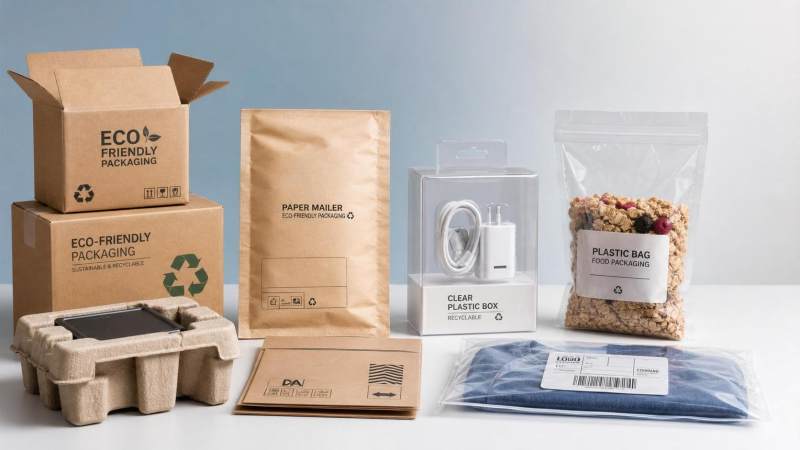
Paper packaging and plastic have been competing for decades, but 2026 changes the terms of that comparison. The discussion is no longer centered on public image alone. It now sits inside regulatory planning, supply security, material performance, and total packaging cost.
That shift matters across industrial, retail, food, electronics, and e-commerce supply chains. A packaging decision now affects compliance exposure, recyclability claims, automation compatibility, transit damage rates, and even export readiness. In that context, paper packaging is becoming a strategic materials question rather than a simple sustainability preference.
Why 2026 looks different
Several pressures are converging at once. Extended producer responsibility rules are expanding. Single-use plastic restrictions are tightening in more markets. Large buyers are also demanding clearer evidence for recycled content, recoverability, and carbon reporting.
At the same time, paper packaging has improved in print quality, barrier coatings, forming precision, and automation handling. That makes the comparison with plastic less theoretical. In many categories, it is now a direct procurement choice with measurable operational consequences.
From a market intelligence perspective, the packaging debate increasingly resembles other industrial material transitions. G-AIT tracks this kind of shift by looking beyond surface claims and focusing on benchmark data, standards alignment, and adoption risk across the supply chain.
Paper packaging is not one material story
A common mistake is treating paper packaging as a single substitute for plastic. It is not. Corrugated board, molded fiber, cartonboard, kraft paper, paper mailers, laminated paper structures, and coated barrier papers solve different problems.
Plastic has the same complexity. Polyethylene films, PET containers, rigid PP trays, multilayer pouches, and foam protection each bring distinct performance profiles. The real decision is not paper versus plastic in the abstract. It is which structure fits the product, route, and regulatory environment.
In practice, paper packaging performs best where stiffness, printability, shelf presentation, curbside recovery, and secondary transport protection matter. Plastic still holds advantages in moisture resistance, transparency, seal integrity, extreme lightweighting, and some sterile or high-barrier uses.
What decision-makers are actually comparing
The 2026 comparison is broader than unit price. The stronger evaluation model looks at the full commercial and technical picture.
This is where many 2026 packaging reviews will be won or lost. A lower material price can be erased by slower line speed, higher breakage, repacking labor, or a compliance redesign six months later.
Standards, claims, and proof will matter more
As policy and buyer scrutiny increase, unsupported claims become a liability. “Eco-friendly” language is losing value unless it is backed by traceable data, recognized testing, and recovery logic that works in the target market.
For paper packaging, that means closer attention to fiber sourcing, recycled content, repulpability, coating chemistry, migration safety, and the difference between technically recyclable and practically recoverable.
This is also where G-AIT’s benchmarking mindset becomes relevant. Across advanced industrial sectors, material selection is increasingly judged through standards such as ISO and ASTM, validated process data, and repeatable performance thresholds. Packaging decisions are moving in the same direction.
Questions worth asking before a material switch
- Does the paper packaging structure maintain strength after humidity exposure?
- Are barrier layers compatible with existing recycling streams?
- Will print, cutting, folding, or sealing require new tooling?
- Is transit damage likely to rise in long or export routes?
- Can suppliers document consistency across regions and batches?
Where paper packaging is gaining ground fastest
The strongest growth is not happening everywhere equally. It is concentrated in categories where functionality and regulation are aligning.
E-commerce and fulfillment
Paper mailers, corrugated formats, and fiber-based void fill continue to expand. They fit automated packing stations, reduce plastic optics in direct-to-consumer delivery, and support easier disposal for end users.
Dry food and secondary food packaging
Cartons, sleeves, and barrier-enhanced paper packaging are gaining share. The biggest opportunities appear where shelf impact and regulatory positioning matter more than maximum barrier performance.
Consumer electronics and industrial accessories
Molded fiber trays and paper-based inserts are replacing foam and thermoformed plastics in selected lines. Protection remains critical, but presentation, recyclability, and freight efficiency are driving redesign programs.
Retail-ready multipacks
Plastic rings and wraps are under pressure. Paper packaging formats that preserve stacking strength and barcode readability are becoming more attractive in beverage and household categories.
Where plastic will remain difficult to displace
The transition will not be universal. In high-moisture, high-grease, medical, sterile, frozen, or long-shelf-life uses, plastic often still provides better protection with lower failure risk.
That does not mean paper packaging has no role there. It means hybrid structures, downgauged plastics, recyclable mono-materials, or paper-plastic combinations may be more realistic than a full paper conversion.
In other words, 2026 is less about declaring a single winner and more about narrowing plastic to applications where it remains technically justified.
Cost control now depends on system thinking
A paper packaging move can reduce one cost line while raising another. Material, freight cube, warehouse density, machinability, returns, waste handling, and labeling all need to be reviewed together.
For example, a heavier format may still win if it improves stack stability and lowers damage claims. A more expensive barrier paper may also make sense if it reduces regulatory exposure or simplifies recycling communication across markets.
This is why the most reliable packaging decisions increasingly use a benchmark approach. Test data, line trials, failure analysis, and supply assurance provide better guidance than broad sustainability narratives.
A practical framework for 2026 decisions
A useful review process should be disciplined, but not overly rigid. Start with the product’s protection threshold, then map the route-to-market, recovery environment, and compliance horizon.
- Separate primary, secondary, and tertiary packaging decisions.
- Score each format on performance, regulation, cost, and recovery.
- Run humidity, compression, drop, and sealing validation where needed.
- Check supplier depth, fiber availability, and regional converting capacity.
- Review packaging claims with legal and compliance teams before launch.
The strongest decisions usually come from comparing formats under realistic conditions, not from assuming that paper packaging automatically solves every sustainability or cost problem.
What to watch next
The next phase will likely be shaped by better barrier technologies, stronger fiber engineering, smarter converting, and tighter reporting rules. That will make paper packaging more competitive in categories that still sit on the boundary today.
It will also increase the importance of data-backed evaluation. That is already familiar in advanced manufacturing fields, where G-AIT follows technical benchmarking, standards compliance, export-control updates, and material performance across global supply chains.
For 2026, the useful next step is not to ask whether paper packaging is universally better than plastic. The better question is where it creates a more resilient, compliant, and economically sound packaging system. Once that framework is clear, material choices become easier to defend and easier to scale.
Related News

How to verify part consistency before choosing a 3D printing OEM
Choosing a 3D printing OEM? Learn how to verify part consistency with repeat-build trials, validated inspections, and traceability checks before committing to production.

How does a rigid cryogenic transfer line handle thermal contraction?
Learn how a rigid cryogenic transfer line manages thermal contraction with bends, bellows, and guided supports. Discover key design checks for safe, reliable cryogenic performance.

How much does edge vision deployment cost beyond the hardware?
Understand edge vision deployment cost beyond hardware, from data and integration to security and support. Uncover hidden expenses and build a smarter lifecycle budget before you scale.

How does the purity of sputtering targets affect thin-film quality?
Discover how sputtering targets affect thin-film quality. Learn to assess purity, identify harmful impurities, and choose specifications that improve coating performance.

How high power laser cladding systems control substrate dilution
Discover how high power laser cladding systems control substrate dilution through beam shaping, material feed, and thermal management to deliver reliable bonds and coating performance.
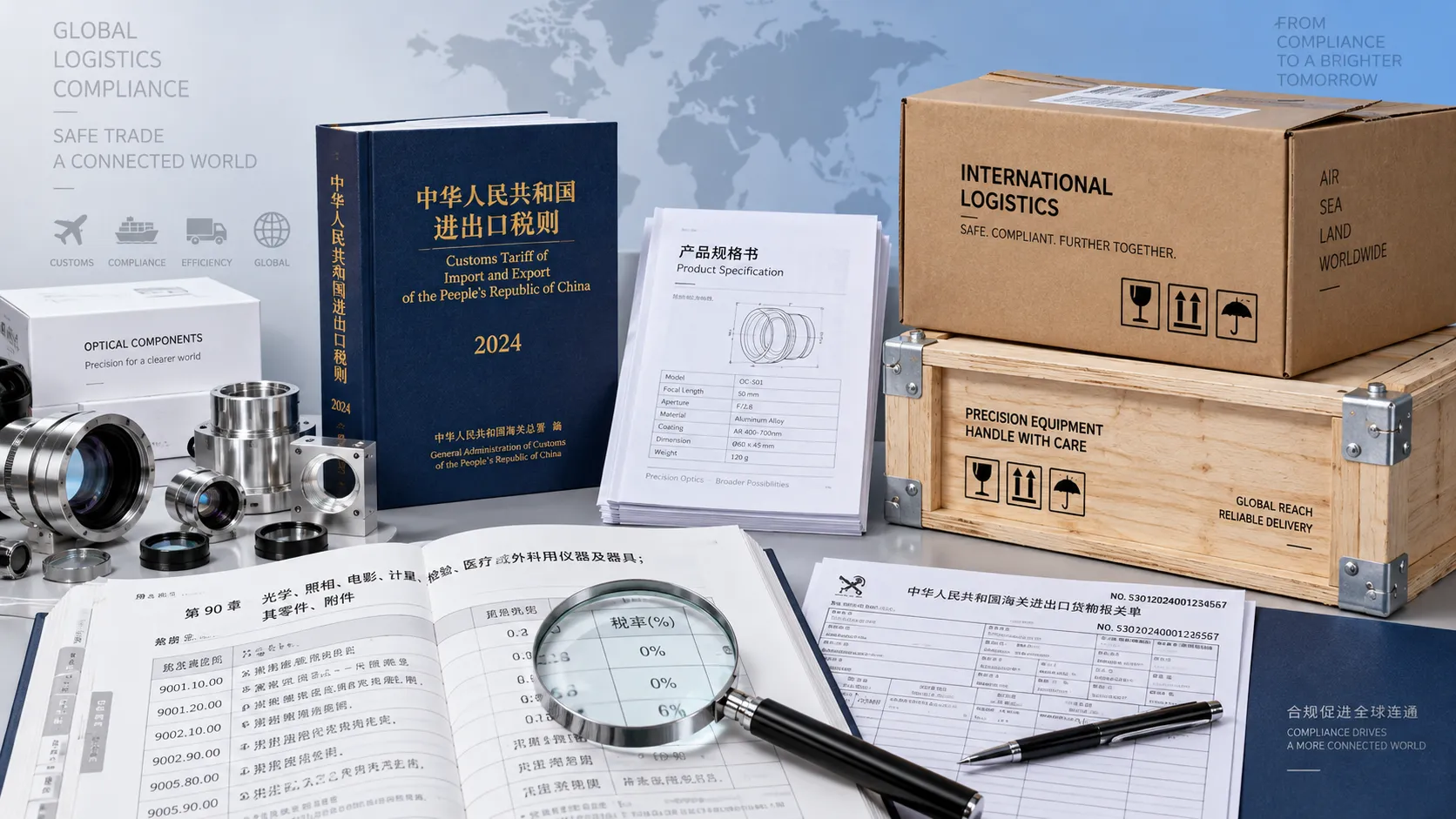
How to check HS codes for customs compliance in international logistics
Strengthen international logistics customs compliance: learn how to verify HS codes, check official tariffs, and document classifications to reduce costly shipment delays.

Choosing a 3D Printing Service for Consumer Products: Finish, Fit, and Cost
Compare 3d printing consumer good services by finish, fit, materials, and total cost. Learn how to choose a reliable supplier and avoid costly defects before ordering.

Which Consumer Goods Can Be 3D Printed, and What Are the Practical Limits?
Explore 3d printing consumer goods, from custom eyewear to replacement parts. Discover practical limits on materials, safety, and costs to make smarter production decisions.

From Prototype to Small Batch: Applying 3D Printing to Consumer Goods
Explore 3d printing in consumer goods: learn how to move from prototype to small-batch production with practical guidance on materials, quality validation, and cost control.
Related News
- 00
0000-00
How to verify part consistency before choosing a 3D printing OEM - 00
0000-00
How does a rigid cryogenic transfer line handle thermal contraction? - 00
0000-00
How much does edge vision deployment cost beyond the hardware? - 00
0000-00
How does the purity of sputtering targets affect thin-film quality? - 00
0000-00
How high power laser cladding systems control substrate dilution
Marcus Print
Weekly Insights
Stay ahead with our curated technology reports delivered every Monday.