
3D Printing Specification Gaps That Delay Supplier Approval

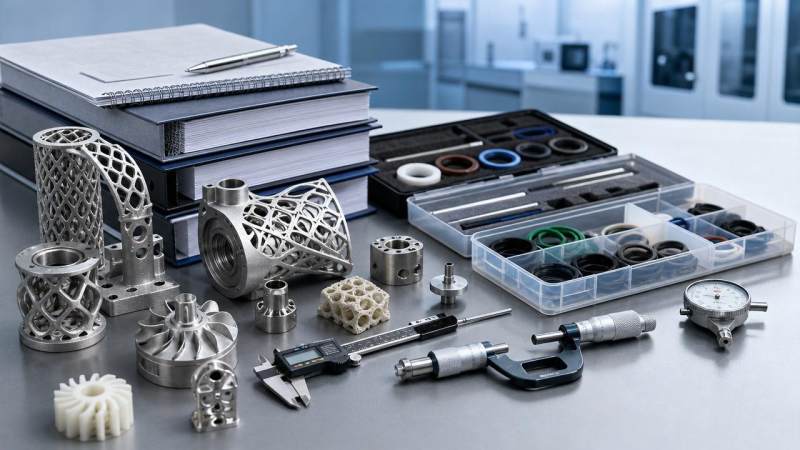
Supplier approval in additive manufacturing often stalls not because of price or capacity, but because critical 3D printing specification details are missing, inconsistent, or impossible to verify. For procurement teams, these gaps create compliance risk, delay technical evaluation, and weaken supplier comparability. This article outlines the specification issues that most often slow approval and explains how to identify stronger, audit-ready 3D printing partners faster.
Why specification gaps are becoming a bigger approval risk now
The pressure on supplier approval has changed. In earlier phases of additive manufacturing adoption, buyers often accepted broad capability claims such as “metal printing available” or “industrial-grade polymer systems.” That is no longer enough. As 3D printing moves from prototyping into regulated, serialized, and performance-critical production, procurement teams are being asked to approve suppliers on the basis of repeatability, traceability, and measurable process control.
This shift affects the value of every 3D printing specification. A specification is no longer just a sales document or a machine list. It has become evidence for quality review, technical benchmarking, risk screening, and supplier comparison. In global sourcing environments, especially where parts support aerospace, medical-adjacent, electronics, tooling, energy, or advanced industrial equipment, incomplete specification records now create a direct approval bottleneck.
For procurement professionals, the market signal is clear: supplier qualification is increasingly slowed by documentation quality rather than headline technology access. Buyers can usually find service bureaus or contract manufacturers with machines. What is harder to find is a supplier whose 3D printing specification package is internally consistent, aligned with standards, and ready for cross-functional review by sourcing, engineering, quality, and compliance teams.
The approval trend: buyers are shifting from capability claims to audit-ready proof
Several industry changes are driving this transition. First, additive manufacturing buyers are under more scrutiny from internal quality systems. Second, material and process variation is receiving more attention as companies scale production. Third, global customers want easier supplier comparability across regions, especially when dual-sourcing or qualifying backup vendors. As a result, a strong 3D printing specification now needs to support not only technical selection, but also audit preparation, PPAP-like review logic in some sectors, and long-term change control.
The most capable suppliers are responding by structuring specification data around process windows, material pedigree, build orientation controls, post-processing routes, inspection methods, and revision discipline. Weaker suppliers still rely on broad brochures, mixed terminology, and selective test results. That gap is widening, and procurement teams are seeing its effects in longer supplier onboarding cycles.
Which 3D printing specification gaps most often delay supplier approval
The most common approval delays do not usually come from one dramatic failure. They come from small but critical data omissions that make the supplier difficult to assess. Procurement teams should pay close attention to the following gaps because they tend to trigger the most follow-up questions.
1. Process naming without parameter clarity
A supplier may state that it offers SLM, LPBF, MJF, SLA, FDM, DED, or binder jetting, but that alone is not a sufficient 3D printing specification. Approval teams need to understand the machine platform, qualified build envelope, layer thickness range, scan strategy or equivalent process controls, and whether those settings are frozen for validated production. If process naming is broad while operational controls remain vague, engineering cannot judge consistency and quality cannot estimate process risk.
2. Material claims without pedigree or batch control
One of the biggest sources of confusion is material specification language. A supplier may list “Ti64,” “PA12,” “316L,” or “high-temperature resin,” but approval teams need more than generic names. They need feedstock supplier identity, grade, lot traceability, reuse policy for powders or resins, storage controls, contamination prevention measures, and any incoming inspection criteria. Without these details, the 3D printing specification is not strong enough to support supplier comparability or long-term quality planning.
3. Mechanical properties presented without test context
Mechanical property tables often look impressive but prove little when test conditions are unclear. Procurement teams should check whether tensile, hardness, elongation, fatigue, density, or surface roughness data are tied to test standards, orientation, sample geometry, build location, post-processing route, and sample size. A 3D printing specification that shows numbers without context creates more questions than answers, especially when engineers try to compare two suppliers on equal terms.
4. Post-processing left as a generic statement
Many approval issues emerge after the print stage. Heat treatment, stress relief, HIP, support removal, machining, blasting, polishing, dyeing, infiltration, curing, and cleaning all affect final part performance. Yet some suppliers list post-processing only as “available upon request.” That is a weak specification signal. Buyers increasingly expect a defined route from build to final delivery, including which steps are in-house, which are outsourced, and how change control is managed.
5. Inspection scope that does not match part criticality
A supplier may claim full inspection capability, but the real question is whether the inspection plan matches the application. Does the 3D printing specification identify dimensional methods, CT or NDT access, sampling plans, in-process monitoring, calibration status, and acceptance criteria? If a supplier produces critical components but cannot clearly explain the verification path, procurement will struggle to secure approval from quality stakeholders.
6. Change management and revision history are missing
Even technically strong suppliers lose momentum when their documents do not show revision control. Buyers want to know what happens if a machine model changes, powder vendor changes, nesting strategy changes, software version changes, or post-processing partner changes. In today’s environment, the absence of formal change notification language is a major weakness in any 3D printing specification package.
What is driving these specification problems across the market
The recurring gaps are not random. They are the result of market expansion colliding with industrial maturity requirements. Many suppliers grew out of prototype-focused business models where speed mattered more than documentation structure. As customer expectations evolved, some providers added machines faster than they upgraded quality systems. Others built strong engineering teams but still lack a disciplined technical communication framework for procurement audiences.
There is also a language problem in the market. Engineering teams may understand process nuance, but sourcing teams need standardized, comparable, and contract-relevant specification data. When suppliers submit highly technical but unstructured documents, approval slows because internal reviewers cannot quickly determine whether the offered process meets risk, compliance, and continuity requirements.
Who feels the impact most inside the buying organization
Specification gaps affect multiple decision points, not just sourcing. For procurement, the immediate cost is cycle time. For engineering, the problem is technical ambiguity. For quality, it is unverifiable process control. For operations, it is supply continuity risk. This is why supplier approval often appears to stall “for no reason” when the real issue is that different reviewers are each waiting for a different missing part of the 3D printing specification.
How procurement teams can identify stronger suppliers faster
The best response is not to ask for more documents in general. It is to ask for the right evidence in a structured sequence. A practical way to improve supplier approval speed is to screen early for specification maturity. This means evaluating whether the supplier can present a coherent 3D printing specification package before detailed price negotiation begins.
Start by checking whether the supplier separates machine capability from qualified production capability. Then confirm whether material control language is linked to traceability. Next, review how test data is anchored to process conditions. Finally, verify whether post-processing, inspection, and change management are documented as controlled parts of the workflow rather than optional services.
Suppliers that can answer these questions clearly tend to move through approval faster because they reduce internal friction among procurement, engineering, and quality teams. This is especially valuable in multinational buying environments where review cycles are already long.
Signals that a supplier is becoming approval-ready rather than just sales-ready
A stronger market direction is emerging. Leading additive suppliers are no longer presenting technical capability as isolated machine ownership. They are building approval-ready evidence systems. Procurement teams should watch for a few strong signals: standardized specification sheets by process family, documented material lineage, named inspection standards, stable revision history, and explicit disclosure of outsourced finishing or testing steps.
Another positive sign is terminology discipline. If a supplier uses consistent naming across quotations, quality manuals, capability matrices, and test reports, approval usually moves faster. In contrast, if the same 3D printing specification describes one process differently in each document, internal confidence drops quickly.
What to monitor next as 3D printing specification expectations continue to rise
Looking ahead, buyers should expect higher expectations around digital traceability, in-process monitoring records, powder lifecycle transparency, and application-specific qualification packages. As software-driven manufacturing expands, specification review will also include data governance questions: who controls build files, how parameters are versioned, and how production changes are authorized.
This means supplier approval will increasingly reward documentation discipline, not just printing skill. For procurement, the strategic implication is important: the next competitive advantage may come from selecting suppliers whose 3D printing specification systems are mature enough to support scale, audits, and long-term supplier governance.
Practical judgment questions before you advance a supplier
Before moving a supplier to final review, procurement teams should confirm a short set of judgment questions. Can the supplier prove material pedigree and reuse controls? Are process parameters described at a level suitable for repeatability review? Are test results linked to standard methods and build conditions? Is the post-processing path controlled and disclosed? Does the 3D printing specification show revision history and change notification logic? Can inspection capability be matched to the criticality of the intended part?
If several of these answers are vague, approval delays are likely. If most of them are clear, documented, and internally consistent, the supplier is far more likely to pass cross-functional review without repeated clarification cycles.
Final takeaway for sourcing teams
The market is changing from additive manufacturing enthusiasm to additive manufacturing accountability. That change is making the 3D printing specification a central approval tool rather than a background attachment. For procurement teams, the key insight is simple: when supplier approval slows, the root cause is often not commercial weakness but specification immaturity.
Organizations that want faster, lower-risk supplier approval should treat specification quality as an early-stage filter. If your team wants to judge how current market shifts affect your own sourcing pipeline, focus first on three questions: which specification fields are non-negotiable for your applications, which evidence is required for cross-functional signoff, and which suppliers can provide that evidence in a consistent, audit-ready format from the start.
Related News
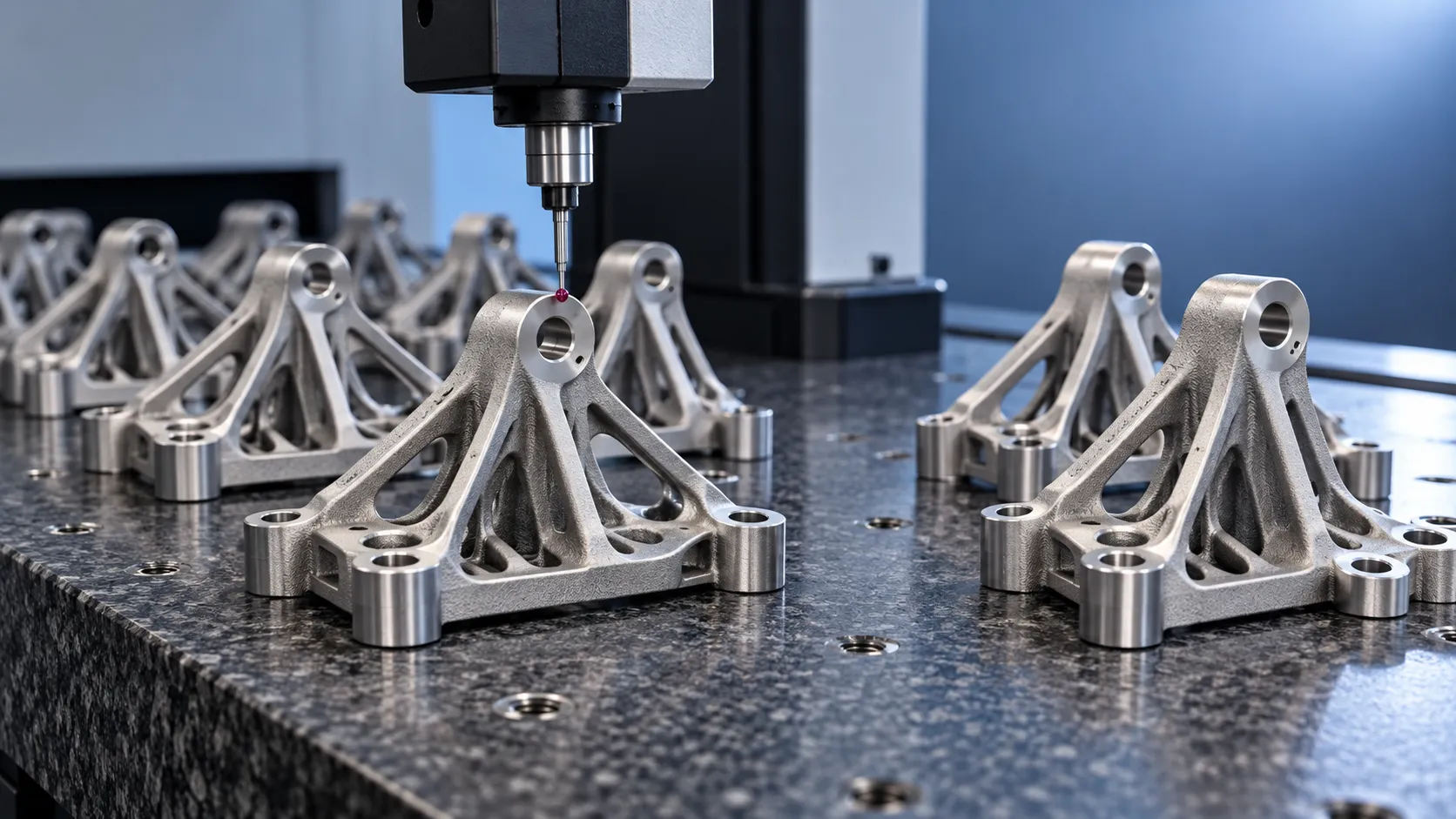
How to verify part consistency before choosing a 3D printing OEM
Choosing a 3D printing OEM? Learn how to verify part consistency with repeat-build trials, validated inspections, and traceability checks before committing to production.
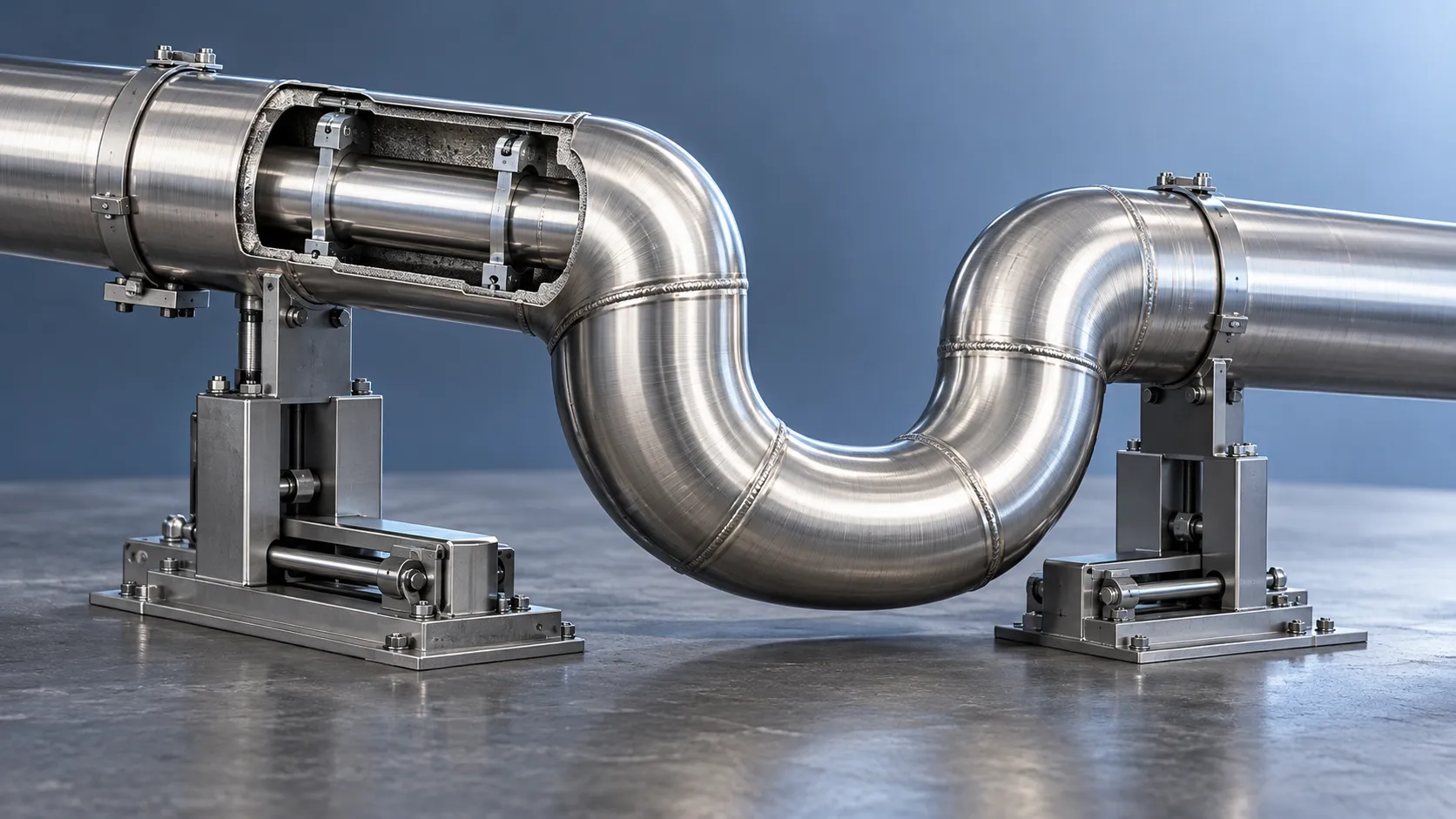
How does a rigid cryogenic transfer line handle thermal contraction?
Learn how a rigid cryogenic transfer line manages thermal contraction with bends, bellows, and guided supports. Discover key design checks for safe, reliable cryogenic performance.

How much does edge vision deployment cost beyond the hardware?
Understand edge vision deployment cost beyond hardware, from data and integration to security and support. Uncover hidden expenses and build a smarter lifecycle budget before you scale.

How does the purity of sputtering targets affect thin-film quality?
Discover how sputtering targets affect thin-film quality. Learn to assess purity, identify harmful impurities, and choose specifications that improve coating performance.

How high power laser cladding systems control substrate dilution
Discover how high power laser cladding systems control substrate dilution through beam shaping, material feed, and thermal management to deliver reliable bonds and coating performance.

How to check HS codes for customs compliance in international logistics
Strengthen international logistics customs compliance: learn how to verify HS codes, check official tariffs, and document classifications to reduce costly shipment delays.
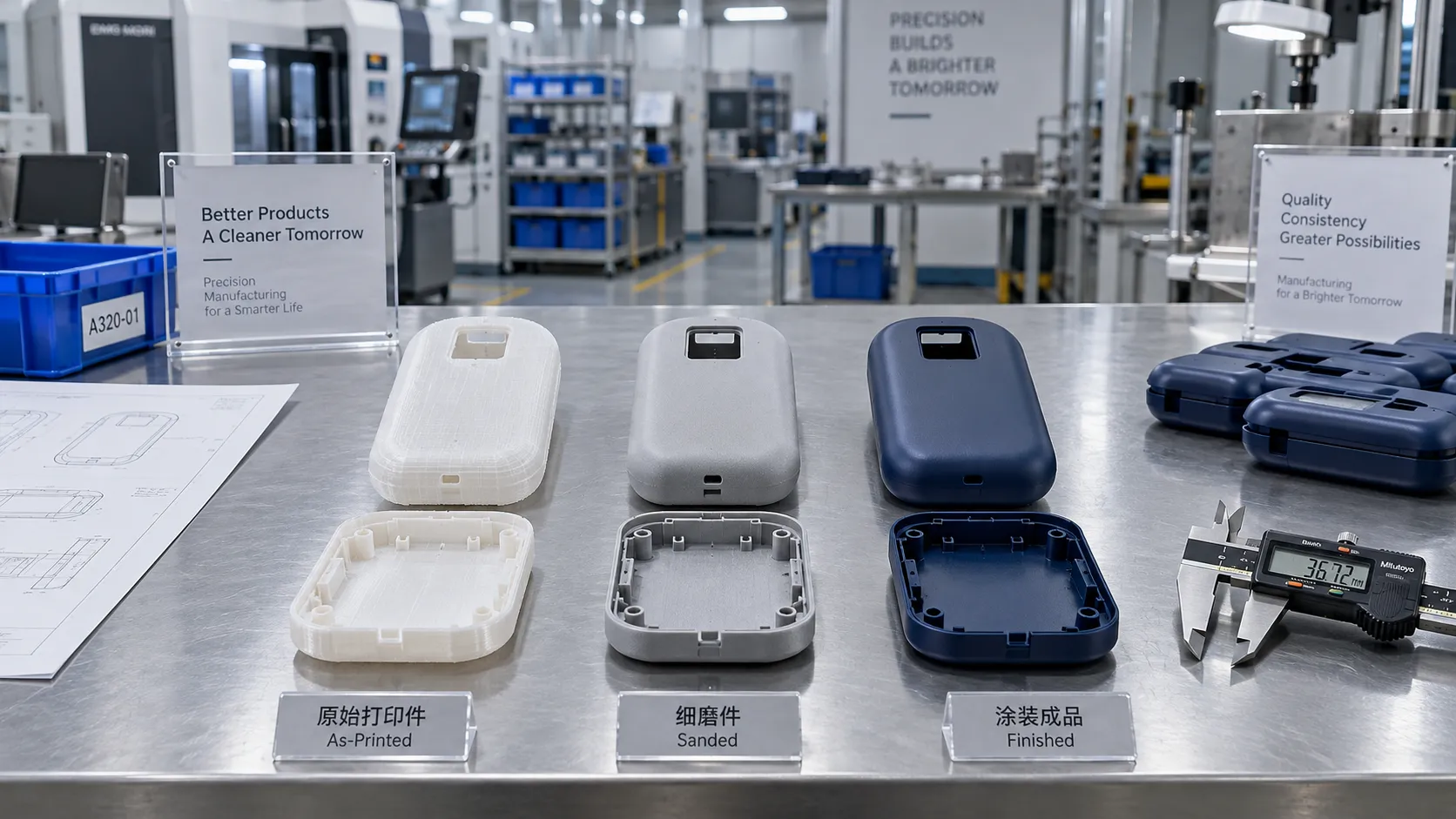
Choosing a 3D Printing Service for Consumer Products: Finish, Fit, and Cost
Compare 3d printing consumer good services by finish, fit, materials, and total cost. Learn how to choose a reliable supplier and avoid costly defects before ordering.
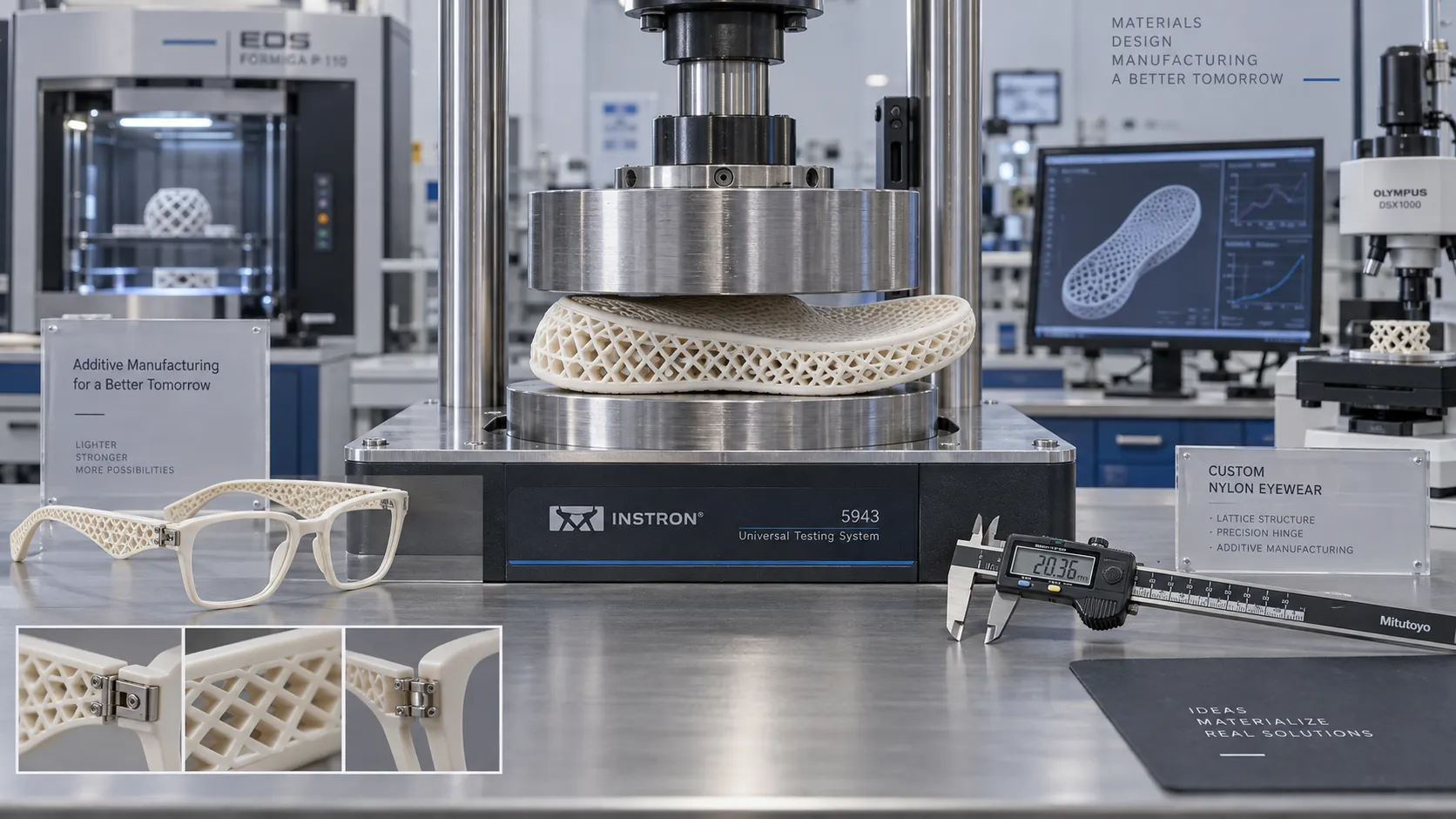
Which Consumer Goods Can Be 3D Printed, and What Are the Practical Limits?
Explore 3d printing consumer goods, from custom eyewear to replacement parts. Discover practical limits on materials, safety, and costs to make smarter production decisions.

From Prototype to Small Batch: Applying 3D Printing to Consumer Goods
Explore 3d printing in consumer goods: learn how to move from prototype to small-batch production with practical guidance on materials, quality validation, and cost control.
Related News
- 00
0000-00
How to verify part consistency before choosing a 3D printing OEM - 00
0000-00
How does a rigid cryogenic transfer line handle thermal contraction? - 00
0000-00
How much does edge vision deployment cost beyond the hardware? - 00
0000-00
How does the purity of sputtering targets affect thin-film quality? - 00
0000-00
How high power laser cladding systems control substrate dilution
Marcus Print
Weekly Insights
Stay ahead with our curated technology reports delivered every Monday.