
What determines the price of an industrial laser system?

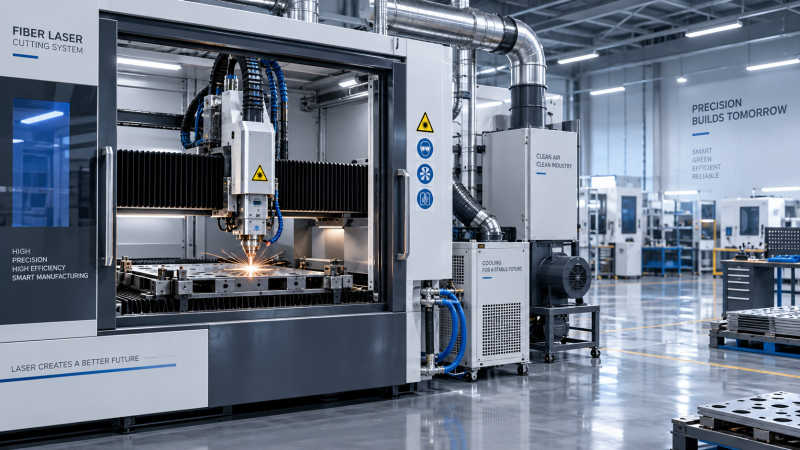
The price of an industrial laser system is determined by the process it must perform repeatedly, not by laser power alone. Two machines with the same nominal wattage can differ substantially in capital cost because they use different wavelengths, beam delivery architectures, motion systems, enclosures, cooling arrangements, process monitoring, and application-specific tooling. A lower initial quotation may also omit installation work, fume extraction, safety interlocks, software functions, spare parts, or commissioning support that are necessary for production.
A useful comparison begins by separating the laser source price from the price of a working production cell. The source generates optical power. The complete system must place that energy accurately on a part, control the interaction with the material, protect the surrounding workspace, and sustain the required duty cycle. Costs rise when any of these functions demand tighter tolerances, greater throughput, more automation, or more traceable process control.
Laser source type and wavelength set the technical baseline
Fiber, CO2, disk, diode, and ultrafast lasers have different cost structures because their beam properties, wavelength ranges, maintenance needs, and compatible applications differ. A fiber laser is commonly selected for cutting, welding, cleaning, marking, and many metal-processing tasks. Its wavelength couples efficiently into many metals, and the compact delivery path can simplify integration. That does not make every fiber configuration interchangeable. Beam quality, power stability, back-reflection protection, modulation capability, and the rated operating environment all influence the source and system price.
CO2 systems remain relevant where non-metallic materials, organic substrates, glass-related processes, or wavelength-specific absorption behavior are important. Their optical path, mirrors, gas handling requirements, and maintenance profile can make the machine architecture different from a fiber-based system. A quotation that compares only output power across these source types is therefore not technically meaningful.
Ultrashort-pulse systems occupy another cost category. Picosecond and femtosecond lasers are chosen when heat-affected zones, micro-feature geometry, brittle materials, thin films, or sensitive multilayer structures limit the use of longer pulses. The source itself is more specialized, but the larger cost effect may come from the precision motion platform, beam conditioning, enclosed process environment, vision alignment, and inspection needed to preserve the benefit of the pulse regime.
Wavelength should be matched to the material and process rather than treated as a premium feature by itself. Copper, aluminum, reflective alloys, polymers, ceramics, coated components, and composite structures absorb and react differently. A system that appears expensive at the source level may reduce process instability when its wavelength and beam characteristics fit the material. Conversely, purchasing a high-specification source for a simple marking operation can add cost without improving the required result.
Power affects more than processing speed
Higher laser power generally increases the source price, cooling demand, electrical infrastructure, optical component rating, enclosure requirements, and safety engineering. It can also change the mechanical design. A high-power cutting cell may need a more robust gantry, faster axis dynamics, a larger extraction system, and a workholding approach that tolerates heat, spatter, and rapid part loading.
Power must be read alongside material thickness, joint geometry, desired edge condition, focal spot size, processing speed, and acceptable thermal distortion. For laser welding, a system intended for thin sheet seams may require controlled energy delivery and stable focus more than maximum output. For deep-penetration welding or thick-section cutting, available power becomes more central, yet speed and quality are still constrained by gas delivery, nozzle condition, fit-up, material surface condition, and motion accuracy.
The frequently quoted maximum power is not the same as usable process power at the workpiece. Transmission losses through fibers, collimators, protective windows, scanners, and beam expanders need consideration. The operating window also matters. A source that maintains stable output and modulation across the intended range has a different value from one that is only evaluated near its maximum rating.
Beam quality and optical configuration can outweigh a wattage comparison
Beam quality describes how effectively laser energy can be focused and controlled. A smaller, more consistent focal spot can improve energy density and feature definition, but its commercial value depends on the task. Fine cutting, remote welding, battery interconnect work, precision drilling, and micro-machining often benefit from tight beam control. Large-area heat treatment or broad cleaning may not require the same optical performance.
Optical delivery is a significant part of the industrial laser system price. Fixed processing heads, fiber-coupled heads, galvanometer scanners, robot-mounted heads, multi-axis cutting heads, and remote welding optics have different mechanical and calibration requirements. A scanner can process small patterns rapidly, but field size, focal variation, scan-head rating, lens selection, and software path planning affect both cost and result. A robot-mounted welding head requires suitable cabling, collision management, repeatability assessment, and often seam-location capability.
Protective windows, lenses, nozzles, mirrors, and other consumable optical elements should be defined in the technical scope. Their replacement frequency is tied to fumes, spatter, assist gas cleanliness, material coatings, and preventive maintenance discipline. A low-cost system that exposes expensive optics to frequent contamination can become costly to operate.
The machine frame, motion platform, and automation level shape the production-cell cost
A bench-top marker, a manually loaded welding station, a large-format flatbed cutter, and a robotic multi-station cell may use similar laser technology while representing entirely different investments. The price gap is explained by the surrounding equipment: welded frame construction, linear guides, drives, servo controls, rotary axes, part fixtures, loading equipment, guarding, and software integration.
Precision claims should be connected to the whole positioning chain. Laser spot diameter, axis repeatability, fixture datum strategy, part variation, thermal growth, and camera calibration all influence the final feature location. Paying for a high-resolution encoder does little if the workpiece is located inconsistently. In contrast, applications involving medical components, semiconductor-related parts, fine electronics, or micro-fluidic features may require a coordinated system in which machine accuracy, fixture design, inspection, and environmental control are specified together.
Automation adds cost through hardware and engineering time. Conveyor feeding, pallet exchange, rotary tables, automatic focus adjustment, barcode traceability, robotic handling, and machine-vision alignment can improve cycle stability, but each interface creates commissioning work and failure modes that need support. The right level of automation is determined by part mix, batch size, loading time, takt requirements, and how reliably incoming parts present themselves to the process.
Application tooling is often underestimated in early quotations
The laser does not process an abstract material; it processes a component with geometry, coatings, tolerances, and handling constraints. Fixtures may need to position a part without damaging cosmetic surfaces, allow heat dissipation, hold warped sheet flat, isolate reflective areas, or expose multiple features without repeated manual repositioning. Complex fixtures can exceed the cost of a basic laser head, especially when a part family requires quick changeovers or error-proof loading.
Assist gas systems are central to cutting and some welding processes. Gas purity, pressure regulation, nozzle design, supply routing, and flow stability influence edge quality, oxidation behavior, dross, and lens contamination. A comparison that includes a cutting head but excludes gas hardware is incomplete. The same issue arises with shielding gas for welding, where joint access and gas coverage can determine whether a quoted process is viable.
Material condition changes the required system specification. Oil, rust, coatings, adhesive residue, plating, casting porosity, surface roughness, and inconsistent gaps can shift a process from straightforward to difficult. A test on clean flat coupons is useful only when it resembles the actual production condition. Where material variation is unavoidable, the system may need power feedback, adaptive focus, seam tracking, cleaning steps, or a wider process window. Those additions affect both initial cost and engineering effort.
Cooling, extraction, safety, and site work belong in the same budget
Industrial lasers generate heat at the source and often at the process head. Water chillers, filtration loops, coolant monitoring, and climate constraints must be sized for the actual duty cycle and ambient conditions. A chiller selected only for nominal laser power can be inadequate once auxiliary optics, cabinets, and continuous operation are considered. Chiller redundancy may be justified where unplanned stoppage has a high production consequence, but it should be priced as a defined availability requirement rather than assumed.
Fume and particulate extraction must match the processed material and expected by-products. Laser marking painted parts, cutting polymers, ablating coatings, and welding metal can create very different emissions. Duct routing, filter selection, airflow verification, fire precautions, filter-change access, and disposal arrangements can materially affect installed cost. These items are sometimes treated as site responsibilities, which makes them easy to miss when comparing quotations.
Safety enclosure design depends on laser classification, viewing arrangements, loading method, access points, and the possibility of reflected or scattered radiation. Interlocked doors, safety-rated circuits, beam dumps, guarded service positions, warning devices, and emergency-stop architecture are part of a production-ready cell. An open workstation with limited containment may have a lower stated price, while a fully enclosed automated cell includes more protective engineering. Neither is inherently correct without reference to the intended process and facility conditions.
Installation expenses also extend beyond delivery. Floor loading, machine access routes, electrical capacity, compressed air quality, gas storage, network connections, chilled-water routing, crane access, and local permitting can alter the final project cost. Large machines may require partial disassembly and reassembly at site. A tight installation area can add guarding or service-clearance complications that do not appear in a standard factory layout.
Software, sensing, and validation determine how much process assurance is being purchased
Basic laser control software may be sufficient for repeatable marking patterns or simple cut profiles. More demanding work can require CAD/CAM functions, nesting, parameter libraries, recipe management, access controls, production logging, network communication, and integration with factory data systems. Licensing terms matter: some functions are included, while others are sold as modules, annual support arrangements, or custom development work.
Process monitoring is not a single feature. A camera used for part location addresses a different problem from a weld-monitoring sensor, pyrometer, optical power measurement device, or post-process vision inspection station. Adding sensors without defining the action taken when a signal deviates creates cost without a clear control method. The relevant question is whether the signal detects a meaningful defect mechanism early enough to change the disposition of the part or the machine state.
Acceptance criteria need similar precision. “Good weld,” “clean cut,” or “permanent mark” are not adequate technical requirements. The required evidence may include dimensions, burr condition, penetration, surface appearance, contrast, electrical continuity, leak performance, or traceability. The method of measurement, sample condition, and allowable variation should be agreed before factory acceptance and site commissioning. Otherwise, the supplier may price a standard demonstration while the final application requires extensive process development.
Lifecycle cost depends on service scope and the realism of uptime assumptions
Service contracts vary widely. Some cover remote diagnosis and scheduled maintenance; others include travel, labor, replacement parts, optics, source repair conditions, response windows, or application support. Warranty duration alone does not reveal the exposure. Exclusions for contaminated optics, consumables, improper utilities, third-party modifications, or application changes should be reviewed alongside the stated coverage.
Spare-part strategy should reflect lead times and production criticality. Frequently replaced protective windows, nozzles, filters, seals, and sensors are different from long-lead control components or a replacement laser source. Keeping every part on site is rarely rational, but no inventory plan can be worse when a small component stops a high-utilization cell. The service arrangement should identify which items are stocked locally, which are held by the supplier, and which require factory shipment.
Energy consumption, gas use, extraction filters, coolant maintenance, fixture replacement, and periodic alignment all contribute to ownership cost. These expenses should be estimated from the intended process recipe and operating schedule, not from a generic machine brochure. A high-throughput system can consume more utilities per hour yet cost less per finished part when it reduces rework, loading delays, or downstream finishing.
Comparing quotations without creating false equivalence
When evaluating the industrial laser system price, normalize each quotation to the same boundary: identical parts, material condition, throughput target, quality acceptance method, utilities, safety scope, automation functions, installation responsibility, training, and service period. A line-item comparison is useful, but only after these assumptions are aligned. Otherwise, the lowest figure may represent a smaller technical scope rather than a lower-cost answer.
Request process evidence on representative components whenever the application has difficult material behavior, narrow tolerances, demanding cosmetic requirements, or complex joints. The test should record source settings, optics, focal position, speed, gas conditions, fixturing approach, and the inspection method used to judge the result. Those details reveal whether a result can be transferred into production or was achieved through a narrow demonstration setup.
The final selection should express a defined production requirement in equipment terms. Once source performance, beam delivery, mechanical accuracy, part handling, utilities, safety, validation, and support are treated as one scope, price differences become easier to explain. The resulting comparison is less vulnerable to missing equipment, optimistic cycle assumptions, and late engineering changes.
Related News
How to verify part consistency before choosing a 3D printing OEM
Choosing a 3D printing OEM? Learn how to verify part consistency with repeat-build trials, validated inspections, and traceability checks before committing to production.
How does a rigid cryogenic transfer line handle thermal contraction?
Learn how a rigid cryogenic transfer line manages thermal contraction with bends, bellows, and guided supports. Discover key design checks for safe, reliable cryogenic performance.
How much does edge vision deployment cost beyond the hardware?
Understand edge vision deployment cost beyond hardware, from data and integration to security and support. Uncover hidden expenses and build a smarter lifecycle budget before you scale.
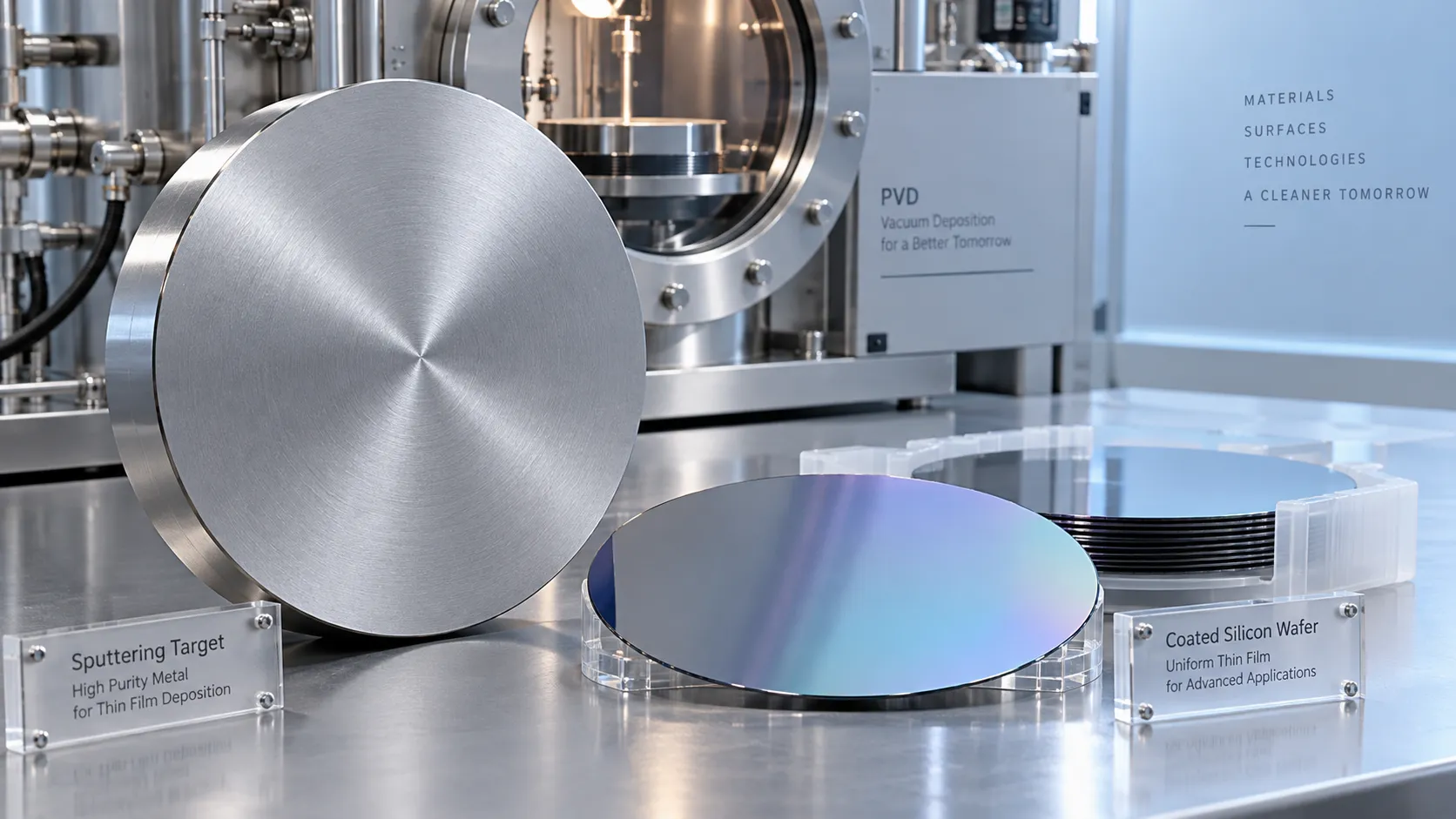
How does the purity of sputtering targets affect thin-film quality?
Discover how sputtering targets affect thin-film quality. Learn to assess purity, identify harmful impurities, and choose specifications that improve coating performance.
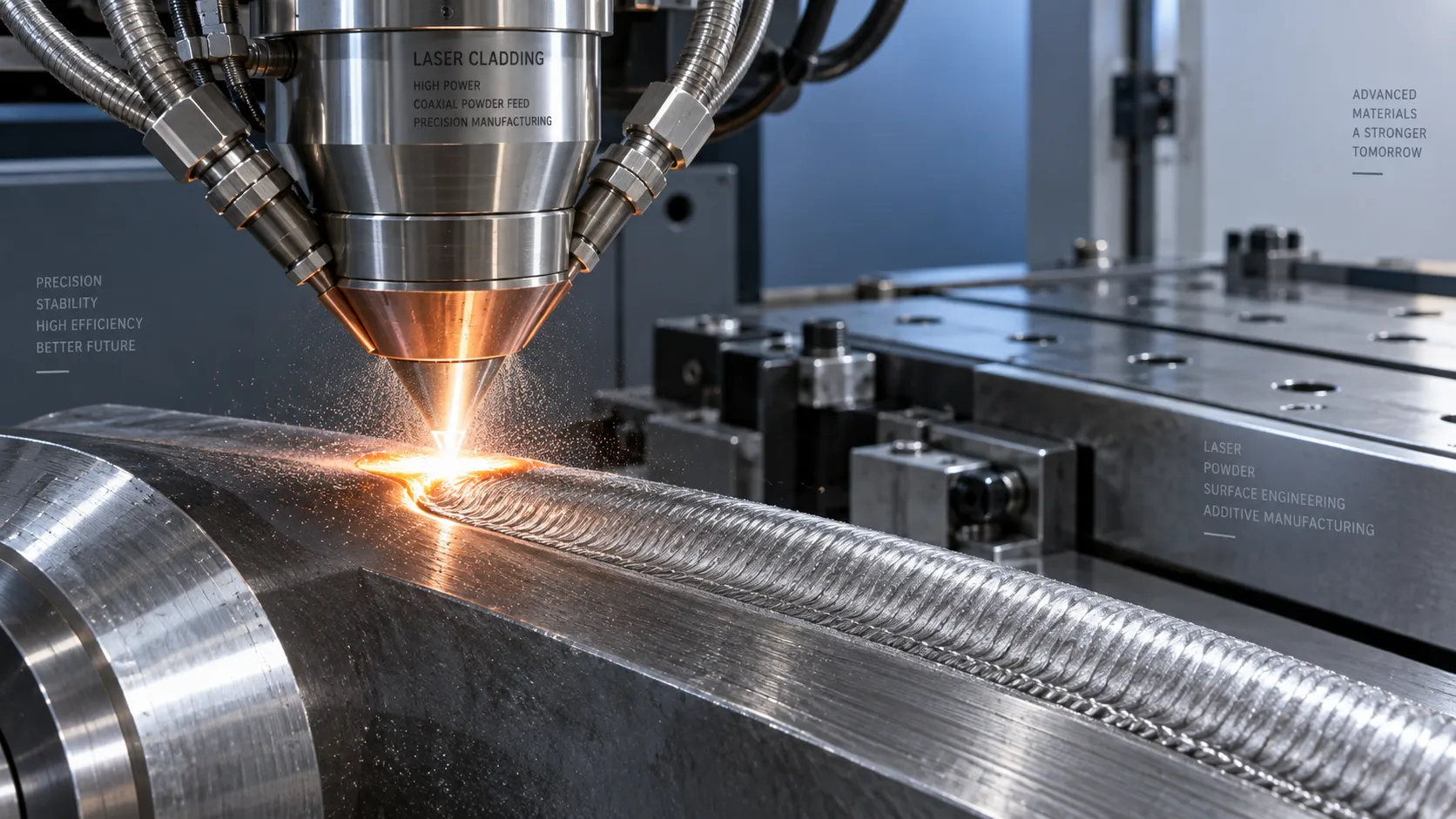
How high power laser cladding systems control substrate dilution
Discover how high power laser cladding systems control substrate dilution through beam shaping, material feed, and thermal management to deliver reliable bonds and coating performance.

How to check HS codes for customs compliance in international logistics
Strengthen international logistics customs compliance: learn how to verify HS codes, check official tariffs, and document classifications to reduce costly shipment delays.
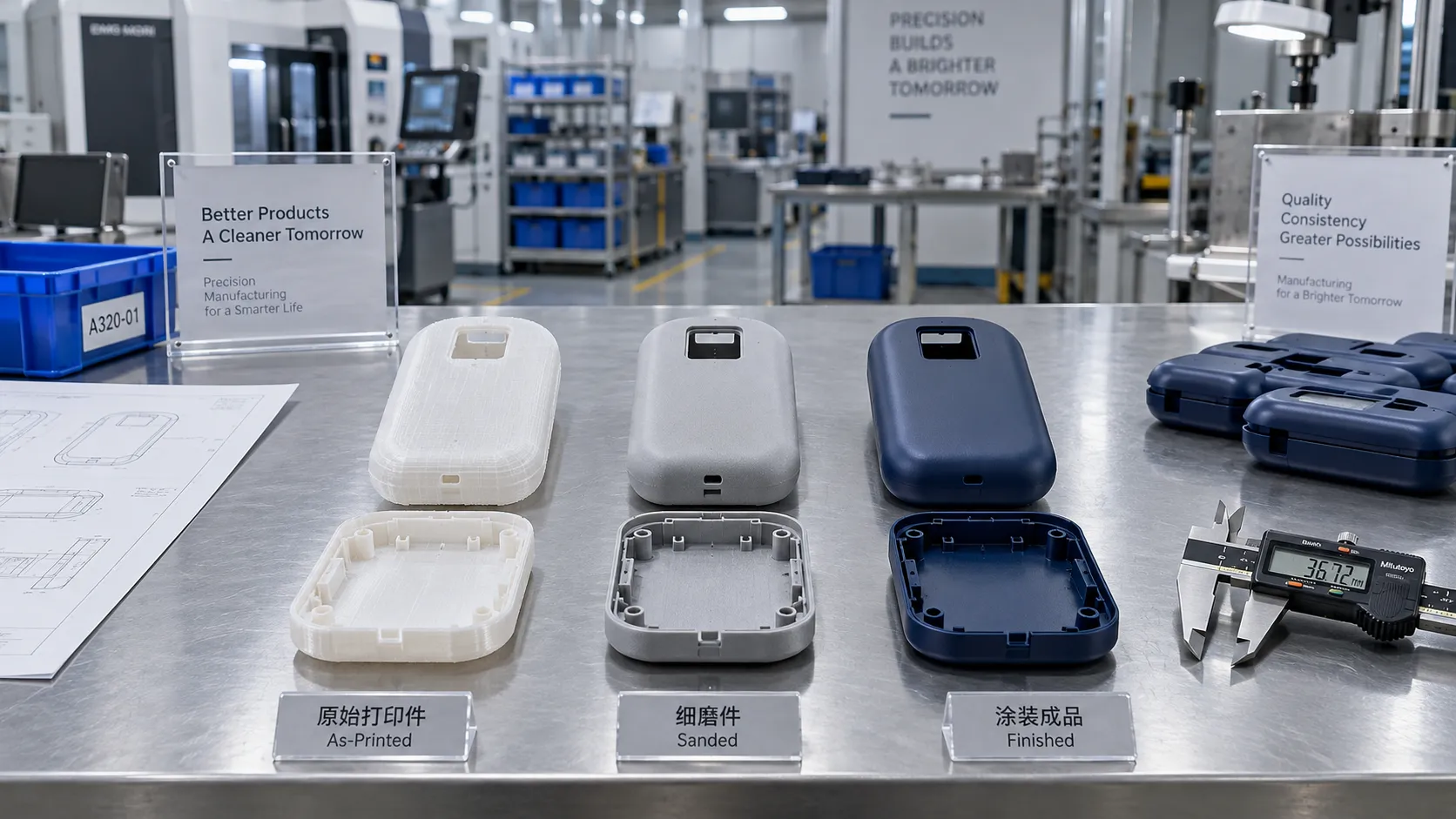
Choosing a 3D Printing Service for Consumer Products: Finish, Fit, and Cost
Compare 3d printing consumer good services by finish, fit, materials, and total cost. Learn how to choose a reliable supplier and avoid costly defects before ordering.
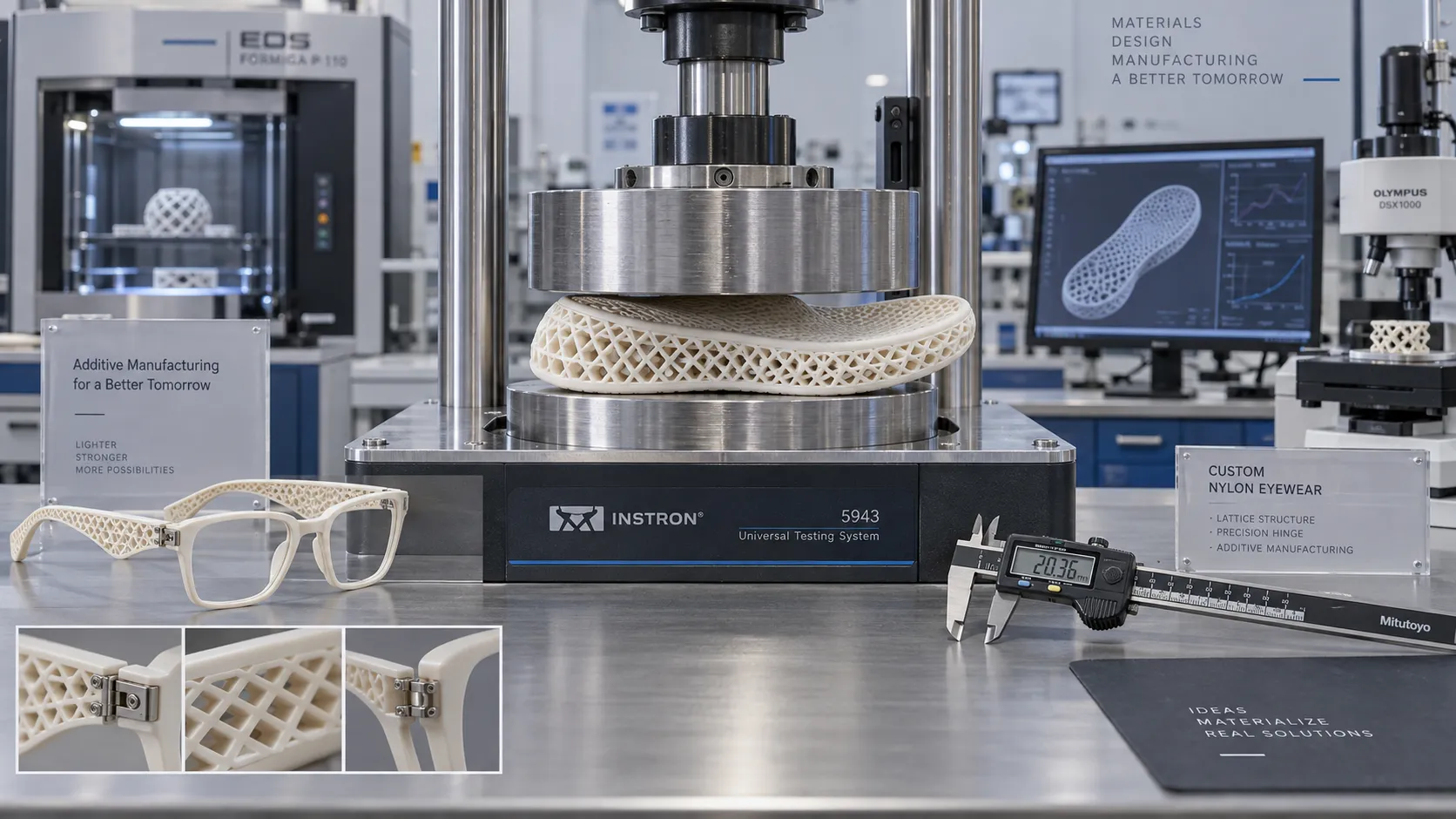
Which Consumer Goods Can Be 3D Printed, and What Are the Practical Limits?
Explore 3d printing consumer goods, from custom eyewear to replacement parts. Discover practical limits on materials, safety, and costs to make smarter production decisions.
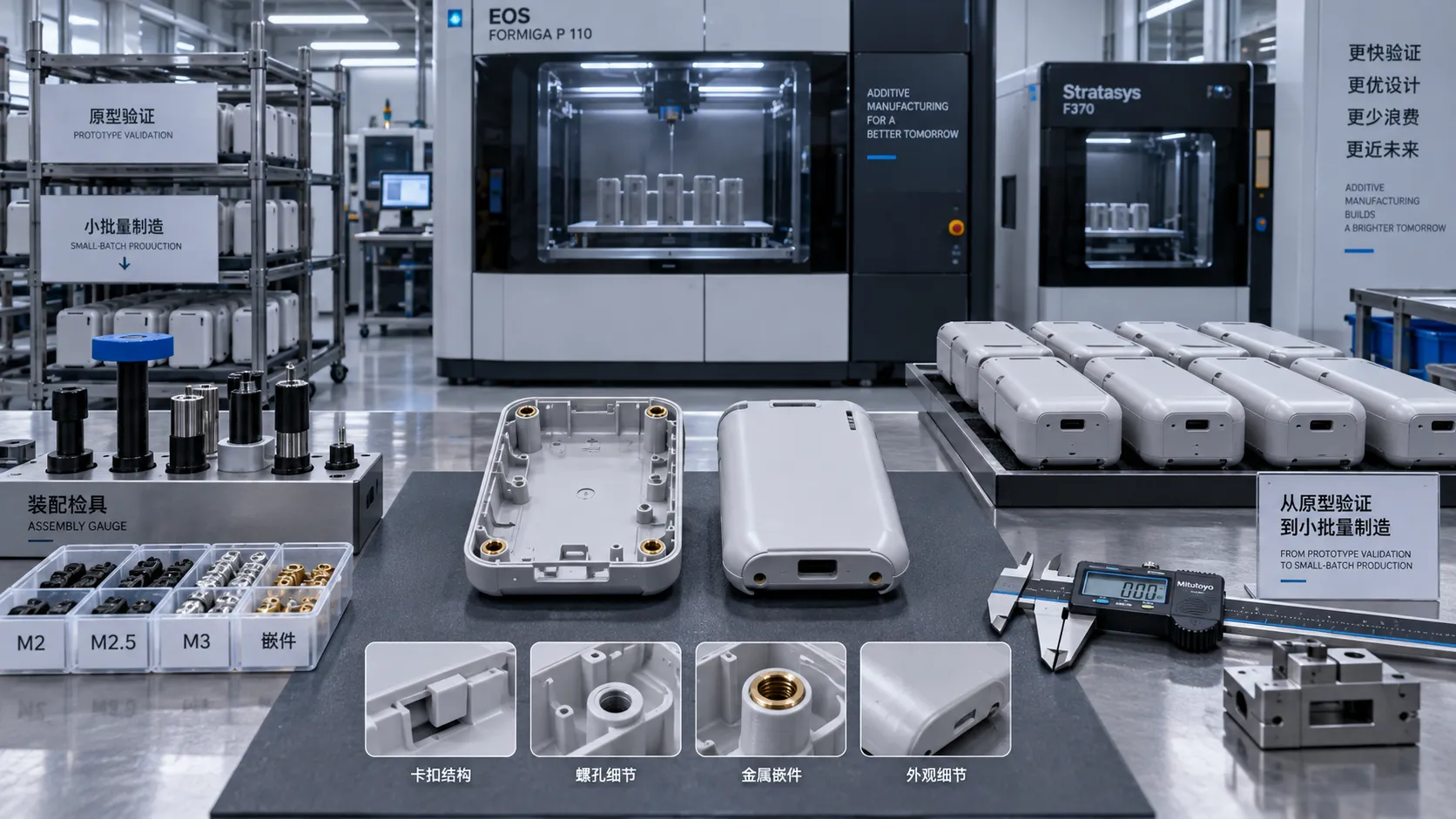
From Prototype to Small Batch: Applying 3D Printing to Consumer Goods
Explore 3d printing in consumer goods: learn how to move from prototype to small-batch production with practical guidance on materials, quality validation, and cost control.
Related News
- 00
0000-00
How to verify part consistency before choosing a 3D printing OEM - 00
0000-00
How does a rigid cryogenic transfer line handle thermal contraction? - 00
0000-00
How much does edge vision deployment cost beyond the hardware? - 00
0000-00
How does the purity of sputtering targets affect thin-film quality? - 00
0000-00
How high power laser cladding systems control substrate dilution
Dr. Hideo Tanaka
Weekly Insights
Stay ahead with our curated technology reports delivered every Monday.