
Container Shipping Costs in 2026: What Changes Pricing Most?


Container Shipping Costs in 2026: What Changes Pricing Most?
In 2026, container shipping is no longer priced by fuel alone.
That is the easy headline, but not the full story.
For buyers comparing suppliers across regions, container shipping costs now reflect a layered risk model.
Capacity, routing, compliance, insurance, and lead time volatility all move the final number.
That also means landed cost estimates can drift quickly if procurement teams use old benchmarks.
The practical question is simple: what changes container shipping pricing most in 2026?
The answer starts with supply and demand, but it does not end there.
Recent market behavior shows that non-freight surcharges often decide whether a quote stays competitive.
In real procurement work, that distinction matters because a low base rate can hide a high total exposure.
1. Vessel Capacity and Trade Lane Balance Still Set the Baseline
The first pricing driver is available vessel space on a specific trade lane.
When carriers remove sailings or redeploy ships, container shipping rates usually rise fast.
When demand softens, rates can drop just as sharply.
But 2026 looks less predictable than earlier cycles.
More carriers are managing capacity tightly instead of flooding lanes with extra slots.
That keeps freight pricing firmer even when cargo demand is uneven.
The stronger signal is trade imbalance.
If containers move full in one direction and return empty, repositioning costs push rates upward.
This is especially relevant for industrial buyers sourcing from Asia into North America or Europe.
In those flows, equipment availability can become a separate pricing pressure.
What to check before accepting a rate
- Whether the quote covers guaranteed space or standby allocation.
- Whether empty container availability is tight at origin.
- Whether the lane has blank sailings planned for the month.
- Whether peak season surcharges are likely to appear later.
2. Fuel Costs Matter, but Carbon Rules Matter More Than Before
Fuel remains visible in every container shipping conversation.
Still, in 2026, environmental compliance has become a larger pricing force.
Carriers now pass through more carbon-related costs with clearer formulas.
These may include emissions surcharges, cleaner fuel adjustments, or route-specific regulatory fees.
For procurement planning, this changes how freight bids should be compared.
A lower ocean rate may look attractive until carbon and bunker line items are added back in.
That is why container shipping cost analysis now needs surcharge transparency, not just rate visibility.
This is even more important for buyers shipping dense machinery, technical assemblies, or controlled materials.
Those shipments often absorb higher cost swings because unit values are large and schedules are rigid.
A better comparison method
Compare quotes using total landed freight cost per cubic meter, per ton, and per purchase order.
That approach captures the real effect of fuel and carbon pricing on container shipping decisions.
3. Port Congestion and Inland Bottlenecks Can Erase a Cheap Ocean Rate
Many freight quotes look efficient at the port-to-port level.
The real cost problem often begins after the vessel arrives.
Port congestion, customs queues, chassis shortages, rail delays, and warehouse backlogs can add hidden cost.
These charges appear as detention, demurrage, storage, split delivery, or urgent drayage premiums.
In actual business cases, these extras can exceed the base container shipping rate difference between carriers.
This is why route reliability matters almost as much as price.
A slightly higher rate on a stable corridor may reduce total cost exposure.
That becomes obvious when production lines depend on scheduled deliveries.
High-impact cost items to model
- Demurrage and detention by port and container type.
- Drayage premiums during terminal congestion windows.
- Rail or trucking handoff delays after discharge.
- Storage risk for cargo requiring inspection or documentation review.
4. Geopolitical Risk Now Changes Container Shipping Pricing Faster
Geopolitical disruption is no longer a background issue.
In 2026, it is a direct pricing factor in container shipping procurement.
Route diversions, security surcharges, war risk premiums, and sanctions screening all affect final costs.
Even when a shipment is legal and compliant, carriers may reroute around unstable corridors.
That adds sailing time, fuel use, schedule uncertainty, and insurance exposure.
The effect is strongest on cargo tied to high-value equipment, dual-use components, or strategic manufacturing inputs.
Those categories often face stricter document checks and more cautious underwriting.
So, a route that was efficient last year may no longer be the lowest-risk option today.
What this means for sourcing decisions
Do not compare suppliers without comparing route resilience.
The supplier with a higher ex-works cost may produce a lower total landed cost.
That can happen if its shipping corridor is shorter, safer, and easier to clear.
5. Cargo Type, Handling Complexity, and Compliance Drive Premiums
Not all container shipping moves are priced the same, even on the same route.
Cargo characteristics shape cost more than many buyers expect.
Oversized cargo, hazardous goods, fragile components, temperature-sensitive materials, and export-controlled items all attract premiums.
The reason is straightforward.
They require more checks, more documents, tighter handling, and sometimes fewer carrier options.
For advanced industrial procurement, this issue appears often.
Precision optics, vacuum systems, laser modules, nano-material inputs, and inspection equipment may need custom packing or compliance review.
That increases container shipping cost through packaging design, handling time, and claims prevention measures.
It also means the cheapest freight quote may be operationally unsafe.
Questions worth asking suppliers
- Is export classification already confirmed?
- Is packaging tested for shock, moisture, and stacking conditions?
- Are special declarations needed for batteries, chemicals, or sensitive electronics?
- Can the supplier provide past claim history by route?
6. Contract Structure and Incoterms Often Decide the Real Cost
A common mistake is focusing only on the carrier quote.
In practice, contract design often changes container shipping cost more than expected.
Spot bookings can work well for flexible demand.
They become risky when schedules are fixed or volumes are strategic.
Longer-term contracts may offer better predictability, but only if surcharge rules are clearly defined.
Incoterms also shift who pays for origin handling, main carriage, insurance, and destination surprises.
That is why two suppliers can quote similar product prices yet create very different landed costs.
When container shipping risk is volatile, unclear handoff points become expensive.
Useful comparison points
- Free time at origin and destination.
- Named responsibility for customs holds and exams.
- Formula for bunker and security surcharge adjustments.
- Liability terms for delay, damage, and rolled cargo.
7. How to Make Better Container Shipping Decisions in 2026
The best decisions come from a broader cost lens.
Instead of chasing the lowest freight line, evaluate the full shipping scenario.
That means combining ocean rate, surcharges, routing risk, inland reliability, compliance exposure, and inventory impact.
From a procurement standpoint, this is where better margins are protected.
It also supports cleaner supplier benchmarking.
A supplier should not look cheaper if its container shipping model adds recurring hidden cost.
- Build a landed cost model that includes all freight add-ons.
- Score routes by reliability, not only transit time.
- Review cargo compliance requirements before final sourcing approval.
- Stress-test costs against congestion and geopolitical scenarios.
- Use contract language that limits surcharge surprises.
In short, container shipping costs in 2026 are shaped by a wider set of variables than many legacy models capture.
Fuel still matters, but capacity, compliance, congestion, contract structure, and geopolitical risk now change pricing faster.
The more practical response is not guesswork.
It is disciplined supplier comparison, route-level analysis, and clear visibility into every container shipping cost layer.
That is what helps procurement planning stay accurate when markets move quickly.
Related News

How to verify part consistency before choosing a 3D printing OEM
Choosing a 3D printing OEM? Learn how to verify part consistency with repeat-build trials, validated inspections, and traceability checks before committing to production.
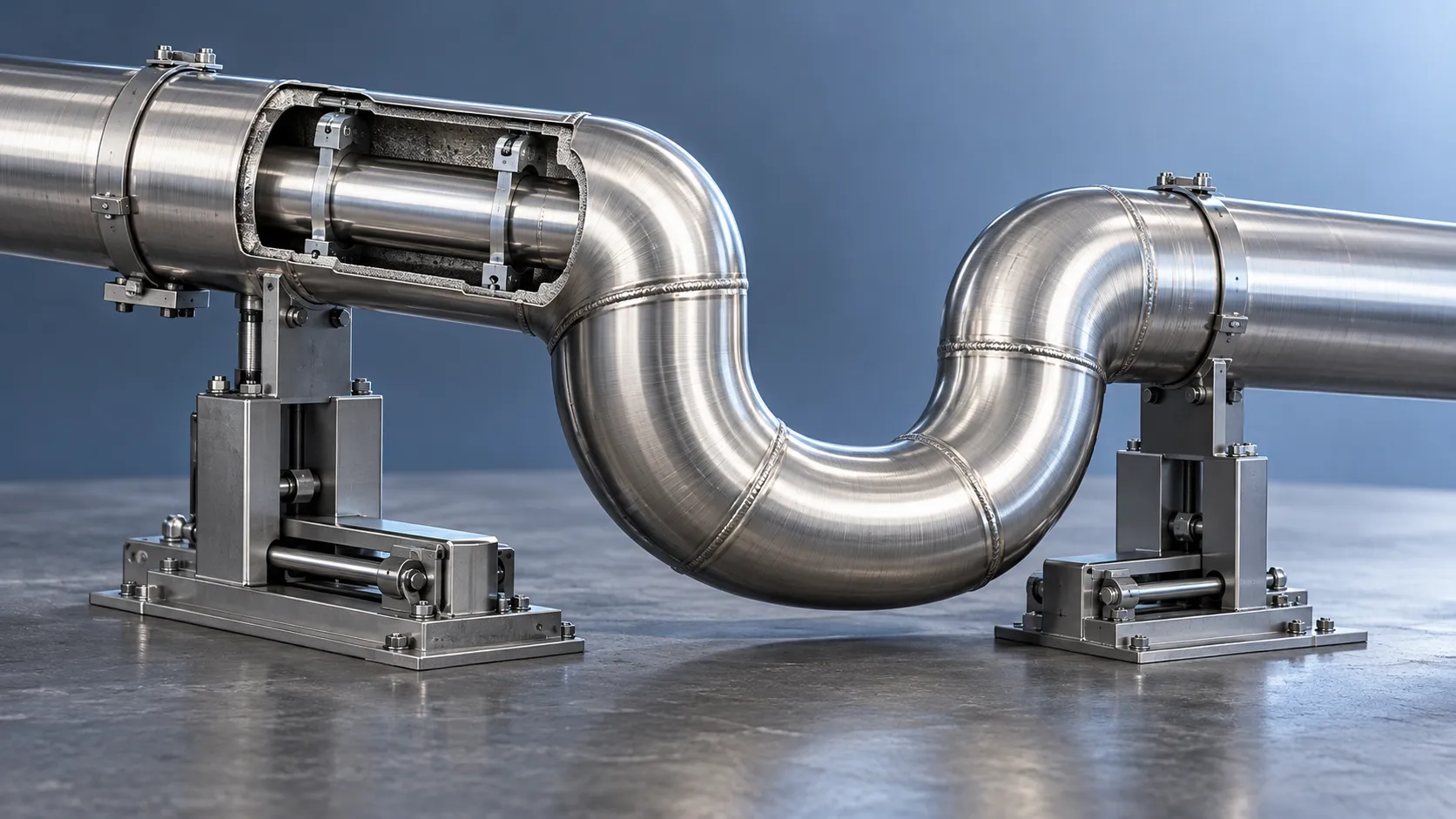
How does a rigid cryogenic transfer line handle thermal contraction?
Learn how a rigid cryogenic transfer line manages thermal contraction with bends, bellows, and guided supports. Discover key design checks for safe, reliable cryogenic performance.

How much does edge vision deployment cost beyond the hardware?
Understand edge vision deployment cost beyond hardware, from data and integration to security and support. Uncover hidden expenses and build a smarter lifecycle budget before you scale.

How does the purity of sputtering targets affect thin-film quality?
Discover how sputtering targets affect thin-film quality. Learn to assess purity, identify harmful impurities, and choose specifications that improve coating performance.

How high power laser cladding systems control substrate dilution
Discover how high power laser cladding systems control substrate dilution through beam shaping, material feed, and thermal management to deliver reliable bonds and coating performance.
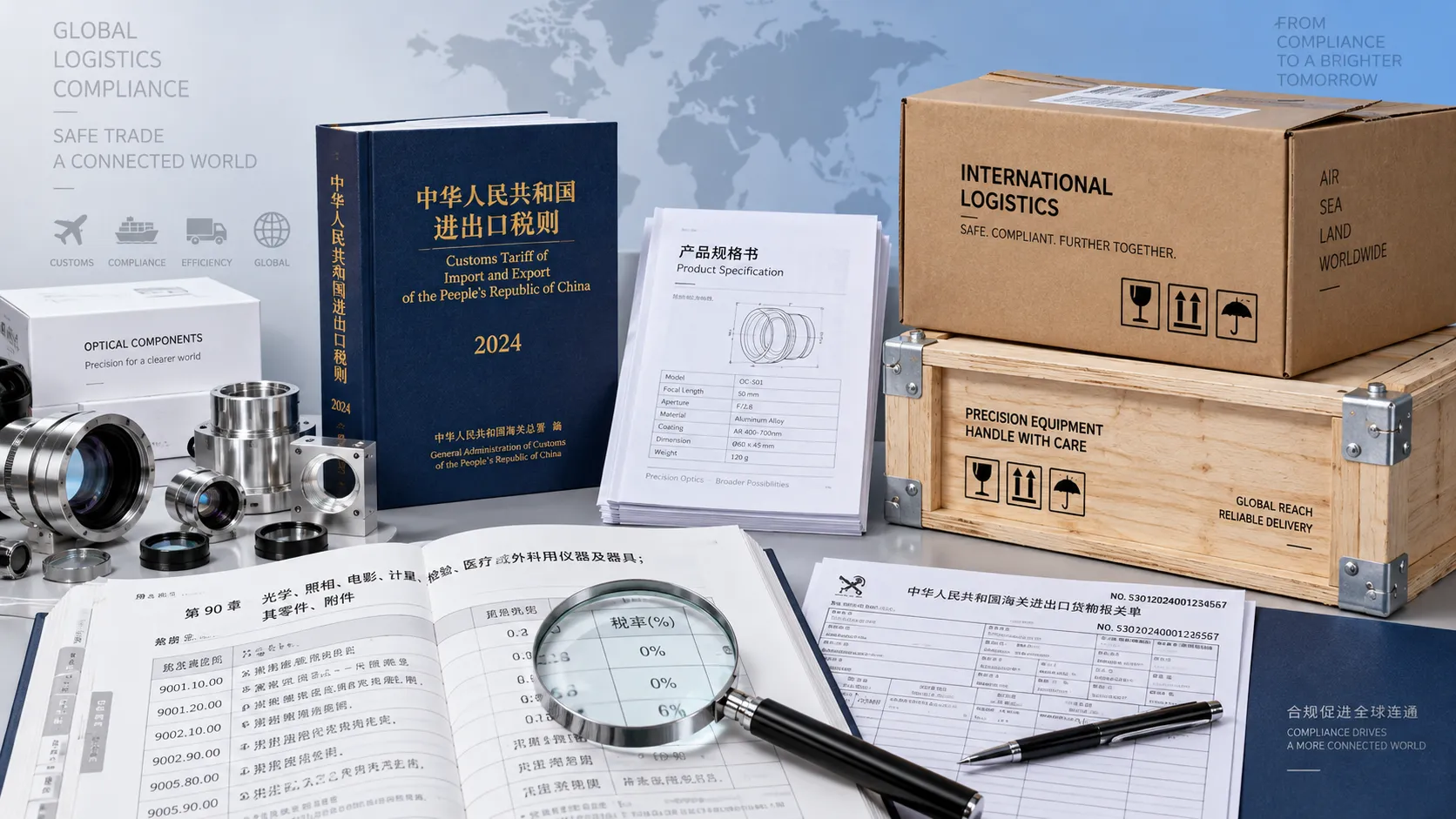
How to check HS codes for customs compliance in international logistics
Strengthen international logistics customs compliance: learn how to verify HS codes, check official tariffs, and document classifications to reduce costly shipment delays.

Choosing a 3D Printing Service for Consumer Products: Finish, Fit, and Cost
Compare 3d printing consumer good services by finish, fit, materials, and total cost. Learn how to choose a reliable supplier and avoid costly defects before ordering.

Which Consumer Goods Can Be 3D Printed, and What Are the Practical Limits?
Explore 3d printing consumer goods, from custom eyewear to replacement parts. Discover practical limits on materials, safety, and costs to make smarter production decisions.

From Prototype to Small Batch: Applying 3D Printing to Consumer Goods
Explore 3d printing in consumer goods: learn how to move from prototype to small-batch production with practical guidance on materials, quality validation, and cost control.
Related News
- 00
0000-00
How to verify part consistency before choosing a 3D printing OEM - 00
0000-00
How does a rigid cryogenic transfer line handle thermal contraction? - 00
0000-00
How much does edge vision deployment cost beyond the hardware? - 00
0000-00
How does the purity of sputtering targets affect thin-film quality? - 00
0000-00
How high power laser cladding systems control substrate dilution
Dr. Hideo Tanaka
Weekly Insights
Stay ahead with our curated technology reports delivered every Monday.