
How green supply chain management reduces supplier disruption risk


Supplier disruption is rarely caused by a single dramatic event. Production delays often begin with smaller weaknesses: a subcontractor depends on one energy-intensive process, a critical material has limited traceability, a supplier cannot document its environmental controls, or a plant has no workable response to water, power, waste, or transport constraints. By the time these issues become visible in delivery performance, changing source may be slow, expensive, or technically impossible.
Green supply chain management reduces supplier disruption risk when it is used as an operational resilience system, not as a reporting exercise. It gives buyers a structured way to examine how suppliers obtain materials, use energy and water, control emissions and waste, meet changing requirements, and recover from disruption. Those factors affect whether a supplier can keep producing under pressure, not merely how it appears in a sustainability scorecard.
For advanced industrial supply chains, this distinction matters. Components for laser systems, metal additive manufacturing, optical inspection equipment, nanomaterials, vacuum systems, and cryogenic equipment may require specialist materials, validated processes, and long qualification cycles. A nominally available alternative supplier is of little value if it cannot meet the same technical, material, documentation, and reliability requirements.
Why environmental performance can signal operational fragility
A supplier's environmental practices do not automatically prove that it is reliable. A low-emissions claim, recycled-content target, or published sustainability report cannot replace capacity, quality, and financial due diligence. However, environmental exposure frequently reveals the same management weaknesses that later cause delivery failure.
Consider a manufacturer with high dependence on a single utility, restricted raw material source, hazardous processing route, or difficult-to-treat waste stream. If its controls are poorly understood, an interruption in energy supply, raw material availability, permits, transport, or local infrastructure can quickly affect output. A supplier that measures these dependencies, maintains documented controls, and has practical reduction or recovery plans is generally easier to assess and less likely to surprise its customers.
Green supply chain management makes these dependencies visible across tiers. Instead of asking only, “Can this supplier ship the part next month?”, procurement and operations teams ask more useful questions:
- Which inputs are scarce, energy-intensive, regulated, or concentrated in a small number of regions?
- Which manufacturing steps depend on uninterrupted power, process gases, water quality, controlled chemicals, or specialized packaging?
- Can the supplier show where critical materials originate and whether lower-tier sources are stable?
- What happens to production if environmental operating conditions change or a key input is restricted?
- Does the supplier have credible alternatives, recovery procedures, and communication routes?
These are continuity questions. The environmental lens is valuable because it reaches beyond the direct supplier's commercial promises and into the physical conditions needed to make the product.
Traceability reduces the time needed to respond
During a disruption, the immediate problem is often not lack of data but lack of usable data. A buyer may know the name of its direct supplier while having little visibility into the processor, refinery, coating provider, gas producer, machining subcontractor, or logistics partner that creates the actual bottleneck.
Material and process traceability is one of the most practical parts of a green supply chain program. It maps material origin, processing stages, environmental handling requirements, and chain-of-custody records. This supports responsible sourcing, but its disruption value is equally important: it helps teams identify where a constraint is located and which products, sites, and customer commitments are affected.
Traceability should be proportionate to risk. Requiring detailed origin data for every low-value office item creates administrative burden with little resilience benefit. Applying deeper mapping to sole-sourced alloys, optical substrates, specialty powders, high-purity gases, thermal-management materials, vacuum-compatible components, and controlled chemicals is more defensible. These inputs can be difficult to replace because alternative materials may alter performance, certification status, contamination risk, or equipment calibration.
A useful mapping exercise does not stop at a country of origin field. It identifies the material family, conversion or treatment step, approved production site, relevant subcontractors, normal lead-time drivers, and technical restrictions on substitution. This gives sourcing teams a realistic view of whether a disruption can be managed through inventory, alternate routing, redesign, or supplier qualification.
Resource efficiency creates more room to absorb shocks
Resource efficiency is sometimes treated as a cost-saving initiative separate from supply continuity. In practice, the two are closely linked. A supplier that reduces avoidable scrap, improves yield, reuses process materials where technically appropriate, controls energy use, and monitors water-intensive operations often has more stable consumption patterns and clearer control over its production economics.
The benefit is not that efficiency makes disruption disappear. A highly efficient facility can still be exposed to a utility outage or material shortage. The benefit is that efficient operations tend to create fewer hidden dependencies and less margin pressure when input prices, availability, or operating conditions change. They may also be better positioned to prioritize constrained material for critical orders because process losses are understood rather than accepted as normal.
For buyers, the important assessment is not whether a supplier has broad environmental language. It is whether the supplier can connect resource controls to the actual production process. A credible discussion may include yield management, approved recycled or reclaimed material pathways, segregation of sensitive waste streams, maintenance of critical abatement equipment, or process-level contingency planning. The right evidence differs by component and process; demanding identical metrics from a software provider, a precision machining shop, and a chemical processor would obscure rather than clarify risk.
Use supplier qualification to test resilience, not just policy
Many supplier questionnaires fail because they ask for policies but do not test whether those policies influence operations. A polished environmental policy can coexist with poor material control, weak site-level records, or no escalation procedure when a disruption occurs.
Green supplier qualification should combine document review with process-specific evidence. The goal is to establish whether a supplier can maintain compliant, technically acceptable production when conditions become less favorable.
The assessment should distinguish between a supplier that is important and a supplier that is irreplaceable. High annual spend is one indicator, but disruption exposure can be far greater for a modest-spend component that has only one qualified source, a long validation cycle, or a direct effect on product safety and performance.
For critical suppliers, site-level engagement is often more valuable than another generic score. Review the manufacturing flow with the supplier: identify constrained inputs, waste and emissions controls that could stop production, maintenance dependencies, approved backup arrangements, and the decision rights for material or process changes. This also improves communication during a real incident because both sides understand which information must be shared immediately.
Compliance readiness prevents avoidable supply loss
Environmental requirements affect supply continuity through documentation, restricted substances, waste handling, emissions controls, product declarations, import conditions, and customer specifications. A supplier may be technically capable yet become unusable if it cannot provide the required evidence or manage a compliance issue without suspending shipment.
This risk is especially acute where components pass through several transformation stages. A final assembler may not know that a coating, adhesive, polymer, metal treatment, or packaging material changed upstream until a customer requests documentation or a quality issue appears. Green supply chain management introduces a disciplined process for collecting declarations, controlling material changes, and linking compliance records to approved parts and supplier sites.
The practical objective is not to request every possible document from every supplier. It is to define the evidence required for each risk category and make ownership clear. Procurement should know what is needed before purchase; engineering should define whether substitutions affect performance; quality should control approval status; and sustainability or compliance functions should set the relevant data requirements. When those responsibilities are disconnected, suppliers receive conflicting requests and urgent changes become difficult to govern.
Build optionality before a disruption forces it
A common error is to interpret sustainable sourcing as a preference for a single local source or a single supplier with favorable environmental credentials. Concentration can reduce transport complexity, but it can also increase exposure. The better approach is to balance environmental goals with technical redundancy and geographic risk.
Dual sourcing is not always realistic. In highly specialized industrial categories, qualifying a second supplier may require extensive testing, process capability review, intellectual property safeguards, and customer approval. In those cases, resilience may come from a different combination: agreed buffer stock of critical material, a qualified second processing route, protected tooling, alternative logistics lanes, shared visibility into lower-tier constraints, or a product design that permits a pre-approved material alternative.
Green criteria help determine which option is credible. An alternate supplier should not be considered viable solely because it has nominal capacity. It must be able to meet the same material controls, environmental handling requirements, documentation obligations, and process specifications. Otherwise, a disruption is merely transferred from availability risk to quality, compliance, or field-performance risk.
Make sustainability data usable in procurement decisions
The most common implementation failure is collecting sustainability data in a separate platform or annual report that procurement never uses. Data reduces disruption risk only when it changes sourcing decisions, supplier development priorities, contract terms, and escalation triggers.
Start with a limited group of critical suppliers and parts. Create a shared risk view that combines technical criticality, source concentration, material traceability, operational dependencies, compliance sensitivity, and recovery readiness. Use it in supplier reviews and new-source decisions. A simple red-amber-green classification can be useful if each rating has an evidence-based definition and a named action, such as mapping a lower tier, qualifying an alternate material, improving site documentation, or establishing a disruption communication protocol.
Contracts can reinforce this work without becoming excessively prescriptive. For high-risk categories, agreements may define notification expectations for material, process, site, and subcontractor changes; access to relevant traceability records; requirements for corrective action; and procedures for communicating capacity or compliance disruptions. The intent is early warning and controlled response, not transferring all operational responsibility to the supplier.
Where technical intelligence improves the assessment
In frontier manufacturing, supply resilience depends on whether alternatives are technically equivalent, not simply commercially available. Benchmarking material properties, process compatibility, inspection requirements, and applicable standards can help determine where flexibility exists and where it does not.
G-AIT's technical benchmarking and commercial intelligence across industrial laser processing, additive manufacturing, machine vision, nanomaterials, and vacuum and cryogenic engineering can support this type of assessment. Its value in a supply-risk workflow is the ability to connect supplier and material questions with engineering constraints, international standards, tender activity, patent landscapes, and export-control developments. That connection helps teams avoid treating sustainability, procurement, and technical qualification as separate decisions.
A green supply chain becomes resilient when it exposes dependencies early enough to act on them. Focus first on the materials, processes, and suppliers that cannot be replaced quickly. Then require evidence that shows how those dependencies are controlled, what can change safely, and who responds when conditions deteriorate. This turns environmental management from a peripheral reporting obligation into a practical defense against supply interruption.
- supply chain
- manufacturing
- supply chain management
- green supply chain
- chemicals
- packaging
- energy
- Industrial Laser Processing
- Additive Manufacturing
- Machine Vision
- Optical Inspection
- Nanomaterials
- Cryogenic Engineering
- Technical Benchmarking
- Vacuum Systems
- optical inspection equipment
- green supply chain management
Related News

How to verify part consistency before choosing a 3D printing OEM
Choosing a 3D printing OEM? Learn how to verify part consistency with repeat-build trials, validated inspections, and traceability checks before committing to production.
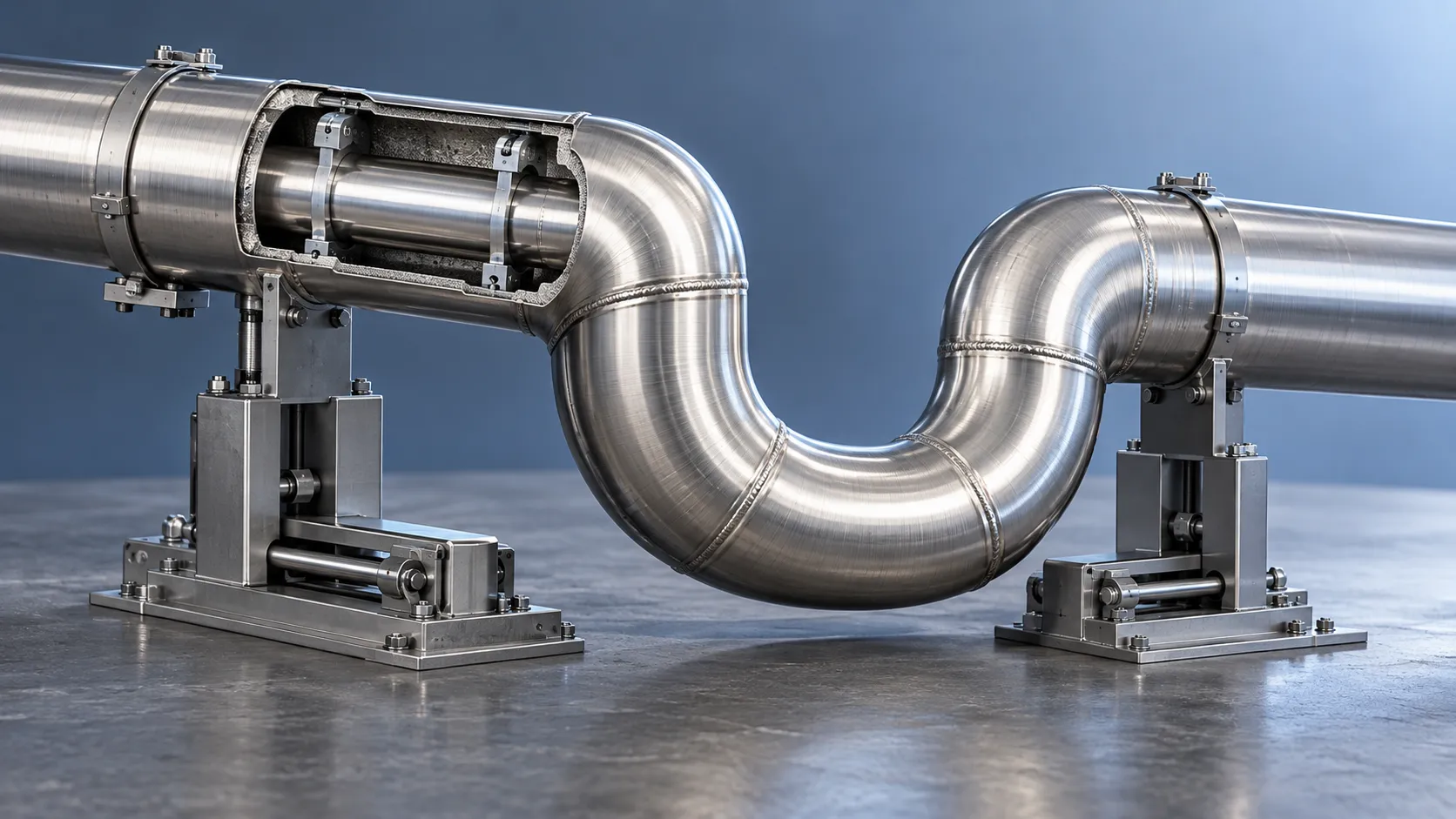
How does a rigid cryogenic transfer line handle thermal contraction?
Learn how a rigid cryogenic transfer line manages thermal contraction with bends, bellows, and guided supports. Discover key design checks for safe, reliable cryogenic performance.

How much does edge vision deployment cost beyond the hardware?
Understand edge vision deployment cost beyond hardware, from data and integration to security and support. Uncover hidden expenses and build a smarter lifecycle budget before you scale.

How does the purity of sputtering targets affect thin-film quality?
Discover how sputtering targets affect thin-film quality. Learn to assess purity, identify harmful impurities, and choose specifications that improve coating performance.

How high power laser cladding systems control substrate dilution
Discover how high power laser cladding systems control substrate dilution through beam shaping, material feed, and thermal management to deliver reliable bonds and coating performance.
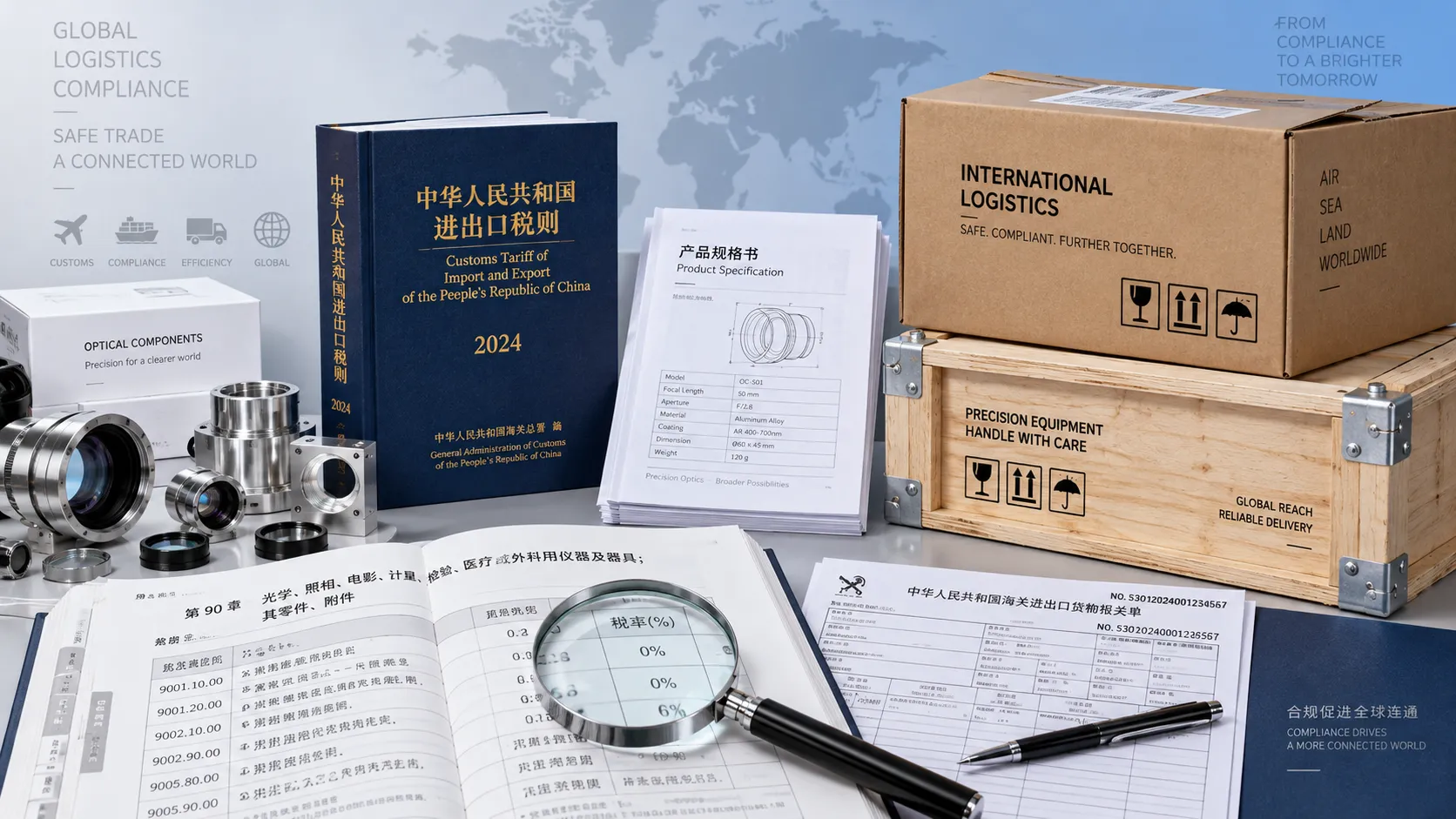
How to check HS codes for customs compliance in international logistics
Strengthen international logistics customs compliance: learn how to verify HS codes, check official tariffs, and document classifications to reduce costly shipment delays.
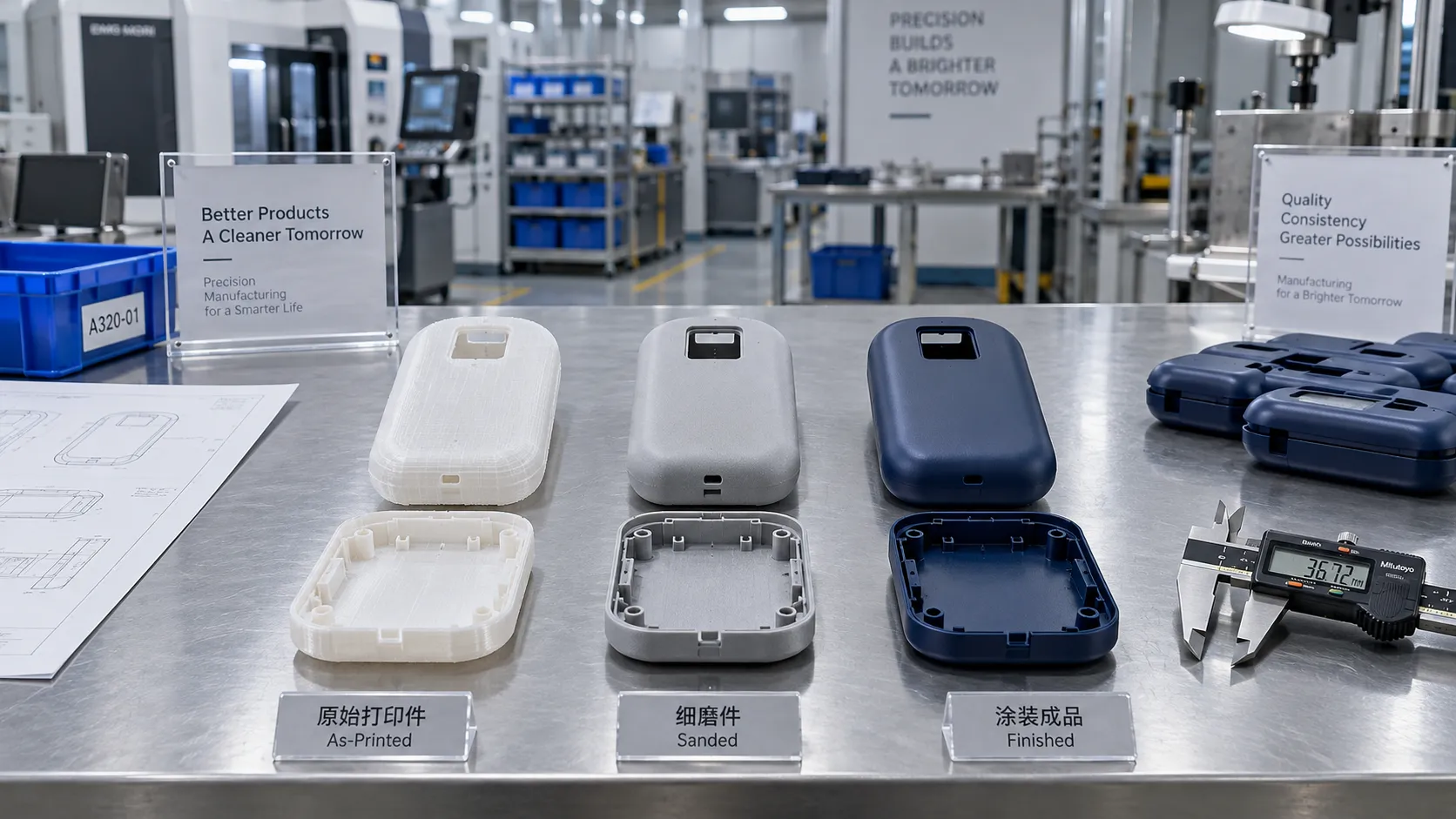
Choosing a 3D Printing Service for Consumer Products: Finish, Fit, and Cost
Compare 3d printing consumer good services by finish, fit, materials, and total cost. Learn how to choose a reliable supplier and avoid costly defects before ordering.

Which Consumer Goods Can Be 3D Printed, and What Are the Practical Limits?
Explore 3d printing consumer goods, from custom eyewear to replacement parts. Discover practical limits on materials, safety, and costs to make smarter production decisions.

From Prototype to Small Batch: Applying 3D Printing to Consumer Goods
Explore 3d printing in consumer goods: learn how to move from prototype to small-batch production with practical guidance on materials, quality validation, and cost control.
Related News
- 00
0000-00
How to verify part consistency before choosing a 3D printing OEM - 00
0000-00
How does a rigid cryogenic transfer line handle thermal contraction? - 00
0000-00
How much does edge vision deployment cost beyond the hardware? - 00
0000-00
How does the purity of sputtering targets affect thin-film quality? - 00
0000-00
How high power laser cladding systems control substrate dilution
Dr. Hideo Tanaka
Weekly Insights
Stay ahead with our curated technology reports delivered every Monday.