
What Drives Sourcing Cost in Industrial Supply Chains?

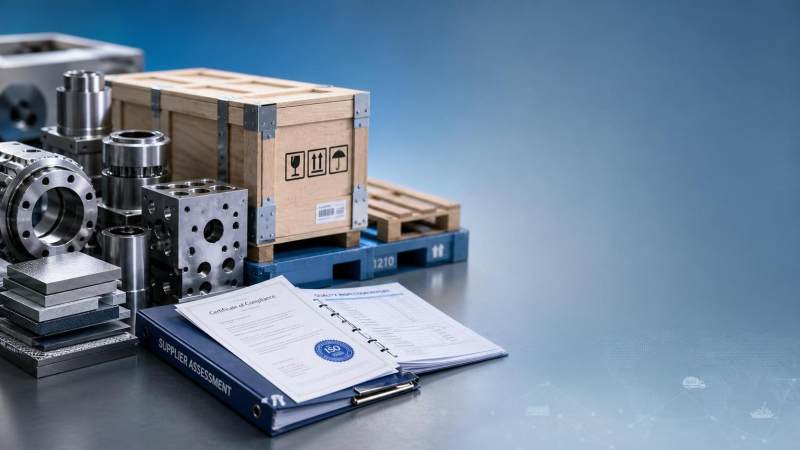
What Drives Sourcing Cost in Industrial Supply Chains?
For procurement professionals navigating complex industrial supply chains, sourcing cost is shaped by far more than unit price alone. Supplier capability, material performance, compliance requirements, logistics volatility, and technical risk all influence the true cost of acquisition. Understanding these drivers is essential for making smarter purchasing decisions, reducing hidden expenses, and securing long-term supply resilience in high-value manufacturing environments.
If you buy industrial equipment, engineered components, advanced materials, or precision subsystems, you already know the trap: the cheapest quote on paper can become the most expensive purchase six months later. Rework, delayed qualification, export restrictions, packaging failures, missing documentation, and supplier engineering gaps all show up as cost, just not in the line marked “price.” That is usually where sourcing cost gets misunderstood.
What follows is the checklist many buyers end up building the hard way. It is less about theory and more about what actually changes cost in industrial procurement decisions.
Start with the spec: unclear requirements always get invoiced later
A large share of sourcing cost inflation starts before supplier selection. If the RFQ leaves room for interpretation, suppliers will price risk into the quote, or worse, quote optimistically and recover margin through change requests, scrap, or lead-time extensions.
- Check whether the drawing, BOM, inspection method, and acceptance criteria match each other.
- Separate mandatory requirements from preferred ones. Buyers often bundle “nice to have” tolerances into baseline specs and then wonder why pricing widens.
- Ask whether the specified material grade, surface finish, vacuum compatibility, optical accuracy, or thermal performance is necessary for the actual application.
- Confirm which standards truly apply. ISO, ASTM, IEEE, or SEMI references should be tied to the product and market, not copied forward by habit.
In advanced manufacturing categories such as laser systems, machine vision assemblies, UHV hardware, or metal additive manufacturing platforms, one ambiguous performance parameter can change both supplier pool and cost structure. That is not a clerical issue. It is a commercial one.
Supplier capability is a cost driver, not just a qualification box
Two suppliers may quote the same assembly, but their internal capability can be completely different. One has stable process control, calibration discipline, and engineering support. The other is brokering work across subcontractors. The quoted price may look close. The sourcing cost will not be.
When reviewing suppliers, look beyond certificates alone. ISO 9001 can indicate a quality framework, but it does not prove that a supplier can repeatedly manufacture a precision optical mount, a cryogenic sealing component, or a graphene-enabled specialty material to your required tolerance. You need to know:
- Do they make this product family regularly, or are they learning on your order?
- Can they show relevant metrology, process traceability, and test capability?
- Are critical operations kept in-house or outsourced?
- Who handles DFM feedback: a sales contact, an applications engineer, or nobody?
If a supplier cannot answer these cleanly, assume more cost is waiting downstream.
Material choice can quietly dominate total acquisition cost
Procurement teams often focus on finished-part pricing and underestimate the effect of raw material selection. In industrial supply chains, material cost is not only about market price. Availability, certification burden, yield loss, machining difficulty, contamination sensitivity, and storage conditions all matter.
A few examples that show up often:
In categories tied to additive manufacturing, optics, vacuum systems, or advanced carbon materials, ask for both the base material specification and the process conditions needed to achieve the final properties. One without the other does not tell you much.
Compliance and documentation are often under-budgeted
This is one of the most common blind spots in sourcing cost analysis. Buyers budget for hardware and forget the paperwork required to move, accept, install, or resell that hardware.
Depending on product category and destination market, compliance cost may include test reports, certificates of conformity, material declarations, calibration records, country-of-origin documents, export classification review, or customer-specific validation packages. For some industrial sectors, missing documents can delay customs clearance or internal release more than any production issue.
Be careful with assumptions here. Regulatory applicability varies by product, jurisdiction, and end use. If export control, dual-use classification, or market access requirements are relevant, confirm with the supplier and internal compliance team rather than relying on legacy templates. Where documentation scope is unclear, mark it early as 【待核实】 and keep it out of the “included by default” bucket.
Lead time has a direct cost, even before expediting fees show up
Long lead times tie up working capital, reduce planning flexibility, and increase the chance that demand, engineering revision, or regulatory conditions will change before delivery. That is already a sourcing cost issue. Add expediting, premium freight, split shipments, or line-down exposure, and the cost multiplies quickly.
A useful buyer question is not “What is the quoted lead time?” but “What makes this lead time move?” Ask which inputs are unstable: raw materials, cleanroom capacity, sub-tier electronics, custom machining slots, coating queues, or final test resources. A supplier who can explain lead-time drivers usually understands its own operation. One who cannot is giving you a date, not a plan.
Freight, packaging, and handling deserve more scrutiny than they get
Industrial buyers tend to notice logistics cost only when freight rates spike. In practice, packaging and transport conditions affect damage rates, contamination risk, insurance claims, and receiving labor even in stable markets.
- Sensitive optics, vacuum hardware, and calibrated inspection equipment may need controlled packaging, shock protection, desiccants, or clean handling.
- Oversized industrial systems can trigger crating, route planning, special lifting, or site-access constraints.
- International shipments may carry hidden brokerage, duty, storage, or demurrage exposure depending on Incoterms and documentation quality.
When a part arrives damaged or unusable, the replacement cost is only part of the problem. Lost production time and internal troubleshooting hours usually exceed the freight line item that was negotiated so aggressively.
Technical risk belongs in the cost model
In high-spec categories, technical failure is often the biggest hidden driver of sourcing cost. A component that passes incoming inspection but underperforms in application can consume engineering hours, validation cycles, field service visits, and customer confidence.
This matters especially when buying:
- Laser sources where beam stability, thermal behavior, or integration interfaces affect the whole toolchain
- 3D printing systems where process repeatability and powder compatibility drive output economics
- Machine vision equipment where calibration, lighting consistency, and software support determine usable yield
- Vacuum and cryogenic assemblies where leakage, outgassing, or thermal cycling performance may only appear under real operating conditions
If the application is demanding, request validation evidence tied to operating conditions, not generic brochures. If that evidence does not exist, budget for qualification work rather than pretending it is free.
Low MOQs and custom builds usually carry a premium for a reason
Procurement teams sometimes push hard for low volume flexibility while expecting serial-production pricing. Suppliers then recover their setup, engineering, tooling, and planning burden somewhere else. Custom cable lengths, special firmware, unique mounting patterns, first-article reporting, and private labeling all add touch time. Even when the part itself looks simple, the transaction does not.
The practical question is whether customization lowers a larger downstream cost. If it reduces assembly labor, avoids an adapter, shortens installation time, or removes a field failure mode, the premium may be justified. If it exists mainly because “that is how we bought it last time,” it is worth reopening.
Do not ignore supplier geography and market exposure
Sourcing cost changes by region for reasons beyond labor. Utility cost, export review, currency movement, port congestion, regional certification expectations, and political trade measures can all affect delivered cost and supply continuity. These variables are category-specific. A region that works well for machined housings may be a weak fit for export-controlled photonics, UHV components, or advanced nano-material inputs.
This is where single-source dependence gets expensive. Even if dual sourcing is not feasible for every item, buyers should at least know which parts are region-locked, which suppliers depend on the same sub-tier source, and which materials have fragile availability windows.
A working checklist for real sourcing decisions
- Confirm the actual performance requirement before issuing RFQ.
- Test whether more than one qualified supplier can realistically meet the spec.
- Break quote comparisons into unit price, tooling, documentation, test scope, packaging, and freight.
- Ask what is excluded. That answer often matters more than what is included.
- Map the cost of qualification, not just procurement.
- Review Incoterms, lead-time assumptions, and change-order terms before PO release.
- Identify which risks are technical, which are commercial, and which are regulatory.
- For critical items, check sub-tier dependence and recovery options.
A reliable sourcing cost view is never built from price alone. It comes from knowing where the supplier is strong, where the spec is unforgiving, where compliance work begins, and where a cheap decision becomes an expensive recovery exercise. Buyers who consistently get this right usually do one thing well: they price risk early, while it is still negotiable.
Related News

How to verify part consistency before choosing a 3D printing OEM
Choosing a 3D printing OEM? Learn how to verify part consistency with repeat-build trials, validated inspections, and traceability checks before committing to production.
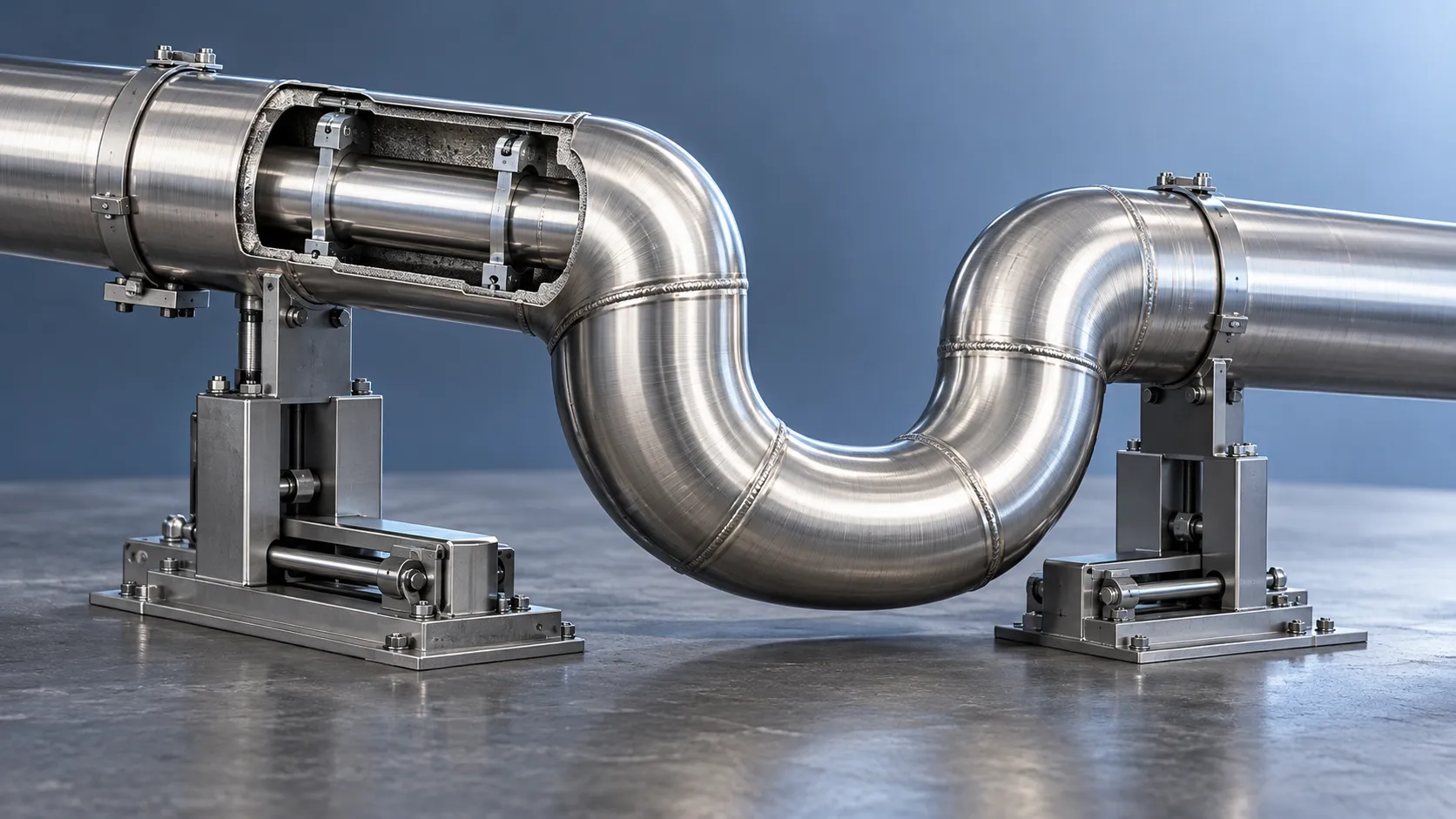
How does a rigid cryogenic transfer line handle thermal contraction?
Learn how a rigid cryogenic transfer line manages thermal contraction with bends, bellows, and guided supports. Discover key design checks for safe, reliable cryogenic performance.

How much does edge vision deployment cost beyond the hardware?
Understand edge vision deployment cost beyond hardware, from data and integration to security and support. Uncover hidden expenses and build a smarter lifecycle budget before you scale.

How does the purity of sputtering targets affect thin-film quality?
Discover how sputtering targets affect thin-film quality. Learn to assess purity, identify harmful impurities, and choose specifications that improve coating performance.

How high power laser cladding systems control substrate dilution
Discover how high power laser cladding systems control substrate dilution through beam shaping, material feed, and thermal management to deliver reliable bonds and coating performance.
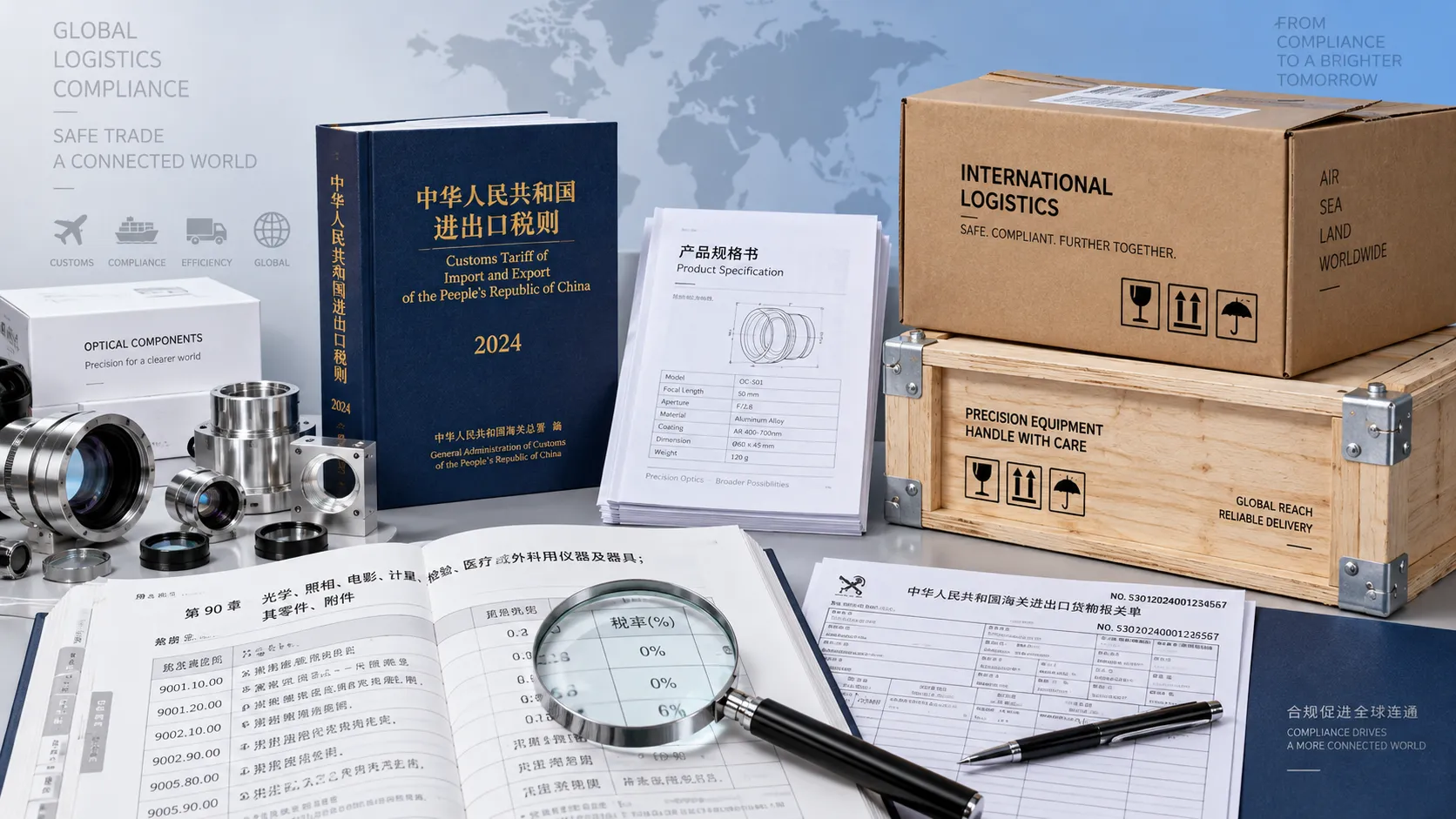
How to check HS codes for customs compliance in international logistics
Strengthen international logistics customs compliance: learn how to verify HS codes, check official tariffs, and document classifications to reduce costly shipment delays.
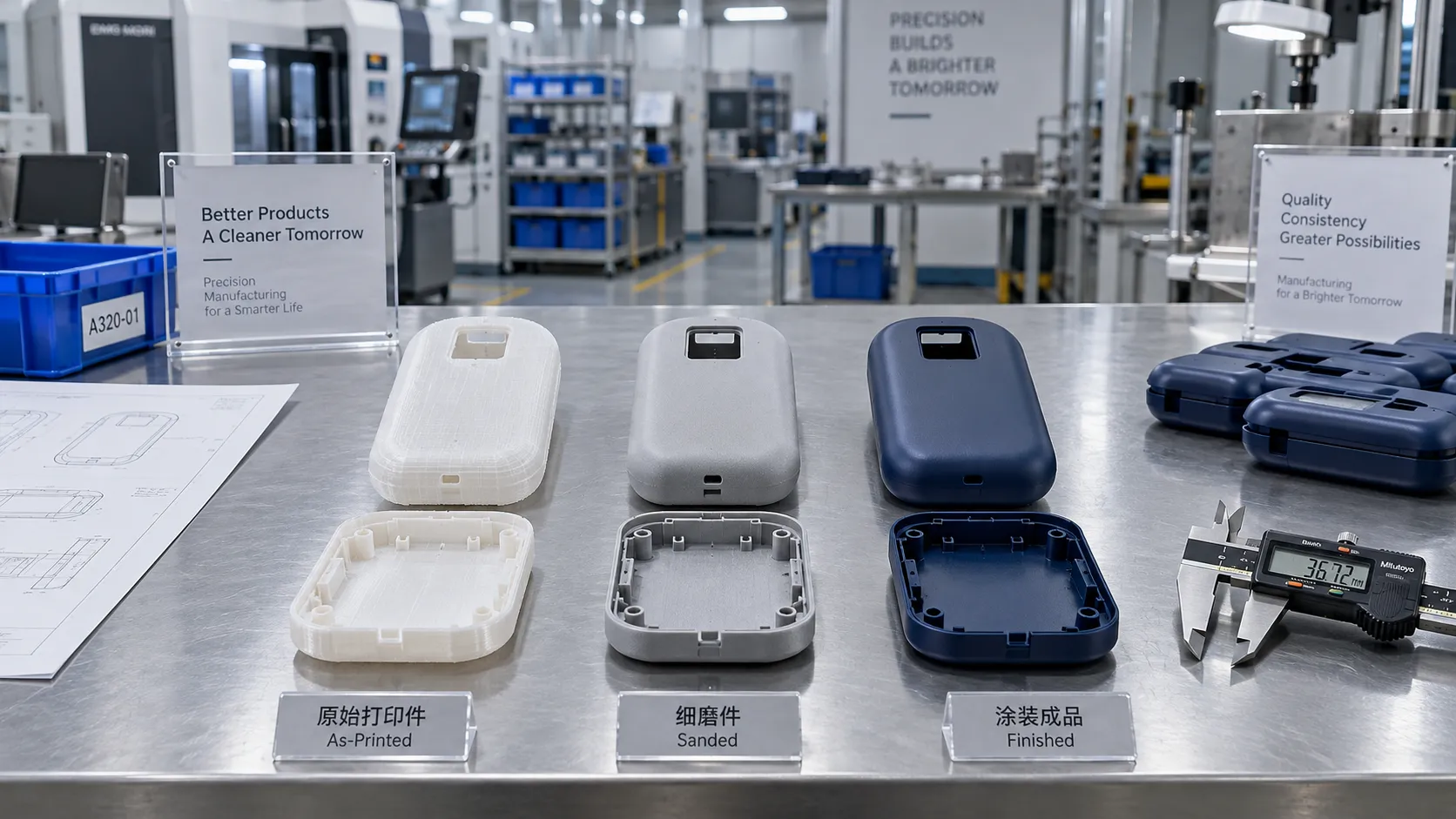
Choosing a 3D Printing Service for Consumer Products: Finish, Fit, and Cost
Compare 3d printing consumer good services by finish, fit, materials, and total cost. Learn how to choose a reliable supplier and avoid costly defects before ordering.

Which Consumer Goods Can Be 3D Printed, and What Are the Practical Limits?
Explore 3d printing consumer goods, from custom eyewear to replacement parts. Discover practical limits on materials, safety, and costs to make smarter production decisions.

From Prototype to Small Batch: Applying 3D Printing to Consumer Goods
Explore 3d printing in consumer goods: learn how to move from prototype to small-batch production with practical guidance on materials, quality validation, and cost control.
Related News
- 00
0000-00
How to verify part consistency before choosing a 3D printing OEM - 00
0000-00
How does a rigid cryogenic transfer line handle thermal contraction? - 00
0000-00
How much does edge vision deployment cost beyond the hardware? - 00
0000-00
How does the purity of sputtering targets affect thin-film quality? - 00
0000-00
How high power laser cladding systems control substrate dilution
Dr. Hideo Tanaka
Weekly Insights
Stay ahead with our curated technology reports delivered every Monday.