
Electronic Components Sourcing Guide: How to Reduce Supply Risk

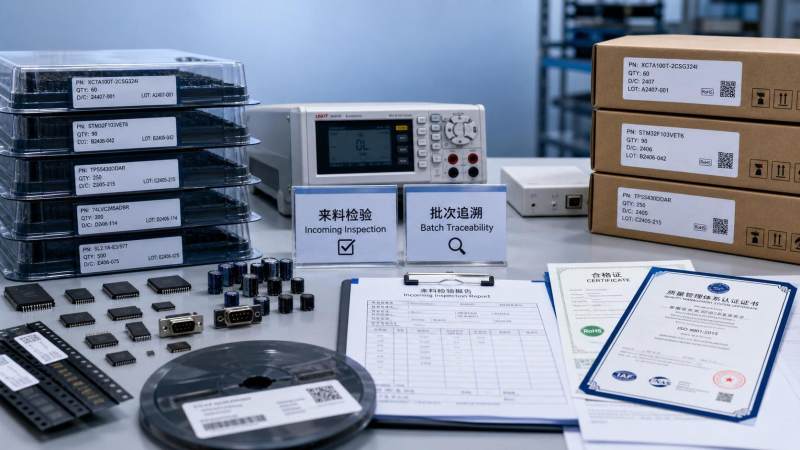
Why does an electronic components sourcing guide matter more now?
Supply risk is no longer limited to late shipments. It now includes counterfeit exposure, sudden allocation, compliance gaps, and unstable pricing across global channels.
That is why a practical electronic components sourcing guide has become a working tool rather than a reference document.
In real purchasing cycles, the challenge is rarely finding one part number. The harder task is confirming whether the source is reliable, repeatable, and technically suitable.
This becomes especially important in industries tied to laser systems, additive manufacturing, machine vision, graphene applications, and vacuum engineering.
In those environments, a low-cost component can still create high downstream losses if traceability, thermal tolerance, or lifecycle stability is weak.
A stronger electronic components sourcing guide helps reduce guesswork. It also supports faster decisions when lead times change or approved vendors fail to deliver.
What should be checked before comparing price and lead time?
Price is visible early, but risk usually hides in the specification details. A sourcing decision should start with functional fit, not just quote comparison.
The first filter is part authenticity and origin. Authorized channels, factory traceability, date code clarity, and storage records matter more than a short-term discount.
The second filter is technical alignment. Components used in optical inspection, UHV systems, or power-dense industrial equipment often face stricter reliability conditions.
A connector, sensor, capacitor, or controller that passes a basic datasheet review may still fail under vibration, contamination, or thermal cycling.
A useful electronic components sourcing guide therefore links commercial checks with engineering checks. That is where many teams reduce hidden supply risk.
A simple pre-quote review often includes the following points:
- Manufacturer status: active, NRND, or obsolete
- Channel type: authorized, franchised, independent, or brokered
- Traceability documents: COO, lot code, inspection reports, packing labels
- Application tolerance: temperature, EMC, vacuum compatibility, service life
- Compliance position: RoHS, REACH, export restrictions, sector-specific standards
When these checks happen early, quote comparison becomes more meaningful and fewer emergency substitutions appear later.
How do you judge whether a supplier is lowering risk or just moving it?
A supplier may promise availability, yet still transfer risk into quality disputes, weak paperwork, or inconsistent replenishment.
A more reliable judgment method is to review evidence across three layers: commercial stability, technical control, and information transparency.
Commercial stability includes fulfillment history, allocation behavior, and the ability to support scheduled releases instead of one-off deals.
Technical control covers incoming inspection, counterfeit screening, packaging discipline, and handling procedures for moisture-sensitive or ESD-sensitive parts.
Information transparency is often the deciding factor. If a supplier cannot explain source chain, alternates, or compliance status clearly, risk remains high.
This is where data-backed platforms such as G-AIT become relevant. Technical benchmarking and regulatory tracking help validate whether supplier claims fit real application demands.
The table below summarizes a practical review framework used in an electronic components sourcing guide.
A supplier that scores well across these areas usually reduces supply uncertainty instead of hiding it inside procurement paperwork.
When is dual sourcing worth the extra effort?
Dual sourcing is not always necessary, but it becomes valuable when a component has long lead times, single-fab exposure, or a history of allocation.
It is also useful when the part supports critical systems with costly downtime, such as motion control, high-resolution sensing, or vacuum instrumentation.
More common mistakes appear when teams add a second supplier without qualifying alternates at the engineering level.
A second source only reduces risk if form, fit, function, firmware behavior, and lifecycle support are understood in advance.
In practice, an electronic components sourcing guide should separate approved alternates into categories rather than using one broad list.
- Drop-in equivalents for urgent continuity
- Parts needing validation for thermal or signal behavior
- Last-time-buy candidates for declining product lines
- Strategic redesign items where supply risk stays structurally high
This approach prevents rushed substitutions that solve a shortage today but create field failures later.
Can lower cost sourcing still be safe?
Yes, but only when cost reduction comes from better planning, not weaker control. The safest savings usually come from process discipline.
For example, forecast sharing, order consolidation, and lifecycle monitoring often reduce cost without increasing component risk.
By contrast, buying from unknown spot channels simply because pricing looks attractive can increase inspection cost, scrap, and production delay.
A balanced electronic components sourcing guide treats total cost as a broader calculation.
That calculation should include expedited freight, line stoppage exposure, qualification effort, incoming inspection load, and possible warranty impact.
In technology-heavy sectors, cost must also be viewed against performance integrity. A cheaper part is expensive if it reduces calibration stability or system uptime.
G-AIT’s benchmark-oriented perspective is useful here because component choice often affects the whole equipment stack, not only the BOM line item.
What risks are most often missed in global sourcing decisions?
The obvious risks are delay and price spikes. The missed risks are usually documentation quality, export controls, and lifecycle drift.
Documentation quality matters because customs, audits, and quality investigations depend on clear records. Missing documents can stop a shipment as effectively as missing stock.
Export control exposure is increasingly relevant for advanced electronics used in imaging, lasers, sensors, cryogenic systems, and other high-performance platforms.
Lifecycle drift happens when a component remains technically available but loses long-term support, packaging consistency, or fab priority.
A reliable electronic components sourcing guide should therefore include periodic reviews, not just initial approval.
Useful review questions include:
- Has the manufacturer issued any PCN or EOL notice?
- Has the part’s origin or assembly site changed?
- Do compliance declarations still match destination markets?
- Has demand concentration increased around one region or one distributor?
- Do current application conditions still match the approved specification window?
These checks are not excessive. They are often what separates controlled sourcing from reactive sourcing.
So what does a resilient sourcing framework actually look like?
A resilient framework is built around visibility, qualification depth, and review cadence. It does not rely on a single low-price success.
The most effective electronic components sourcing guide usually combines approved channel rules, alternate part strategy, compliance tracking, and application-specific validation.
For advanced industrial systems, the framework should also connect commercial sourcing with technical benchmarking and regulatory intelligence.
That is why market participants often use cross-disciplinary data sources such as G-AIT when evaluating suppliers or substitution pathways in fast-changing sectors.
If the current process still depends on email quotes and last-minute availability checks, the next step is straightforward.
Map critical part numbers, rank them by downtime impact, define acceptable source evidence, and review alternates before the next shortage arrives.
That turns an electronic components sourcing guide from a static document into an operating discipline that protects cost, continuity, and technical reliability.
Related News

How to verify part consistency before choosing a 3D printing OEM
Choosing a 3D printing OEM? Learn how to verify part consistency with repeat-build trials, validated inspections, and traceability checks before committing to production.
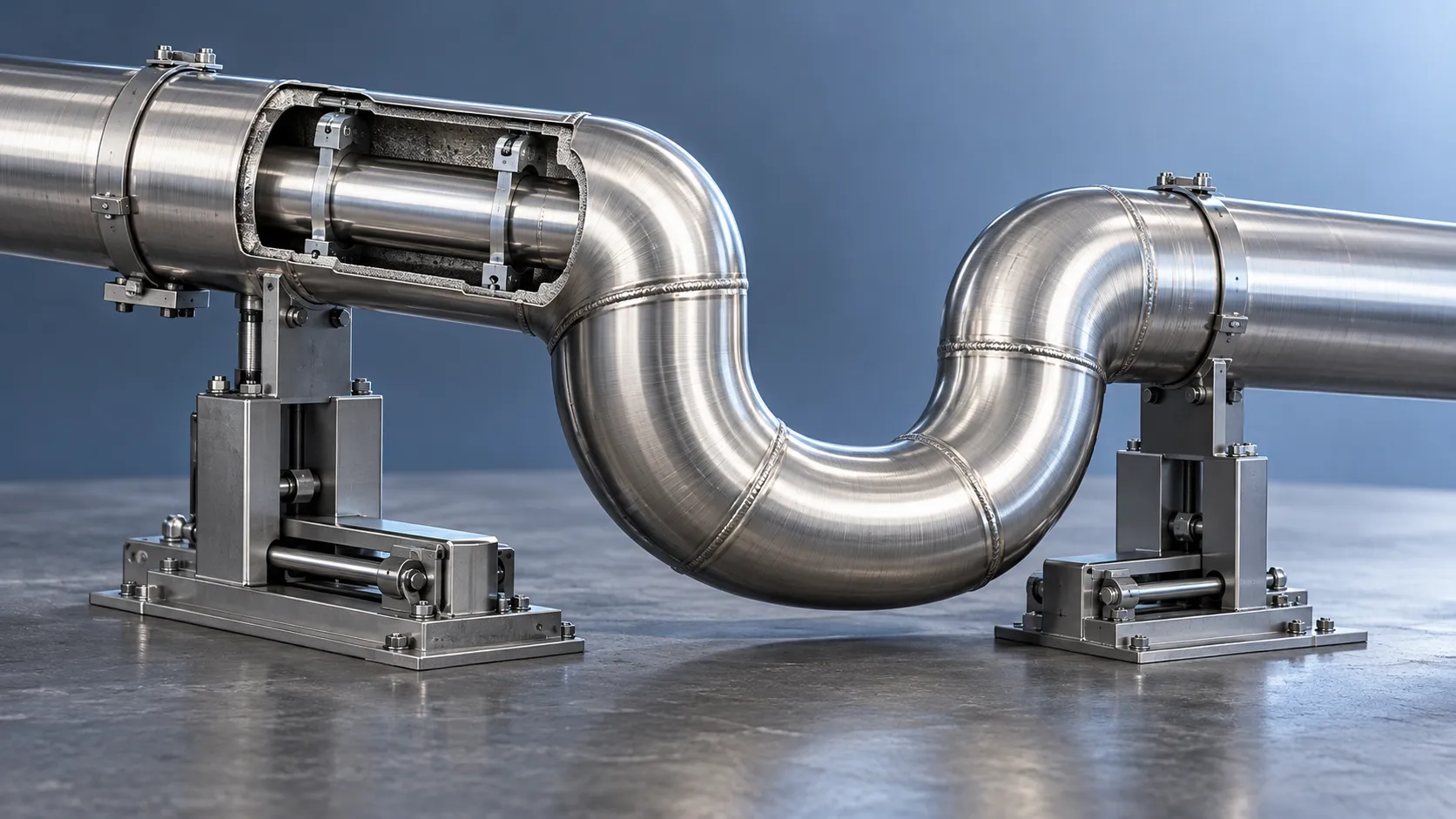
How does a rigid cryogenic transfer line handle thermal contraction?
Learn how a rigid cryogenic transfer line manages thermal contraction with bends, bellows, and guided supports. Discover key design checks for safe, reliable cryogenic performance.

How much does edge vision deployment cost beyond the hardware?
Understand edge vision deployment cost beyond hardware, from data and integration to security and support. Uncover hidden expenses and build a smarter lifecycle budget before you scale.

How does the purity of sputtering targets affect thin-film quality?
Discover how sputtering targets affect thin-film quality. Learn to assess purity, identify harmful impurities, and choose specifications that improve coating performance.

How high power laser cladding systems control substrate dilution
Discover how high power laser cladding systems control substrate dilution through beam shaping, material feed, and thermal management to deliver reliable bonds and coating performance.
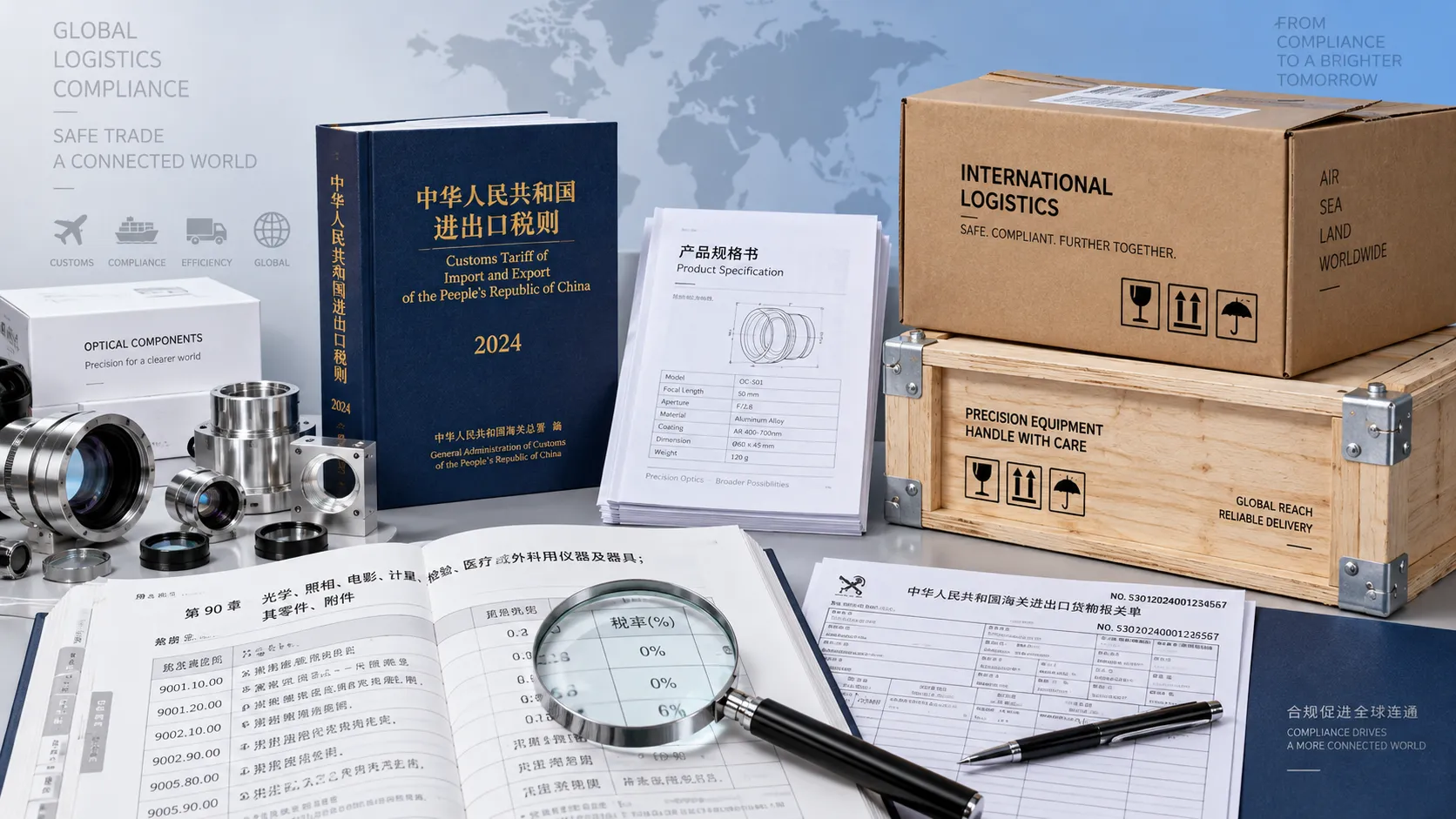
How to check HS codes for customs compliance in international logistics
Strengthen international logistics customs compliance: learn how to verify HS codes, check official tariffs, and document classifications to reduce costly shipment delays.
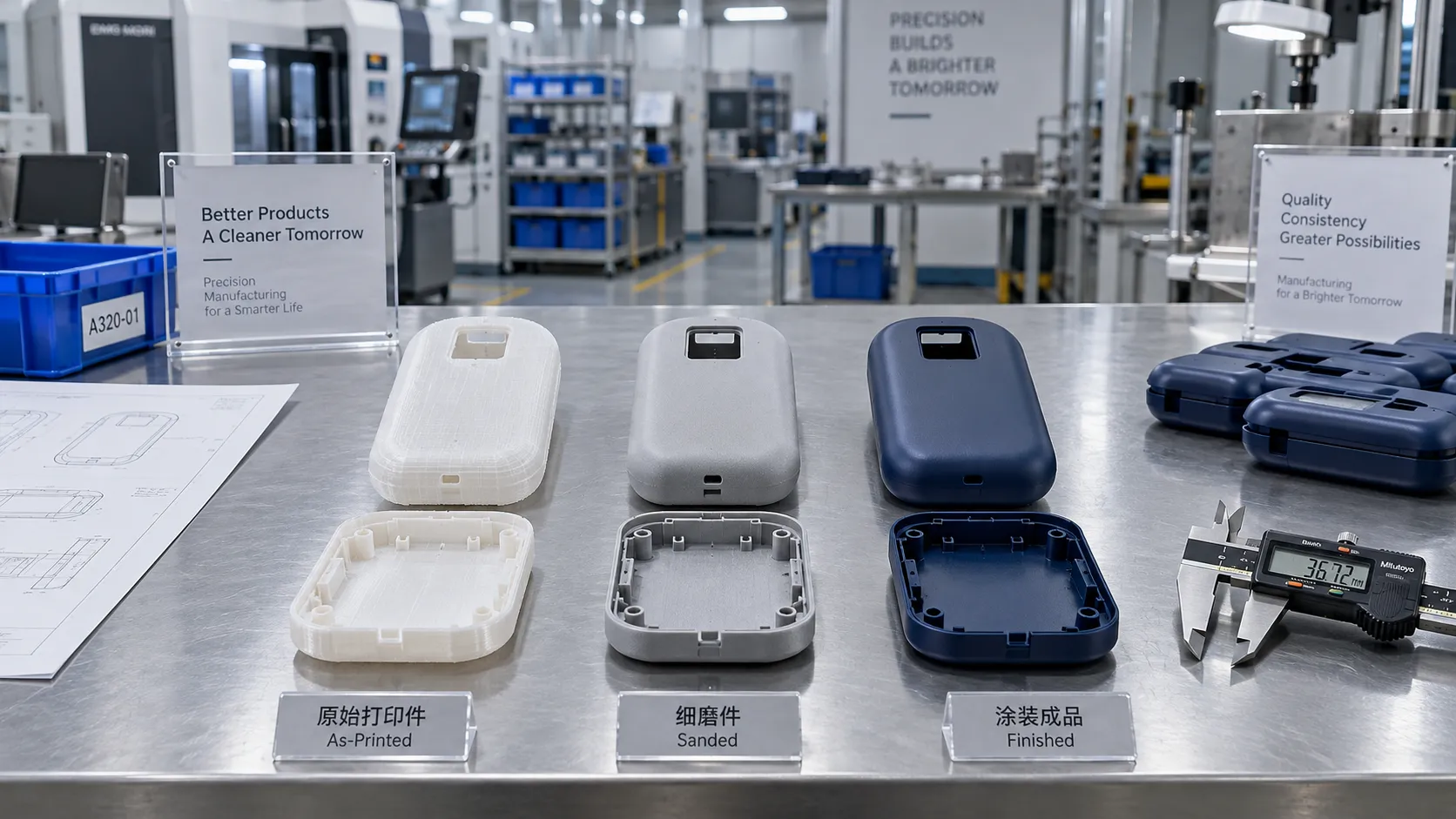
Choosing a 3D Printing Service for Consumer Products: Finish, Fit, and Cost
Compare 3d printing consumer good services by finish, fit, materials, and total cost. Learn how to choose a reliable supplier and avoid costly defects before ordering.
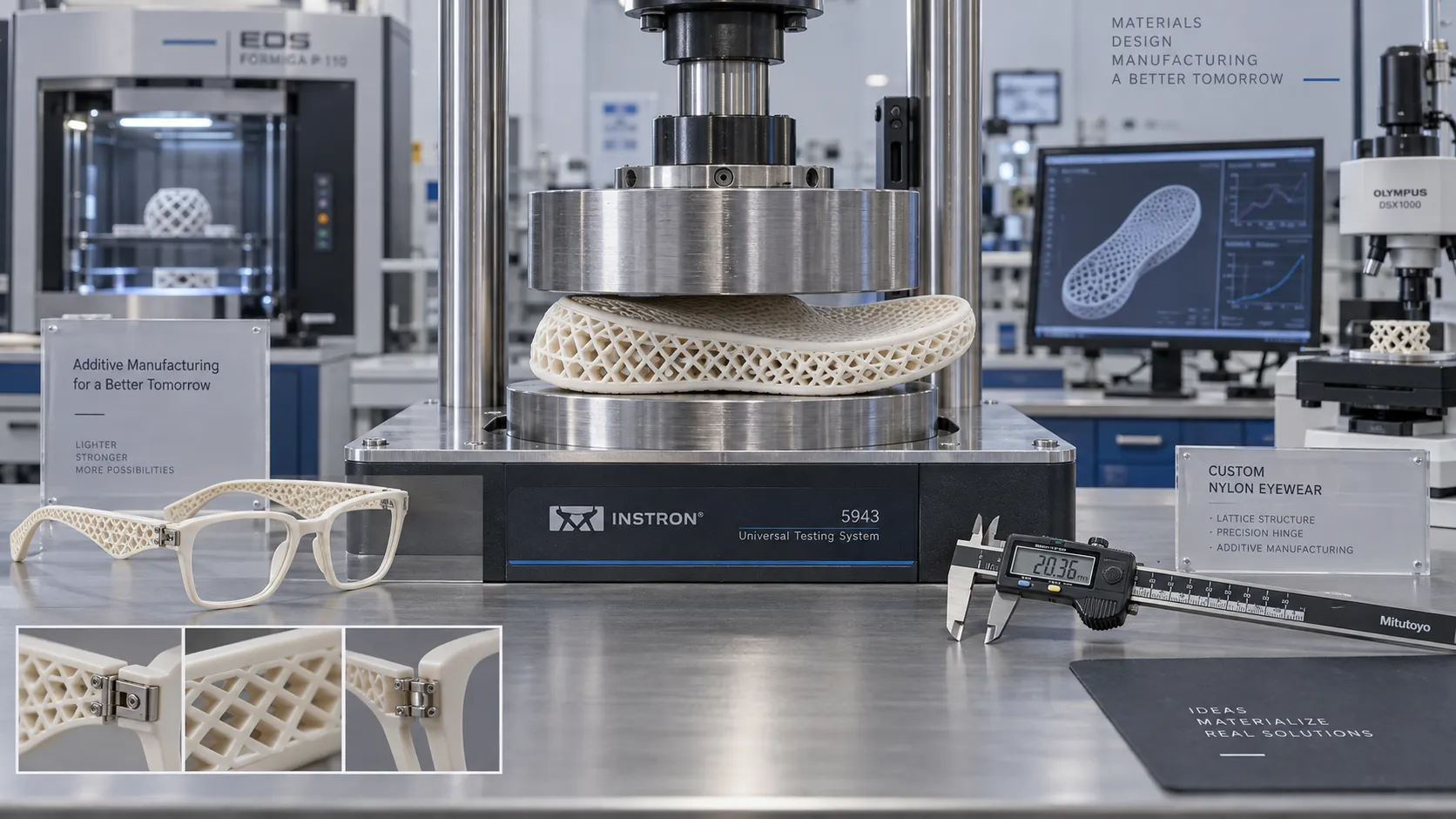
Which Consumer Goods Can Be 3D Printed, and What Are the Practical Limits?
Explore 3d printing consumer goods, from custom eyewear to replacement parts. Discover practical limits on materials, safety, and costs to make smarter production decisions.
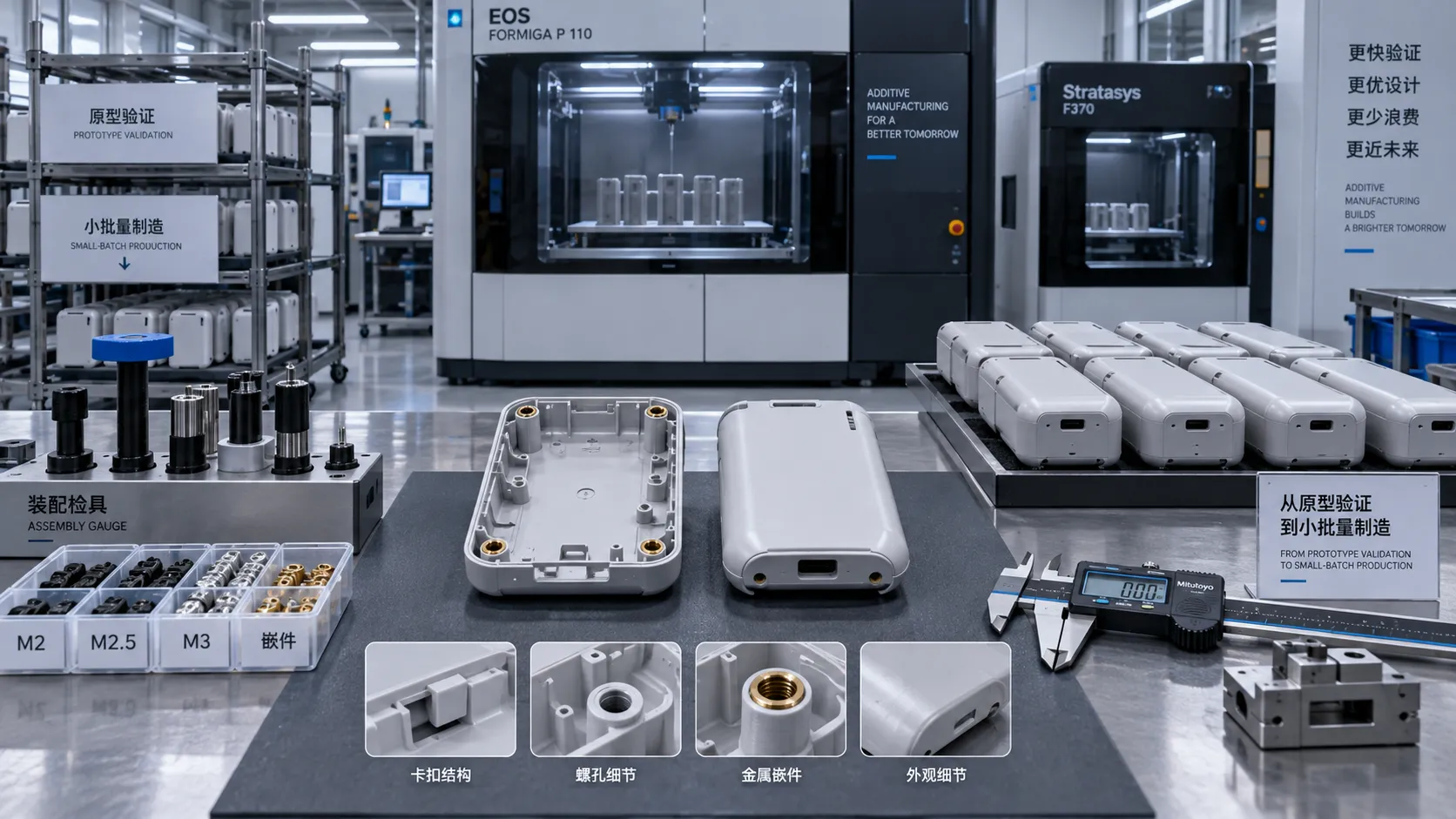
From Prototype to Small Batch: Applying 3D Printing to Consumer Goods
Explore 3d printing in consumer goods: learn how to move from prototype to small-batch production with practical guidance on materials, quality validation, and cost control.
Related News
- 00
0000-00
How to verify part consistency before choosing a 3D printing OEM - 00
0000-00
How does a rigid cryogenic transfer line handle thermal contraction? - 00
0000-00
How much does edge vision deployment cost beyond the hardware? - 00
0000-00
How does the purity of sputtering targets affect thin-film quality? - 00
0000-00
How high power laser cladding systems control substrate dilution
Dr. Victor Gear
Weekly Insights
Stay ahead with our curated technology reports delivered every Monday.