
3D Printing Comparison: Where Speed and Accuracy Diverge

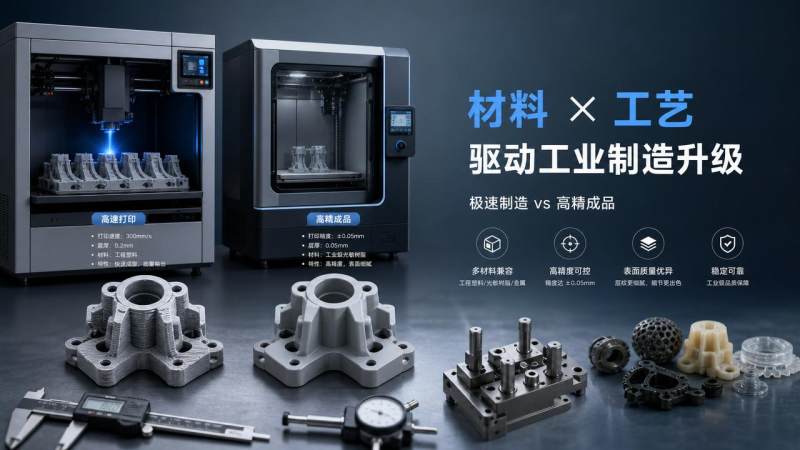
In any 3D printing comparison, speed and accuracy rarely improve at the same rate—and that tradeoff directly shapes material performance, production efficiency, and qualification risk. For technical evaluators, understanding where these metrics diverge is essential to selecting systems that meet both throughput targets and engineering tolerances across demanding industrial applications.
Why a checklist-based 3D printing comparison works better than a generic feature review
For technical evaluation teams, a useful 3D printing comparison is not a race to identify the “fastest” machine or the “most accurate” platform in marketing literature. It is a structured process for determining where speed gains begin to erode dimensional control, surface quality, repeatability, inspection burden, or downstream qualification confidence. In industrial settings, those tradeoffs affect quoting, scrap rate, machine utilization, and compliance with customer or regulatory requirements.
A checklist approach helps because additive manufacturing systems are often optimized for different priorities: prototyping, tooling, low-volume production, lightweight metal parts, polymer end-use components, or complex internal channels. Comparing unlike systems without a common review structure leads to weak conclusions. Evaluators need to isolate the decision variables that actually determine whether a printer can meet application requirements at acceptable cost and risk.
First-pass checklist: what to confirm before comparing speed and accuracy claims
Before running a detailed 3D printing comparison, confirm these baseline items. This prevents misleading side-by-side comparisons between systems tested under different assumptions.
- Define the target geometry: thin walls, lattice structures, overhangs, closed channels, and tall slender features do not respond equally to higher print speed.
- Separate build speed from delivered throughput: setup, calibration, powder handling, support removal, curing, heat treatment, and inspection can erase nominal speed advantages.
- Specify the accuracy requirement correctly: ask whether the application needs global dimensional accuracy, local feature fidelity, hole quality, flatness, roundness, or surface finish.
- Lock the material and parameter set: speed and accuracy divergence changes significantly across polymers, photopolymers, engineering thermoplastics, aluminum alloys, titanium, stainless steel, and composite-filled feedstocks.
- Check the reference condition: “accuracy” measured on a small coupon is not equivalent to accuracy across a full build plate or a tall Z-axis build.
- Review repeatability over multiple builds: one excellent sample does not prove production stability.
- Confirm the quality standard used: ISO, ASTM, customer drawing tolerances, and internal process capability targets may lead to different conclusions in a 3D printing comparison.
Core judgment criteria: where speed and accuracy usually diverge
1. Layer strategy versus dimensional stability
Thicker layers often improve build speed, but they can reduce edge definition, worsen stair-stepping, and amplify geometric deviation on angled surfaces. In a practical 3D printing comparison, evaluators should check not only nominal layer height but also whether the machine can maintain tolerance consistency when layer thickness increases. For production parts, the key question is not “Can it print faster?” but “Can it print faster without forcing extensive post-machining?”
2. Scan rate, deposition rate, or curing rate versus feature resolution
Higher laser scan speed, extrusion rate, or resin exposure strategy may increase output, but fine features can suffer. Small holes may close, corners may round off, and thermal effects may distort thin sections. Technical evaluators should request benchmark parts with mixed feature sizes rather than simple cubes. This is one of the most important controls in any 3D printing comparison because machine performance on simple geometry often hides real-world limitations.
3. Build volume utilization versus positional accuracy
A machine may perform well in the center of the platform but degrade at the edges or across multiple stacked parts. Thermal gradients, recoater interaction, gantry motion error, and optical path variation can all influence consistency. Ask for map-based tolerance data across the full build area. For evaluators in aerospace, medical, electronics, or precision tooling, this is a stronger indicator of industrial readiness than a single best-case print.
4. Speed settings versus material properties
A faster process that delivers weaker interlayer bonding, higher porosity, anisotropy, or residual stress may fail qualification even if dimensions look acceptable. A complete 3D printing comparison must connect print speed to tensile strength, elongation, density, fatigue behavior, and thermal stability. For many production buyers, the true divergence is not between speed and geometric accuracy alone, but between speed and final part integrity.
5. In-process productivity versus downstream correction load
Fast printing can shift work to post-processing. Support removal, depowdering, infiltration, sintering compensation, UV post-cure, machining, polishing, or stress relief may become more demanding as throughput increases. Evaluators should convert printer output into net production time for a qualified part, not just raw machine cycle time.
Practical comparison table: what technical evaluators should score
Use the table below as a compact scoring guide during a 3D printing comparison. It helps keep speed and accuracy tied to operational reality.
Scenario-specific checks: the right 3D printing comparison depends on use case
For rapid prototyping teams
Speed often matters more than tight tolerance, but visual fidelity, fit-check reliability, and quick iteration still matter. Prioritize same-day turnaround, support removal ease, software workflow, and acceptable accuracy for assembly checks. Do not overspend on ultra-precision if the part is purely conceptual, but avoid systems that distort enough to mislead design validation.
For end-use polymer parts
Focus on warpage control, anisotropy, thermal resistance, and tolerance retention after conditioning. In this 3D printing comparison context, speed gains are only useful if the parts remain functional after assembly, load, temperature cycling, or chemical exposure.
For metal additive manufacturing
Accuracy must be tied to melt pool stability, density, support strategy, residual stress, and post-heat-treatment distortion. Fast multi-laser platforms may improve throughput, but evaluators should verify stitching quality, thermal consistency, and qualification data at scale. Powder reuse control and process monitoring are also essential review points.
For regulated or high-consequence sectors
Medical, aerospace, energy, and high-performance electronics programs should weigh traceability as heavily as speed. A strong 3D printing comparison in these sectors includes machine logs, calibration history, parameter lock control, lot traceability, and inspection method validation. Without those, even a technically capable printer may not be implementation-ready.
Frequently missed issues that distort a 3D printing comparison
- Confusing nominal machine resolution with achieved part accuracy. Optical spot size or nozzle diameter does not guarantee final tolerance.
- Ignoring orientation effects. A part may meet tolerance in one orientation and fail in another more productive layout.
- Overlooking thermal accumulation in batch builds. Performance may drop as the build becomes denser or taller.
- Failing to include post-processing drift. Sintering shrinkage, curing, or heat treatment can reshape the accuracy picture entirely.
- Using supplier demo parts instead of application-matched geometries. Evaluation must reflect your own tolerance chain and inspection criteria.
- Not pricing quality costs. More rework, metrology, and scrap can make a “fast” machine economically slower.
Execution plan: how to run a more reliable 3D printing comparison
- Select two or three representative parts, including one geometry that stresses fine detail and one that stresses volume throughput.
- Define pass-fail metrics in advance: dimensional tolerance, surface finish, mechanical properties, throughput per week, and acceptable post-processing time.
- Request print data under production-like conditions, not showroom settings. Include real nesting, actual orientation, and standard support logic.
- Inspect at multiple levels: external dimensions, internal features if relevant, density or porosity for metal, and repeatability across multiple runs.
- Calculate total cost per accepted part, including operator time, consumables, finishing, inspection, and failed builds.
- Review scalability: software integration, parameter management, spare parts, service response, and process documentation maturity.
Final decision guide for technical evaluators
The most useful 3D printing comparison is the one that reveals where speed stops being productive and starts creating hidden quality risk. If your application is tolerance-sensitive, qualification-heavy, or material-critical, accuracy and repeatability should be weighted ahead of headline throughput. If your application is iteration-driven or low-risk, faster output with controlled compromise may be the better business choice. The right answer depends on part function, not brochure rankings.
If you need to move from comparison to implementation, prioritize discussion around part geometry, target tolerances, validated materials, expected batch size, inspection method, post-processing route, budget range, and qualification timeline. Those inputs will make supplier conversations more productive and help determine whether a given platform can meet both operational speed targets and engineering accuracy requirements with acceptable industrial risk.
Related News
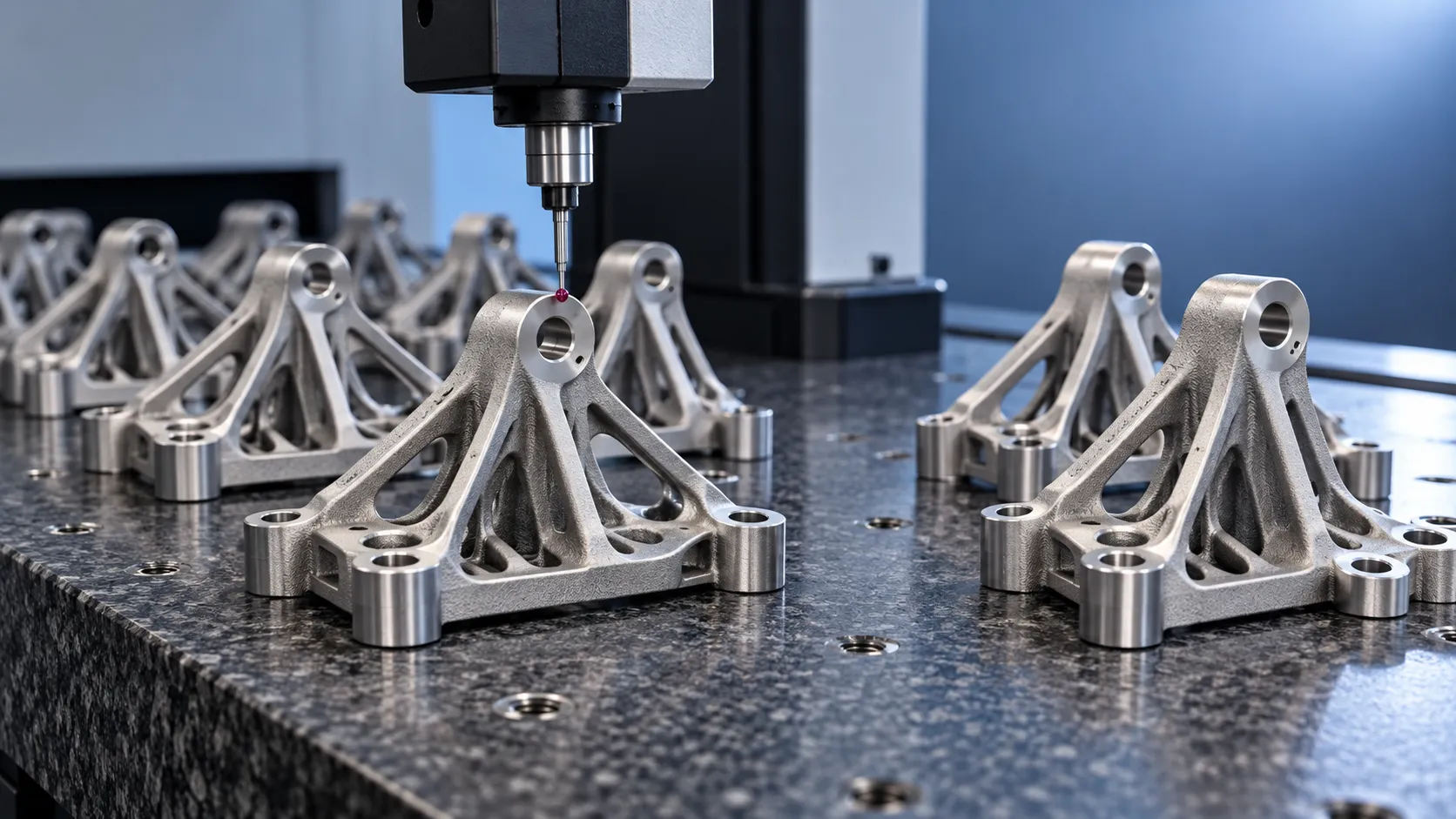
How to verify part consistency before choosing a 3D printing OEM
Choosing a 3D printing OEM? Learn how to verify part consistency with repeat-build trials, validated inspections, and traceability checks before committing to production.
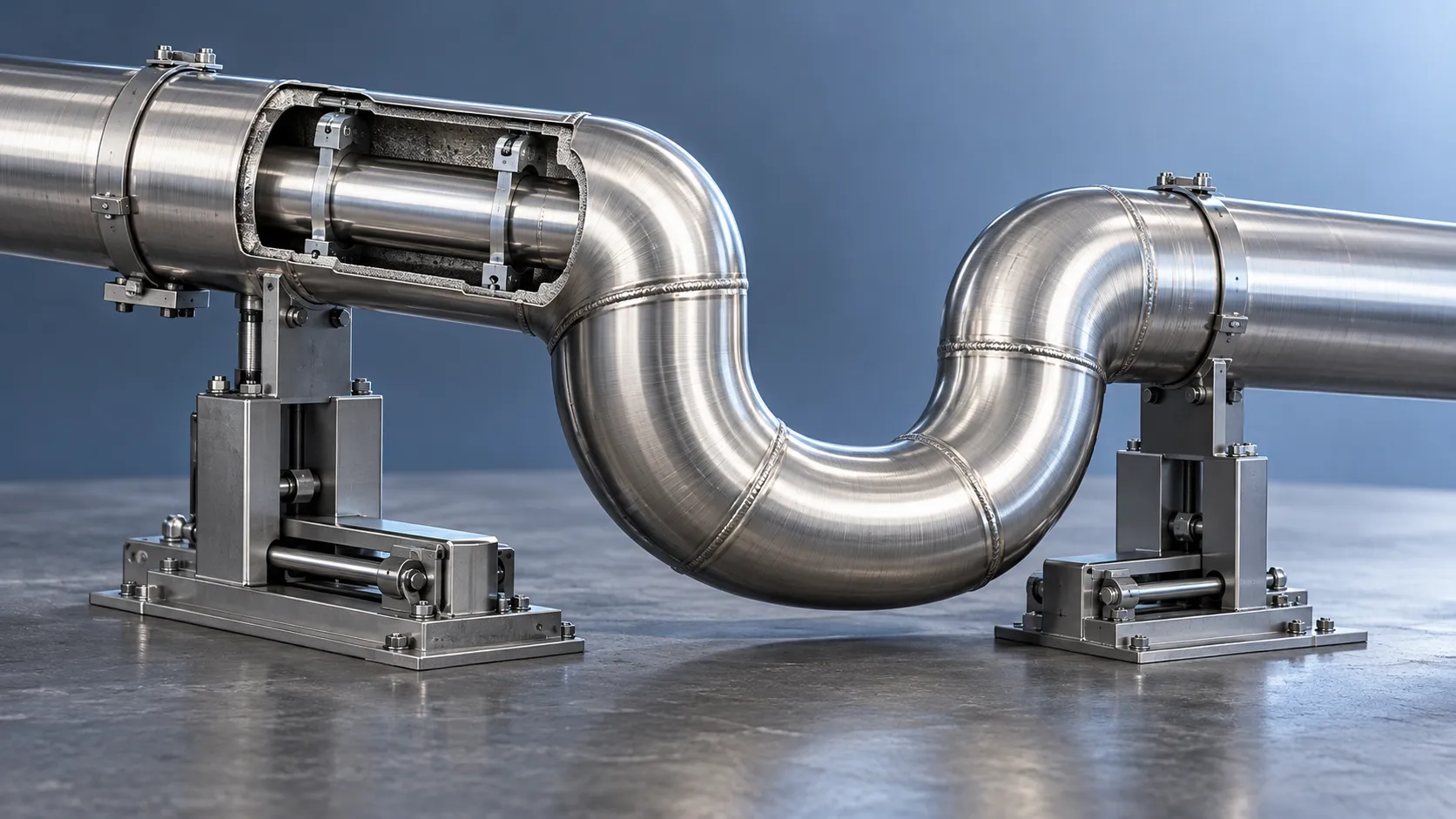
How does a rigid cryogenic transfer line handle thermal contraction?
Learn how a rigid cryogenic transfer line manages thermal contraction with bends, bellows, and guided supports. Discover key design checks for safe, reliable cryogenic performance.

How much does edge vision deployment cost beyond the hardware?
Understand edge vision deployment cost beyond hardware, from data and integration to security and support. Uncover hidden expenses and build a smarter lifecycle budget before you scale.

How does the purity of sputtering targets affect thin-film quality?
Discover how sputtering targets affect thin-film quality. Learn to assess purity, identify harmful impurities, and choose specifications that improve coating performance.
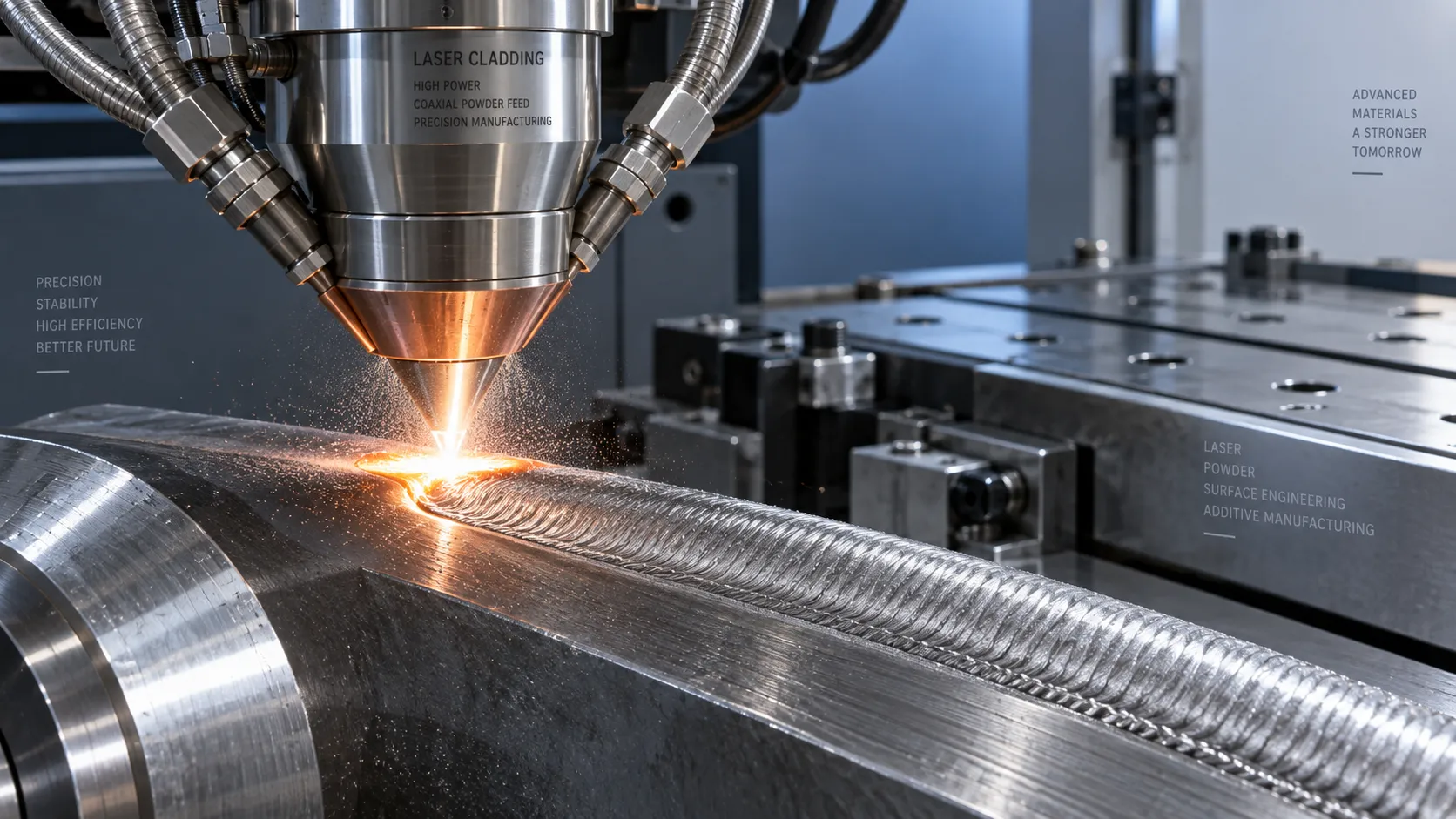
How high power laser cladding systems control substrate dilution
Discover how high power laser cladding systems control substrate dilution through beam shaping, material feed, and thermal management to deliver reliable bonds and coating performance.

How to check HS codes for customs compliance in international logistics
Strengthen international logistics customs compliance: learn how to verify HS codes, check official tariffs, and document classifications to reduce costly shipment delays.

Choosing a 3D Printing Service for Consumer Products: Finish, Fit, and Cost
Compare 3d printing consumer good services by finish, fit, materials, and total cost. Learn how to choose a reliable supplier and avoid costly defects before ordering.
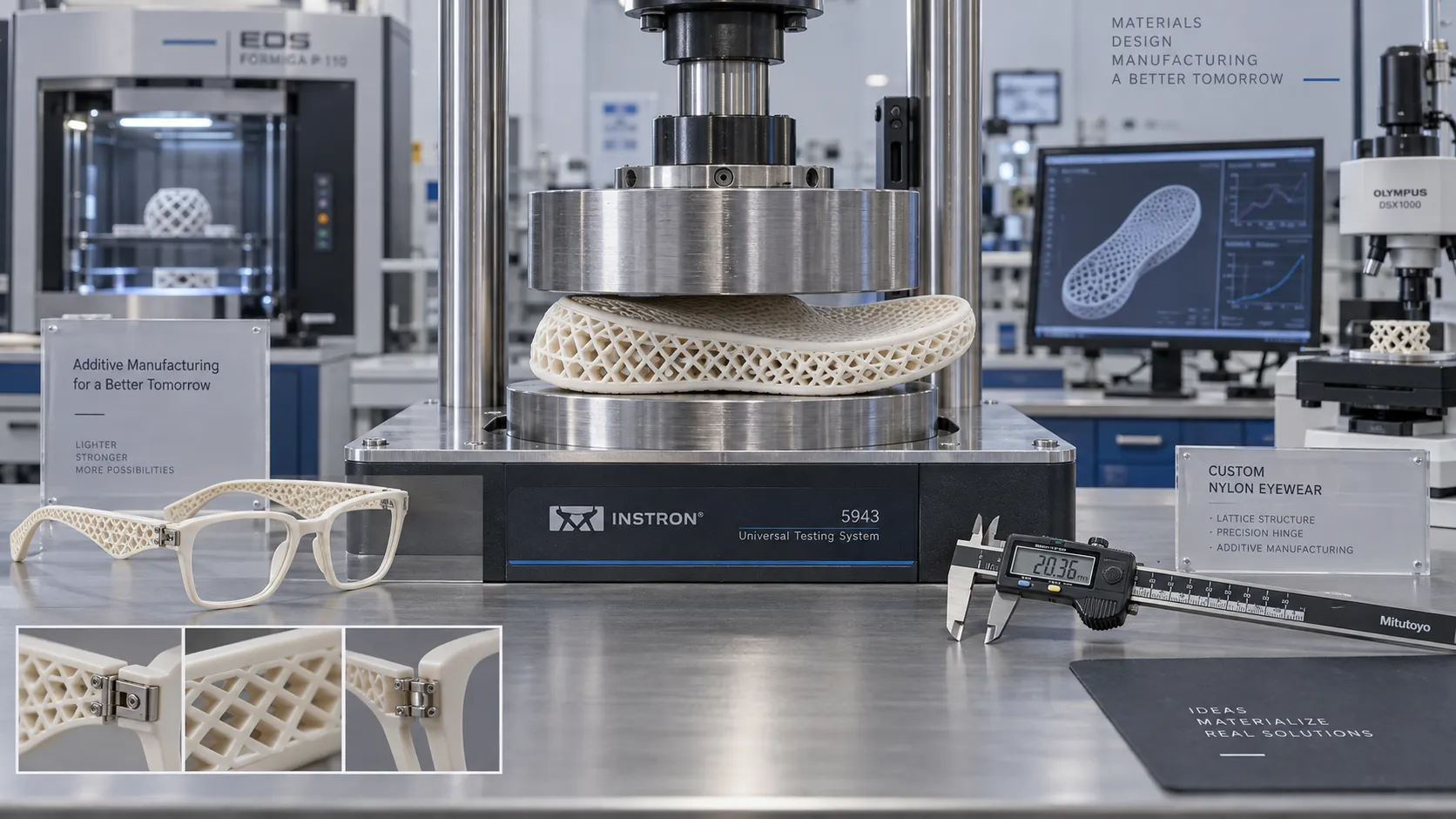
Which Consumer Goods Can Be 3D Printed, and What Are the Practical Limits?
Explore 3d printing consumer goods, from custom eyewear to replacement parts. Discover practical limits on materials, safety, and costs to make smarter production decisions.

From Prototype to Small Batch: Applying 3D Printing to Consumer Goods
Explore 3d printing in consumer goods: learn how to move from prototype to small-batch production with practical guidance on materials, quality validation, and cost control.
Related News
- 00
0000-00
How to verify part consistency before choosing a 3D printing OEM - 00
0000-00
How does a rigid cryogenic transfer line handle thermal contraction? - 00
0000-00
How much does edge vision deployment cost beyond the hardware? - 00
0000-00
How does the purity of sputtering targets affect thin-film quality? - 00
0000-00
How high power laser cladding systems control substrate dilution
Marcus Print
Weekly Insights
Stay ahead with our curated technology reports delivered every Monday.