
3D Printing Cost-Effective Solutions Often Miss These Costs


Many teams adopt 3D printing cost-effective solutions expecting immediate savings, yet financial approvers often discover hidden expenses after deployment. From material waste and machine downtime to post-processing, certification, and operator training, the real cost picture is broader than unit price alone. This article highlights the overlooked cost factors that matter most to budget owners evaluating additive manufacturing investments.
Why do 3D printing cost-effective solutions look cheaper on paper than in practice?
For finance approvers, the core issue is not whether additive manufacturing can reduce cost. It often can. The real question is whether proposed 3D printing cost-effective solutions remain economical after tooling alternatives, quality controls, post-processing labor, and production disruption are fully accounted for.
In cross-industry procurement, early business cases are frequently built around machine hourly rate and material price per kilogram. That framing is too narrow. It ignores indirect spending that appears in maintenance budgets, scrap reports, compliance testing, outsourced finishing, and delayed customer deliveries.
This is especially relevant in industrial environments where part reliability, traceability, and regulatory readiness matter as much as nominal production cost. G-AIT approaches this problem through verifiable benchmarking, standards awareness, and procurement-focused technical intelligence across additive manufacturing and adjacent industrial systems.
- Quoted print cost may exclude support removal, heat treatment, machining, polishing, inspection, and documentation.
- Low-cost equipment may create high downstream expenses through inconsistent build quality and unplanned downtime.
- Material utilization assumptions may ignore powder aging, failed builds, purge losses, and shelf-life controls.
- Approval cycles become longer when suppliers cannot map parts to applicable ISO, ASTM, IEEE, or sector-specific compliance expectations.
Which hidden costs matter most to financial approvers?
When evaluating 3D printing cost-effective solutions, finance teams need a total-cost structure rather than a print-price estimate. The table below summarizes cost categories that are commonly missed during initial proposal review.
For a finance approver, each row represents a possible budget variance. If the sourcing team cannot quantify these items before approval, the project may still succeed technically while underperforming financially.
The hidden burden of failed builds and rework
A failed build is not just wasted material. It consumes machine time, operator attention, inert gas or resin handling resources, and often a second inspection cycle. In low-volume industrial applications, one failed build can erase the margin advantage claimed by 3D printing cost-effective solutions.
Post-processing is often where budgets drift
Many procurement requests compare additive manufacturing to machining or molding only at the build stage. Yet post-processing can account for a significant share of total cost, especially for metal parts, end-use surface requirements, or components that must fit tightly into validated assemblies.
How should finance teams compare additive manufacturing with conventional alternatives?
Not every application benefits equally from 3D printing cost-effective solutions. Financial review becomes stronger when additive manufacturing is compared against machining, casting, and molding using a scenario-specific framework rather than a generic innovation narrative.
The comparison below helps finance approvers distinguish where 3D printing is structurally favorable and where hidden costs can outweigh flexibility.
The table shows why finance teams should reject one-size-fits-all claims. The right decision depends on production volume, geometry, compliance risk, and the cost of design change. G-AIT supports this evaluation by linking technical capability with supply-chain and regulatory context, not just equipment specifications.
Which application scenarios actually justify 3D printing cost-effective solutions?
Spare parts and legacy component support
For discontinued parts, additive manufacturing can avoid expensive minimum order quantities and obsolete tooling. The cost advantage is strongest when inventory risk is high and annual demand is uncertain. Finance teams should still check qualification requirements and dimensional verification cost before approval.
Functional prototypes with near-production intent
3D printing cost-effective solutions often perform well when prototypes need fast design iteration and realistic material behavior. However, if prototype geometry differs significantly from the final production process, savings at the prototype stage may create expensive redesign later. That mismatch should be visible in the business case.
Low-volume industrial fixtures and tooling aids
Jigs, fixtures, alignment tools, grippers, and ergonomic shop-floor devices are frequently strong candidates. The economic value often comes from labor reduction, setup consistency, and shorter changeovers rather than direct part cost alone. Finance approvers should ask for quantified productivity effects, not just lower fabrication cost.
- Best-fit scenarios usually involve complex geometry, low-to-medium volume, or frequent design changes.
- Riskier scenarios include heavily regulated end-use parts without a clear validation path.
- Marginal scenarios include simple high-volume parts where molding or machining is already optimized.
What should procurement and finance verify before approving a supplier or system?
A disciplined procurement review can prevent hidden cost escalation. In industrial buying, supplier claims around 3D printing cost-effective solutions should be validated through process evidence, quality controls, and realistic service assumptions.
- Request a cost breakdown that separates printing, support removal, finishing, inspection, packaging, and documentation.
- Ask how material reuse is controlled, especially for powder-based systems where refresh rate affects both cost and consistency.
- Confirm machine uptime assumptions, maintenance intervals, and who bears the risk of failed builds or reprints.
- Check whether dimensional, mechanical, and surface-quality verification is included in the quote or billed separately.
- Verify lead time under realistic production load, not only under sample-build conditions.
- Ensure the supplier can align with relevant standards, such as applicable ISO or ASTM practices for additive manufacturing workflows and testing.
G-AIT’s advantage in this stage is multidisciplinary benchmarking. Because additive manufacturing performance is often affected by adjacent systems such as machine vision inspection, laser process stability, and material characterization, a narrow equipment-only review may miss cost drivers that emerge later in qualification or production transfer.
How do standards, inspection, and compliance change the real cost model?
Finance approvers sometimes treat compliance as a separate technical issue. In practice, it is a direct cost variable. If a printed part requires traceability, batch records, dimensional inspection, mechanical testing, or export-control review, those activities must be budgeted from the start.
The following table outlines how compliance-related factors can alter the economics of 3D printing cost-effective solutions across industrial programs.
This is where G-AIT provides practical value beyond product descriptions. Its focus on international standards, technical benchmarking, project intelligence, and regulatory foresight helps procurement and finance teams evaluate cost exposure before it appears as a post-award surprise.
Common budgeting mistakes when assessing 3D printing cost-effective solutions
Mistake 1: treating pilot success as proof of production economics
A successful sample part does not automatically validate production cost. Pilot jobs may be built under ideal machine availability, premium engineering support, and light documentation burden. Production conditions are more demanding and often expose hidden labor and quality expenses.
Mistake 2: ignoring internal labor outside the printing cell
Design engineers, quality staff, supply-chain coordinators, and maintenance teams all contribute to total cost. If internal hours are not captured, the business case may overstate savings and understate the payback period.
Mistake 3: choosing the cheapest machine class for a regulated application
Lower capital cost may appear attractive, but inconsistent process control can increase scrap, revalidation, and inspection burden. For financial approvers, lower acquisition price is not the same as lower lifetime cost.
FAQ for finance approvers evaluating additive manufacturing
How should we measure ROI for 3D printing cost-effective solutions?
Use a total-value model. Include direct part cost, tooling avoidance, inventory reduction, lead-time compression, engineering change flexibility, and the cost of qualification. ROI is stronger when additive manufacturing reduces broader operational friction, not only fabrication spend.
Are outsourced 3D printing services safer than buying equipment?
Often, yes for early-stage adoption. Outsourcing can reduce capital exposure and defer maintenance, staffing, and process-validation overhead. However, finance teams should review pricing transparency, data security, compliance capability, and surge capacity before assuming the service route is always cheaper.
What is the most commonly missed line item?
Post-processing is the most common omission, closely followed by inspection and failed-build recovery. In regulated or precision-sensitive sectors, these items can materially exceed the initial quoted print cost.
When are 3D printing cost-effective solutions least convincing?
They are least convincing for simple, high-volume parts with stable demand and mature conventional supply chains. In such cases, molding, casting, or machining may still deliver a better cost structure after qualification, throughput, and finishing are considered.
Why choose us when evaluating hidden additive manufacturing costs?
G-AIT supports procurement directors, R&D institutes, and industrial decision-makers who need more than generic supplier claims. Our value lies in connecting 3D printing cost-effective solutions with measurable engineering benchmarks, cross-sector manufacturing intelligence, standards context, and supply-chain risk visibility.
- We help clarify whether a quoted additive manufacturing program is truly cost-effective after material handling, post-processing, quality assurance, and compliance are included.
- We support parameter confirmation and technical benchmarking against relevant industrial expectations rather than marketing claims alone.
- We assist with supplier and solution selection by comparing process fit, inspection burden, production risk, and delivery assumptions.
- We provide practical guidance for certification requirements, documentation scope, export-control awareness, and project tender alignment.
- We can help structure discussions around sample support, qualification strategy, lead time, customization routes, and quotation review.
If your team is reviewing 3D printing cost-effective solutions for industrial parts, fixtures, prototypes, or regulated applications, contact G-AIT for a focused evaluation. You can consult on parameter suitability, process selection, hidden cost mapping, certification considerations, delivery schedule assumptions, sample planning, and quotation comparisons before budget approval is locked in.
Related News
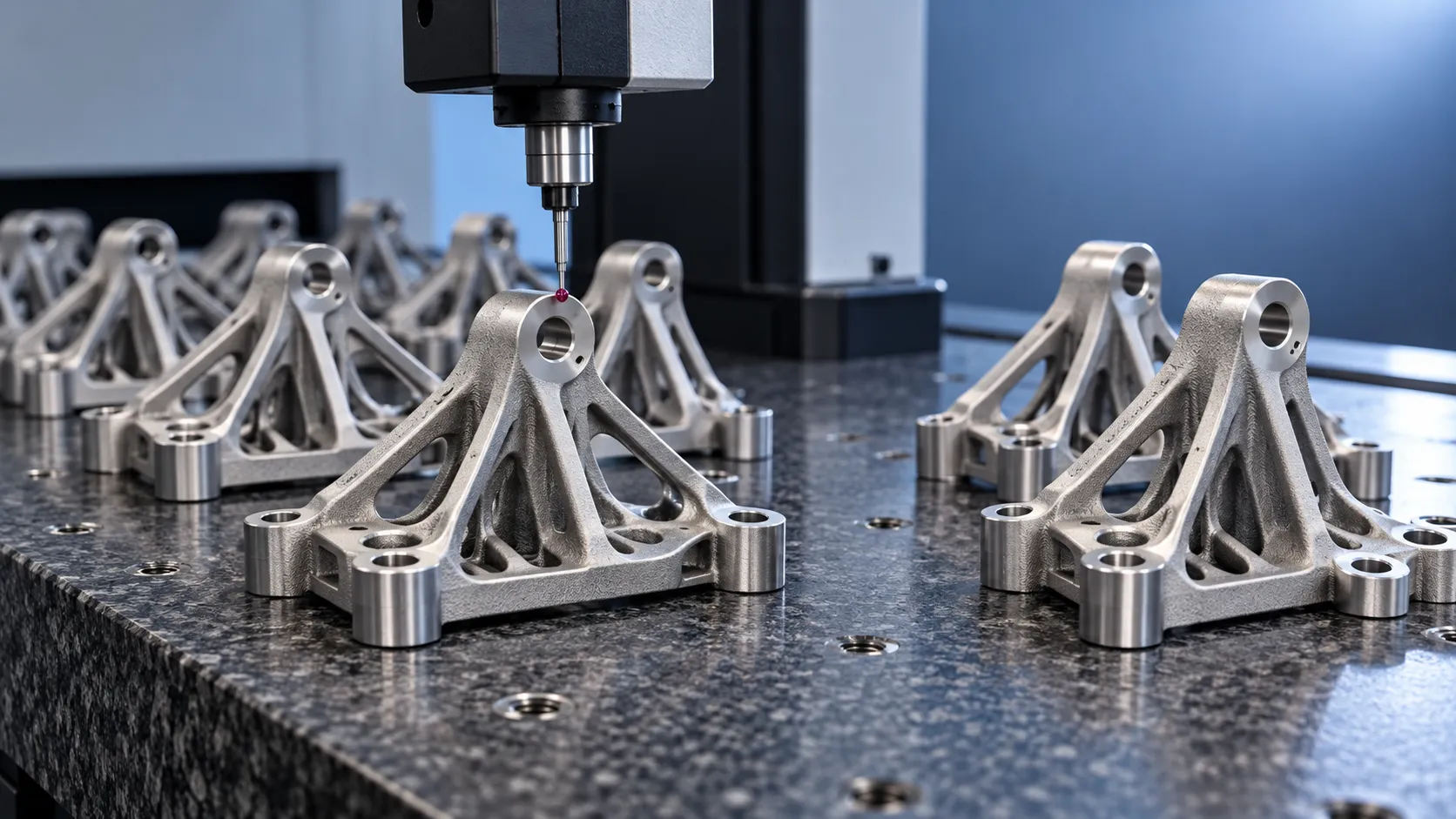
How to verify part consistency before choosing a 3D printing OEM
Choosing a 3D printing OEM? Learn how to verify part consistency with repeat-build trials, validated inspections, and traceability checks before committing to production.
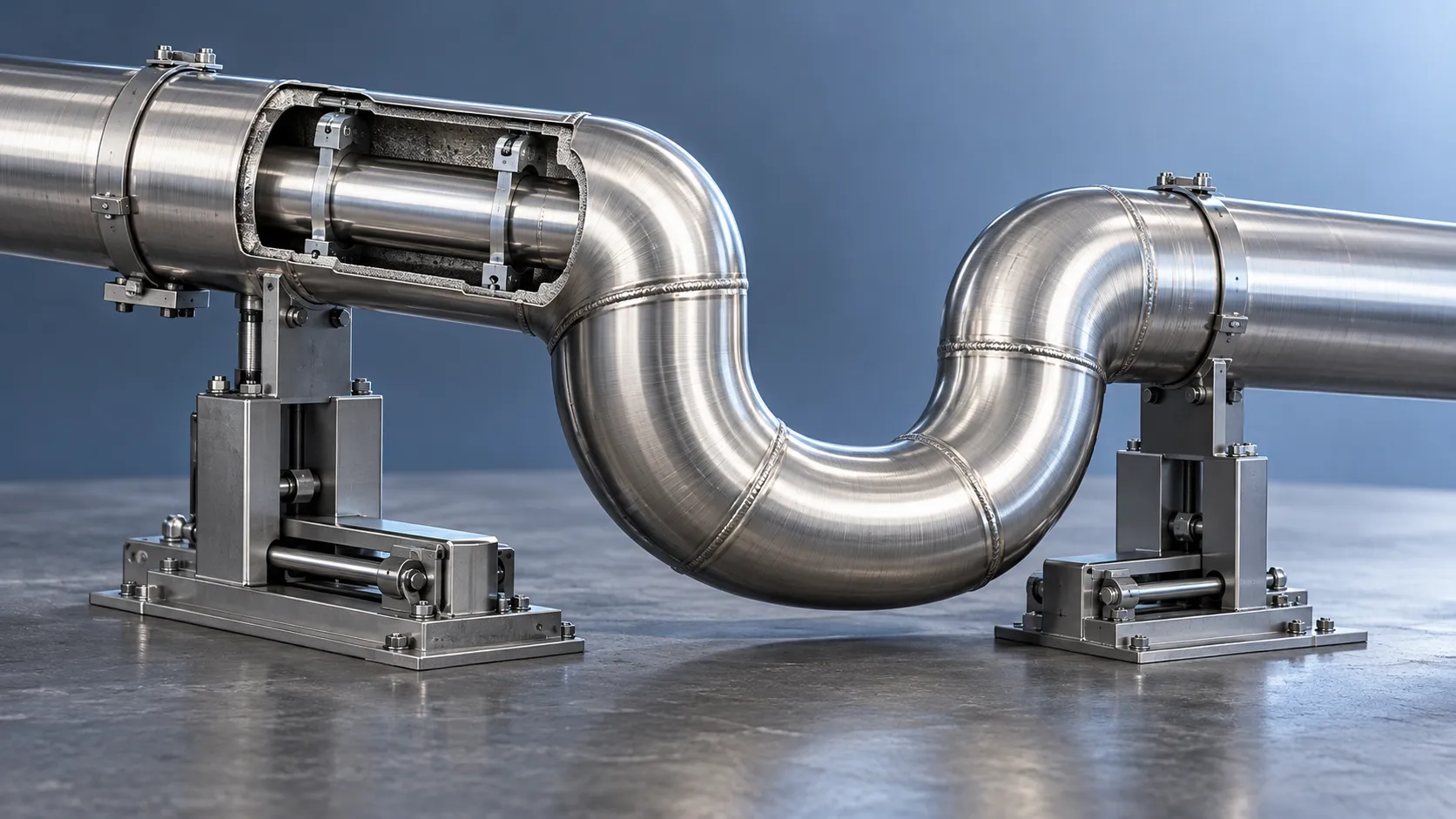
How does a rigid cryogenic transfer line handle thermal contraction?
Learn how a rigid cryogenic transfer line manages thermal contraction with bends, bellows, and guided supports. Discover key design checks for safe, reliable cryogenic performance.
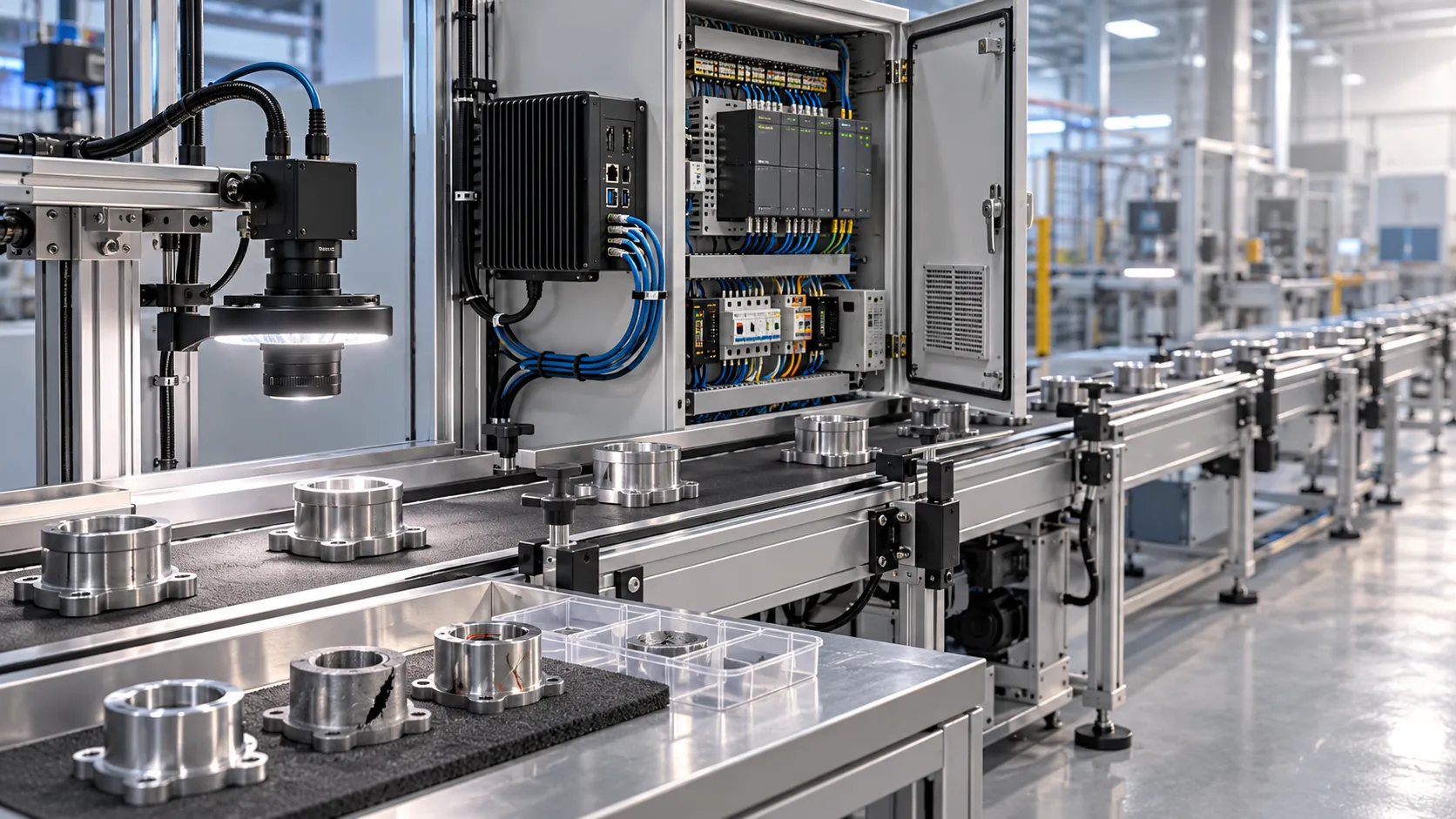
How much does edge vision deployment cost beyond the hardware?
Understand edge vision deployment cost beyond hardware, from data and integration to security and support. Uncover hidden expenses and build a smarter lifecycle budget before you scale.

How does the purity of sputtering targets affect thin-film quality?
Discover how sputtering targets affect thin-film quality. Learn to assess purity, identify harmful impurities, and choose specifications that improve coating performance.

How high power laser cladding systems control substrate dilution
Discover how high power laser cladding systems control substrate dilution through beam shaping, material feed, and thermal management to deliver reliable bonds and coating performance.

How to check HS codes for customs compliance in international logistics
Strengthen international logistics customs compliance: learn how to verify HS codes, check official tariffs, and document classifications to reduce costly shipment delays.
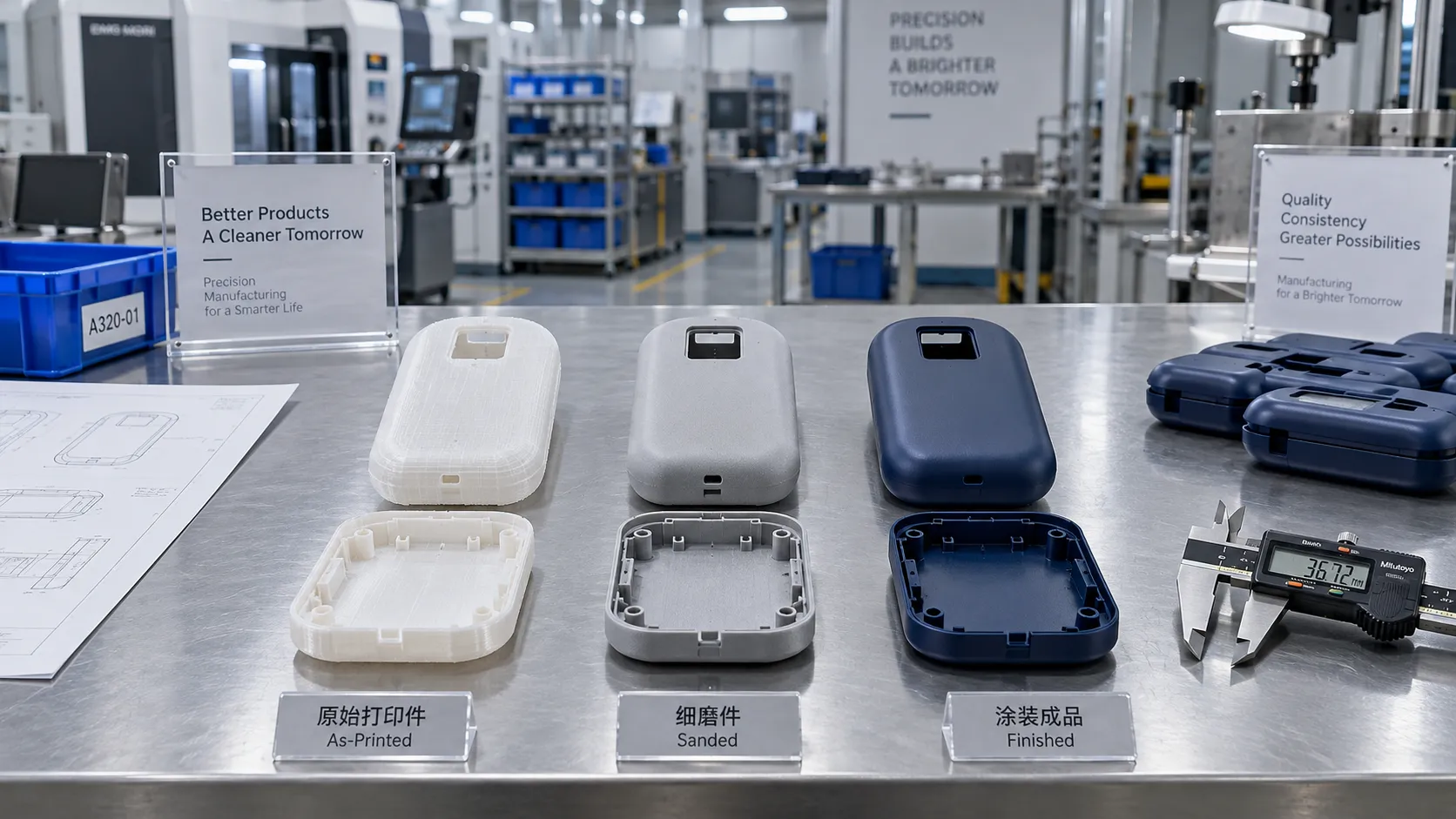
Choosing a 3D Printing Service for Consumer Products: Finish, Fit, and Cost
Compare 3d printing consumer good services by finish, fit, materials, and total cost. Learn how to choose a reliable supplier and avoid costly defects before ordering.
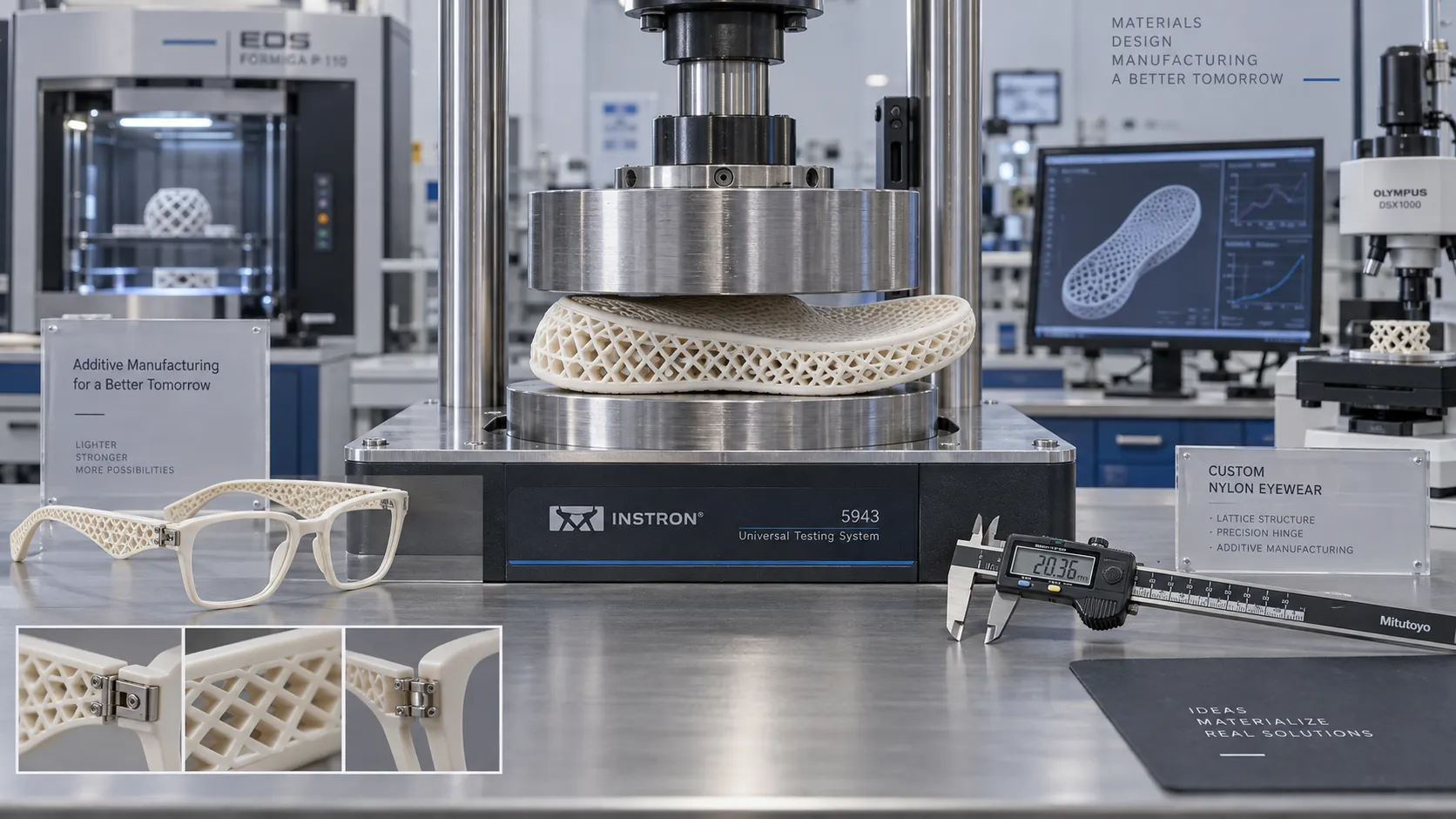
Which Consumer Goods Can Be 3D Printed, and What Are the Practical Limits?
Explore 3d printing consumer goods, from custom eyewear to replacement parts. Discover practical limits on materials, safety, and costs to make smarter production decisions.

From Prototype to Small Batch: Applying 3D Printing to Consumer Goods
Explore 3d printing in consumer goods: learn how to move from prototype to small-batch production with practical guidance on materials, quality validation, and cost control.
Related News
- 00
0000-00
How to verify part consistency before choosing a 3D printing OEM - 00
0000-00
How does a rigid cryogenic transfer line handle thermal contraction? - 00
0000-00
How much does edge vision deployment cost beyond the hardware? - 00
0000-00
How does the purity of sputtering targets affect thin-film quality? - 00
0000-00
How high power laser cladding systems control substrate dilution
Marcus Print
Weekly Insights
Stay ahead with our curated technology reports delivered every Monday.