
Additive Manufacturing Tender Documents: 7 Critical Checks


Why do additive manufacturing tender documents deserve deeper review?
Additive manufacturing tender documents shape far more than supplier selection. They set the rules for quality, qualification, accountability, and post-award performance.
In practice, weak tender wording often creates expensive ambiguity. A bid may look competitive, yet still hide gaps in process control, material traceability, or inspection scope.
That is why review should move beyond price and lead time. The stronger approach is to read additive manufacturing tender documents as technical risk documents first.
This matters across sectors. Aerospace brackets, energy tooling, medical fixtures, electronics housings, and R&D prototypes all carry different approval thresholds and failure consequences.
A useful benchmark is whether the tender can support a defendable sourcing decision. If not, the document is incomplete, even when the commercial terms look polished.
Industry intelligence platforms such as G-AIT have made this review more data-driven by connecting tender language with standards, qualification evidence, and broader supply-chain signals.
What should be confirmed before comparing any bid?
Before comparing suppliers, confirm that the tender defines the part, the process, and the acceptance logic with enough precision to allow fair evaluation.
Many additive manufacturing tender documents fail at this early stage. They request a printed part, but do not define build orientation, critical tolerances, or required surface condition.
That omission leads to bids that are impossible to compare. One supplier prices machining stock removal and CT inspection. Another assumes as-built delivery and visual inspection only.
A practical review usually starts with three baseline questions:
- Is the target application clear enough to define risk level and validation depth?
- Does the document specify process families such as PBF, DED, binder jetting, or polymer extrusion?
- Are acceptance criteria measurable rather than descriptive?
When these basics are missing, the procurement cycle slows down later. Clarification rounds increase, technical disputes appear, and post-award change orders become more likely.
Which seven checks matter most in additive manufacturing tender documents?
The seven checks below give a reliable structure for reading additive manufacturing tender documents without turning the review into an academic exercise.
The point is not to create paperwork for its own sake. It is to make sure every bid answers the same technical question under the same decision framework.
How do you tell whether technical compliance is real or just well presented?
This is where many reviews become too trusting. A polished proposal can still be weak if the evidence is generic, outdated, or disconnected from the requested application.
Real compliance is specific. It links the material grade, machine platform, build parameters, inspection method, and quality records to the exact part family or operating condition.
For example, saying a supplier follows ISO standards is not enough. The tender response should show which standard applies, what was tested, and how conformity is documented.
A stronger reading method is to ask for evidence in sequence:
- Material certification tied to production batches
- Machine qualification and calibration history
- Process validation for comparable geometry and load case
- Inspection records from recent deliveries
- Documented deviation handling procedure
This is also where multidisciplinary references help. G-AIT-style benchmarking is valuable because additive decisions rarely sit alone; they often depend on inspection capability, materials science, and regulatory context.
Where do additive manufacturing tender documents usually hide risk?
The biggest risks are usually hidden in assumptions, not in headline numbers. Cost, speed, and machine brand are visible. Process variation and qualification gaps are less visible.
One common issue is vague wording around feedstock reuse. Reused metal powder may be acceptable within control limits, but the tender should state those limits clearly.
Another risk sits in subcontracting. A supplier may print in-house, then outsource heat treatment, machining, or CT scanning without equivalent quality governance.
Lead time can also be misleading. A short promise may exclude first article approval, parameter tuning, or post-processing bottlenecks that are essential for final delivery.
Watch for these warning signs in additive manufacturing tender documents:
- Performance claims without test conditions
- Inspection language limited to visual checks on critical components
- No statement on parameter change approval
- No traceable link between part serial number and material lot
- Post-processing described as optional when performance depends on it
More often than not, these risks surface after award, when correction costs are higher and schedule flexibility is lower.
How should cost, lead time, and lifecycle value be balanced?
A low bid is only useful when the technical baseline is equivalent. Without that condition, cost comparison becomes misleading rather than informative.
In additive manufacturing tender documents, the most reliable comparison is total delivery value. That includes qualification effort, scrap risk, inspection depth, post-processing, and repeatability.
Consider a simple contrast. One bid may be cheaper because support removal is manual, inspection is limited, and dimensional correction is expected after delivery.
Another bid may cost more upfront, yet include validated process windows, tighter traceability, and cleaner transition to serial production. For many programs, that second offer is safer.
A practical decision table helps keep discussions grounded:
What is the most useful next step after the first tender review?
Once the first review is complete, turn the findings into a structured clarification list. This avoids scattered follow-up and keeps all bidders aligned.
The clarification list should focus on unresolved technical items, not generic requests for “more detail.” Specificity improves the quality of supplier responses.
Useful follow-up points often include material reuse policy, inspection thresholds, subcontractor controls, first article requirements, and change notification obligations.
It also helps to separate prototype needs from production intent. A supplier suitable for fast iteration may not be the strongest choice for repeatable industrial scale-up.
Well-prepared additive manufacturing tender documents reduce uncertainty before contract signature. Well-reviewed documents reduce surprises after it.
The most effective path is straightforward: tighten technical definitions, compare bids against the same seven checks, and validate every critical claim with traceable evidence.
When needed, use external benchmarking, standards mapping, and cross-domain intelligence to strengthen judgment. That is often where better sourcing decisions begin.
Related News
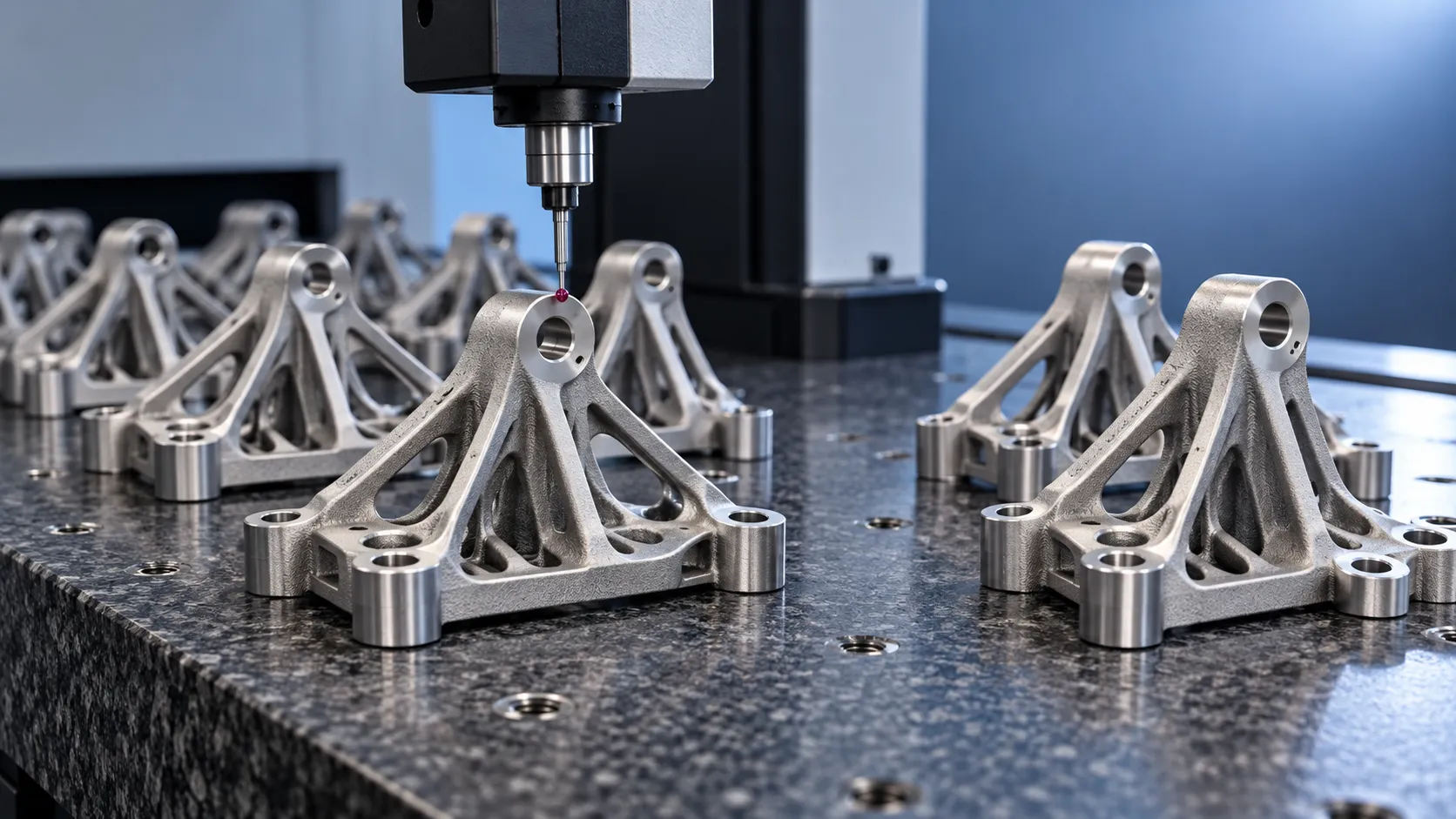
How to verify part consistency before choosing a 3D printing OEM
Choosing a 3D printing OEM? Learn how to verify part consistency with repeat-build trials, validated inspections, and traceability checks before committing to production.
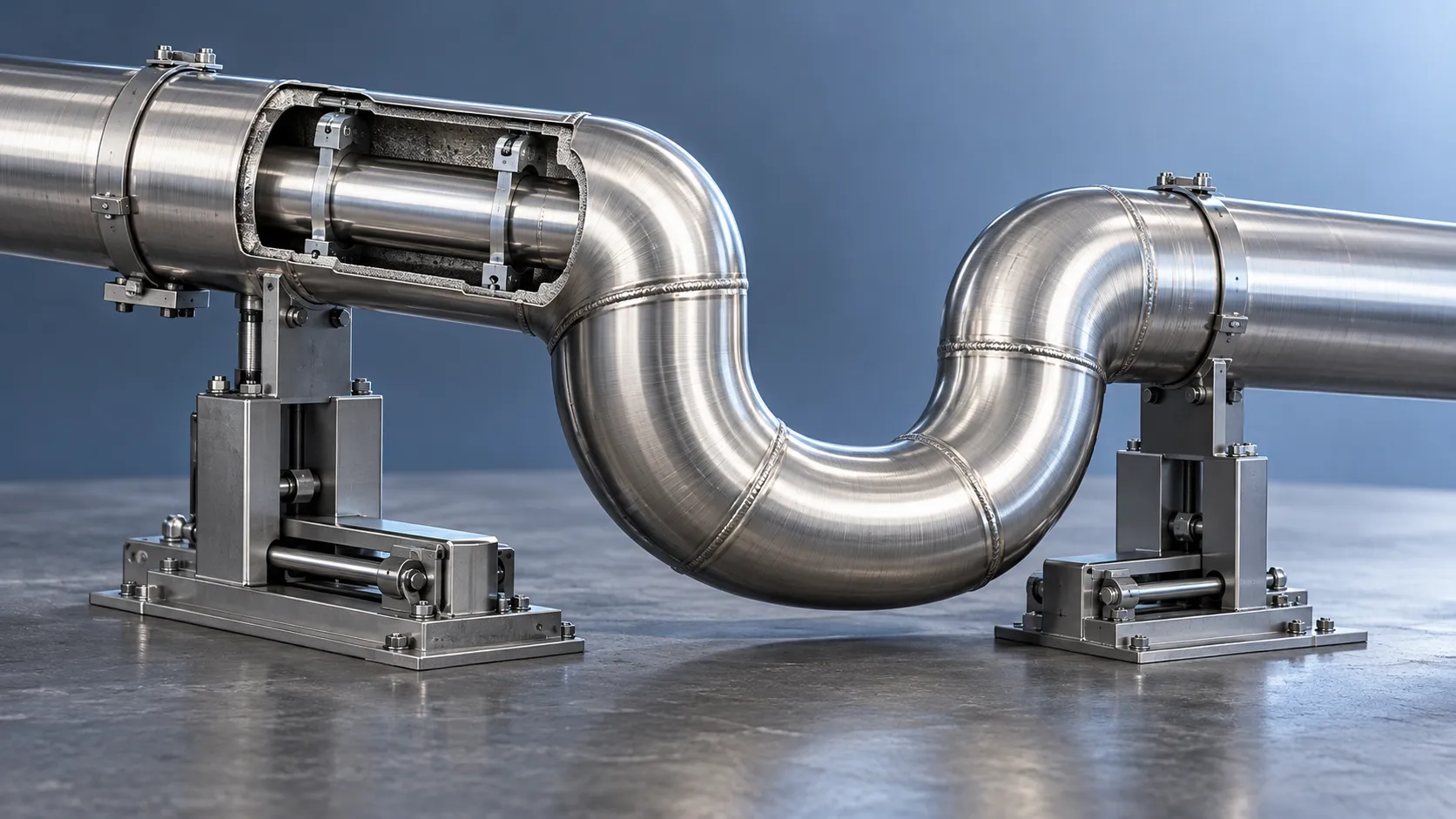
How does a rigid cryogenic transfer line handle thermal contraction?
Learn how a rigid cryogenic transfer line manages thermal contraction with bends, bellows, and guided supports. Discover key design checks for safe, reliable cryogenic performance.

How much does edge vision deployment cost beyond the hardware?
Understand edge vision deployment cost beyond hardware, from data and integration to security and support. Uncover hidden expenses and build a smarter lifecycle budget before you scale.

How does the purity of sputtering targets affect thin-film quality?
Discover how sputtering targets affect thin-film quality. Learn to assess purity, identify harmful impurities, and choose specifications that improve coating performance.
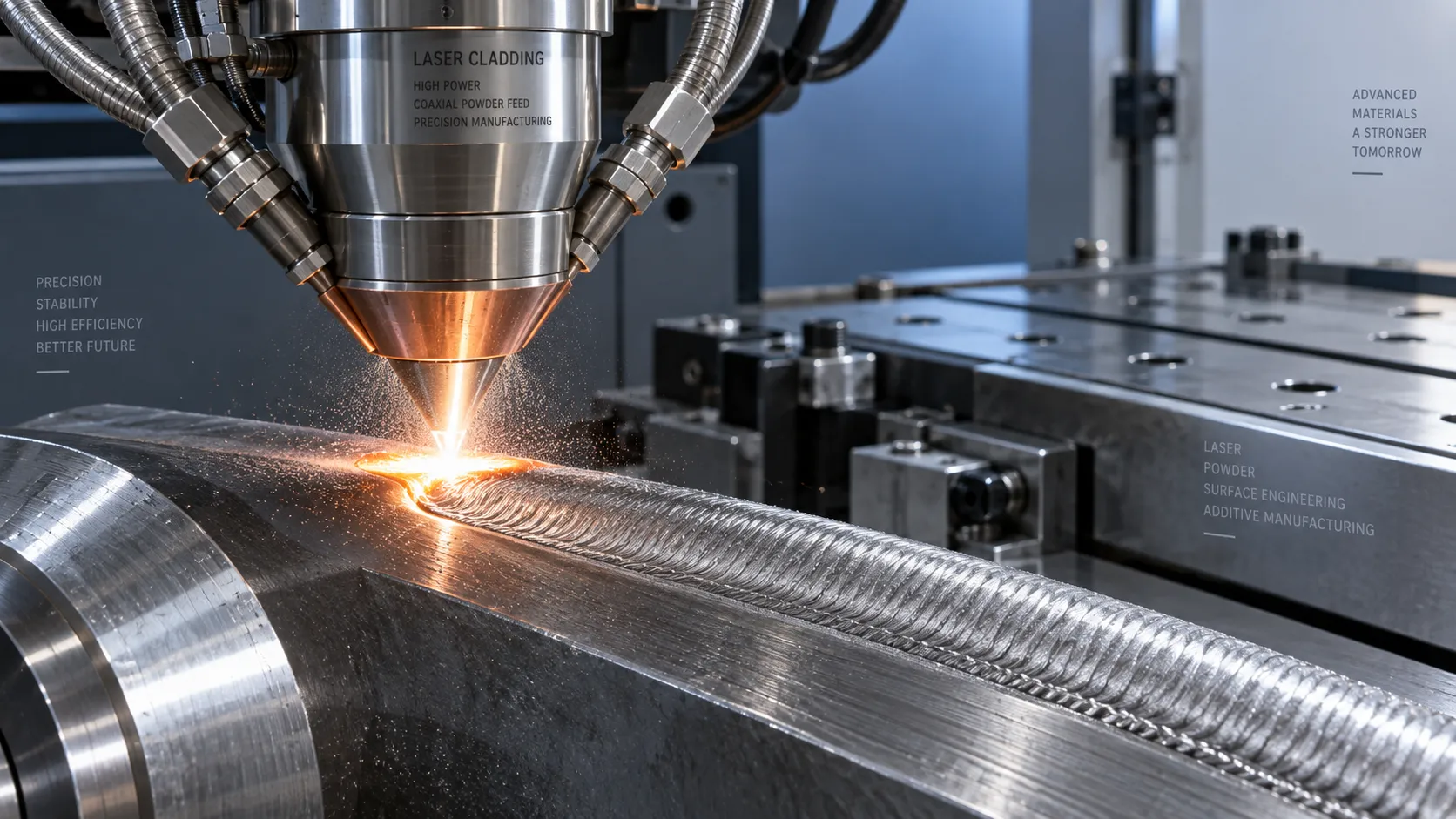
How high power laser cladding systems control substrate dilution
Discover how high power laser cladding systems control substrate dilution through beam shaping, material feed, and thermal management to deliver reliable bonds and coating performance.
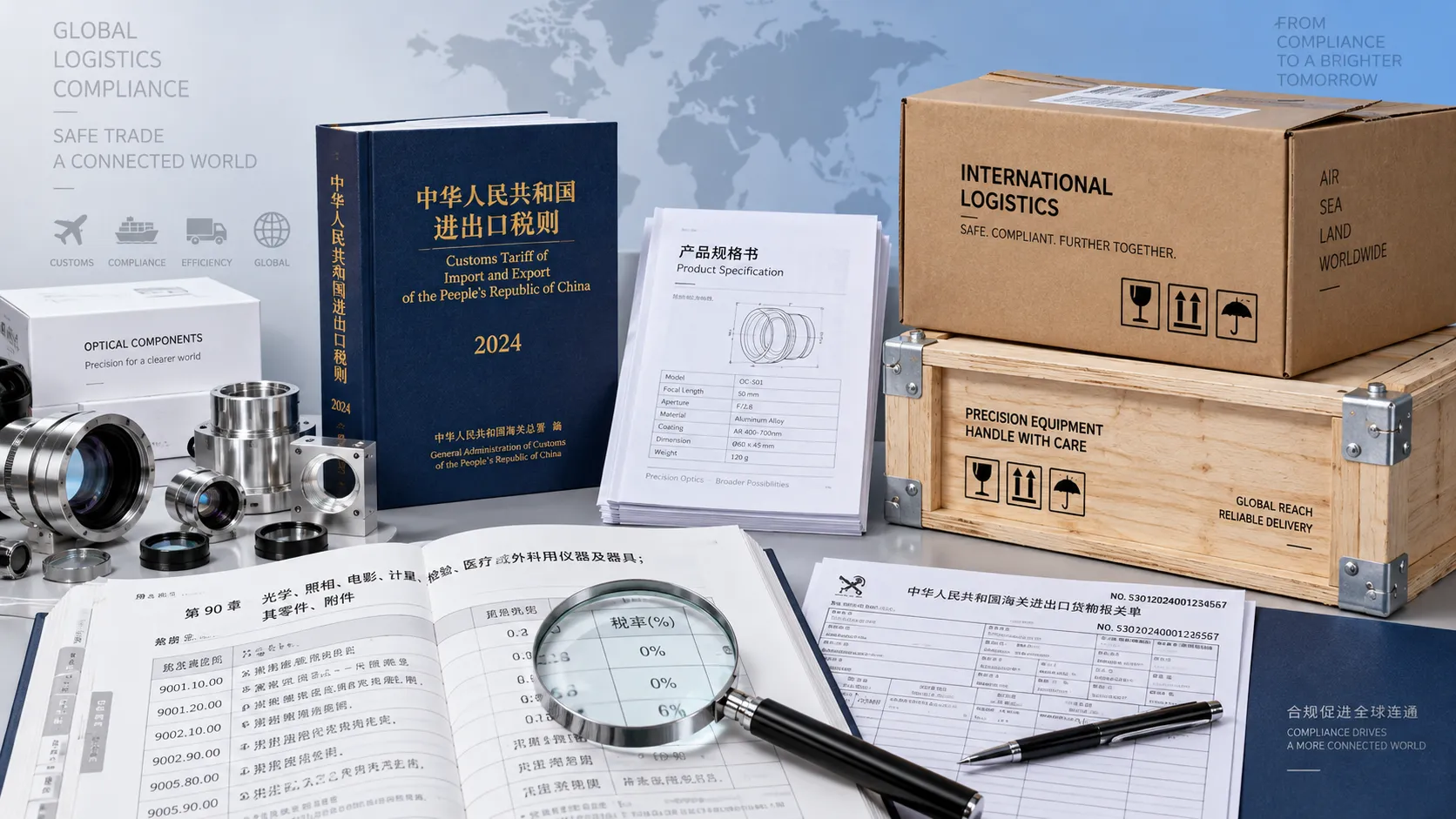
How to check HS codes for customs compliance in international logistics
Strengthen international logistics customs compliance: learn how to verify HS codes, check official tariffs, and document classifications to reduce costly shipment delays.
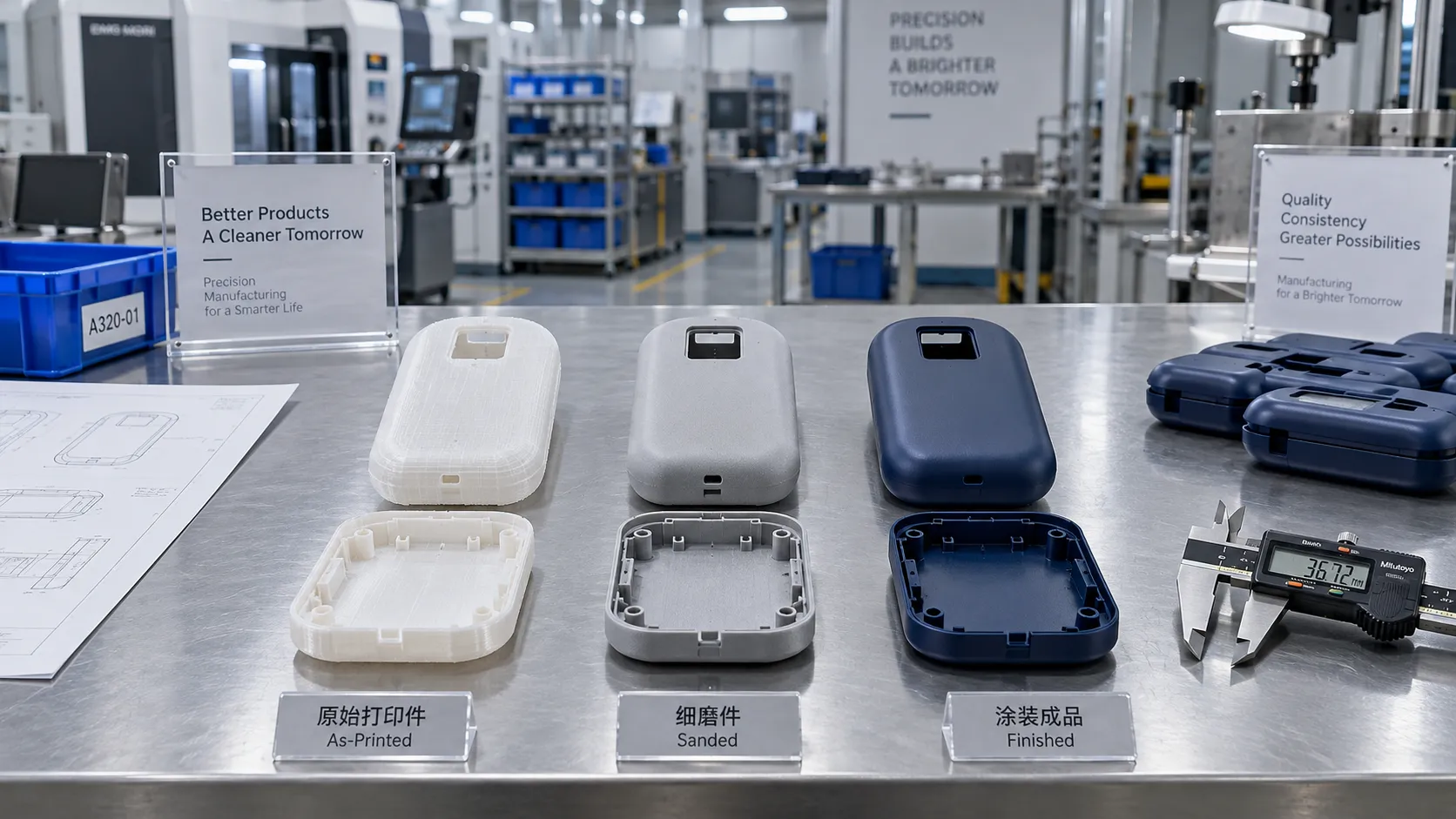
Choosing a 3D Printing Service for Consumer Products: Finish, Fit, and Cost
Compare 3d printing consumer good services by finish, fit, materials, and total cost. Learn how to choose a reliable supplier and avoid costly defects before ordering.
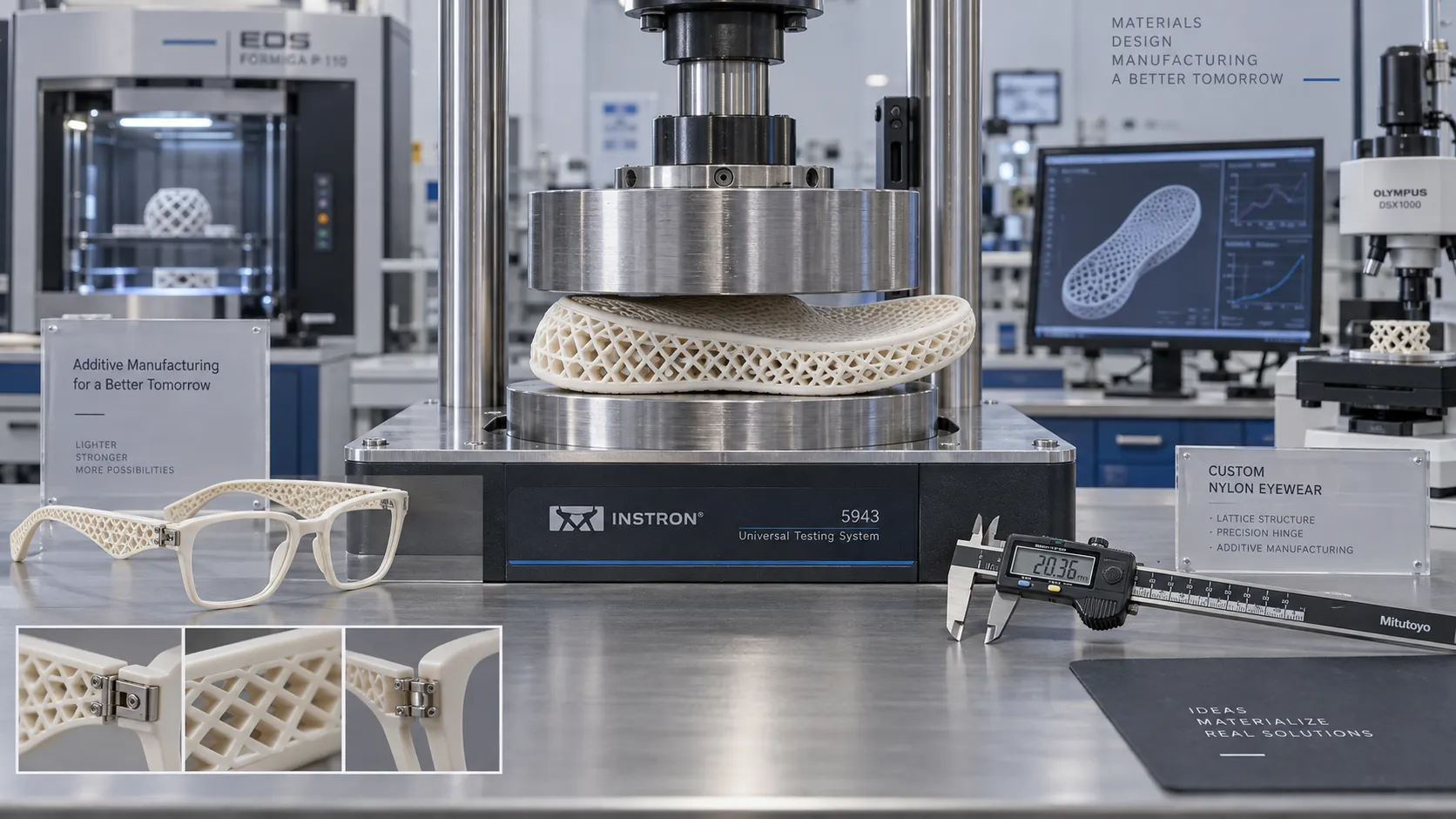
Which Consumer Goods Can Be 3D Printed, and What Are the Practical Limits?
Explore 3d printing consumer goods, from custom eyewear to replacement parts. Discover practical limits on materials, safety, and costs to make smarter production decisions.
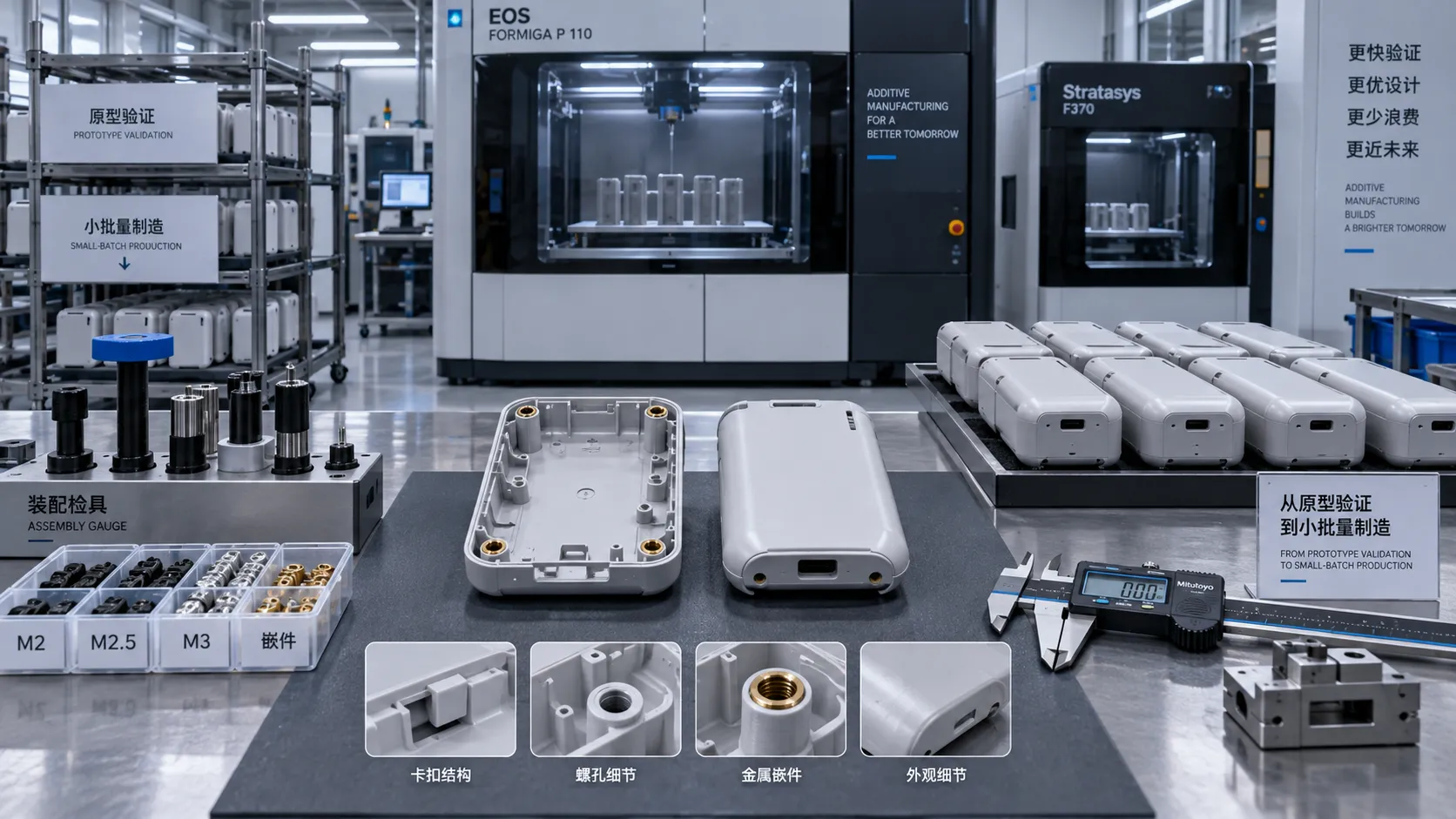
From Prototype to Small Batch: Applying 3D Printing to Consumer Goods
Explore 3d printing in consumer goods: learn how to move from prototype to small-batch production with practical guidance on materials, quality validation, and cost control.
Related News
- 00
0000-00
How to verify part consistency before choosing a 3D printing OEM - 00
0000-00
How does a rigid cryogenic transfer line handle thermal contraction? - 00
0000-00
How much does edge vision deployment cost beyond the hardware? - 00
0000-00
How does the purity of sputtering targets affect thin-film quality? - 00
0000-00
How high power laser cladding systems control substrate dilution
Marcus Print
Weekly Insights
Stay ahead with our curated technology reports delivered every Monday.