
How to Compare Low-Noise Dry Scroll Pump Suppliers


Why does a low-noise dry scroll pump supplier deserve closer comparison?
A dry scroll pump often sits near people, instruments, and sensitive processes. Noise is not a cosmetic issue. It affects working comfort, vibration control, and perceived equipment quality.
That is why comparing a dry scroll pump supplier low noise claim requires more than checking a catalog headline. The quieter pump is not always the better sourcing choice.
In practical industrial use, the real question is broader. Can the supplier prove stable vacuum performance, consistent acoustic results, predictable maintenance, and long-term parts support?
For laboratories, analytical systems, semiconductor support tools, coating lines, and general vacuum engineering, these details directly influence uptime and operating cost.
This is also where a benchmarking mindset helps. G-AIT places value on verifiable engineering data, standards alignment, and supply-chain integrity across vacuum and cryogenic engineering.
That approach is useful here. A supplier should be judged by measurable evidence, not by a polished brochure or an isolated decibel figure.
What should be checked first when a supplier says “low noise”?
Start with the test condition behind the claim. Noise numbers without context are weak. A quoted value can change with inlet pressure, installation surface, enclosure design, and measurement distance.
A reliable dry scroll pump supplier low noise specification should explain at least three things: measurement method, operating point, and whether the value is free-field or installed equipment noise.
It also helps to ask whether the pump stays quiet over time. Some units begin acceptably, then become louder as tip seals wear or bearings age.
The next checkpoint is vacuum performance under load. Low noise matters, but not if pump-down time is too slow or base pressure is unstable for the intended application.
A useful supplier conversation usually covers these points:
- Ultimate pressure and pumping speed across the operating range
- Noise level in dB(A) and the exact test setup
- Vibration behavior and any isolation recommendations
- Maintenance interval for scroll tip seals and bearings
- Cleanliness, oil-free operation, and contamination risk
- Expected service life and spare parts availability
If a supplier answers only with marketing phrases, comparison becomes difficult. Good suppliers usually provide curves, service schedules, and installation notes without hesitation.
How can two dry scroll pump suppliers be compared on equal terms?
The most common mistake is comparing model A and model B only by purchase price. That hides the real sourcing difference, especially when one pump is quieter but needs more frequent service.
A simple comparison matrix brings discipline to the process. It keeps acoustic performance connected to throughput, reliability, compliance, and total ownership cost.
When this table is filled with supplier data, differences become clearer. The cheaper quote may stop looking competitive once service kits, downtime, and delivery risk are included.
Which technical differences usually separate strong suppliers from average ones?
Better suppliers usually control variation well. Their pumps do not just meet one good sample result. They show repeatable acoustic and vacuum performance across batches.
Another difference is how they discuss materials and wear parts. In dry scroll pump design, seal geometry, bearing quality, and thermal management strongly affect noise growth over service life.
For demanding applications, look for suppliers that can explain:
- How the pump handles continuous duty rather than intermittent lab use
- Whether gas ballast, purge options, or corrosion-resistant paths are available
- How the unit behaves with water vapor or light process contamination
- What service tools and field replacement procedures are required
This matters across the broader industrial landscape. A pump supporting analytical instruments may prioritize quiet operation and cleanliness, while an OEM vacuum skid may emphasize lifecycle predictability.
The strongest dry scroll pump supplier low noise options usually balance both. They understand that acoustic comfort is valuable, but they do not trade away reliability to achieve it.
Here, G-AIT-style benchmarking is relevant again. Looking across standards, application evidence, and engineering consistency gives a more realistic view than a single performance headline.
Where do sourcing risks usually hide?
The largest risk is assuming every oil-free pump behaves the same. Dry scroll technology is mature, but execution quality varies widely between suppliers.
One hidden issue is service access. Some suppliers offer an attractive unit price, then rely on long spare-part lead times or factory-only rebuilds. That can extend downtime unexpectedly.
Another risk sits in documentation. If compliance files, acoustic reports, and maintenance instructions are incomplete, internal approval and later troubleshooting become slower.
There is also a commercial risk. A supplier may look acceptable technically, but weak export readiness, unstable logistics, or limited after-sales coverage can damage long-term value.
In real sourcing work, these warning signs deserve attention:
- Noise data without test conditions
- No published maintenance interval
- Unclear warranty scope for wear items
- No regional stock for key spare kits
- Reference customers limited to unrelated applications
- Lead times that vary significantly between quotations
A capable supplier does not need to be the largest name in the market. It does need to be transparent, technically coherent, and operationally dependable.
How should cost be evaluated beyond the purchase price?
A low upfront quote can become expensive if seals wear quickly, site noise complaints appear, or process recovery after downtime is slow. Total cost should be viewed over the expected service window.
The more useful approach is to combine price with the cost drivers around it. That usually produces a better supplier ranking than unit price alone.
Check the following items during comparison:
- Initial pump price and included accessories
- Recommended spare kits for two years of operation
- Planned service labor, on-site or depot-based
- Energy consumption at normal operating conditions
- Downtime impact if maintenance slips or parts are delayed
- Any acoustic enclosure or isolation hardware needed after installation
This is especially important in high-tech environments. Whether the pump supports inspection systems, additive manufacturing support equipment, or UHV preparation steps, interruption costs usually exceed the pump invoice itself.
That is why many teams now favor evidence-backed supplier comparison. The dry scroll pump supplier low noise decision becomes stronger when it reflects both engineering and commercial reality.
What does a practical final shortlist look like?
A final shortlist usually contains two or three suppliers whose pumps meet the application window without major compromise. At that stage, the decision should become very specific.
Ask each supplier for a confirmed data package, a maintenance schedule, expected lead time, warranty language, and references close to your operating conditions.
If the project is important, request a structured technical review. A serious dry scroll pump supplier low noise partner should be able to discuss not just performance, but also validation and long-term support.
It is also sensible to keep an eye on broader signals, including documentation quality, standard alignment, and export-readiness. Those factors often predict easier cooperation later.
In short, the best choice is rarely the quietest model on paper or the lowest price in a spreadsheet. It is the supplier that can prove stable low-noise performance, fit the vacuum duty, and support the asset over time.
A disciplined next step is to define your required pressure range, acceptable dB(A) level, maintenance window, and lead-time tolerance, then compare suppliers against those fixed criteria.
That process keeps the decision grounded, reduces sourcing risk, and makes the final recommendation much easier to defend internally.
Related News
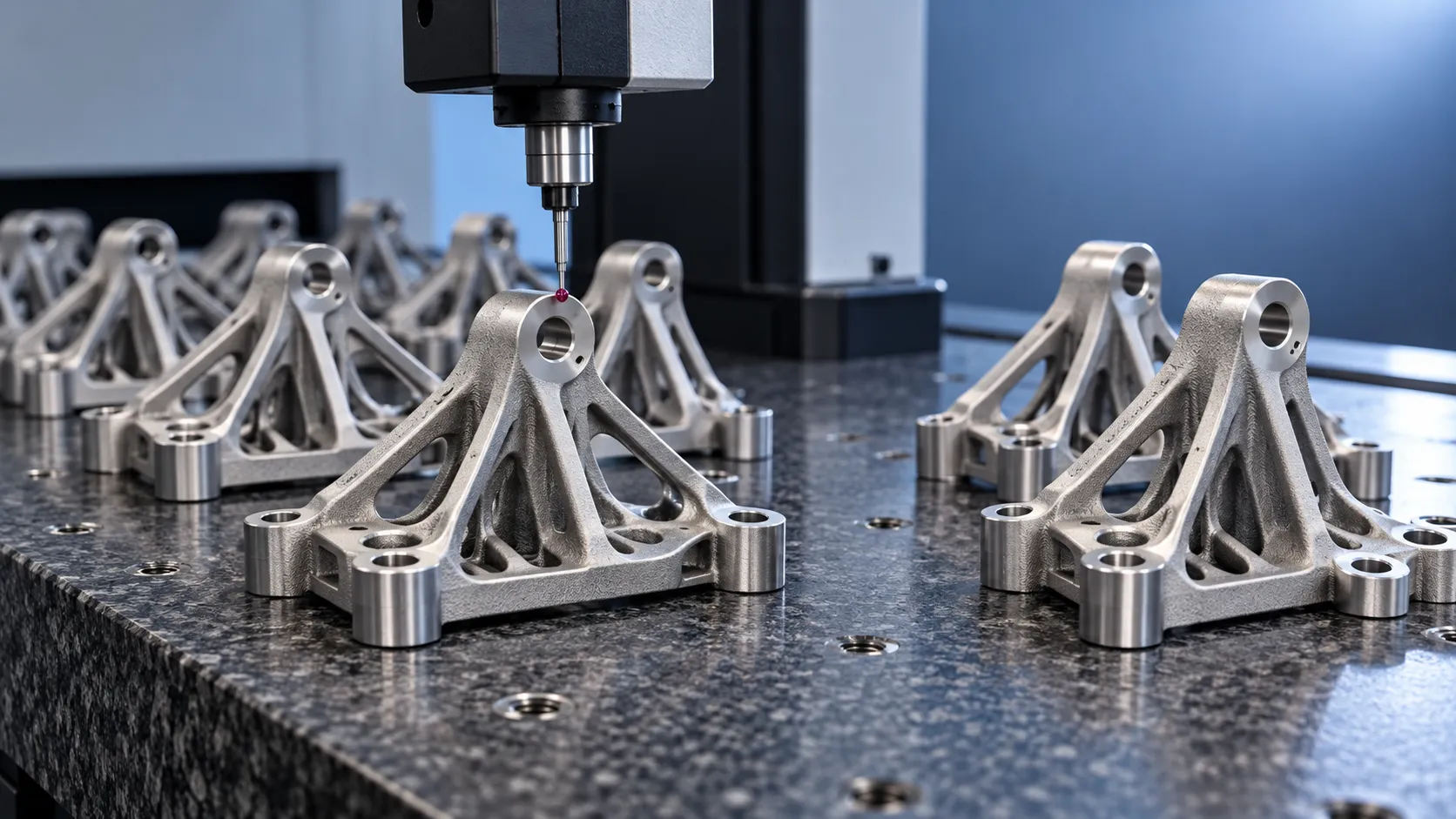
How to verify part consistency before choosing a 3D printing OEM
Choosing a 3D printing OEM? Learn how to verify part consistency with repeat-build trials, validated inspections, and traceability checks before committing to production.
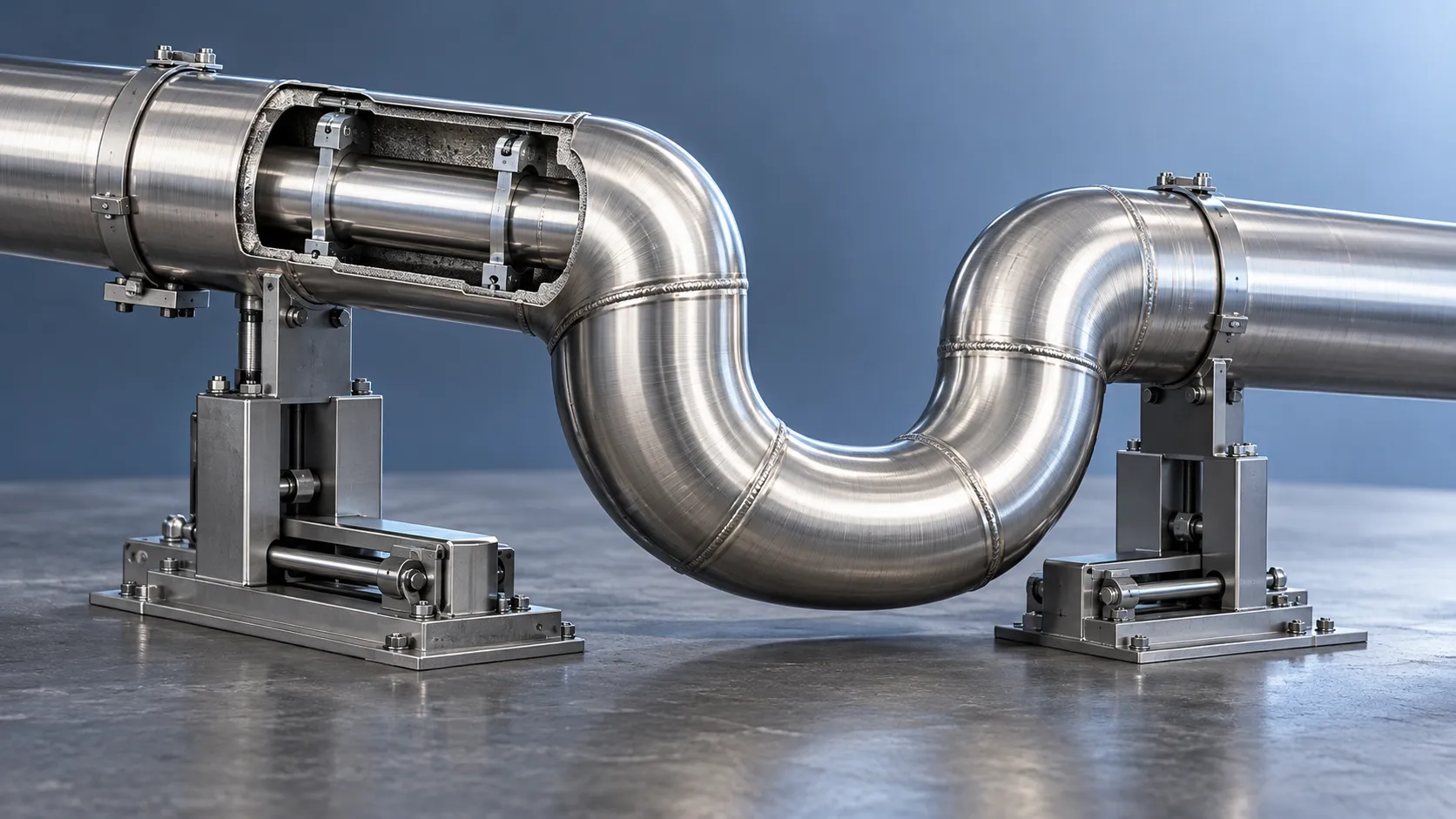
How does a rigid cryogenic transfer line handle thermal contraction?
Learn how a rigid cryogenic transfer line manages thermal contraction with bends, bellows, and guided supports. Discover key design checks for safe, reliable cryogenic performance.

How much does edge vision deployment cost beyond the hardware?
Understand edge vision deployment cost beyond hardware, from data and integration to security and support. Uncover hidden expenses and build a smarter lifecycle budget before you scale.
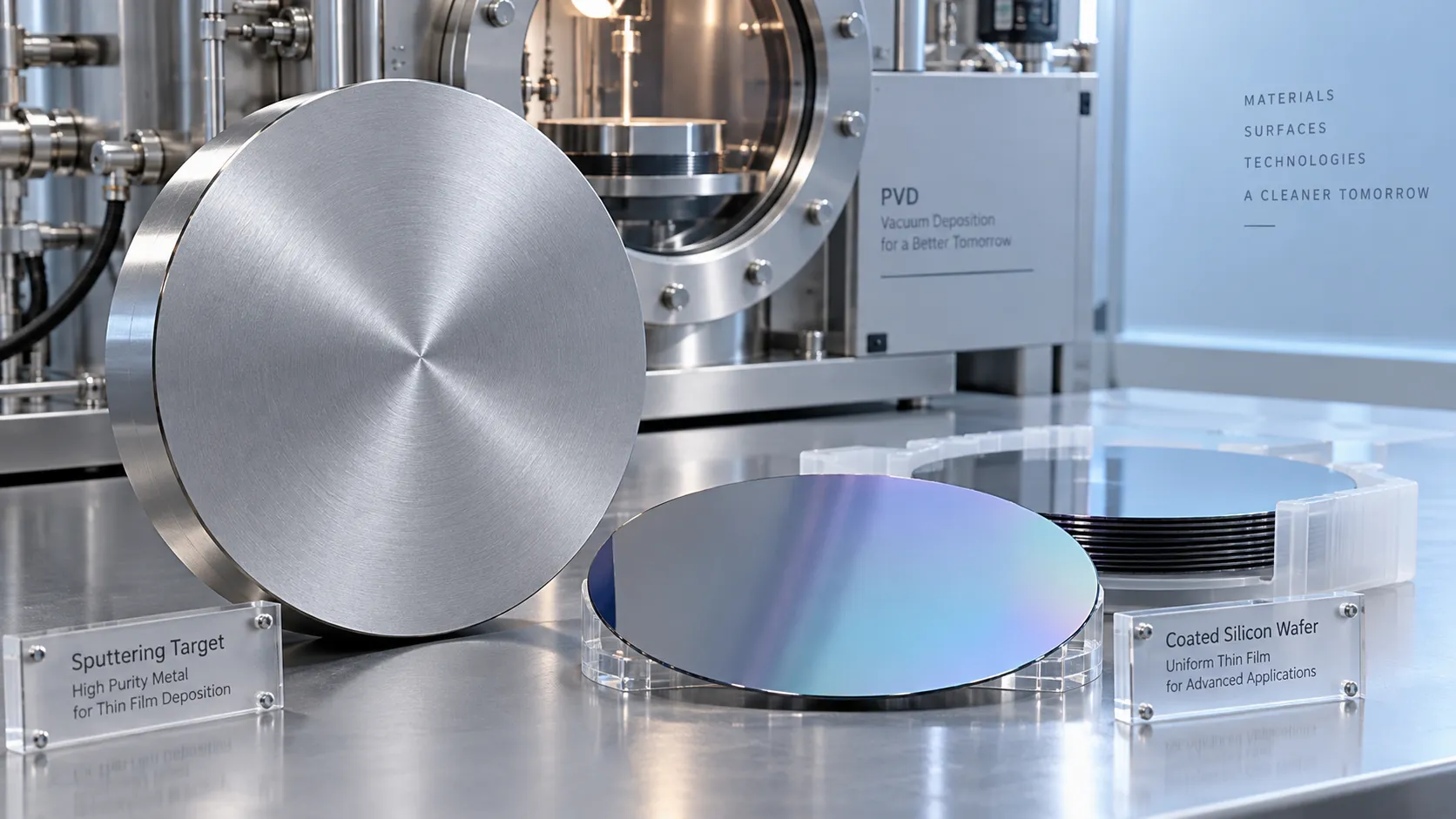
How does the purity of sputtering targets affect thin-film quality?
Discover how sputtering targets affect thin-film quality. Learn to assess purity, identify harmful impurities, and choose specifications that improve coating performance.

How high power laser cladding systems control substrate dilution
Discover how high power laser cladding systems control substrate dilution through beam shaping, material feed, and thermal management to deliver reliable bonds and coating performance.
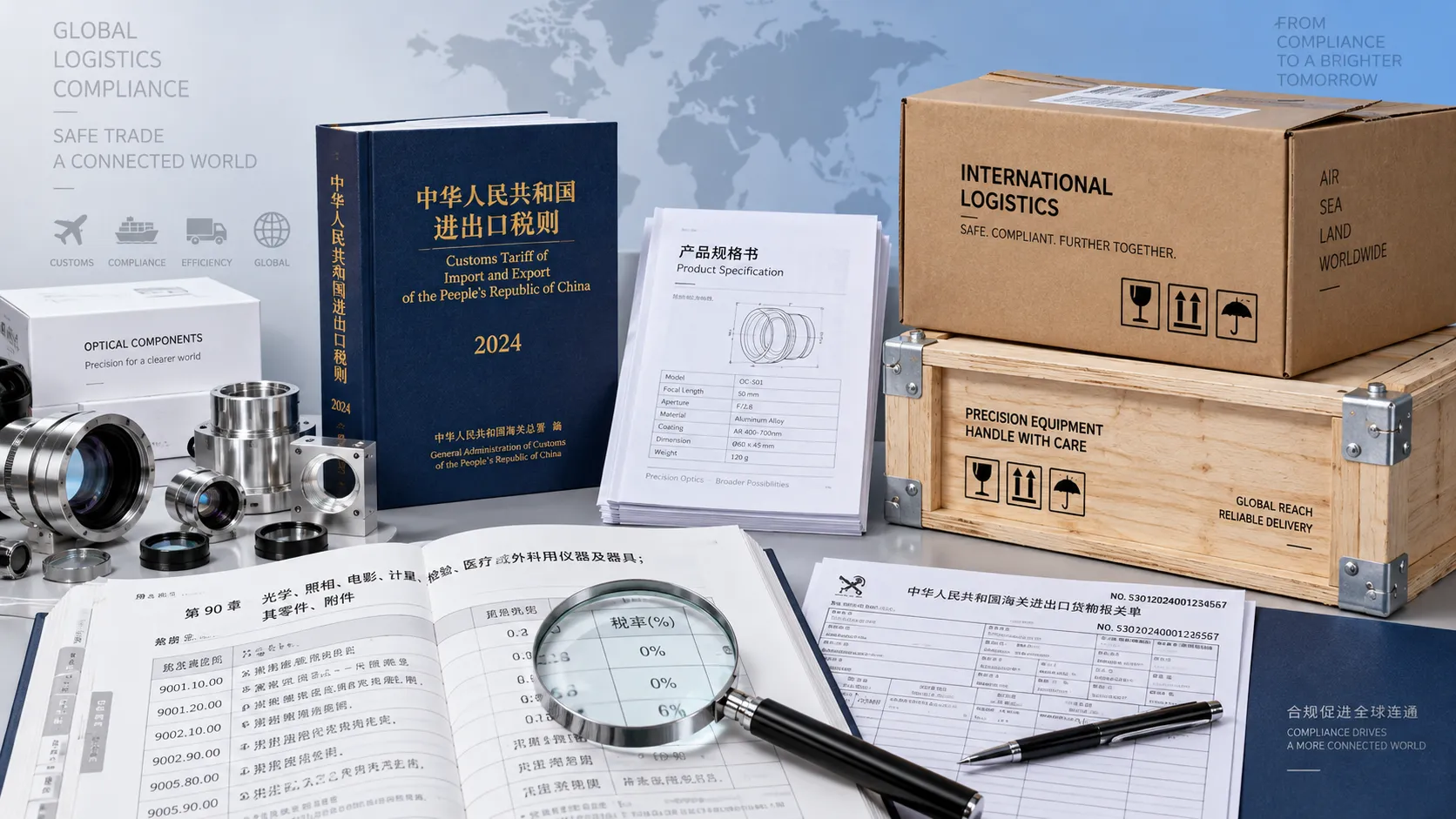
How to check HS codes for customs compliance in international logistics
Strengthen international logistics customs compliance: learn how to verify HS codes, check official tariffs, and document classifications to reduce costly shipment delays.
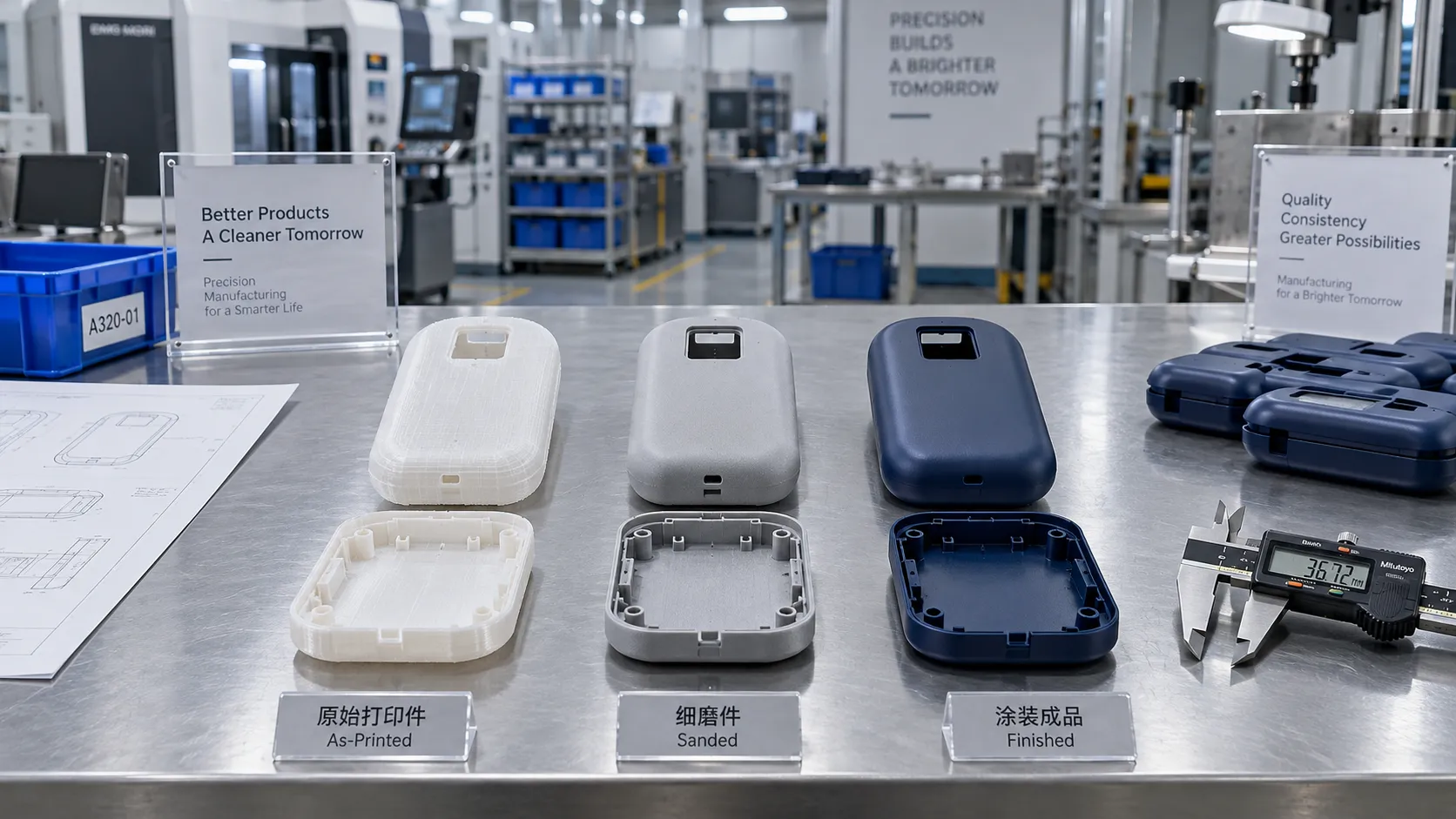
Choosing a 3D Printing Service for Consumer Products: Finish, Fit, and Cost
Compare 3d printing consumer good services by finish, fit, materials, and total cost. Learn how to choose a reliable supplier and avoid costly defects before ordering.
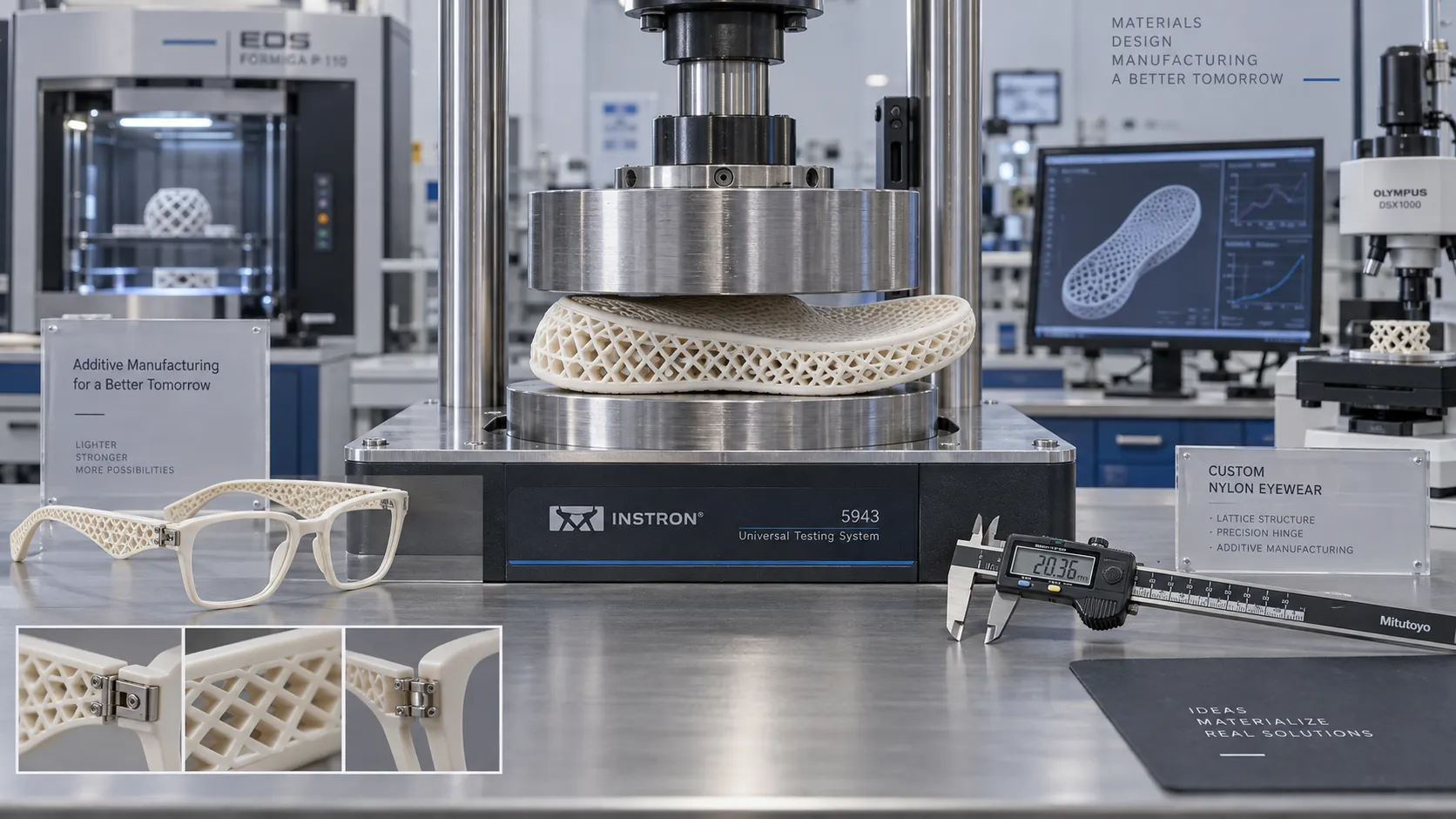
Which Consumer Goods Can Be 3D Printed, and What Are the Practical Limits?
Explore 3d printing consumer goods, from custom eyewear to replacement parts. Discover practical limits on materials, safety, and costs to make smarter production decisions.
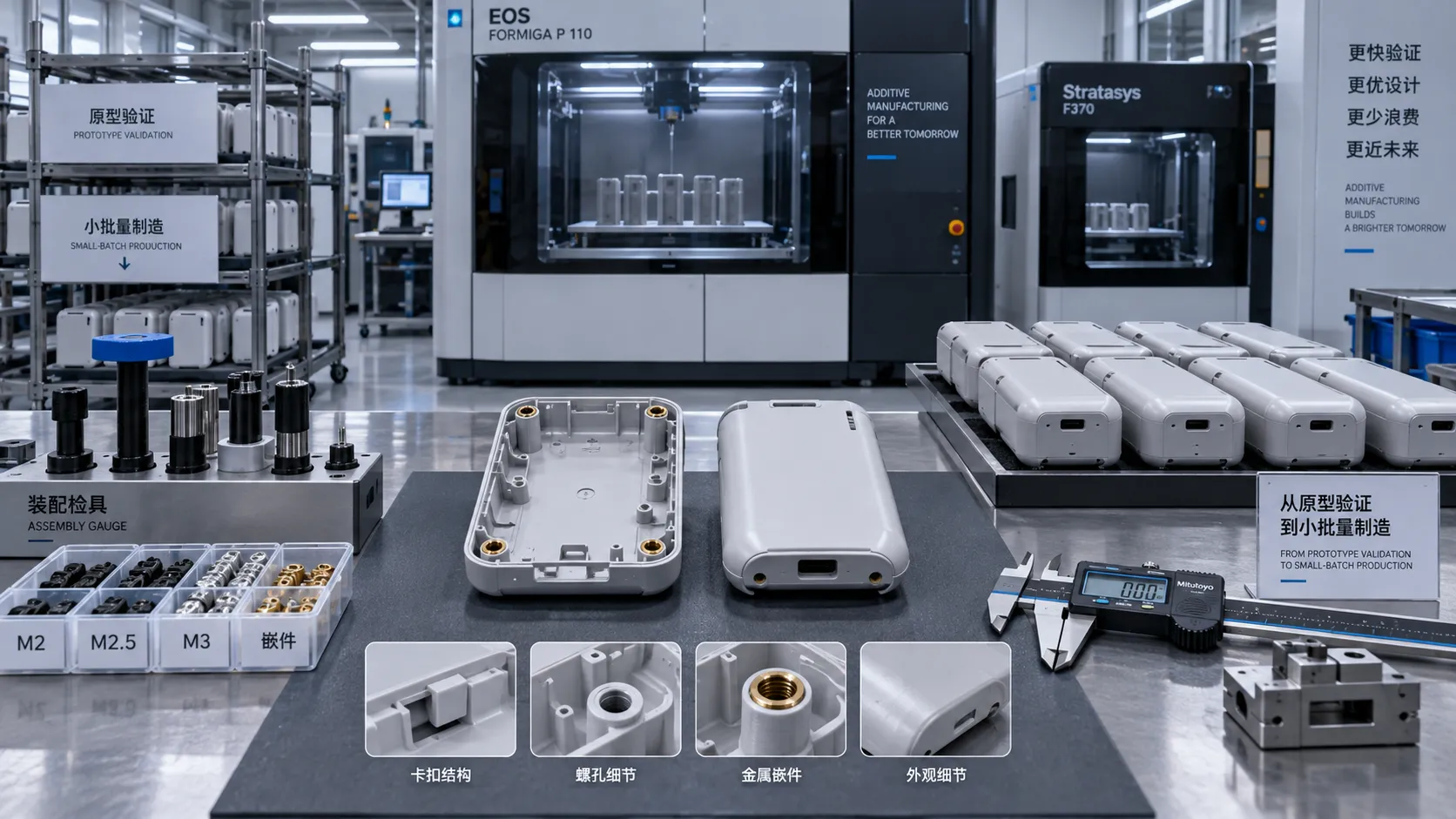
From Prototype to Small Batch: Applying 3D Printing to Consumer Goods
Explore 3d printing in consumer goods: learn how to move from prototype to small-batch production with practical guidance on materials, quality validation, and cost control.
Related News
- 00
0000-00
How to verify part consistency before choosing a 3D printing OEM - 00
0000-00
How does a rigid cryogenic transfer line handle thermal contraction? - 00
0000-00
How much does edge vision deployment cost beyond the hardware? - 00
0000-00
How does the purity of sputtering targets affect thin-film quality? - 00
0000-00
How high power laser cladding systems control substrate dilution
Dr. Julian Volt
Weekly Insights
Stay ahead with our curated technology reports delivered every Monday.