
What separates a reliable SLA 3D printer manufacturer

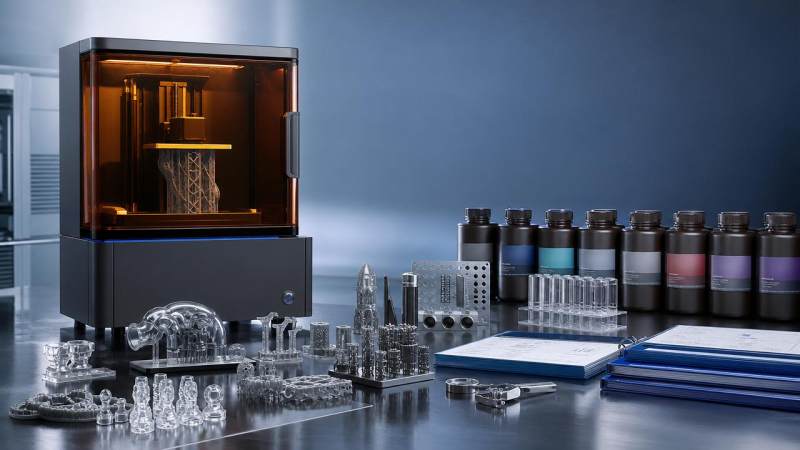
Choosing a reliable sla 3d printer manufacturer is not a simple comparison of build size, layer thickness, or advertised speed.
In industrial and commercial channels, reliability is measured by repeatable output, stable resin performance, certification alignment, service depth, and supply continuity.
That is why the market increasingly distinguishes between a short-term equipment vendor and a dependable sla 3d printer manufacturer.
For organizations tracking additive manufacturing across multiple sectors, this distinction affects customer trust, warranty exposure, and long-cycle business expansion.
A strong manufacturing partner must support technical verification, operational consistency, and future scalability across changing application needs.
Core definition of a reliable SLA 3D printer manufacturer
An sla 3d printer manufacturer designs and produces stereolithography systems that cure liquid photopolymer resin with high precision using controlled light exposure.
However, reliability goes beyond the machine architecture itself.
A reliable sla 3d printer manufacturer typically demonstrates five measurable capabilities:
- Stable hardware quality across production batches
- Validated compatibility with multiple resin systems
- Documented calibration and quality control procedures
- Responsive technical support and spare parts access
- Long-term roadmap for upgrades, compliance, and supply
In practical terms, dependable manufacturers reduce operational uncertainty before and after installation.
That matters in dental, prototyping, tooling, jewelry, education, consumer product development, and specialized industrial model production.
Current industry signals shaping manufacturer evaluation
The additive manufacturing sector has matured rapidly, and buyer expectations now extend far beyond headline resolution claims.
Across the broader industrial ecosystem, several signals are reshaping how a reliable sla 3d printer manufacturer is identified.
These trends favor manufacturers with engineering discipline rather than only aggressive pricing or launch frequency.
A reliable sla 3d printer manufacturer is therefore assessed across both product performance and organizational maturity.
Technical and operational factors that create real reliability
Production consistency
Consistency is often the first dividing line between a qualified partner and an unstable supplier.
A reliable sla 3d printer manufacturer should control optical alignment, motion accuracy, resin handling, and thermal stability during assembly.
It should also verify output through sample builds, dimensional checks, and repeatability testing.
Material ecosystem depth
Hardware alone cannot define performance in SLA printing.
A reliable sla 3d printer manufacturer usually offers validated resin profiles, post-processing guidance, and clear curing parameters.
This reduces failed prints, mechanical inconsistency, and user confusion in application-specific workflows.
Software and workflow control
Industrial users increasingly evaluate slicer stability, parameter transparency, network capability, and version control.
Reliable manufacturers document software compatibility and maintain update discipline instead of pushing disruptive changes without validation.
Quality documentation
Documentation is a major trust signal.
A reliable sla 3d printer manufacturer should provide installation records, maintenance schedules, part lists, calibration steps, and operating limits.
Strong documentation shortens onboarding and lowers service friction across regions.
Why reliability matters for business value and channel stability
Selecting the right sla 3d printer manufacturer has direct commercial consequences beyond technical performance.
Reliable systems improve installation success rates, reduce support escalation, and strengthen confidence in long-term deployment plans.
This creates value in several ways:
- Lower hidden cost from rework, downtime, and replacement parts
- Higher end-user satisfaction through predictable output quality
- Better market positioning in professional and regulated segments
- More secure expansion into new materials and applications
- Reduced dependence on one-time sales cycles
In broad industrial channels, these benefits compound over time.
The most dependable sla 3d printer manufacturer often becomes part of a wider digital manufacturing strategy rather than a stand-alone equipment source.
Typical manufacturer profiles and evaluation differences
Not every supplier operates with the same capability depth.
Understanding common manufacturer profiles helps clarify what level of risk and support may follow each option.
The most reliable choice is usually the one with visible technical ownership and stable service infrastructure.
Practical checks before selecting an SLA 3D printer manufacturer
A structured review process helps verify whether a claimed sla 3d printer manufacturer can deliver dependable long-term performance.
- Request repeatability samples from different machines and dates.
- Review resin validation data for target applications.
- Check whether spare parts have defined lead times.
- Examine service manuals and software release policies.
- Confirm quality certifications and internal inspection routines.
- Assess training support for installation, maintenance, and troubleshooting.
- Ask about discontinued models and backward compatibility plans.
These checks reveal whether reliability is engineered into the business, not just advertised in brochures.
Common warning signs that suggest limited long-term reliability
Several warning signs often indicate that a supplier may not qualify as a reliable sla 3d printer manufacturer.
- No clear print validation process
- Unstable resin sourcing or frequent formula changes
- Minimal after-sales staffing
- Missing compliance files or incomplete user documentation
- Unclear origin of key optical or motion components
- Software updates without traceable version notes
When several of these issues appear together, operational risk rises quickly.
A grounded next step for evaluating manufacturing partners
The right sla 3d printer manufacturer should combine process discipline, application understanding, and verifiable support capability.
In a market crowded with similar specifications, the true separator is reliable execution across the full equipment lifecycle.
A practical next step is to build a comparison matrix covering print repeatability, resin validation, documentation quality, service response, and supply continuity.
That approach makes it easier to identify which sla 3d printer manufacturer can support sustainable growth, technical credibility, and stronger long-term market confidence.
For deeper benchmarking, align each candidate with recognized standards, lifecycle evidence, and cross-sector application readiness before any final commitment.
Related News
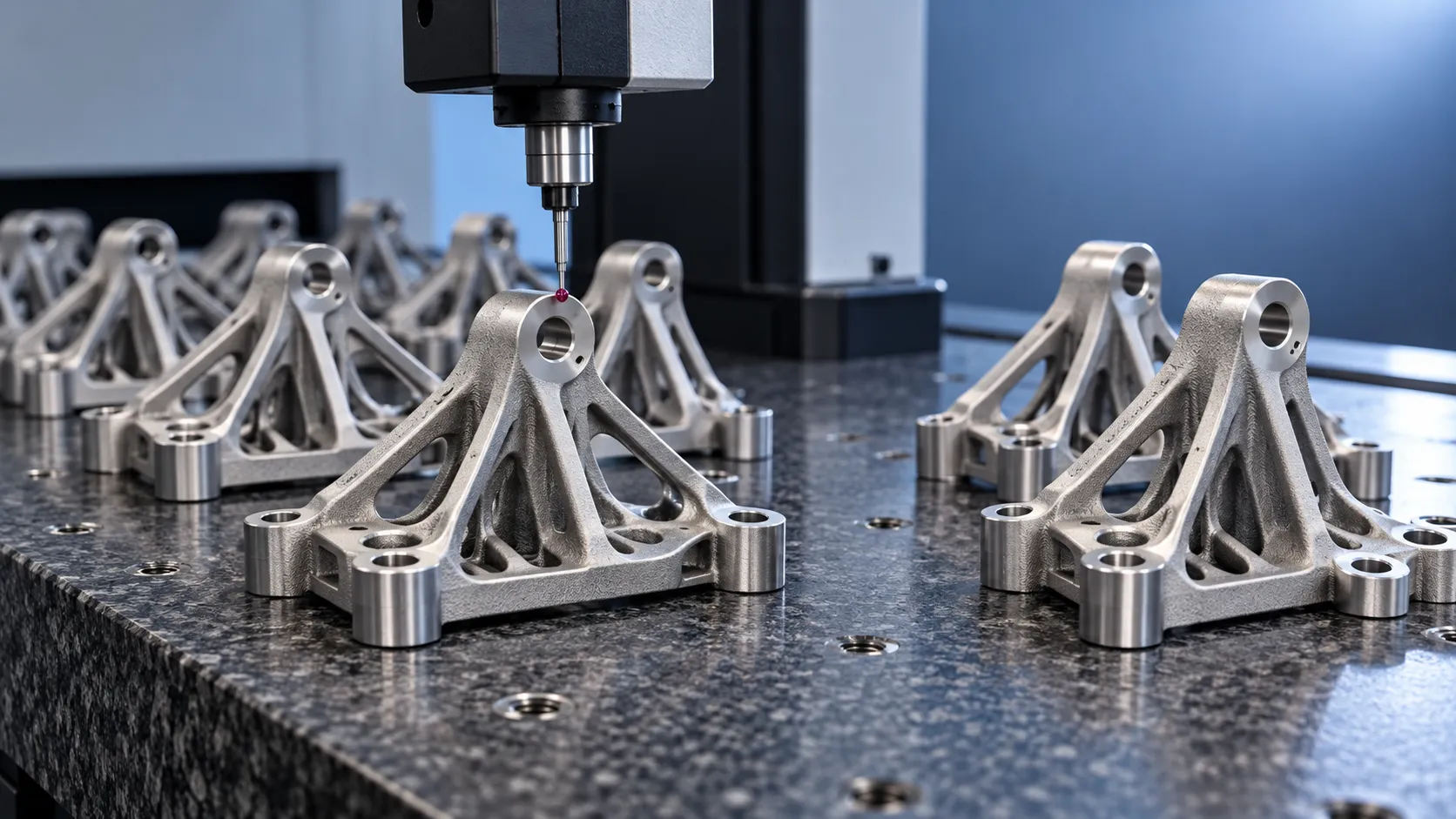
How to verify part consistency before choosing a 3D printing OEM
Choosing a 3D printing OEM? Learn how to verify part consistency with repeat-build trials, validated inspections, and traceability checks before committing to production.
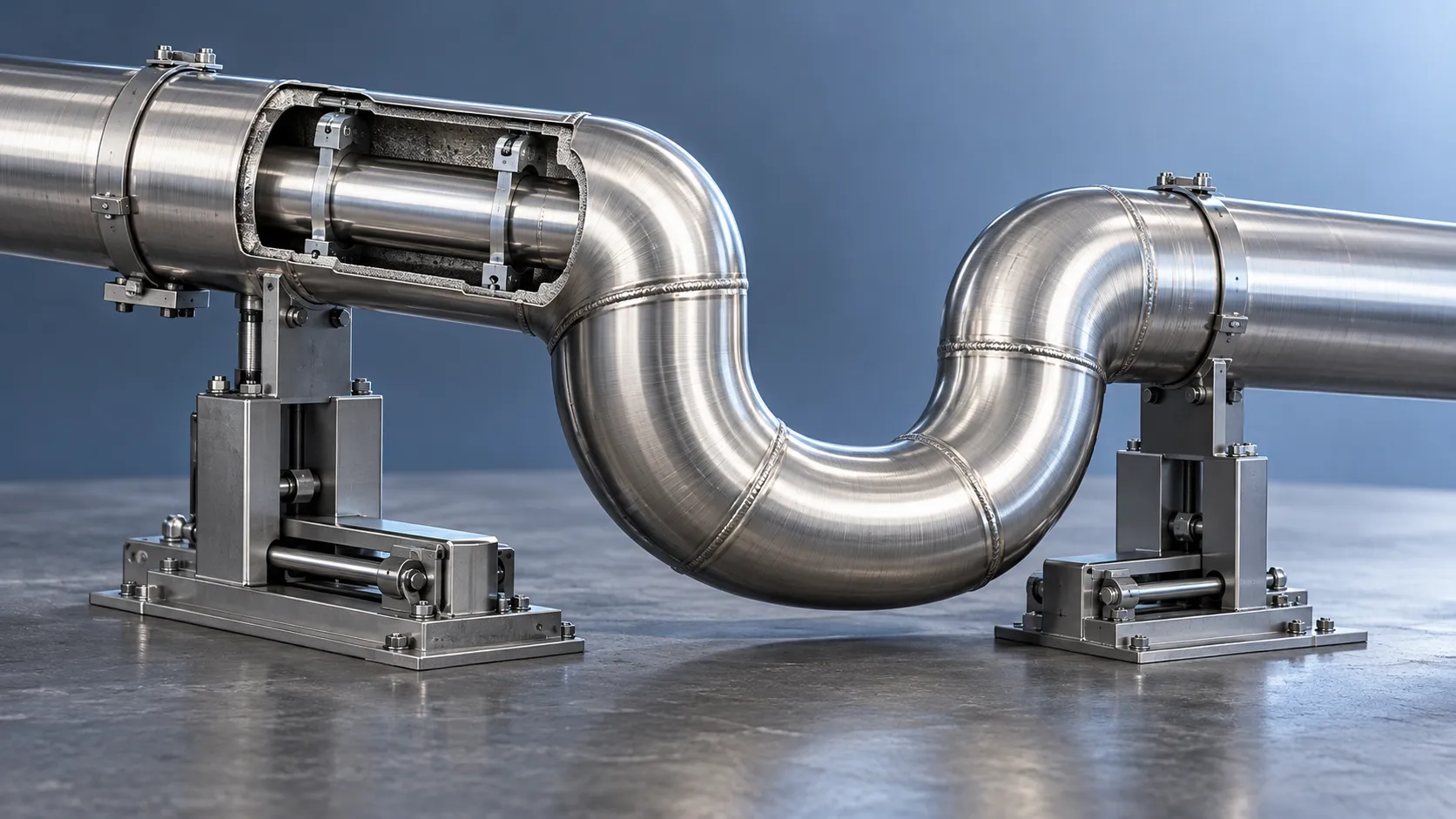
How does a rigid cryogenic transfer line handle thermal contraction?
Learn how a rigid cryogenic transfer line manages thermal contraction with bends, bellows, and guided supports. Discover key design checks for safe, reliable cryogenic performance.
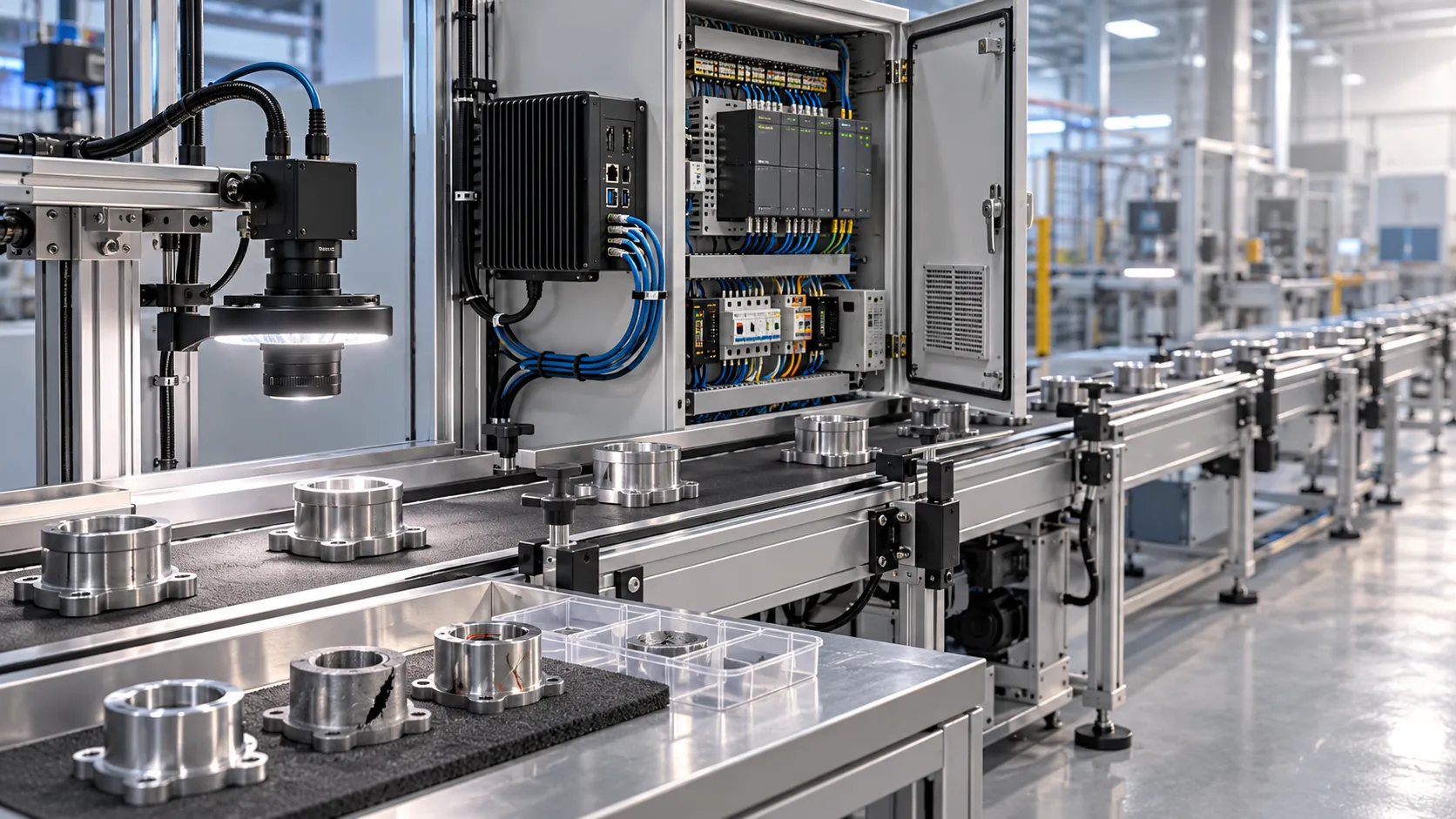
How much does edge vision deployment cost beyond the hardware?
Understand edge vision deployment cost beyond hardware, from data and integration to security and support. Uncover hidden expenses and build a smarter lifecycle budget before you scale.
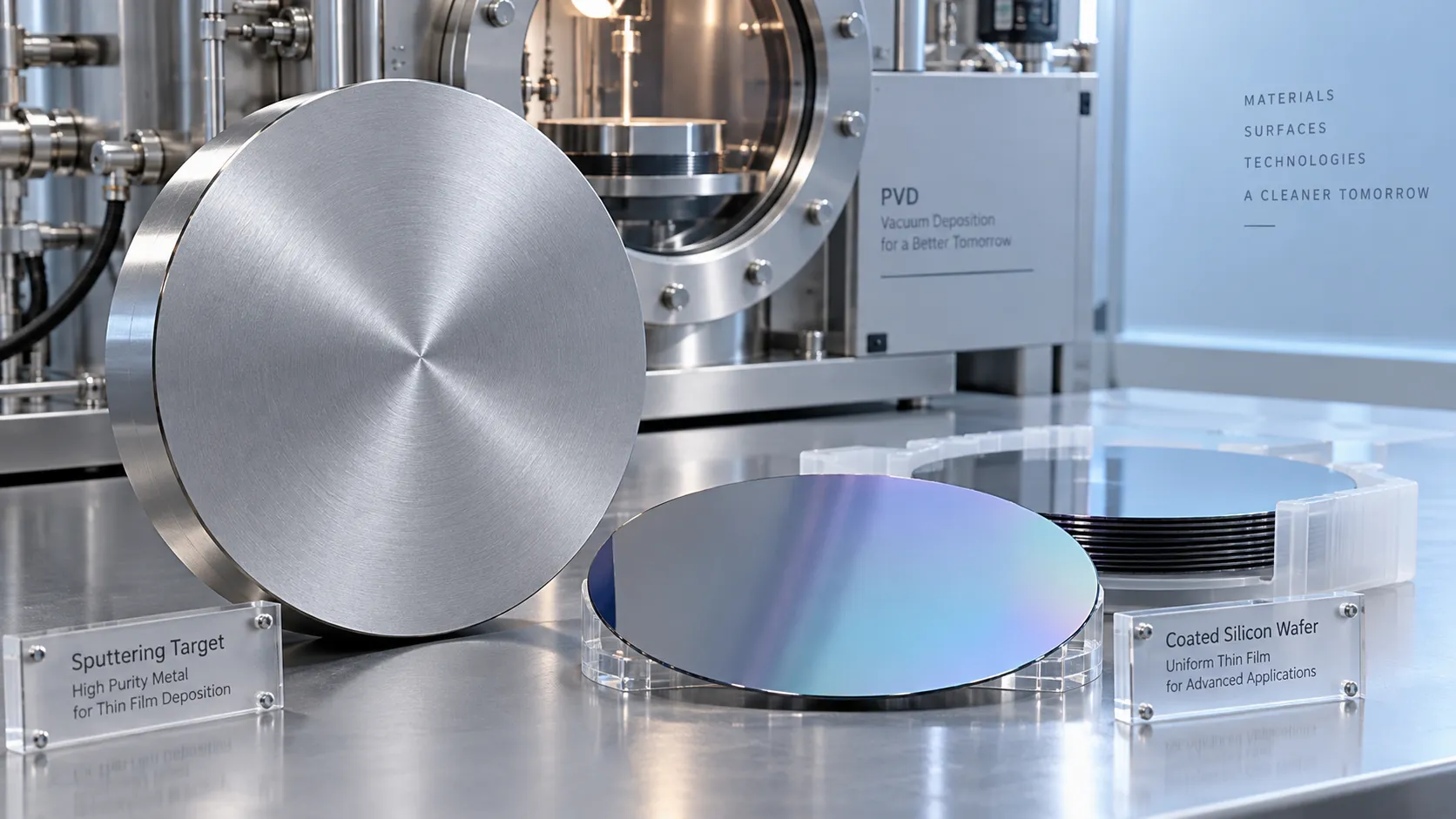
How does the purity of sputtering targets affect thin-film quality?
Discover how sputtering targets affect thin-film quality. Learn to assess purity, identify harmful impurities, and choose specifications that improve coating performance.
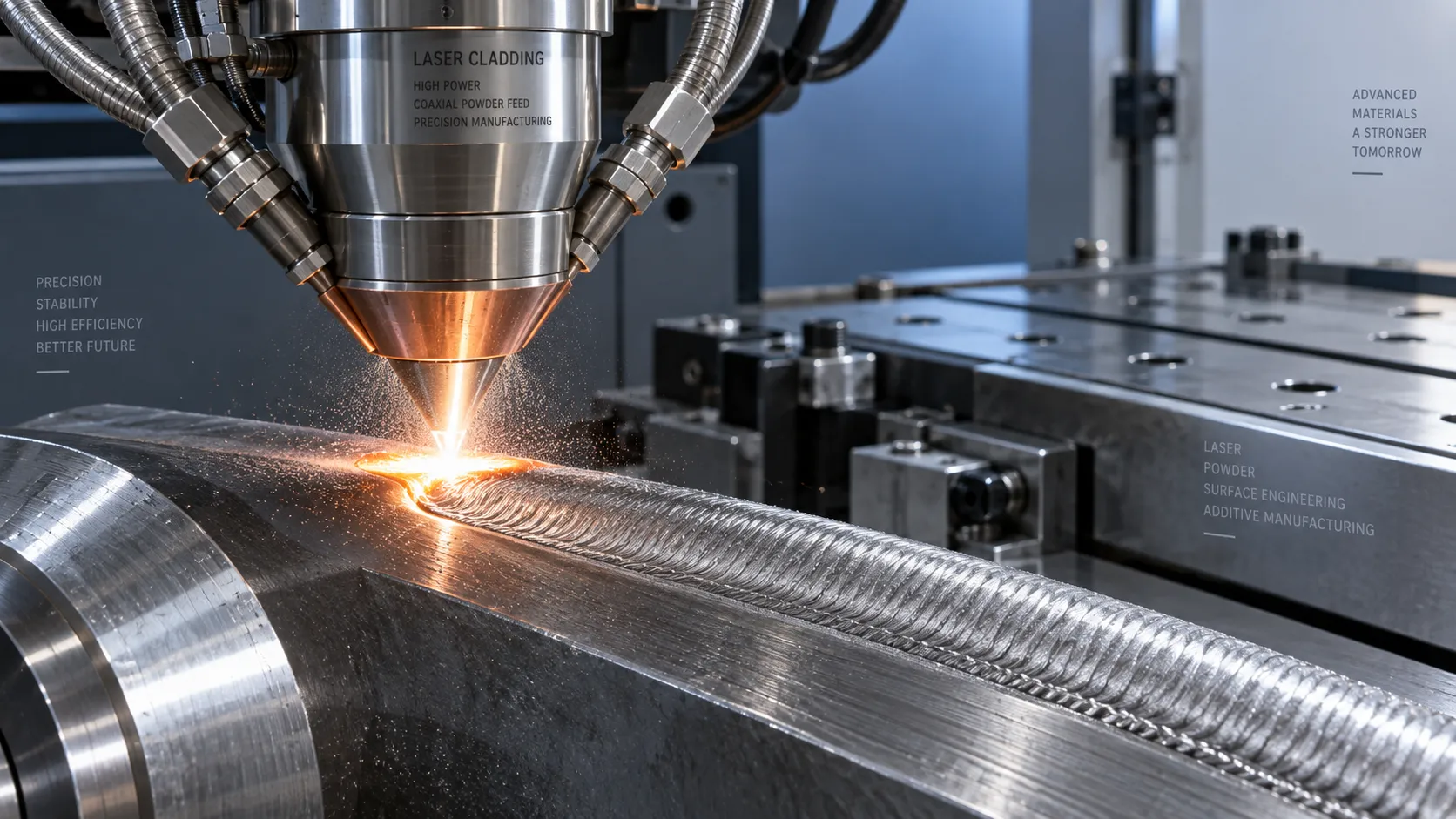
How high power laser cladding systems control substrate dilution
Discover how high power laser cladding systems control substrate dilution through beam shaping, material feed, and thermal management to deliver reliable bonds and coating performance.
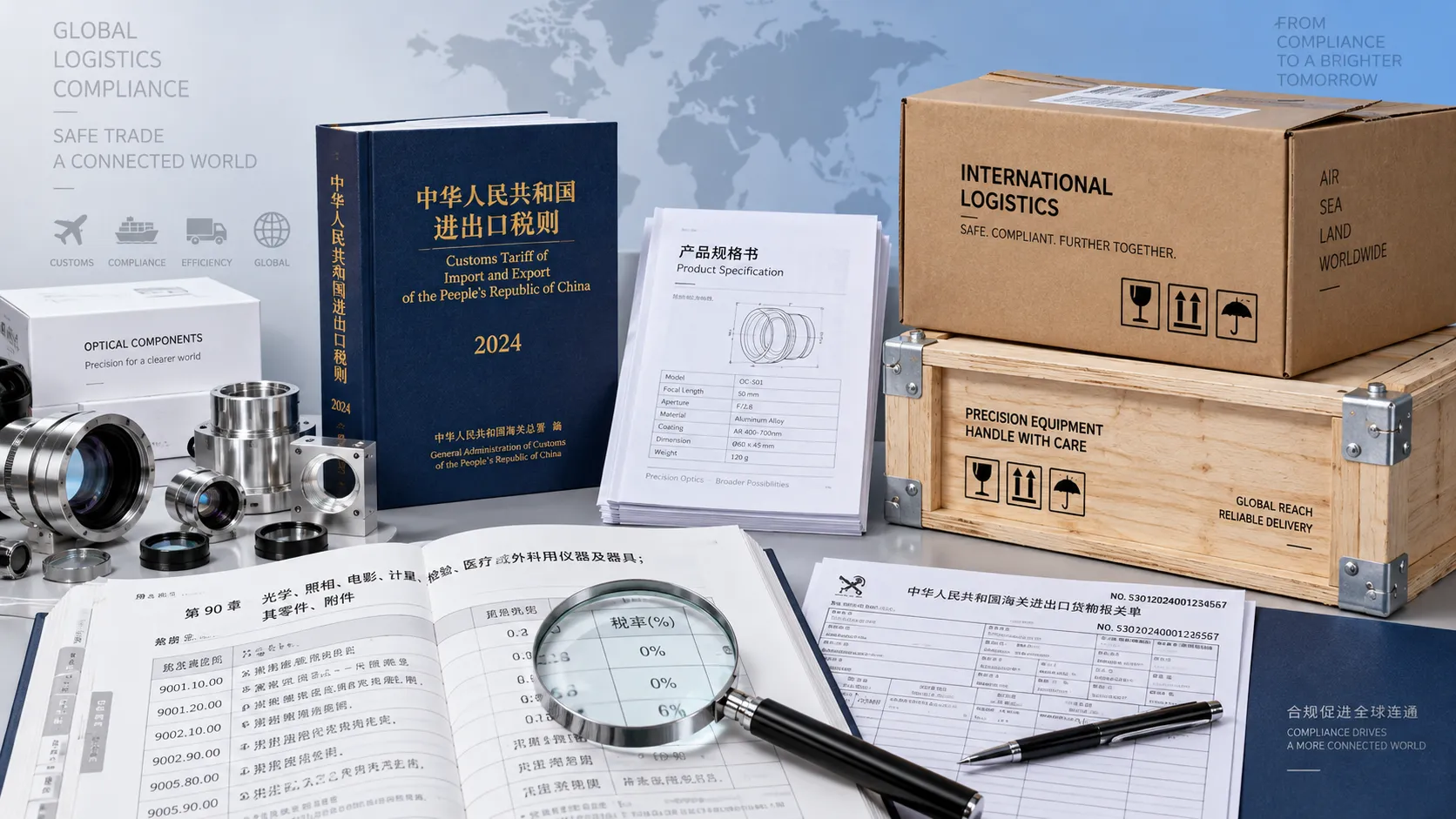
How to check HS codes for customs compliance in international logistics
Strengthen international logistics customs compliance: learn how to verify HS codes, check official tariffs, and document classifications to reduce costly shipment delays.
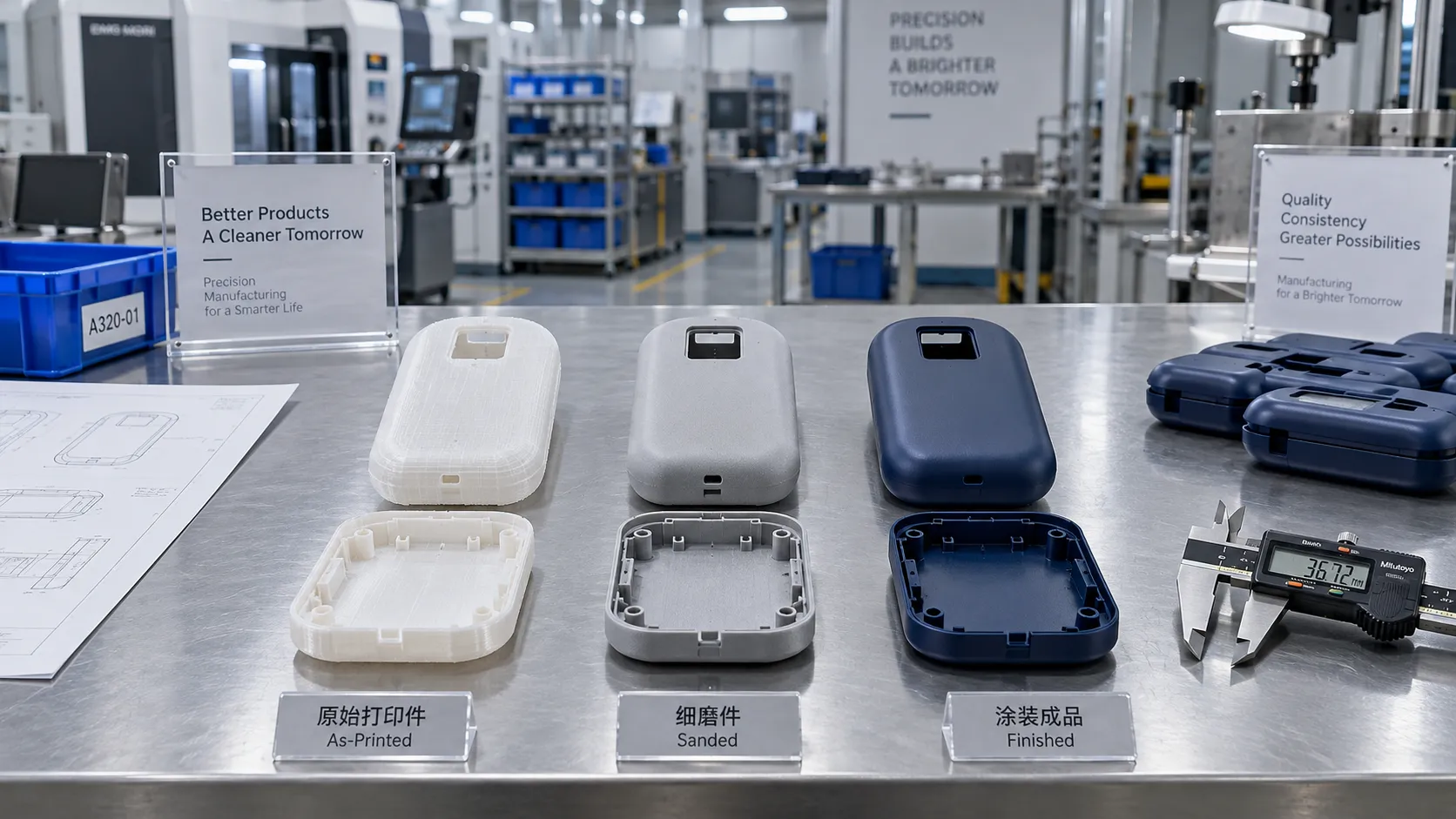
Choosing a 3D Printing Service for Consumer Products: Finish, Fit, and Cost
Compare 3d printing consumer good services by finish, fit, materials, and total cost. Learn how to choose a reliable supplier and avoid costly defects before ordering.
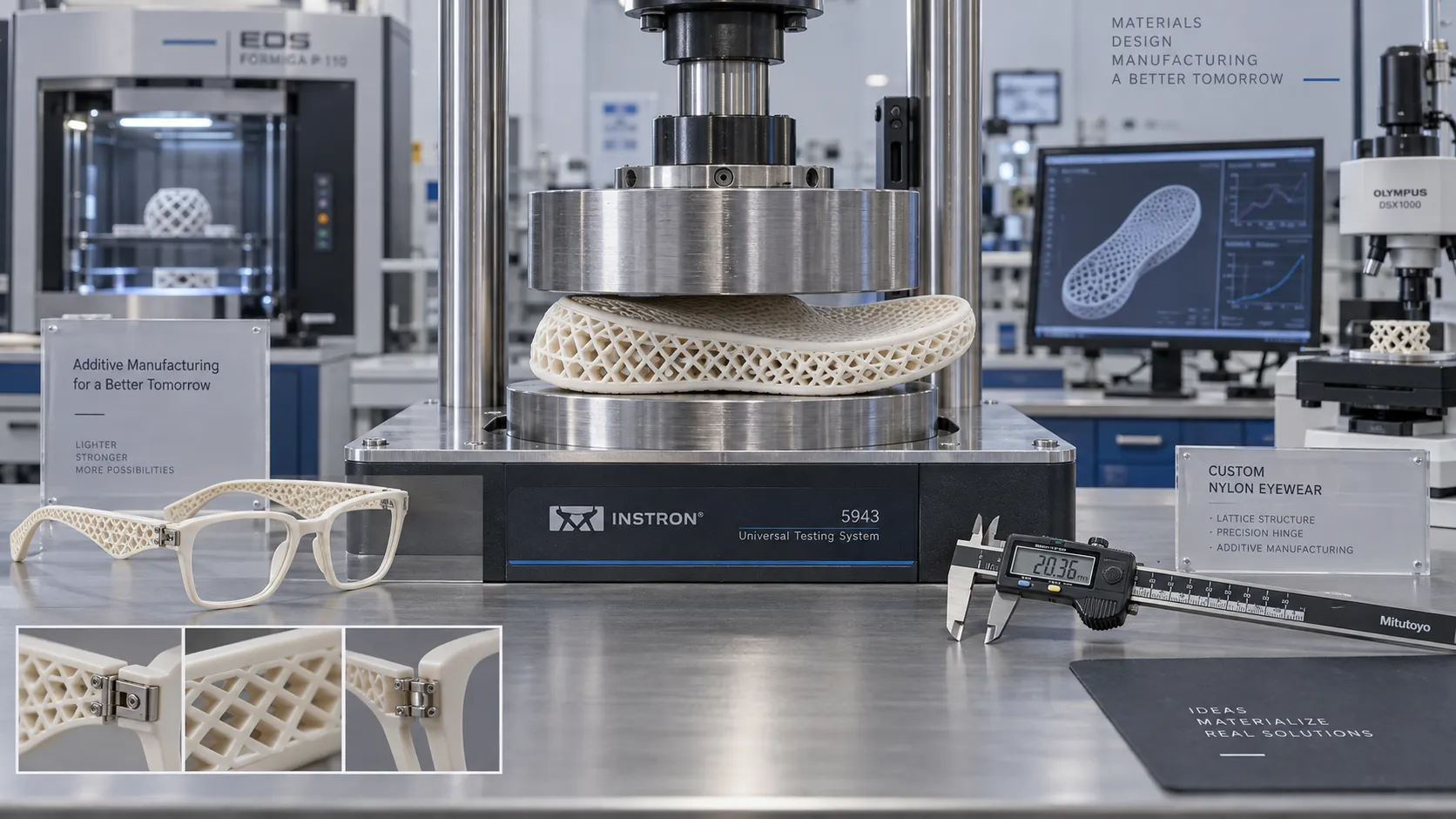
Which Consumer Goods Can Be 3D Printed, and What Are the Practical Limits?
Explore 3d printing consumer goods, from custom eyewear to replacement parts. Discover practical limits on materials, safety, and costs to make smarter production decisions.
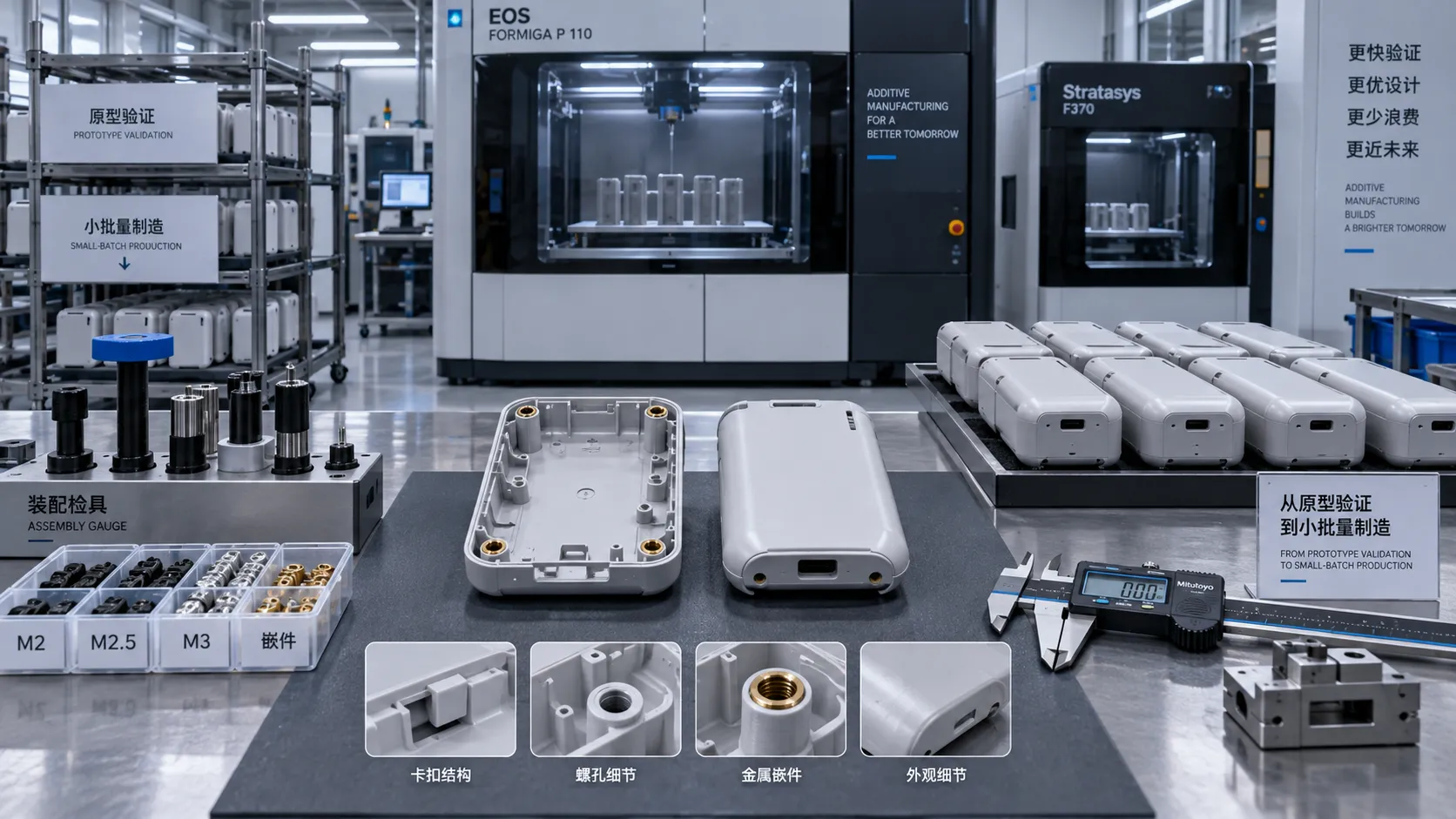
From Prototype to Small Batch: Applying 3D Printing to Consumer Goods
Explore 3d printing in consumer goods: learn how to move from prototype to small-batch production with practical guidance on materials, quality validation, and cost control.
Related News
- 00
0000-00
How to verify part consistency before choosing a 3D printing OEM - 00
0000-00
How does a rigid cryogenic transfer line handle thermal contraction? - 00
0000-00
How much does edge vision deployment cost beyond the hardware? - 00
0000-00
How does the purity of sputtering targets affect thin-film quality? - 00
0000-00
How high power laser cladding systems control substrate dilution
Marcus Print
Weekly Insights
Stay ahead with our curated technology reports delivered every Monday.