
Why a reliable 3d printing nozzle oem supplier matters

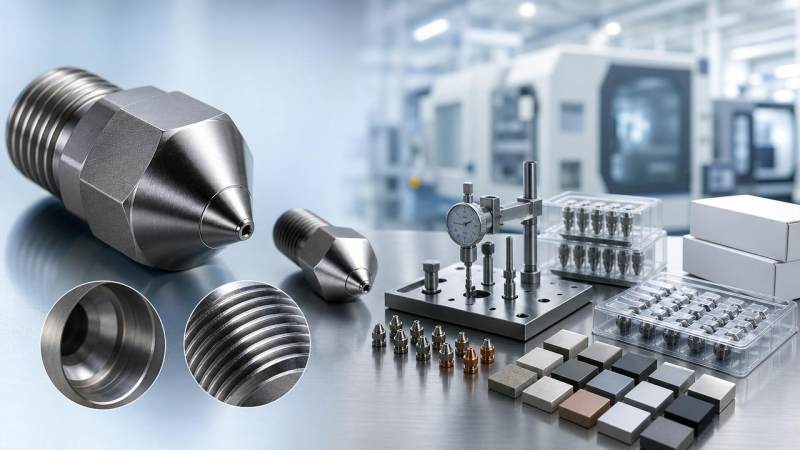
Choosing a reliable 3d printing nozzle oem supplier is more than a sourcing decision. It shapes print consistency, material compatibility, scrap rates, lead times, and long-term production stability.
In additive manufacturing, the nozzle is a small component with oversized influence. Poor dimensional control, weak coatings, or unstable thermal behavior can disrupt entire print programs.
For technical evaluation, the right supplier should provide verified data, repeatable manufacturing, and responsive engineering support. That is why a dependable 3d printing nozzle oem supplier matters across the broader industrial ecosystem.
What does a reliable 3d printing nozzle oem supplier actually provide?
A qualified 3d printing nozzle oem supplier delivers more than standard parts. It provides process control, traceability, materials expertise, and consistency across multiple production lots.
This includes tight bore tolerances, stable thread dimensions, controlled surface finish, and predictable thermal transfer. These factors directly affect extrusion flow and layer quality.
Reliable suppliers also support different application needs. Examples include brass nozzles for general polymers, hardened steel for abrasive composites, and specialty alloys for high-temperature materials.
An advanced supplier should also communicate test methods clearly. Measured hardness, coating adhesion, wear data, and dimensional inspection results build confidence before volume deployment.
Key capabilities that separate stronger suppliers
- Precision machining with documented tolerances
- Material certification and batch traceability
- Coating and wear-resistance validation
- OEM customization for geometry and flow design
- Fast technical feedback during qualification
- Stable packaging, labeling, and export readiness
Why does nozzle supplier quality affect print performance so much?
Nozzle performance influences extrusion accuracy at the point where molten material becomes final geometry. Small deviations in bore size can change flow behavior and dimensional repeatability.
If a 3d printing nozzle oem supplier cannot hold consistent internal geometry, stringing, under-extrusion, clogging, and inconsistent bead width become more likely.
Material compatibility is another major factor. Carbon fiber filled filaments, glass-filled compounds, and metal-filled blends can quickly wear inferior nozzles.
As wear increases, the effective nozzle diameter changes. That can reduce tolerance control, surface quality, and repeatability in industrial print cells.
Thermal performance also matters. Uneven heat transfer may produce unstable extrusion pressure, inconsistent melt zones, and sensitivity to process settings.
A reliable 3d printing nozzle oem supplier reduces these risks by aligning design, metallurgy, and inspection with actual printing conditions.
Common performance issues linked to poor supply quality
- Premature wear in abrasive applications
- Irregular extrusion and layer inconsistency
- Frequent nozzle replacement and downtime
- Unstable results across machine fleets
- Higher scrap and recalibration frequency
How should supplier capability be evaluated before approval?
Start with measurable evidence. A credible 3d printing nozzle oem supplier should provide dimensional reports, material details, and inspection methods for critical features.
Review whether the supplier can support OEM-specific geometry. Some applications need custom orifice sizes, anti-stick finishes, or optimized flow channels for difficult polymers.
Manufacturing maturity is equally important. Ask about CNC capability, polishing methods, coating processes, in-process inspection, and final sampling standards.
It is also useful to examine responsiveness. During development, engineering delays can slow machine validation and material qualification programs.
A strong supplier should discuss failure modes openly. That includes clogging risk, abrasive wear, thermal drift, and expected service life under defined conditions.
Evaluation checklist for a 3d printing nozzle oem supplier
What risks appear when choosing only by unit price?
Low quoted pricing can hide larger operational costs. A cheap nozzle may require more replacement cycles, more print tuning, and more rejected components.
When a 3d printing nozzle oem supplier lacks process discipline, hidden variation enters every shipment. That variation often appears later as unstable throughput and inconsistent part quality.
Another risk involves scaling. A supplier that performs well in samples may struggle with larger runs, documentation requests, or international shipment compliance.
Intellectual property is also relevant. OEM projects may require proprietary geometry or exclusive specifications. Weak confidentiality controls create long-term commercial risk.
For integrated industrial programs, the total cost of ownership matters more than the lowest per-piece price. Reliable supply protects uptime, validation effort, and field credibility.
Typical hidden costs behind weak sourcing decisions
- More frequent nozzle swaps and machine stoppages
- Increased tuning time for each material batch
- More failed prints and post-process correction
- Longer approval cycles due to missing data
- Supply interruptions during production expansion
Which application scenarios make supplier reliability even more important?
Supplier reliability becomes critical when materials are abrasive, expensive, regulated, or technically sensitive. In such cases, nozzle inconsistency quickly becomes a system-level problem.
Examples include carbon fiber reinforced polymers, engineering thermoplastics, high-throughput print farms, and customized industrial machine platforms.
Medical prototypes, aerospace fixtures, electronics tooling, and automotive functional parts all demand stable process control. These applications often require repeatable nozzle behavior across multiple builds.
A capable 3d printing nozzle oem supplier helps align nozzle design with use conditions such as temperature range, expected service life, and filament abrasiveness.
This is especially valuable in multidisciplinary environments like those tracked by G-AIT, where benchmarked engineering data and quality frameworks guide technical purchasing decisions.
How can long-term cooperation with a 3d printing nozzle oem supplier create strategic value?
Long-term cooperation improves predictability. Once a supplier understands the machine platform, material mix, and target output, optimization becomes faster and more reliable.
A stable 3d printing nozzle oem supplier can support controlled product updates, custom batches, and phased design revisions without disrupting validation history.
This relationship can also strengthen inventory planning. Better forecasts, safety stock coordination, and consistent lead times reduce exposure to urgent shortages.
Over time, suppliers with sound engineering culture contribute useful field data. That information supports better nozzle selection for new materials and changing production targets.
The result is not just smoother procurement. It is stronger process confidence across design, testing, and industrial deployment.
FAQ quick-reference table
A dependable 3d printing nozzle oem supplier supports far more than component availability. It protects print quality, process stability, validation speed, and long-term operational confidence.
The most effective next step is a structured technical review. Compare tolerance control, material options, inspection evidence, customization depth, and response speed before approval.
In advanced manufacturing, small hardware choices often shape larger commercial outcomes. Selecting the right 3d printing nozzle oem supplier is one of those decisions.
Related News
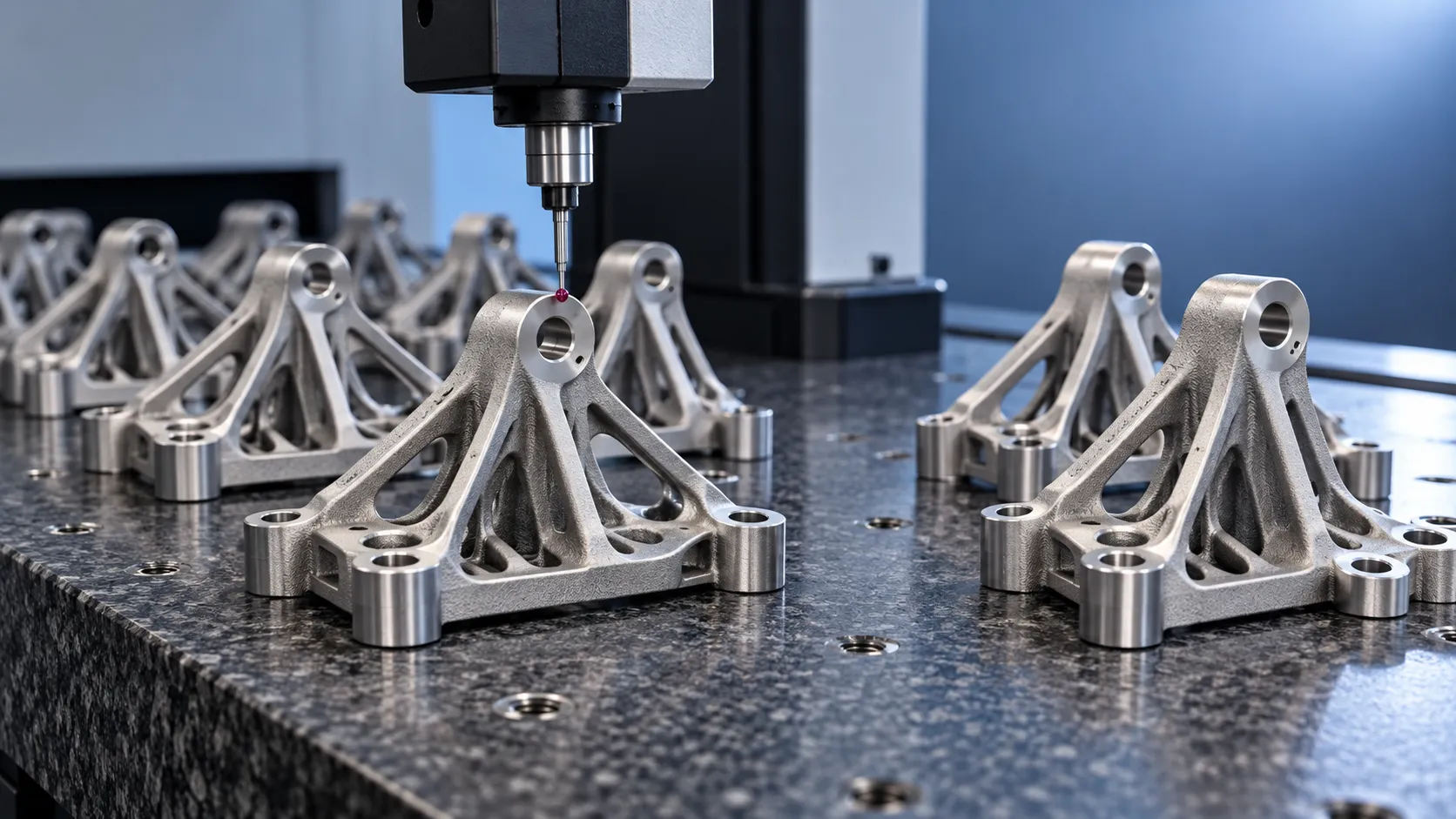
How to verify part consistency before choosing a 3D printing OEM
Choosing a 3D printing OEM? Learn how to verify part consistency with repeat-build trials, validated inspections, and traceability checks before committing to production.
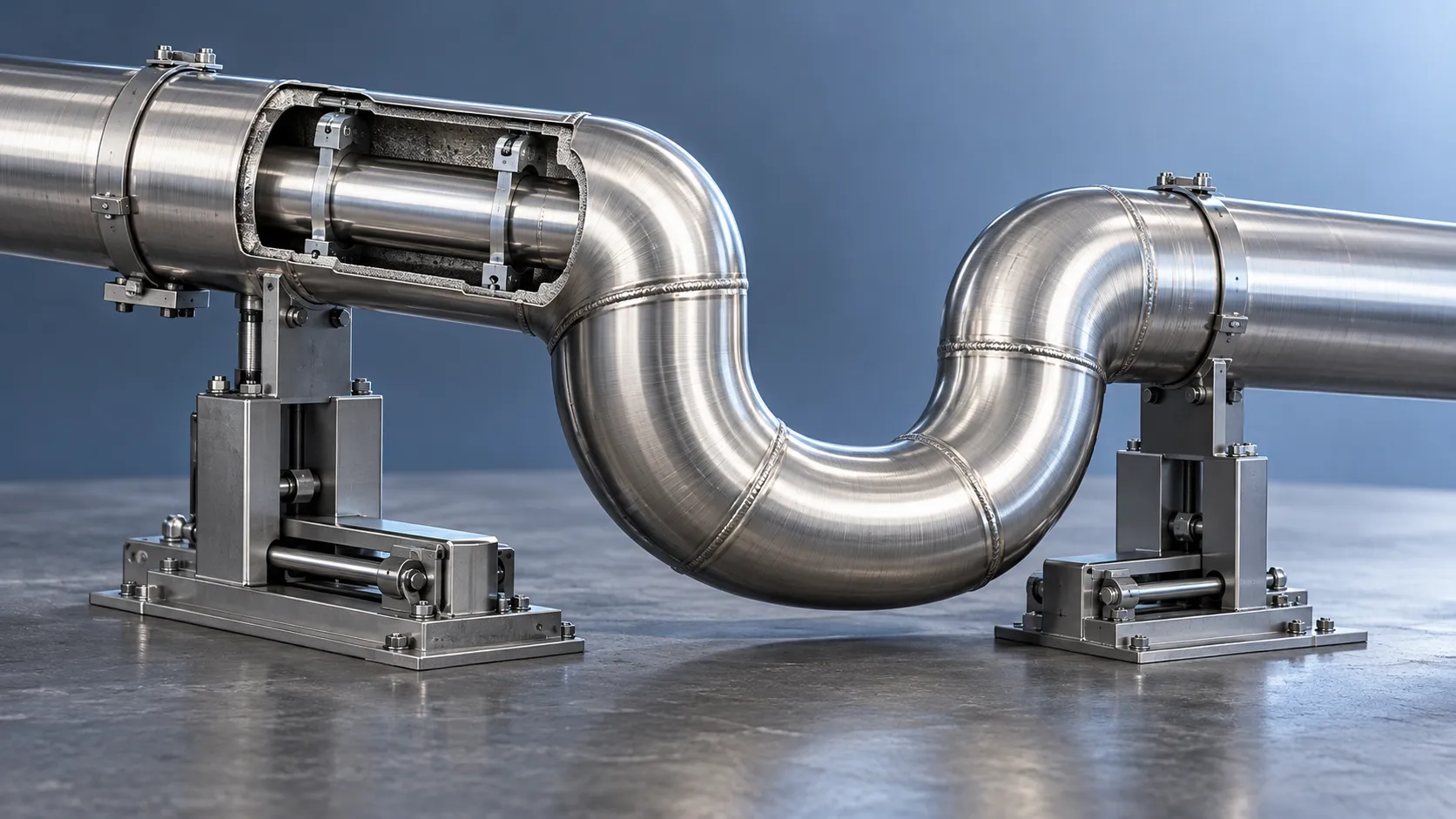
How does a rigid cryogenic transfer line handle thermal contraction?
Learn how a rigid cryogenic transfer line manages thermal contraction with bends, bellows, and guided supports. Discover key design checks for safe, reliable cryogenic performance.
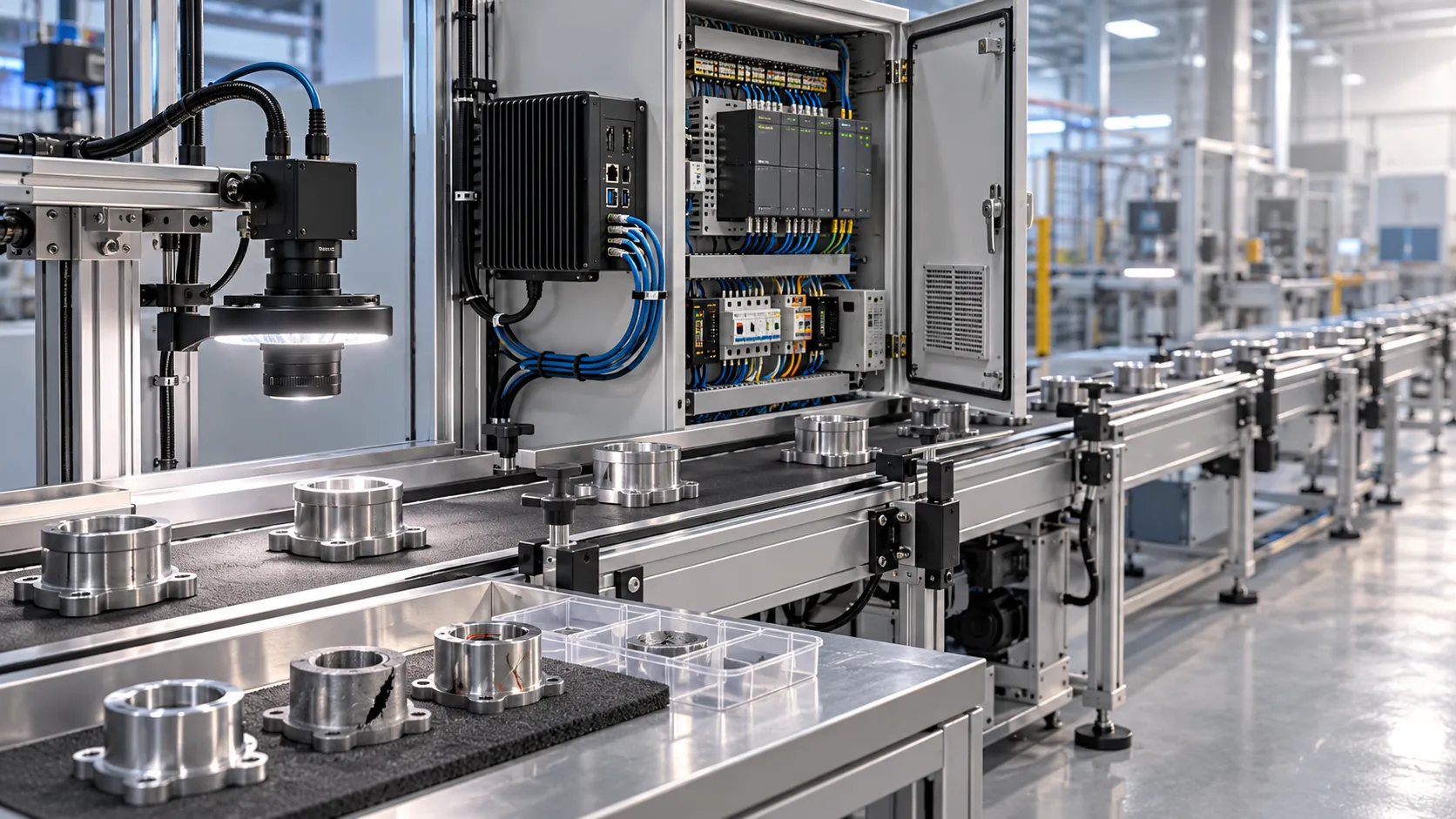
How much does edge vision deployment cost beyond the hardware?
Understand edge vision deployment cost beyond hardware, from data and integration to security and support. Uncover hidden expenses and build a smarter lifecycle budget before you scale.
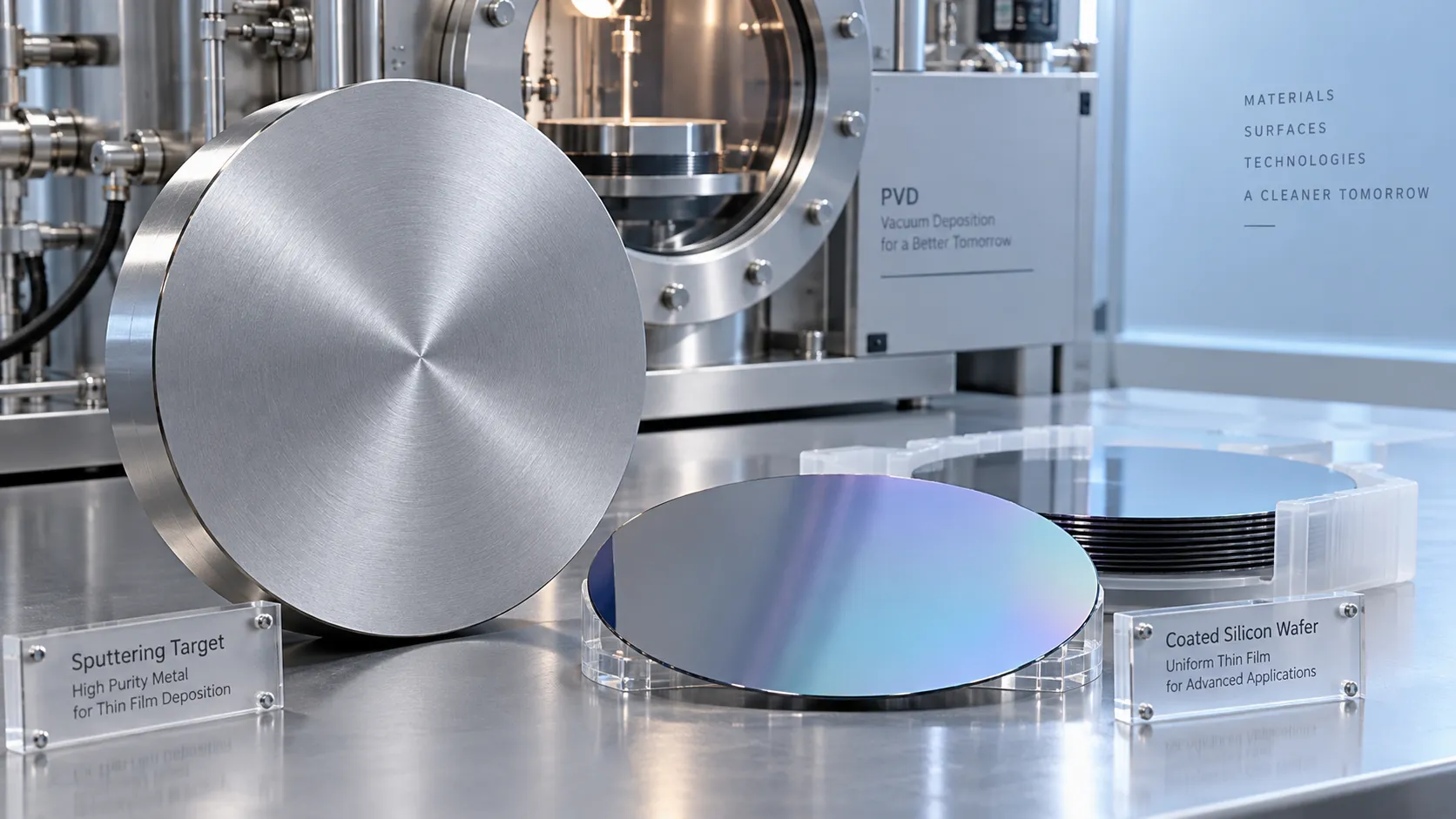
How does the purity of sputtering targets affect thin-film quality?
Discover how sputtering targets affect thin-film quality. Learn to assess purity, identify harmful impurities, and choose specifications that improve coating performance.
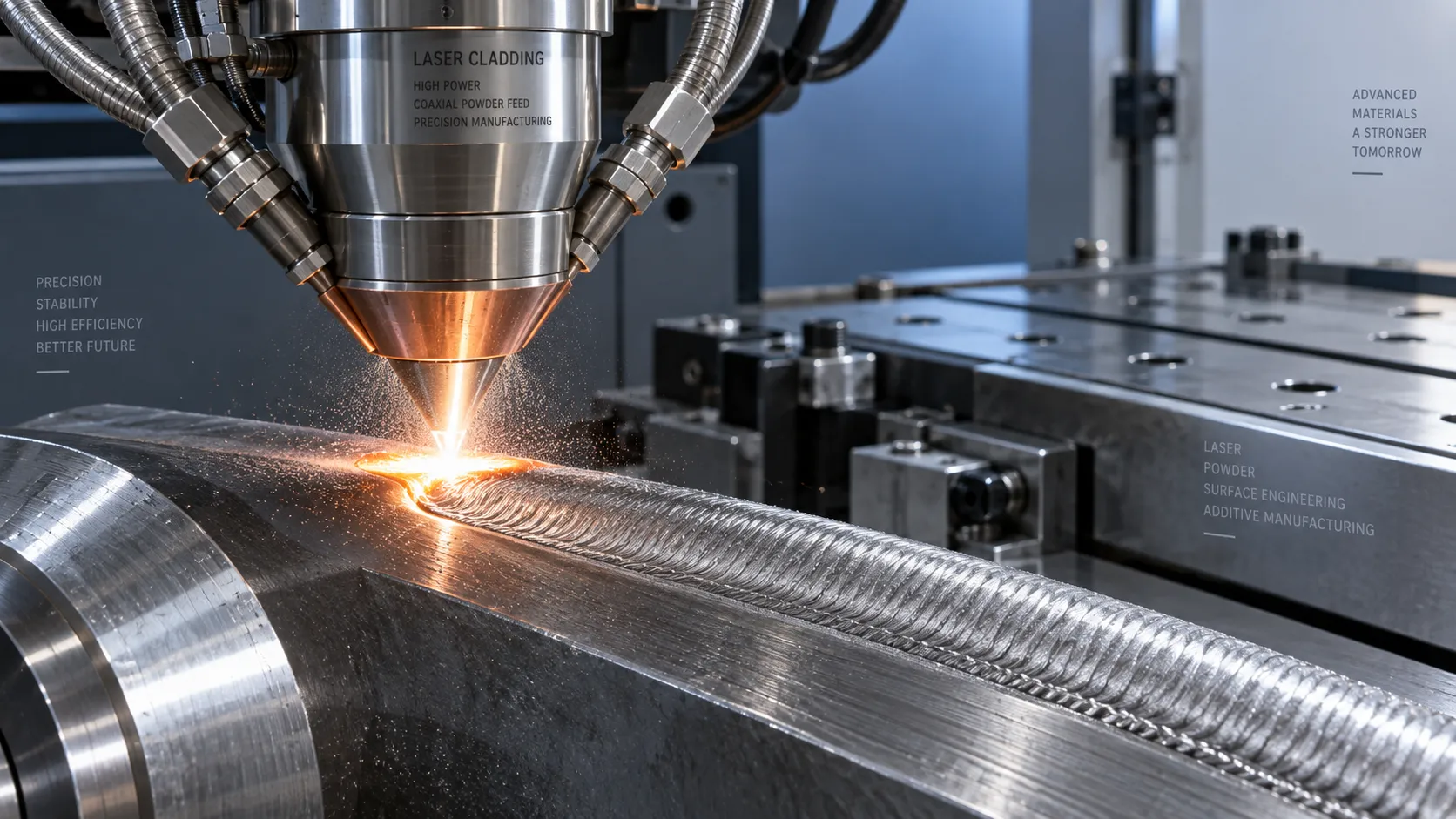
How high power laser cladding systems control substrate dilution
Discover how high power laser cladding systems control substrate dilution through beam shaping, material feed, and thermal management to deliver reliable bonds and coating performance.
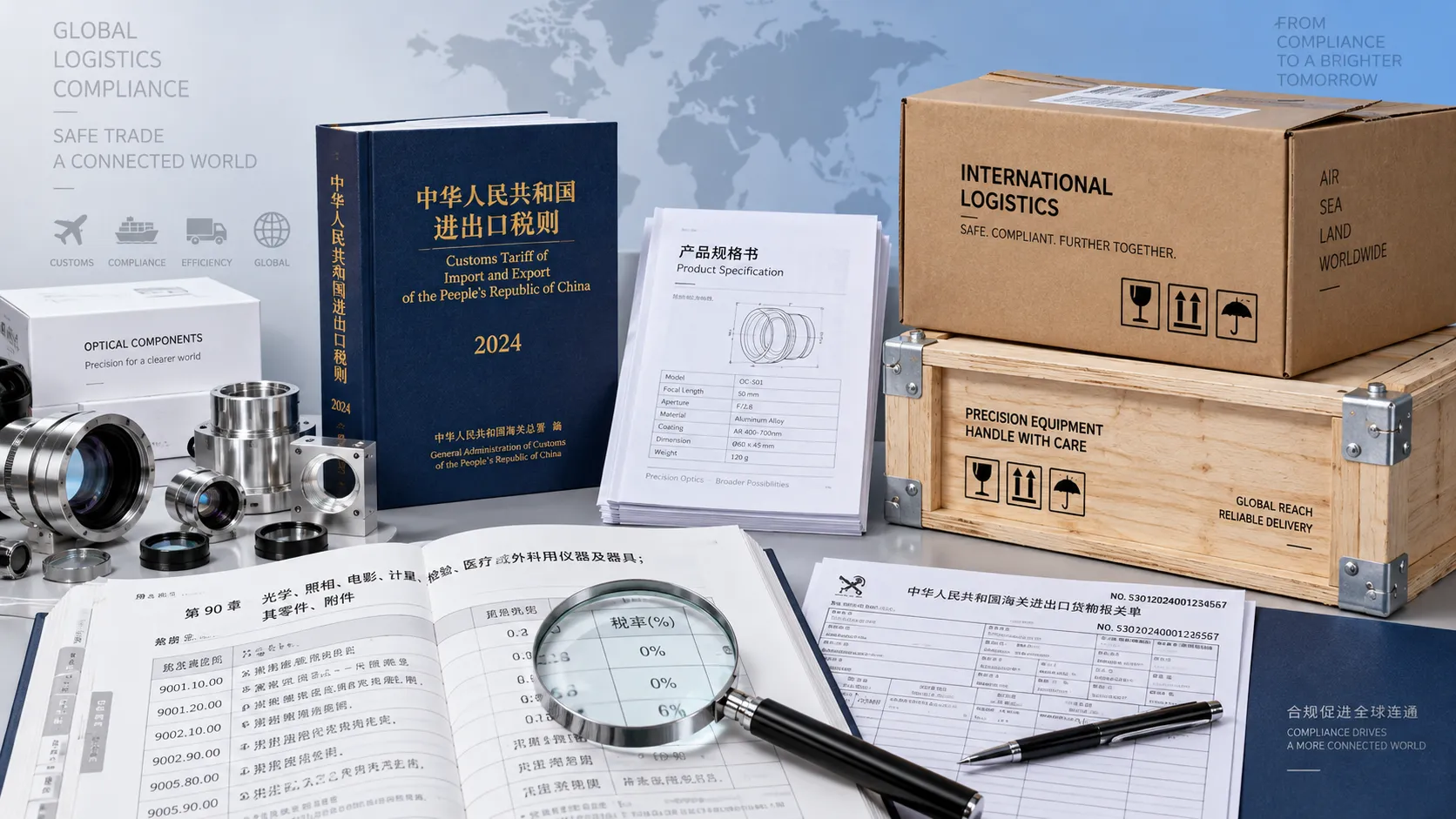
How to check HS codes for customs compliance in international logistics
Strengthen international logistics customs compliance: learn how to verify HS codes, check official tariffs, and document classifications to reduce costly shipment delays.
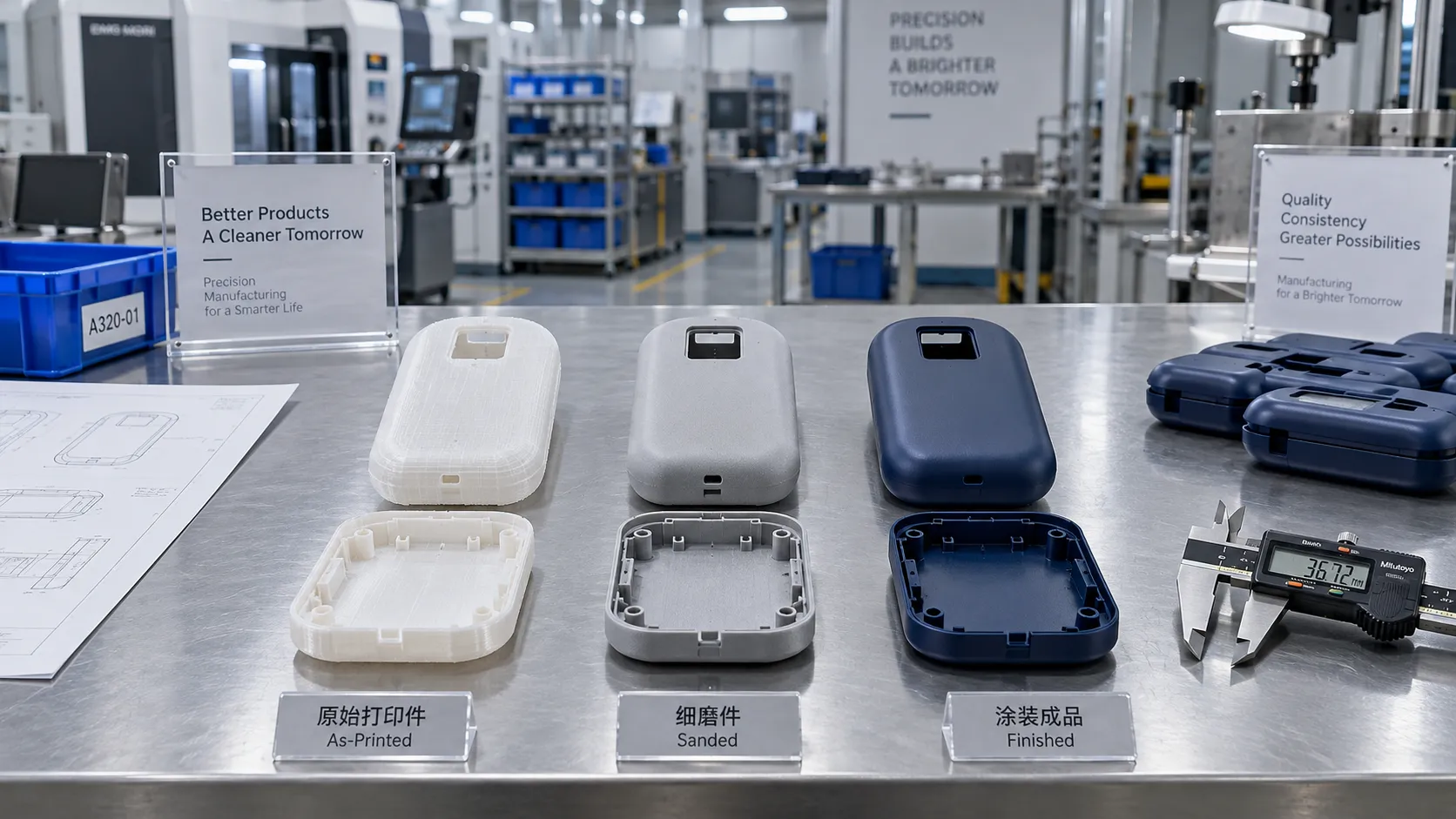
Choosing a 3D Printing Service for Consumer Products: Finish, Fit, and Cost
Compare 3d printing consumer good services by finish, fit, materials, and total cost. Learn how to choose a reliable supplier and avoid costly defects before ordering.
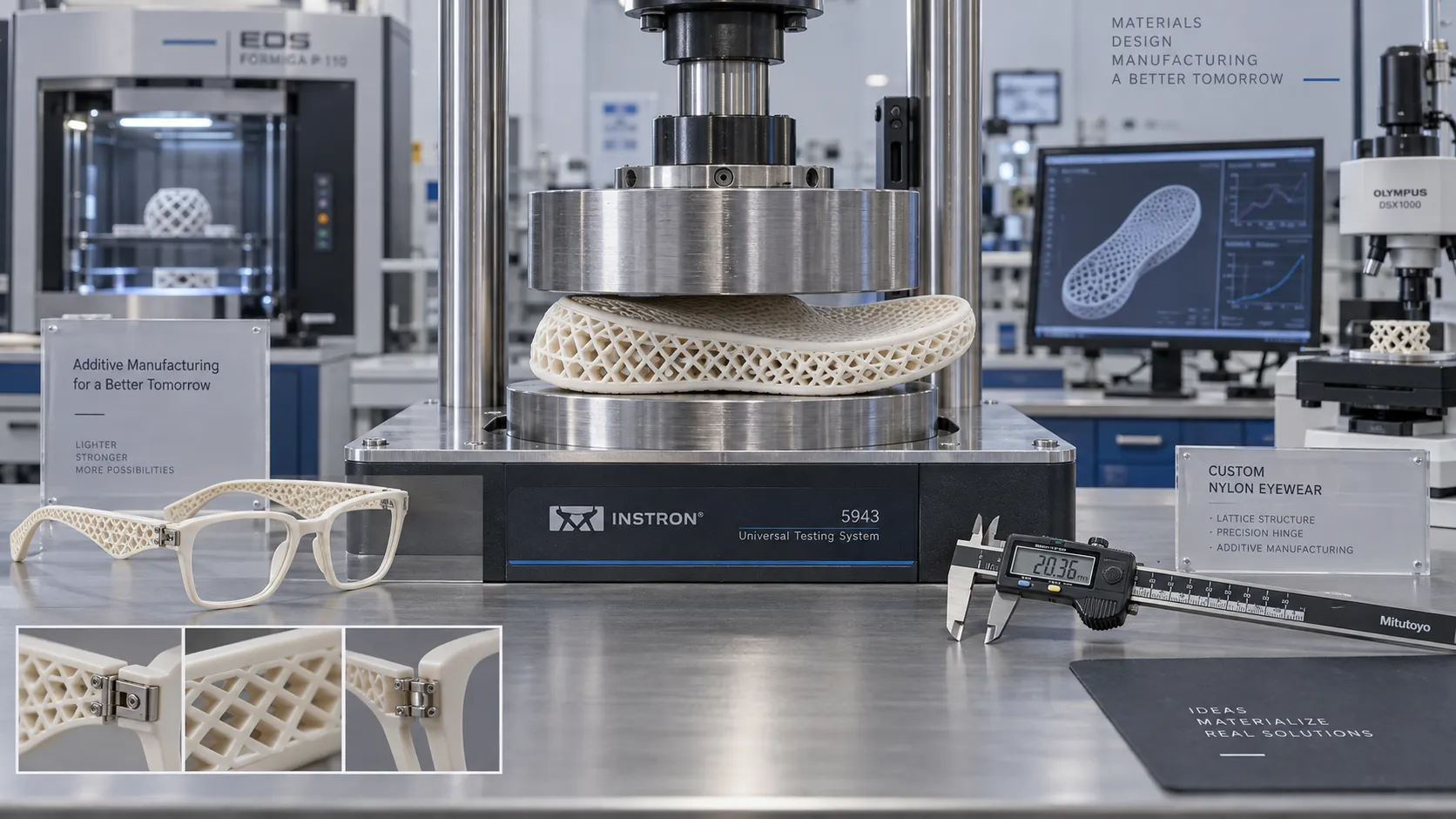
Which Consumer Goods Can Be 3D Printed, and What Are the Practical Limits?
Explore 3d printing consumer goods, from custom eyewear to replacement parts. Discover practical limits on materials, safety, and costs to make smarter production decisions.
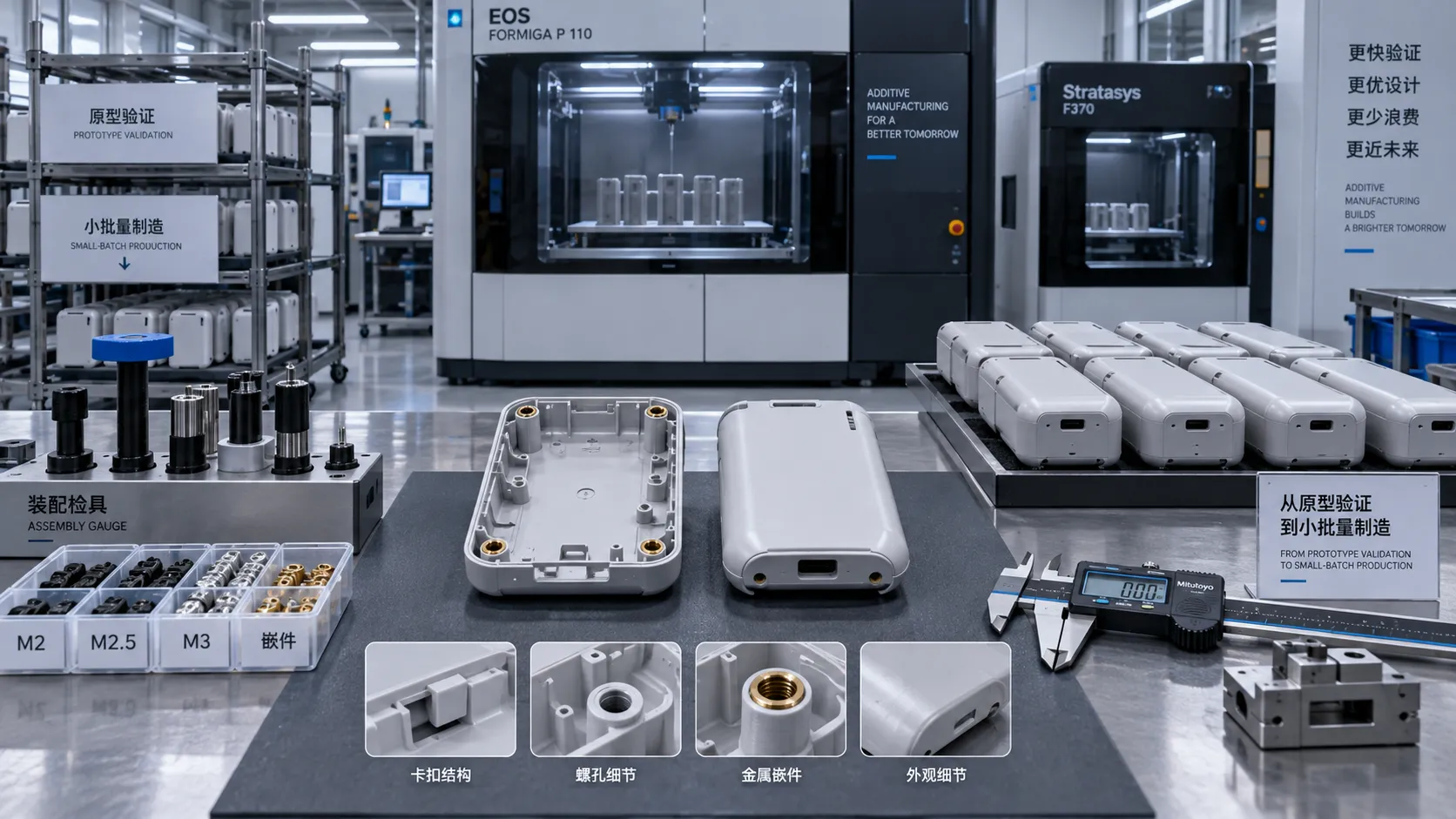
From Prototype to Small Batch: Applying 3D Printing to Consumer Goods
Explore 3d printing in consumer goods: learn how to move from prototype to small-batch production with practical guidance on materials, quality validation, and cost control.
Related News
- 00
0000-00
How to verify part consistency before choosing a 3D printing OEM - 00
0000-00
How does a rigid cryogenic transfer line handle thermal contraction? - 00
0000-00
How much does edge vision deployment cost beyond the hardware? - 00
0000-00
How does the purity of sputtering targets affect thin-film quality? - 00
0000-00
How high power laser cladding systems control substrate dilution
Marcus Print
Weekly Insights
Stay ahead with our curated technology reports delivered every Monday.