
How Metal Powder Atomization Equipment Affects Powder Quality

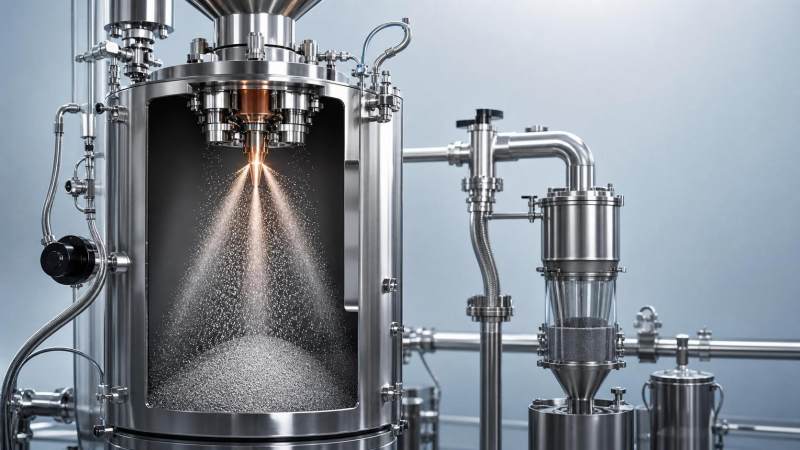
How Metal Powder Atomization Equipment Affects Powder Quality
For quality and safety performance, metal powder atomization equipment shapes far more than output rate.
It directly affects particle size distribution, shape, purity, oxygen pickup, and powder flow.
That matters in additive manufacturing, thermal spraying, MIM, and other demanding powder applications.
When metal powder atomization equipment is well selected and tightly controlled, defects drop and process windows become easier to hold.
In practice, equipment design and operating discipline often decide whether powder quality stays stable from batch to batch.
Why equipment design matters so much
Metal powder atomization equipment converts molten metal into fine droplets, then cools them into solid particles.
That sounds simple, but each stage creates quality risks.
Melting conditions influence chemistry retention and inclusion behavior.
Nozzle geometry affects droplet breakup and particle uniformity.
The atomizing medium changes cooling rate, oxidation tendency, and surface condition.
Collection, sieving, and transfer design then determine contamination control and segregation risk.
From a technical and standards perspective, the equipment is not just a machine.
It is the first quality gate in the entire powder supply chain.
The main quality attributes influenced by metal powder atomization equipment
1. Particle size distribution
Particle size distribution is one of the most visible outcomes of metal powder atomization equipment.
If the distribution is too wide, flowability and packing density become harder to predict.
That can affect layer uniformity in powder bed fusion and feed consistency in other processes.
Gas pressure, melt flow rate, nozzle alignment, and chamber design all play a role.
Stable equipment usually produces tighter cuts and less off-spec material after classification.
2. Particle morphology and sphericity
High-performance users often want spherical particles with smooth surfaces.
Well-designed metal powder atomization equipment improves droplet formation and reduces irregular shapes.
Poor atomization can create satellites, elongated particles, and partially fused agglomerates.
Those defects lower apparent density and may cause spreading problems.
They can also increase dust generation, which adds another safety concern.
3. Purity and contamination risk
Contamination rarely comes from one source alone.
It may come from crucibles, refractory wear, seals, transfer lines, filters, or cleaning practices.
Metal powder atomization equipment with poor material compatibility can add foreign elements into the powder.
In reactive alloys, even low contamination can change final mechanical performance.
This is why sealed handling and validated cleaning procedures are essential.
4. Oxygen, nitrogen, and moisture control
Atmosphere control is a decisive feature in metal powder atomization equipment.
Leaks, poor purging, or unstable inert gas supply can raise oxygen content.
That is especially critical for titanium, aluminum, and other reactive alloys.
Excess oxygen can affect ductility, surface chemistry, and powder reuse performance.
Moisture exposure after collection can also trigger clumping or oxidation during storage.
How different atomization methods change powder outcomes
Not all metal powder atomization equipment works the same way.
The method selected will strongly affect powder quality, operating cost, and safety controls.
From a control standpoint, each technology needs its own acceptance criteria.
Using one common checklist across all systems usually misses critical differences.
Key equipment parameters that should be watched closely
In real production, metal powder atomization equipment performs best when a few variables stay under close control.
- Melt temperature consistency, because superheat changes droplet breakup behavior.
- Atomizing gas pressure and flow stability, because turbulence affects particle size.
- Nozzle wear condition, because small geometry changes shift the powder cut.
- Chamber atmosphere integrity, because leaks drive oxygen and nitrogen pickup.
- Cooling and collection path cleanliness, because buildup can detach into later batches.
- Sieving and transfer settings, because rough handling increases fines and segregation.
A useful trend in advanced plants is moving from periodic checks to continuous sensing.
That gives earlier warning before powder quality drifts outside specification.
Quality and safety risks linked to unstable atomization
When metal powder atomization equipment becomes unstable, quality loss is only part of the problem.
There can also be dust explosion concerns, elevated fire risk, and unsafe powder handling conditions.
Fine particles increase surface area and may become more reactive.
Irregular particles can raise airborne dust during conveying and packaging.
Cross-contamination may also create unknown combustion or compatibility hazards.
This is why equipment assessment should include both product quality and process hazard review.
Typical warning signals
- Sudden changes in particle size distribution.
- Rising oxygen or moisture results between batches.
- More satellites, agglomerates, or visible irregular particles.
- Unexpected powder color shift or lower apparent density.
- Frequent filter loading or abnormal dust accumulation.
How to benchmark metal powder atomization equipment effectively
A good benchmark goes beyond brochure values.
Metal powder atomization equipment should be reviewed against measurable performance, repeatability, and compliance readiness.
- Check batch-to-batch consistency data, not only best-case samples.
- Review oxygen, nitrogen, and contamination history by alloy family.
- Verify maintenance intervals for nozzles, seals, filters, and chamber components.
- Assess traceability from melt source to final packaged powder lot.
- Confirm alignment with ISO, ASTM, and internal qualification standards.
- Look at hazard controls for inerting, dust handling, and ignition prevention.
This kind of review is increasingly important as buyers demand verifiable data, not generic claims.
It also supports more credible supplier qualification decisions.
Practical steps to improve powder quality at the source
Improving outcomes from metal powder atomization equipment usually starts with discipline, not guesswork.
- Standardize startup, purge, and shutdown procedures for every alloy run.
- Use statistical process control on critical atomization parameters.
- Schedule preventive replacement before nozzle wear affects the particle profile.
- Separate reactive and non-reactive alloy campaigns where practical.
- Validate cleaning effectiveness with residue and chemistry checks.
- Protect powders from ambient exposure during transfer and packaging.
The more stable the equipment environment, the easier it becomes to hold final powder specifications.
That also reduces downstream inspection burden and scrap risk.
Final takeaway
Metal powder atomization equipment has a direct, measurable impact on powder quality.
It affects particle size, morphology, chemistry, cleanliness, and handling safety from the first production step.
For technical teams, the priority is clear.
Treat metal powder atomization equipment as a controlled quality system, not only a manufacturing tool.
When design, maintenance, atmosphere control, and monitoring work together, powder performance becomes more predictable.
That is the most reliable path to stronger compliance, safer handling, and better end-use results.
Related News
How to verify part consistency before choosing a 3D printing OEM
Choosing a 3D printing OEM? Learn how to verify part consistency with repeat-build trials, validated inspections, and traceability checks before committing to production.
How does a rigid cryogenic transfer line handle thermal contraction?
Learn how a rigid cryogenic transfer line manages thermal contraction with bends, bellows, and guided supports. Discover key design checks for safe, reliable cryogenic performance.
How much does edge vision deployment cost beyond the hardware?
Understand edge vision deployment cost beyond hardware, from data and integration to security and support. Uncover hidden expenses and build a smarter lifecycle budget before you scale.
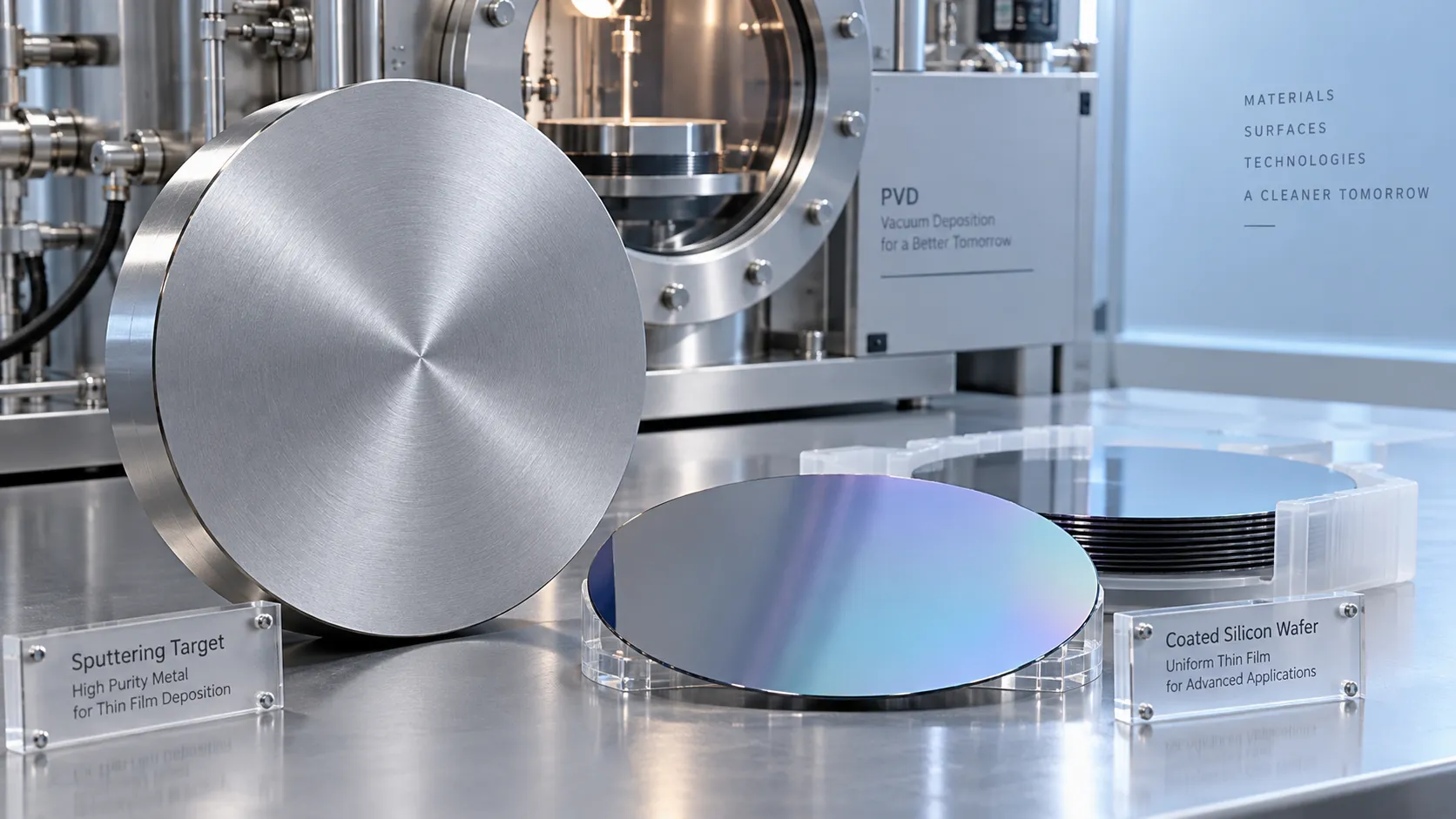
How does the purity of sputtering targets affect thin-film quality?
Discover how sputtering targets affect thin-film quality. Learn to assess purity, identify harmful impurities, and choose specifications that improve coating performance.
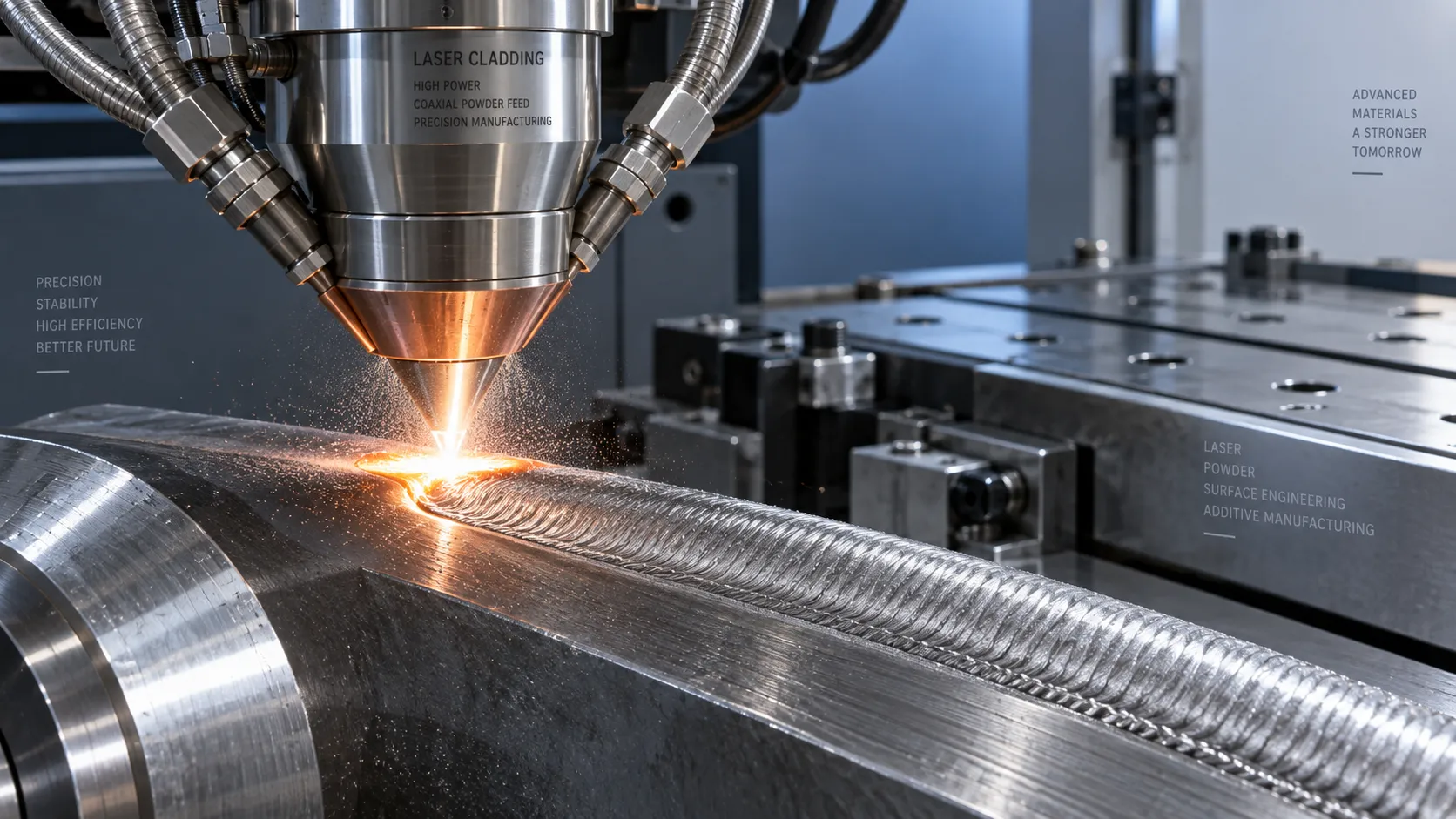
How high power laser cladding systems control substrate dilution
Discover how high power laser cladding systems control substrate dilution through beam shaping, material feed, and thermal management to deliver reliable bonds and coating performance.
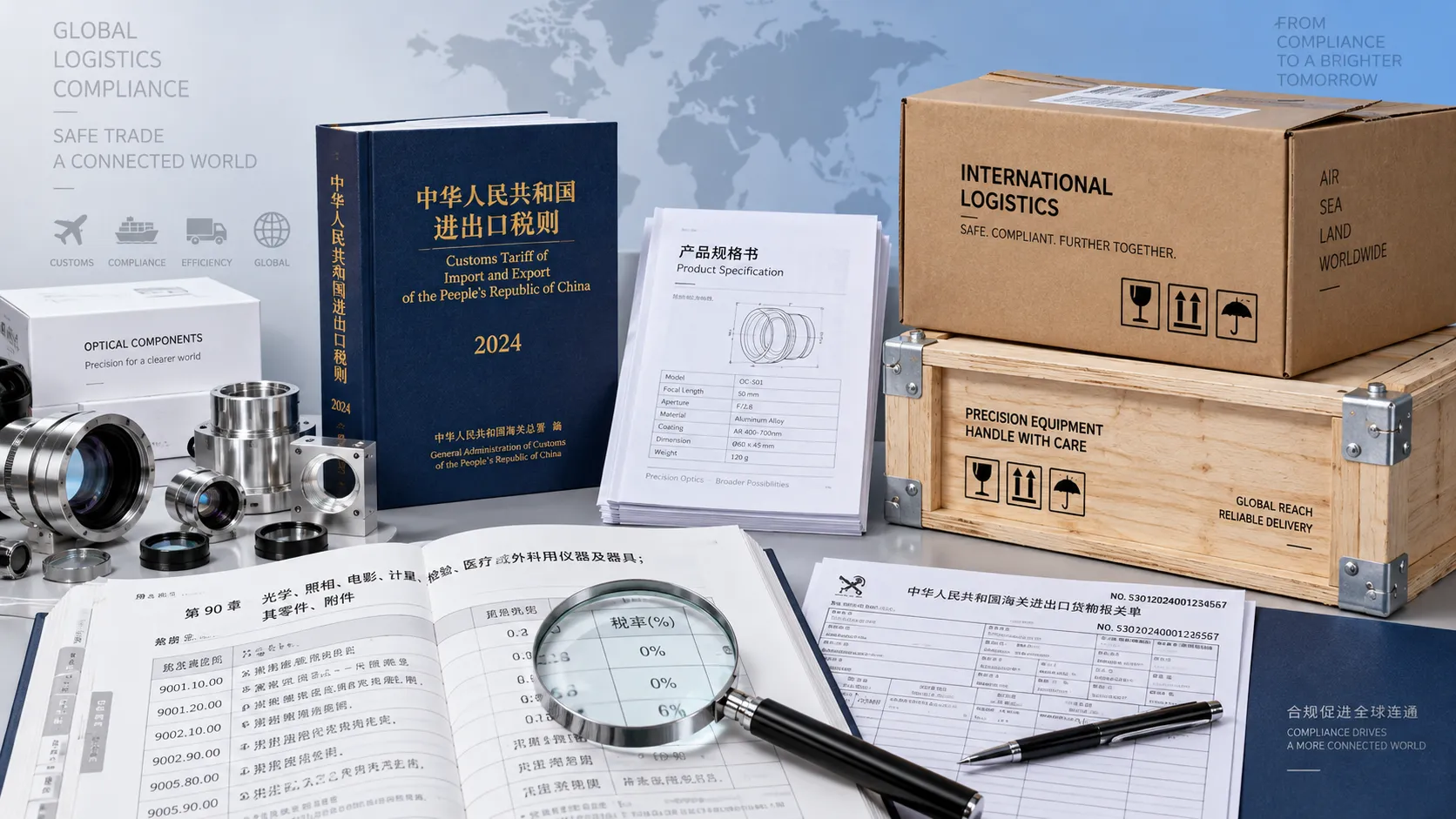
How to check HS codes for customs compliance in international logistics
Strengthen international logistics customs compliance: learn how to verify HS codes, check official tariffs, and document classifications to reduce costly shipment delays.
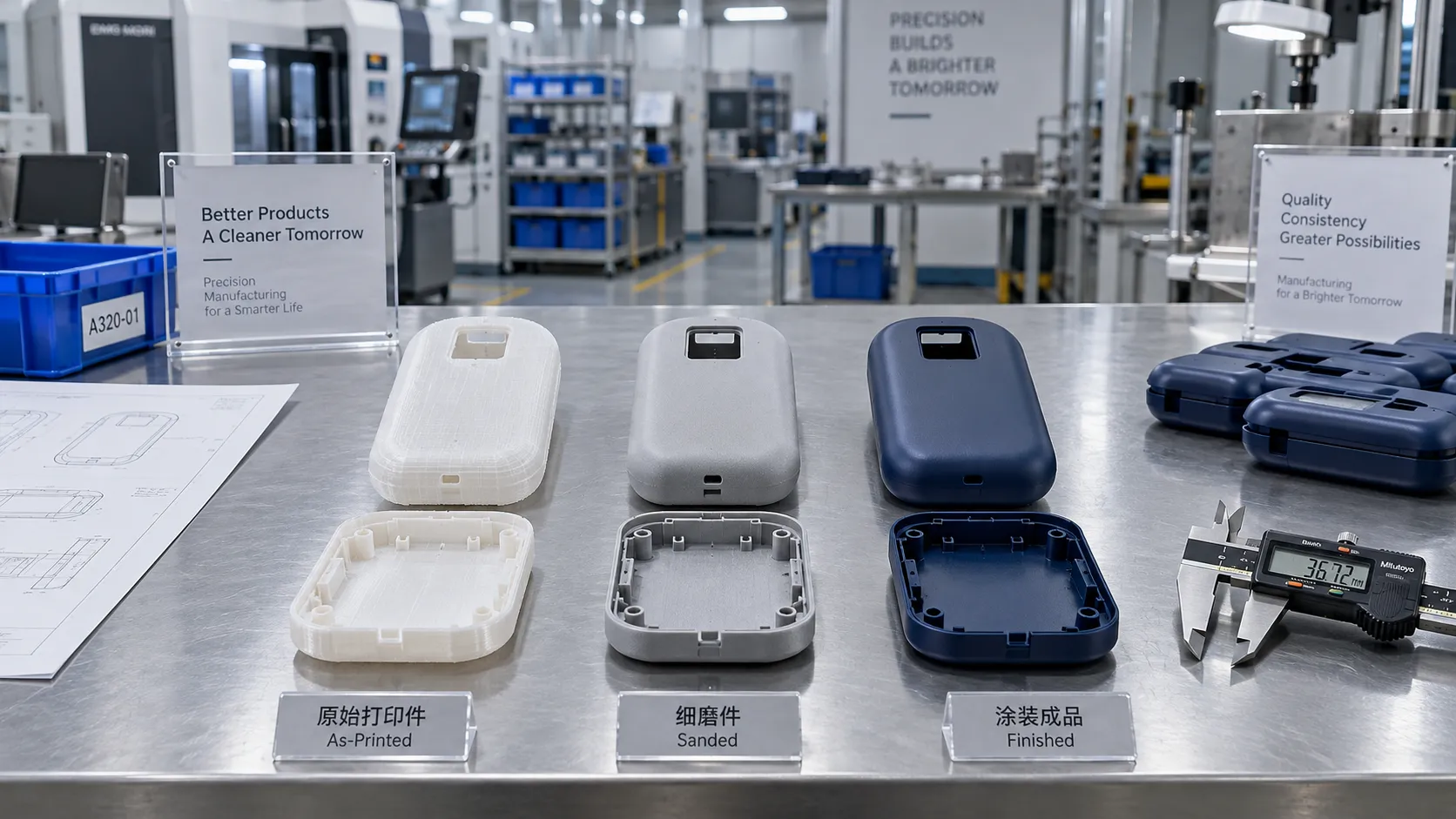
Choosing a 3D Printing Service for Consumer Products: Finish, Fit, and Cost
Compare 3d printing consumer good services by finish, fit, materials, and total cost. Learn how to choose a reliable supplier and avoid costly defects before ordering.
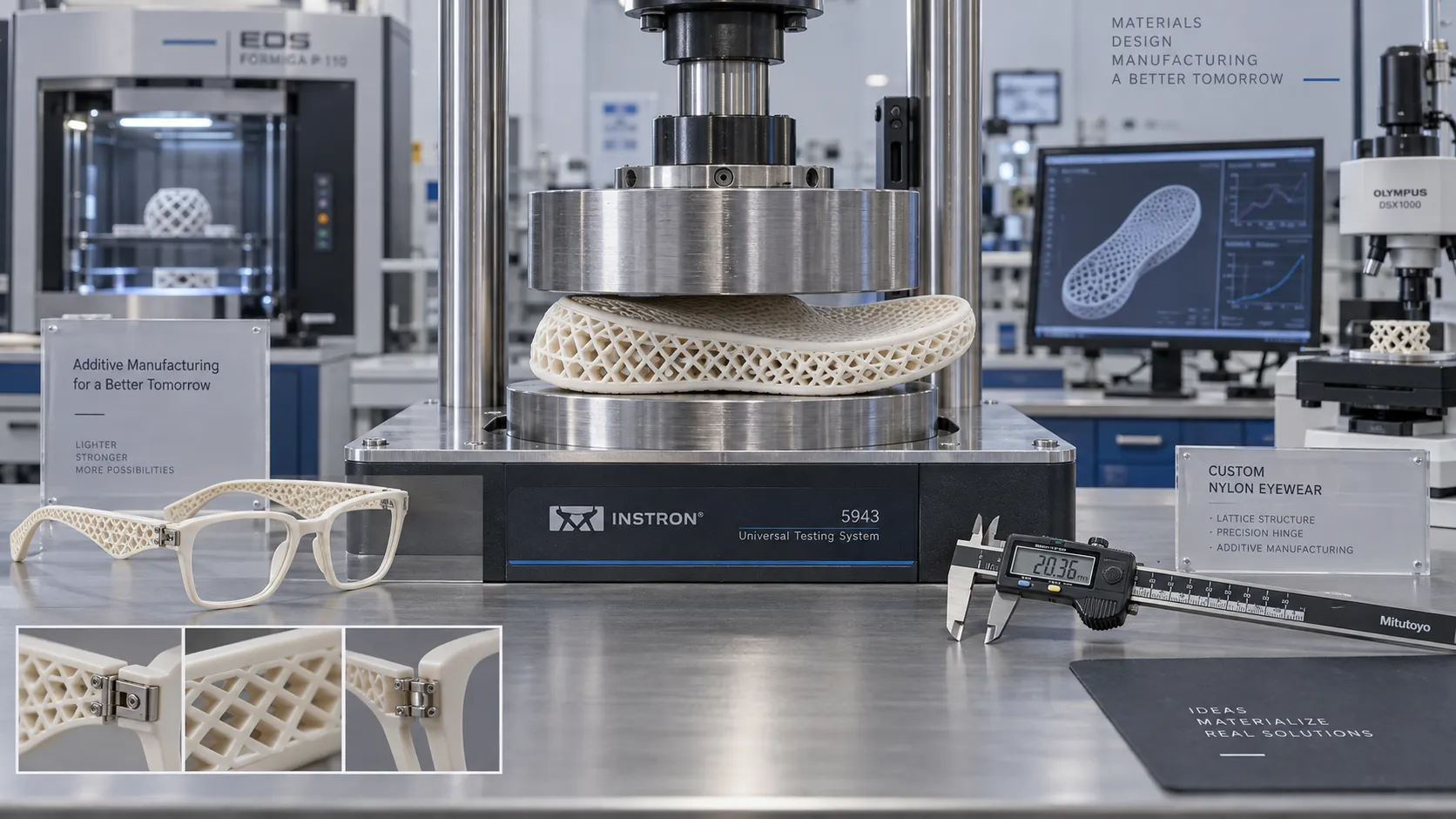
Which Consumer Goods Can Be 3D Printed, and What Are the Practical Limits?
Explore 3d printing consumer goods, from custom eyewear to replacement parts. Discover practical limits on materials, safety, and costs to make smarter production decisions.
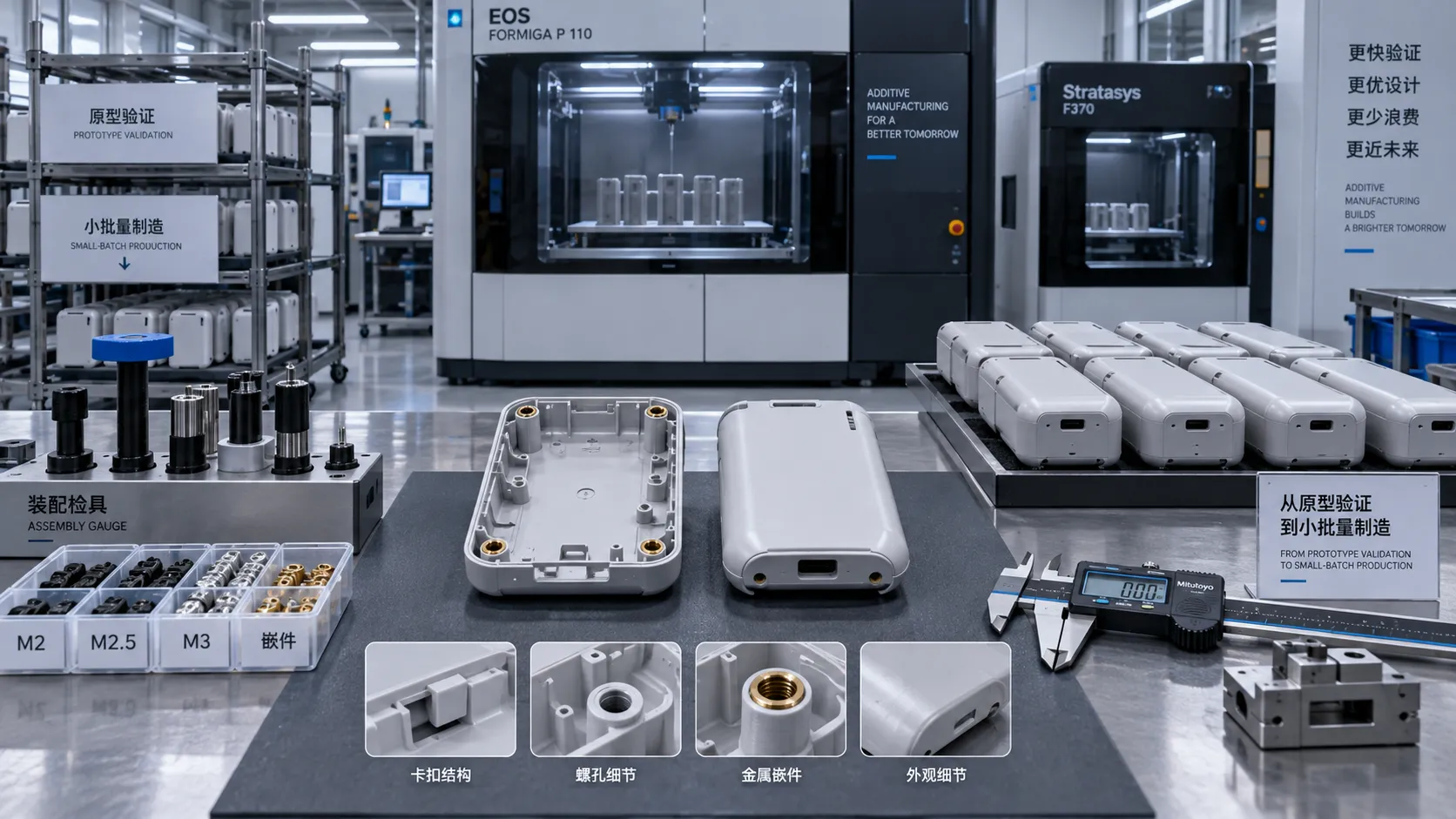
From Prototype to Small Batch: Applying 3D Printing to Consumer Goods
Explore 3d printing in consumer goods: learn how to move from prototype to small-batch production with practical guidance on materials, quality validation, and cost control.
Related News
- 00
0000-00
How to verify part consistency before choosing a 3D printing OEM - 00
0000-00
How does a rigid cryogenic transfer line handle thermal contraction? - 00
0000-00
How much does edge vision deployment cost beyond the hardware? - 00
0000-00
How does the purity of sputtering targets affect thin-film quality? - 00
0000-00
How high power laser cladding systems control substrate dilution
Marcus Print
Weekly Insights
Stay ahead with our curated technology reports delivered every Monday.