
Inventory Management for Metal Powder Waste Control

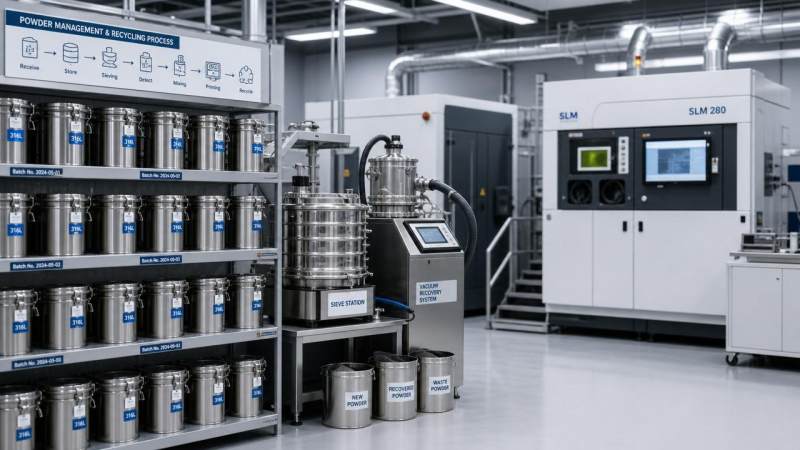
Effective inventory management is a critical lever for controlling metal powder waste in additive manufacturing, laser processing, and advanced materials operations. For project managers and engineering leads, unmanaged powder stocks can quickly translate into higher costs, traceability gaps, safety risks, and inconsistent production quality. This article explores how structured inventory practices—supported by data visibility, batch tracking, reuse protocols, and compliance-focused controls—help reduce waste while improving operational reliability across high-tech industrial projects.
In project environments where titanium, nickel, aluminum, stainless steel, or copper alloy powders are consumed across 2–6 machines, powder waste is rarely one single problem. It is usually a chain of small control failures.
For engineering leaders, the business case is direct: better inventory management protects material value, stabilizes process windows, and gives procurement teams defensible data for supplier, batch, and compliance decisions.
Why Metal Powder Waste Requires Project-Level Inventory Control
Metal powder is not a generic consumable. Its particle size distribution, oxygen pickup, moisture exposure, and contamination history can affect density, surface finish, fatigue life, and qualification outcomes.
A 15–45 micron powder for laser powder bed fusion requires different handling discipline from a coarser powder used in directed energy deposition or thermal processing trials.
The cost of unmanaged powder stocks
Without disciplined inventory management, powder can be over-purchased, stored beyond internal usage windows, mixed without authorization, or quarantined after incomplete documentation.
In many high-tech projects, the visible scrap cost is only one part of the loss. Hidden impacts include machine downtime, requalification work, delayed delivery milestones, and safety reviews.
- Expired or unverified lots may force 1–3 additional inspection cycles before release.
- Uncontrolled reuse can increase variability in oxygen content, flowability, and apparent density.
- Manual logbooks can create traceability gaps when multiple operators handle the same powder stream.
- Poor bin segregation raises the risk of cross-contamination between alloys or particle size grades.
Why project managers should own the control model
Powder waste control sits across procurement, production, EHS, quality, and engineering. That makes it a project governance issue, not only a warehouse task.
Project managers should define material acceptance rules, storage responsibilities, reuse limits, reporting cadence, and escalation paths before the first production run begins.
A practical inventory management framework usually starts with 4 questions: what powder is available, where it is stored, what condition it is in, and whether it is approved for use.
Core Elements of an Effective Inventory Management System
A reliable system connects physical powder handling with digital records. For metal additive manufacturing, that connection must be granular enough to follow every batch, container, and reuse event.
The following table outlines the control elements that engineering project teams should specify when building or upgrading inventory management for metal powder waste reduction.
The key conclusion is that inventory management must capture condition, not just quantity. A warehouse count cannot tell whether a powder lot remains technically fit for a qualified process.
Batch tracking and digital visibility
Digital inventory management should integrate barcodes, QR labels, or RFID tags with material certificates, internal test results, and machine usage records.
For regulated or mission-critical projects, a record should show at least 6 data points: supplier lot, container ID, operator, machine, build number, and post-build status.
Minimum data fields for powder control
- Material grade and specification, including alloy family and powder morphology.
- Particle size range, such as 15–45 micron or 45–105 micron.
- Certificate of analysis reference and internal acceptance status.
- Storage condition records, including humidity threshold and container seal checks.
- Reuse cycle count, sieving date, blend ratio, and quality release decision.
These fields make inventory management useful for both daily operators and project governance. They also reduce disputes when powder quality affects part acceptance or process qualification.
Operational Practices That Reduce Powder Waste
Once records are reliable, the next priority is execution. Metal powder waste falls when teams standardize how material is received, stored, issued, reclaimed, tested, and released.
Good inventory management does not slow production. It removes ambiguity, shortens approval loops, and helps operators make correct decisions during high-pressure build schedules.
A 5-step workflow for powder lifecycle control
Project teams can use a 5-step workflow to link inventory management with shop-floor practice. Each step should have an owner, acceptance criteria, and documented evidence.
- Receive: verify supplier documents, container integrity, weight, and material identification before stock release.
- Store: maintain sealed containers, controlled access, and defined temperature or humidity ranges where required.
- Issue: release powder only against approved job numbers, machine IDs, and process specifications.
- Recover: collect unused powder through validated sieving, contamination control, and operator sign-off.
- Requalify: test or review reused powder before blending, returning to stock, or disposal.
This workflow gives engineering leaders a repeatable mechanism for reducing waste without relying on informal operator memory or end-of-month material corrections.
Reuse protocols and blend discipline
Powder reuse can deliver meaningful savings, but only when supported by clear limits. Many projects define 3–10 reuse cycles depending on alloy, application, and test evidence.
Aerospace-grade builds may require tighter controls than prototype tooling or internal fixtures. Inventory management should therefore distinguish production risk levels rather than apply one generic rule.
Practical reuse checkpoints
- Confirm sieve mesh suitability for the process, commonly within the targeted powder size distribution.
- Record virgin-to-reused blend ratios, such as 30:70, 50:50, or project-specific thresholds.
- Monitor oxygen, nitrogen, moisture, flow rate, and apparent density where the application requires it.
- Stop reuse when test results, exposure history, or contamination risk exceed approved limits.
For project managers, the goal is not to maximize reuse at any cost. The goal is to use inventory management to identify safe, economical, and auditable reuse opportunities.
Procurement and Compliance Criteria for Engineering Projects
Procurement decisions strongly influence waste. A low unit price can become expensive if packaging, documentation, delivery reliability, or batch consistency does not support project controls.
For B2B buyers, inventory management requirements should be written into supplier evaluations, purchase orders, and technical acceptance documents before material enters the facility.
The following comparison helps project teams align supplier selection with powder waste control, especially when coordinating additive manufacturing, laser processing, and advanced material trials.
The table shows that supplier performance is inseparable from inventory management. Technical documentation, packaging, and lead time discipline all determine whether powder is usable when needed.
Standards, audits, and traceability expectations
Metal powder projects often reference ISO, ASTM, or internal quality standards. The practical requirement is evidence: who approved the powder, when, why, and for which application.
Teams should prepare for 3 common audit questions: whether batches are traceable, whether reuse is controlled, and whether nonconforming powder is segregated from approved inventory.
Compliance-focused control points
- Keep quarantine zones physically and digitally separate from released stock.
- Define document retention periods, often aligned with project or customer requirements.
- Use change control when switching suppliers, powder grades, packaging formats, or blend rules.
- Review material variances in weekly or biweekly project meetings during active production phases.
G-AIT’s benchmarking perspective is valuable here because project teams need comparable engineering criteria, not isolated vendor claims, when assessing high-value industrial powder operations.
Implementation Roadmap for Project Managers
A successful rollout should be staged. Trying to redesign every inventory management process at once can create resistance and disrupt production schedules.
A practical implementation plan usually takes 6–12 weeks, depending on site size, data maturity, number of powder grades, and integration with existing ERP or MES platforms.
Phase 1: Map powder flows and waste points
Start by observing how powder moves from receipt to disposal. Record container transfers, machine loading, sieving locations, cleaning practices, and decision points.
Within 5 working days, most teams can identify the top 3 loss points, such as unrecorded transfer, excessive residual powder, or unclear quarantine responsibility.
Phase 2: Define controls and ownership
Assign owners for procurement release, stockroom custody, machine issue, sieving approval, quality disposition, and EHS review. Inventory management fails when ownership remains informal.
Each owner should have measurable tasks. Examples include 24-hour receipt verification, weekly stock reconciliation, monthly obsolete stock review, and immediate quarantine labeling.
Phase 3: Digitize and review performance
Digital tools can be simple at first. A controlled database with barcode scanning may outperform a complex system that operators do not consistently use.
Track 5 indicators: powder purchased, powder issued, powder recovered, powder rejected, and powder held in quarantine. Review trends every 2–4 weeks during ramp-up.
Common mistakes to avoid
- Counting kilograms without recording powder condition or release status.
- Allowing operators to blend lots without engineering or quality authorization.
- Using supplier certificates as a substitute for internal handling records.
- Setting reorder points without considering project milestones and shelf-life controls.
Avoiding these mistakes makes inventory management more than a cost-control tool. It becomes part of technical risk management across advanced industrial programs.
Turning Powder Control into a Competitive Advantage
Metal powder waste control is ultimately about predictability. When material status is visible, project managers can protect budgets, quality plans, and delivery commitments.
Strong inventory management gives engineering leads a clearer basis for supplier comparison, build planning, reuse approval, and customer reporting across high-value manufacturing programs.
For organizations operating in additive manufacturing, laser processing, graphene and nano-materials, or vacuum-supported production, powder discipline supports both operational reliability and technical credibility.
G-AIT helps industrial decision-makers benchmark technical practices, evaluate supplier readiness, and align project controls with international expectations across advanced manufacturing ecosystems.
If your team is reviewing powder workflows, preparing a procurement specification, or building a traceability model, contact us to obtain a tailored solution and discuss practical implementation details.
Related News
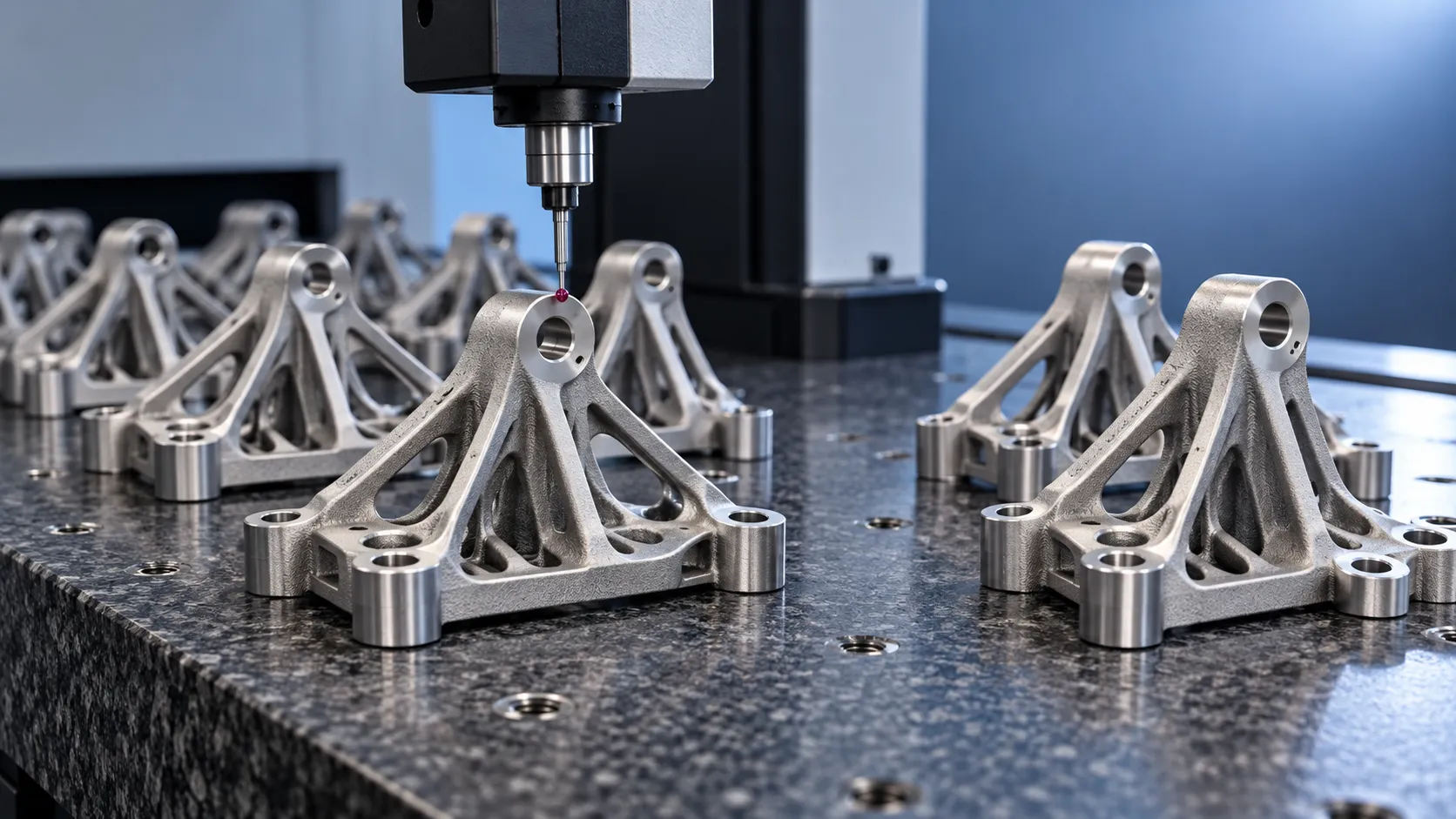
How to verify part consistency before choosing a 3D printing OEM
Choosing a 3D printing OEM? Learn how to verify part consistency with repeat-build trials, validated inspections, and traceability checks before committing to production.
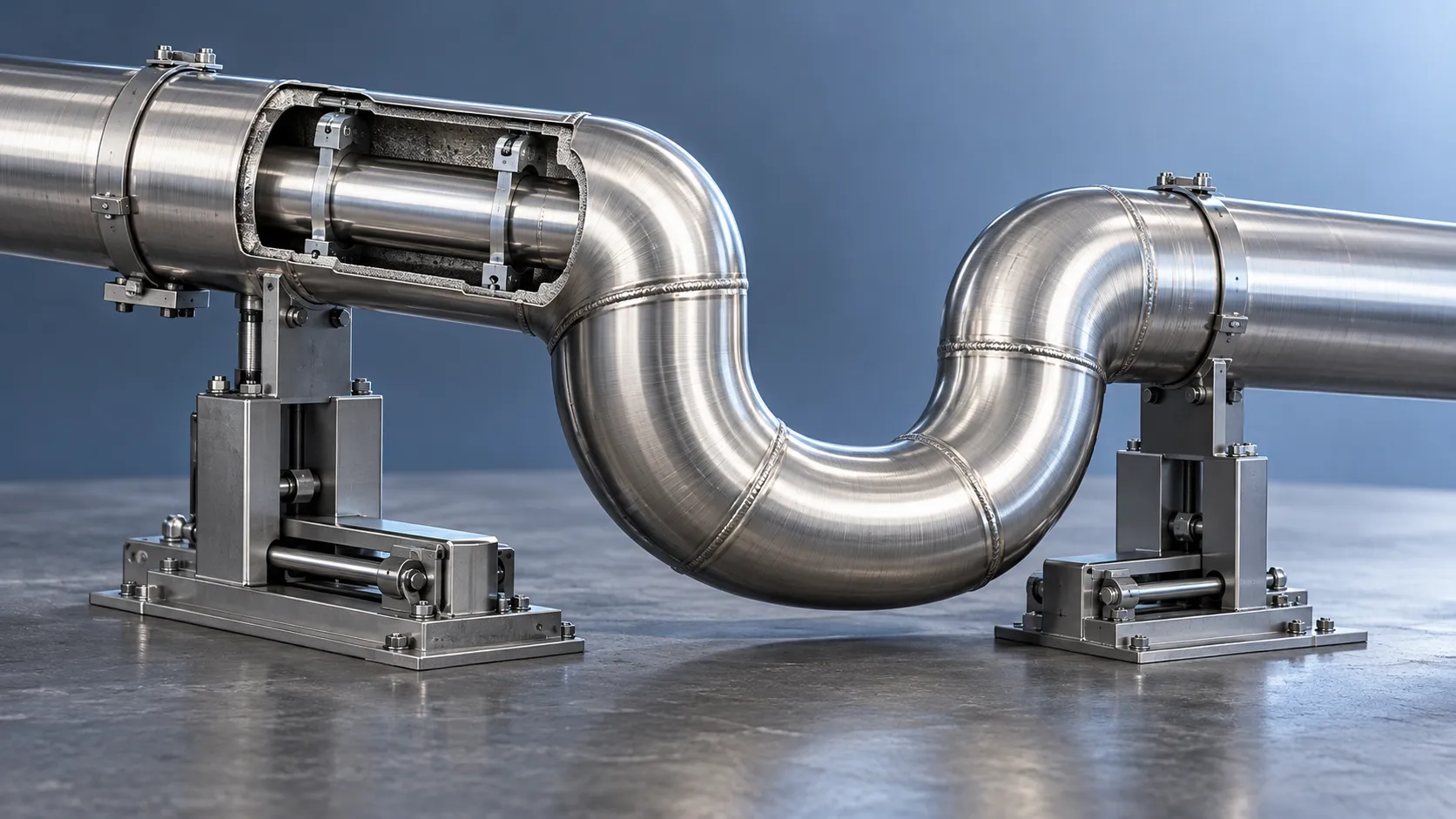
How does a rigid cryogenic transfer line handle thermal contraction?
Learn how a rigid cryogenic transfer line manages thermal contraction with bends, bellows, and guided supports. Discover key design checks for safe, reliable cryogenic performance.

How much does edge vision deployment cost beyond the hardware?
Understand edge vision deployment cost beyond hardware, from data and integration to security and support. Uncover hidden expenses and build a smarter lifecycle budget before you scale.
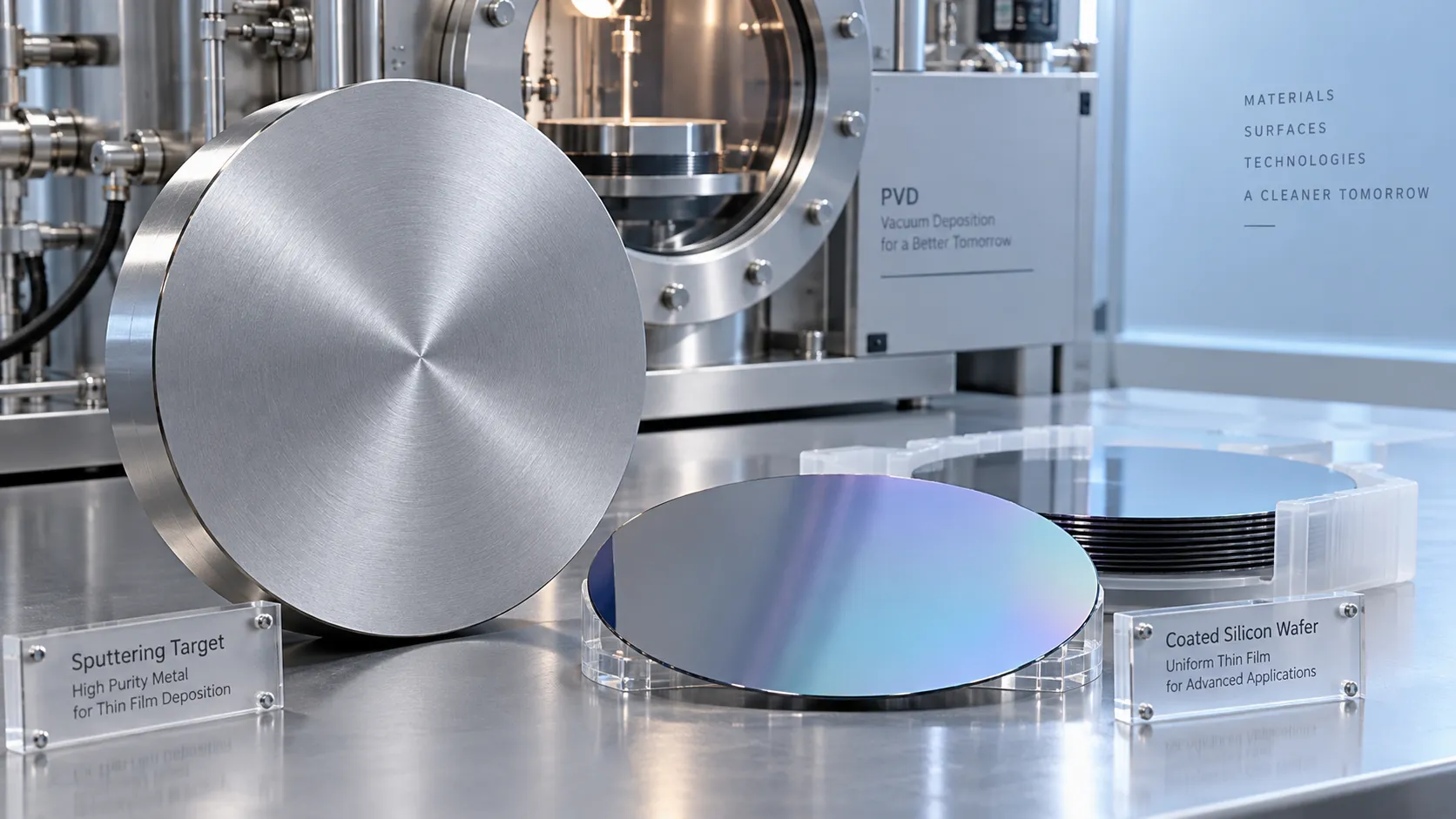
How does the purity of sputtering targets affect thin-film quality?
Discover how sputtering targets affect thin-film quality. Learn to assess purity, identify harmful impurities, and choose specifications that improve coating performance.

How high power laser cladding systems control substrate dilution
Discover how high power laser cladding systems control substrate dilution through beam shaping, material feed, and thermal management to deliver reliable bonds and coating performance.

How to check HS codes for customs compliance in international logistics
Strengthen international logistics customs compliance: learn how to verify HS codes, check official tariffs, and document classifications to reduce costly shipment delays.
Choosing a 3D Printing Service for Consumer Products: Finish, Fit, and Cost
Compare 3d printing consumer good services by finish, fit, materials, and total cost. Learn how to choose a reliable supplier and avoid costly defects before ordering.
Which Consumer Goods Can Be 3D Printed, and What Are the Practical Limits?
Explore 3d printing consumer goods, from custom eyewear to replacement parts. Discover practical limits on materials, safety, and costs to make smarter production decisions.
From Prototype to Small Batch: Applying 3D Printing to Consumer Goods
Explore 3d printing in consumer goods: learn how to move from prototype to small-batch production with practical guidance on materials, quality validation, and cost control.
Related News
- 00
0000-00
How to verify part consistency before choosing a 3D printing OEM - 00
0000-00
How does a rigid cryogenic transfer line handle thermal contraction? - 00
0000-00
How much does edge vision deployment cost beyond the hardware? - 00
0000-00
How does the purity of sputtering targets affect thin-film quality? - 00
0000-00
How high power laser cladding systems control substrate dilution
Marcus Print
Weekly Insights
Stay ahead with our curated technology reports delivered every Monday.