
Fried Chicken Coating Powder: What Buyers Should Check Before Ordering

Why Coating Problems Start Before the Fryer
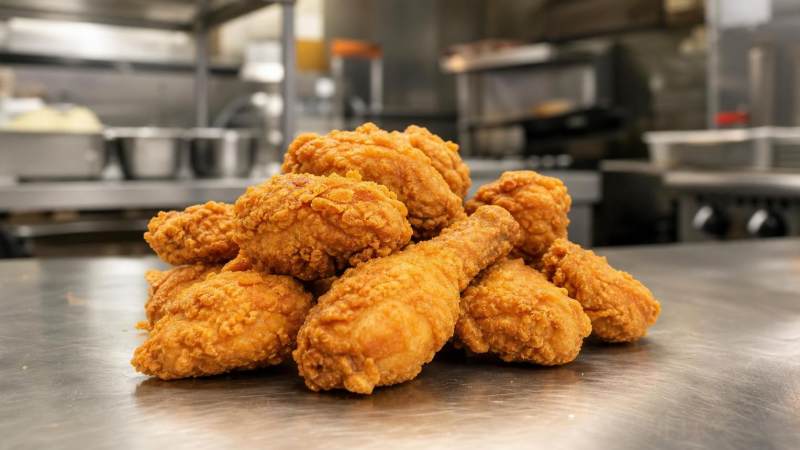
A buyer may search for crispy powder because a fried chicken coating looks dull, turns soft too quickly, or falls away from the meat during handling. The issue is often blamed on one ingredient, but coating failure usually comes from a system: surface moisture, predust, batter viscosity, crumb or powder blend, frying temperature, holding condition, and storage practice all work together.
Before ordering a commercial coating powder, procurement and product-development teams should identify the problem they are trying to solve. A powder designed for extra crunch may not solve poor adhesion. A blend that improves color may not fix sogginess after delivery. A troubleshooting mindset helps buyers ask better supplier questions and reduces the risk of approving a sample that works once but fails in daily service.
Problem: Coating Falls Off During Handling
Coating fall-off can occur when the chicken surface is too wet, the predust is missing, the batter is too thin, or the final coating is too coarse for the application. It can also happen when staff press the coating unevenly or move product before the coating has settled. For a buyer, the supplier conversation should include the full coating sequence, not only the final powder.
Ask whether the powder is intended for direct coating, for use with batter, or for use as part of a multi-stage breading process. If the product will be used in a high-volume kitchen or frozen-food line, test it under realistic movement, stacking, and transfer conditions. A coating that looks attractive on a single test piece may lose too much material during tray handling or packaging.
Problem: The Crust Turns Soft After Holding
Soft crust is a common complaint in fried chicken programs. It may be caused by steam trapped in closed packaging, excessive moisture migration from the chicken, a powder blend that holds too much water, or a holding cabinet that does not suit the product. Buyers should test the coating after the actual expected holding time, not only immediately after frying.
Moisture control also depends on storage before use. If dry coating material is exposed to humid air in the preparation area, it may lose some of its flow and texture advantage before cooking begins. Keep open containers covered, use clean dry scoops, and avoid placing coating trays near steam, sinks, or washdown zones.
Problem: The Product Absorbs Too Much Oil
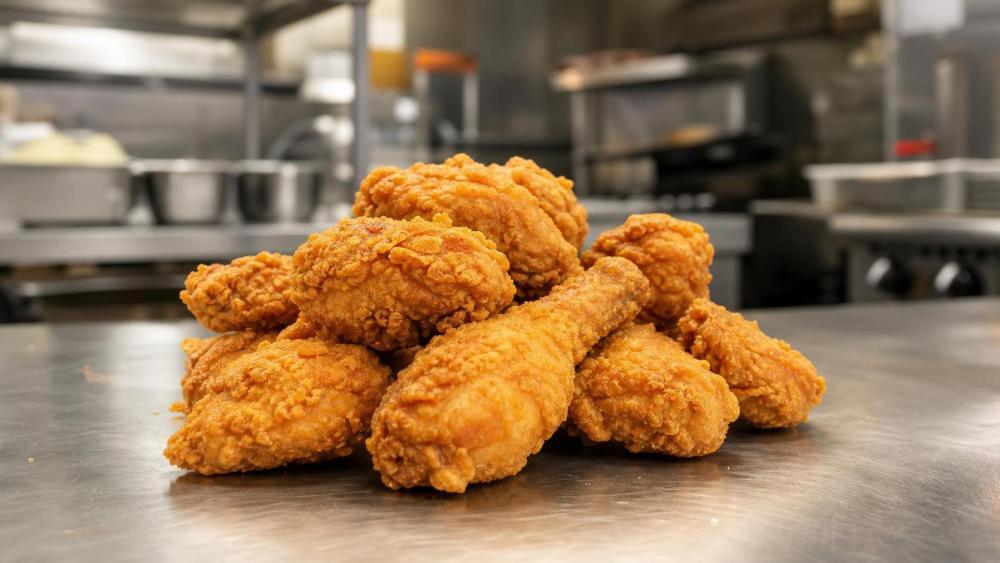
Oil pickup is affected by particle size, surface coverage, frying temperature, food moisture, and coating thickness. If the crust is too porous or the batter layer is inconsistent, the finished product may taste heavy. If the coating is too fine or too thick, it may form a dense shell that feels greasy rather than crisp.
A supplier should be able to explain the intended texture profile and application method for the blend. Buyers can compare samples by weighing test pieces before and after frying, but even a simple sensory test can reveal whether the crust feels clean, heavy, brittle, or pasty. The goal is not the loudest crunch; it is a texture that matches the product concept.
Troubleshooting Table
Use the following table to connect observed production problems with likely checks before a larger order is confirmed.
Supplier Questions Before Ordering
When evaluating fried chicken coating powder, ask about intended use, batter compatibility, storage guidance, pack size, and whether the supplier can support repeat orders with similar texture and color. This is more useful than asking only for a low price or a generic sample.
Buyers should also request ingredient and allergen information, handling notes, and any documentation required by their channel. Do not accept unsupported claims about shelf life, certification, or performance. A practical supplier should help the buyer test the coating in the buyer's process and identify what the powder can and cannot solve.
Corrective Checklist
- Define whether the priority is adhesion, crispness, color, oil control, flavor, or holding performance.
- Test the coating with the actual chicken cut, predust, batter, fryer, packaging, and holding condition.
- Keep samples from approved lots and compare future batches against color, aroma, flowability, and cooked texture.
- Store dry coating material away from moisture and strong odors.
- Train staff not to return exposed tray material to sealed bulk stock.
- Review documentation before confirming the first bulk order.
Implementation Notes for This Article Type
For a problem-solving article, the buyer should leave with a diagnostic sequence rather than a general product impression. Start by recording the defect, then separate ingredient condition from process condition. In fried coating work, the same complaint can come from storage, meat surface, batter, fryer loading, operator handling, or package steam. A written sequence prevents the team from changing the supplier too quickly or changing the formula when the real issue is workflow.
The practical decision is to create a small troubleshooting log for every trial. Note the date, lot number, storage condition, opened-pack time, food temperature, coating steps, cooking method, and holding time. Photos of the raw coating, coated product, cooked surface, and held product are useful because they let procurement, QA, and production discuss the same evidence. This is especially important when the complaint appears only after delivery or after a busy service period.
Corrective action should be conservative. Adjust one variable at a time: drying the surface, changing batter viscosity, reducing open-tray exposure, lowering line speed, or changing package venting. If several changes are made together, the buyer may not know which action solved the problem. That makes repeat orders harder to manage and can create a cycle of unnecessary reformulation.
Supplier communication also benefits from this structure. Instead of saying that the coating failed, the buyer can explain where it failed, how it was stored, how it was applied, and what the finished product looked like. A serious supplier can then recommend a process adjustment, a different pack size, or a more suitable coating profile for the buyer's application.
The final review should separate urgent fixes from long-term supplier evaluation. If a kitchen needs immediate service stability, start with storage, handling, and process checks. If the same defect repeats across lots and controlled trials, then review the material specification with the supplier. This prevents a single bad shift from becoming an unnecessary product change.
For external publishing, this kind of article should avoid blaming one ingredient too quickly. It should teach the reader how to observe, test, and document the defect. That makes the content useful for buyers, plant teams, and suppliers at the same time.
It also supports repeat audits when the same complaint returns months later.
That continuity matters for multi-site foodservice teams too.
FAQ
Can one coating powder solve every fried chicken problem?
No. A coating powder can support texture, color, and adhesion, but the final result also depends on meat surface, batter, frying, holding, and storage.
How should buyers test this coating powder?
Test it in the real production process with the intended chicken cut, batter, fryer, holding time, and package format.
Why does coating become soft after frying?
Moisture migration, trapped steam, humid storage, or an unsuitable holding method can all soften the crust.
What should be confirmed before bulk ordering?
Confirm application method, storage guidance, pack size, ingredient information, allergen details, and repeat-order consistency.
Is stronger crunch always better?
Not always. The right texture should match the menu, eating time, and customer expectation.
Related News
How to verify part consistency before choosing a 3D printing OEM
Choosing a 3D printing OEM? Learn how to verify part consistency with repeat-build trials, validated inspections, and traceability checks before committing to production.
How does a rigid cryogenic transfer line handle thermal contraction?
Learn how a rigid cryogenic transfer line manages thermal contraction with bends, bellows, and guided supports. Discover key design checks for safe, reliable cryogenic performance.

How much does edge vision deployment cost beyond the hardware?
Understand edge vision deployment cost beyond hardware, from data and integration to security and support. Uncover hidden expenses and build a smarter lifecycle budget before you scale.
How does the purity of sputtering targets affect thin-film quality?
Discover how sputtering targets affect thin-film quality. Learn to assess purity, identify harmful impurities, and choose specifications that improve coating performance.

How high power laser cladding systems control substrate dilution
Discover how high power laser cladding systems control substrate dilution through beam shaping, material feed, and thermal management to deliver reliable bonds and coating performance.

How to check HS codes for customs compliance in international logistics
Strengthen international logistics customs compliance: learn how to verify HS codes, check official tariffs, and document classifications to reduce costly shipment delays.
Choosing a 3D Printing Service for Consumer Products: Finish, Fit, and Cost
Compare 3d printing consumer good services by finish, fit, materials, and total cost. Learn how to choose a reliable supplier and avoid costly defects before ordering.
Which Consumer Goods Can Be 3D Printed, and What Are the Practical Limits?
Explore 3d printing consumer goods, from custom eyewear to replacement parts. Discover practical limits on materials, safety, and costs to make smarter production decisions.

From Prototype to Small Batch: Applying 3D Printing to Consumer Goods
Explore 3d printing in consumer goods: learn how to move from prototype to small-batch production with practical guidance on materials, quality validation, and cost control.
Related News
- 00
0000-00
How to verify part consistency before choosing a 3D printing OEM - 00
0000-00
How does a rigid cryogenic transfer line handle thermal contraction? - 00
0000-00
How much does edge vision deployment cost beyond the hardware? - 00
0000-00
How does the purity of sputtering targets affect thin-film quality? - 00
0000-00
How high power laser cladding systems control substrate dilution
Dr. Elena Carbon
Weekly Insights
Stay ahead with our curated technology reports delivered every Monday.