
Sputtering Deposition System Basics: Process Stability and Film Quality

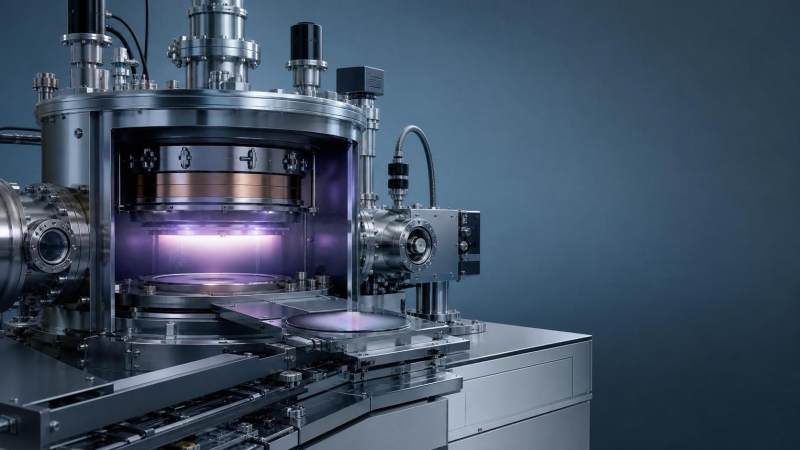
A sputtering deposition system sits at the center of many thin-film manufacturing lines because film performance depends on more than target material alone. Uniform conductivity, optical response, adhesion, and repeatability are all tied to process stability. In electronics, optics, energy devices, and advanced surface engineering, even small changes in plasma behavior or vacuum condition can shift film quality enough to affect yield, qualification, and downstream reliability.
That is why this topic continues to matter across the wider industrial landscape. A sputtering deposition system is not only a coating tool. It is a controlled environment where vacuum engineering, power delivery, gas flow, thermal management, contamination control, and metrology must work together. For organizations that compare equipment against ISO, SEMI, IEEE, or ASTM-aligned expectations, understanding those links is often more useful than reading nominal specifications in isolation.
What a sputtering deposition system actually does
In simple terms, sputtering uses energetic ions to eject atoms from a solid target. Those atoms travel through a low-pressure chamber and condense onto a substrate as a thin film.
The basic architecture is familiar: vacuum chamber, pumping train, gas delivery, cathode or magnetron, power supply, substrate holder, thermal controls, and process monitoring. Yet the quality outcome depends on how these elements interact under production conditions.
Direct current sputtering is common for conductive targets. RF sputtering is often used for insulating materials. Reactive sputtering adds gases such as oxygen or nitrogen to form compounds, but this also increases process complexity.
The phrase sputtering deposition system often appears in procurement and technical reviews as if all systems were broadly interchangeable. In practice, design choices around pumping speed, magnetron geometry, substrate motion, and control software create major differences in stability and usable process window.
Why process stability has direct impact on film quality
Film quality is usually described through thickness uniformity, composition, density, stress, adhesion, surface roughness, defect level, and electrical or optical performance. Every one of these attributes can drift when the process itself drifts.
Plasma instability is a common source of variation. Fluctuating discharge conditions change the sputter rate, ion energy, and angular distribution of the deposited species. That can alter both coating speed and microstructure.
Pressure control matters just as much. If chamber pressure shifts, mean free path changes. More scattering in the gas phase can reduce step coverage consistency, increase roughness, or change the balance between dense and porous growth.
Temperature is another hidden lever. Substrate heating, target heating, and chamber wall conditions influence adatom mobility and stress development. A stable recipe on paper may still produce inconsistent films if thermal conditions wander between runs.
Reactive processes add another layer. Target poisoning, hysteresis, and unstable gas feedback loops can quickly turn a promising coating process into one with poor repeatability. In those cases, a robust sputtering deposition system needs fast control response and reliable endpoint logic.
Typical variables linked to instability
- Base pressure that is too high for the material sensitivity
- Residual moisture, hydrocarbons, or backstreaming contamination
- Unstable mass flow control or poor gas distribution
- Power ripple, arcing, or inconsistent impedance matching
- Target erosion patterns that change the plasma profile over time
- Inadequate substrate fixturing, rotation, or thermal contact
Current industry attention points
The market is paying closer attention to thin-film consistency because coating quality now influences high-value product performance more directly. This is clear in semiconductors, photonics, displays, sensors, battery components, and engineered tools.
A second reason is qualification pressure. Global supply chains increasingly require process evidence, traceability, and benchmarkable metrics. Equipment selection now involves uptime, contamination risk, software logging, and serviceability, not just deposition rate.
This broader view aligns with how G-AIT approaches industrial technology benchmarking. Within vacuum and cryogenic engineering, the value lies in verified data, cross-sector comparison, and practical interpretation of standards. A sputtering deposition system can only be judged properly when system architecture and process behavior are assessed together.
There is also growing interest in how coating systems connect to adjacent technology domains. Machine vision supports defect inspection. Advanced materials programs depend on repeatable film properties. Export controls and patent activity can influence which target materials, subsystems, or sourcing routes remain feasible.
Where performance differences show up in practice
Not every application demands the same level of control. Still, the underlying logic is similar: the more sensitive the function of the coating, the more important process stability becomes.
From an evaluation standpoint, this means a sputtering deposition system should be matched to the coating objective. A platform designed for general metal films may not be suitable for tightly controlled multilayer optics or highly reactive ceramic compounds.
How to read system quality beyond brochure claims
Useful assessment starts with base pressure and leak integrity, but it should not stop there. Stable pumping and clean chamber recovery after maintenance often reveal more than headline vacuum numbers.
Power delivery deserves careful attention. Arc handling, plasma ignition consistency, and long-run output stability influence film repeatability directly. This is especially important in reactive sputtering or multi-cathode configurations.
Target utilization and erosion behavior also matter. Uneven erosion can distort deposition profiles and increase process drift over target life. A strong sputtering deposition system should maintain acceptable uniformity across that full consumption window.
Monitoring capability is another differentiator. Logging pressure, flow, power, substrate temperature, and deposition rate creates the basis for root-cause analysis. Without those records, repeatability claims are hard to verify.
Questions that sharpen comparison
- How stable is deposition rate over extended runs and target life?
- What contamination control measures are built into chamber design?
- How fast does the system recover to clean operating condition after opening?
- Which process data are logged automatically and exported cleanly?
- How is uniformity verified across different substrate sizes and materials?
- Which international test methods or customer protocols support the performance claims?
Practical interpretation for planning and benchmarking
In real projects, the best approach is to connect film requirements to process controls before comparing vendors or internal platform options. That avoids overvaluing features that do not affect the actual coating outcome.
A useful benchmark framework usually covers four layers: coating target, system capability, process evidence, and compliance context. This is where a multidisciplinary reference source becomes valuable, especially when vacuum engineering intersects with materials, inspection, and qualification workflows.
For example, film defects identified by optical inspection may point back to chamber cleanliness or gas instability. Patent activity around target materials may affect sourcing strategy. Export control changes may influence subsystem availability. A sputtering deposition system should therefore be evaluated as part of a broader industrial decision chain.
That broader lens reflects the role of G-AIT. Technical benchmarking is strongest when engineering data, standards awareness, and market intelligence are read together rather than treated as separate exercises.
What to examine next
A solid next step is to translate coating goals into measurable thresholds. Thickness tolerance, resistivity range, optical deviation, particle level, and acceptable drift over time should be defined early.
After that, compare each sputtering deposition system against the process window it can hold, not just the peak result it can demonstrate once. Long-run consistency, maintenance recovery, data traceability, and contamination discipline usually decide whether the platform performs reliably in production.
When those criteria are clear, decisions become more defensible. Film quality stops being a vague outcome and becomes a structured consequence of system design, process control, and evidence-backed benchmarking.
Related News
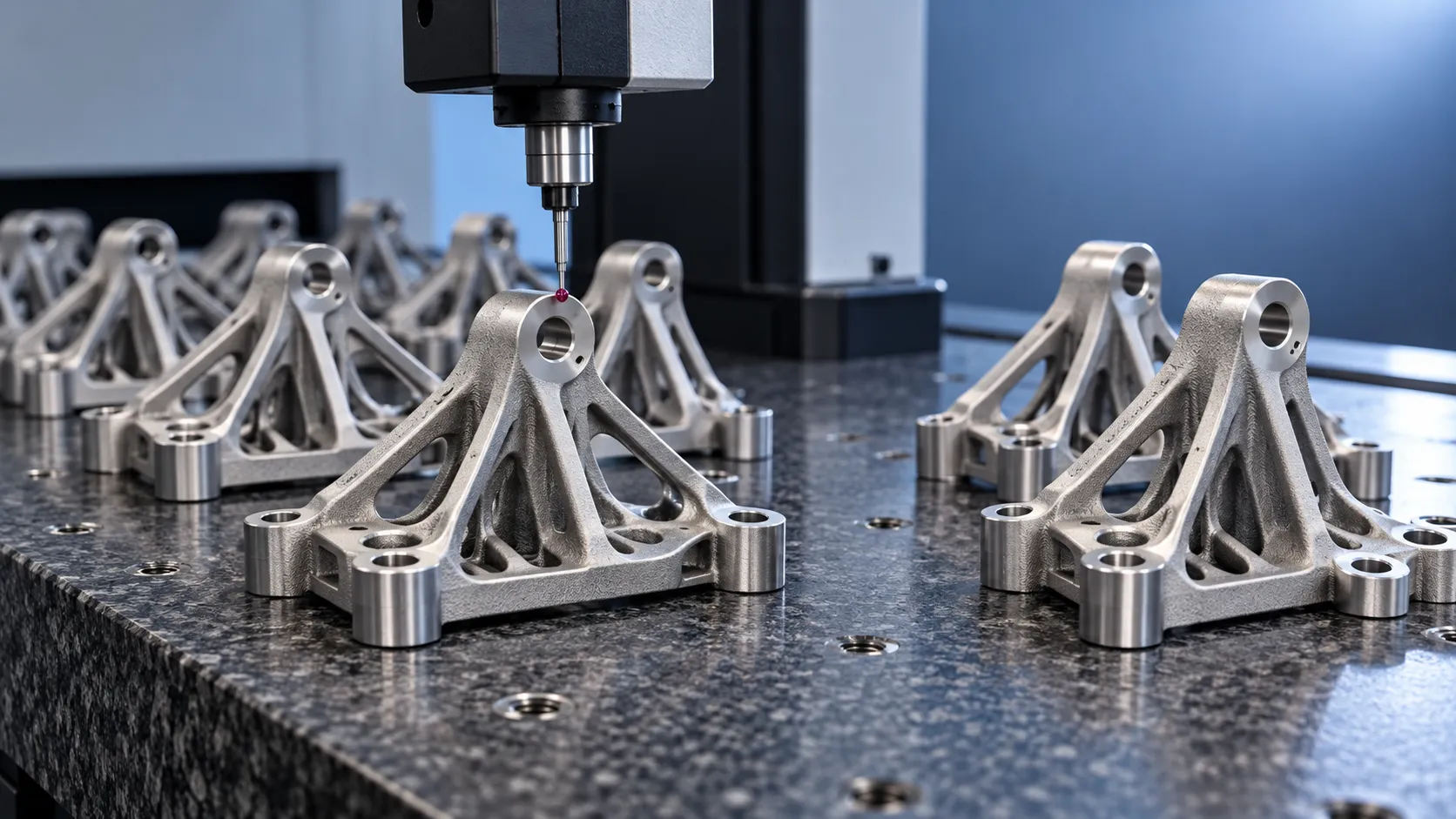
How to verify part consistency before choosing a 3D printing OEM
Choosing a 3D printing OEM? Learn how to verify part consistency with repeat-build trials, validated inspections, and traceability checks before committing to production.
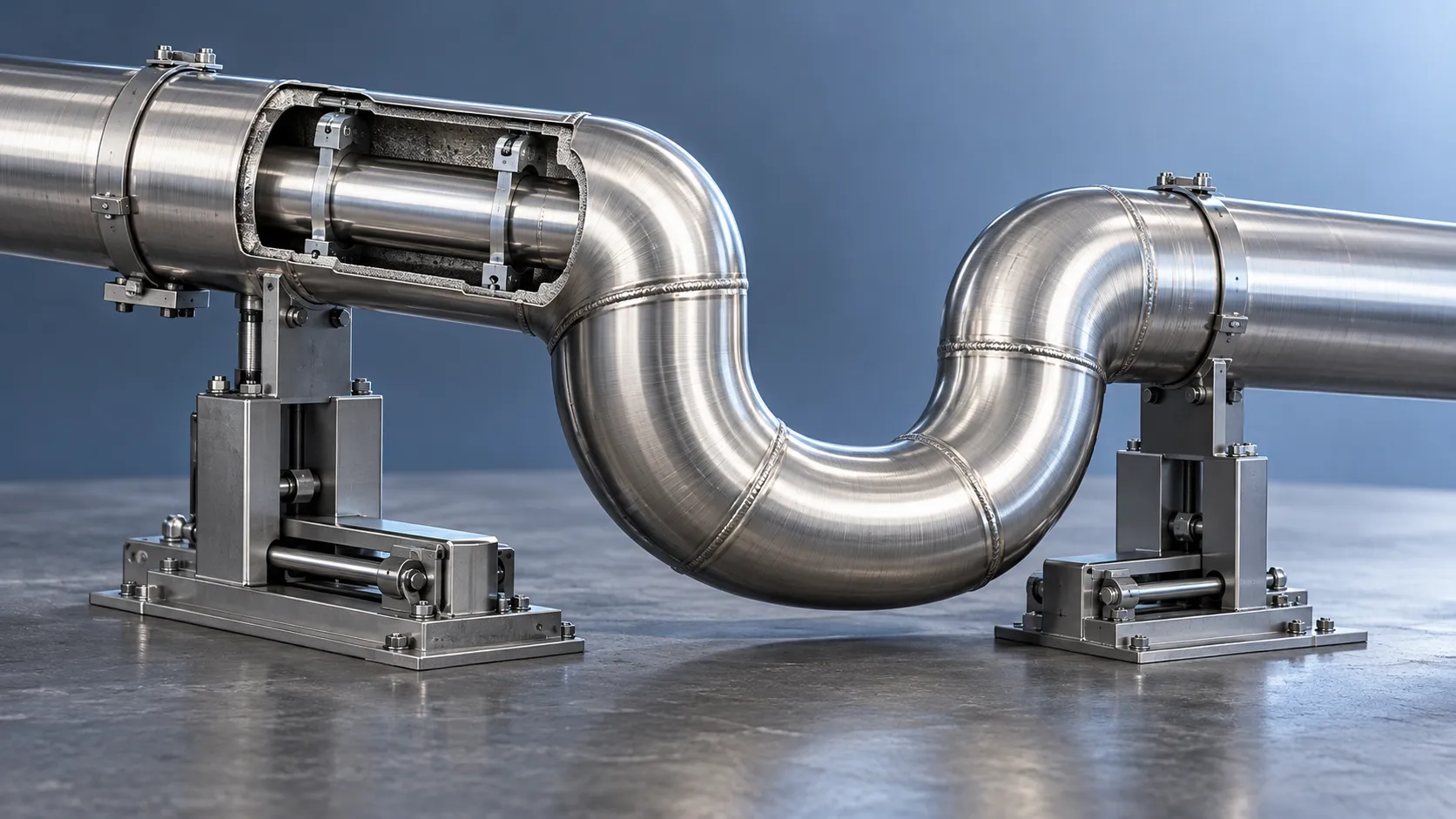
How does a rigid cryogenic transfer line handle thermal contraction?
Learn how a rigid cryogenic transfer line manages thermal contraction with bends, bellows, and guided supports. Discover key design checks for safe, reliable cryogenic performance.
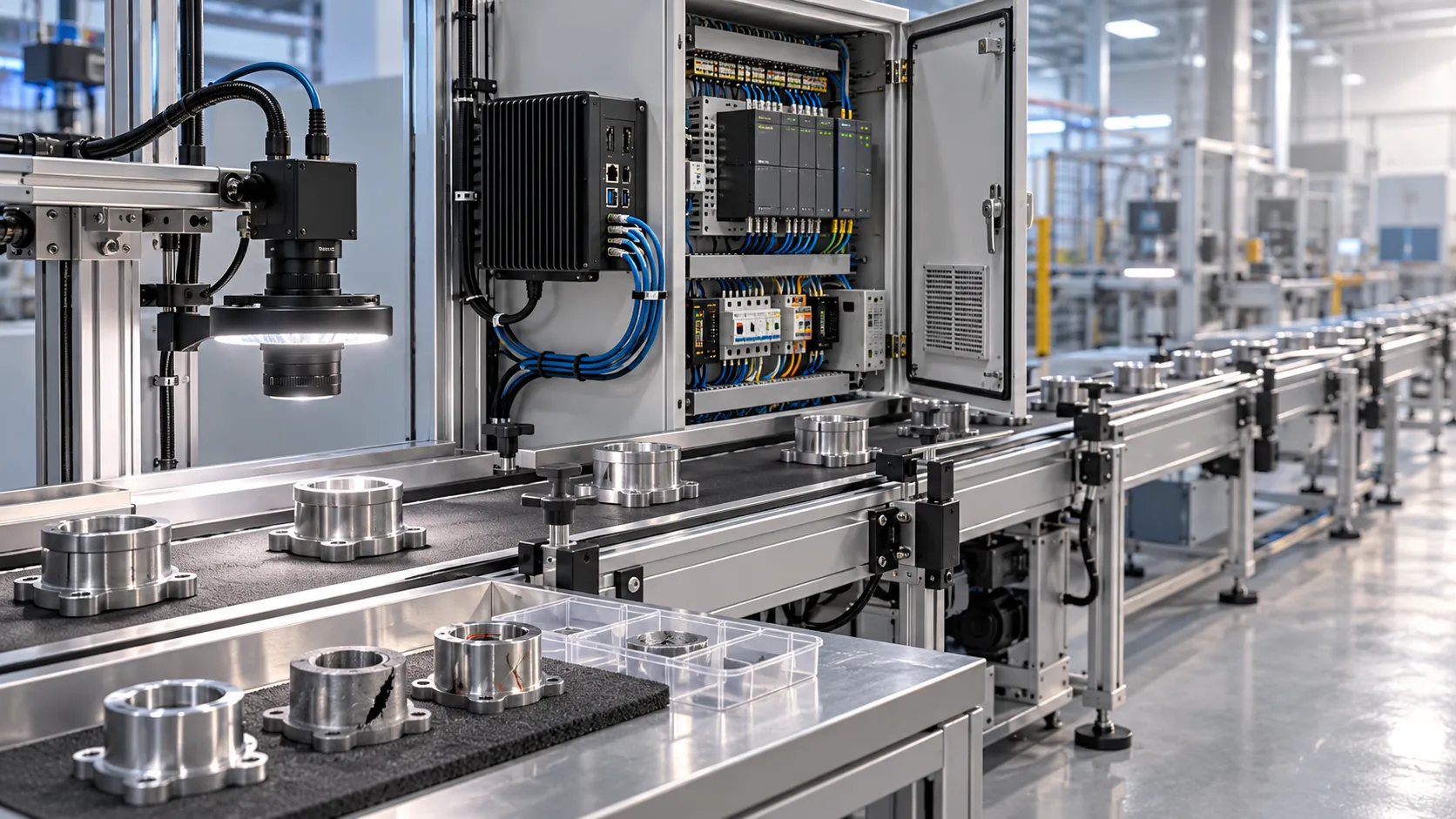
How much does edge vision deployment cost beyond the hardware?
Understand edge vision deployment cost beyond hardware, from data and integration to security and support. Uncover hidden expenses and build a smarter lifecycle budget before you scale.
How does the purity of sputtering targets affect thin-film quality?
Discover how sputtering targets affect thin-film quality. Learn to assess purity, identify harmful impurities, and choose specifications that improve coating performance.
How high power laser cladding systems control substrate dilution
Discover how high power laser cladding systems control substrate dilution through beam shaping, material feed, and thermal management to deliver reliable bonds and coating performance.

How to check HS codes for customs compliance in international logistics
Strengthen international logistics customs compliance: learn how to verify HS codes, check official tariffs, and document classifications to reduce costly shipment delays.
Choosing a 3D Printing Service for Consumer Products: Finish, Fit, and Cost
Compare 3d printing consumer good services by finish, fit, materials, and total cost. Learn how to choose a reliable supplier and avoid costly defects before ordering.
Which Consumer Goods Can Be 3D Printed, and What Are the Practical Limits?
Explore 3d printing consumer goods, from custom eyewear to replacement parts. Discover practical limits on materials, safety, and costs to make smarter production decisions.
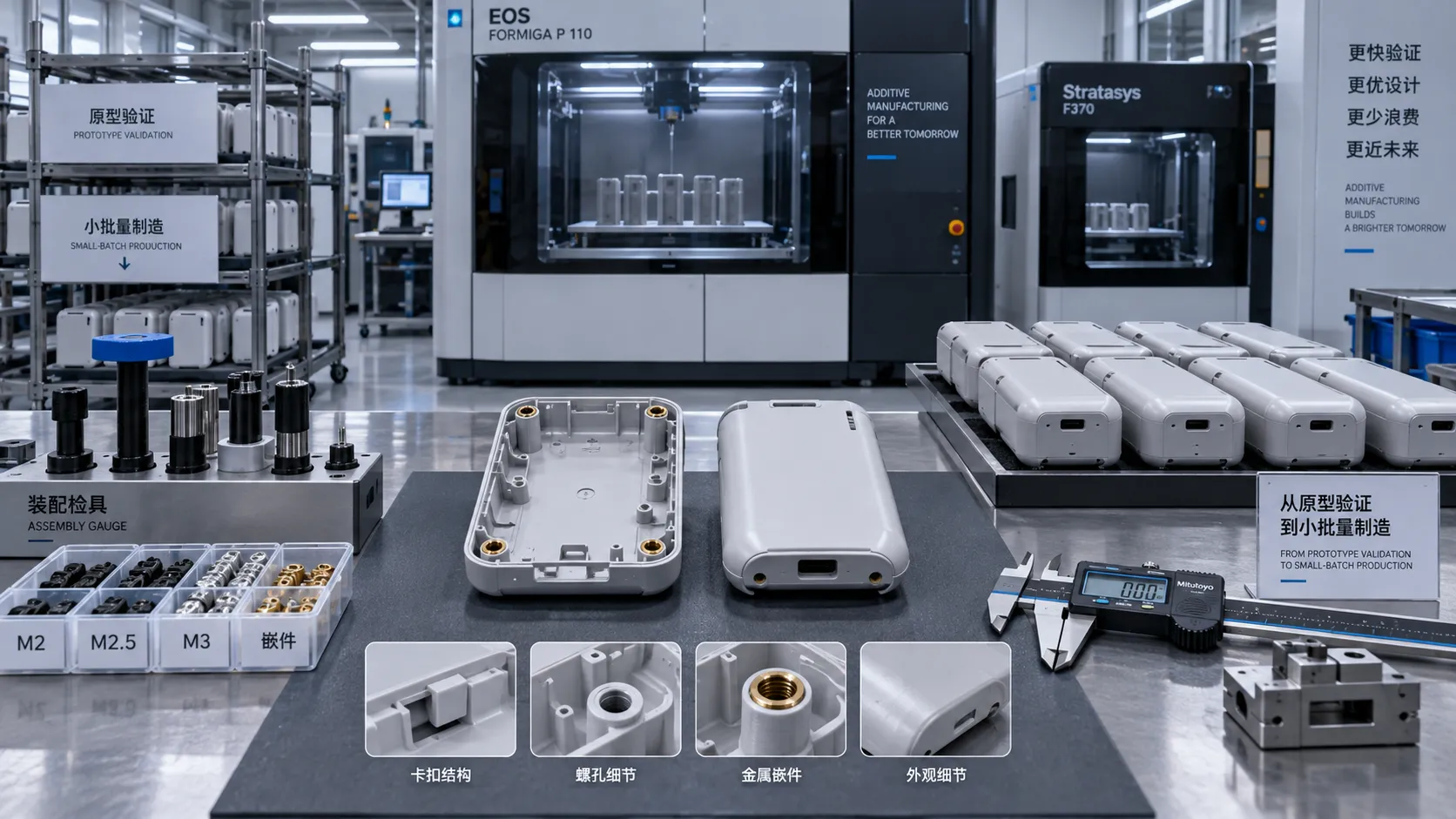
From Prototype to Small Batch: Applying 3D Printing to Consumer Goods
Explore 3d printing in consumer goods: learn how to move from prototype to small-batch production with practical guidance on materials, quality validation, and cost control.
Related News
- 00
0000-00
How to verify part consistency before choosing a 3D printing OEM - 00
0000-00
How does a rigid cryogenic transfer line handle thermal contraction? - 00
0000-00
How much does edge vision deployment cost beyond the hardware? - 00
0000-00
How does the purity of sputtering targets affect thin-film quality? - 00
0000-00
How high power laser cladding systems control substrate dilution
Dr. Elena Carbon
Weekly Insights
Stay ahead with our curated technology reports delivered every Monday.