
Machine Vision Price Breakdown: What Drives Total System Cost?

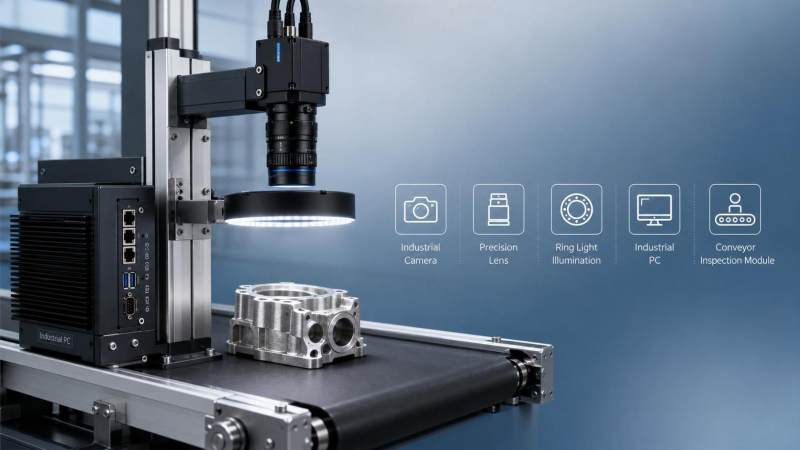
Machine Vision Price Breakdown: What Drives Total System Cost?
Machine Vision price is rarely defined by the camera alone.
That assumption still causes weak budgeting and avoidable approval delays.
In practice, total cost depends on optics, lighting, software, integration, validation, and lifecycle support.
For cost review, the real issue is not sticker price.
It is whether the proposed system will deliver stable inspection performance without hidden downstream spending.
This is where many quotes look competitive at first, then become expensive during installation or scale-up.
A clearer Machine Vision price breakdown helps capital decisions stay tied to measurable production value.
Why Machine Vision Price Varies So Much
Two systems can look similar on paper and still carry very different total system cost.
The difference usually starts with inspection difficulty.
A basic presence check is not priced like micron-level metrology or reflective surface inspection.
Part speed, defect size, traceability needs, and environmental stability also change the budget profile.
More importantly, a low initial Machine Vision price can mask future engineering labor.
That labor often appears as tuning time, false reject correction, or repeated line stoppage during commissioning.
Core factors behind cost differences
- Inspection complexity and tolerance requirements
- Camera resolution, frame rate, and sensor type
- Lens quality, field of view, and depth constraints
- Lighting design for contrast, glare control, and repeatability
- AI software, rule-based tools, and licensing terms
- Mechanical integration and line communication
- Validation, documentation, training, and support obligations
The Main Cost Buckets in a Machine Vision Price Quote
A useful quote should separate hardware, software, engineering, and after-sales cost.
When these items are blended together, comparison becomes difficult and approval risk goes up.
1. Cameras and image sensors
The camera is visible, but it is rarely the largest long-term cost driver.
Still, sensor choice directly affects Machine Vision price and performance ceiling.
Higher resolution, global shutter design, line scan architecture, and 3D capability raise equipment cost.
In regulated or high-speed production, those features may be necessary rather than optional.
2. Optics and lenses
Optics are often underestimated during cost review.
Poor lens selection can erase the value of an expensive sensor.
Telecentric lenses, low-distortion optics, and rugged industrial housings significantly influence total Machine Vision price.
They also reduce recalibration needs and improve consistency across shifts.
3. Lighting and illumination control
Lighting design is one of the biggest hidden cost drivers.
Backlights, dome lights, coaxial lights, strobes, and custom illumination all change the quote.
This part matters most with reflective metals, transparent films, textured composites, and mixed-color packaging.
A realistic Machine Vision price must include lighting controllers, mounting, shielding, and maintenance access.
4. Processing hardware and software
The next layer is computing and inspection logic.
Some applications run on embedded smart cameras.
Others need industrial PCs, GPUs, edge servers, or centralized data pipelines.
Licensing structure matters here.
Per-seat, per-line, annual subscription, and AI training fees can reshape Machine Vision price over three to five years.
5. Mechanical integration and controls
Mounts, brackets, enclosures, conveyors, reject stations, and safety interfaces are not minor details.
They determine whether the inspection system survives real production conditions.
If proposal scope is vague here, total Machine Vision price is likely understated.
Where Budget Overruns Usually Happen
From recent procurement patterns, overruns rarely start with listed hardware cost.
They usually come from undefined engineering scope.
That includes sample variation, line vibration, unstable lighting, software retraining, and factory communication changes.
Another common issue is data handling.
Image storage, audit trails, cybersecurity, and MES or PLC integration often arrive after initial approval.
How to Evaluate Machine Vision Price Beyond the Quote
A lower quote is only useful if it holds under operating conditions.
This means the review process must test assumptions, not just totals.
Questions that improve cost accuracy
- What defect types were used to build the quoted inspection method?
- Is the quoted Machine Vision price based on lab samples or live production data?
- What false reject and false accept rates are contractually defined?
- Which software functions are perpetual, and which require annual payment?
- What happens if product format changes within twelve months?
- Which spare parts and training hours are included?
- Who owns acceptance risk if production lighting or vibration changes?
These questions do more than challenge suppliers.
They turn Machine Vision price comparison into a structured cost-of-ownership review.
Comparing CapEx and Long-Term Operating Cost
For approval decisions, capex is only the first checkpoint.
Operating cost can become more important after year one.
This is especially true in multi-line deployments or multinational production networks.
A slightly higher Machine Vision price may still be the better investment.
That happens when the platform supports faster recipe changes, centralized monitoring, and lower service intervention.
It also matters when vendor documentation meets ISO, SEMI, IEEE, or ASTM-aligned validation expectations.
Typical ownership cost elements
- Annual software fees
- Operator and maintenance training
- Replacement lights and spare cameras
- Remote diagnostics and onsite service
- Changeover engineering for new SKUs
- Data storage and cybersecurity support
- Downtime risk from unstable detection performance
A Practical Way to Approve Machine Vision Price With Less Risk
A disciplined approval process starts with scope clarity.
Define the part family, defect library, throughput, environmental conditions, and reporting obligations first.
Then review Machine Vision price against expected yield protection, labor reduction, scrap avoidance, and traceability value.
The strongest proposals usually share three traits.
- They show clear hardware and software line items
- They define acceptance metrics before installation
- They explain how cost changes if the application scales
That last point is increasingly important.
A system that works for one line may become expensive when copied across ten facilities.
So the best Machine Vision price is not the smallest number.
It is the cost structure that remains predictable as operational demands grow.
In real procurement work, that predictability is what protects budget integrity.
Use the quote as a starting point, but approve only after total system cost is visible, testable, and commercially defensible.
Related News
How to verify part consistency before choosing a 3D printing OEM
Choosing a 3D printing OEM? Learn how to verify part consistency with repeat-build trials, validated inspections, and traceability checks before committing to production.
How does a rigid cryogenic transfer line handle thermal contraction?
Learn how a rigid cryogenic transfer line manages thermal contraction with bends, bellows, and guided supports. Discover key design checks for safe, reliable cryogenic performance.
How much does edge vision deployment cost beyond the hardware?
Understand edge vision deployment cost beyond hardware, from data and integration to security and support. Uncover hidden expenses and build a smarter lifecycle budget before you scale.
How does the purity of sputtering targets affect thin-film quality?
Discover how sputtering targets affect thin-film quality. Learn to assess purity, identify harmful impurities, and choose specifications that improve coating performance.
How high power laser cladding systems control substrate dilution
Discover how high power laser cladding systems control substrate dilution through beam shaping, material feed, and thermal management to deliver reliable bonds and coating performance.
How to check HS codes for customs compliance in international logistics
Strengthen international logistics customs compliance: learn how to verify HS codes, check official tariffs, and document classifications to reduce costly shipment delays.
Choosing a 3D Printing Service for Consumer Products: Finish, Fit, and Cost
Compare 3d printing consumer good services by finish, fit, materials, and total cost. Learn how to choose a reliable supplier and avoid costly defects before ordering.
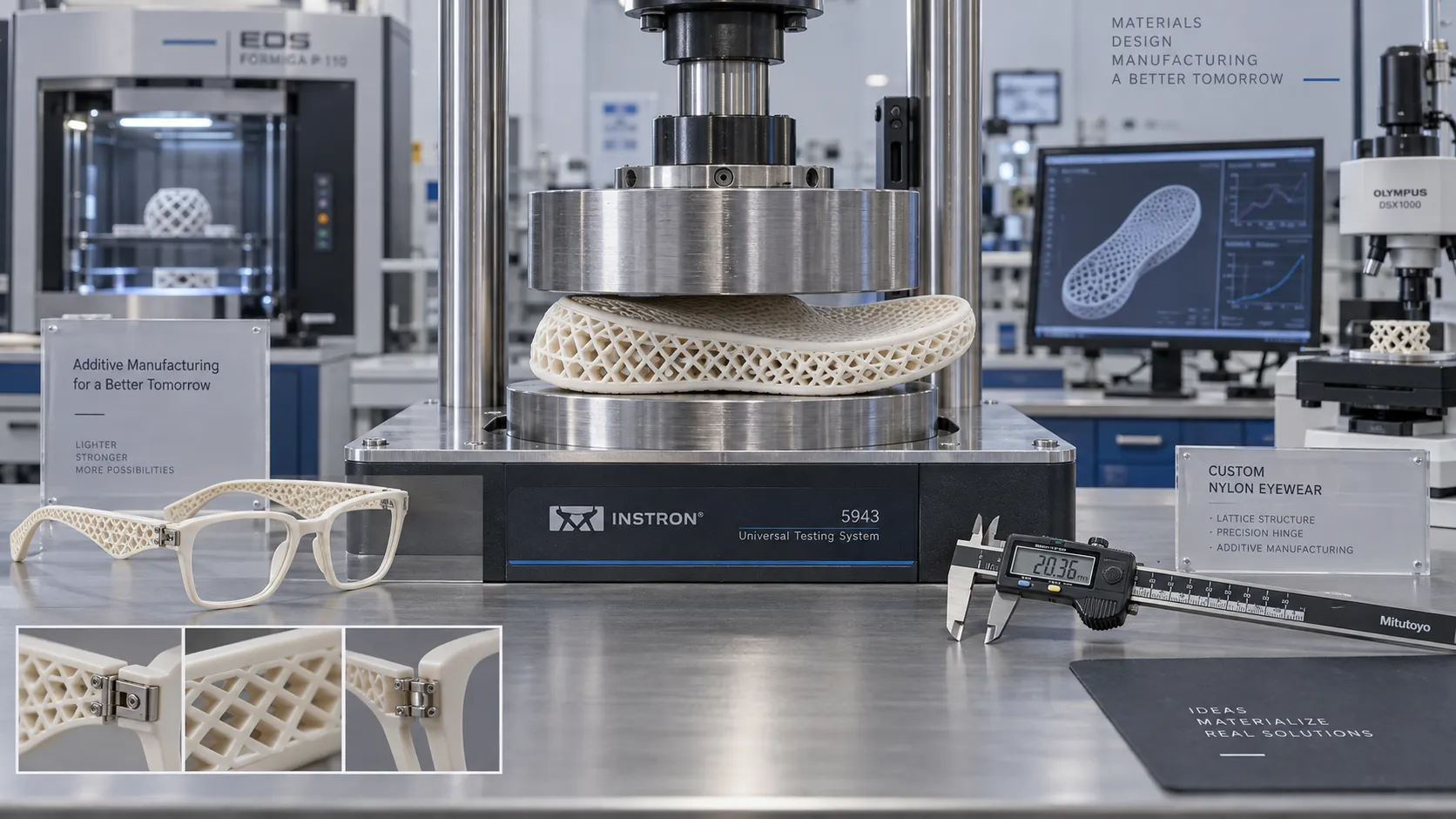
Which Consumer Goods Can Be 3D Printed, and What Are the Practical Limits?
Explore 3d printing consumer goods, from custom eyewear to replacement parts. Discover practical limits on materials, safety, and costs to make smarter production decisions.
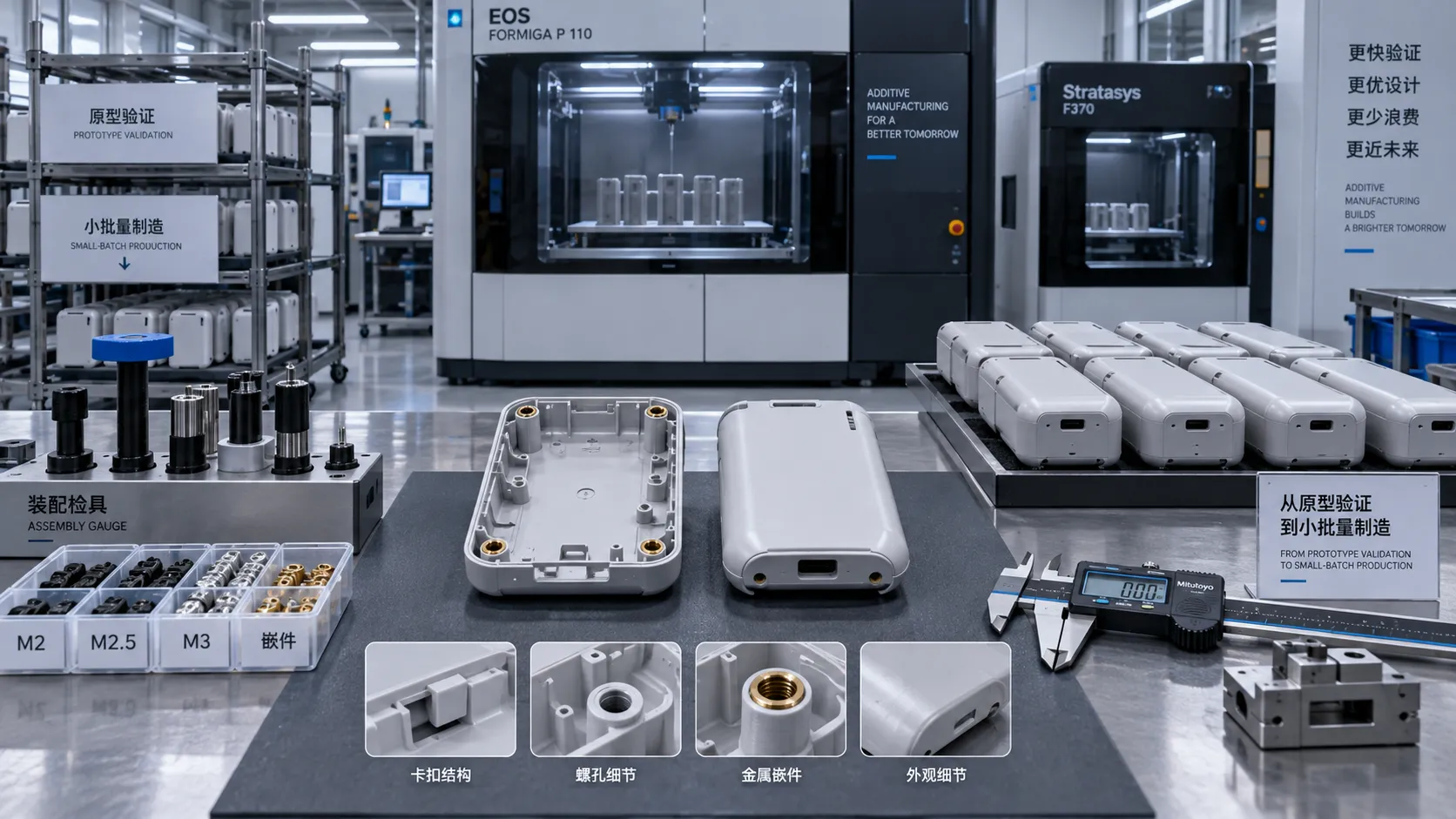
From Prototype to Small Batch: Applying 3D Printing to Consumer Goods
Explore 3d printing in consumer goods: learn how to move from prototype to small-batch production with practical guidance on materials, quality validation, and cost control.
Related News
- 00
0000-00
How to verify part consistency before choosing a 3D printing OEM - 00
0000-00
How does a rigid cryogenic transfer line handle thermal contraction? - 00
0000-00
How much does edge vision deployment cost beyond the hardware? - 00
0000-00
How does the purity of sputtering targets affect thin-film quality? - 00
0000-00
How high power laser cladding systems control substrate dilution
Dr. Victor Gear
Weekly Insights
Stay ahead with our curated technology reports delivered every Monday.