
2026 Export Trade News: Key Risks to Watch


As global supply chains enter 2026, export trade news is becoming a critical signal for enterprise decision-makers facing shifting controls, tariff volatility, sanctions exposure, and technology compliance risks. For advanced industrial sectors—from laser processing and additive manufacturing to machine vision, graphene materials, and vacuum engineering—the margin for error is shrinking. This article highlights the key trade risks executives should monitor, helping procurement leaders, manufacturers, and R&D-driven organizations protect cross-border operations, evaluate supplier resilience, and align strategic decisions with emerging regulatory and market realities.
Why export trade news matters more for industrial decisions in 2026
For enterprise leaders, export trade news is no longer a background update from logistics teams. It now shapes capital planning, supplier approval, market entry, and technology roadmaps.
Advanced industrial buyers face a sharper challenge because equipment, materials, software, and inspection systems may fall under overlapping technical, customs, and security requirements.
- A multi-kilowatt fiber laser may require review of end-use restrictions, power specifications, control software, and destination market rules.
- A metal additive manufacturing system may involve powder traceability, controlled process parameters, aerospace qualification, and dual-use concerns.
- A machine vision platform with AI inspection may trigger scrutiny around imaging capability, embedded chips, and data transfer practices.
- Graphene, nano-materials, vacuum pumps, and cryogenic components may be affected by material origin, purity, and high-performance application controls.
This is why export trade news should be integrated into procurement governance, not treated as a final-stage shipment issue after contracts are signed.
Key risk signals executives should track in export trade news
The most useful export trade news is not just about headline tariffs. It helps teams identify which decision may fail, delay, or become more expensive.
The table below maps common 2026 risk signals to operational exposure for advanced industrial buyers and technology suppliers.
A disciplined reading of export trade news turns uncertainty into a management dashboard. The goal is not prediction perfection, but earlier risk recognition.
From headlines to board-level questions
Executives should ask whether a trade update affects revenue timing, production continuity, customer qualification, intellectual property exposure, or the feasibility of a technical specification.
Where advanced industrial sectors face the highest exposure
Export trade news affects industries differently. A generic risk register is rarely enough for companies buying precision equipment or supplying high-value industrial technology.
G-AIT focuses on five industrial pillars where technical performance and regulatory foresight must be assessed together before cross-border commitments are made.
- Industrial laser processing: watch beam power, wavelength, motion control, software capability, and industrial end-use documentation.
- 3D printing and additive manufacturing: review metal powders, build envelope, process repeatability, aerospace applications, and data file protection.
- Machine vision and optical inspection: assess sensor resolution, AI integration, semiconductor use cases, and cross-border inspection data flows.
- Graphene and nano-materials: verify purity, morphology, application field, safety documentation, and material origin transparency.
- Vacuum and cryogenic engineering: examine UHV capability, leak rate, temperature range, cleanroom compatibility, and semiconductor-related deployment.
In these fields, export trade news must be interpreted with engineering context. A small classification difference can change licensing, delivery, or customer acceptance.
Procurement checklist: what to verify before signing cross-border contracts
Procurement teams often receive export trade news too late, after technical selection and budget approval. In 2026, verification should begin before final supplier nomination.
The following selection table helps decision-makers connect trade risk with supplier due diligence, technical benchmarking, and commercial protection.
This checklist reduces subjective supplier claims. It gives procurement, legal, engineering, and finance teams a shared basis for approving strategic purchases.
When should a buyer pause a purchase?
A pause is sensible when export trade news points to pending investigations, unclear end-use language, disputed origin, unusually vague technical documents, or payment channel uncertainty.
Cost risks beyond tariffs: the hidden budget impact
Many executives associate export trade news with tariff percentages. In practice, cost impact often comes from delays, redesign, compliance work, and supplier replacement.
A lower purchase price can become expensive if the chosen configuration creates customs inspection risk, certification gaps, or repeated commissioning delays.
- Model landed cost with duties, freight changes, insurance, warehousing, testing, and potential demurrage during customs review.
- Compare standard configurations against customized versions that may alter export classification or extend documentation review.
- Budget for third-party inspection, calibration verification, and translation of technical evidence for destination-market acceptance.
- Create a reserve for component substitution when trade restrictions affect drives, sensors, lasers, chips, powders, or vacuum components.
The best response is not always switching suppliers. Sometimes it is selecting a more transparent architecture, a modular configuration, or a phased delivery plan.
Compliance and standards: turning trade uncertainty into technical governance
Compliance teams need export trade news, but engineering teams must translate it into measurable requirements. Without that bridge, organizations overreact or underprepare.
The table below shows how trade, standards, and technical documentation can be aligned for complex industrial procurement.
When export trade news is converted into evidence requirements, companies can avoid vague compliance debates and make faster, better-documented purchasing decisions.
How G-AIT supports better risk-based industrial decisions
G-AIT operates as a multidisciplinary B2B intelligence hub for advanced industrial technology, connecting technical benchmarking with regulatory and commercial intelligence.
For enterprise decision-makers, this matters because export trade news must be read alongside product capability, reliability evidence, tenders, patents, and standards.
- Benchmark industrial systems against practical standards such as ISO, SEMI, IEEE, and ASTM where applicable to the technology category.
- Compare technical parameters for lasers, additive manufacturing platforms, optical inspection systems, nano-materials, and UHV equipment.
- Monitor export control updates, project tenders, and patent landscapes that may influence sourcing strategy or supplier negotiation.
- Support procurement directors and R&D organizations with verifiable data rather than promotional claims or isolated supplier statements.
This integrated approach helps companies avoid two common extremes: excessive caution that blocks innovation, and aggressive sourcing that ignores compliance exposure.
What a risk review should include
A practical review should cover product classification, destination rules, supplier resilience, standards evidence, delivery route, payment feasibility, after-sales support, and alternatives.
Implementation roadmap for 2026 trade-risk monitoring
Export trade news becomes valuable only when it changes workflow. Enterprises should define who watches signals, who interprets them, and who approves action.
- Map critical technologies: identify components, equipment, materials, and software that could face export control or certification scrutiny.
- Define risk thresholds: decide which news events require legal review, supplier requalification, cost recalculation, or executive escalation.
- Connect departments: ensure procurement, engineering, compliance, finance, and logistics use the same evidence and decision record.
- Reassess before milestones: review export trade news before contract signing, shipment booking, customs declaration, installation, and final acceptance.
This roadmap prevents fragmented decisions. It also helps enterprises defend choices during audits, customer reviews, and internal investment committee discussions.
FAQ: common executive questions about export trade news
How often should decision-makers review export trade news?
Monthly reviews may be enough for low-risk categories, but strategic industrial purchases need milestone-based checks. Review updates before quotation, contract, shipment, and commissioning.
Is tariff risk more important than export control risk?
Not always. Tariffs affect cost, while export controls may stop delivery or restrict service. For advanced systems, control risk can be more disruptive.
What documents reduce uncertainty in cross-border procurement?
Useful documents include technical specifications, standards references, inspection records, intended-use statements, component origin information, software access rules, and supplier compliance declarations.
Can export trade news influence product configuration?
Yes. Power level, sensor resolution, materials, software modules, and end-use application may change classification, documentation needs, lead time, or customer approval.
Why choose G-AIT for trade-risk intelligence and industrial benchmarking
In 2026, export trade news will continue to influence equipment availability, project timing, supplier credibility, and international technology collaboration.
G-AIT helps enterprise decision-makers connect those signals with verifiable engineering data across laser processing, additive manufacturing, machine vision, graphene materials, and vacuum engineering.
Organizations can consult G-AIT for parameter confirmation, supplier comparison, product selection, delivery-cycle risk review, certification evidence, tender intelligence, and customized technical benchmarking.
If your team is evaluating a cross-border industrial purchase, reviewing a supplier shortlist, or preparing a compliance-sensitive project, use export trade news as an early warning system. G-AIT can support structured analysis before cost, schedule, or regulatory pressure becomes harder to control.
- export trade news
- manufacturing
- sensors
- HS code
- semiconductor
- Industrial Laser Processing
- 3D Printing
- Additive Manufacturing
- Machine Vision
- Optical Inspection
- Graphene Materials
- Vacuum Engineering
- Cryogenic Engineering
- Industrial Benchmarking
- Technical Specifications
- Export Control
- Technical Benchmarking
- export trade news
- manufacturing
- sensors
- HS code
- semiconductor
- Industrial Laser Processing
- 3D Printing
- Additive Manufacturing
- Machine Vision
- Optical Inspection
- Graphene Materials
- Vacuum Engineering
- Cryogenic Engineering
- Industrial Benchmarking
- Technical Specifications
- Export Control
- Technical Benchmarking
Related News

How to verify part consistency before choosing a 3D printing OEM
Choosing a 3D printing OEM? Learn how to verify part consistency with repeat-build trials, validated inspections, and traceability checks before committing to production.
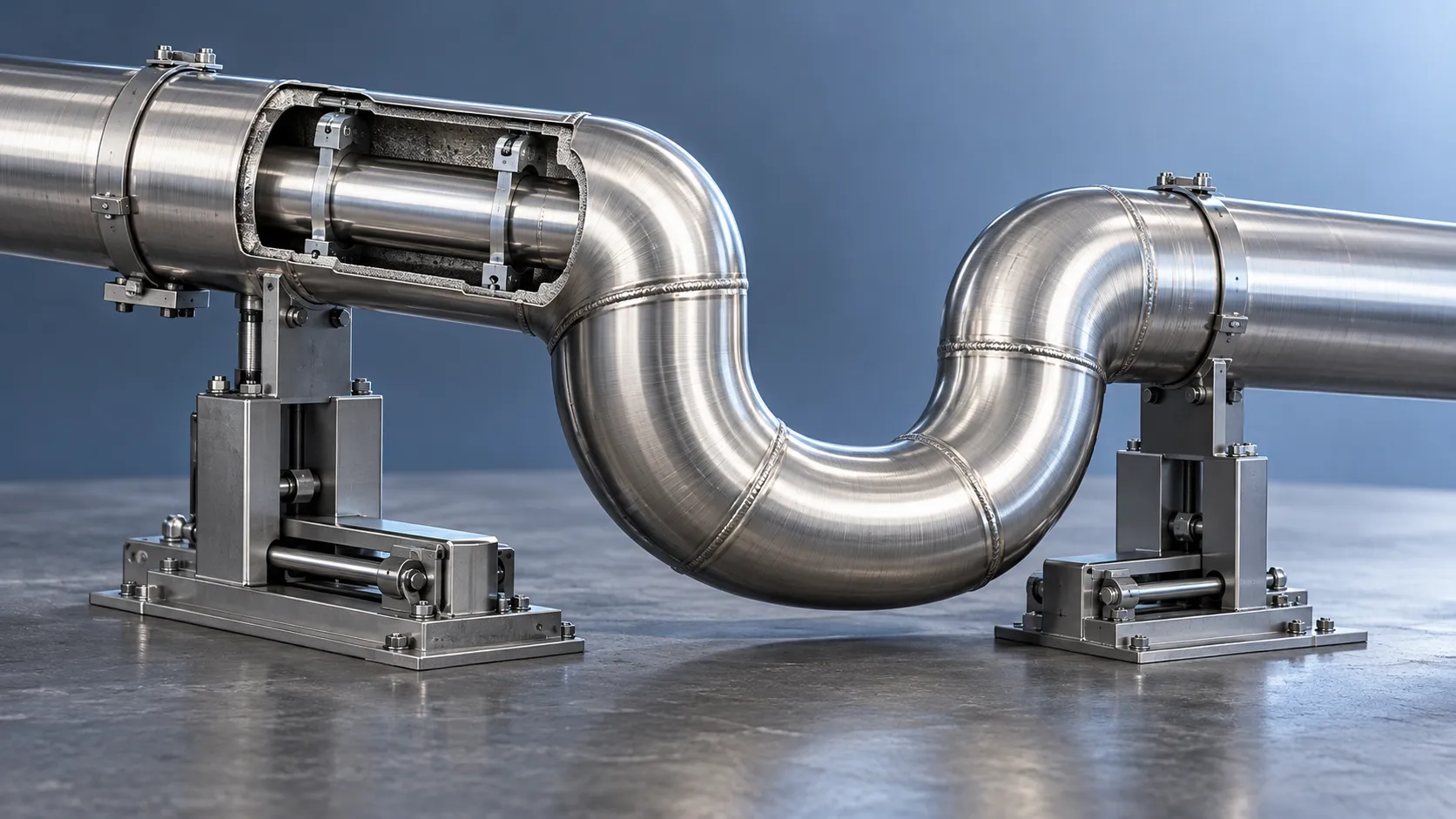
How does a rigid cryogenic transfer line handle thermal contraction?
Learn how a rigid cryogenic transfer line manages thermal contraction with bends, bellows, and guided supports. Discover key design checks for safe, reliable cryogenic performance.

How much does edge vision deployment cost beyond the hardware?
Understand edge vision deployment cost beyond hardware, from data and integration to security and support. Uncover hidden expenses and build a smarter lifecycle budget before you scale.

How does the purity of sputtering targets affect thin-film quality?
Discover how sputtering targets affect thin-film quality. Learn to assess purity, identify harmful impurities, and choose specifications that improve coating performance.

How high power laser cladding systems control substrate dilution
Discover how high power laser cladding systems control substrate dilution through beam shaping, material feed, and thermal management to deliver reliable bonds and coating performance.
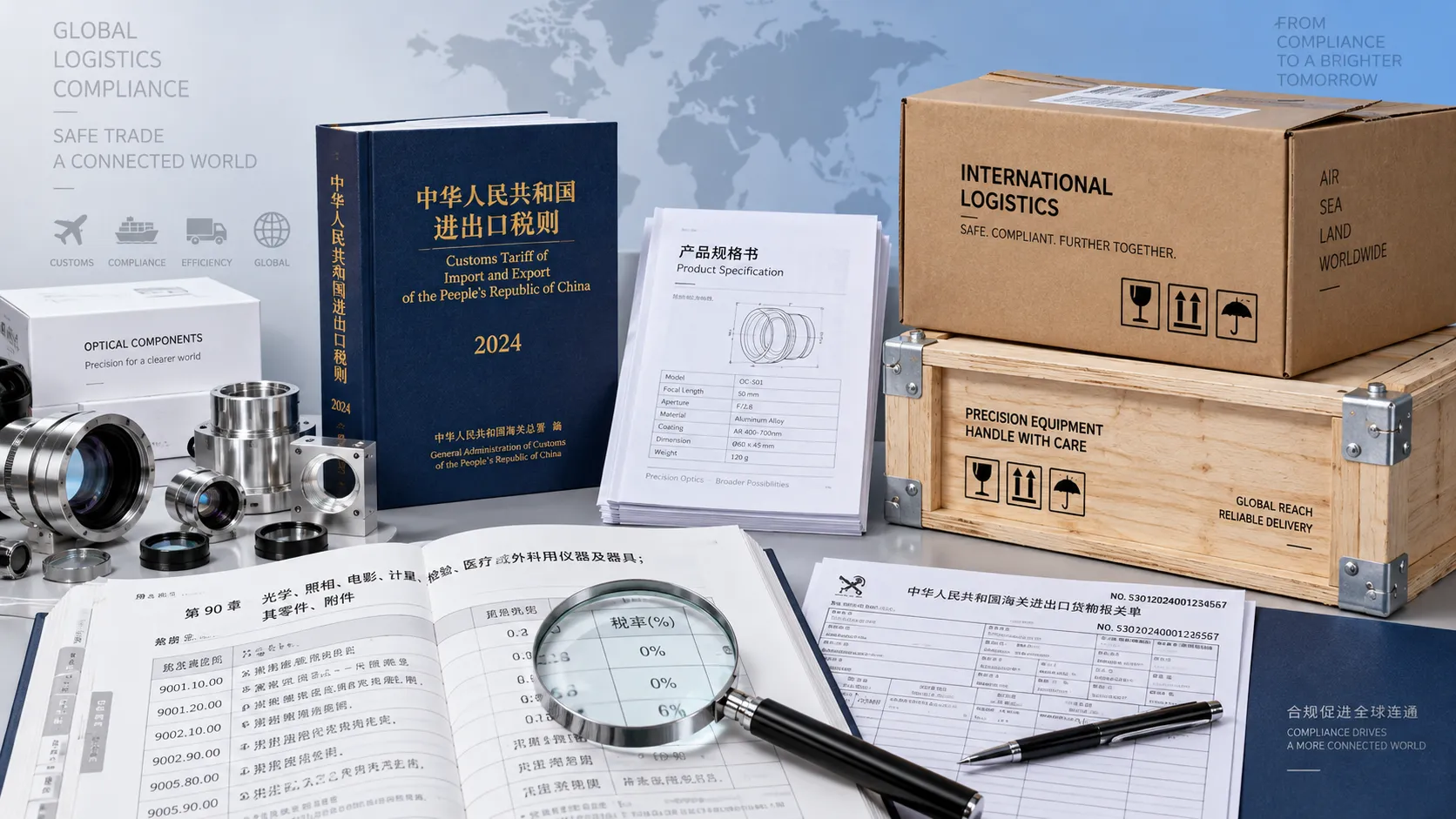
How to check HS codes for customs compliance in international logistics
Strengthen international logistics customs compliance: learn how to verify HS codes, check official tariffs, and document classifications to reduce costly shipment delays.
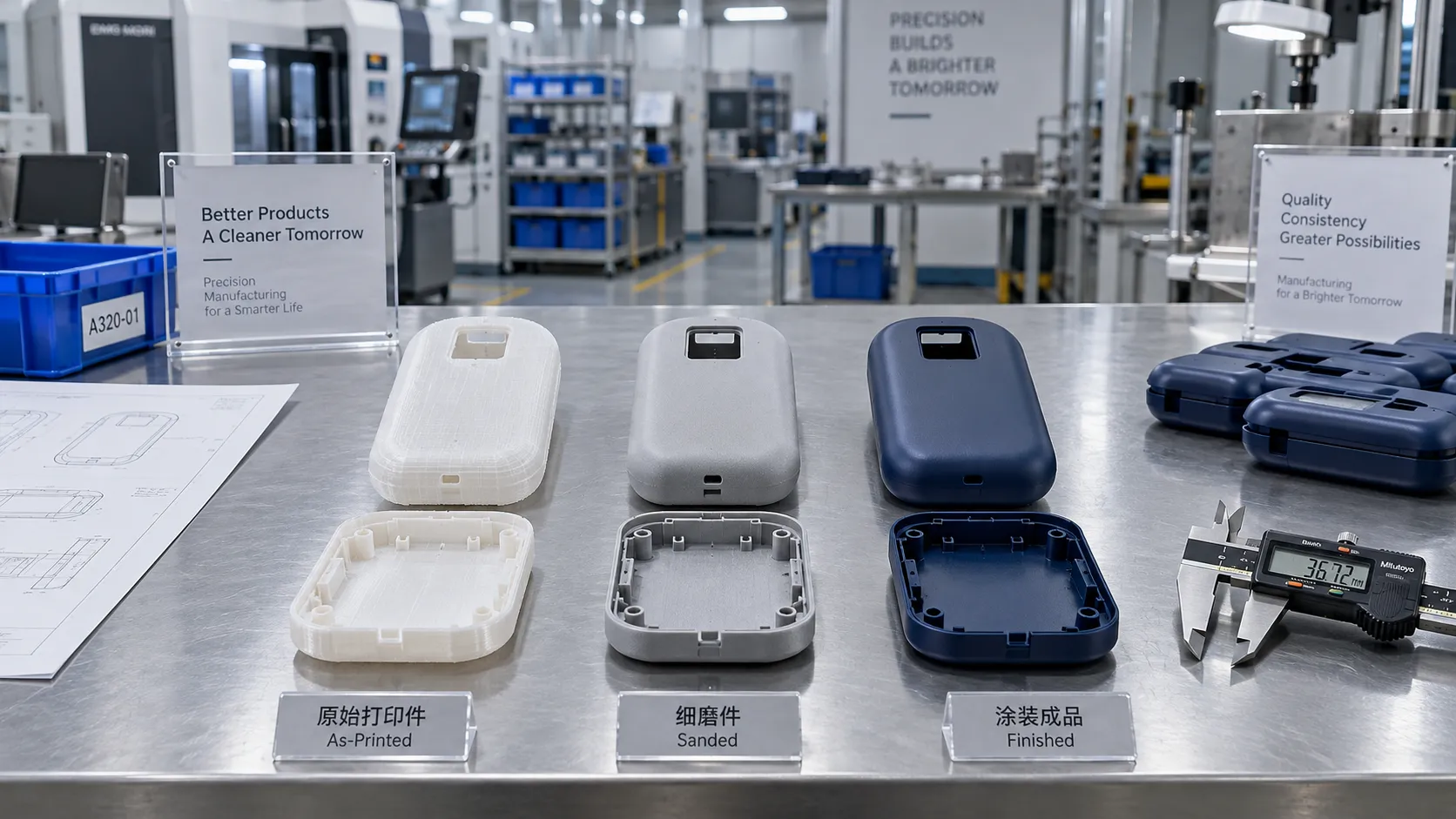
Choosing a 3D Printing Service for Consumer Products: Finish, Fit, and Cost
Compare 3d printing consumer good services by finish, fit, materials, and total cost. Learn how to choose a reliable supplier and avoid costly defects before ordering.

Which Consumer Goods Can Be 3D Printed, and What Are the Practical Limits?
Explore 3d printing consumer goods, from custom eyewear to replacement parts. Discover practical limits on materials, safety, and costs to make smarter production decisions.

From Prototype to Small Batch: Applying 3D Printing to Consumer Goods
Explore 3d printing in consumer goods: learn how to move from prototype to small-batch production with practical guidance on materials, quality validation, and cost control.
Related News
- 00
0000-00
How to verify part consistency before choosing a 3D printing OEM - 00
0000-00
How does a rigid cryogenic transfer line handle thermal contraction? - 00
0000-00
How much does edge vision deployment cost beyond the hardware? - 00
0000-00
How does the purity of sputtering targets affect thin-film quality? - 00
0000-00
How high power laser cladding systems control substrate dilution
Dr. Hideo Tanaka
Weekly Insights
Stay ahead with our curated technology reports delivered every Monday.