
2026 Policy and Regulation Updates Shaping Industrial Laser Compliance

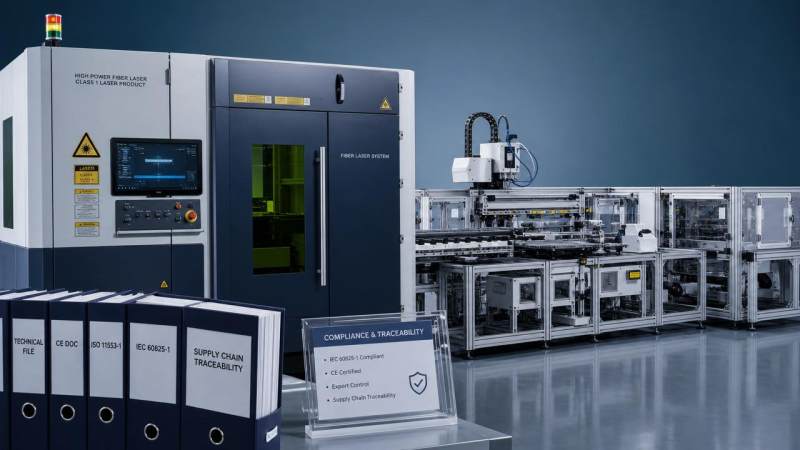
Industrial laser compliance is entering a more strategic phase in 2026. The latest policy and regulation updates are no longer limited to lab safety or equipment labeling. They now shape sourcing decisions, export viability, factory certification, and even the timing of capital investment across advanced manufacturing programs.
That shift matters because industrial lasers sit at the intersection of production performance, worker protection, digital traceability, and geopolitical control. A multi-kilowatt fiber laser may be judged not only by output, beam quality, or uptime, but also by how cleanly it fits evolving rules tied to safety, customs, dual-use technology, and supply chain transparency.
Across the broader industrial landscape, these policy and regulation updates are becoming a board-level consideration. They influence whether a system can be deployed in one region, integrated into a validated production line, or transferred across borders without disrupting contracts, qualification plans, or customer commitments.
Why 2026 marks a turning point
Industrial laser markets have matured beyond standalone machine comparisons. Compliance now extends across the full operating chain, from component origin and software controls to enclosure design, emissions management, service documentation, and post-installation monitoring.
In 2026, policy and regulation updates are expected to tighten in several connected areas. Export control authorities are refining dual-use screening. Workplace safety frameworks are moving toward more auditable risk controls. Product conformity regimes are demanding stronger technical files and clearer accountability.
More importantly, these shifts are converging. A compliance issue in one jurisdiction can now trigger delays in financing, insurance review, logistics clearance, or customer site acceptance elsewhere. What used to be a legal checkpoint is becoming an operational dependency.
What industrial laser compliance now includes
The phrase “industrial laser compliance” covers more than adherence to one standard. In practice, it means proving that a laser system can be sold, shipped, installed, operated, serviced, and upgraded under applicable rules without creating avoidable legal or technical exposure.
That usually involves a layered set of obligations. Some are technical, such as protective housing, interlock design, beam containment, and optical hazard labeling. Others are documentary, including conformity declarations, calibration records, software version control, and supplier traceability.
There is also a commercial layer. Certain policy and regulation updates affect whether a machine qualifies for export licenses, public tenders, restricted end-use screening, or customer-approved vendor lists. In high-spec sectors, that commercial layer can be as decisive as the engineering itself.
The compliance stack in 2026
The regulatory themes worth watching closely
Several themes are driving the most relevant policy and regulation updates for industrial laser programs. None should be treated in isolation, because compliance failures often emerge from their overlap rather than from a single missing certificate.
Export controls are becoming more granular
Laser systems used in cutting, welding, marking, micromachining, semiconductor processes, and defense-adjacent manufacturing are receiving more attention from export authorities. Classification questions increasingly reach beyond hardware into software functions, control electronics, and application context.
This matters for cross-border procurement. A system that appears commercially standard may still trigger review because of beam power, pulse characteristics, precision capability, or integration with automated vision and motion platforms.
Safety enforcement is shifting from static labels to proof of control
Regulators and insurers increasingly expect evidence that protective measures work in real operating conditions. That includes service mode restrictions, lockout procedures, operator access control, and maintenance workflows for optical paths, shielding, and exhaust handling.
In other words, policy and regulation updates are favoring measurable control over paper-only compliance. For facilities with mixed equipment generations, the gap between declared safety and demonstrated safety may become a recurring audit issue.
Documentation is becoming part of product performance
Technical documentation is no longer a back-office formality. For industrial lasers, incomplete records can delay customs release, slow factory qualification, or complicate service interventions. Digital manuals, firmware traceability, and subsystem change logs now support both compliance and uptime.
This is one reason intelligence platforms such as G-AIT have become more relevant. Benchmarking against ISO, SEMI, IEEE, and ASTM expectations helps connect equipment selection with real-world compliance readiness rather than headline specifications alone.
Where these changes show up in real operations
The impact of policy and regulation updates appears differently across industrial settings. The effect is not limited to new machine purchases. It also reaches system retrofits, production transfers, qualification renewals, and supplier replacement during capacity expansion.
- In metal fabrication, enclosure standards and fume extraction records can affect insurance acceptance and worker safety audits.
- In electronics and semiconductor lines, laser precision systems may face tighter controls because process capability overlaps with sensitive manufacturing categories.
- In additive manufacturing, integrated lasers must align with both machine-level conformity rules and material process validation requirements.
- In cross-border installations, customs declarations and end-use documentation can delay commissioning even after the equipment arrives on site.
The common lesson is simple. Compliance risk often appears first as a scheduling problem, then as a cost problem, and finally as a strategic problem if customer delivery or expansion plans are affected.
How to evaluate suppliers and systems under the new rules
A strong response to 2026 policy and regulation updates starts with more disciplined evaluation. Technical performance still matters, but it should be reviewed alongside regulatory resilience. The most efficient machine is not the best option if documentation gaps or licensing exposure create downstream disruption.
A practical review framework should cover the following points.
- Verify how the system is classified for export, including software, accessories, and integrated automation modules.
- Check whether safety architecture is validated for actual operating modes, not only standard production mode.
- Review the completeness of technical files, declarations, change records, and service documentation.
- Assess supplier traceability for critical optics, control boards, sensors, and laser sources.
- Map certification requirements to each target market before final sourcing approval.
This approach reduces the chance of discovering compliance barriers after commercial terms are fixed. It also improves leverage when comparing bids that look similar on paper but carry very different regulatory risk profiles.
Why multidisciplinary benchmarking matters now
Industrial laser compliance increasingly overlaps with adjacent technologies. Machine vision affects automated hazard monitoring. Additive manufacturing changes process validation needs. Nano-material handling can alter exhaust and contamination controls. Vacuum systems may introduce additional integrity and maintenance demands.
That is why policy and regulation updates cannot be monitored in a narrow product silo. A broader intelligence model, like the one reflected in G-AIT’s five industrial pillars, is useful because it links technical benchmarking, standards alignment, tender signals, export shifts, and patent activity into one decision context.
For organizations managing long investment cycles, that wider view helps distinguish temporary compliance noise from structural regulatory change. It also supports better timing on localization, supplier diversification, and qualification planning.
A practical next step for 2026 planning
The most effective response is not to wait for a formal enforcement event. It is to build a current compliance map across installed systems, planned purchases, target markets, and supplier dependencies. That map should identify where policy and regulation updates could interrupt shipment, commissioning, validation, or service support.
From there, priorities become clearer. Some programs need deeper export classification review. Others need stronger technical file discipline or renewed safety validation. In several cases, the real issue will be contract structure, especially where delivery obligations depend on third-country approvals.
Industrial laser compliance in 2026 is not just about passing inspection. It is about protecting continuity in a market where performance, regulation, and cross-border execution are now tightly linked. The better next move is to treat policy and regulation updates as an early planning input, not a late-stage correction.
Related News
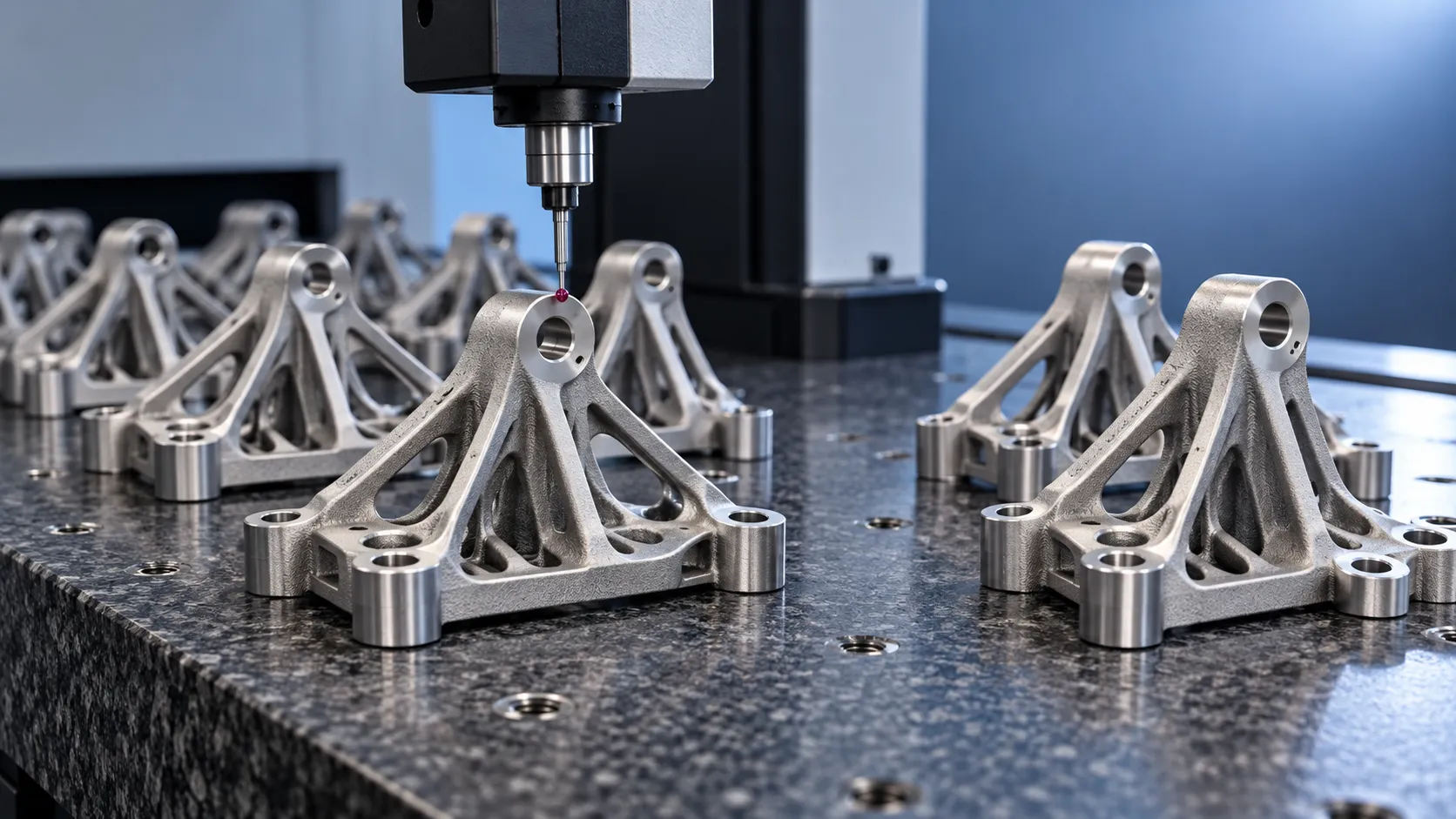
How to verify part consistency before choosing a 3D printing OEM
Choosing a 3D printing OEM? Learn how to verify part consistency with repeat-build trials, validated inspections, and traceability checks before committing to production.
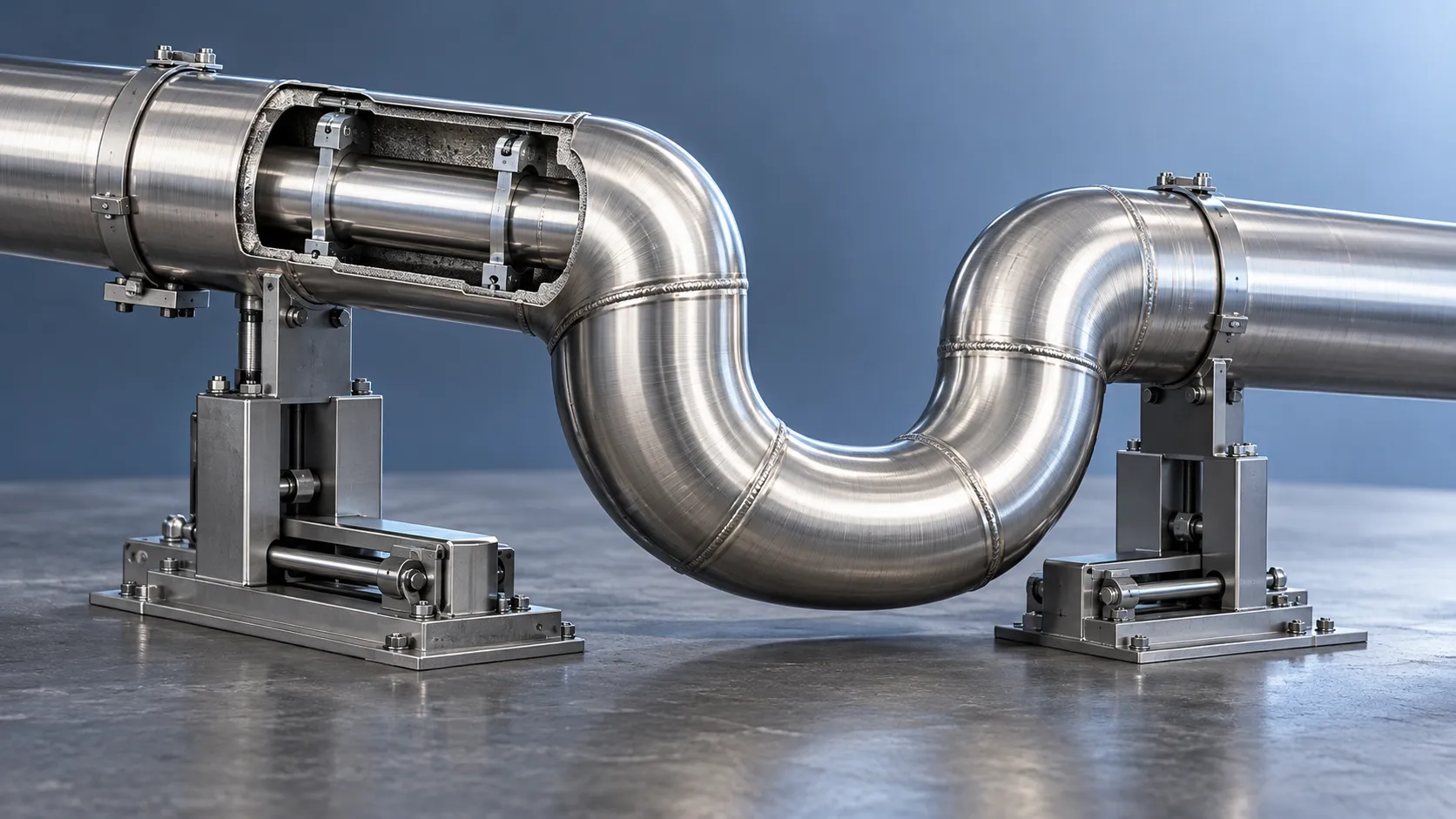
How does a rigid cryogenic transfer line handle thermal contraction?
Learn how a rigid cryogenic transfer line manages thermal contraction with bends, bellows, and guided supports. Discover key design checks for safe, reliable cryogenic performance.

How much does edge vision deployment cost beyond the hardware?
Understand edge vision deployment cost beyond hardware, from data and integration to security and support. Uncover hidden expenses and build a smarter lifecycle budget before you scale.

How does the purity of sputtering targets affect thin-film quality?
Discover how sputtering targets affect thin-film quality. Learn to assess purity, identify harmful impurities, and choose specifications that improve coating performance.
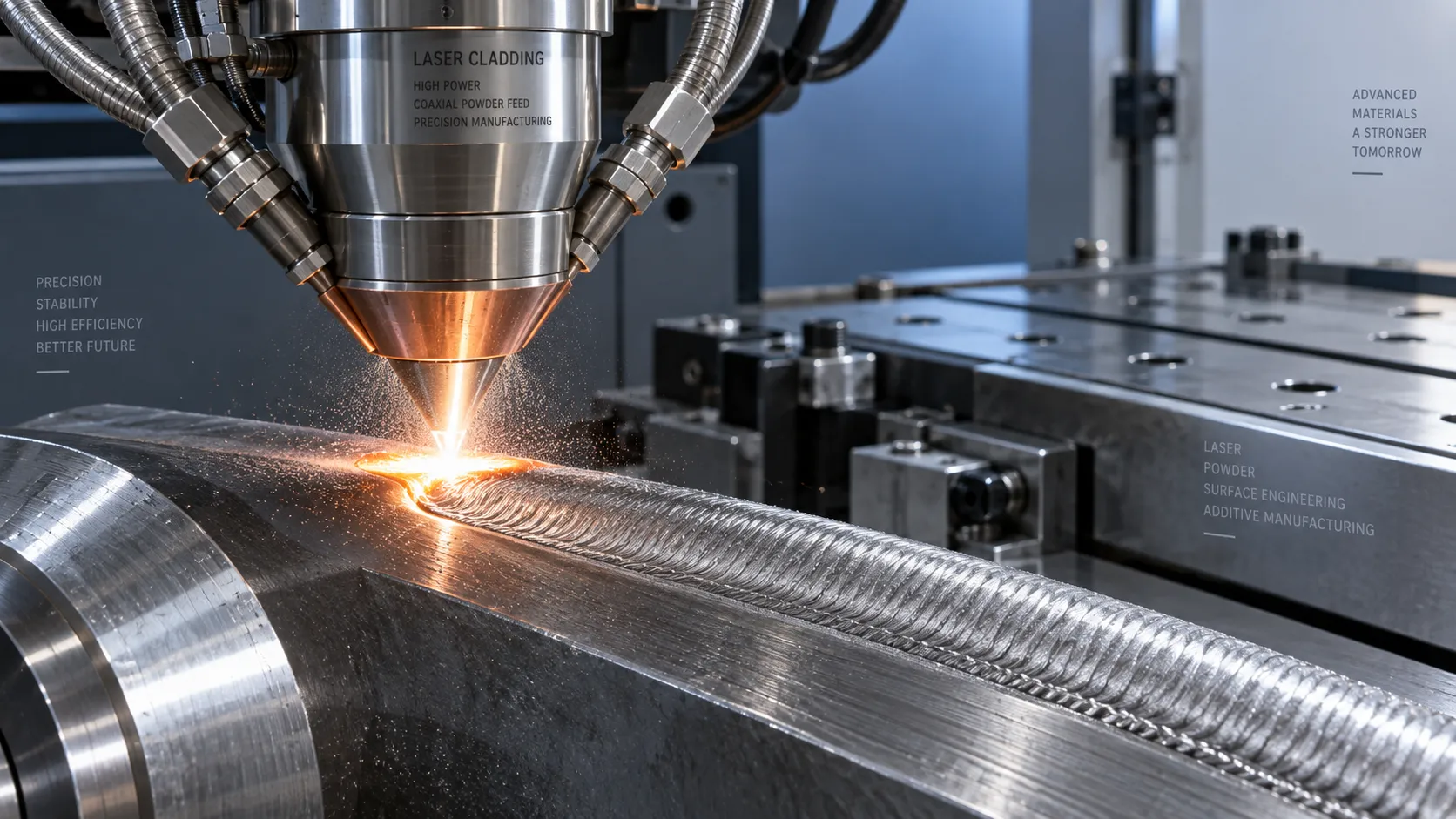
How high power laser cladding systems control substrate dilution
Discover how high power laser cladding systems control substrate dilution through beam shaping, material feed, and thermal management to deliver reliable bonds and coating performance.

How to check HS codes for customs compliance in international logistics
Strengthen international logistics customs compliance: learn how to verify HS codes, check official tariffs, and document classifications to reduce costly shipment delays.

Choosing a 3D Printing Service for Consumer Products: Finish, Fit, and Cost
Compare 3d printing consumer good services by finish, fit, materials, and total cost. Learn how to choose a reliable supplier and avoid costly defects before ordering.
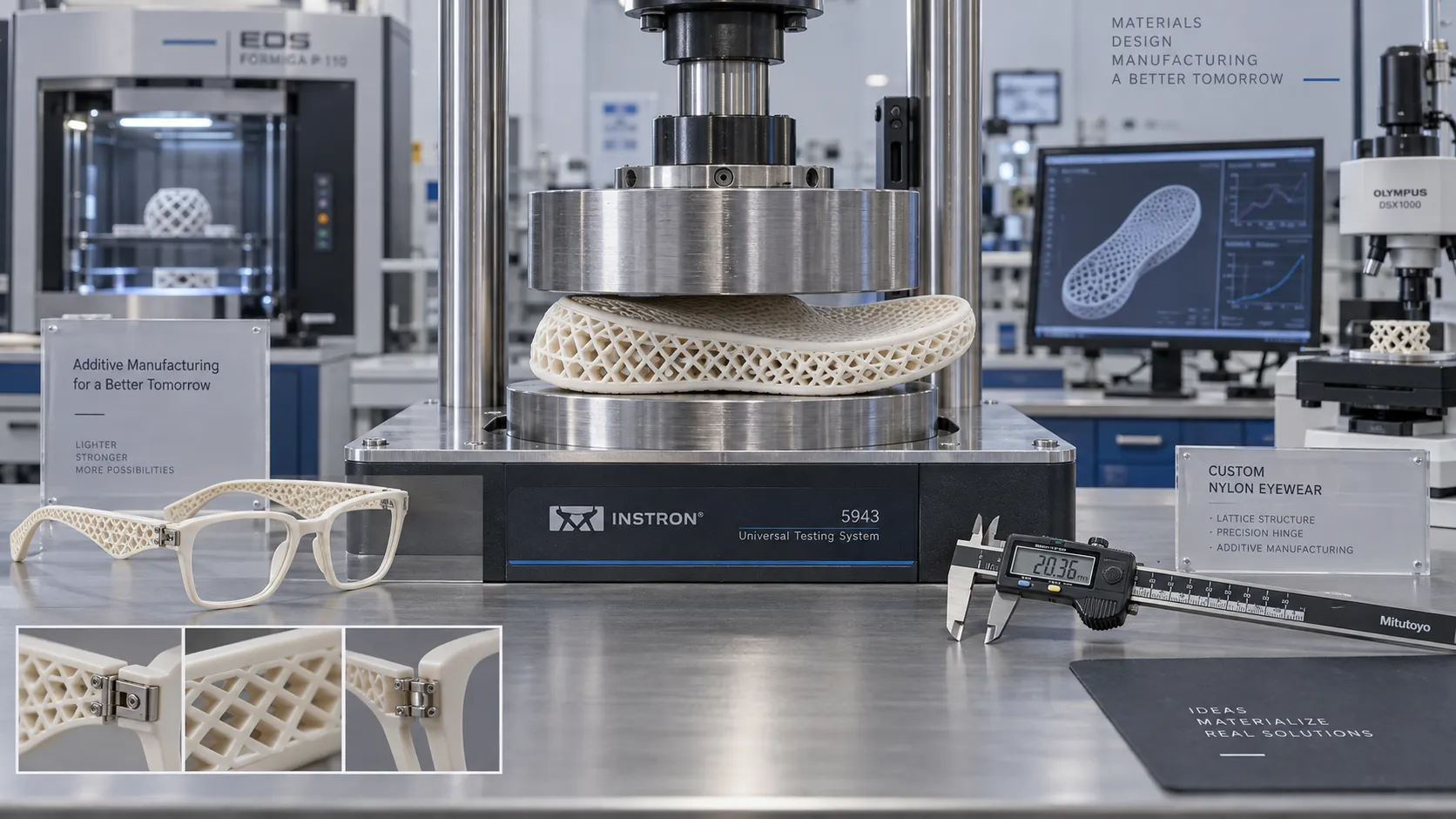
Which Consumer Goods Can Be 3D Printed, and What Are the Practical Limits?
Explore 3d printing consumer goods, from custom eyewear to replacement parts. Discover practical limits on materials, safety, and costs to make smarter production decisions.

From Prototype to Small Batch: Applying 3D Printing to Consumer Goods
Explore 3d printing in consumer goods: learn how to move from prototype to small-batch production with practical guidance on materials, quality validation, and cost control.
Related News
- 00
0000-00
How to verify part consistency before choosing a 3D printing OEM - 00
0000-00
How does a rigid cryogenic transfer line handle thermal contraction? - 00
0000-00
How much does edge vision deployment cost beyond the hardware? - 00
0000-00
How does the purity of sputtering targets affect thin-film quality? - 00
0000-00
How high power laser cladding systems control substrate dilution
Dr. Hideo Tanaka
Weekly Insights
Stay ahead with our curated technology reports delivered every Monday.