
Air Compressors: Efficiency Checks Before Upgrade

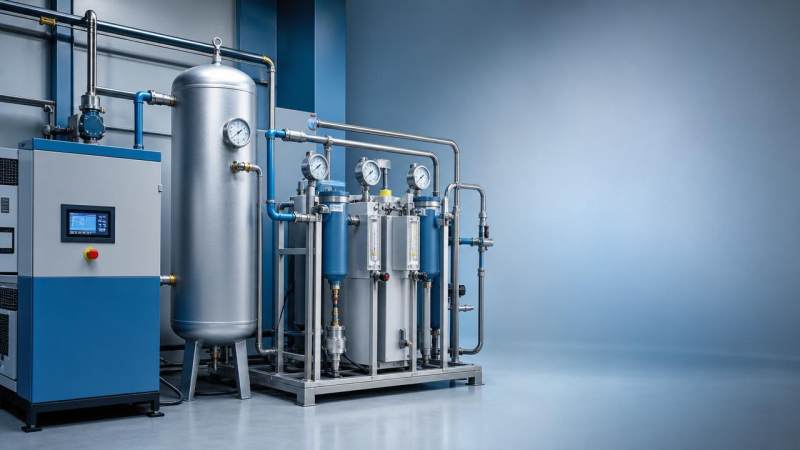
Before investing in new air compressors, operators should first verify whether existing systems are truly underperforming or simply losing efficiency through leaks, pressure drops, poor maintenance, or mismatched demand. A structured efficiency check can reveal hidden energy waste, extend equipment life, and prevent unnecessary capital spending. This guide outlines practical pre-upgrade checks that help users evaluate compressor performance with greater confidence, align decisions with operational needs, and support safer, more cost-effective compressed air management.
Why an Efficiency Check Should Come Before Replacing Air Compressors
In many facilities, air compressors are blamed when pneumatic tools slow down, valves respond late, or production cells lose pressure. Yet the root cause is often outside the machine itself.
Leaks, oversized safety margins, dirty filters, poor condensate management, and unbalanced demand can make functional air compressors appear inadequate. Replacing them without diagnosis may transfer the same inefficiency to a newer asset.
What operators should confirm first
- Whether pressure loss happens at the compressor outlet, distribution header, point of use, or during peak demand windows.
- Whether actual air consumption matches the original design assumptions or has changed with new tools, shifts, or processes.
- Whether maintenance records show rising discharge temperature, increasing oil carryover, frequent filter changes, or abnormal cycling.
- Whether operators are raising system pressure to compensate for local restrictions, creating unnecessary energy consumption across the plant.
For users and operators, this check reduces uncertainty. It also gives procurement teams credible operating data before requesting quotations for air compressors, dryers, receivers, or control upgrades.
Where Efficiency Loss Usually Appears in Compressed Air Systems
Efficiency loss is rarely caused by one obvious fault. It normally builds across several small issues that increase running hours, raise pressure settings, and reduce usable air quality.
The following table helps operators separate machine-related symptoms from system-related problems before deciding whether air compressors should be upgraded, repaired, or supported by auxiliary improvements.
This distinction matters in general industrial environments because demand patterns vary widely. A metal fabrication cell, packaging line, laboratory support area, and automated inspection station may all use compressed air differently.
How to Measure Compressor Performance Without Overcomplicating the Audit
Operators do not need a full engineering redesign to begin. A practical efficiency check for air compressors starts with consistent measurements collected under normal production conditions.
Core measurements to record
- Record discharge pressure, header pressure, and the lowest point-of-use pressure during stable operation and peak demand.
- Log running hours, loaded hours, unloaded hours, starts per hour, and abnormal trip events over several shifts.
- Check inlet filter condition, separator pressure drop, cooling airflow, oil condition, and condensate drain reliability.
- Measure or estimate leak rate during non-production periods when legitimate air demand is isolated.
- Compare compressed air usage against production output, not only against total plant operating time.
The aim is not to punish operators for every pressure variation. The aim is to create enough evidence to decide whether existing air compressors are failing, overloaded, misapplied, or poorly supported.
G-AIT’s benchmarking approach is useful here because industrial buyers often need data that can be compared across sites, vendors, and equipment classes. Consistent measurements reduce subjective claims.
Which Parameters Matter Most Before Selecting New Air Compressors?
When an upgrade is justified, operators should help define the real duty profile. Nameplate capacity alone is not enough for safe, efficient, and maintainable operation.
The table below summarizes the parameters that should be verified before requesting quotations or comparing air compressors from different suppliers.
A clear parameter baseline prevents conflicting supplier proposals. It also helps operators challenge unrealistic assumptions before budget, installation time, or production continuity is affected.
Repair, Optimize, or Upgrade: How to Make the Right Decision
Not every performance issue requires new air compressors. The best decision depends on risk, energy cost, production criticality, available maintenance windows, and expected service life.
A practical decision framework
- Repair when the compressor is mechanically sound, the duty profile remains suitable, and faults are linked to serviceable components.
- Optimize when leakage, controls, receivers, piping, or air treatment are the main causes of poor performance.
- Upgrade when capacity is structurally insufficient, reliability is declining, efficiency is poor, or process requirements have changed.
Operators should be cautious when a replacement proposal ignores site data. A compressor upgrade should explain what problem it solves, what efficiency gain is expected, and what supporting changes are required.
For high-tech manufacturing environments, compressed air can support optical inspection, laser processing auxiliaries, additive manufacturing fixtures, vacuum-adjacent equipment, and automated handling. A wrong decision can affect multiple process chains.
Cost Checks That Prevent Hidden Spending After the Upgrade
The purchase price of air compressors is only one part of the cost. Operators often feel the impact of poor selection through maintenance workload, downtime, noise, heat, and unstable air quality.
Before approving a new system, compare the likely cost drivers across the entire compressed air package, not just the compressor unit.
A credible cost review should include energy, maintenance, air quality, and commissioning. This is especially important when air compressors feed critical production rather than simple workshop utilities.
Standards, Safety, and Compliance Points Operators Should Not Overlook
Compressed air systems involve pressure, heat, electrical power, rotating equipment, condensate, and sometimes oil aerosol. Operators should treat upgrades as safety and compliance decisions, not only equipment purchases.
Useful compliance references
- ISO 8573 can help define compressed air quality classes for particles, water, and oil where process cleanliness matters.
- ISO 1217 is commonly referenced for compressor performance testing and capacity-related evaluation.
- Local pressure vessel regulations may apply to air receivers and should be checked before installation or modification.
- Electrical, ventilation, noise, and lockout procedures should be reviewed with site safety personnel before commissioning.
G-AIT works from a benchmarking and regulatory foresight perspective across industrial technologies. For compressed air decisions, that means connecting equipment data with operational integrity, standard references, and practical site risk.
FAQ: Common Questions Before Upgrading Air Compressors
How do I know if my air compressors are undersized?
Check pressure at the compressor and at the farthest or most sensitive point of use during peak demand. If outlet pressure is stable but point-of-use pressure falls, distribution or local restrictions may be the issue.
If both outlet and header pressure fall while all major leaks have been repaired, demand may exceed available capacity. Confirm with flow logging before selecting larger air compressors.
Should operators raise pressure to solve weak tool performance?
Raising pressure may provide short-term relief, but it increases energy use and can worsen leaks. First inspect hoses, regulators, filters, quick couplings, and local pressure drops.
A small restriction near the tool can create a large performance complaint. Correcting the restriction is often cheaper than forcing all air compressors to operate at a higher pressure.
When is variable-speed control worth considering?
Variable-speed air compressors are often suitable where demand changes significantly across shifts or production cycles. They are less useful if demand is stable near full load.
Operators should review load profiles, minimum flow, ambient conditions, and maintenance requirements. A variable-speed unit still needs leak control and correct system pressure.
What data should be prepared before requesting a quotation?
Prepare current compressor ratings, pressure settings, operating hours, known failures, air quality needs, shift schedule, peak-demand equipment, and any expected expansion.
This information helps suppliers propose air compressors, dryers, receivers, and controls that match actual site requirements instead of relying on rough assumptions.
Why Choose G-AIT for Compressed Air Upgrade Evaluation
G-AIT supports industrial users with a data-led perspective shaped by technical benchmarking, multidisciplinary engineering review, and awareness of international standards such as ISO, ASTM, SEMI, and IEEE where relevant.
For operators evaluating air compressors, this means a stronger basis for comparing proposals, identifying hidden system losses, and translating daily performance problems into procurement-ready requirements.
You can consult us for practical decision support
- Parameter confirmation, including pressure, flow, duty cycle, air quality, receiver sizing, and expected demand variation.
- Product selection support for air compressors, dryers, filtration packages, control strategies, and upgrade sequencing.
- Quotation review focused on technical comparability, lifecycle cost, installation constraints, and supplier documentation.
- Custom evaluation for facilities using compressed air in laser processing, additive manufacturing, inspection, laboratory, or advanced production environments.
- Discussion of delivery schedules, commissioning requirements, certification expectations, and sample documentation needed for internal approval.
Before committing budget to new air compressors, share your current operating data, main performance complaints, and target upgrade timeline. G-AIT can help clarify whether repair, optimization, or replacement is the most defensible next step.
Related News
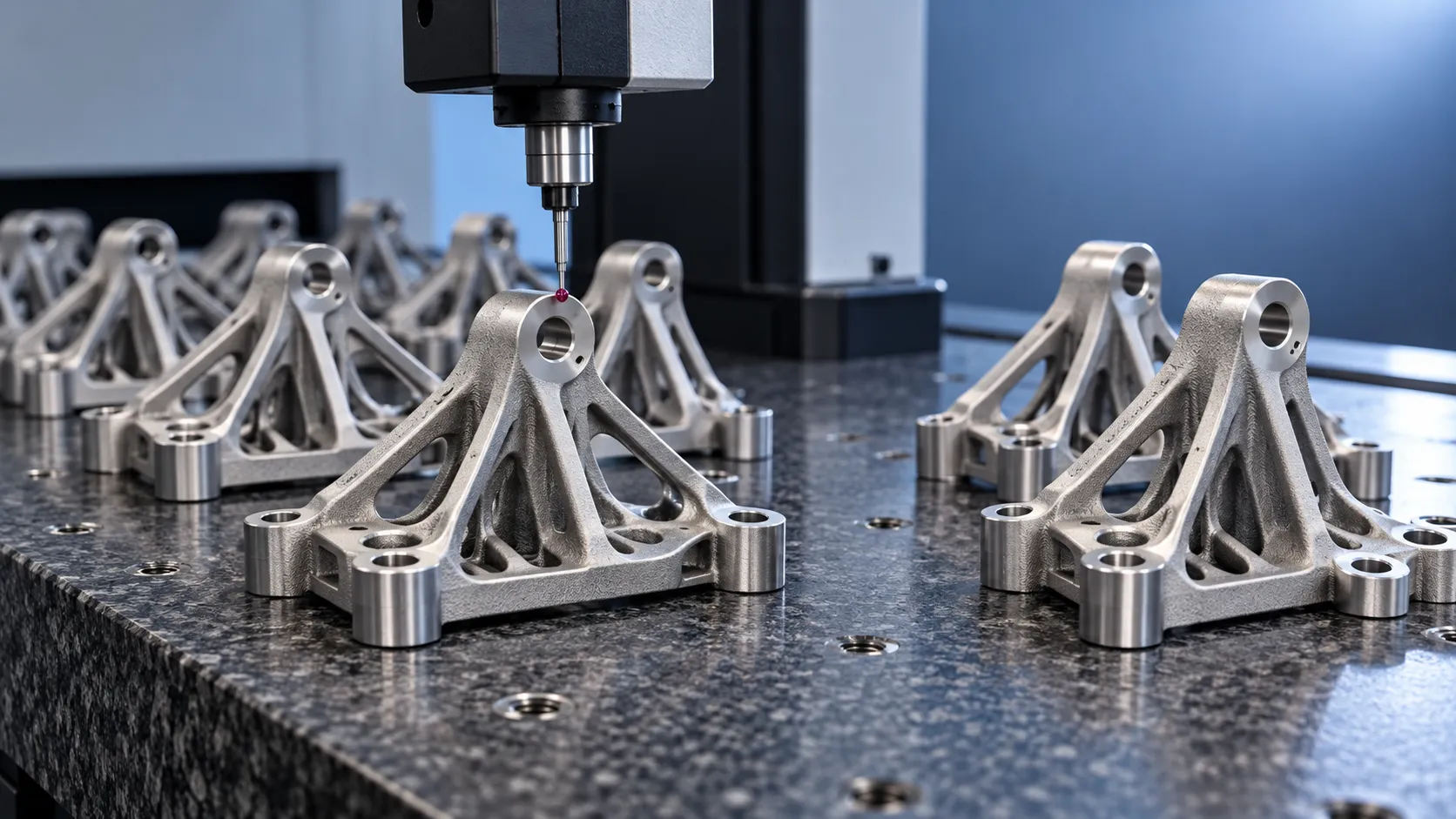
How to verify part consistency before choosing a 3D printing OEM
Choosing a 3D printing OEM? Learn how to verify part consistency with repeat-build trials, validated inspections, and traceability checks before committing to production.
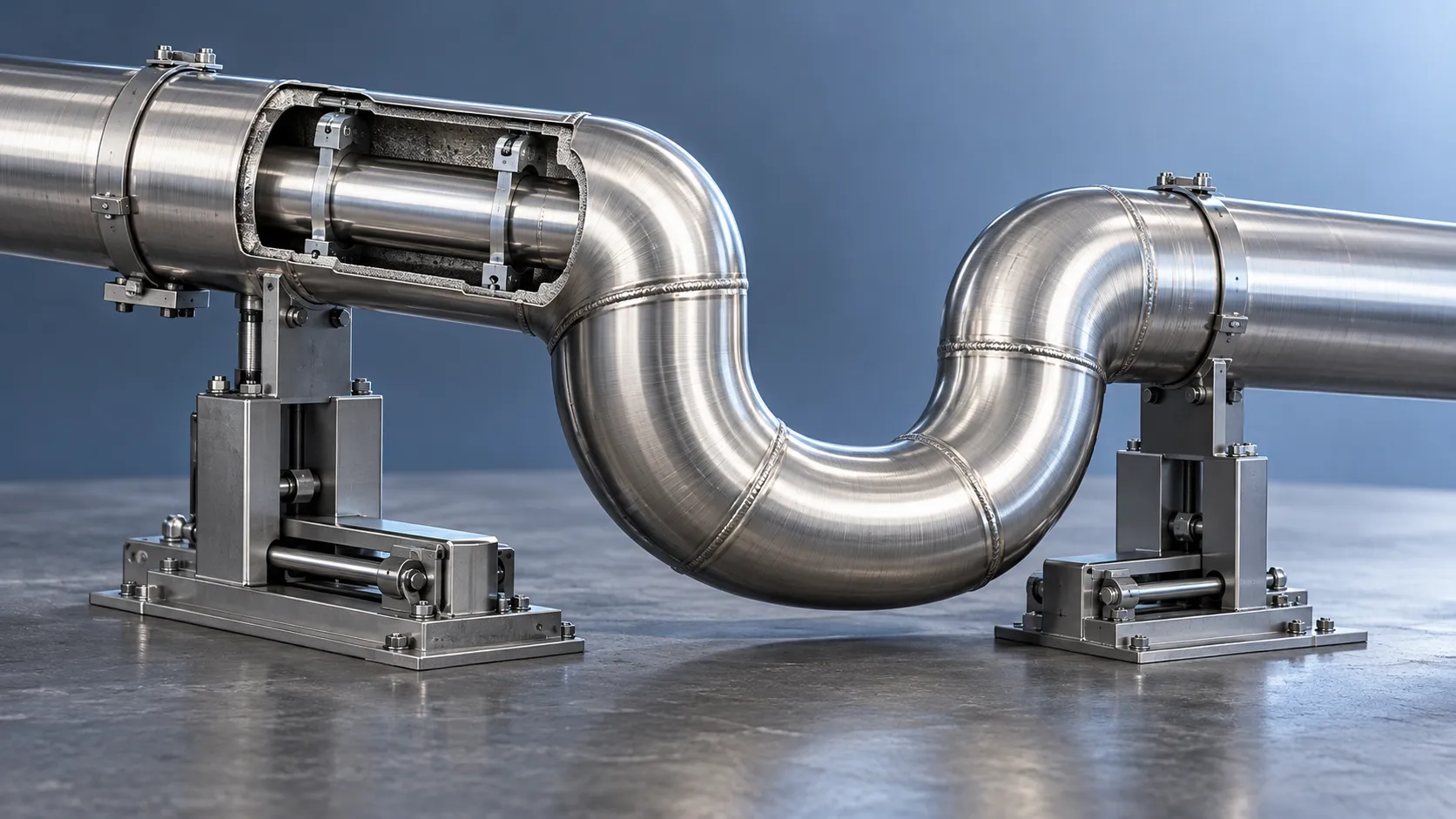
How does a rigid cryogenic transfer line handle thermal contraction?
Learn how a rigid cryogenic transfer line manages thermal contraction with bends, bellows, and guided supports. Discover key design checks for safe, reliable cryogenic performance.

How much does edge vision deployment cost beyond the hardware?
Understand edge vision deployment cost beyond hardware, from data and integration to security and support. Uncover hidden expenses and build a smarter lifecycle budget before you scale.

How does the purity of sputtering targets affect thin-film quality?
Discover how sputtering targets affect thin-film quality. Learn to assess purity, identify harmful impurities, and choose specifications that improve coating performance.

How high power laser cladding systems control substrate dilution
Discover how high power laser cladding systems control substrate dilution through beam shaping, material feed, and thermal management to deliver reliable bonds and coating performance.

How to check HS codes for customs compliance in international logistics
Strengthen international logistics customs compliance: learn how to verify HS codes, check official tariffs, and document classifications to reduce costly shipment delays.
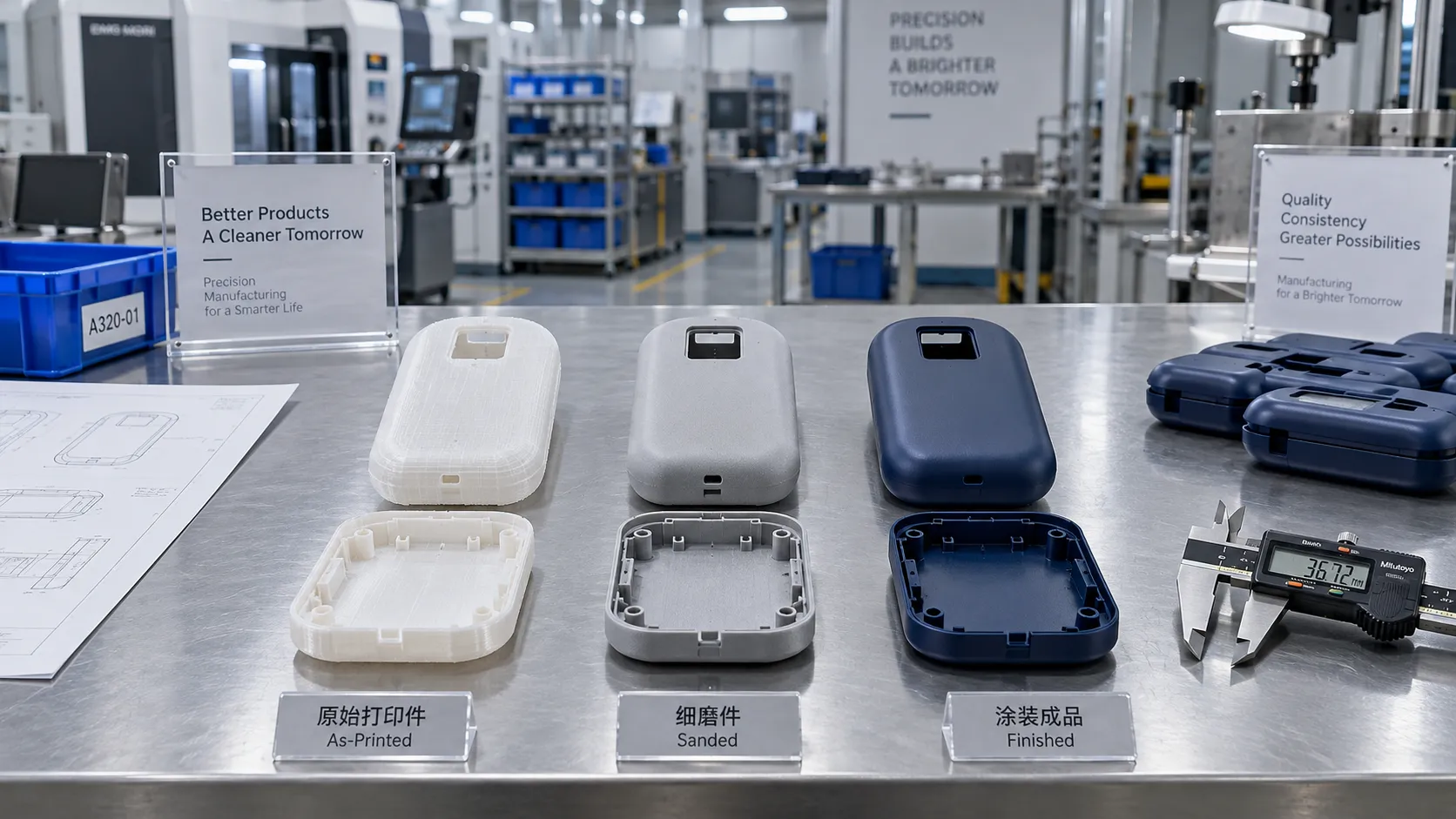
Choosing a 3D Printing Service for Consumer Products: Finish, Fit, and Cost
Compare 3d printing consumer good services by finish, fit, materials, and total cost. Learn how to choose a reliable supplier and avoid costly defects before ordering.

Which Consumer Goods Can Be 3D Printed, and What Are the Practical Limits?
Explore 3d printing consumer goods, from custom eyewear to replacement parts. Discover practical limits on materials, safety, and costs to make smarter production decisions.
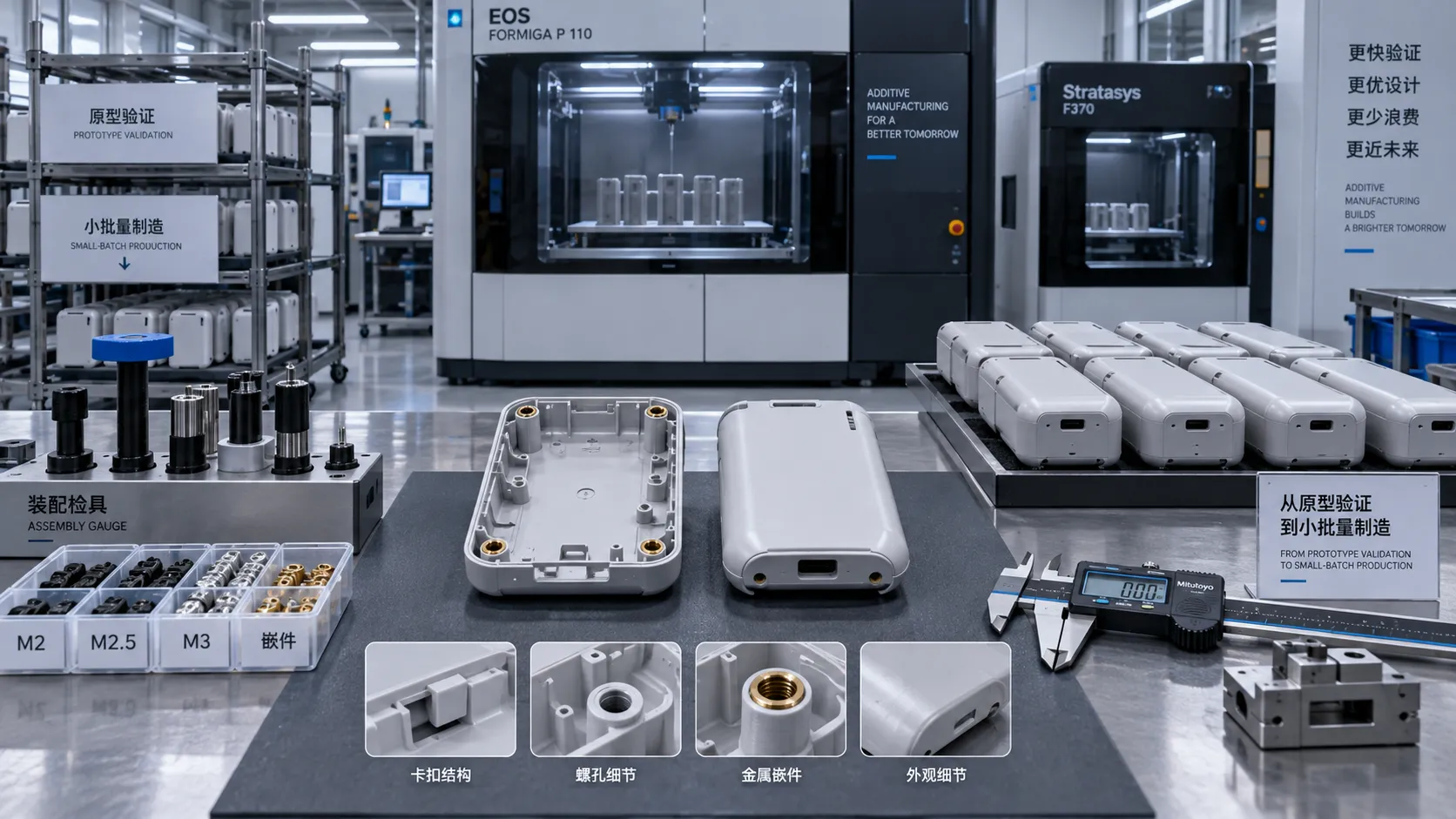
From Prototype to Small Batch: Applying 3D Printing to Consumer Goods
Explore 3d printing in consumer goods: learn how to move from prototype to small-batch production with practical guidance on materials, quality validation, and cost control.
Related News
- 00
0000-00
How to verify part consistency before choosing a 3D printing OEM - 00
0000-00
How does a rigid cryogenic transfer line handle thermal contraction? - 00
0000-00
How much does edge vision deployment cost beyond the hardware? - 00
0000-00
How does the purity of sputtering targets affect thin-film quality? - 00
0000-00
How high power laser cladding systems control substrate dilution
Dr. Hideo Tanaka
Weekly Insights
Stay ahead with our curated technology reports delivered every Monday.