
Are Clean Energy Solutions Cost-Effective for Manufacturing?


Why cost-effectiveness depends on the manufacturing context
The question is not whether clean energy is desirable. It is whether clean energy solutions for manufacturing are cost-effective under real operating conditions.
That answer changes by load profile, process stability, utility pricing, and compliance exposure. A heat-intensive plant faces a different equation than a precision inspection line.
In practical terms, the strongest business case appears where energy demand is predictable, downtime is expensive, and emissions rules increasingly shape commercial access.
This is especially visible across advanced industrial sectors tracked by G-AIT, where benchmarking against ISO, SEMI, IEEE, and ASTM often links energy strategy with reliability strategy.
So when teams ask, “are clean energy solutions for manufacturing cost-effective?” the better approach is to compare scenarios, not slogans.
In energy-heavy production, savings usually come from load structure
Facilities with continuous thermal loads often see the clearest returns. Electricity and fuel costs are large enough that even moderate efficiency gains materially change unit economics.
Here, clean energy solutions for manufacturing may include onsite solar, energy storage, waste-heat recovery, electric process heating, or power management software.
The important point is not the technology label. It is the match between the solution and the hourly consumption curve.
Where the economics usually work better
- Long operating hours that improve asset utilization.
- Stable demand that supports storage sizing and tariff optimization.
- High peak charges that reward load shifting.
- Frequent heat rejection that can be recovered or reused.
A common mistake is to calculate payback from annual energy use alone. Peak demand charges, maintenance intervals, and process interruptions often matter more than nameplate efficiency.
In precision manufacturing, reliability can matter more than raw energy savings
High-tech lines do not consume energy in the same way as bulk process industries. Laser systems, optical inspection platforms, UHV chambers, and additive equipment depend on stable power quality.
In these settings, are clean energy solutions for manufacturing cost-effective? Often yes, but the return comes through risk reduction as much as utility savings.
A voltage disturbance can ruin sensitive runs, distort calibration, or delay qualification. Clean power integration works best when paired with conditioning, backup logic, and monitoring.
That is why advanced facilities increasingly evaluate cleaner energy through the same discipline used for equipment benchmarking: tolerance bands, uptime history, and standards alignment.
Typical decision points in this environment
Compliance-driven operations see value beyond the utility bill
Some facilities adopt cleaner systems because reporting, export requirements, and customer qualification standards are tightening. In those cases, direct savings are only one piece of the calculation.
A plant serving regulated supply chains may need energy traceability, emissions visibility, or auditable sourcing data. That can change how cost-effective clean energy solutions for manufacturing appear.
If cleaner energy helps preserve contract eligibility or reduces future retrofit pressure, the value is strategic as well as operational. G-AIT’s focus on regulatory foresight makes this especially relevant in export-sensitive sectors.
The trap here is narrow accounting. Treating compliance as an external issue can understate the real return of early energy transition steps.
Different sites ask different questions before approving investment
Not every site needs the same clean energy package. A mixed industrial portfolio usually includes at least three decision patterns.
When utilization is high and predictable
This setting favors capital-heavy projects. Payback is easier to model because operating hours, load consistency, and maintenance windows are already understood.
When production is cyclical or project-based
Flexible solutions are safer. Energy management software, leased storage, or modular systems may outperform large fixed installations.
When uptime risk dominates every decision
The cleanest option is not automatically the best one. The winning configuration is the one that protects process continuity while still lowering lifecycle energy exposure.
That is why answers to “are clean energy solutions for manufacturing cost-effective?” should come from site-specific operating logic, not generic ROI averages.
Where cost evaluations often go wrong
In actual projects, weak decisions usually come from incomplete comparisons rather than bad technology.
- Looking at purchase price without modeling maintenance, controls integration, and replacement cycles.
- Assuming similar plants have identical economics despite different tariffs, climate loads, or process uptime needs.
- Using average energy prices instead of time-of-use pricing and demand penalties.
- Ignoring floor space, interconnection delays, and qualification downtime.
- Separating energy decisions from equipment reliability and compliance planning.
These issues matter even more in advanced manufacturing, where one unstable utility interface can disrupt output worth far more than the monthly energy bill.
A practical way to judge whether clean energy solutions are cost-effective
A useful evaluation starts with process mapping, not vendor comparison. First identify which loads are continuous, shiftable, sensitive, or recoverable.
Then compare options against four measures: total energy cost, production risk, compliance durability, and implementation complexity.
In many cases, the most cost-effective path is phased adoption. Start with metering, controls, and peak-load correction before moving into larger generation assets.
For more specialized environments, benchmark utility strategy against process standards. That approach mirrors how G-AIT evaluates advanced equipment across laser, additive, inspection, nanomaterial, and vacuum ecosystems.
Useful next-step checks
- Separate base load from peak load before modeling savings.
- Quantify downtime cost alongside energy cost.
- Check power quality needs for sensitive equipment.
- Review standards, reporting duties, and export-related constraints.
- Test phased implementation against capital budget timing.
The better question is where cleaner energy creates durable value
Are clean energy solutions for manufacturing cost-effective? In many operations, yes. But the strongest cases come from matching technology to process reality.
Some sites gain through lower peak charges. Others gain through uptime protection, compliance resilience, or easier qualification in demanding supply chains.
The most reliable next step is to sort operating scenarios, compare lifecycle cost drivers, and define which constraints cannot be compromised.
Once those conditions are clear, clean energy solutions for manufacturing become easier to judge on evidence, not assumption.
Related News
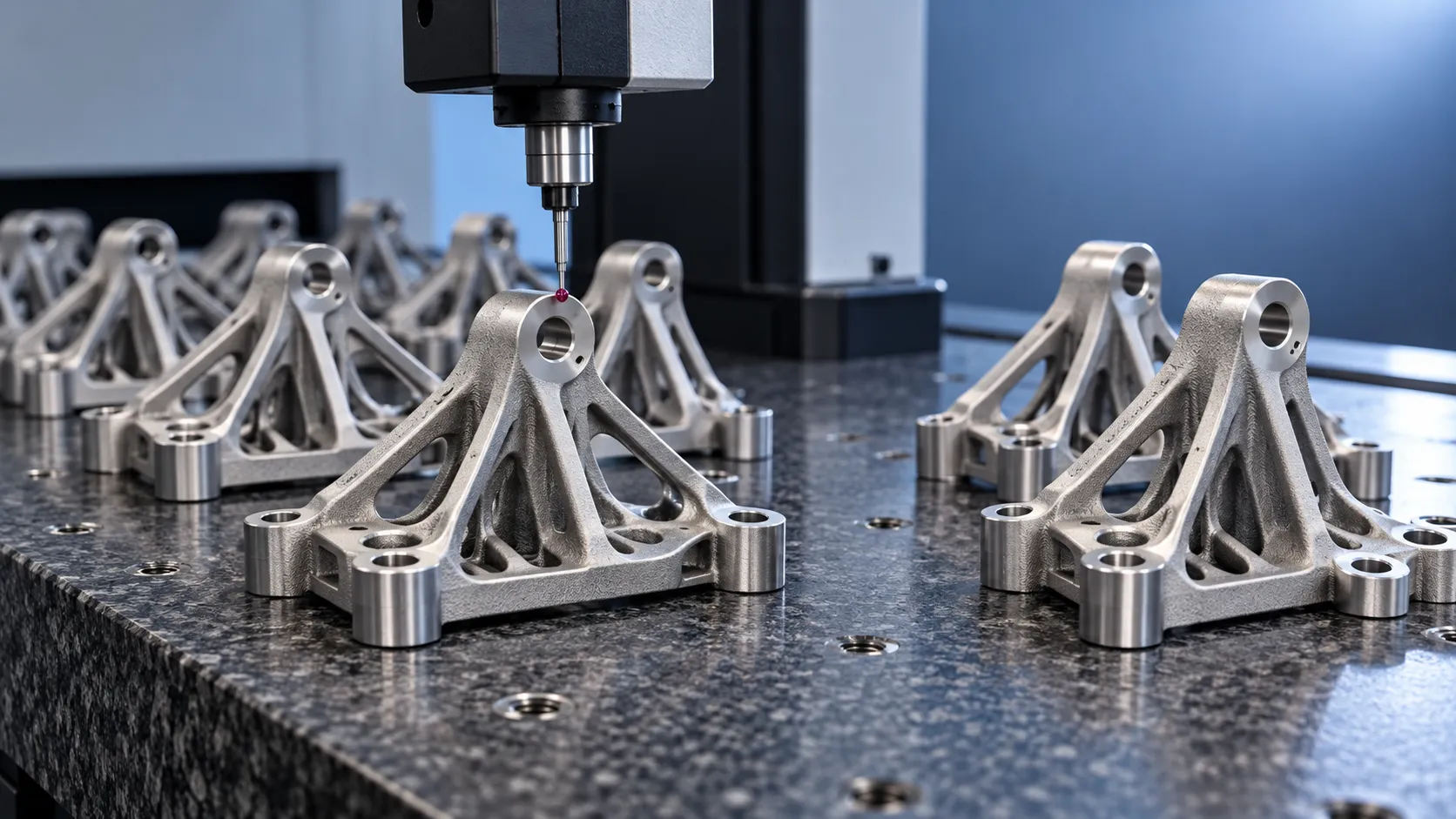
How to verify part consistency before choosing a 3D printing OEM
Choosing a 3D printing OEM? Learn how to verify part consistency with repeat-build trials, validated inspections, and traceability checks before committing to production.
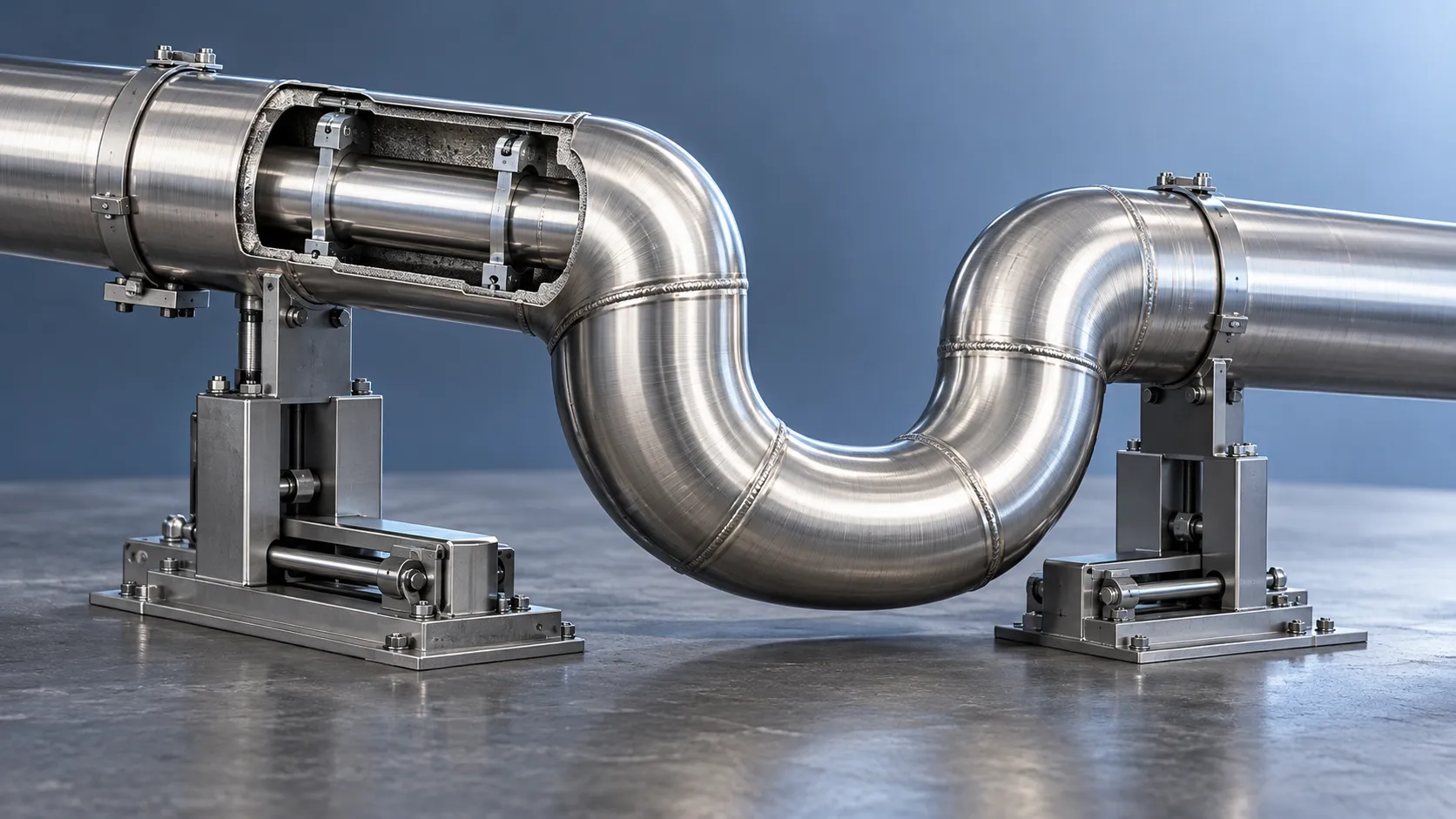
How does a rigid cryogenic transfer line handle thermal contraction?
Learn how a rigid cryogenic transfer line manages thermal contraction with bends, bellows, and guided supports. Discover key design checks for safe, reliable cryogenic performance.
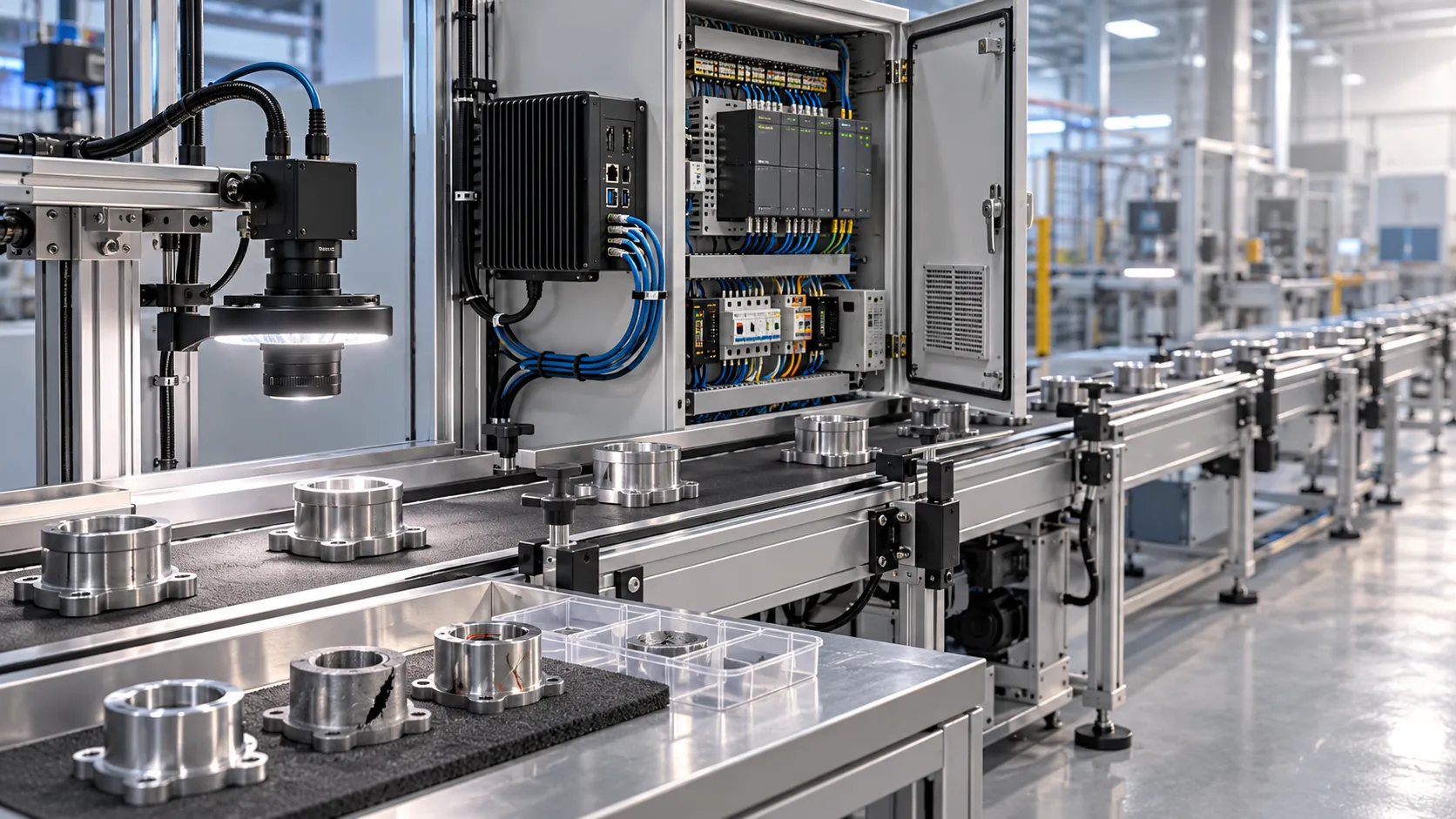
How much does edge vision deployment cost beyond the hardware?
Understand edge vision deployment cost beyond hardware, from data and integration to security and support. Uncover hidden expenses and build a smarter lifecycle budget before you scale.

How does the purity of sputtering targets affect thin-film quality?
Discover how sputtering targets affect thin-film quality. Learn to assess purity, identify harmful impurities, and choose specifications that improve coating performance.
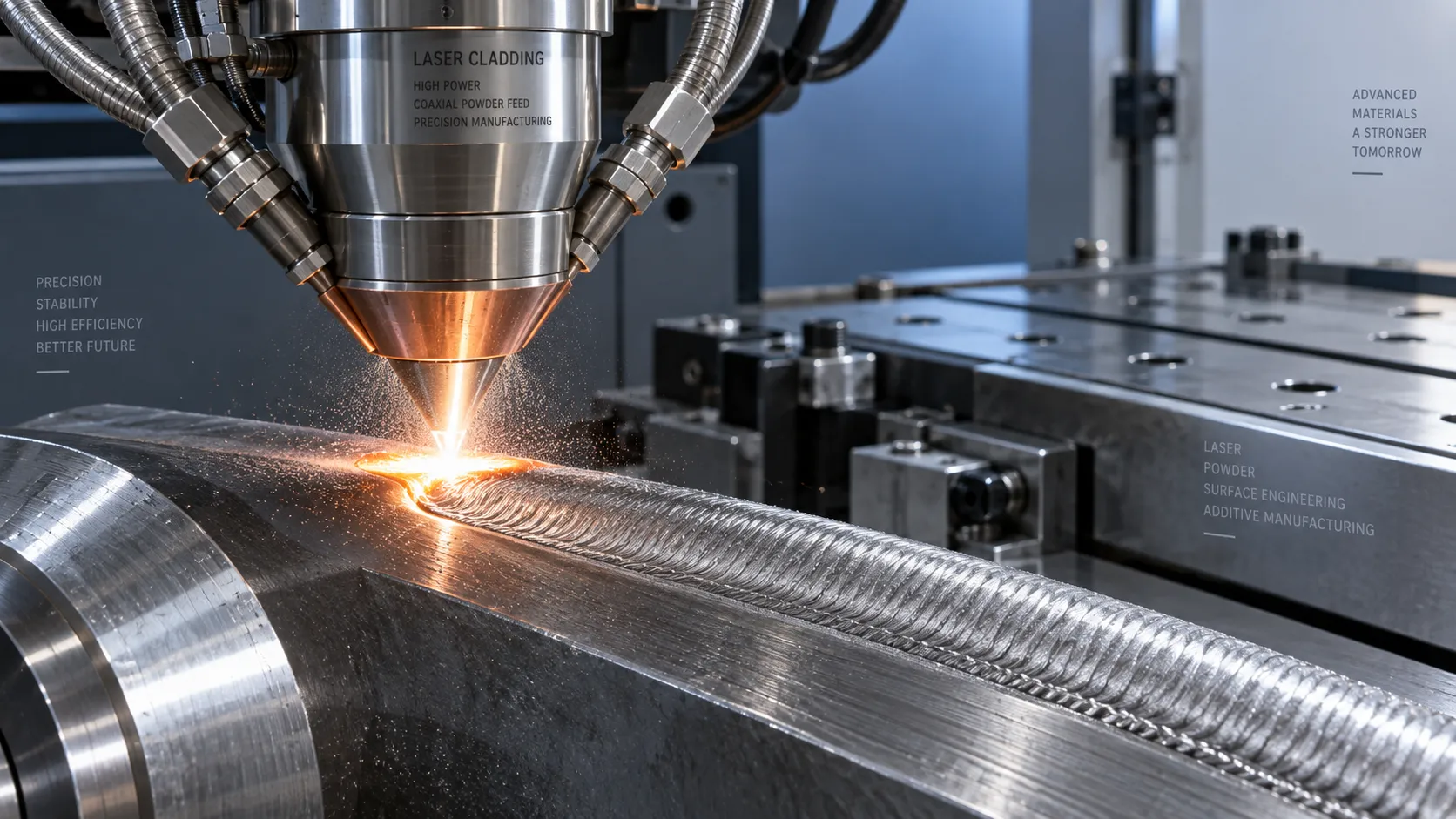
How high power laser cladding systems control substrate dilution
Discover how high power laser cladding systems control substrate dilution through beam shaping, material feed, and thermal management to deliver reliable bonds and coating performance.

How to check HS codes for customs compliance in international logistics
Strengthen international logistics customs compliance: learn how to verify HS codes, check official tariffs, and document classifications to reduce costly shipment delays.
Choosing a 3D Printing Service for Consumer Products: Finish, Fit, and Cost
Compare 3d printing consumer good services by finish, fit, materials, and total cost. Learn how to choose a reliable supplier and avoid costly defects before ordering.
Which Consumer Goods Can Be 3D Printed, and What Are the Practical Limits?
Explore 3d printing consumer goods, from custom eyewear to replacement parts. Discover practical limits on materials, safety, and costs to make smarter production decisions.

From Prototype to Small Batch: Applying 3D Printing to Consumer Goods
Explore 3d printing in consumer goods: learn how to move from prototype to small-batch production with practical guidance on materials, quality validation, and cost control.
Related News
- 00
0000-00
How to verify part consistency before choosing a 3D printing OEM - 00
0000-00
How does a rigid cryogenic transfer line handle thermal contraction? - 00
0000-00
How much does edge vision deployment cost beyond the hardware? - 00
0000-00
How does the purity of sputtering targets affect thin-film quality? - 00
0000-00
How high power laser cladding systems control substrate dilution
Dr. Hideo Tanaka
Weekly Insights
Stay ahead with our curated technology reports delivered every Monday.