
Can Laser Safety Glasses Wholesale Improve Compliance Results

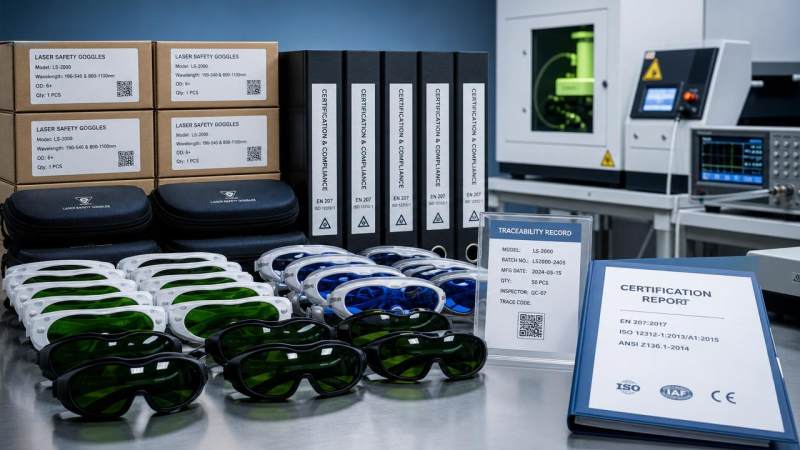
For quality control and safety managers, sourcing laser safety glasses wholesale can do more than reduce unit cost—it can directly influence compliance outcomes. Consistent specifications, certified optical density, and traceable batch quality help standardize protection across teams and sites. In regulated industrial environments, the right wholesale strategy supports safer operations, easier audits, and stronger alignment with workplace safety requirements.
Why compliance performance changes across different laser-use environments
Compliance is not only about owning protective eyewear. It is about proving suitability, consistency, and control across real operating conditions.
That is why laser safety glasses wholesale matters in more than one way. It affects standardization, documentation, replacement planning, and audit readiness.
In industrial laser processing, eyewear must match wavelength, power range, exposure duration, and visible light transmission requirements.
In laboratories, traceability and labeling may receive greater scrutiny. In multi-site production, consistency between batches often becomes the main compliance risk.
A wholesale program can reduce these variables when it is built around certified data, clear model control, and repeatable procurement criteria.
When laser safety glasses wholesale improves results in factory production lines
Production environments using fiber, CO2, UV, or green lasers face frequent operator movement and repeated equipment interaction.
In this setting, laser safety glasses wholesale improves compliance when the same approved model is issued across shifts.
Uniform eyewear reduces confusion during inspections. It also limits the chance of mixed, unverified products entering controlled work zones.
Another advantage is stock continuity. Spare units can be replaced quickly without introducing a new optical density rating or lens material.
Key judgment points in production settings
- Whether wavelength coverage matches every laser workstation
- Whether optical density is supported by test documentation
- Whether labeling remains readable through the product lifecycle
- Whether replacement units come from the same qualified batch profile
How research and technical labs benefit from laser safety glasses wholesale
Research environments often use multiple wavelengths, changing beam paths, and evolving experimental setups.
Here, laser safety glasses wholesale supports compliance by enabling categorized inventory instead of ad hoc individual purchases.
That structure helps separate eyewear by wavelength class, laboratory zone, and approved task type.
Documentation also becomes stronger. Batch certificates, OD ratings, and model references can be stored under one controlled procurement record.
This is especially useful when internal reviews compare engineering controls with personal protective equipment selection.
Core judgment points in laboratory settings
- Number of active wavelengths in use
- Need for task-based eyewear segregation
- Requirement for auditable certification records
- Risk of informal substitutions between teams
Why multi-site operations see stronger audit control with laser safety glasses wholesale
Multi-site organizations often struggle with decentralized buying. One facility may use certified eyewear, while another chooses lookalike products.
This inconsistency weakens compliance evidence. It can also create training gaps and uneven replacement standards.
Laser safety glasses wholesale helps by creating a unified approved list, shared technical file, and repeatable reorder method.
That approach supports cross-site benchmarking, especially in organizations managing industrial laser processing and optical inspection workflows together.
A centralized framework aligns well with the data-driven benchmarking philosophy seen in advanced industrial technology environments.
Different environments create different compliance demands
Not every use case needs the same wholesale structure. The compliance value depends on operating complexity and control expectations.
How to choose laser safety glasses wholesale for better scenario fit
The best laser safety glasses wholesale strategy starts with application mapping, not unit price comparison alone.
Recommended evaluation steps
- List all laser sources by wavelength, power, and operating mode.
- Group work areas by shared protection requirements.
- Verify certification, OD range, visible light transmission, and material durability.
- Define approved models and prohibited substitutions.
- Create a replacement interval and damage inspection rule.
- Store supplier records for audits and internal reviews.
This method transforms bulk eyewear buying into a controlled safety system. That is where compliance gains usually appear.
What to confirm before ordering
- Applicable standards and test basis
- Lens marking and permanent identification
- Batch traceability and certificate availability
- Frame comfort for long-duration wear
- Compatibility with face shields or prescription inserts
Common mistakes that limit compliance even with laser safety glasses wholesale
Bulk purchase alone does not guarantee better results. Several frequent errors can weaken the intended compliance benefit.
One mistake is choosing one universal model for every laser application. That may simplify inventory, but it can create protection gaps.
Another error is ignoring user acceptance. If eyewear is uncomfortable or limits visibility too much, actual wearing compliance may fall.
A third issue is weak record control. If certificates, model histories, and replacement dates are missing, audit value declines quickly.
Some organizations also overlook lifecycle damage. Scratched or degraded lenses can remain in use unless inspection rules are formalized.
Red flags to watch for
- No clear wavelength-to-model matrix
- No evidence of consistent batch sourcing
- Missing documentation for OD claims
- Replacement decisions based only on visual guesswork
A practical next step for improving compliance outcomes
If the goal is stronger safety performance, start by reviewing where eyewear inconsistency appears today.
Then compare current models, certificates, and site practices against real operating scenarios. This reveals whether laser safety glasses wholesale can close control gaps.
In advanced industrial settings, better compliance usually comes from verified data, standardized selection, and disciplined documentation.
A structured laser safety glasses wholesale plan supports all three. It can improve readiness for audits while making daily protection easier to manage.
For organizations working across laser processing, optical systems, and regulated technical environments, that combination offers measurable operational value.
Related News
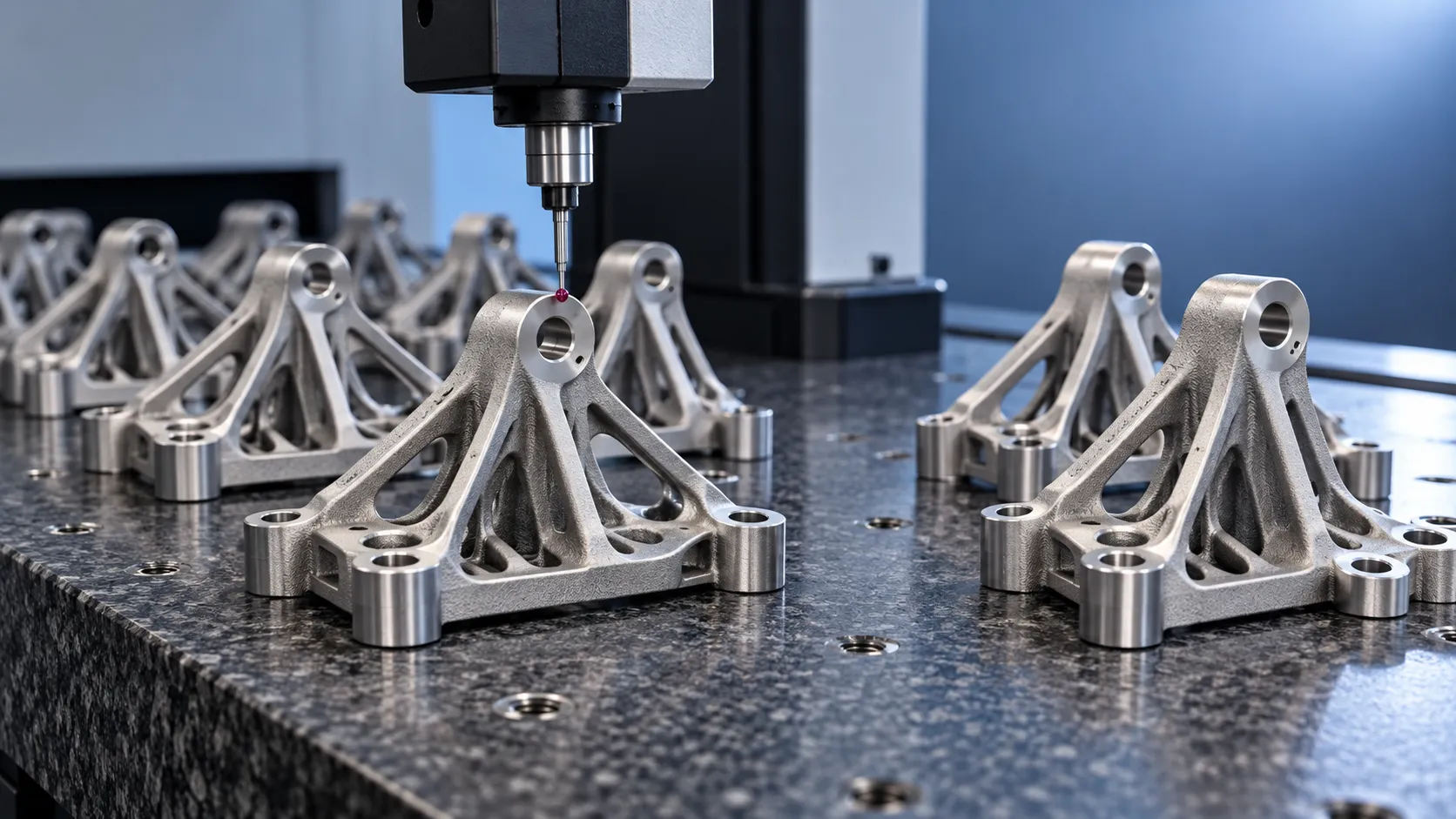
How to verify part consistency before choosing a 3D printing OEM
Choosing a 3D printing OEM? Learn how to verify part consistency with repeat-build trials, validated inspections, and traceability checks before committing to production.
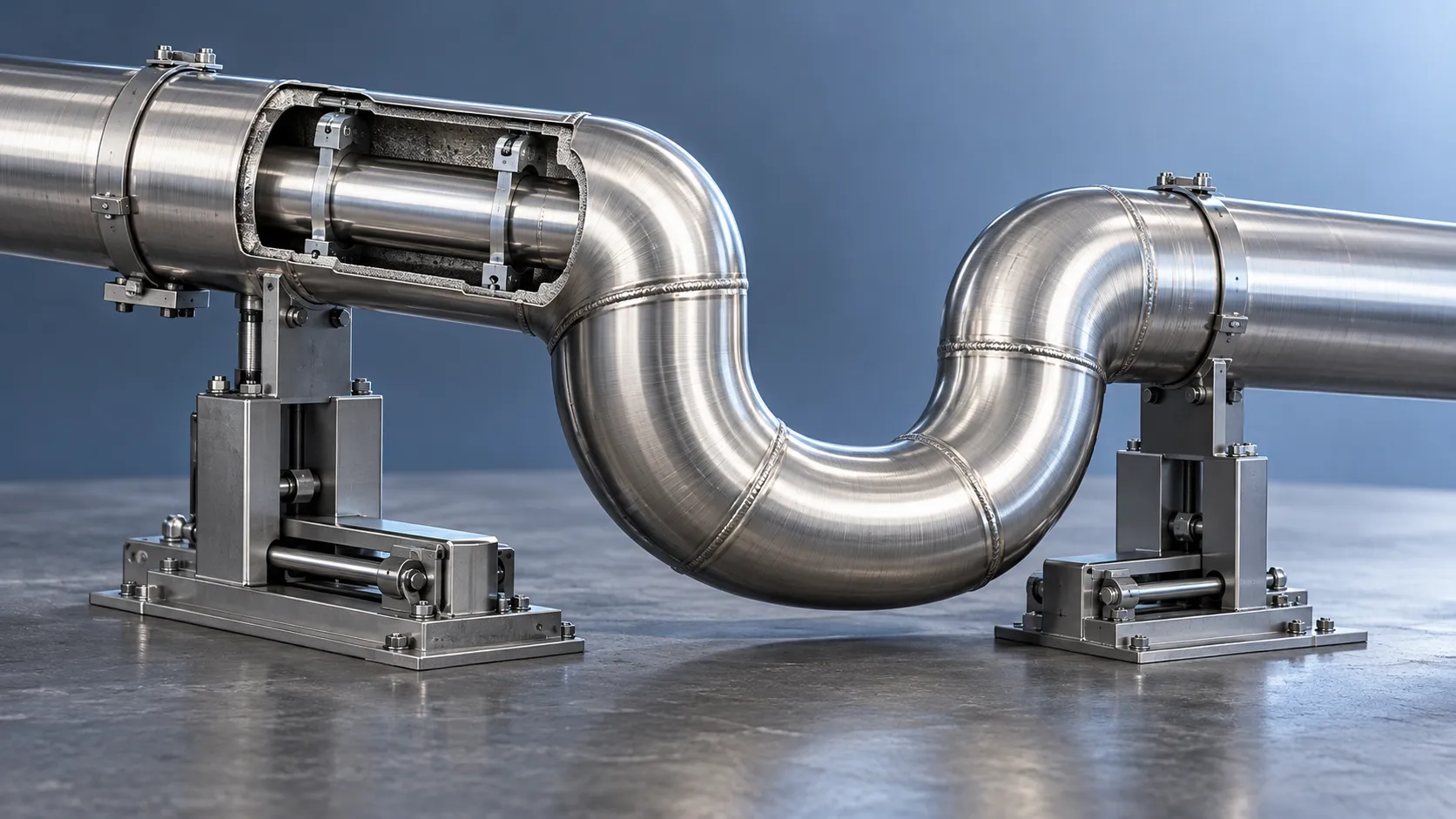
How does a rigid cryogenic transfer line handle thermal contraction?
Learn how a rigid cryogenic transfer line manages thermal contraction with bends, bellows, and guided supports. Discover key design checks for safe, reliable cryogenic performance.

How much does edge vision deployment cost beyond the hardware?
Understand edge vision deployment cost beyond hardware, from data and integration to security and support. Uncover hidden expenses and build a smarter lifecycle budget before you scale.
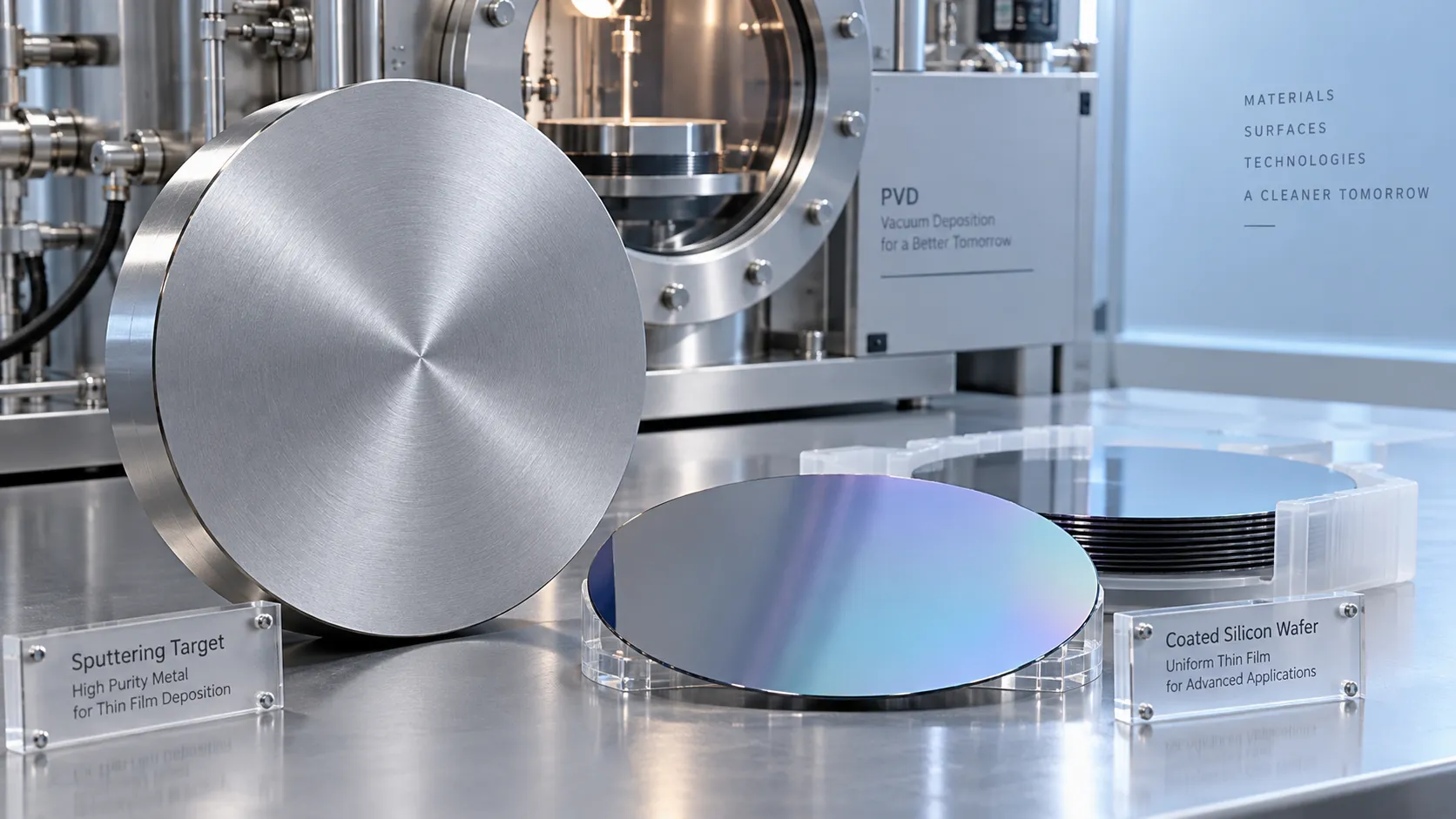
How does the purity of sputtering targets affect thin-film quality?
Discover how sputtering targets affect thin-film quality. Learn to assess purity, identify harmful impurities, and choose specifications that improve coating performance.
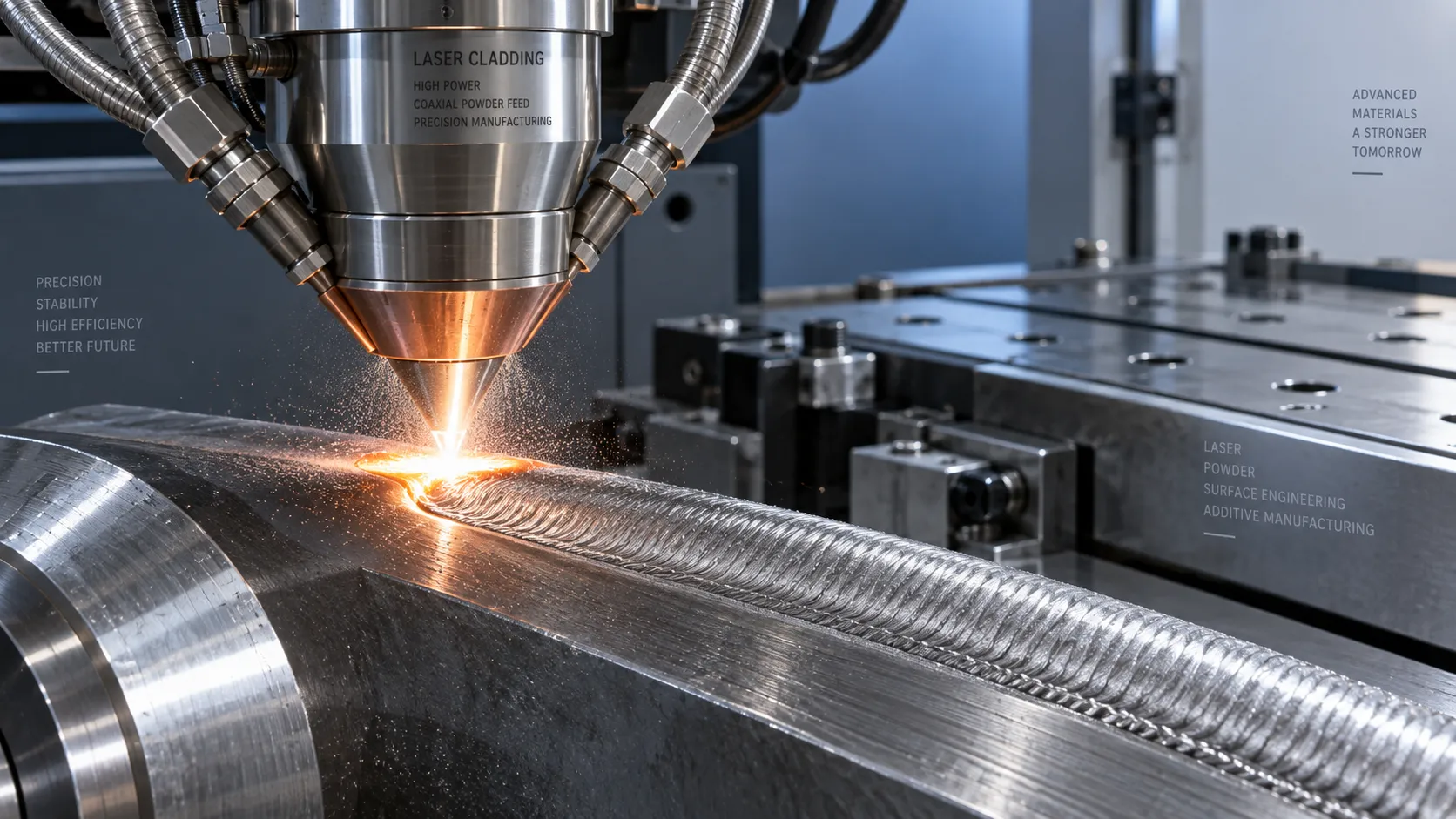
How high power laser cladding systems control substrate dilution
Discover how high power laser cladding systems control substrate dilution through beam shaping, material feed, and thermal management to deliver reliable bonds and coating performance.
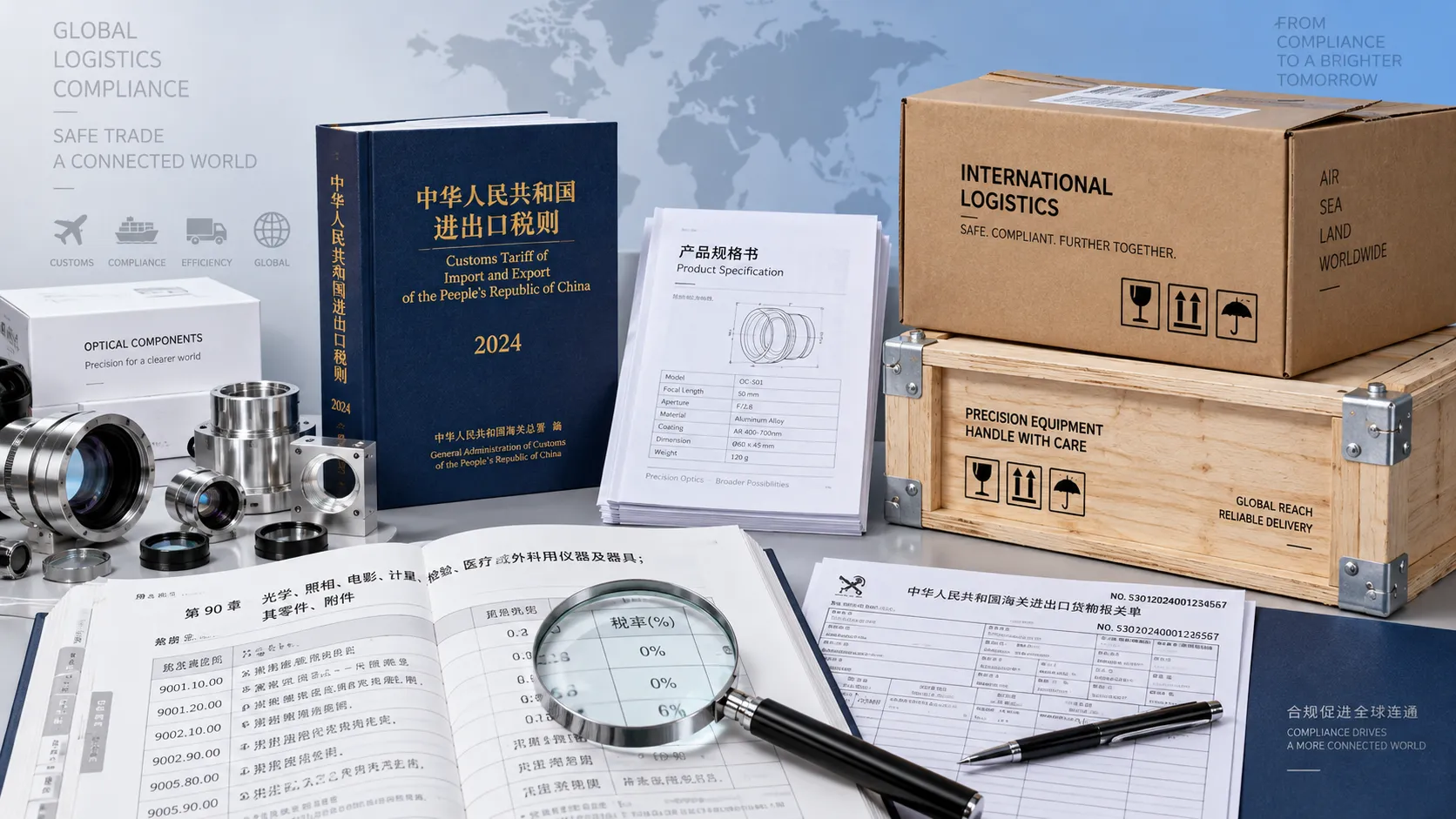
How to check HS codes for customs compliance in international logistics
Strengthen international logistics customs compliance: learn how to verify HS codes, check official tariffs, and document classifications to reduce costly shipment delays.
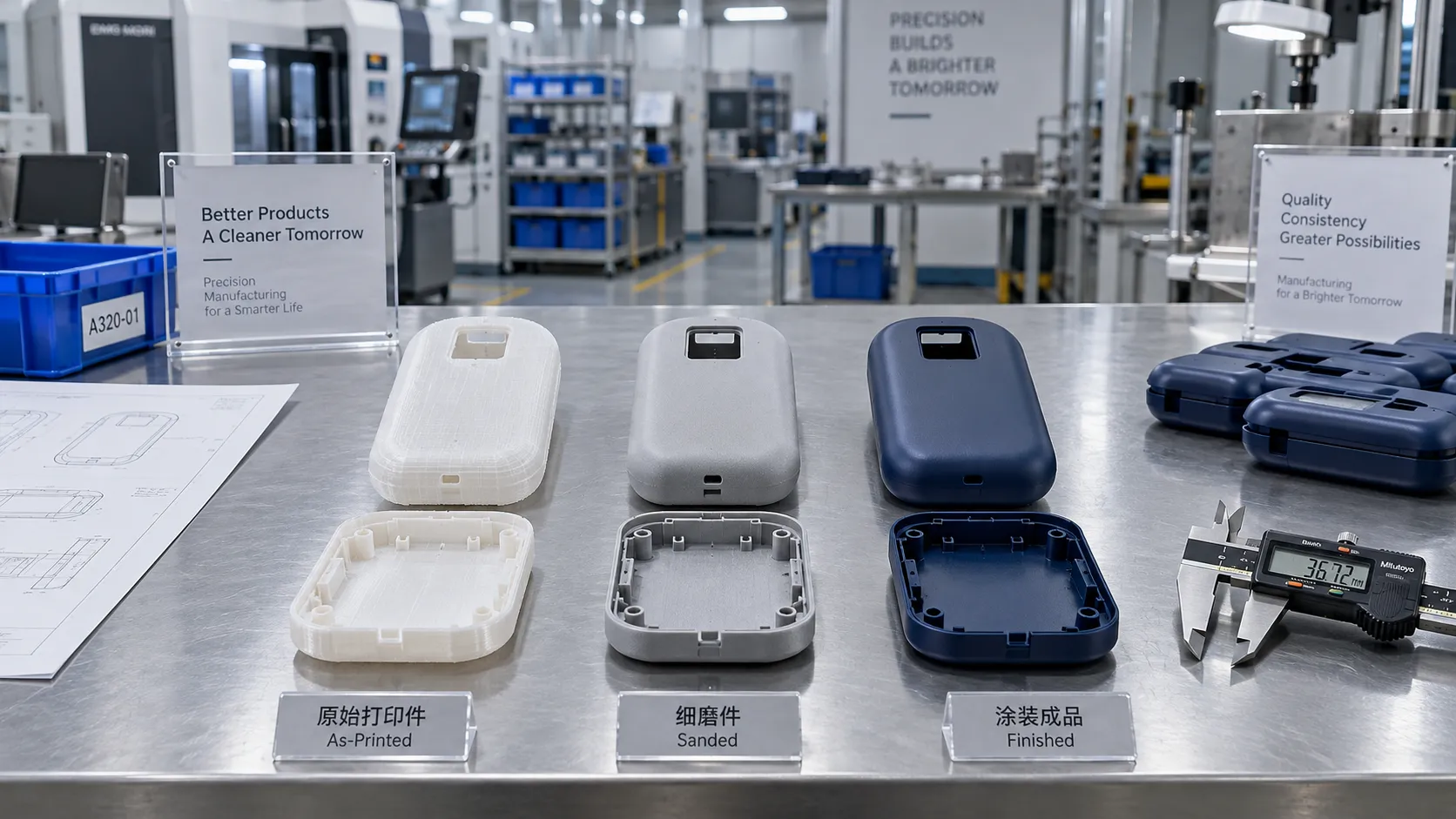
Choosing a 3D Printing Service for Consumer Products: Finish, Fit, and Cost
Compare 3d printing consumer good services by finish, fit, materials, and total cost. Learn how to choose a reliable supplier and avoid costly defects before ordering.
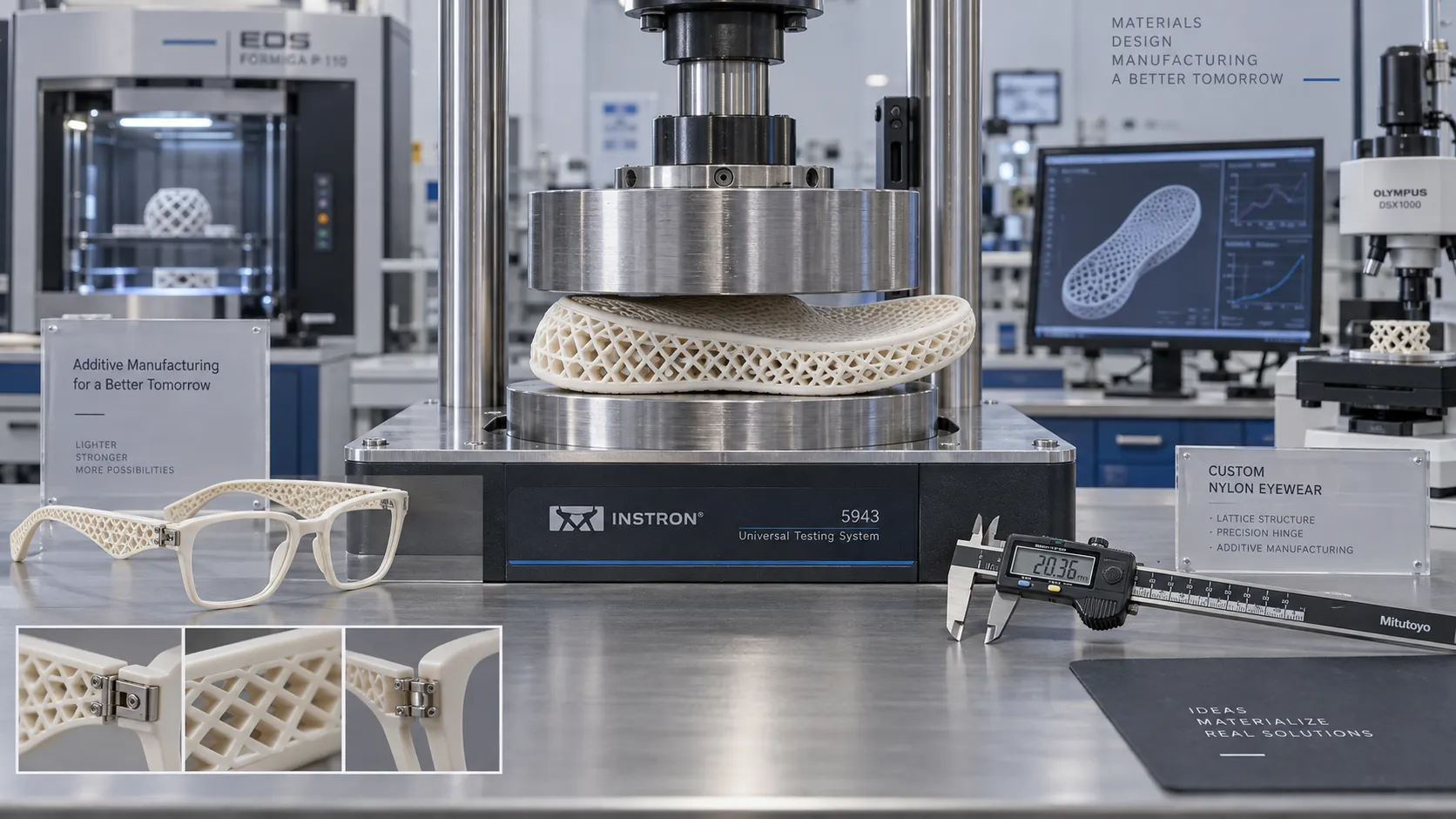
Which Consumer Goods Can Be 3D Printed, and What Are the Practical Limits?
Explore 3d printing consumer goods, from custom eyewear to replacement parts. Discover practical limits on materials, safety, and costs to make smarter production decisions.
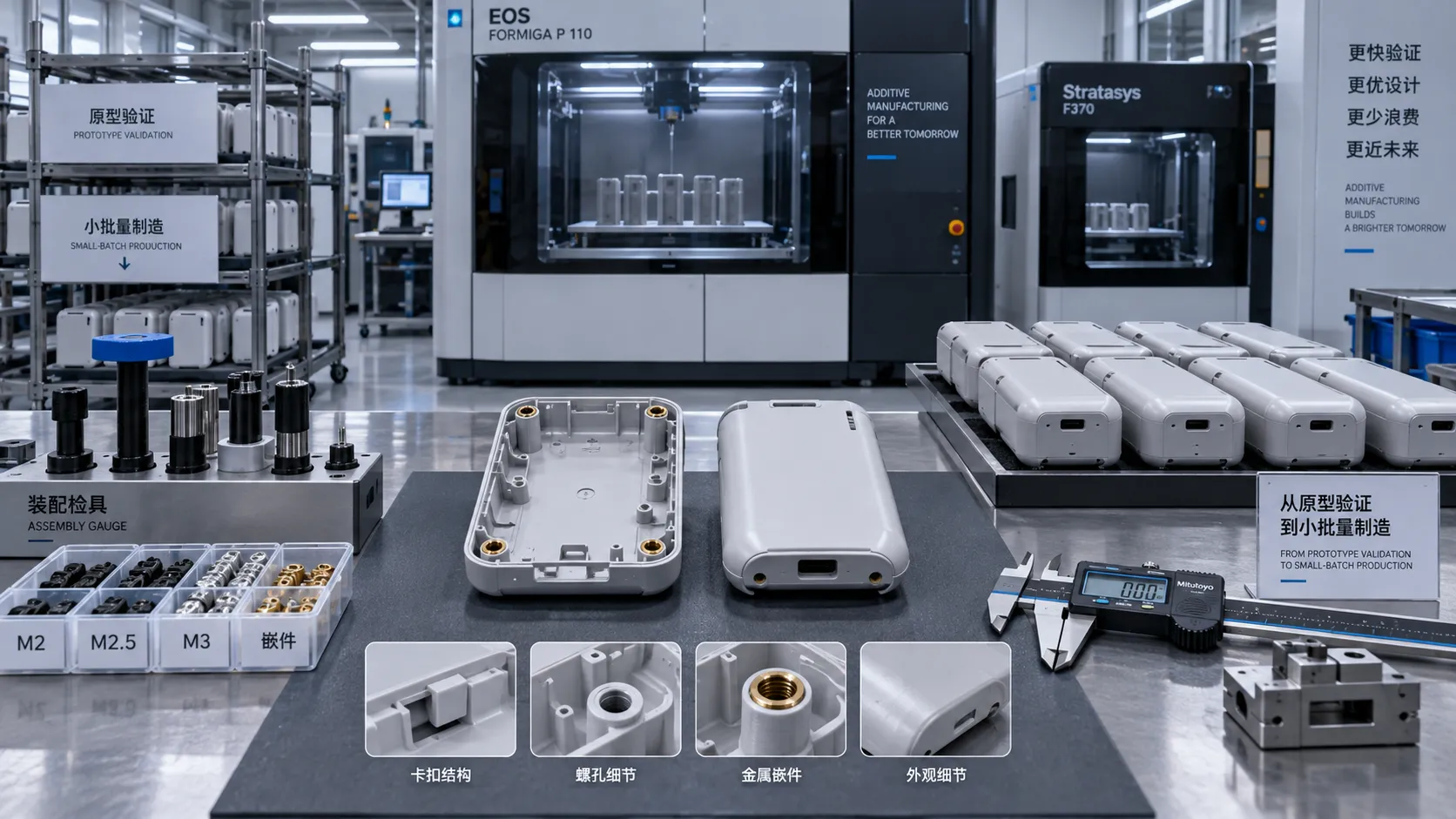
From Prototype to Small Batch: Applying 3D Printing to Consumer Goods
Explore 3d printing in consumer goods: learn how to move from prototype to small-batch production with practical guidance on materials, quality validation, and cost control.
Related News
- 00
0000-00
How to verify part consistency before choosing a 3D printing OEM - 00
0000-00
How does a rigid cryogenic transfer line handle thermal contraction? - 00
0000-00
How much does edge vision deployment cost beyond the hardware? - 00
0000-00
How does the purity of sputtering targets affect thin-film quality? - 00
0000-00
How high power laser cladding systems control substrate dilution
Dr. Hideo Tanaka
Weekly Insights
Stay ahead with our curated technology reports delivered every Monday.