
Automated laser workstation OEM options with fewer delays

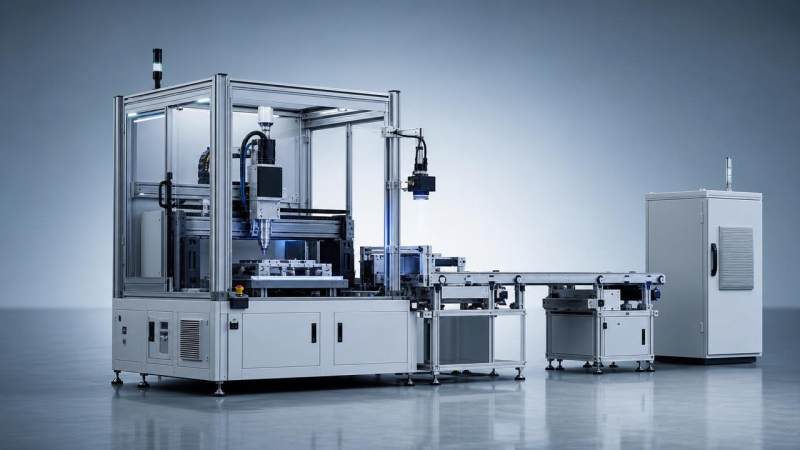
For business evaluators balancing lead time, compliance, and ROI, choosing the right automated laser workstation OEM can directly affect project delivery and long-term production stability.
In today’s industrial environment, delays rarely come from one source alone. They usually emerge from engineering revisions, certification gaps, software mismatches, and weak supplier coordination.
That is why automated laser workstation OEM decisions now carry broader strategic weight. The right option reduces uncertainty across design, installation, validation, and future scaling.
This article reviews practical automated laser workstation OEM options that help reduce delays, strengthen integration confidence, and support more resilient sourcing in fast-moving industrial programs.
Why automated laser workstation OEM choices are changing faster
Across industrial sectors, laser automation is moving from isolated equipment purchases toward integrated production platforms. Buyers increasingly expect full-cell compatibility, traceability, and predictable deployment windows.
The automated laser workstation OEM model has evolved with this shift. Instead of supplying only mechanical frames and laser sources, OEM partners now influence controls, safety architecture, documentation, and post-installation performance.
This change is visible in electronics, automotive, medical device production, energy storage, and precision metal processing. In each case, time-to-production matters as much as machine capability.
As a result, fewer delays depend on how well an automated laser workstation OEM manages pre-engineering assumptions, component availability, standards alignment, and commissioning readiness.
The strongest market signals point to delay-resistant OEM models
Several clear signals show where automated laser workstation OEM demand is heading. These signals reflect a preference for structured delivery over custom complexity without discipline.
- More requests for semi-standard platforms with configurable modules
- Higher attention to CE, ISO, SEMI, and local safety compliance readiness
- Growing demand for machine vision, MES connectivity, and traceability outputs
- Preference for suppliers with stable global component sourcing
- Increased scrutiny of FAT, SAT, and remote support capability
These signals suggest that the best automated laser workstation OEM option is rarely the most customized one. It is often the one with the most controlled path from specification to validated operation.
What is driving demand for automated laser workstation OEM options with fewer delays
The push for delay reduction comes from both market pressure and technical complexity. Laser cells now sit inside highly interconnected production ecosystems, not standalone work areas.
In practice, these drivers reward OEM partners that reduce unknowns early. Technical capability still matters, but schedule reliability increasingly determines commercial value.
Four automated laser workstation OEM options now stand out
1. Standardized platform OEM with configurable process modules
This option uses a proven base platform and adapts fixtures, software parameters, enclosures, and material handling around it. It usually offers the best balance between flexibility and schedule control.
A standardized automated laser workstation OEM approach often reduces engineering revisions, documentation errors, and commissioning surprises. It is especially useful when repeatability matters more than radical customization.
2. Vertically integrated OEM with in-house controls and safety engineering
This model keeps mechanical design, electrical integration, safety logic, and software development under one organizational roof. It can reduce handoff delays between subcontractors.
For complex applications, a vertically integrated automated laser workstation OEM may resolve issues faster during FAT and installation. The tradeoff can be higher initial pricing.
3. Regionalized OEM with localized service and spare support
This option is valuable when commissioning timelines are tight or cross-border logistics are unstable. Local engineering presence often shortens response times for setup, tuning, and training.
A regional automated laser workstation OEM may not always offer the broadest catalog. Still, it often lowers deployment friction in regulated or infrastructure-sensitive environments.
4. High-customization OEM for advanced or unusual process demands
Some applications require unique beam delivery, specialized vision inspection, hybrid robotics, or demanding material workflows. Here, customization is necessary rather than optional.
However, this automated laser workstation OEM option carries the highest delay risk. It works best when scope control, design freeze milestones, and validation criteria are exceptionally clear.
How these OEM choices affect industrial operations
The impact of automated laser workstation OEM selection extends beyond procurement timing. It influences ramp-up stability, maintenance burden, change management, and future replication potential.
In high-mix production, an inflexible workstation can create long adjustment cycles. In high-volume production, weak process consistency can trigger downstream quality and throughput losses.
The right automated laser workstation OEM also affects digital transparency. Better alarm mapping, recipe control, and traceability can shorten troubleshooting and strengthen audit readiness.
- Engineering teams gain clearer interfaces and fewer integration ambiguities
- Quality functions benefit from repeatable process data and validation records
- Operations experience faster startup and lower unplanned intervention
- Service planning improves when spare parts and software versions are controlled
What deserves closer attention before committing to an automated laser workstation OEM
Delay reduction begins before order placement. Several checkpoints reveal whether an automated laser workstation OEM can deliver reliably under real production conditions.
- Scope definition: confirm process boundaries, material range, takt targets, and excluded responsibilities
- Component strategy: ask which critical parts have approved alternatives
- Compliance package: review safety design, risk assessment, and required certificates
- Software openness: verify PLC, HMI, protocol, and database compatibility
- Acceptance plan: define FAT, SAT, sample criteria, and deviation handling early
- Service continuity: confirm training, spare stock, remote diagnostics, and escalation routes
These items often reveal the difference between a technically attractive proposal and a truly delay-resistant automated laser workstation OEM partnership.
A practical framework for judging lower-delay OEM readiness
How to respond as market conditions continue shifting
The strongest response is not chasing the most features. It is building a sourcing path that protects schedule, compliance, and process stability at the same time.
Start by ranking needs into three groups: mandatory performance, preferred flexibility, and acceptable future upgrades. This prevents hidden customization from expanding lead time.
Then compare each automated laser workstation OEM option against measurable deployment criteria. Focus on engineering maturity, validation evidence, and supply continuity rather than brochure claims.
- Freeze technical interfaces early
- Request milestone-based delivery visibility
- Validate software and safety assumptions before fabrication starts
- Use acceptance criteria tied to production reality, not only lab tests
The next step toward a more reliable automated laser workstation OEM decision
An effective automated laser workstation OEM strategy begins with better questions, not faster quotations. Fewer delays come from structured evaluation, documented assumptions, and realistic commissioning planning.
When comparing options, prioritize repeatable platform maturity, transparent compliance support, stable sourcing, and integration readiness. These factors usually determine whether a project starts on time and stays productive.
For organizations navigating industrial laser processing, machine vision integration, additive workflows, or precision automation expansion, a delay-resistant automated laser workstation OEM can become a long-term operational advantage.
Use this framework to narrow candidates, challenge assumptions, and move toward an OEM partnership built for reliable execution rather than reactive problem solving.
Related News
How to verify part consistency before choosing a 3D printing OEM
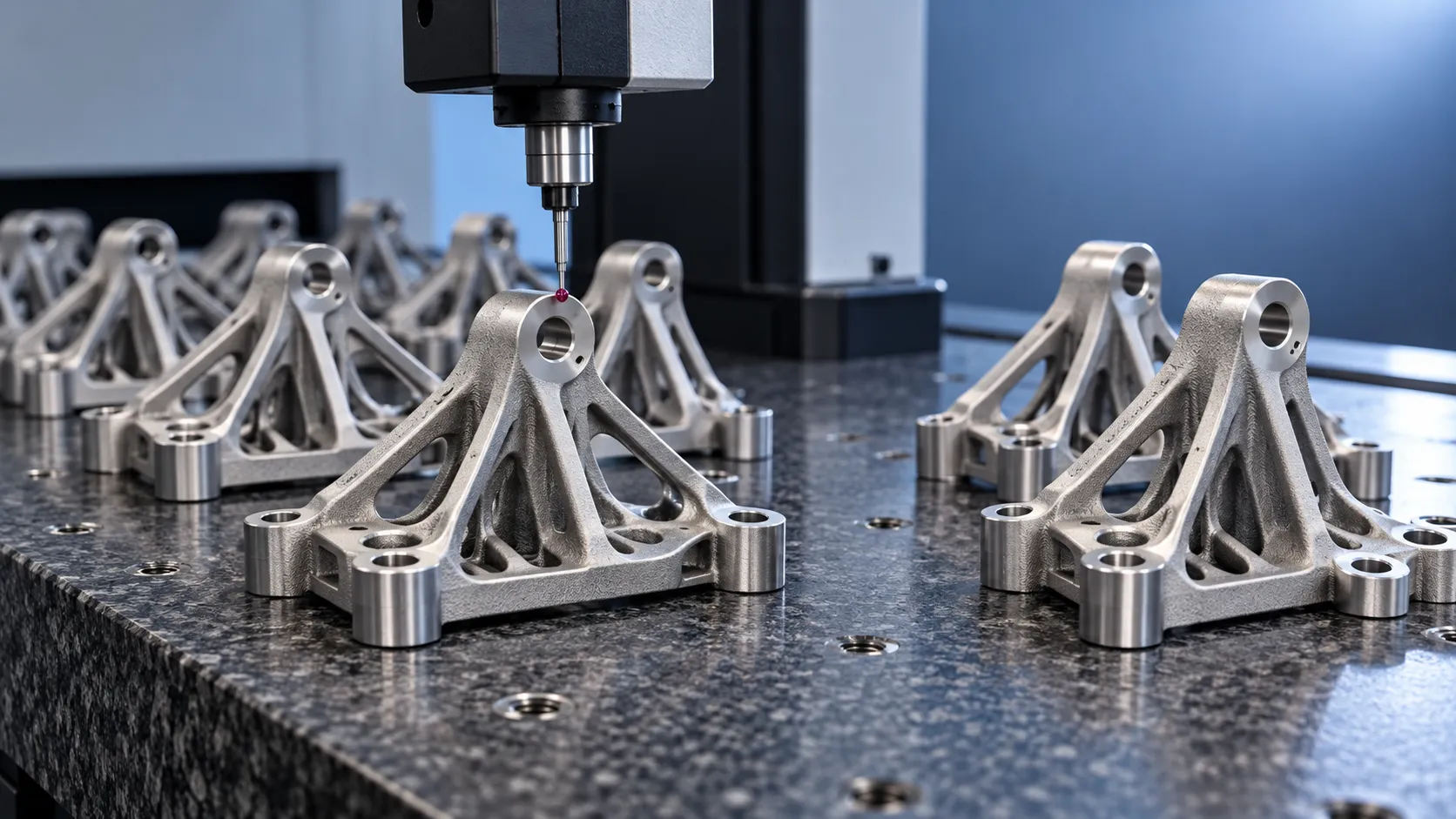
Choosing a 3D printing OEM? Learn how to verify part consistency with repeat-build trials, validated inspections, and traceability checks before committing to production.
How does a rigid cryogenic transfer line handle thermal contraction?
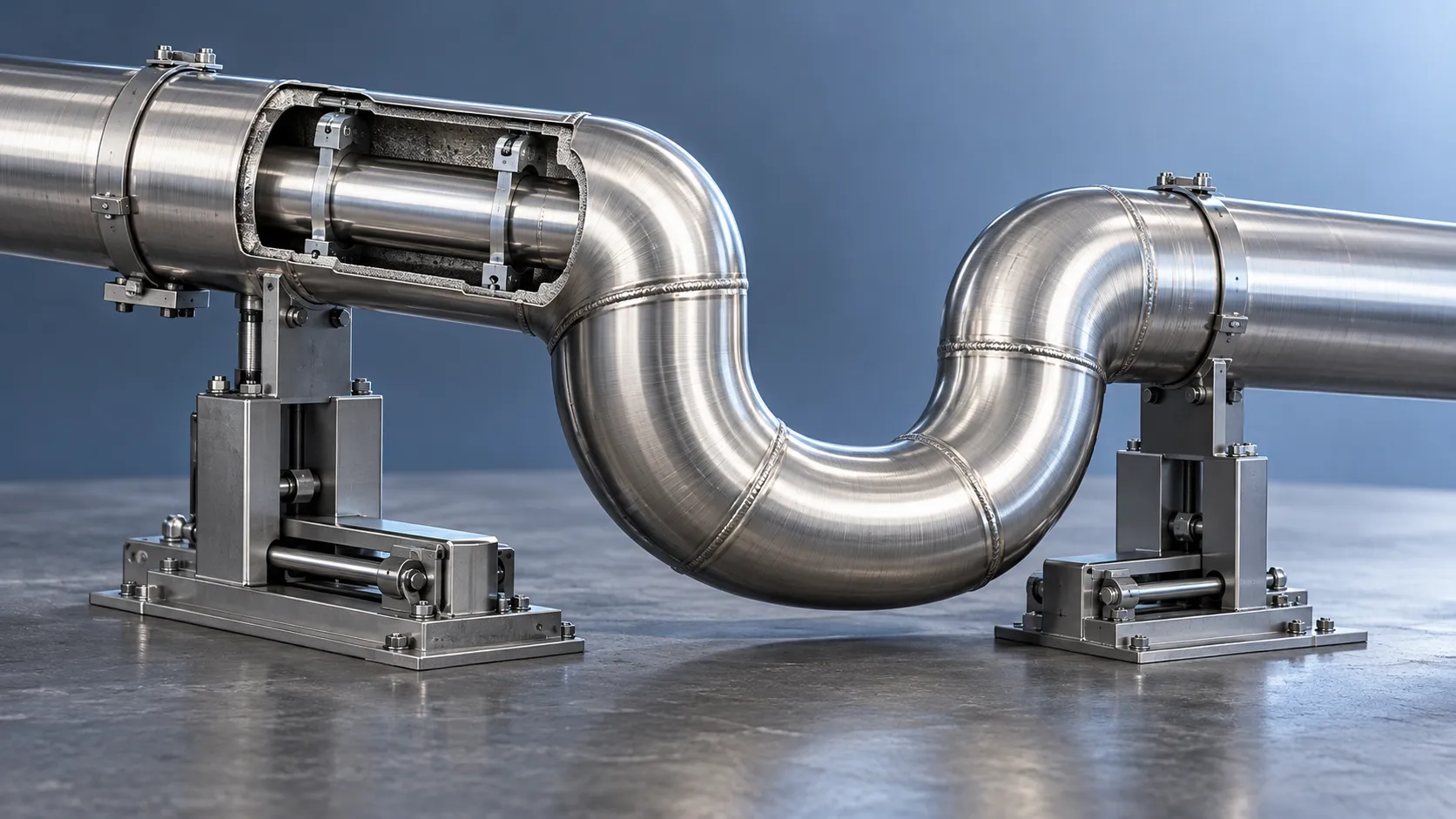
Learn how a rigid cryogenic transfer line manages thermal contraction with bends, bellows, and guided supports. Discover key design checks for safe, reliable cryogenic performance.
How much does edge vision deployment cost beyond the hardware?
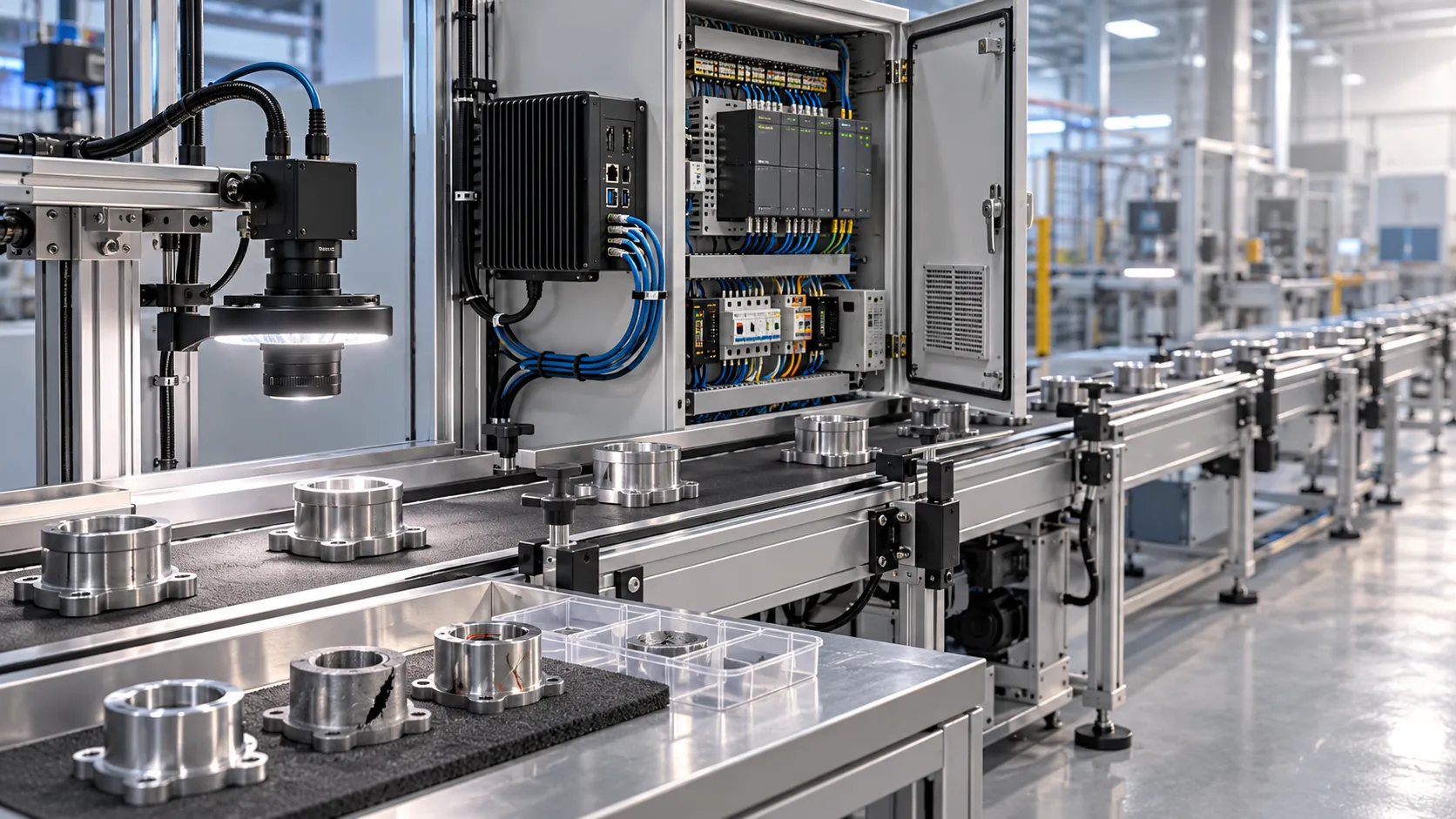
Understand edge vision deployment cost beyond hardware, from data and integration to security and support. Uncover hidden expenses and build a smarter lifecycle budget before you scale.
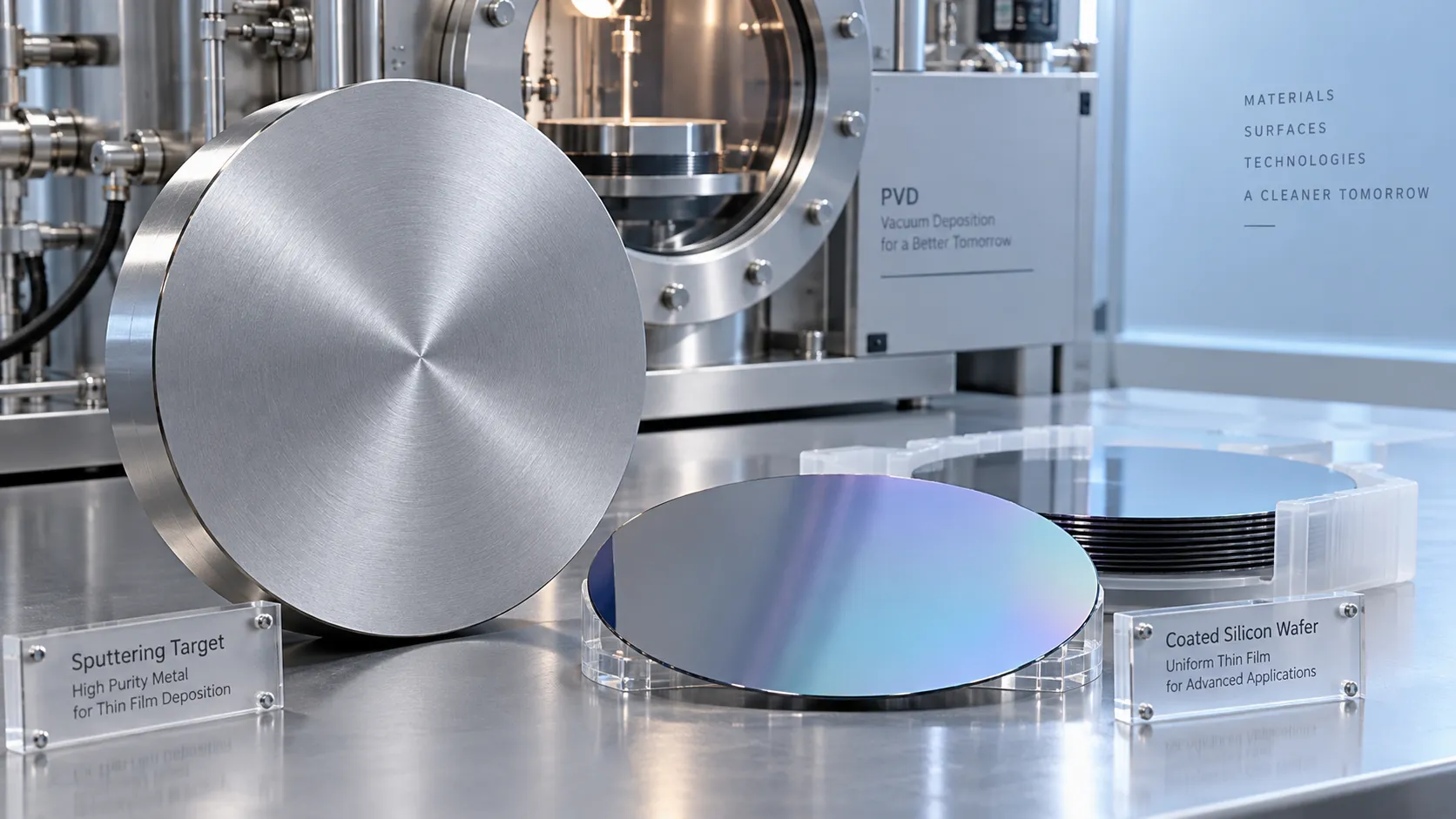
How does the purity of sputtering targets affect thin-film quality?
Discover how sputtering targets affect thin-film quality. Learn to assess purity, identify harmful impurities, and choose specifications that improve coating performance.
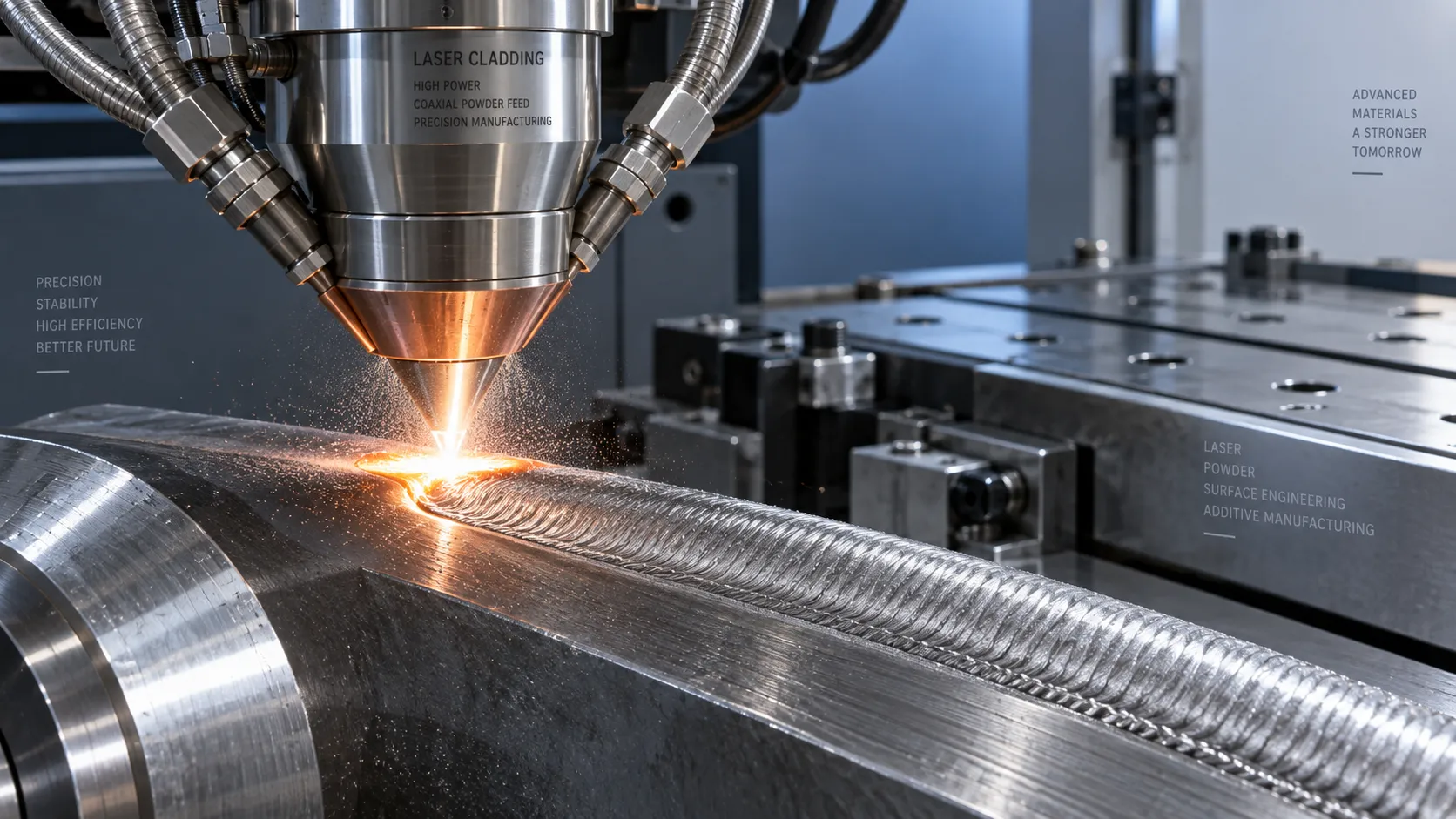
How high power laser cladding systems control substrate dilution
Discover how high power laser cladding systems control substrate dilution through beam shaping, material feed, and thermal management to deliver reliable bonds and coating performance.

How to check HS codes for customs compliance in international logistics
Strengthen international logistics customs compliance: learn how to verify HS codes, check official tariffs, and document classifications to reduce costly shipment delays.
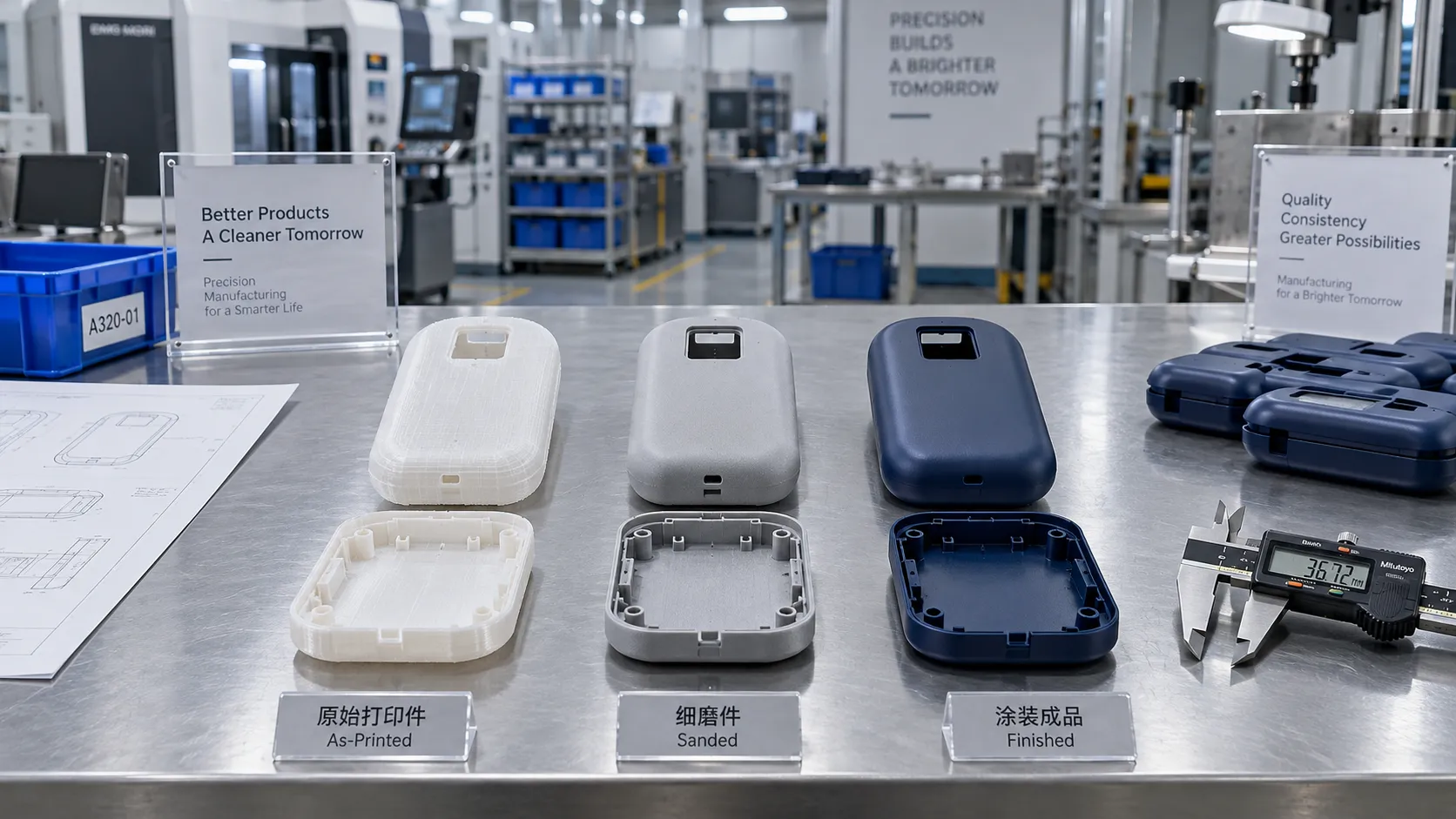
Choosing a 3D Printing Service for Consumer Products: Finish, Fit, and Cost
Compare 3d printing consumer good services by finish, fit, materials, and total cost. Learn how to choose a reliable supplier and avoid costly defects before ordering.
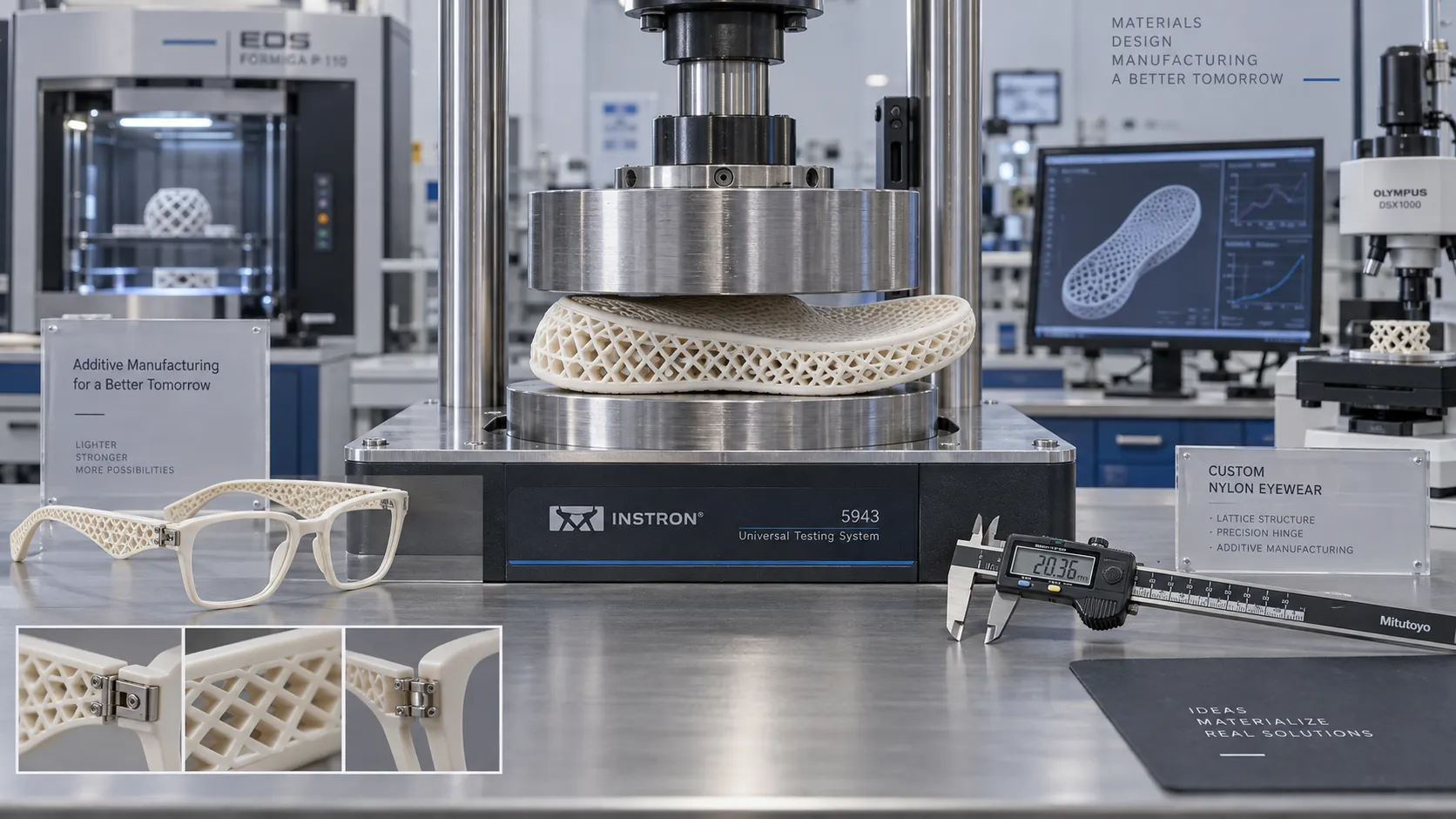
Which Consumer Goods Can Be 3D Printed, and What Are the Practical Limits?
Explore 3d printing consumer goods, from custom eyewear to replacement parts. Discover practical limits on materials, safety, and costs to make smarter production decisions.
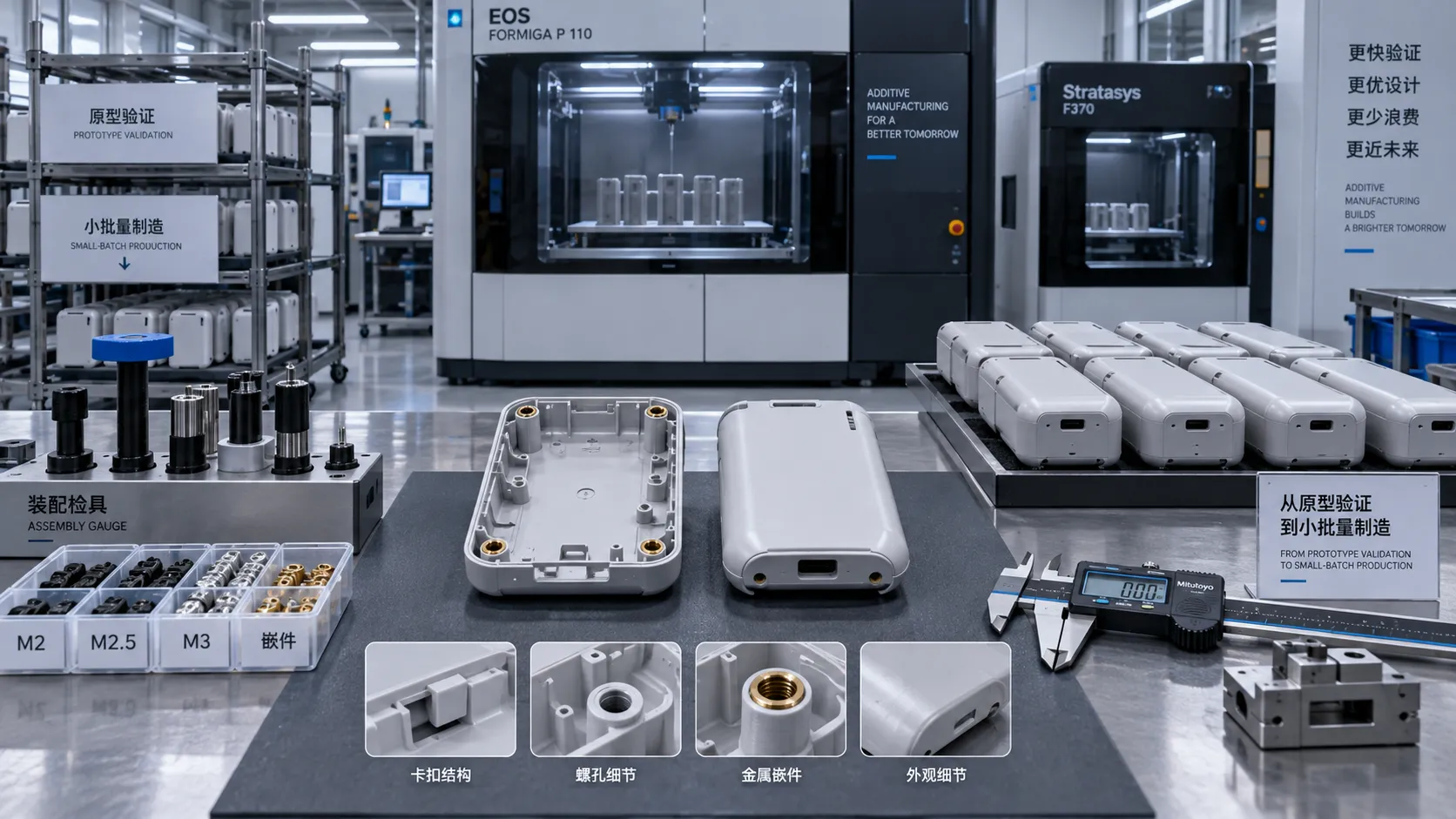
From Prototype to Small Batch: Applying 3D Printing to Consumer Goods
Explore 3d printing in consumer goods: learn how to move from prototype to small-batch production with practical guidance on materials, quality validation, and cost control.
Related News
- 00
0000-00
How to verify part consistency before choosing a 3D printing OEM - 00
0000-00
How does a rigid cryogenic transfer line handle thermal contraction? - 00
0000-00
How much does edge vision deployment cost beyond the hardware? - 00
0000-00
How does the purity of sputtering targets affect thin-film quality? - 00
0000-00
How high power laser cladding systems control substrate dilution
Dr. Hideo Tanaka
Weekly Insights
Stay ahead with our curated technology reports delivered every Monday.