
How to compare a fiber laser marking machine supplier

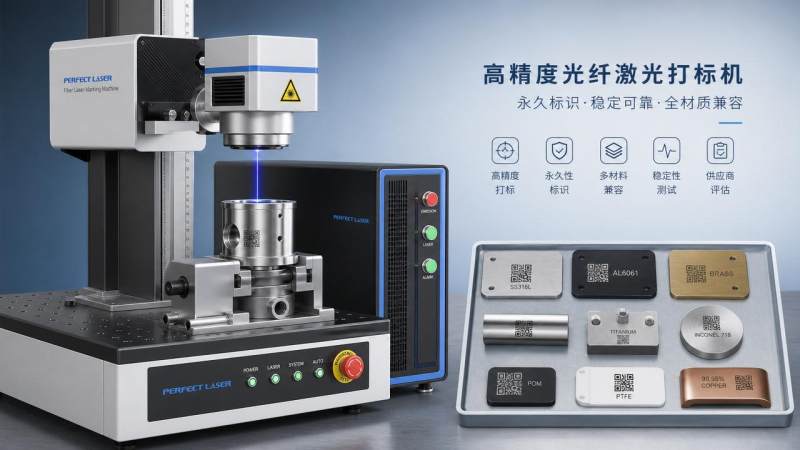
Choosing a fiber laser marking machine supplier now demands more than checking quoted price and lead time.
Marking quality, traceability rules, digital integration, and lifecycle support have become decisive in industrial sourcing.
A weak supplier can create downtime, inconsistent marks, audit failures, and unexpected maintenance cost.
A strong fiber laser marking machine supplier supports production stability, compliance readiness, and long-term asset value.
This guide explains how current market shifts are changing supplier comparison criteria and what to verify before selection.
Comparison standards are moving from price-only reviews to resilience and application fit
The market for industrial marking systems has become more demanding across metals, electronics, medical parts, automotive components, and precision tools.
As a result, comparing a fiber laser marking machine supplier now requires broader technical and operational judgment.
Buyers increasingly ask whether the supplier can maintain performance under real production conditions, not just lab demonstrations.
This shift matters because modern marking tasks often involve permanent codes, small fonts, curved surfaces, reflective materials, and automated lines.
In that environment, specification sheets alone are not enough.
The best fiber laser marking machine supplier proves consistency across software, optics, source stability, enclosure safety, and service response.
Several industry signals explain why fiber laser marking machine supplier evaluation is becoming stricter
Industrial traceability requirements are expanding in both regulated and non-regulated sectors.
At the same time, production systems are becoming more connected, data-driven, and sensitive to unplanned interruption.
These changes are raising the threshold for every fiber laser marking machine supplier under consideration.
Technical comparison now starts with application evidence, not brochure claims
A credible fiber laser marking machine supplier should match system design to actual marking tasks.
That means reviewing sample quality on the target material, expected cycle time, code size, and required contrast.
It also means checking repeatability across batches, fixtures, and operator shifts.
Key technical checkpoints
- Laser source brand, rated power, pulse stability, and expected operating life.
- Galvo speed, field lens options, marking area, and spot quality.
- Software usability, file compatibility, serialization, and database connection capability.
- Support for QR codes, Data Matrix, logos, deep engraving, annealing, or black marking.
- Performance on stainless steel, aluminum, coated metals, brass, titanium, and engineered plastics.
If the fiber laser marking machine supplier cannot provide tested samples under realistic conditions, the risk remains high.
Reliable comparison depends on measurable output, not marketing language.
Quality systems and compliance readiness are becoming major supplier differentiators
A fiber laser marking machine supplier should be judged on process discipline as much as equipment capability.
For many industries, documentation quality influences onboarding speed and acceptance confidence.
This is especially true when systems enter audited production environments.
- Check ISO-related quality management practices and inspection records.
- Verify CE, laser safety features, interlocks, enclosures, and fume extraction compatibility.
- Ask for electrical standards, manuals, maintenance guides, and spare part lists.
- Review FAT or SAT support if deployment involves complex automation.
The stronger fiber laser marking machine supplier usually offers clearer records, faster technical clarification, and lower compliance friction.
Service capability now has direct impact on uptime, lifecycle cost, and global deployment success
Support quality often decides whether a marking system becomes a stable asset or a recurring operational issue.
This is why service depth should be central in comparing any fiber laser marking machine supplier.
Fast remote diagnosis, stocked spare parts, and clear escalation paths reduce downtime exposure.
A low initial quote from a weak fiber laser marking machine supplier may become expensive after the first unplanned stop.
Supply chain transparency and commercial stability are influencing final selection more than before
Industrial buyers increasingly examine where critical components come from and how resilient the supplier network is.
This matters because laser sources, control boards, optics, and motion parts can face procurement volatility.
A dependable fiber laser marking machine supplier should explain sourcing strategy, replacement paths, and continuity planning.
Commercial indicators worth reviewing
- Delivery record and average lead time stability.
- Warranty scope, exclusions, and onsite support conditions.
- Export experience, customs documentation, and destination compliance familiarity.
- Ability to support repeat orders with unchanged configuration control.
When comparing a fiber laser marking machine supplier, commercial robustness often protects technical investment.
Different business functions feel the impact of supplier quality in different ways
Supplier choice affects more than the machine cell itself.
Its consequences extend into production continuity, product identification, quality assurance, and system integration performance.
- Production operations face cycle time loss when marking speed or fixture compatibility is underestimated.
- Quality control faces rejection risk when codes lack contrast or verification consistency.
- Engineering teams face rework when software or communication interfaces are limited.
- Compliance functions face audit pressure when safety documents or validation data are incomplete.
Therefore, the best fiber laser marking machine supplier is rarely defined by one department’s priorities alone.
The most useful comparison framework combines weighted scoring with real validation tests
A structured method helps separate attractive quotations from dependable industrial partners.
It also makes internal decisions easier to defend over time.
Before final award, request tested samples, a detailed configuration list, and a service commitment from each fiber laser marking machine supplier.
The next decision should favor evidence, lifecycle value, and strategic fit
The market is clearly moving toward stricter evaluation of industrial marking partners.
That trend will continue as traceability, automation, and quality expectations rise.
To compare a fiber laser marking machine supplier effectively, focus on verified performance, compliance readiness, service depth, and supply resilience.
Use a weighted review sheet, run material-based sample tests, and confirm post-installation support before committing.
A disciplined comparison process will reveal which fiber laser marking machine supplier can support stable output and long-term industrial value.
Related News
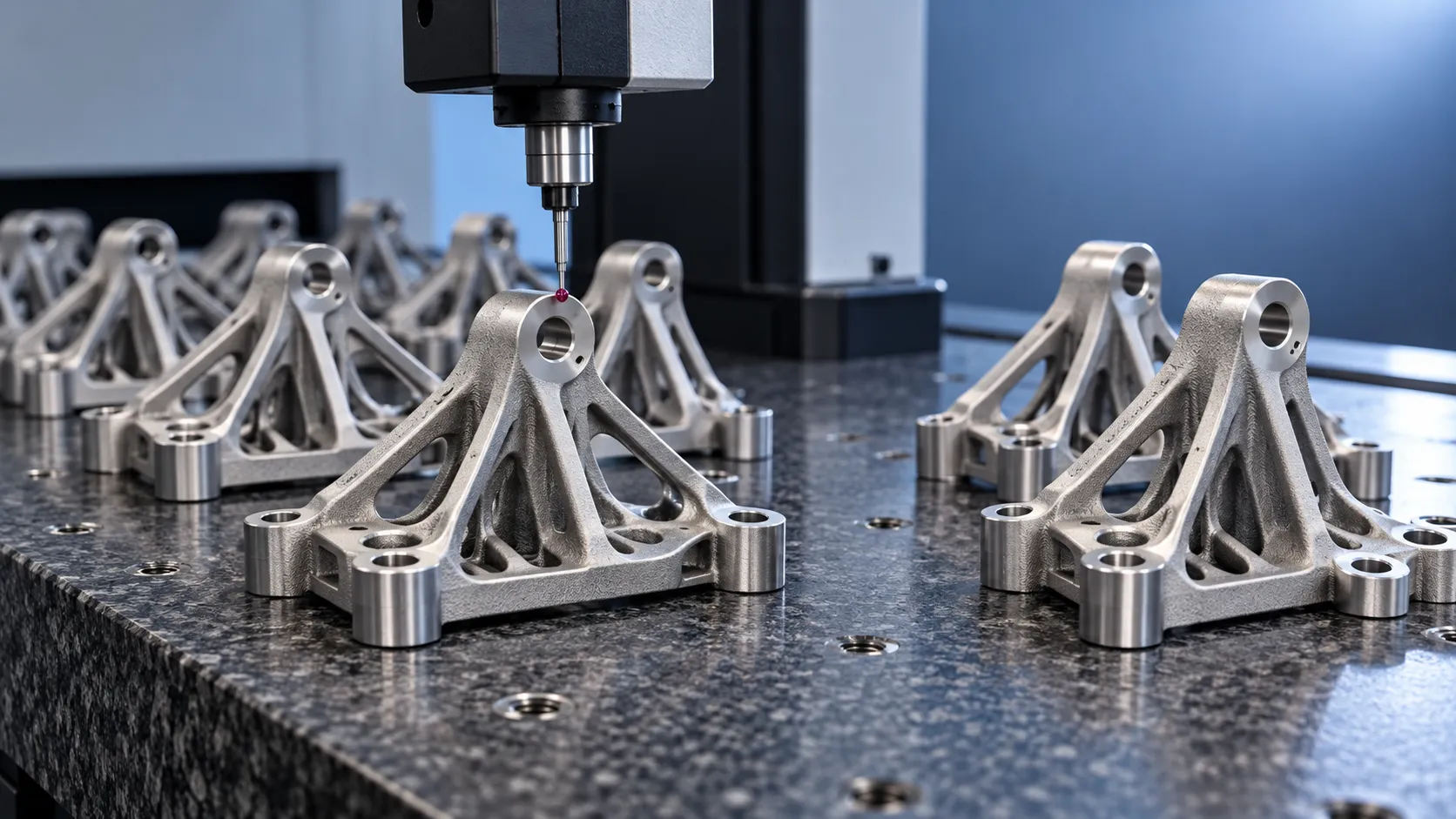
How to verify part consistency before choosing a 3D printing OEM
Choosing a 3D printing OEM? Learn how to verify part consistency with repeat-build trials, validated inspections, and traceability checks before committing to production.
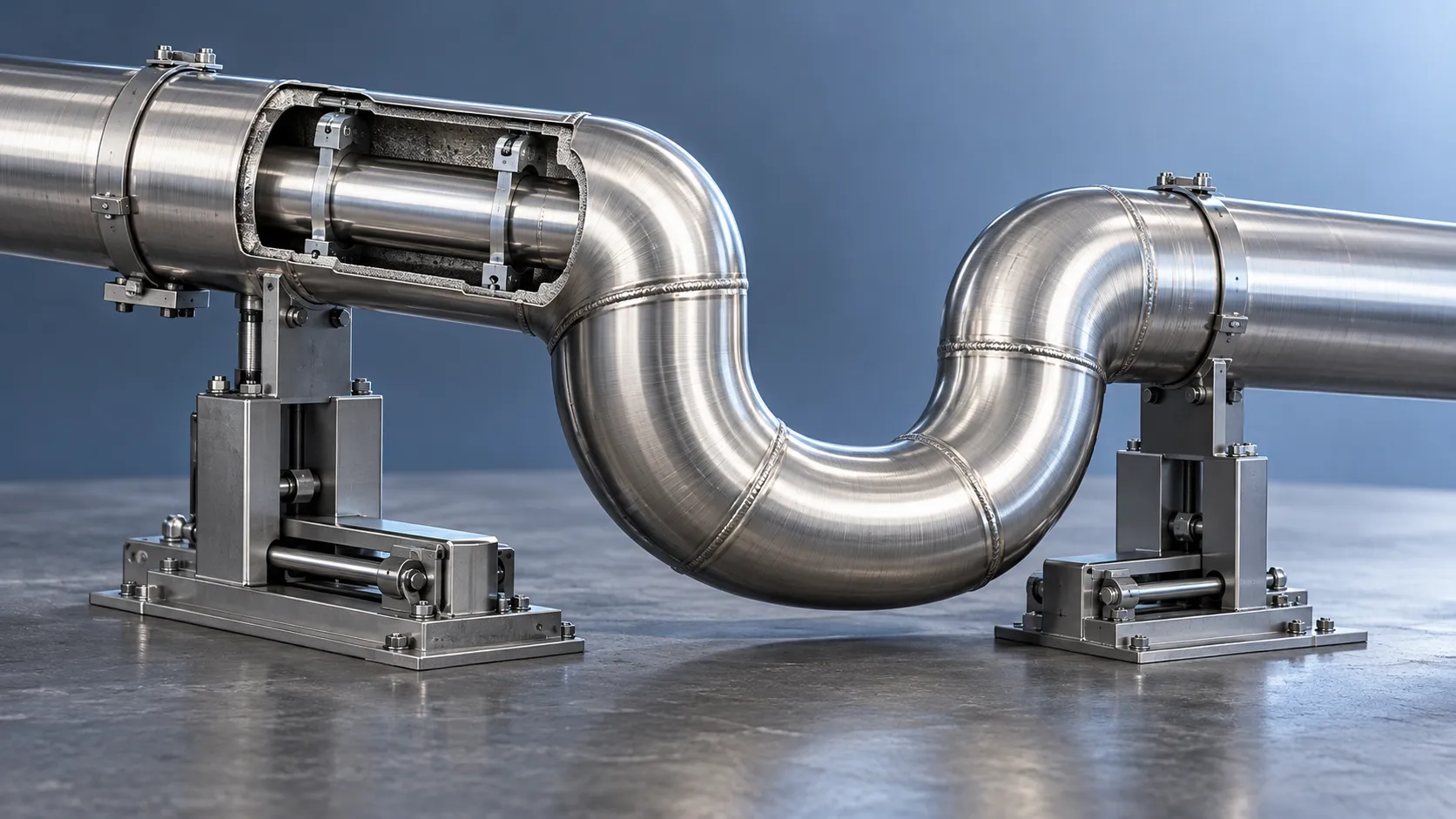
How does a rigid cryogenic transfer line handle thermal contraction?
Learn how a rigid cryogenic transfer line manages thermal contraction with bends, bellows, and guided supports. Discover key design checks for safe, reliable cryogenic performance.

How much does edge vision deployment cost beyond the hardware?
Understand edge vision deployment cost beyond hardware, from data and integration to security and support. Uncover hidden expenses and build a smarter lifecycle budget before you scale.
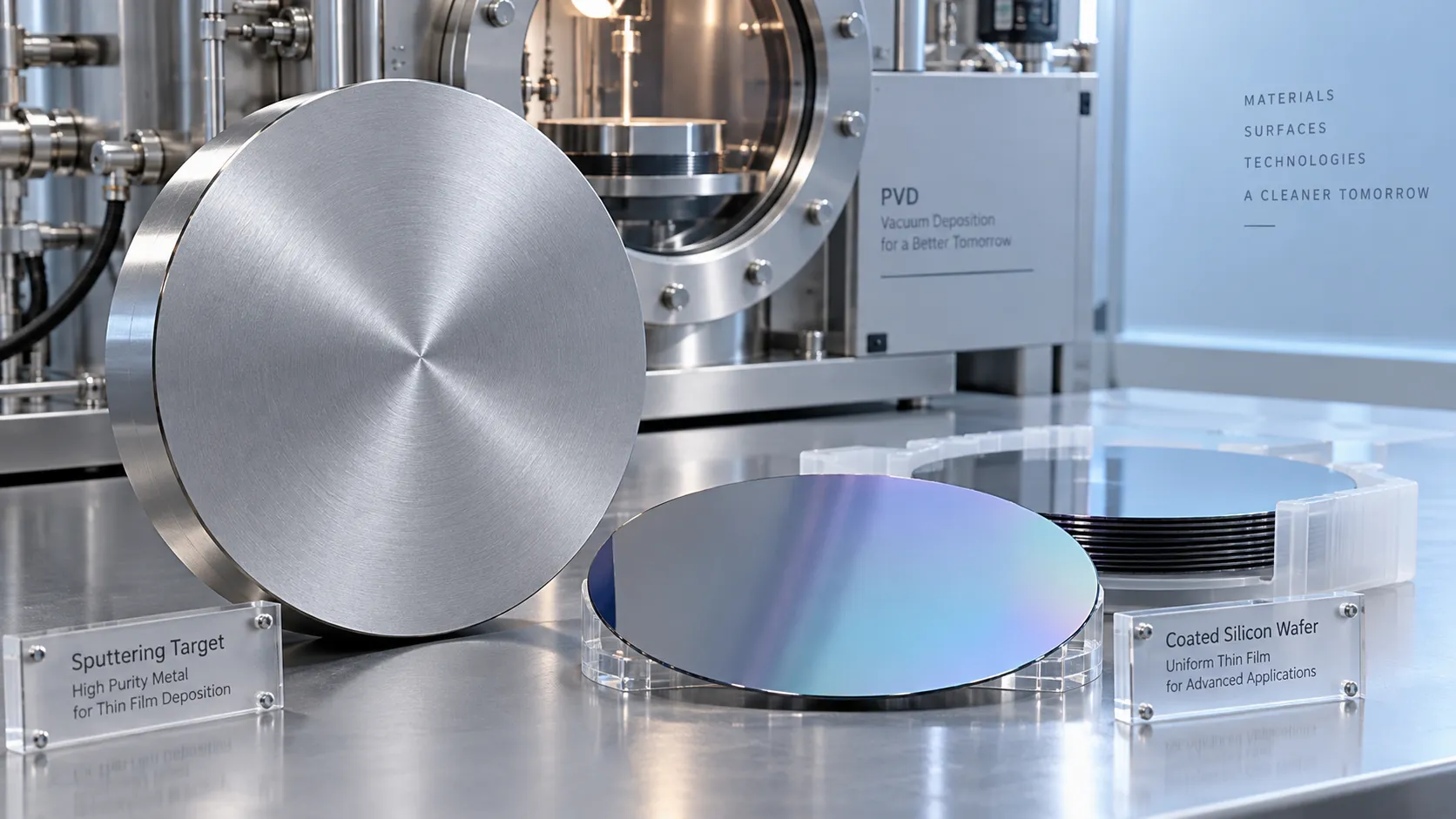
How does the purity of sputtering targets affect thin-film quality?
Discover how sputtering targets affect thin-film quality. Learn to assess purity, identify harmful impurities, and choose specifications that improve coating performance.
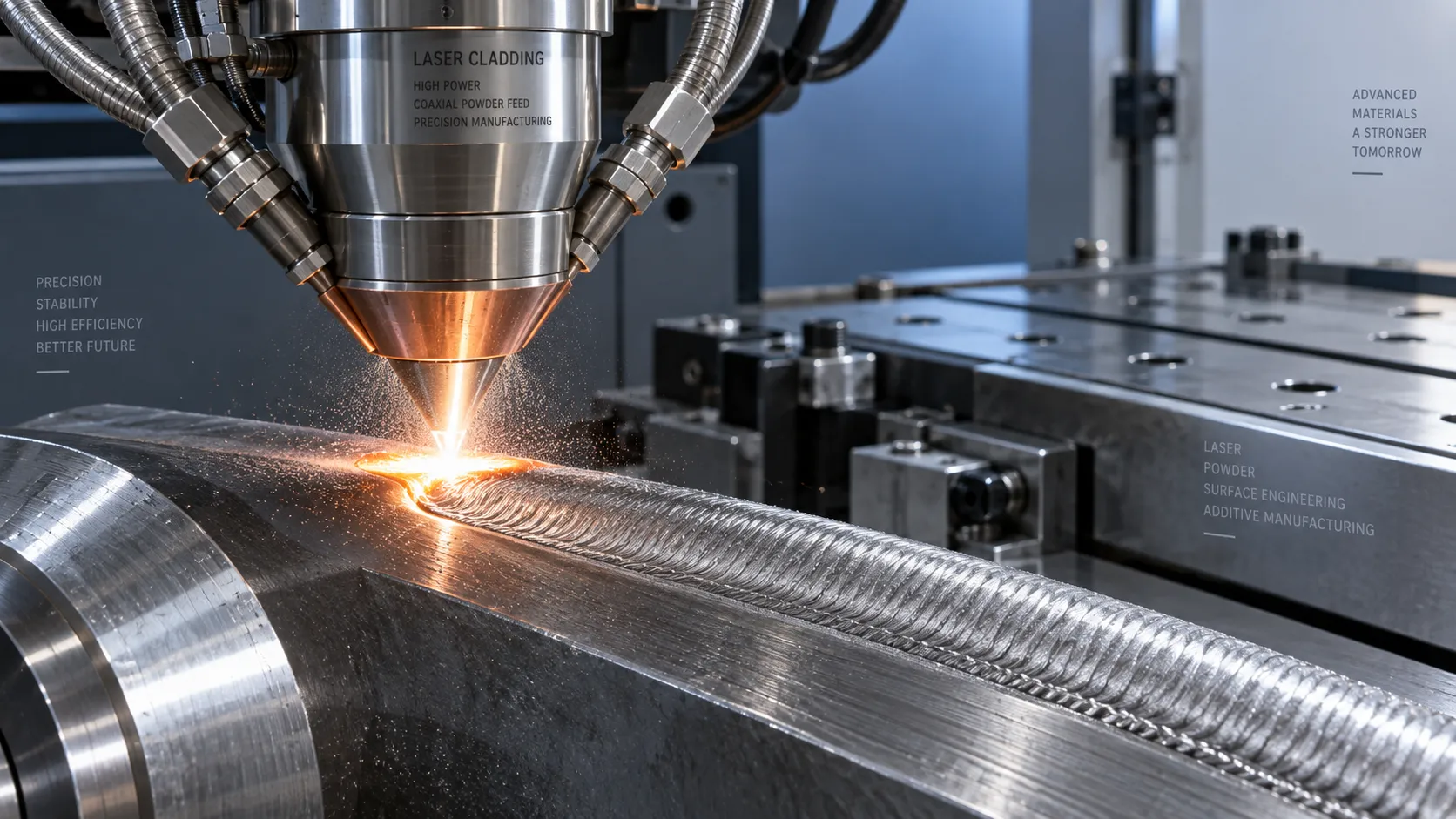
How high power laser cladding systems control substrate dilution
Discover how high power laser cladding systems control substrate dilution through beam shaping, material feed, and thermal management to deliver reliable bonds and coating performance.
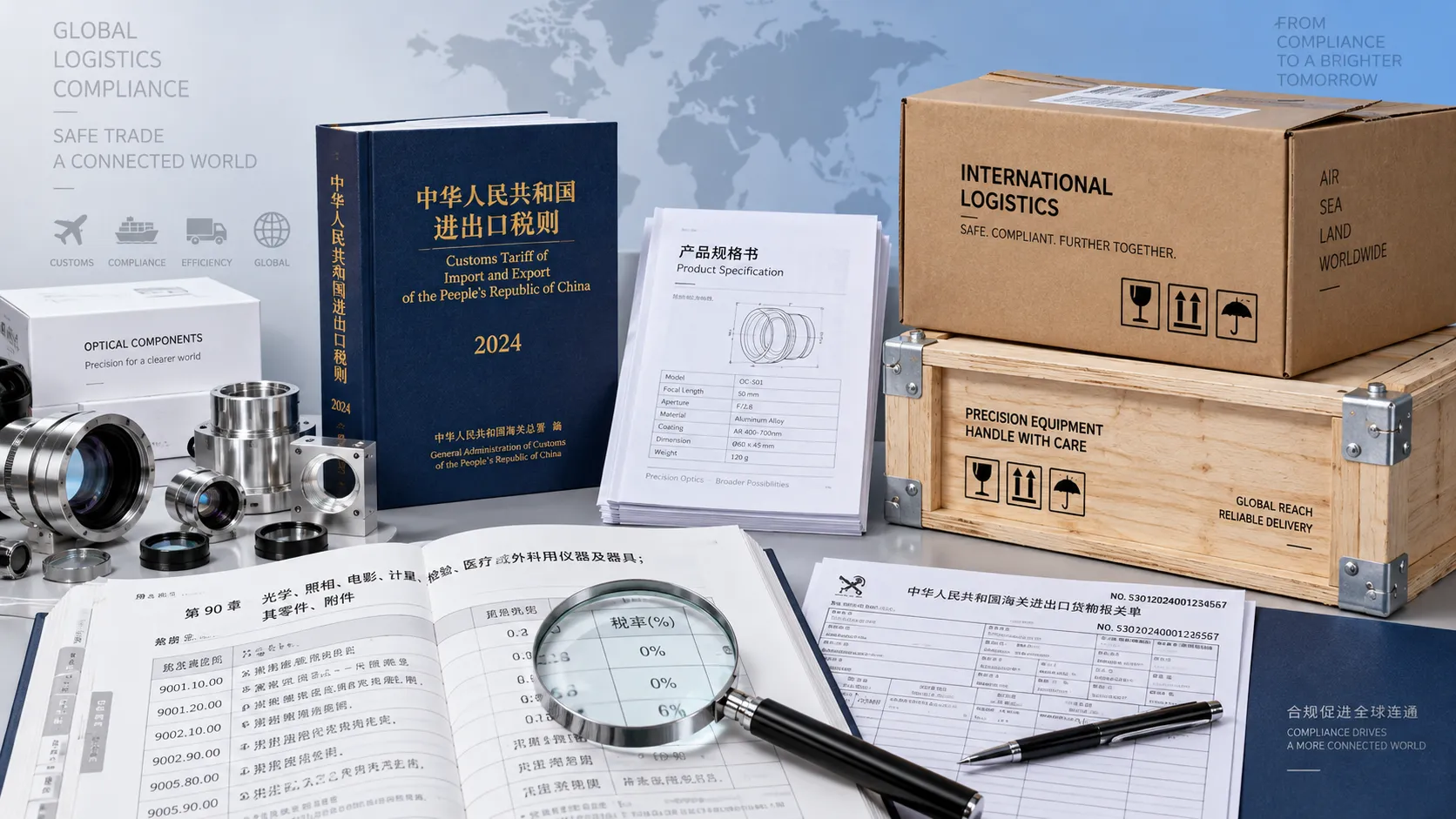
How to check HS codes for customs compliance in international logistics
Strengthen international logistics customs compliance: learn how to verify HS codes, check official tariffs, and document classifications to reduce costly shipment delays.
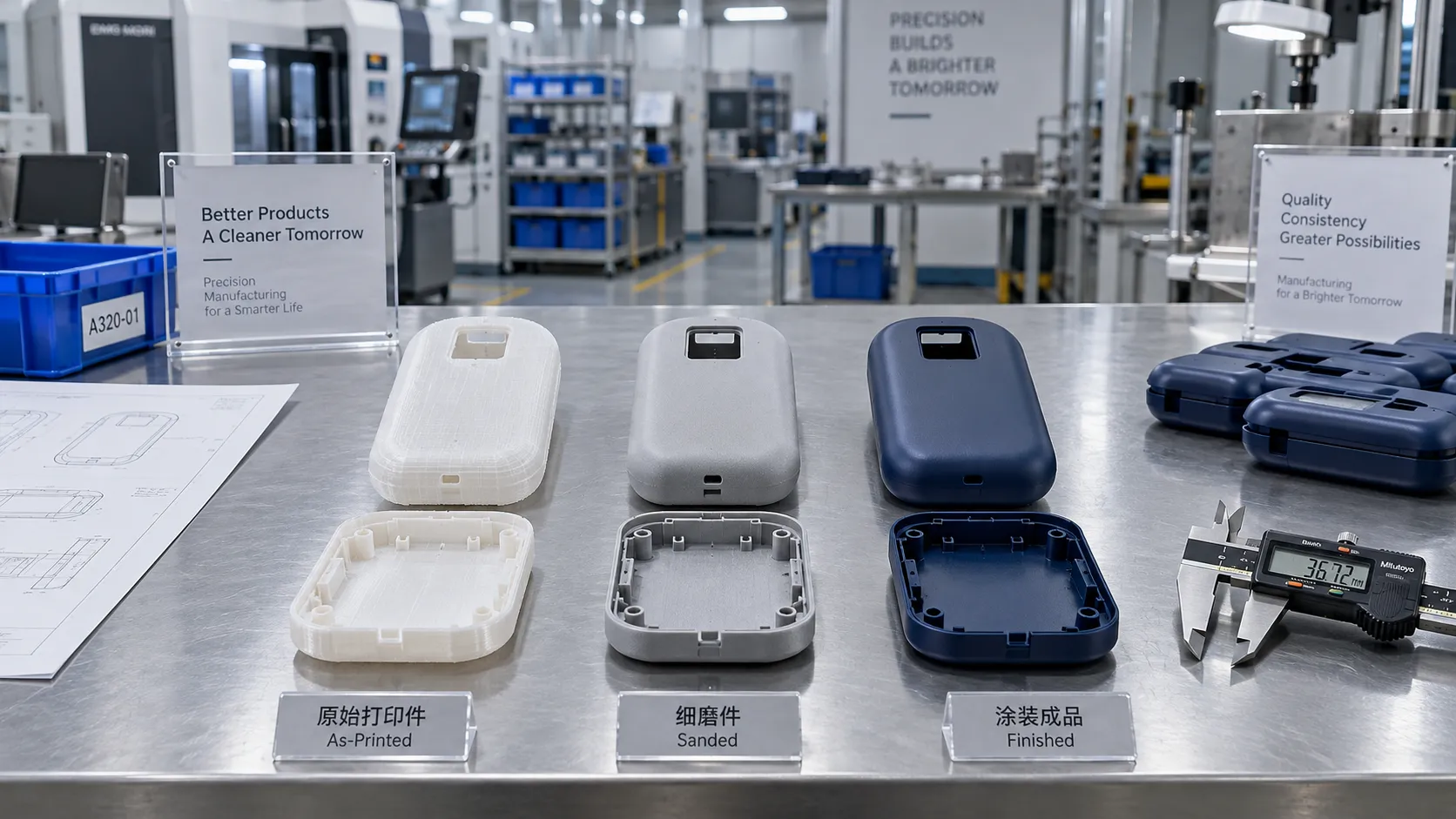
Choosing a 3D Printing Service for Consumer Products: Finish, Fit, and Cost
Compare 3d printing consumer good services by finish, fit, materials, and total cost. Learn how to choose a reliable supplier and avoid costly defects before ordering.
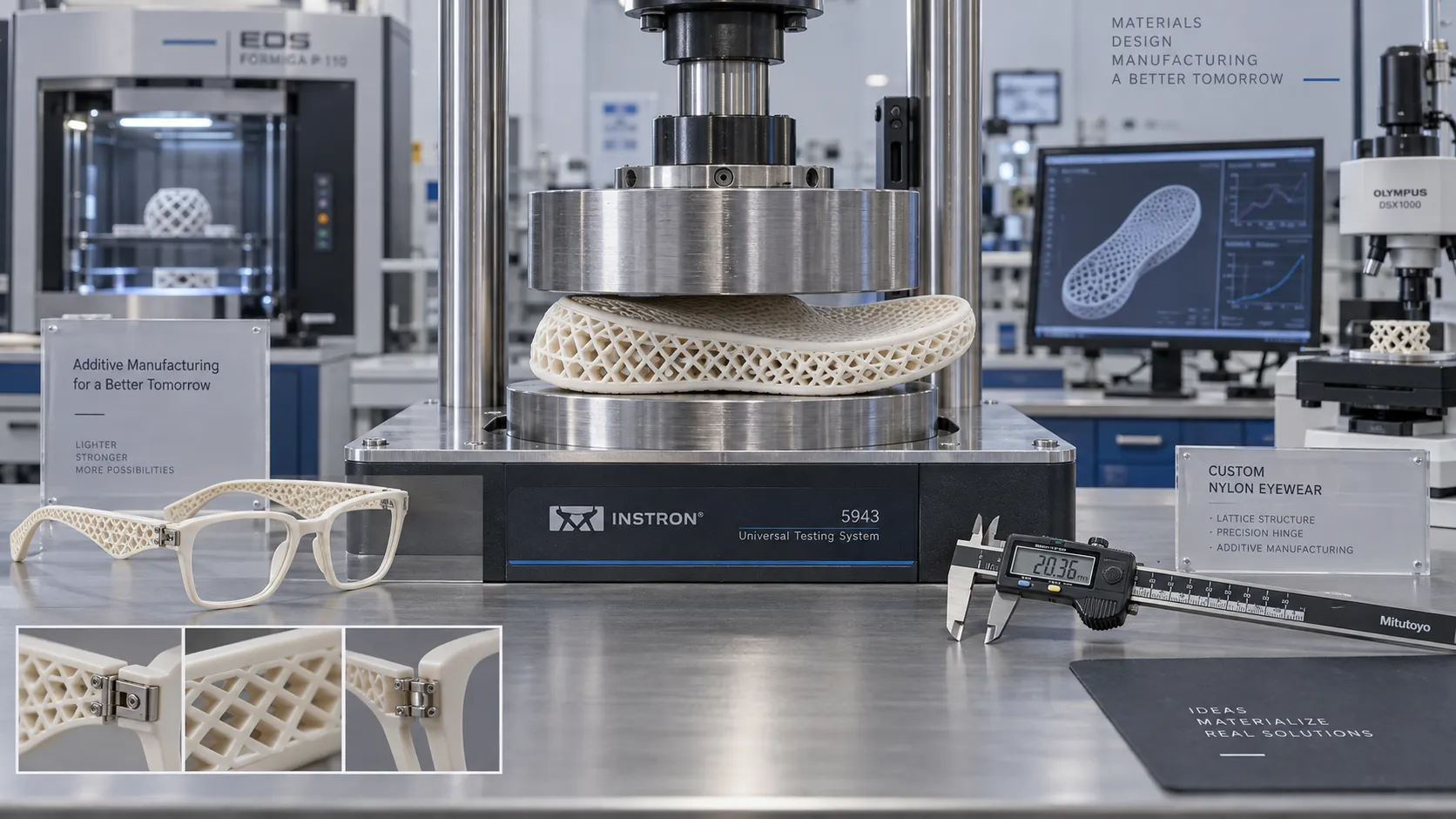
Which Consumer Goods Can Be 3D Printed, and What Are the Practical Limits?
Explore 3d printing consumer goods, from custom eyewear to replacement parts. Discover practical limits on materials, safety, and costs to make smarter production decisions.
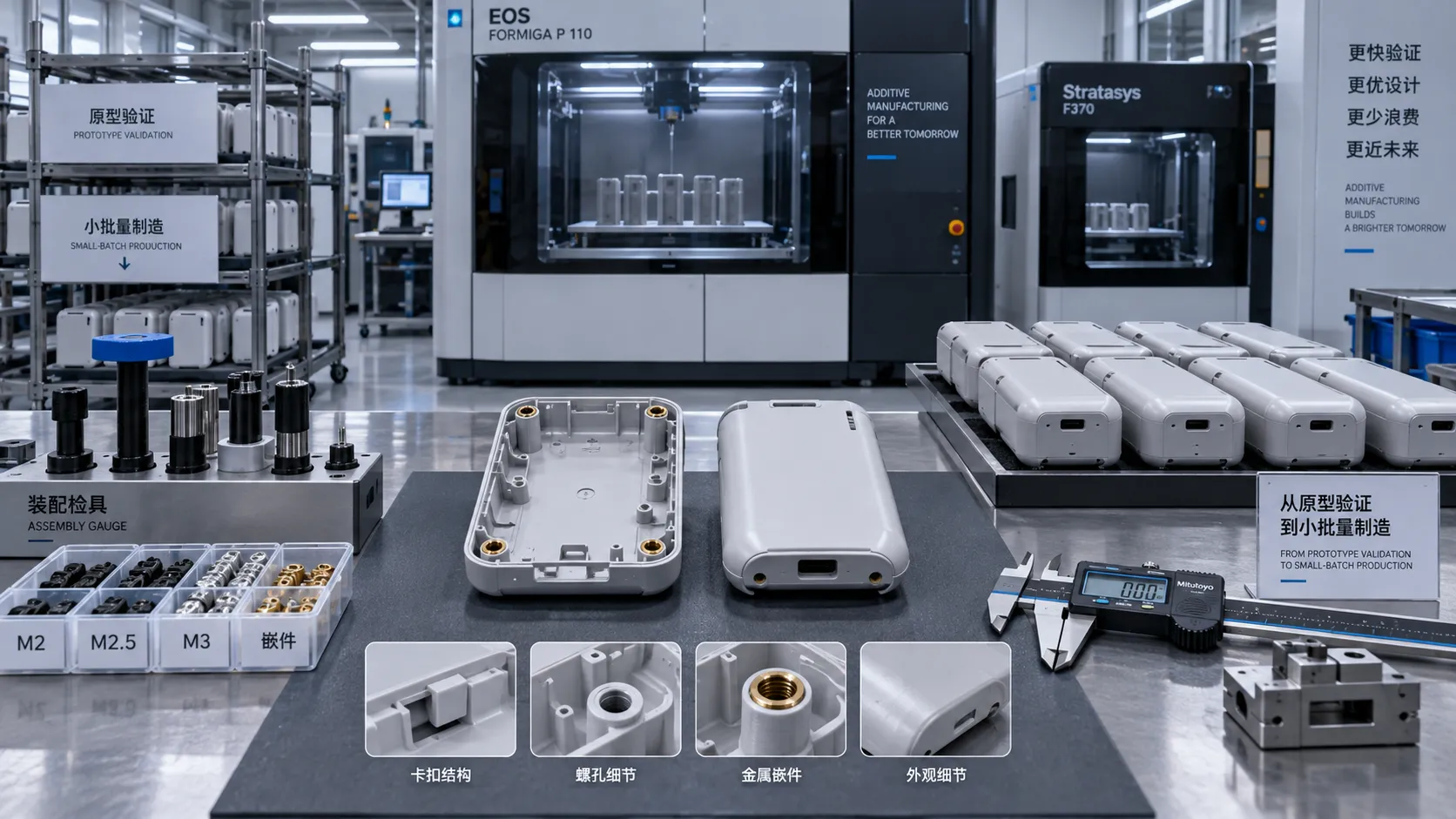
From Prototype to Small Batch: Applying 3D Printing to Consumer Goods
Explore 3d printing in consumer goods: learn how to move from prototype to small-batch production with practical guidance on materials, quality validation, and cost control.
Related News
- 00
0000-00
How to verify part consistency before choosing a 3D printing OEM - 00
0000-00
How does a rigid cryogenic transfer line handle thermal contraction? - 00
0000-00
How much does edge vision deployment cost beyond the hardware? - 00
0000-00
How does the purity of sputtering targets affect thin-film quality? - 00
0000-00
How high power laser cladding systems control substrate dilution
Dr. Hideo Tanaka
Weekly Insights
Stay ahead with our curated technology reports delivered every Monday.