
What fiber laser power stability data says about uptime


Fiber laser power stability data is becoming a frontline uptime signal
For enterprise decision-makers evaluating laser assets, fiber laser power stability data is more than a technical metric—it is a direct indicator of uptime, process consistency, and maintenance risk.
When output stays stable under production load, operations see fewer stoppages, less scrap, and tighter control over cost per part.
Across industrial laser processing, the market is shifting from peak power claims toward verified reliability evidence.
That shift matters beyond laser-intensive sectors. It affects broader industrial planning, quality systems, and capital efficiency across integrated manufacturing networks.
Why current operating conditions make power stability data more important
Production environments are becoming less tolerant of power drift, transient spikes, and thermal inconsistency.
High-mix manufacturing, tighter tolerances, and automated inspection expose even small output variation faster than before.
As a result, fiber laser power stability data now influences equipment acceptance, line qualification, and preventive maintenance planning.
The same dataset also supports benchmarking against ISO, ASTM, IEEE, and internal validation protocols.
For institutions such as G-AIT, this is where engineering evidence meets operational integrity.
The trend signal is clear
Buyers increasingly ask not only how much power a source can reach, but how consistently it holds that power over time.
They want load profiles, warm-up behavior, long-run deviation, and event logs under real duty cycles.
What fiber laser power stability data actually reveals about uptime
Uptime is rarely lost through a single dramatic failure.
More often, it erodes through unstable output, rework, recalibration, nozzle checks, thermal alarms, and process drift investigations.
That is why fiber laser power stability data should be read as an operating reliability map, not a narrow lab metric.
Key uptime insights hidden in the dataset
- Short-term fluctuation indicates immediate cut or weld inconsistency risk.
- Long-term drift suggests aging optics, thermal imbalance, or pump degradation.
- Warm-up instability can extend startup losses and delay first-pass yield.
- Power drop events often correlate with unplanned operator intervention.
- Load-dependent variation exposes weak performance under demanding production windows.
If the laser remains within a narrow tolerance band, process windows stay predictable.
If variation widens under heat, duty cycle, or long shifts, uptime risk increases before failure becomes visible.
The main forces driving demand for deeper stability verification
Several industrial pressures are pushing fiber laser power stability data into standard evaluation frameworks.
These drivers apply across the comprehensive industry landscape, especially where laser systems connect with automation, machine vision, and digital quality control.
How instability affects different business functions
The consequences of weak fiber laser power stability data are not isolated to the machine cell.
They spread across scheduling, compliance, costing, and customer delivery performance.
Operational effects
- Unexpected recalibration interrupts takt time.
- Parameter adjustment increases setup complexity.
- More scrap reduces effective equipment utilization.
- Alarm events create hidden micro-downtime.
Quality and governance effects
- Inconsistent energy delivery weakens repeatability records.
- Root-cause analysis becomes slower without reliable power logs.
- Qualification cycles become longer after process drift events.
- Warranty and service discussions become harder to resolve.
In this context, fiber laser power stability data supports both plant resilience and commercial certainty.
Which data points deserve the closest attention now
Not all reports provide decision-grade insight.
A headline percentage can look acceptable while still hiding practical uptime weaknesses.
Priority checkpoints for evaluating fiber laser power stability data
- Measurement duration across short runs and extended shifts.
- Sampling rate and detection of transient events.
- Behavior at different duty cycles and material loads.
- Warm-up time before stable operating state.
- Stability under ambient temperature variation.
- Correlation with beam quality, not only raw power.
- Service history linked to drift thresholds.
This deeper reading is especially useful when comparing similar systems with different maintenance outcomes.
It also helps separate true reliability from favorable but incomplete test presentations.
How to turn stability data into a stronger uptime strategy
The value of fiber laser power stability data increases when it is linked to action thresholds and review routines.
Without that connection, even excellent measurements remain underused.
What should be watched next in the market
The next phase will likely move from periodic reporting toward live stability intelligence.
That means integration with machine vision, MES layers, and predictive maintenance systems.
As digital twins and audit-grade traceability expand, fiber laser power stability data will become a continuous operating variable.
Systems that cannot provide credible, time-based evidence may face weaker acceptance in advanced industrial programs.
A practical next step for evidence-based evaluation
Review existing laser assets using the same fiber laser power stability data framework applied during new equipment selection.
Compare baseline output, drift pattern, alarm history, and defect correlation over a full operating cycle.
Use that evidence to refine service triggers, acceptance criteria, and supplier discussions.
In a market shaped by precision and accountability, fiber laser power stability data is no longer optional context.
It is one of the clearest indicators of whether uptime claims will hold under real industrial conditions.
Related News
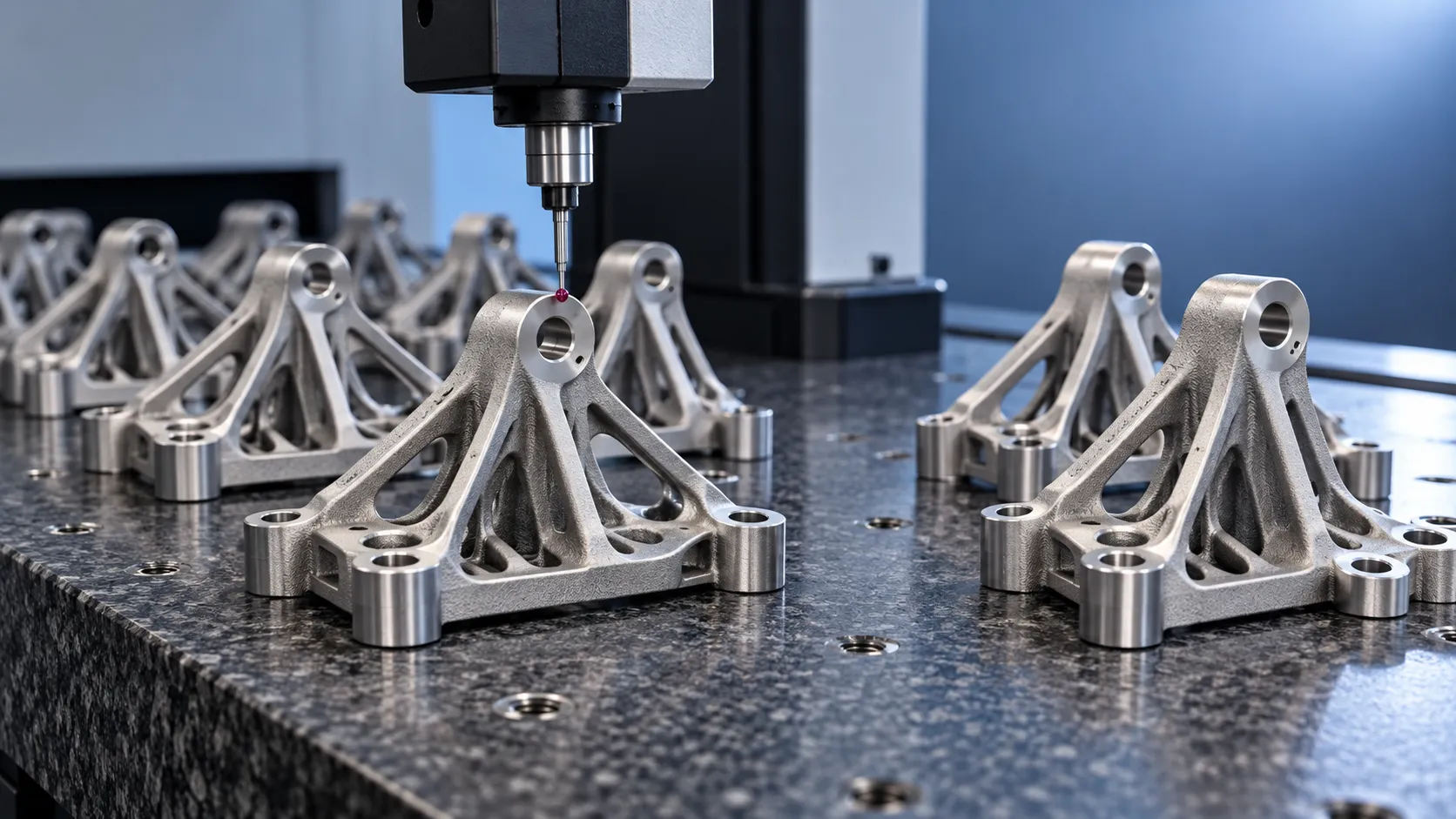
How to verify part consistency before choosing a 3D printing OEM
Choosing a 3D printing OEM? Learn how to verify part consistency with repeat-build trials, validated inspections, and traceability checks before committing to production.
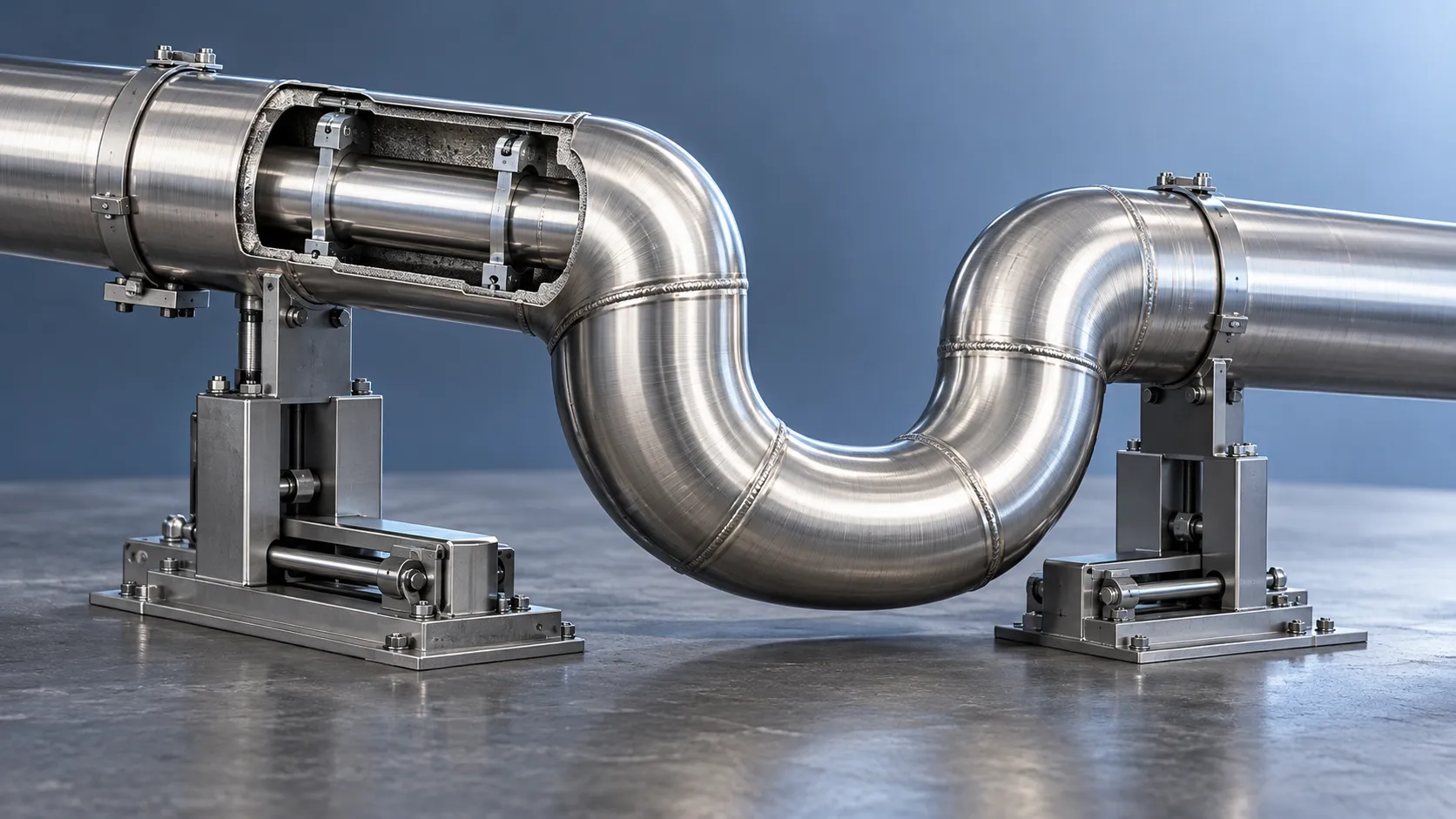
How does a rigid cryogenic transfer line handle thermal contraction?
Learn how a rigid cryogenic transfer line manages thermal contraction with bends, bellows, and guided supports. Discover key design checks for safe, reliable cryogenic performance.
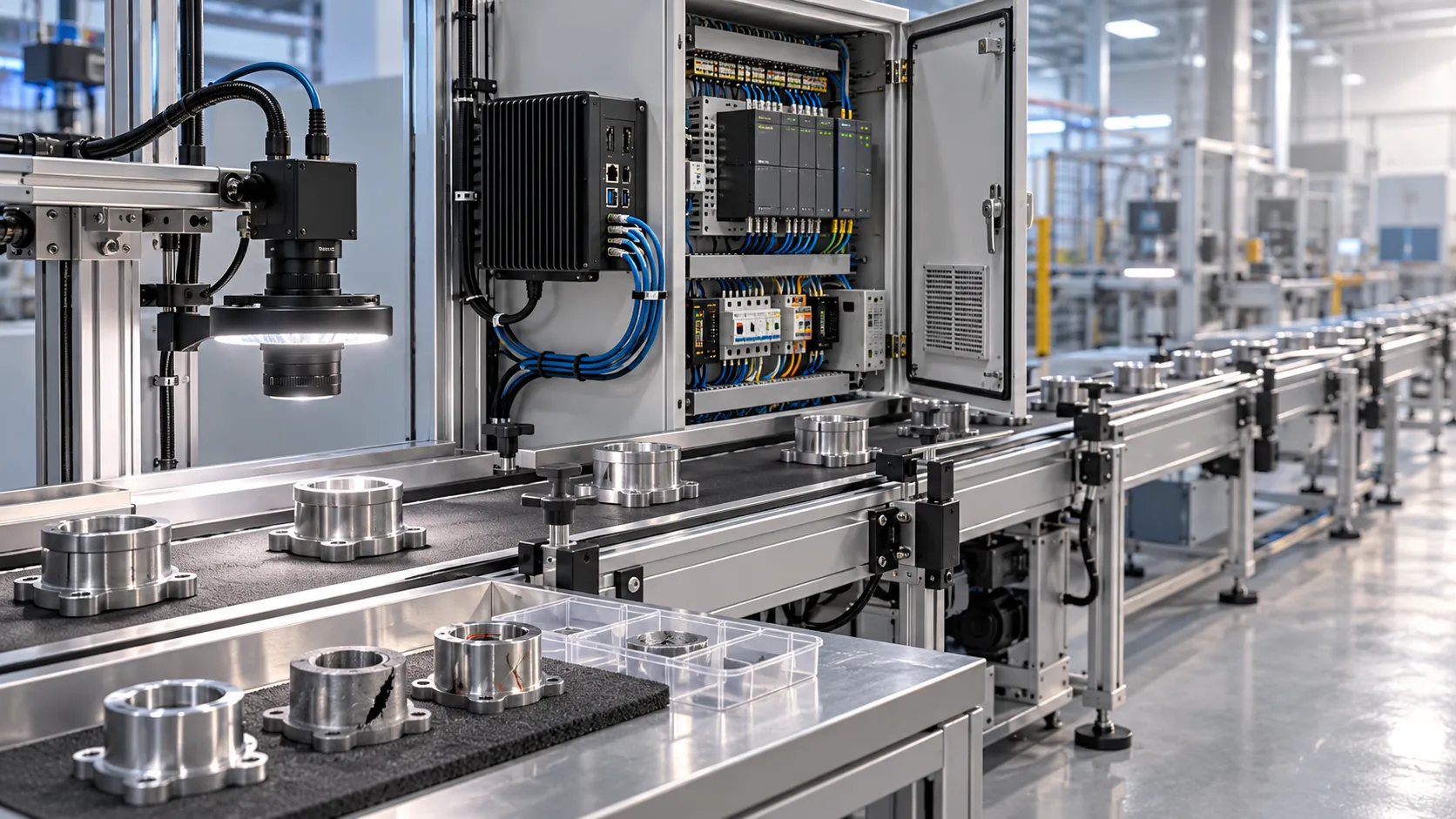
How much does edge vision deployment cost beyond the hardware?
Understand edge vision deployment cost beyond hardware, from data and integration to security and support. Uncover hidden expenses and build a smarter lifecycle budget before you scale.

How does the purity of sputtering targets affect thin-film quality?
Discover how sputtering targets affect thin-film quality. Learn to assess purity, identify harmful impurities, and choose specifications that improve coating performance.
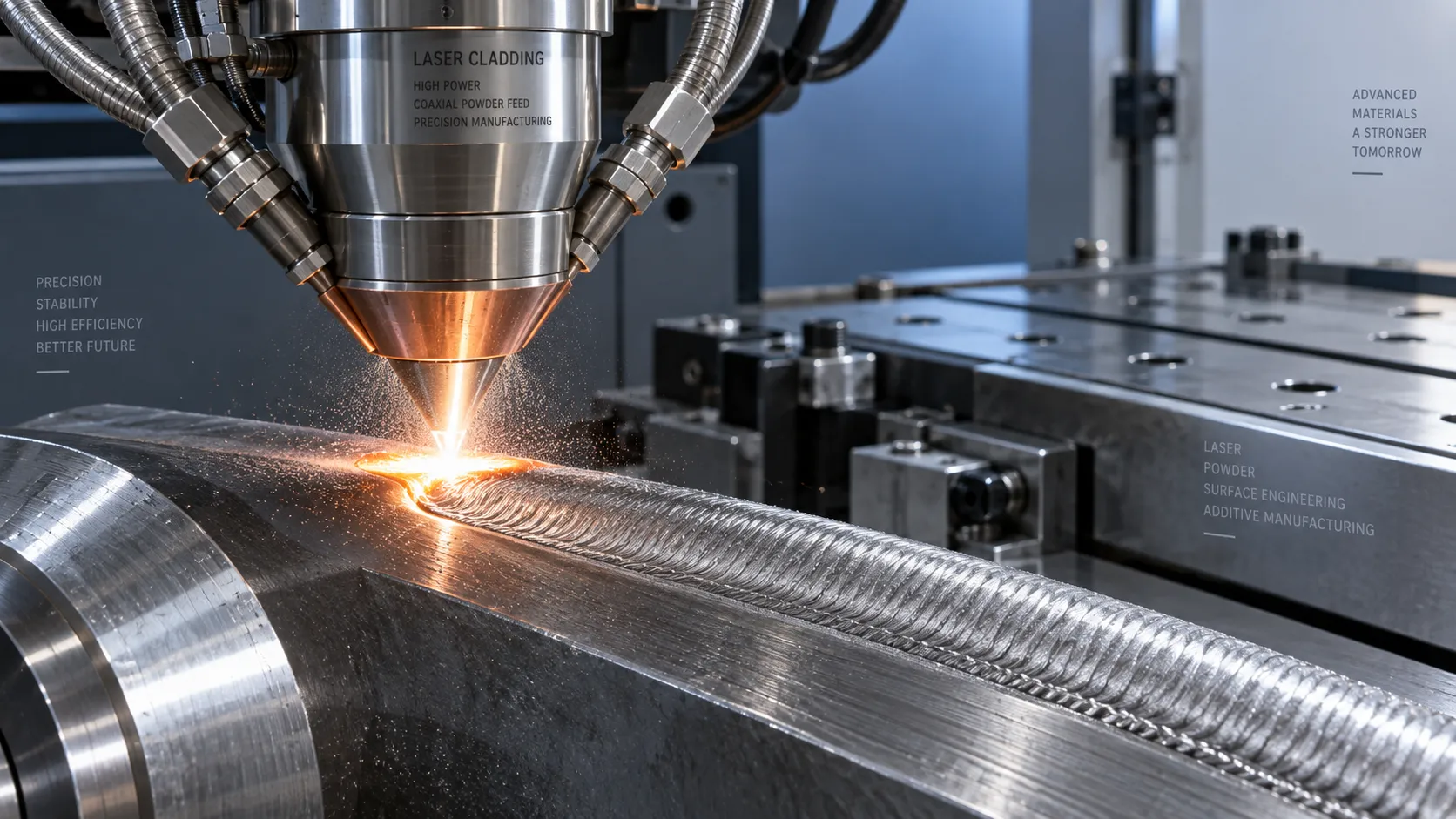
How high power laser cladding systems control substrate dilution
Discover how high power laser cladding systems control substrate dilution through beam shaping, material feed, and thermal management to deliver reliable bonds and coating performance.

How to check HS codes for customs compliance in international logistics
Strengthen international logistics customs compliance: learn how to verify HS codes, check official tariffs, and document classifications to reduce costly shipment delays.
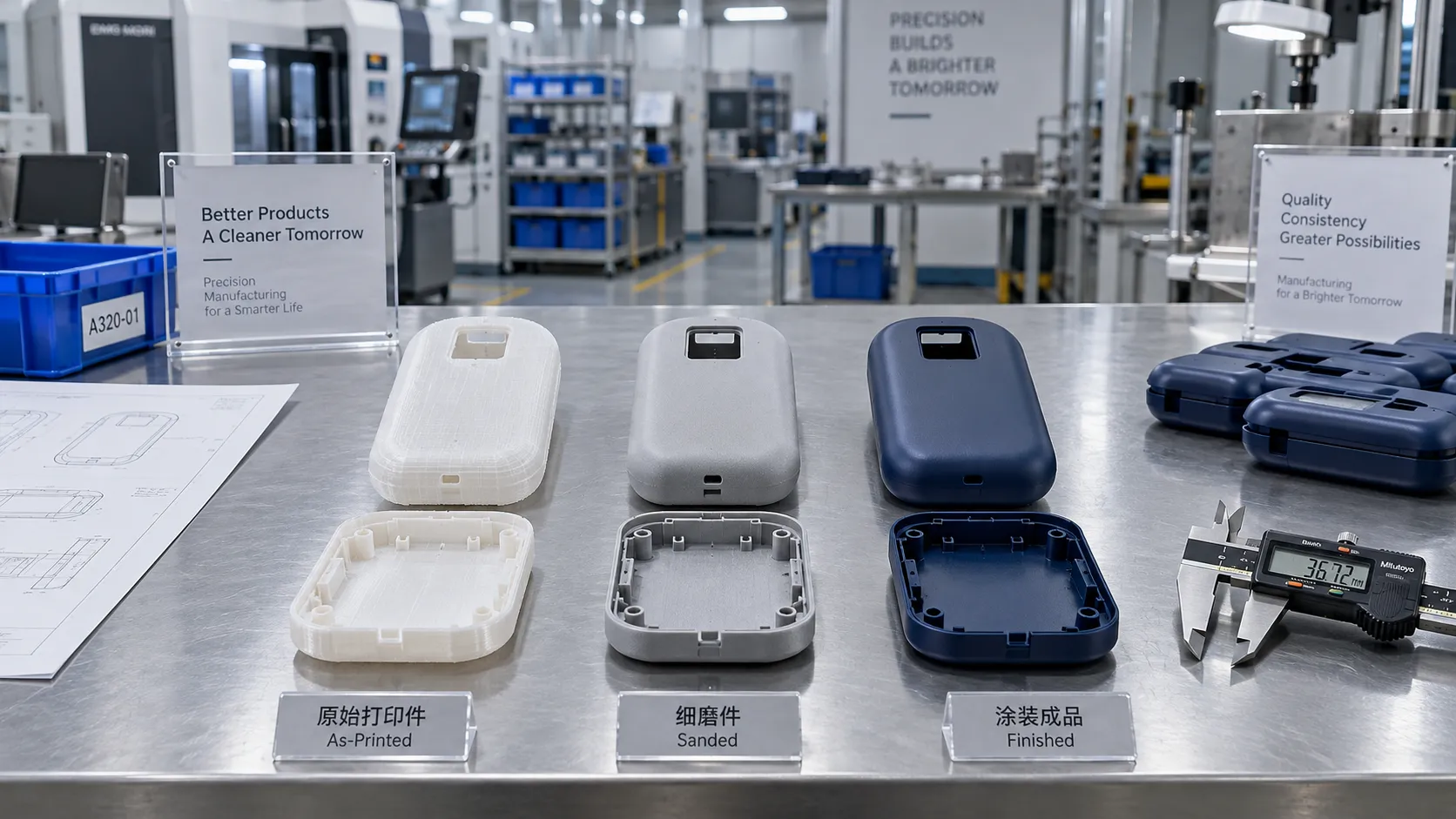
Choosing a 3D Printing Service for Consumer Products: Finish, Fit, and Cost
Compare 3d printing consumer good services by finish, fit, materials, and total cost. Learn how to choose a reliable supplier and avoid costly defects before ordering.
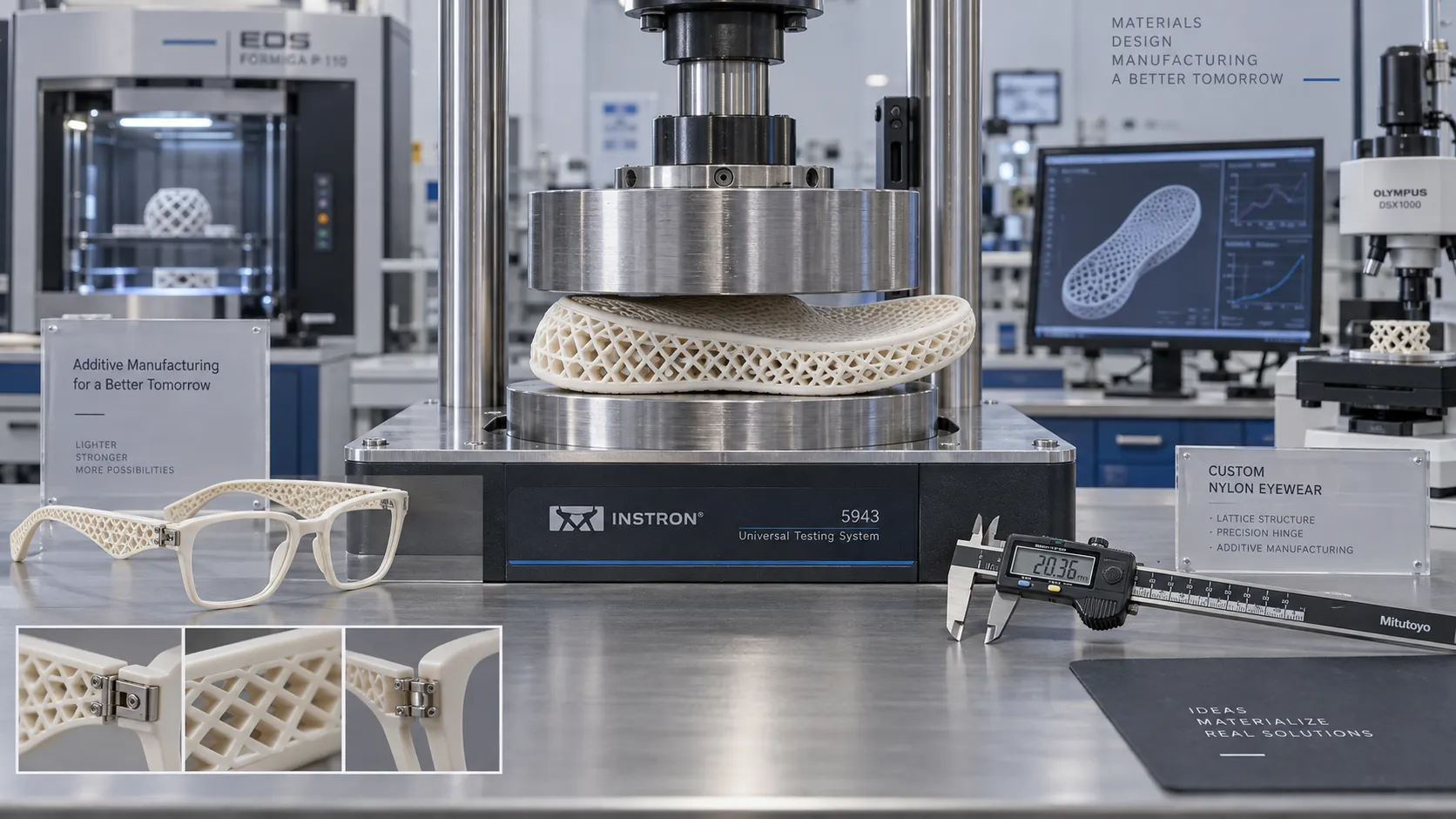
Which Consumer Goods Can Be 3D Printed, and What Are the Practical Limits?
Explore 3d printing consumer goods, from custom eyewear to replacement parts. Discover practical limits on materials, safety, and costs to make smarter production decisions.
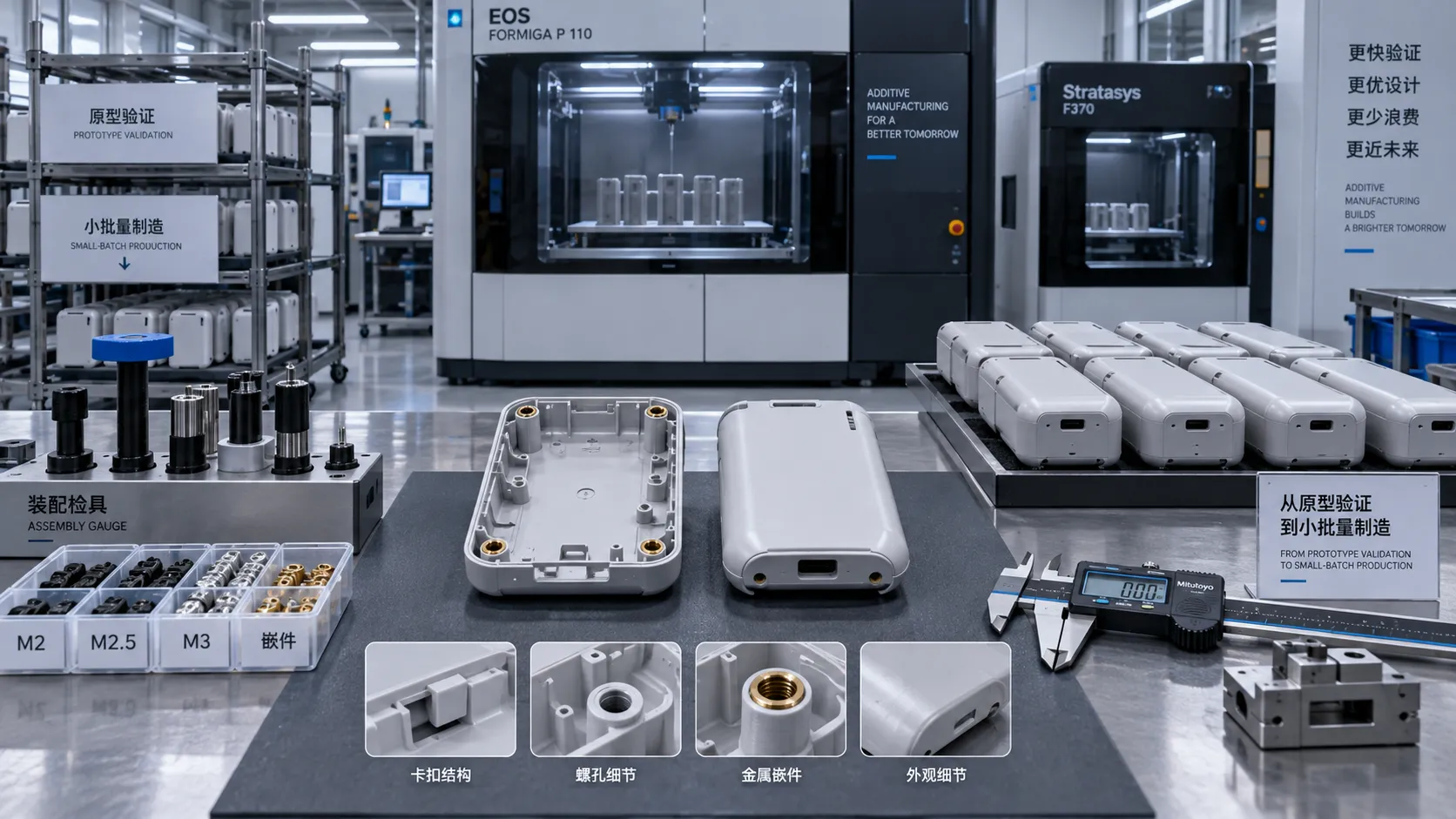
From Prototype to Small Batch: Applying 3D Printing to Consumer Goods
Explore 3d printing in consumer goods: learn how to move from prototype to small-batch production with practical guidance on materials, quality validation, and cost control.
Related News
- 00
0000-00
How to verify part consistency before choosing a 3D printing OEM - 00
0000-00
How does a rigid cryogenic transfer line handle thermal contraction? - 00
0000-00
How much does edge vision deployment cost beyond the hardware? - 00
0000-00
How does the purity of sputtering targets affect thin-film quality? - 00
0000-00
How high power laser cladding systems control substrate dilution
Dr. Hideo Tanaka
Weekly Insights
Stay ahead with our curated technology reports delivered every Monday.