
Why R&D Institutes are revisiting ultrafast laser limits

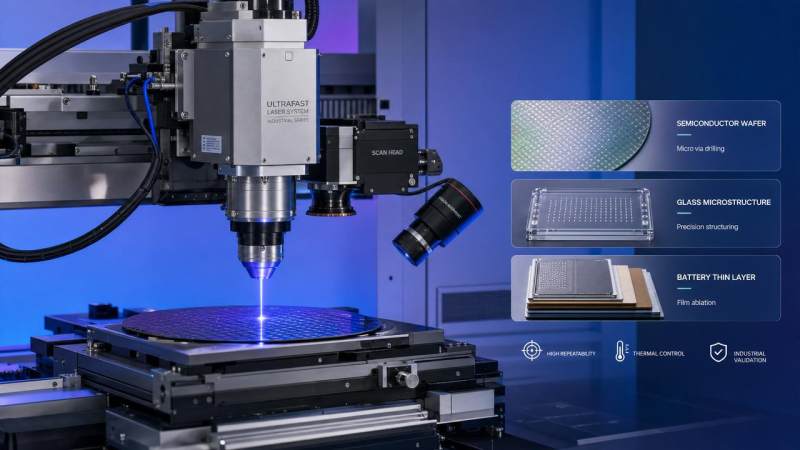
As material demands tighten and process windows shrink, R&D Institutes are reassessing what ultrafast lasers can truly deliver beyond legacy performance assumptions. From precision micromachining to next-generation photonics and advanced materials research, the question is no longer just about speed, but about stability, repeatability, and scalable industrial relevance. This article examines why technical limits are being revisited and what that means for procurement intelligence, benchmarking, and future-ready manufacturing strategies.
Why are R&D Institutes revisiting ultrafast laser limits now?
R&D Institutes are revisiting ultrafast laser limits because old performance benchmarks no longer match emerging industrial and scientific requirements.
Earlier evaluations focused on pulse duration, repetition rate, and peak power. Today, deeper questions center on process consistency, thermal control, and integration with automated production environments.
Materials have also changed. Transparent ceramics, compound semiconductors, battery layers, graphene structures, and hybrid composites create new absorption and damage behaviors.
This shift matters across the comprehensive industrial landscape. Ultrafast lasers now influence electronics, medical devices, aerospace components, advanced optics, and energy systems.
For R&D Institutes, the old question was whether a laser could machine a feature. The new question is whether it can do so repeatedly, economically, and under compliance constraints.
Another driver is data maturity. Better diagnostics now reveal pulse-to-pulse drift, beam pointing instability, nonlinear effects, and hidden process variation.
As a result, some published limits were not true physical ceilings. They were practical ceilings created by optics, control software, cooling architecture, or metrology gaps.
What has changed in evaluation criteria?
- Feature quality over single-shot peak performance
- Long-run stability over short lab demonstrations
- System throughput with acceptable defect rates
- Benchmarking against ISO, ASTM, IEEE, and SEMI-relevant workflows
- Export control and supply-chain resilience for critical photonics components
What technical limits are R&D Institutes questioning most?
R&D Institutes are not revisiting one limit alone. They are questioning several interacting limits across source design, beam delivery, and process response.
1. Average power versus material quality
Higher average power can increase throughput. Yet it can also amplify heat accumulation, redeposition, microcracks, and nonlinear absorption artifacts.
The key issue is not simply more watts. It is whether the process window remains stable while maintaining edge quality and subsurface integrity.
2. Repetition rate versus pulse usefulness
Very high repetition rates promise speed. However, closely spaced pulses can interact through residual heat and plasma shielding.
That means a faster source may produce poorer ablation efficiency per pulse under real operating conditions.
3. Shorter pulse duration versus system complexity
Femtosecond performance often reduces thermal damage. Still, ultrashort pulses introduce dispersion management challenges, tighter alignment tolerances, and more sensitive optical pathways.
R&D Institutes therefore compare total process value, not pulse duration alone.
4. Beam quality versus flexible integration
A laboratory beam profile may look ideal. Once scanners, environmental controls, and multi-axis stages are added, the final process can diverge sharply.
This is why R&D Institutes increasingly benchmark whole systems, not isolated laser heads.
Which application areas are pushing R&D Institutes to rethink performance assumptions?
The pressure comes from applications where tolerances are narrow and material behavior is difficult to predict.
Advanced electronics and semiconductors
Wafer dicing, via drilling, scribing, and thin-film patterning require minimal debris, low thermal load, and predictable edge conditions.
As chip packaging becomes denser, R&D Institutes need tighter laser control for multilayer and fragile substrates.
Battery and energy materials
Electrode structuring and separator processing demand high speed without compromising electrochemical performance.
Here, ultrafast lasers must support both precision and production logic, a difficult balance that R&D Institutes continue to test.
Photonics and optical components
Waveguide writing, micro-optics fabrication, and glass modification are highly sensitive to beam stability and energy distribution.
Small changes in pulse energy can alter refractive outcomes. That drives R&D Institutes to revisit previously accepted tolerances.
Biomedical and precision device manufacturing
Stents, microfluidic features, and implant surfaces require burr-free processing and strong traceability.
In these sectors, laser limits are judged by validation burden as much as by raw machining speed.
How should R&D Institutes compare ultrafast laser systems more realistically?
A realistic comparison framework must connect source metrics with process outcomes and implementation risk.
R&D Institutes increasingly use technical benchmarking models that combine metrology, uptime, and materials response data.
Useful comparison dimensions
This approach helps R&D Institutes avoid a common mistake: selecting a source that excels in specification sheets but underperforms in system context.
What risks and misconceptions should R&D Institutes watch for?
Several misconceptions continue to distort ultrafast laser decisions, even in advanced technical environments.
Misconception: shorter pulses always mean better results
In practice, process quality depends on the interaction among pulse width, fluence, wavelength, scan strategy, and material condition.
Misconception: laboratory success guarantees industrial transfer
R&D Institutes know scaling adds thermal drift, contamination exposure, maintenance cycles, and software integration complexity.
Misconception: average power alone predicts throughput
True throughput depends on acceptable quality yield, path planning, scanner acceleration, and post-process burden.
Misconception: all materials respond similarly
Small changes in coating thickness, grain structure, moisture, or surface finish can shift the effective process window.
For R&D Institutes, the real risk is not underestimating laser capability. It is overestimating transferability across materials and production states.
What does this shift mean for cost, timelines, and strategic planning?
Revisiting limits does not automatically mean buying more powerful lasers. Often, it means investing in better validation logic and process intelligence.
R&D Institutes are extending pilot phases to include long-duration stability tests, environmental sensitivity checks, and standardized metrology review.
This can lengthen early project timelines. However, it reduces downstream redesign, qualification delays, and hidden integration costs.
Practical planning priorities
- Define material-specific acceptance criteria before source selection.
- Benchmark full process chains, not only laser head specifications.
- Include uptime, optics lifetime, and calibration burden in total cost.
- Track regulatory and export-control exposure for critical subsystems.
- Use cross-disciplinary review involving photonics, materials, metrology, and automation expertise.
FAQ summary: what should R&D Institutes ask before resetting ultrafast laser benchmarks?
The renewed focus by R&D Institutes reflects a broader industrial reality. Ultrafast laser value is now defined by controlled outcomes, not isolated headline specifications.
For any organization tracking advanced manufacturing capability, the next step is clear: revisit evaluation models, align them with material-specific evidence, and benchmark systems against real deployment conditions.
That discipline supports stronger technical decisions, more credible qualification pathways, and a more resilient route toward future-ready industrial innovation.
Related News
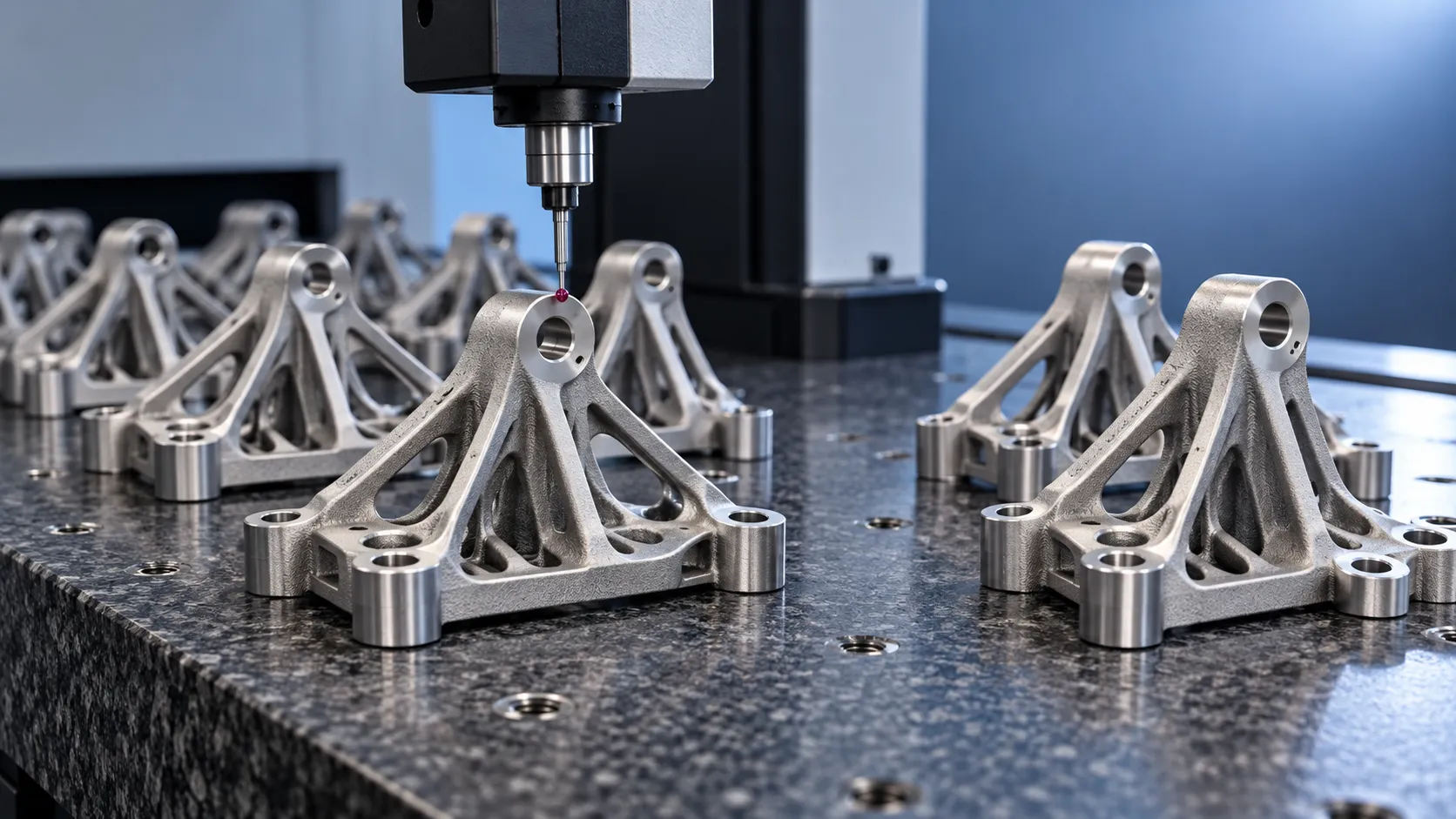
How to verify part consistency before choosing a 3D printing OEM
Choosing a 3D printing OEM? Learn how to verify part consistency with repeat-build trials, validated inspections, and traceability checks before committing to production.
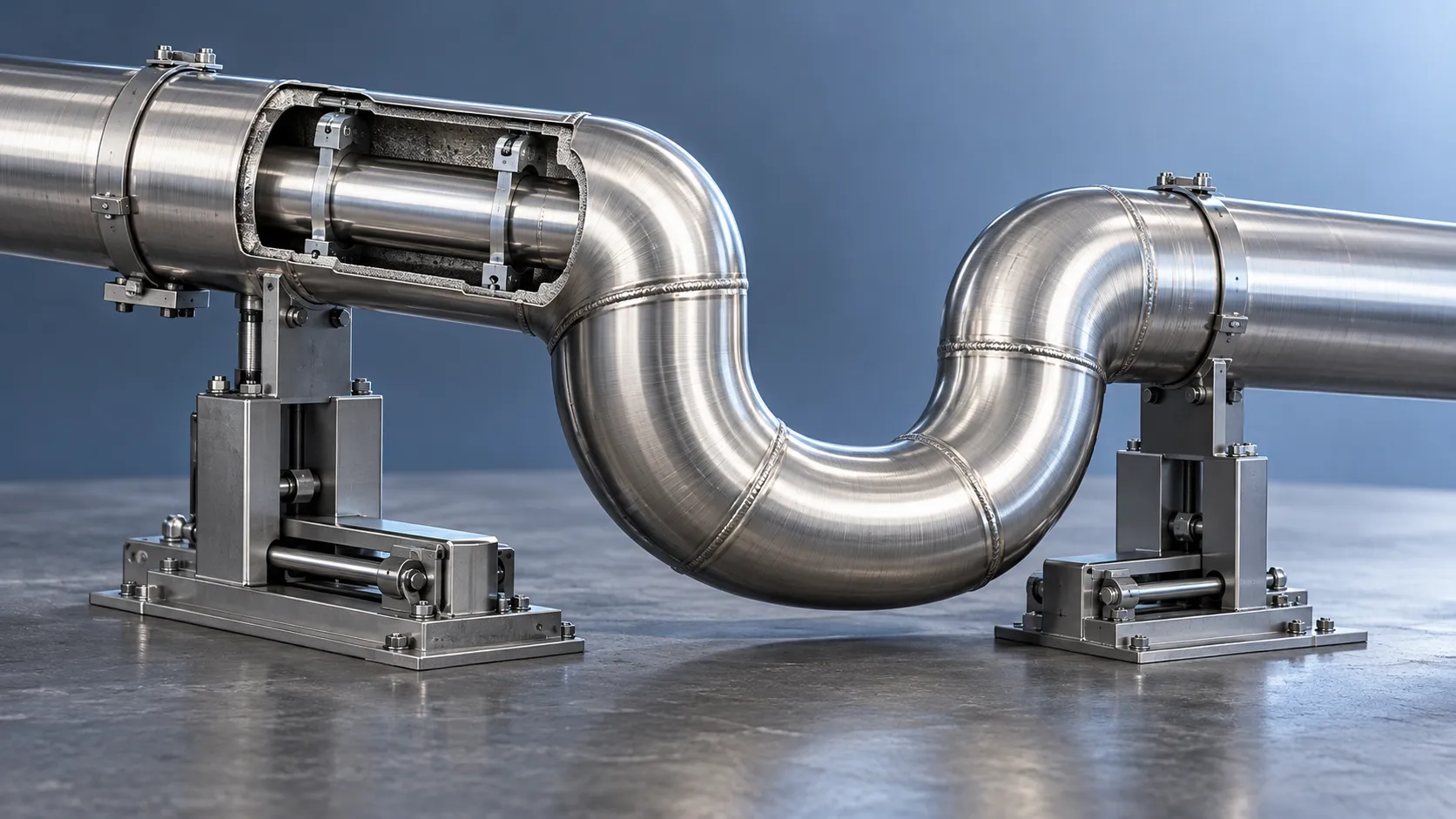
How does a rigid cryogenic transfer line handle thermal contraction?
Learn how a rigid cryogenic transfer line manages thermal contraction with bends, bellows, and guided supports. Discover key design checks for safe, reliable cryogenic performance.
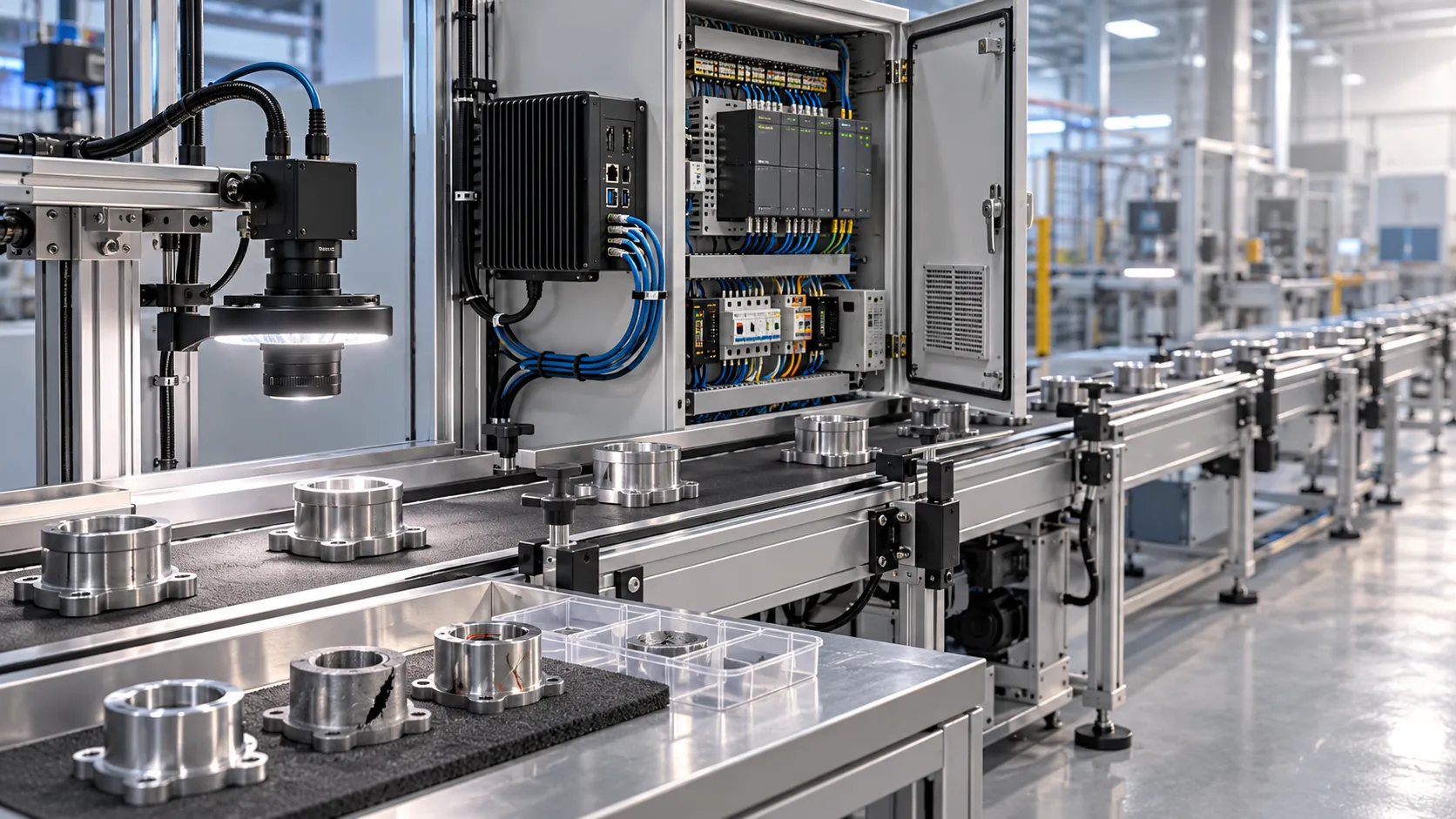
How much does edge vision deployment cost beyond the hardware?
Understand edge vision deployment cost beyond hardware, from data and integration to security and support. Uncover hidden expenses and build a smarter lifecycle budget before you scale.
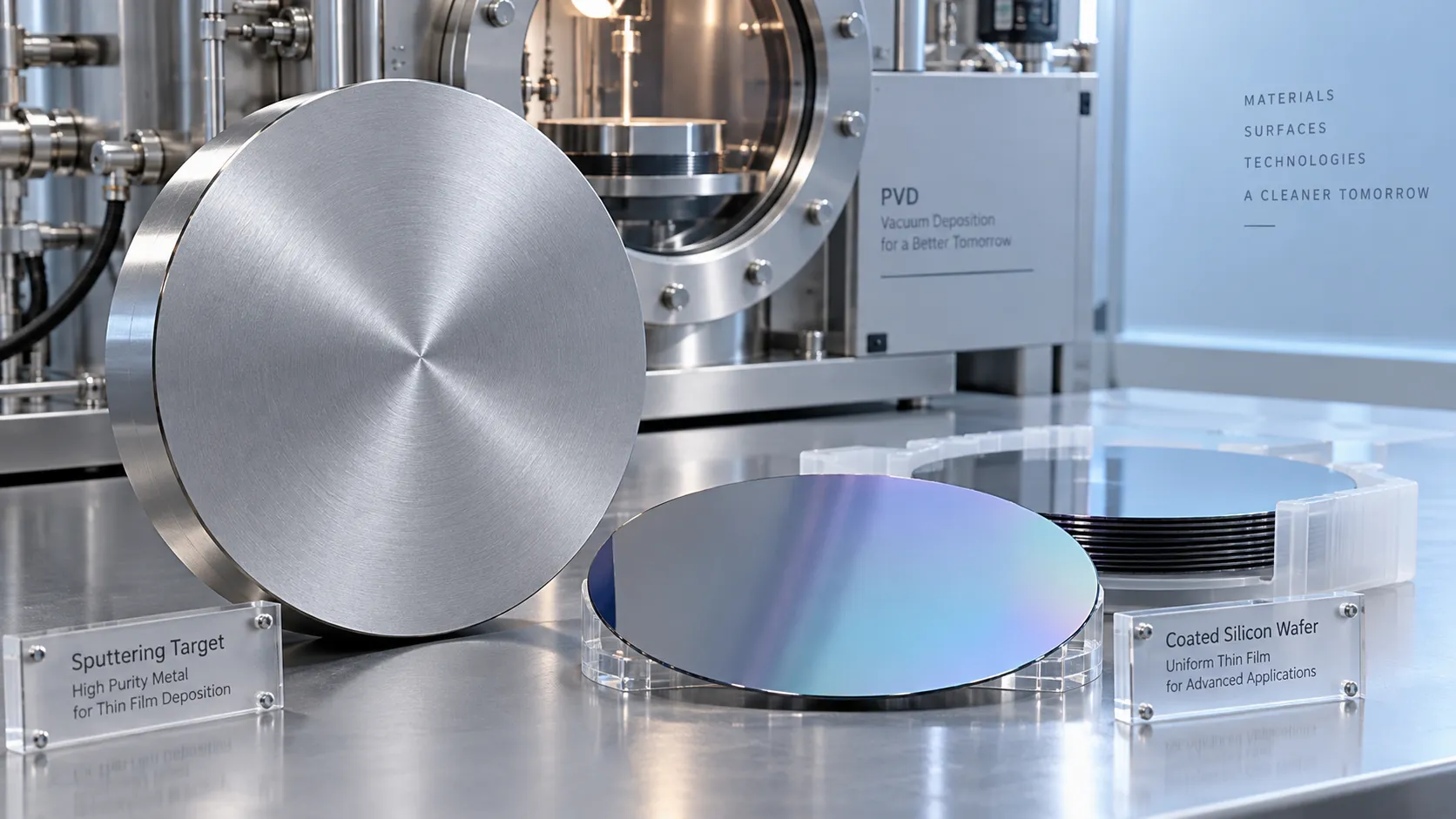
How does the purity of sputtering targets affect thin-film quality?
Discover how sputtering targets affect thin-film quality. Learn to assess purity, identify harmful impurities, and choose specifications that improve coating performance.
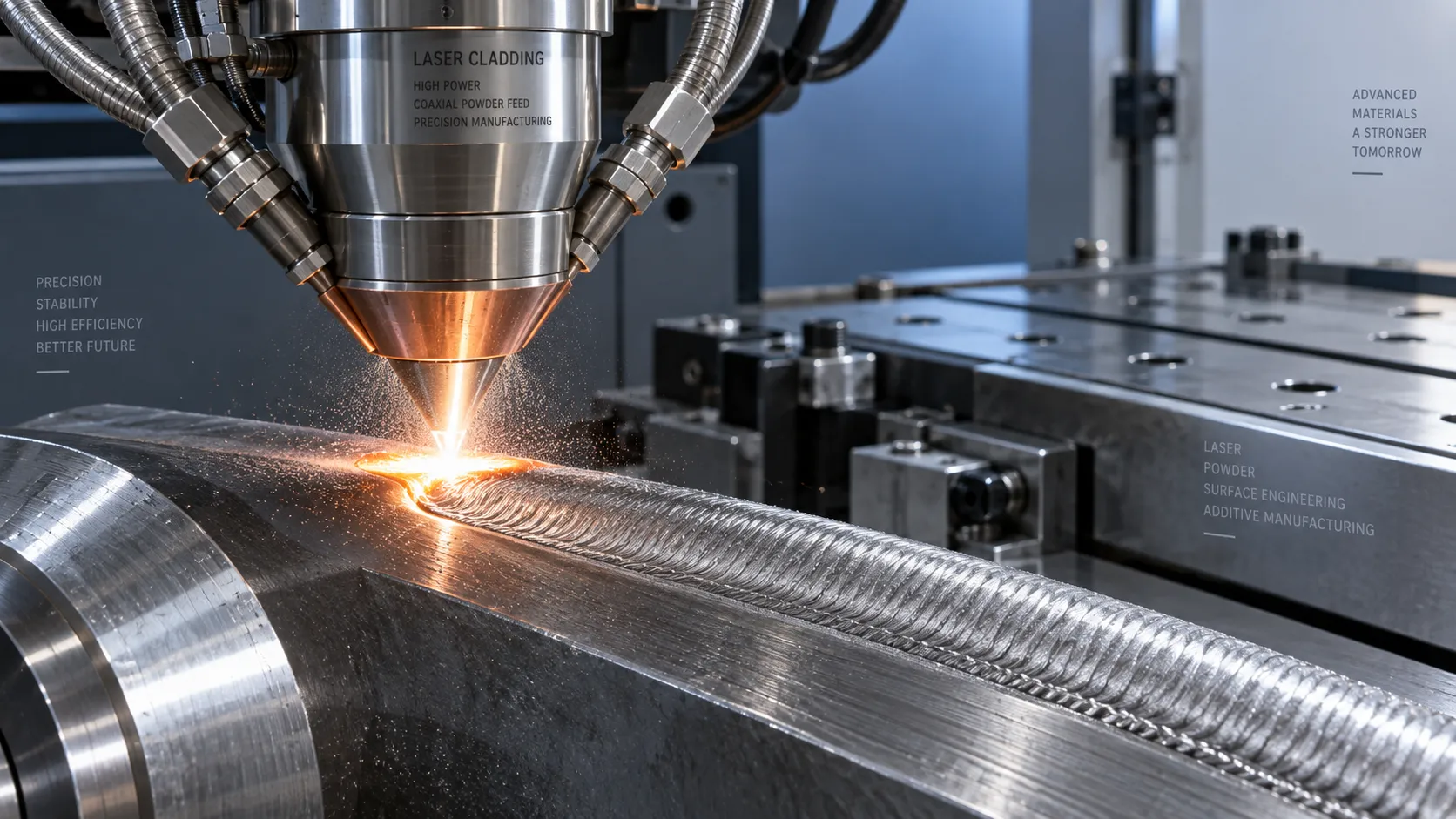
How high power laser cladding systems control substrate dilution
Discover how high power laser cladding systems control substrate dilution through beam shaping, material feed, and thermal management to deliver reliable bonds and coating performance.

How to check HS codes for customs compliance in international logistics
Strengthen international logistics customs compliance: learn how to verify HS codes, check official tariffs, and document classifications to reduce costly shipment delays.
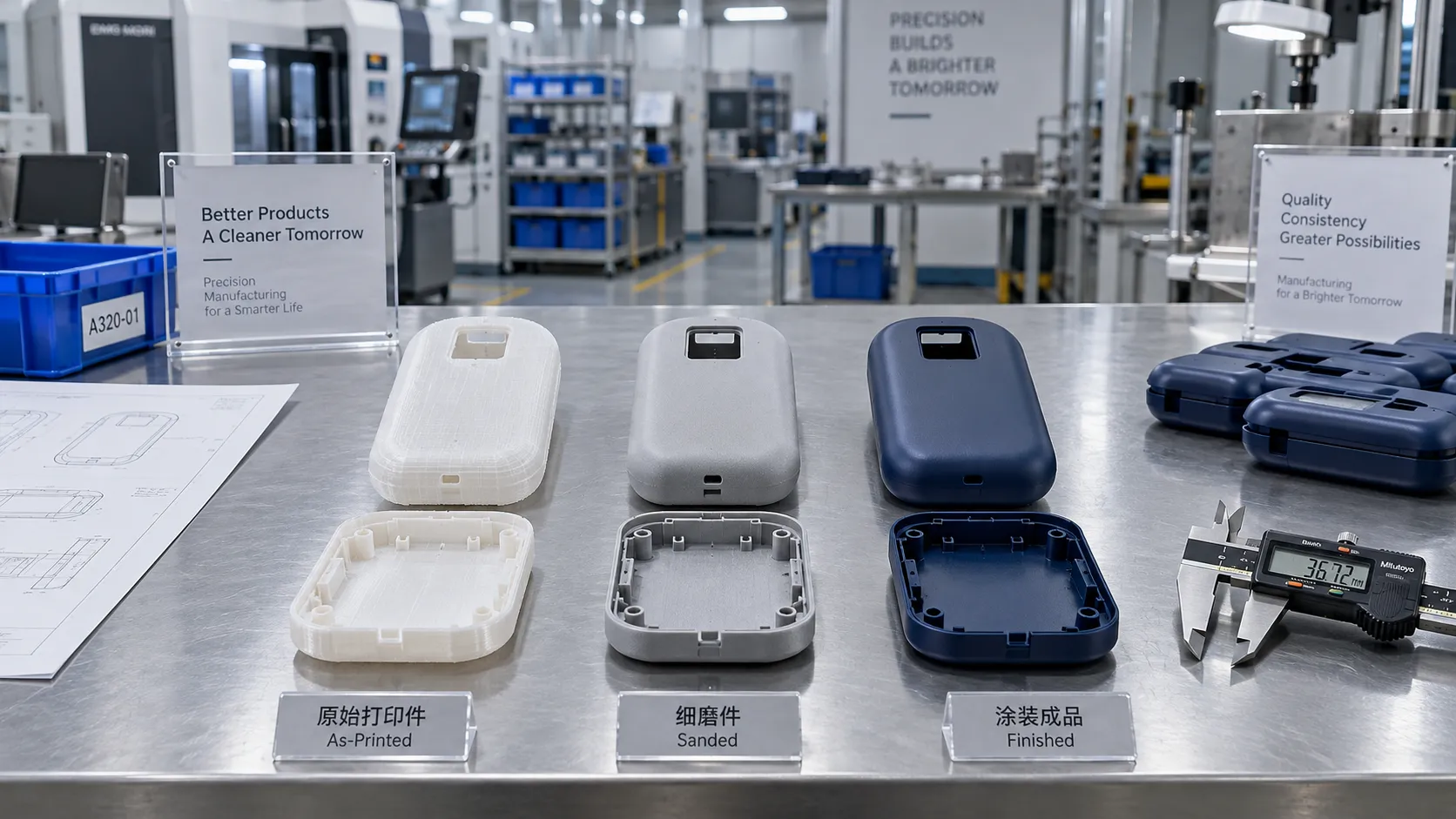
Choosing a 3D Printing Service for Consumer Products: Finish, Fit, and Cost
Compare 3d printing consumer good services by finish, fit, materials, and total cost. Learn how to choose a reliable supplier and avoid costly defects before ordering.
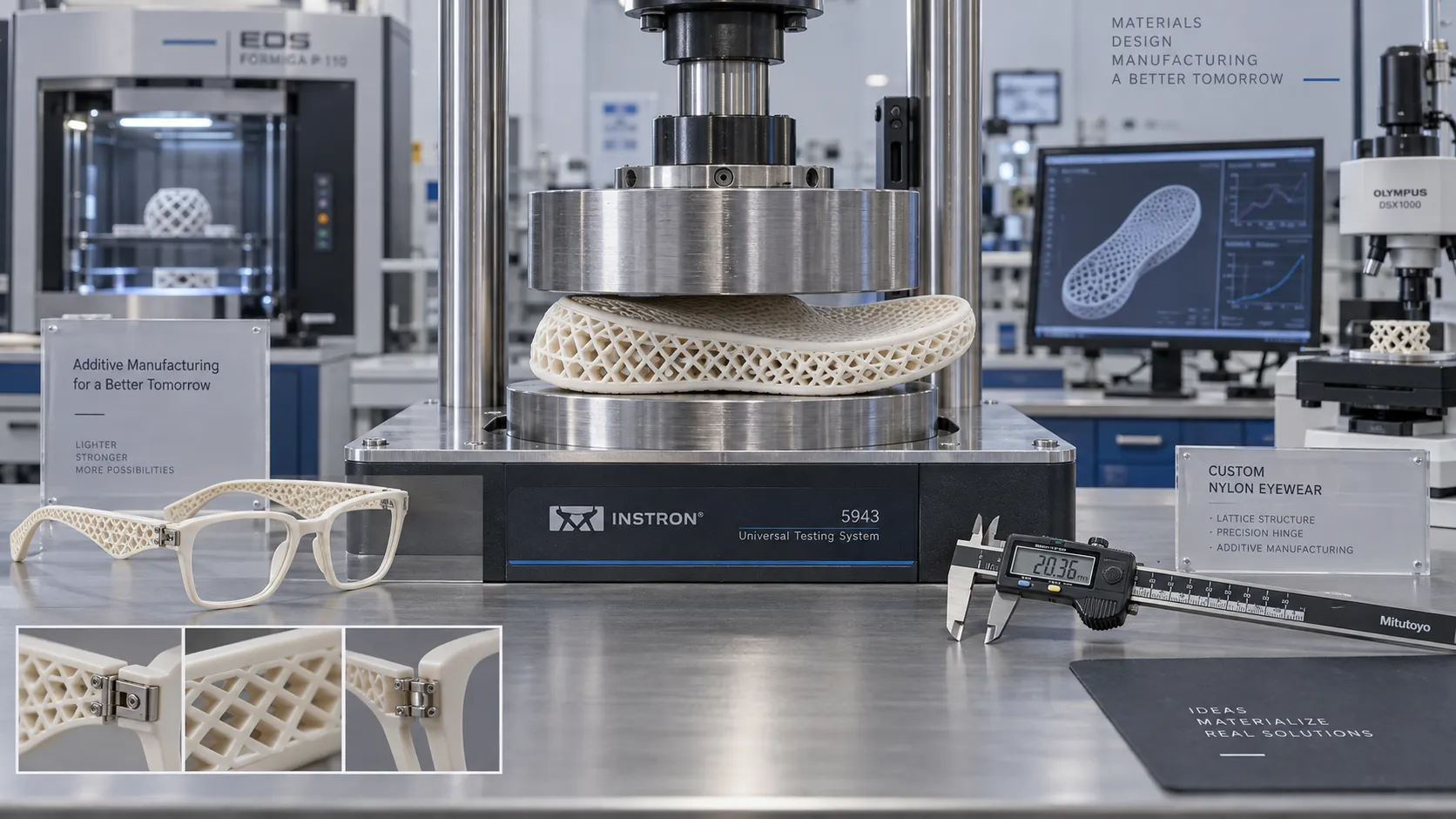
Which Consumer Goods Can Be 3D Printed, and What Are the Practical Limits?
Explore 3d printing consumer goods, from custom eyewear to replacement parts. Discover practical limits on materials, safety, and costs to make smarter production decisions.
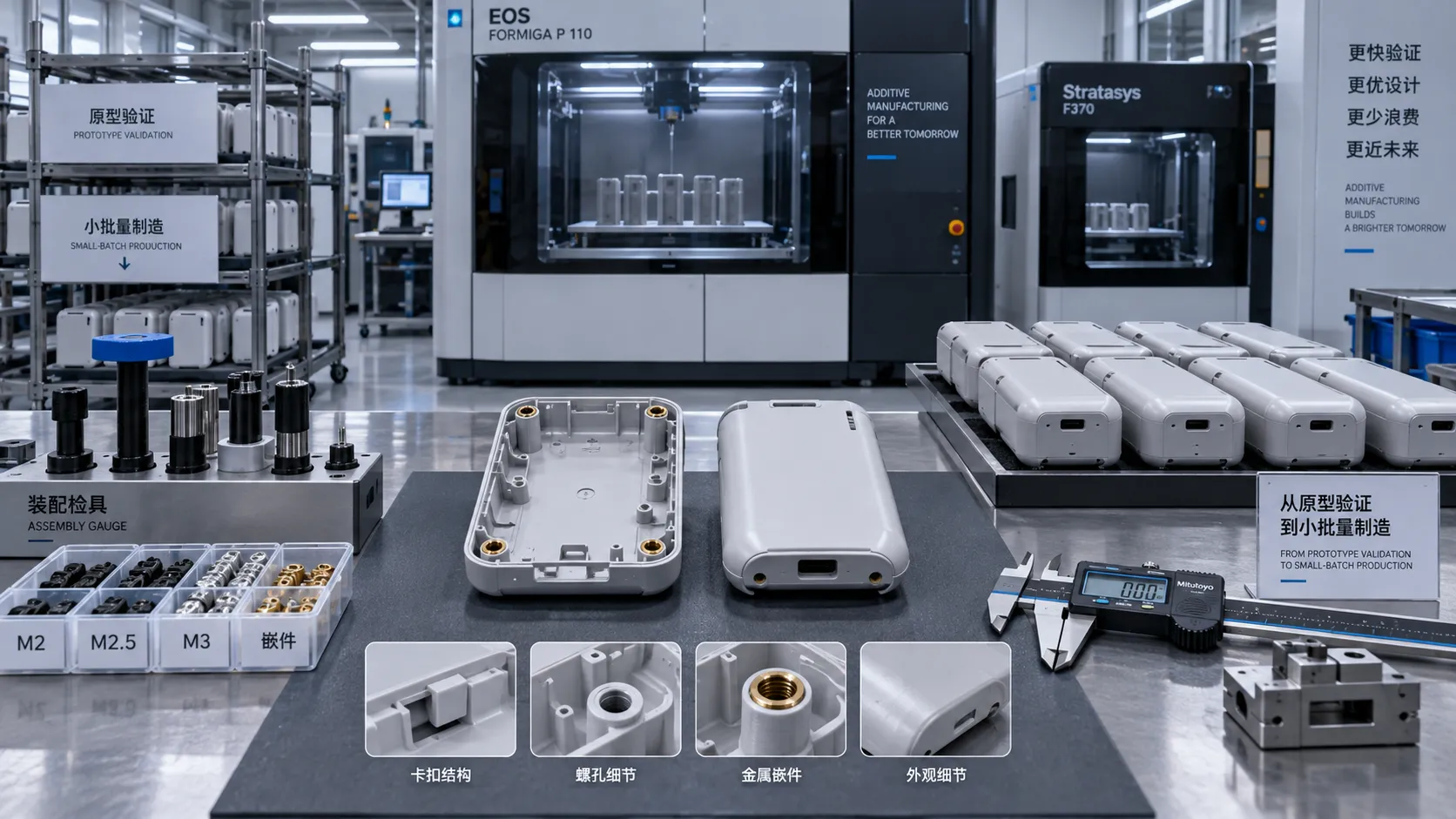
From Prototype to Small Batch: Applying 3D Printing to Consumer Goods
Explore 3d printing in consumer goods: learn how to move from prototype to small-batch production with practical guidance on materials, quality validation, and cost control.
Related News
- 00
0000-00
How to verify part consistency before choosing a 3D printing OEM - 00
0000-00
How does a rigid cryogenic transfer line handle thermal contraction? - 00
0000-00
How much does edge vision deployment cost beyond the hardware? - 00
0000-00
How does the purity of sputtering targets affect thin-film quality? - 00
0000-00
How high power laser cladding systems control substrate dilution
Dr. Hideo Tanaka
Weekly Insights
Stay ahead with our curated technology reports delivered every Monday.