
What Separates a Reliable Laser Diode Manufacturer Factory

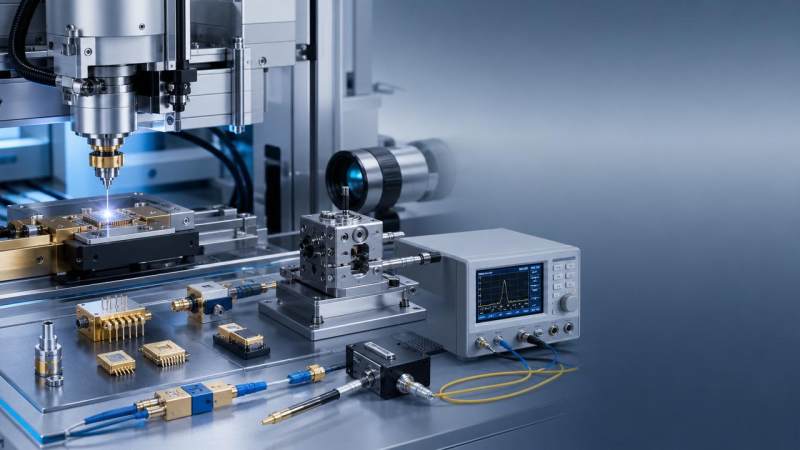
Choosing a reliable laser diode manufacturer factory is not just about price or output volume—it is about verified performance, process stability, compliance, and long-term supply assurance. For business evaluators facing complex sourcing decisions, understanding the factors that distinguish a trustworthy manufacturer can reduce procurement risk, protect product quality, and support stronger strategic partnerships in high-precision industrial applications.
Why does a reliable laser diode manufacturer factory matter so much in B2B procurement?
In industrial sourcing, a laser diode is rarely a stand-alone part. It sits inside larger systems such as laser processing equipment, optical inspection tools, sensing modules, medical platforms, analytical devices, and precision automation lines.
That is why a weak supplier does not only create a component problem. It can trigger unstable output power, wavelength drift, thermal issues, field returns, certification delays, and expensive redesign cycles.
For business evaluators, the core question is simple: can this laser diode manufacturer factory support technical consistency, commercial transparency, and supply chain continuity over time?
- A reliable factory provides repeatable production rather than isolated sample quality.
- It can link engineering data to process control, traceability, and inspection records.
- It understands how compliance, export controls, and downstream application risk affect the buyer’s project timeline.
This is exactly where G-AIT adds value. By combining technical benchmarking, standards awareness, and cross-sector industrial intelligence, G-AIT helps procurement teams look beyond quotations and evaluate whether a supplier is operationally dependable.
What separates a capable supplier from a dependable laser diode manufacturer factory?
A dependable supplier is not defined by marketing language. It is defined by evidence. Business evaluators should look for a balanced profile covering manufacturing discipline, quality assurance, engineering responsiveness, and risk management.
Key indicators to verify early
- Stable process control for epitaxy, chip fabrication, packaging, bonding, and final testing.
- Clear specification discipline, including wavelength tolerance, output power range, threshold current, beam characteristics, and thermal limits.
- Documented incoming, in-process, and outgoing inspection routines rather than final inspection only.
- Lot traceability that supports failure analysis, warranty review, and regulatory inquiries.
- Engineering support for integration questions such as heat sinking, driver compatibility, optical coupling, and lifetime expectations.
A factory may be low cost and still be high risk. Conversely, a higher unit price may reduce total ownership cost if it lowers rejection rates, validation delays, and service disruption.
Fast screening framework for procurement teams
The table below helps business evaluators compare a basic supplier with a more reliable laser diode manufacturer factory using practical procurement criteria.
This comparison shows why procurement should move beyond unit price. The more integrated the end application, the more valuable process maturity becomes.
Which technical factors should business evaluators request from a laser diode manufacturer factory?
Technical review should focus on parameters that affect real-world performance, not just catalog headlines. Many sourcing problems start when buyers compare headline output power while ignoring thermal behavior, spectral stability, or packaging reliability.
Parameters that often influence procurement risk
- Nominal wavelength and tolerance under operating temperature changes.
- Optical output power under defined drive current and duty conditions.
- Threshold current, slope efficiency, and electrical-to-optical conversion characteristics.
- Package type, thermal resistance path, and recommended mounting strategy.
- Lifetime expectations under realistic use, not only ideal lab conditions.
- Screening approach for ESD sensitivity, contamination, and alignment stability.
For complex industrial buyers, the best supplier is often the one that explains operating boundaries clearly. Transparent limitation data can be more useful than ambitious nominal values.
The following table highlights the technical data categories that a reliable laser diode manufacturer factory should be prepared to discuss during supplier qualification.
For procurement teams, these questions create a more disciplined supplier dialogue. They also help separate catalog traders from actual manufacturing organizations with process ownership.
How do standards, certification, and compliance affect supplier reliability?
In the comprehensive industrial sector, compliance is rarely a box-ticking exercise. It affects qualification speed, customs clearance, customer audits, product safety, and liability exposure.
A reliable laser diode manufacturer factory should be comfortable discussing quality management systems, material declarations where relevant, product safety considerations, and export-related constraints depending on destination and end use.
What evaluators should verify
- Whether the supplier can map product specifications to applicable industrial standards and customer acceptance criteria.
- Whether inspection and calibration routines are documented and periodically reviewed.
- Whether controlled materials, destination restrictions, or documentation gaps may delay international shipments.
- Whether change control exists for process updates, material substitutions, and package revisions.
G-AIT is particularly useful here because its benchmarking approach aligns technical comparison with international frameworks such as ISO, SEMI, IEEE, and ASTM where relevant. For evaluators, that cross-reference reduces ambiguity during supplier review.
What purchasing mistakes are common when selecting a laser diode manufacturer factory?
Most sourcing failures are not caused by one dramatic error. They come from several small assumptions that go untested until production ramps up or field issues appear.
Common evaluation mistakes
- Comparing samples without checking whether sample preparation differs from mass production control.
- Treating nominal power as the main indicator while ignoring thermal stability and lifetime performance.
- Assuming lead time promises are realistic without capacity visibility or second-source planning.
- Skipping packaging, handling, and ESD control review even though these strongly affect diode reliability.
- Failing to define acceptance criteria for lot variation, documentation, and non-conformance response time.
For business evaluators under budget pressure, the temptation is to optimize purchase price first. In practice, qualification cost, process interruption, and field replacement often outweigh the initial savings.
How should business evaluators structure the supplier selection process?
A strong procurement process reduces subjectivity. Instead of relying on one meeting or one datasheet, evaluators should move through staged verification with measurable checkpoints.
Recommended selection workflow
- Define application priorities, including wavelength, output class, packaging, thermal constraints, operating lifetime, and compliance needs.
- Shortlist each laser diode manufacturer factory based on manufacturing scope, technical transparency, and supply footprint.
- Request controlled samples, test reports, handling guidance, and traceability details for evaluation.
- Audit quality logic, whether through documents, remote review, or on-site verification if project value justifies it.
- Run commercial review covering lead time, forecast support, change notice rules, warranty terms, and dispute response process.
- Approve based on total supply confidence, not isolated test success.
This workflow is especially useful in high-precision sectors where laser sources interact with optics, mechanics, electronics, and software. A narrow sourcing review often misses system-level dependencies.
Where does G-AIT create practical value during factory assessment?
G-AIT is not just a technical information source. Its strength lies in connecting engineering performance, standards benchmarking, regulatory awareness, and commercial intelligence across adjacent advanced industries.
Why that matters for laser diode sourcing
- Industrial laser processing expertise helps evaluators understand source stability, optical integration risk, and production performance expectations.
- Machine vision and optical inspection knowledge supports better analysis of beam quality, alignment, and precision application requirements.
- Benchmarking against ISO, SEMI, IEEE, and ASTM-related frameworks improves review discipline for documentation and acceptance logic.
- Export control and patent landscape monitoring helps buyers anticipate sourcing constraints before contracts are finalized.
For procurement directors and evaluation teams, this multidisciplinary view is often more useful than a single-product perspective. It supports better risk forecasts and more resilient supplier decisions.
FAQ: what do buyers ask most about a laser diode manufacturer factory?
How do I know whether a factory is a real manufacturer or mainly a trading company?
Ask process-specific questions. A real laser diode manufacturer factory can usually explain packaging flow, test methodology, yield control logic, and traceability structure in detail. A trading company often stays at catalog level.
What is more important: low price or stable performance?
For industrial buyers, stable performance usually has greater long-term value. A lower purchase price may be offset by requalification, downtime, calibration drift, customer complaints, or delayed product launch.
What documents should I request before approving a supplier?
Request datasheets with test conditions, sample or lot reports, handling guidance, packaging information, quality process summaries, and any relevant compliance or material declarations required by your market.
How long does qualification usually take?
It depends on application criticality, test depth, and documentation maturity. Evaluation can be relatively short for standard integration, but longer when reliability validation, regulated sectors, or custom packaging are involved.
Why choose us for laser diode manufacturer factory evaluation support?
G-AIT helps business evaluators make stronger sourcing decisions by combining technical benchmarking with commercial and regulatory visibility. Instead of reviewing a supplier in isolation, we assess the manufacturing logic, application fit, documentation quality, and supply chain implications together.
If you are screening a laser diode manufacturer factory, we can support parameter confirmation, supplier comparison, sample evaluation logic, qualification checklist design, lead time and continuity review, compliance question mapping, and custom sourcing analysis for complex industrial applications.
You can contact us to discuss wavelength and power requirements, packaging options, delivery expectations, customization feasibility, documentation gaps, certification concerns, sample support planning, or quotation comparison. That gives your team a clearer path from supplier shortlist to informed procurement approval.
Related News
How to verify part consistency before choosing a 3D printing OEM
Choosing a 3D printing OEM? Learn how to verify part consistency with repeat-build trials, validated inspections, and traceability checks before committing to production.
How does a rigid cryogenic transfer line handle thermal contraction?
Learn how a rigid cryogenic transfer line manages thermal contraction with bends, bellows, and guided supports. Discover key design checks for safe, reliable cryogenic performance.
How much does edge vision deployment cost beyond the hardware?
Understand edge vision deployment cost beyond hardware, from data and integration to security and support. Uncover hidden expenses and build a smarter lifecycle budget before you scale.
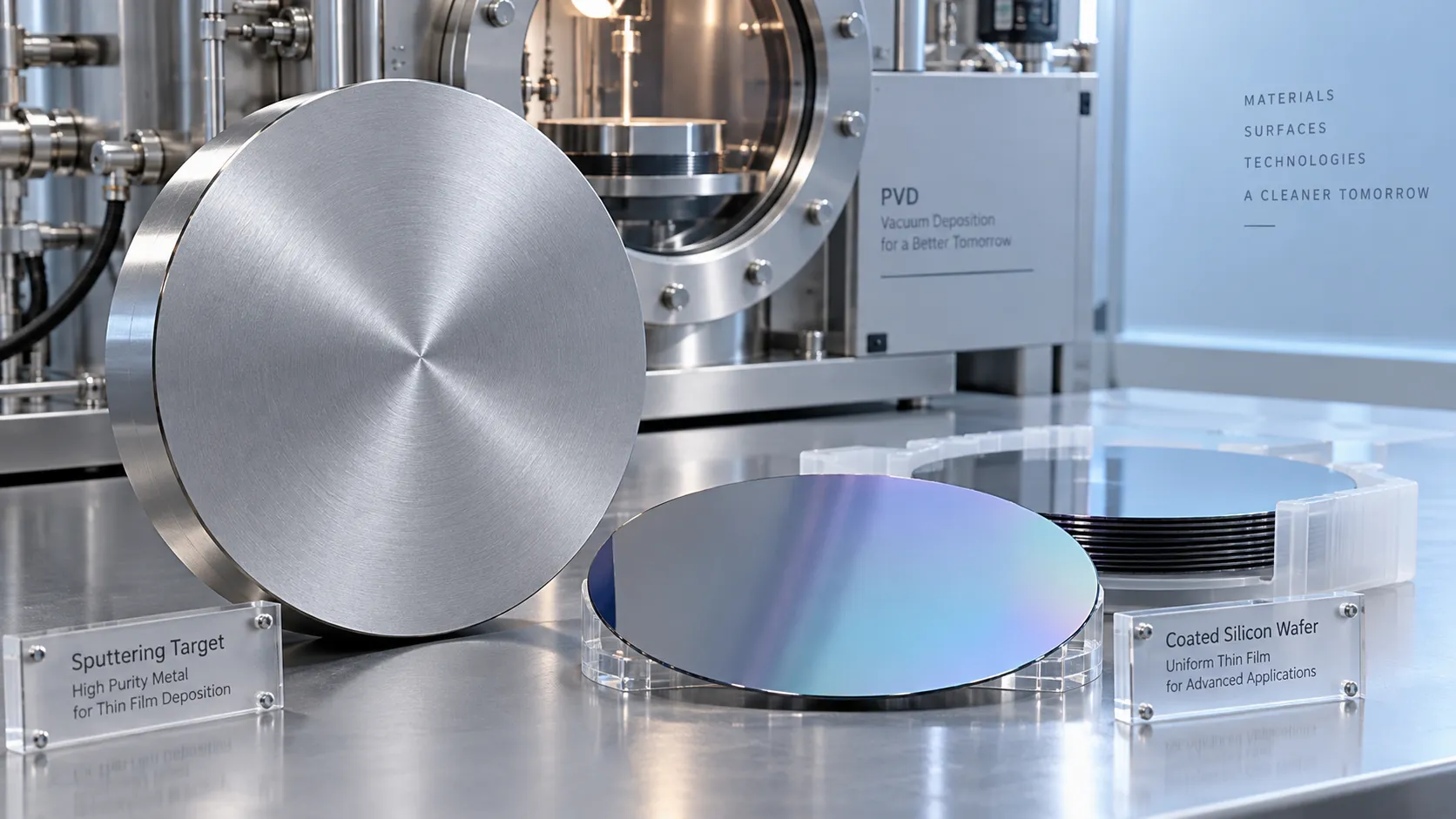
How does the purity of sputtering targets affect thin-film quality?
Discover how sputtering targets affect thin-film quality. Learn to assess purity, identify harmful impurities, and choose specifications that improve coating performance.
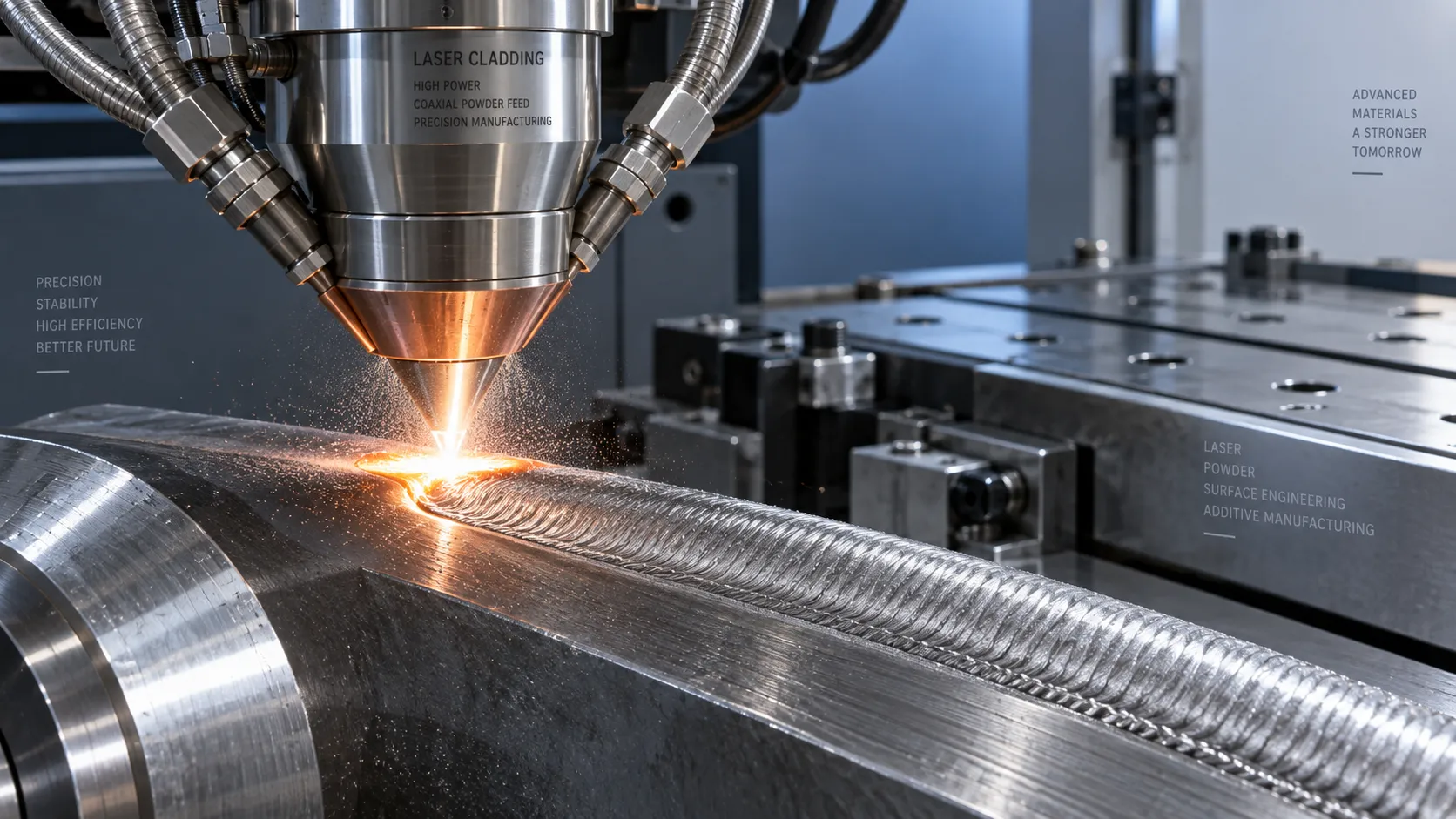
How high power laser cladding systems control substrate dilution
Discover how high power laser cladding systems control substrate dilution through beam shaping, material feed, and thermal management to deliver reliable bonds and coating performance.
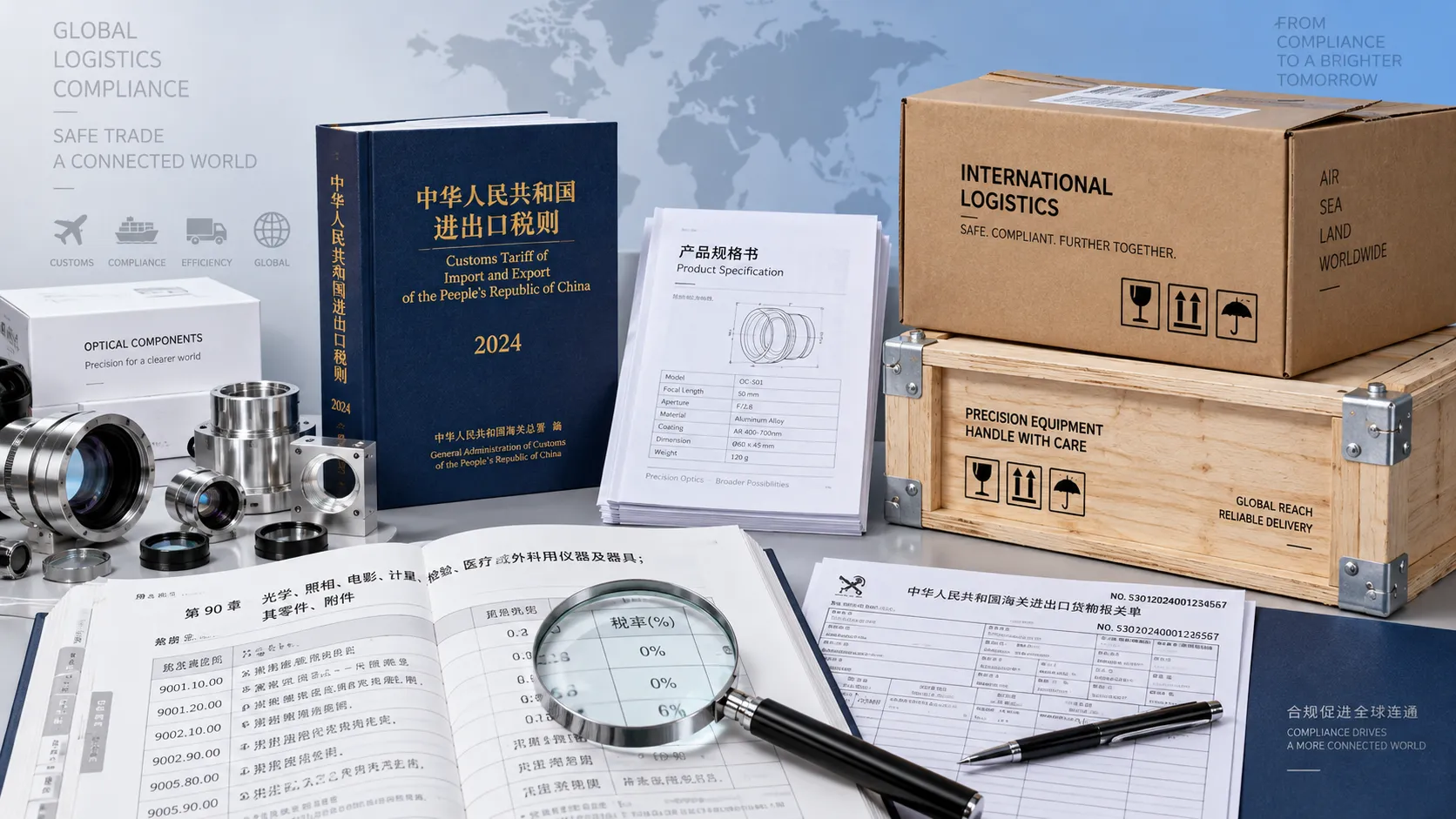
How to check HS codes for customs compliance in international logistics
Strengthen international logistics customs compliance: learn how to verify HS codes, check official tariffs, and document classifications to reduce costly shipment delays.
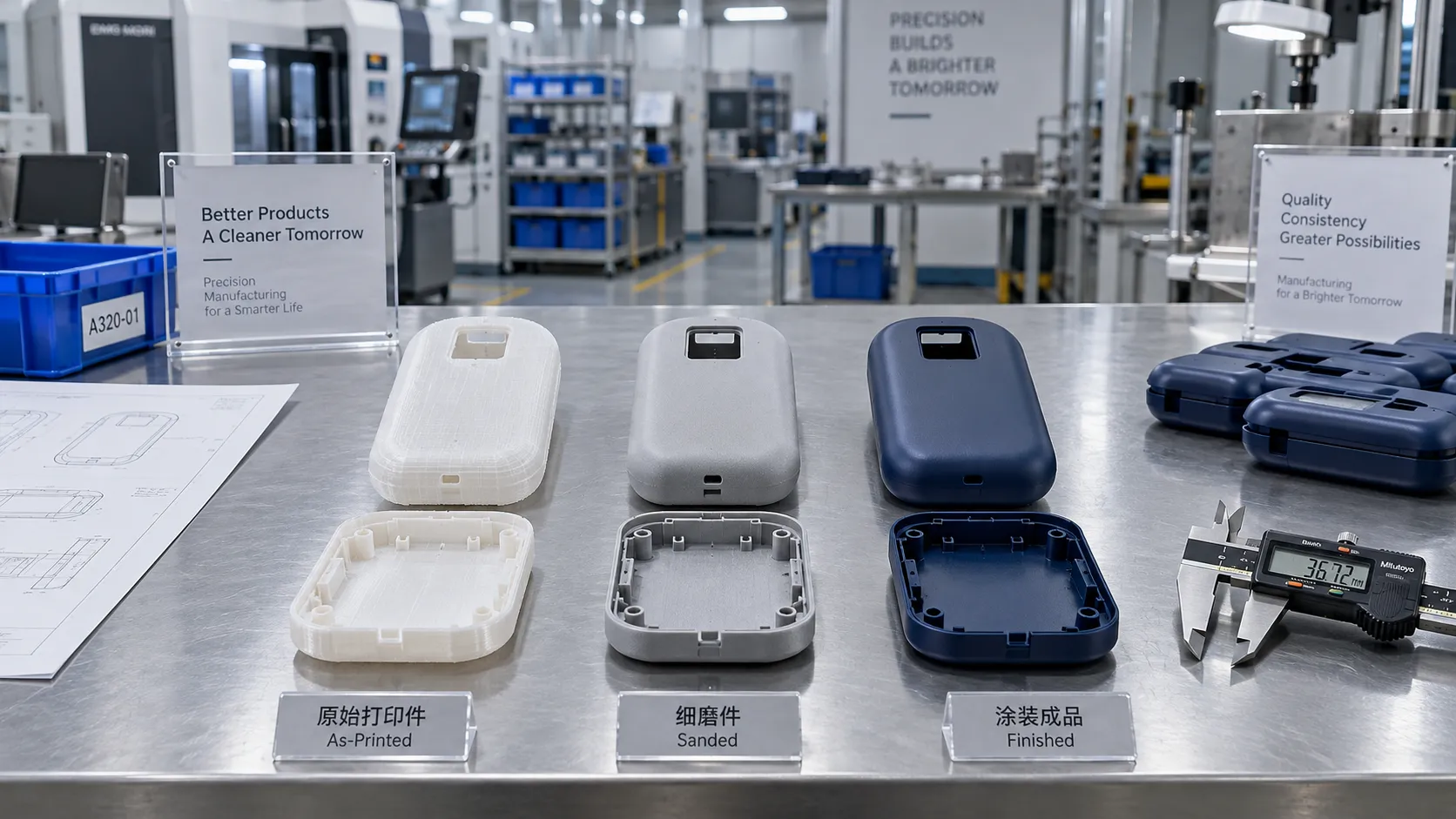
Choosing a 3D Printing Service for Consumer Products: Finish, Fit, and Cost
Compare 3d printing consumer good services by finish, fit, materials, and total cost. Learn how to choose a reliable supplier and avoid costly defects before ordering.
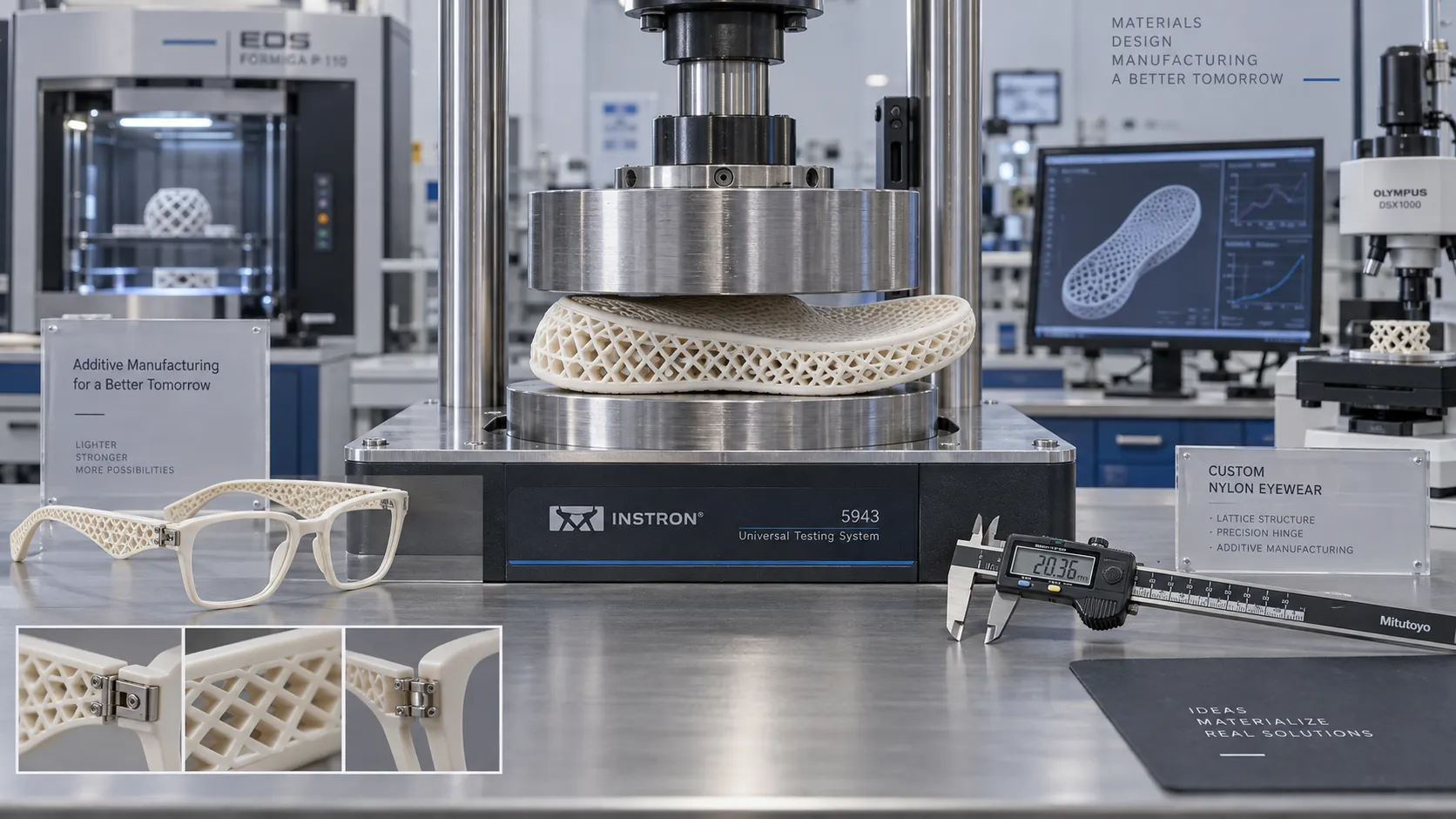
Which Consumer Goods Can Be 3D Printed, and What Are the Practical Limits?
Explore 3d printing consumer goods, from custom eyewear to replacement parts. Discover practical limits on materials, safety, and costs to make smarter production decisions.
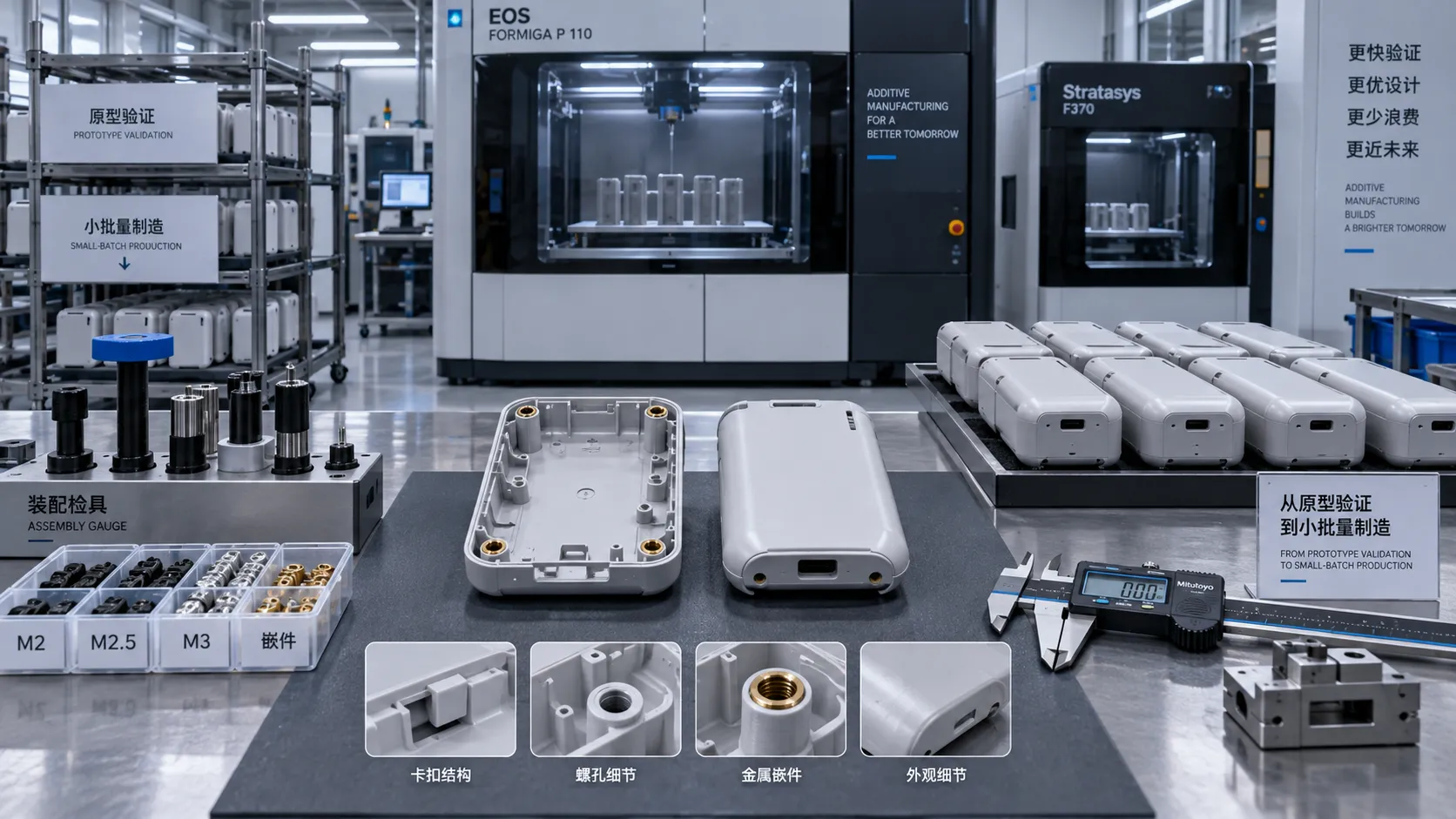
From Prototype to Small Batch: Applying 3D Printing to Consumer Goods
Explore 3d printing in consumer goods: learn how to move from prototype to small-batch production with practical guidance on materials, quality validation, and cost control.
Related News
- 00
0000-00
How to verify part consistency before choosing a 3D printing OEM - 00
0000-00
How does a rigid cryogenic transfer line handle thermal contraction? - 00
0000-00
How much does edge vision deployment cost beyond the hardware? - 00
0000-00
How does the purity of sputtering targets affect thin-film quality? - 00
0000-00
How high power laser cladding systems control substrate dilution
Dr. Hideo Tanaka
Weekly Insights
Stay ahead with our curated technology reports delivered every Monday.