
How to Compare Laser Safety Glasses Wholesale Options

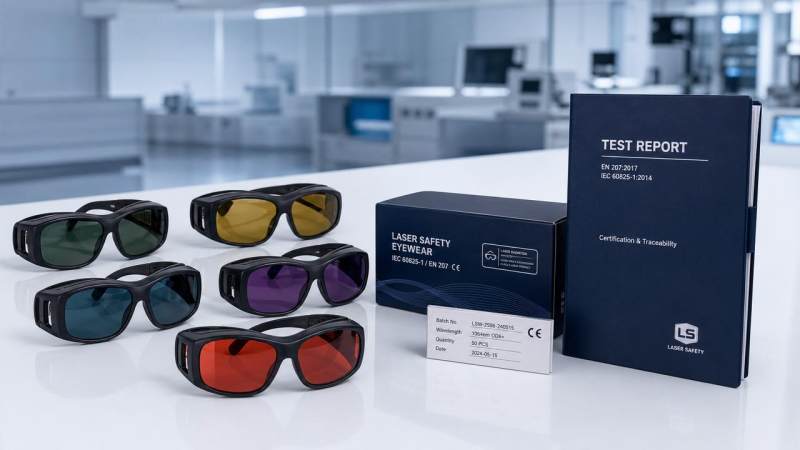
Choosing the right laser safety glasses wholesale supplier is not just about price—it is about verified protection, compliance, and long-term procurement reliability. For industrial laser use, every comparison should begin with safety performance, then move to documentation, durability, and supply consistency. A structured review helps reduce sourcing risk, avoid non-compliant inventory, and support safer operations across cutting, welding, marking, medical, research, and inspection environments.
What should be compared first in laser safety glasses wholesale options?
Start with protection data, not appearance or discount level. In laser safety glasses wholesale evaluation, technical fit always comes before commercial convenience.
The first checkpoint is wavelength compatibility. Laser eyewear must match the exact laser wavelength or wavelength range used in the process.
A second checkpoint is optical density, often shown as OD. Higher OD means stronger attenuation for the specified wavelength band.
Visible light transmission also matters. If visibility is too low, operators may remove the glasses, creating a serious safety failure.
Frame coverage is another practical factor. Side protection, fit stability, and compatibility with prescription eyewear affect real use conditions.
In laser safety glasses wholesale sourcing, compare these points together:
- Laser wavelength and operating mode
- Required OD at each wavelength
- Visible light transmission level
- Lens material and coating stability
- Coverage area and ergonomic fit
- Certification traceability
Without this baseline, price comparison becomes misleading. Low-cost eyewear with incomplete wavelength protection is not a true wholesale advantage.
How do certification standards affect laser safety glasses wholesale decisions?
Certification is often the clearest separator between reliable and risky supply. It confirms whether the eyewear was tested under recognized safety frameworks.
Common standards include ANSI Z136 guidance in the United States and EN 207 or EN 208 in Europe. Some projects also request ISO-aligned documentation support.
For laser safety glasses wholesale orders, documents should be current, product-specific, and traceable. Generic certificates with unclear model references deserve caution.
Ask for test reports, declaration files, lens marking explanations, and batch identification records. A serious supplier should provide these without hesitation.
It is also important to check whether the certificate covers the lens only, or the complete eyewear assembly including frame performance.
Useful verification questions include:
- Does the report match the exact model number?
- Are testing laboratories clearly identified?
- Do wavelength and OD values match the product label?
- Is the certification valid for the destination market?
- Can the supplier support audits or technical review?
Strong certification support makes laser safety glasses wholesale procurement easier during qualification, customs review, and internal compliance checks.
How can material quality and durability be evaluated beyond the datasheet?
Datasheets are necessary, but field durability determines replacement cycles and lifetime cost. This is where many laser safety glasses wholesale comparisons become more meaningful.
Lens materials may include polycarbonate, glass, or specialty composites. Each offers different trade-offs in impact resistance, weight, scratch behavior, and optical clarity.
Polycarbonate is lighter and more impact resistant. Glass may offer stronger scratch resistance and optical stability, but often adds weight.
Coatings also matter. Anti-fog, anti-scratch, and chemical resistance features can improve service life in hot, dusty, or cleaning-intensive environments.
Review whether the frame deforms under heat, whether temples loosen quickly, and whether lens color shifts after cleaning or UV exposure.
When assessing laser safety glasses wholesale quality, request samples for practical checks:
- Fit and comfort during long wear
- Fogging under active movement
- Scratch response after repeated cleaning
- Color consistency across multiple pieces
- Lens marking permanence
Durability affects both cost and safety. Frequent replacement may indicate poor material control, weak packaging, or unstable manufacturing quality.
What supplier capabilities matter most in laser safety glasses wholesale procurement?
A good product can still create problems if supply execution is weak. Laser safety glasses wholesale decisions should include operational capability, not just product specification.
Lead time consistency is critical. Delays may interrupt onboarding, maintenance cycles, or safety stock planning across multiple sites.
Batch consistency matters just as much. Variations in tint, OD labeling, packaging, or frame size can complicate deployment and compliance records.
Also check whether the supplier supports private labeling, custom packaging, mixed model orders, and reorder traceability for long-term programs.
Responsive technical communication is another sign of maturity. Slow or vague answers often predict future service issues.
Key operational questions include:
- What is the standard production lead time?
- How are lots identified and tracked?
- What is the defect handling process?
- Can the supplier maintain recurring volume commitments?
- Are compliance documents updated proactively?
In laser safety glasses wholesale sourcing, dependable fulfillment often creates more value than a small unit-price reduction.
Which cost factors are often overlooked when comparing wholesale offers?
The quoted unit price is only one part of the total cost. Laser safety glasses wholesale programs should be reviewed through a total ownership lens.
Low-priced models may carry hidden costs through higher breakage, shorter service life, or documentation gaps that slow approvals.
Shipping method and packaging quality also affect real cost. Damaged eyewear in transit creates rework, claims, and deployment delays.
Another overlooked factor is stock flexibility. Some suppliers allow staged delivery, while others require large fixed shipments.
Training support can matter as well. Clear marking guides and user instructions reduce misuse and unnecessary replacement.
A better laser safety glasses wholesale choice often has a slightly higher price but lower long-term operational friction.
What common mistakes increase sourcing risk?
One common mistake is buying by laser type only. Fiber, CO2, UV, and green lasers require precise wavelength-specific protection.
Another mistake is assuming all certified products are equal. Test scope, document validity, and production consistency can vary widely.
Some buyers focus on OD alone and ignore visible transmission. If users cannot see well, practical compliance tends to decline.
Skipping samples is also risky. Laser safety glasses wholesale orders should be validated physically before full volume commitment.
Overlooking destination market requirements can create import or usage problems. Labeling and documentation expectations may differ by region.
A short risk checklist helps:
- Do not approve without wavelength confirmation
- Do not rely on screenshots of certificates
- Do not ignore comfort and visibility
- Do not skip lot traceability review
- Do not compare price without lifecycle factors
Quick FAQ on laser safety glasses wholesale
The best laser safety glasses wholesale comparison combines technical accuracy, certification confidence, product durability, and predictable supply execution. This approach supports safer use and smoother qualification across industrial settings.
Before placing volume orders, build a shortlist, review documentation carefully, test samples in real conditions, and compare lifecycle cost rather than unit price alone. That process creates a stronger, lower-risk sourcing decision.
Related News
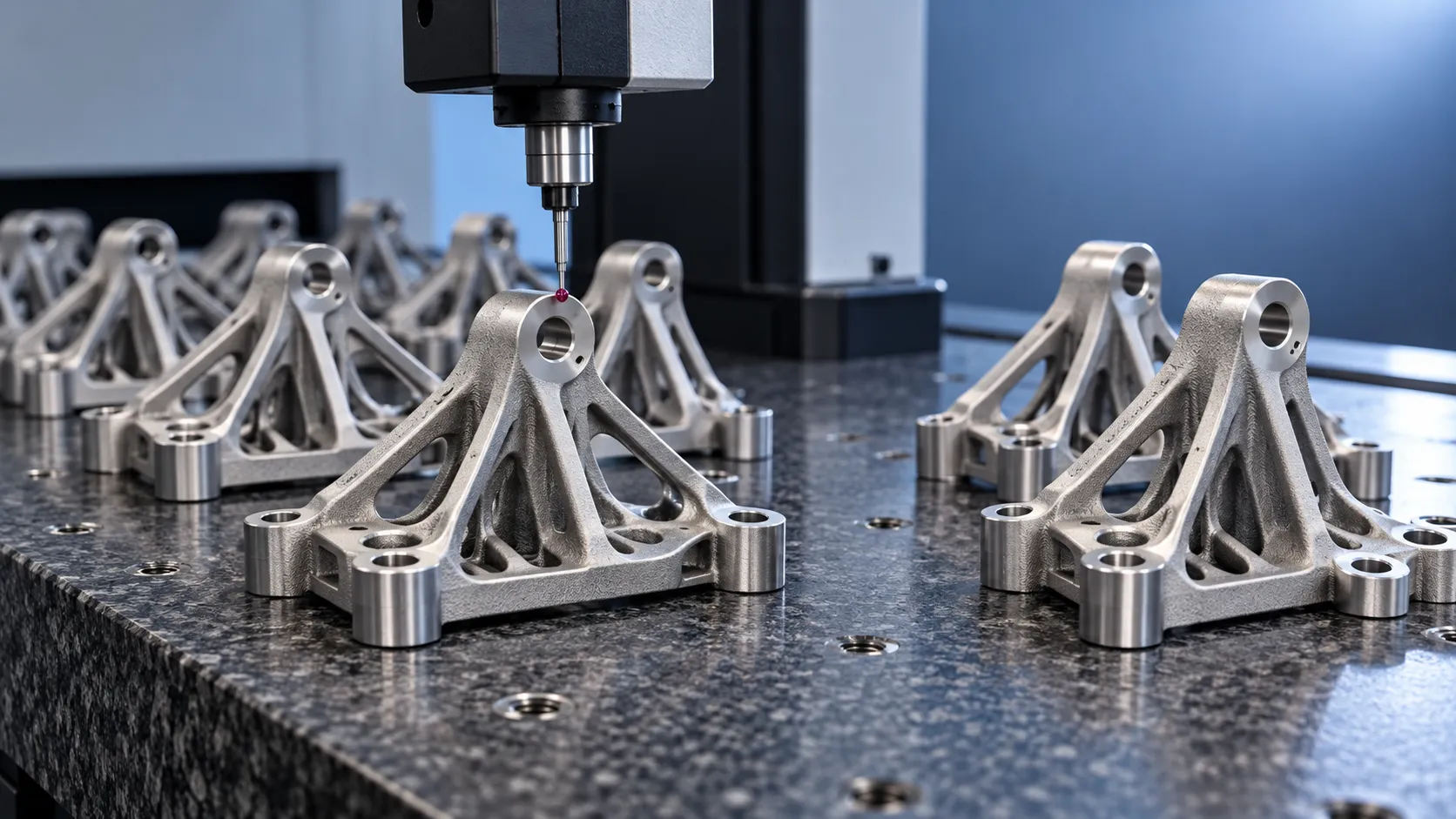
How to verify part consistency before choosing a 3D printing OEM
Choosing a 3D printing OEM? Learn how to verify part consistency with repeat-build trials, validated inspections, and traceability checks before committing to production.
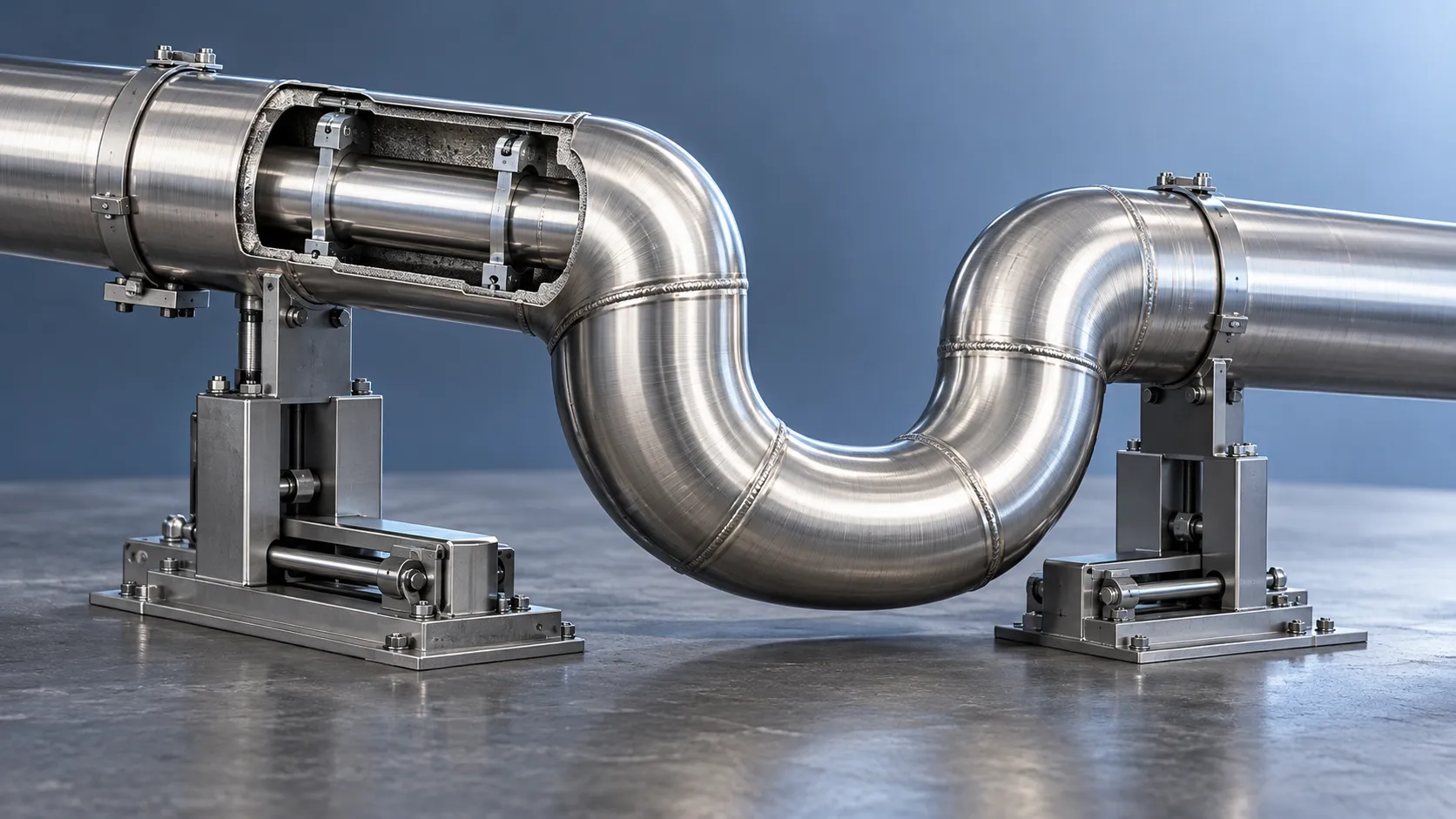
How does a rigid cryogenic transfer line handle thermal contraction?
Learn how a rigid cryogenic transfer line manages thermal contraction with bends, bellows, and guided supports. Discover key design checks for safe, reliable cryogenic performance.

How much does edge vision deployment cost beyond the hardware?
Understand edge vision deployment cost beyond hardware, from data and integration to security and support. Uncover hidden expenses and build a smarter lifecycle budget before you scale.
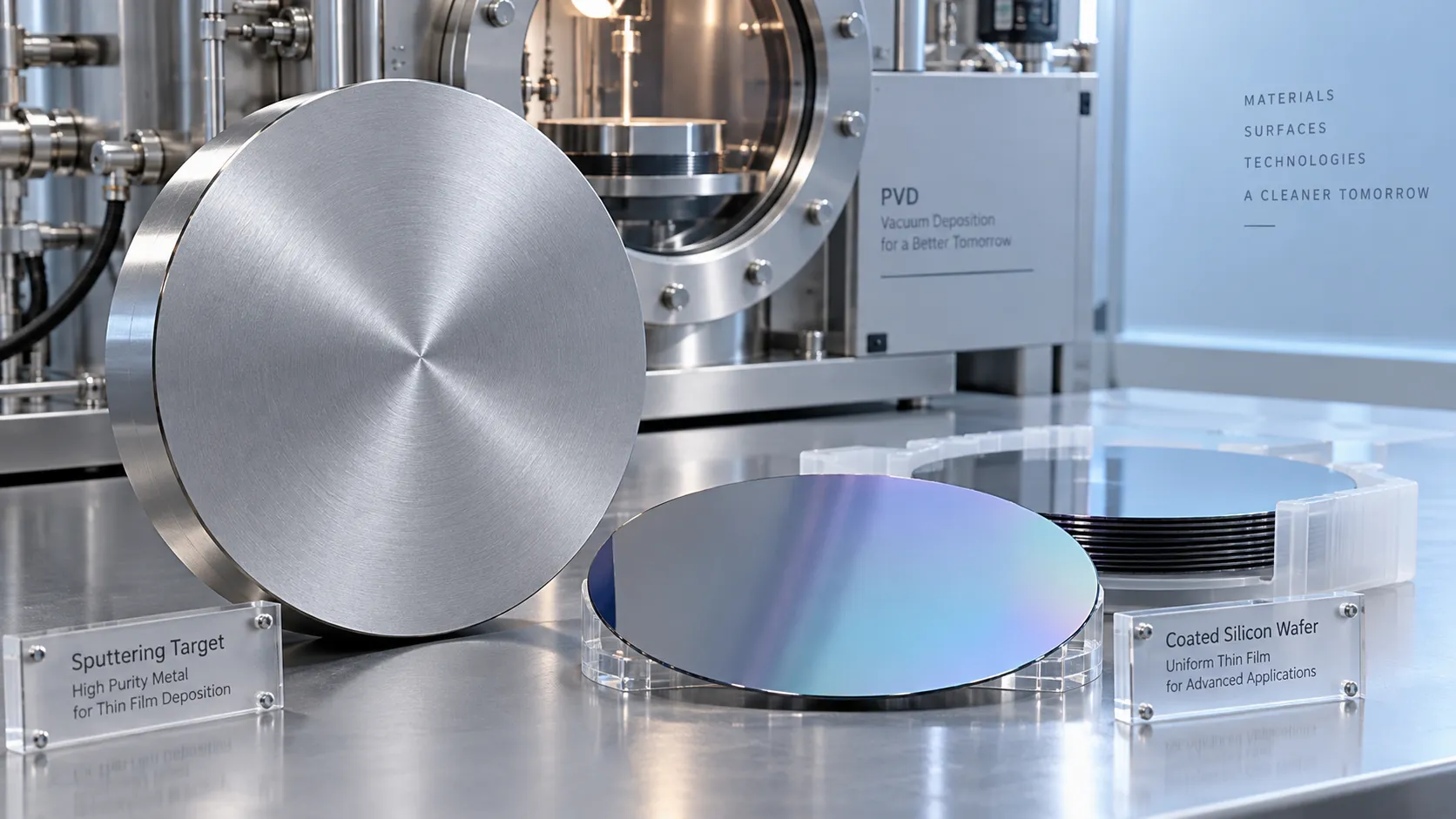
How does the purity of sputtering targets affect thin-film quality?
Discover how sputtering targets affect thin-film quality. Learn to assess purity, identify harmful impurities, and choose specifications that improve coating performance.
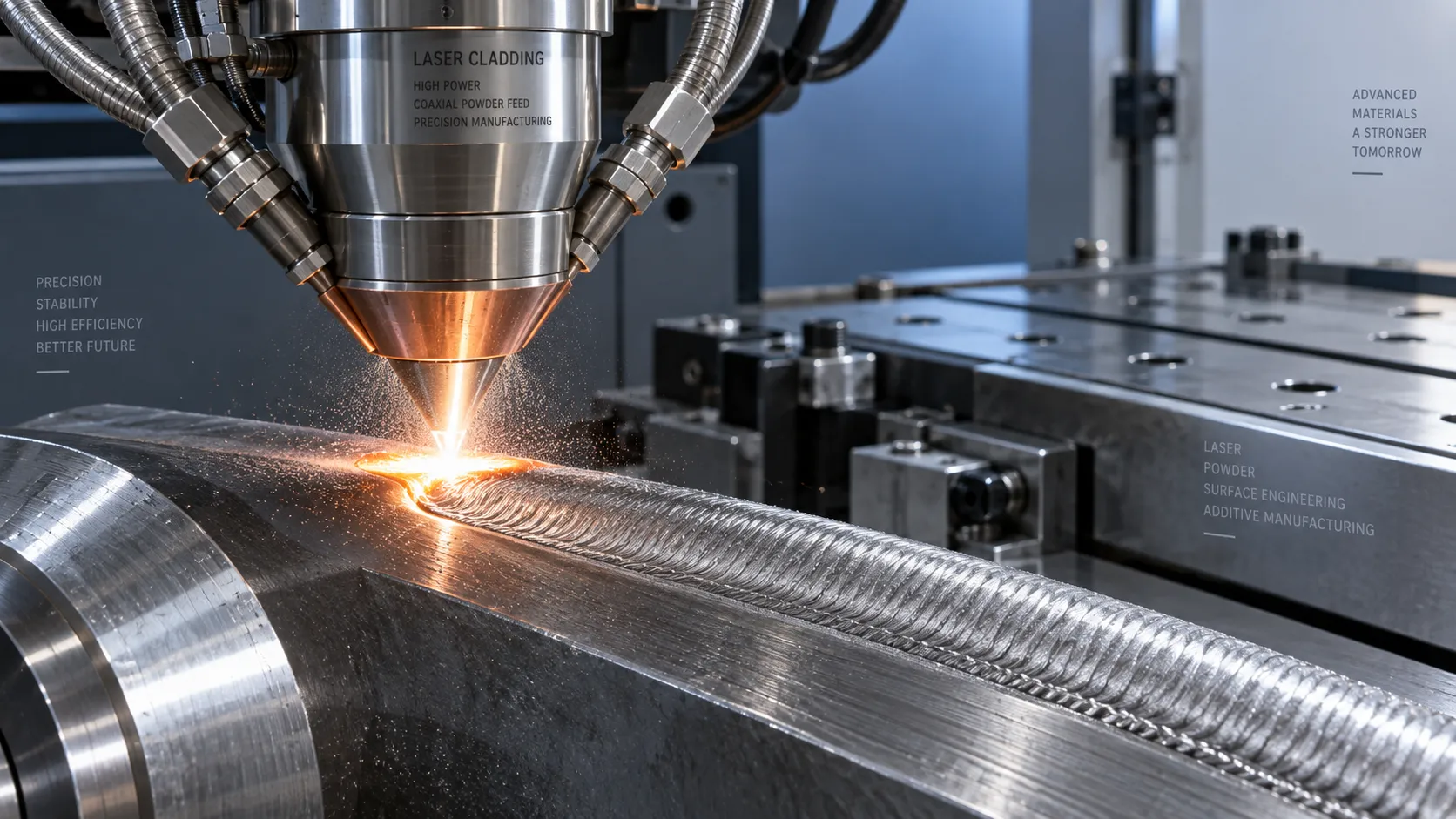
How high power laser cladding systems control substrate dilution
Discover how high power laser cladding systems control substrate dilution through beam shaping, material feed, and thermal management to deliver reliable bonds and coating performance.
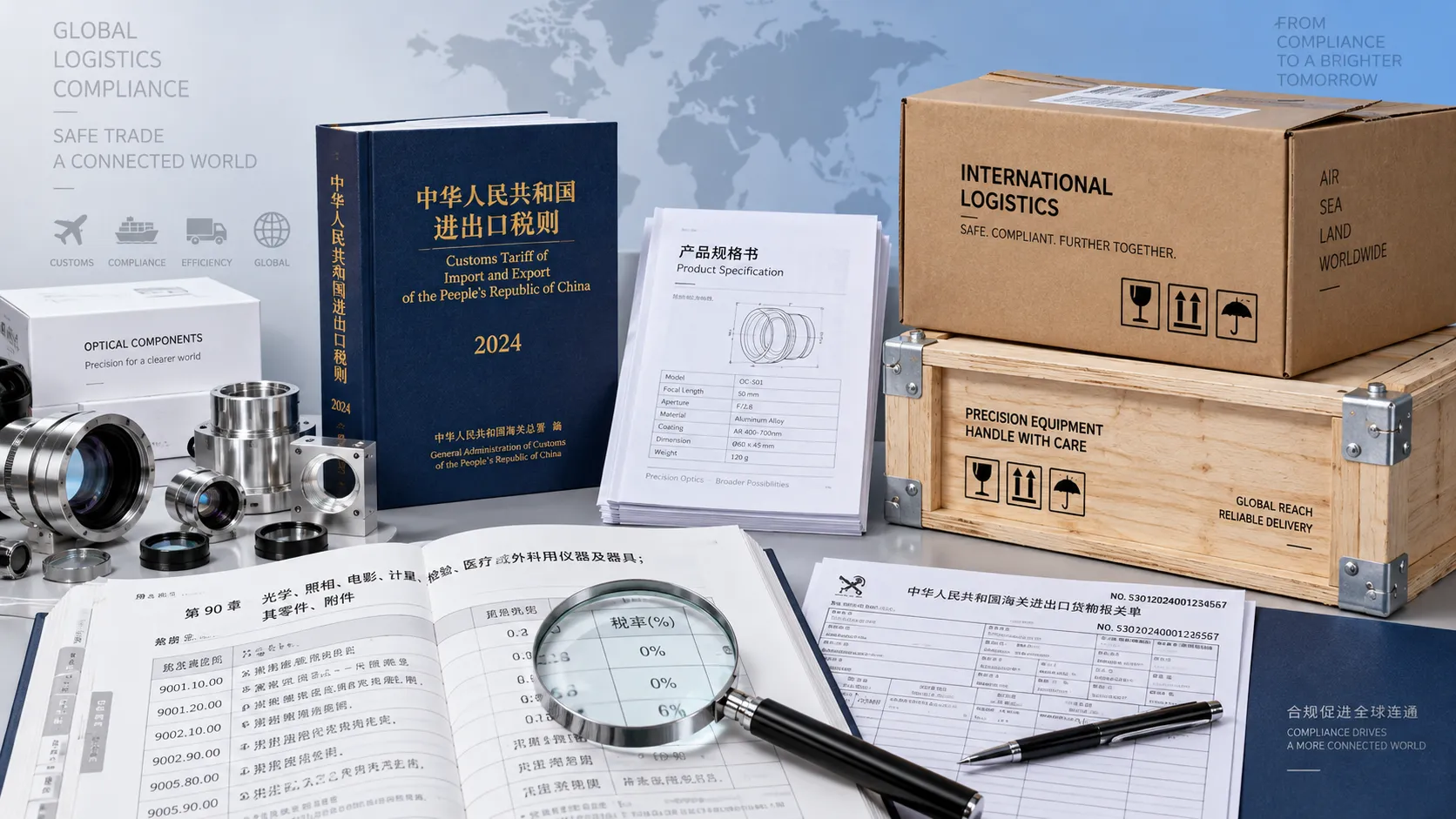
How to check HS codes for customs compliance in international logistics
Strengthen international logistics customs compliance: learn how to verify HS codes, check official tariffs, and document classifications to reduce costly shipment delays.
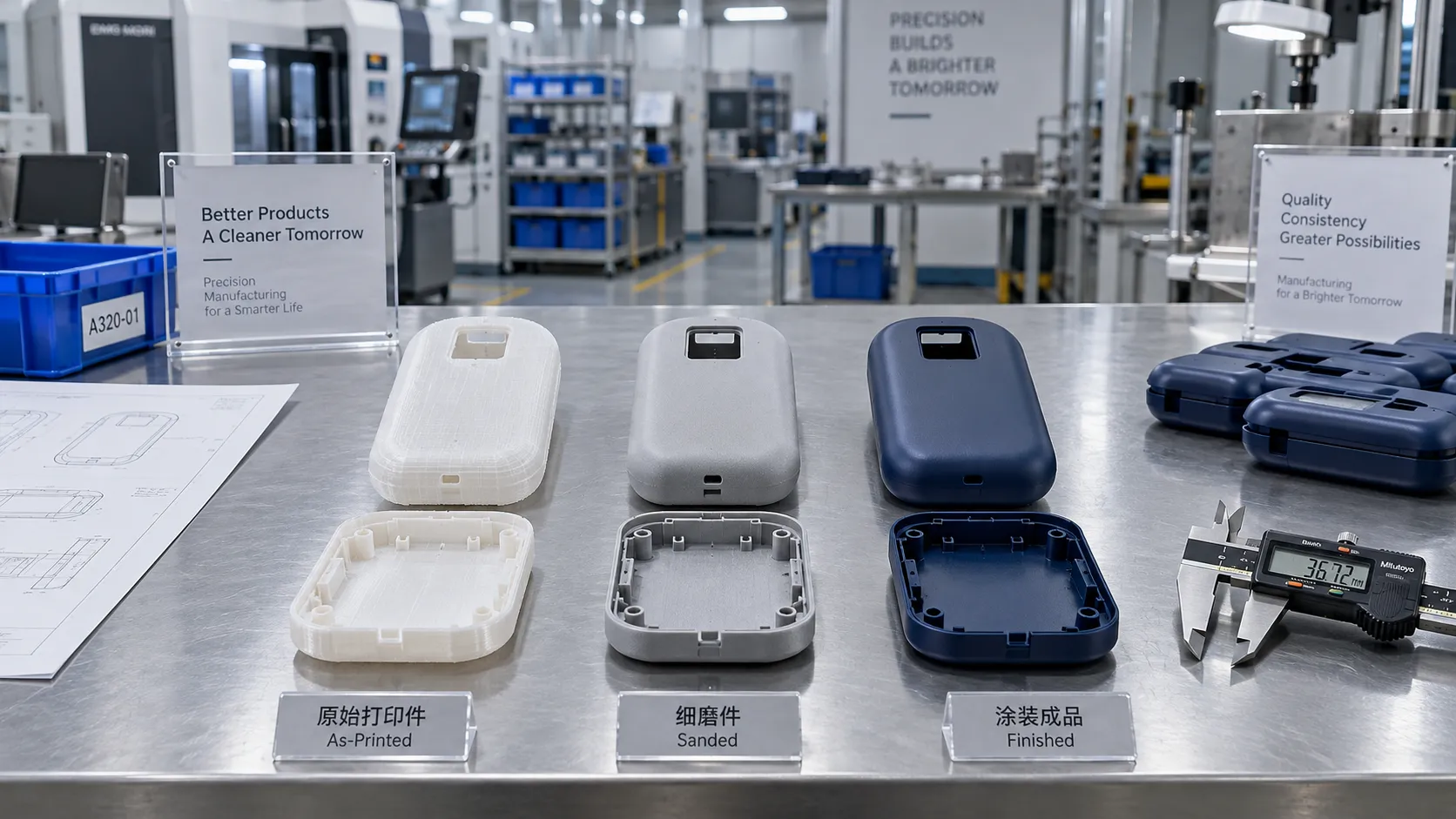
Choosing a 3D Printing Service for Consumer Products: Finish, Fit, and Cost
Compare 3d printing consumer good services by finish, fit, materials, and total cost. Learn how to choose a reliable supplier and avoid costly defects before ordering.
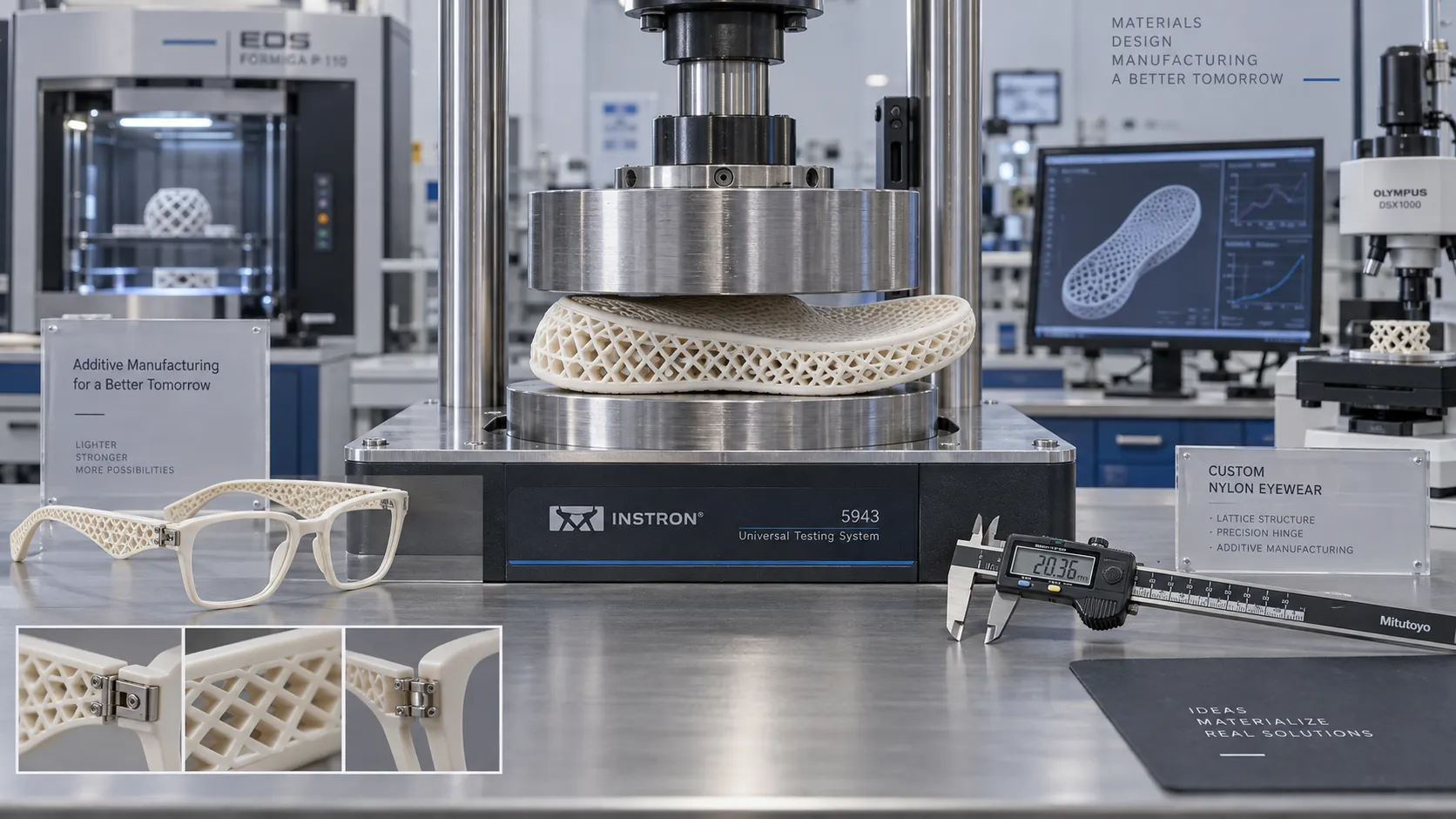
Which Consumer Goods Can Be 3D Printed, and What Are the Practical Limits?
Explore 3d printing consumer goods, from custom eyewear to replacement parts. Discover practical limits on materials, safety, and costs to make smarter production decisions.
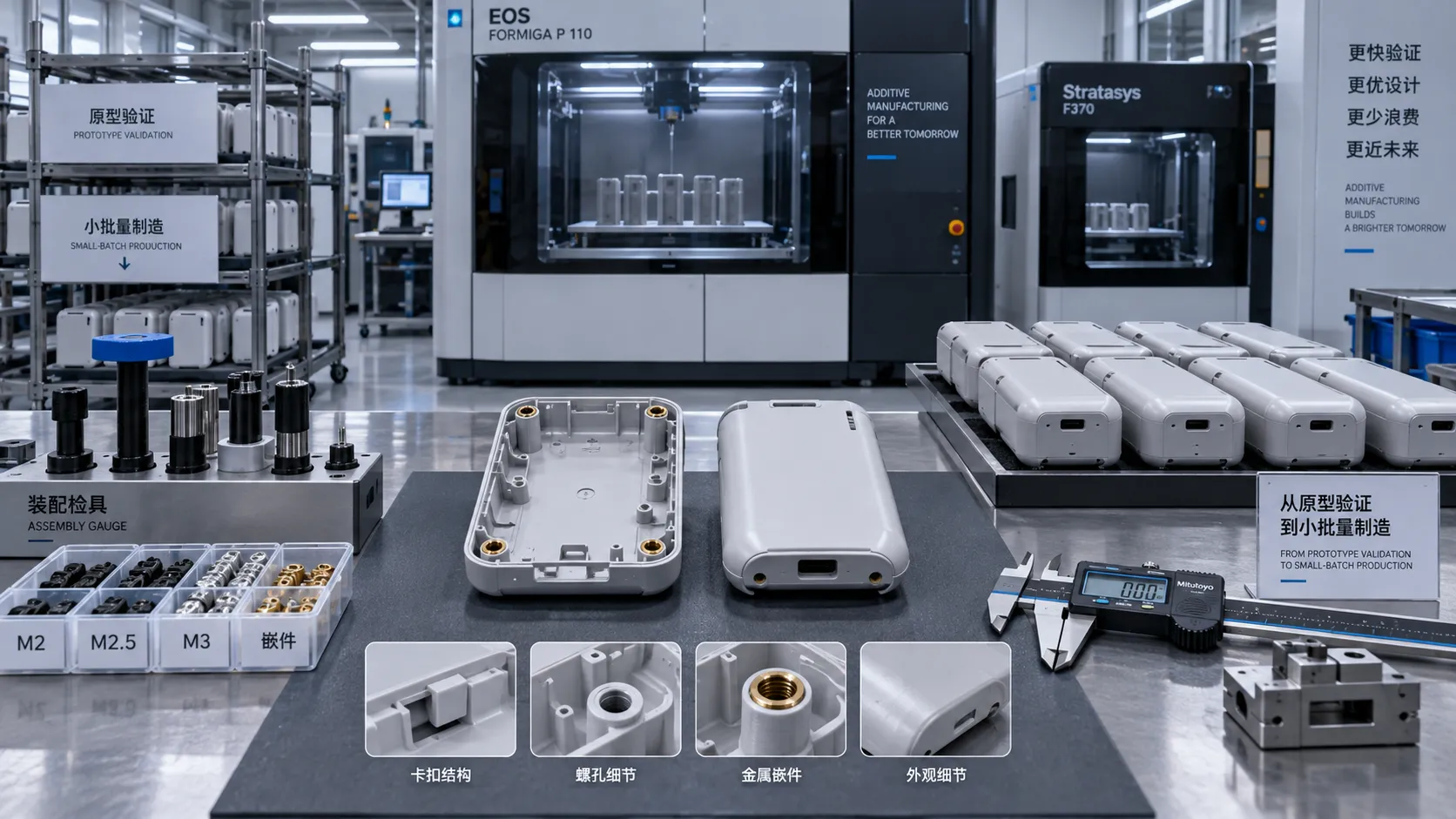
From Prototype to Small Batch: Applying 3D Printing to Consumer Goods
Explore 3d printing in consumer goods: learn how to move from prototype to small-batch production with practical guidance on materials, quality validation, and cost control.
Related News
- 00
0000-00
How to verify part consistency before choosing a 3D printing OEM - 00
0000-00
How does a rigid cryogenic transfer line handle thermal contraction? - 00
0000-00
How much does edge vision deployment cost beyond the hardware? - 00
0000-00
How does the purity of sputtering targets affect thin-film quality? - 00
0000-00
How high power laser cladding systems control substrate dilution
Dr. Hideo Tanaka
Weekly Insights
Stay ahead with our curated technology reports delivered every Monday.