
Manufacturing sourcing trends reshaping supplier risk in 2026


In 2026, supplier risk in manufacturing is no longer defined mainly by the chance of a late shipment or a single-source disruption. The more consequential question is whether a supplier can continue to deliver a technically conforming product, with legal authorization, traceable inputs, validated process control, and usable engineering support when trade rules, material availability, or production conditions change.
This changes the meaning of sourcing resilience. Adding suppliers in different countries may reduce geographic concentration, but it does not automatically reduce exposure to the same restricted equipment, semiconductor components, specialty gases, metal powders, software licenses, sub-tier machining capacity, or logistics corridors. A supplier network can look diversified on a procurement dashboard while remaining dependent on a small number of shared upstream choke points.
The manufacturing sourcing trends now shaping 2026 point to a more demanding model of supplier assessment: less reliance on price and stated capacity, and more attention to verifiable production capability, compliance continuity, sub-tier visibility, and the ability to control process changes.
Risk is moving from the supplier relationship to the supply chain architecture
Traditional supplier qualification often concentrates on the direct manufacturer. Buyers review financial status, certifications, factory capacity, quality history, lead times, and commercial terms. Those factors remain necessary, but they are insufficient for advanced manufacturing categories where a finished component depends on specialized upstream inputs and controlled manufacturing conditions.
A precision optical assembly, for example, may depend on coated substrates from one source, high-purity materials from another, a specific laser-processing step, and inspection equipment calibrated to a defined measurement method. A metal additive-manufactured part may be technically reproducible only with a particular powder specification, build strategy, heat-treatment route, and non-destructive testing sequence. Replacing the immediate supplier without understanding these dependencies can merely transfer the same risk to a different legal entity.
The relevant unit of analysis is therefore shifting from “approved supplier” to “approved supply architecture.” This includes:
- the origin and qualification status of critical materials and components;
- the process steps that cannot be readily replicated elsewhere;
- the equipment, software, and metrology systems required to maintain conformity;
- the jurisdictions governing export, re-export, end use, and data access;
- the documentation needed to prove that a replacement is equivalent rather than merely similar.
This is especially important where a part drawing does not fully capture functional performance. Surface condition, thermal history, internal porosity, coating adhesion, vacuum compatibility, cleanliness, optical alignment, and algorithmic inspection thresholds are examples of characteristics that may depend on embedded process knowledge. A supplier can meet nominal dimensional requirements and still fail to reproduce the application outcome.
Trade compliance is becoming an operational sourcing variable
Export controls, sanctions screening, end-use restrictions, customs classification, and technology-transfer rules were once treated in many organizations as specialist legal checks performed near the point of shipment. In high-technology manufacturing, they increasingly affect source selection at the engineering and program-planning stage.
The issue is not limited to whether a finished product can cross a border. Controlled exposure can arise through machine tools, high-performance computing hardware, design files, technical assistance, encryption-enabled software, advanced sensors, vacuum equipment, lasers, semiconductor-related items, or materials with dual-use applications. A supplier may be able to manufacture a component domestically but still rely on imported equipment, licensed software, or restricted inputs that complicate continuity.
For sourcing decisions, the practical consequence is that a compliance review must test the transaction pathway, not just the supplier’s country of registration. Relevant questions include where controlled technology originates, whether an item will be re-exported, who the ultimate end user is, whether the declared end use is consistent with the product’s capability, and whether technical data will be accessible across borders during design, quality, or after-sales support.
Frameworks such as the U.S. Export Administration Regulations, the European Union dual-use control regime, national sanctions measures, and customs requirements differ by jurisdiction and can change through implementing rules and licensing practice. No generic supplier questionnaire can resolve every exposure. What matters is whether the organization has a repeatable route for escalating classifications, end-use questions, ownership concerns, and technology-transfer issues before a contract makes a problematic source operationally indispensable.
A recurring mistake is to treat compliance as a binary pass-or-fail condition. The more useful assessment asks how fragile the compliance position is. A source that is currently permissible but depends on narrow licensing assumptions, ambiguous classification, or restricted technical support may carry materially more continuity risk than a source with a clear, documented authorization basis.
“China plus one” is giving way to capability-specific multi-sourcing
Geographic diversification remains a prominent sourcing response, but broad regional labels obscure the real decision. A second source is only valuable if it can deliver the required technical outcome at the required scale and under the required control conditions. Moving a supplier relationship to another country does not solve risk if the new facility imports the same critical subassemblies, uses the same constrained raw material, or lacks the process validation needed for production release.
The more durable approach is capability-specific multi-sourcing. It separates categories according to what actually creates dependency. Commodity fasteners, standard packaging, and basic fabricated parts may be diversified through conventional supplier development. Components involving high-purity material, specialized coatings, precision optics, controlled atmospheres, advanced metrology, or proprietary production parameters require a different model.
For those categories, a second source should be evaluated against the manufacturing recipe, not only the drawing. That may require comparison of material certificates, equipment configuration, critical process windows, calibration traceability, inspection methods, yield behavior, failure-analysis capability, and change-notification discipline. The qualification cost can be substantial, but an unqualified “backup” supplier creates false resilience.
Decision-makers also need to distinguish between dual sourcing and dual qualification. Two suppliers can be commercially approved, yet only one may have completed full process approval for a mission-critical application. The second source becomes operationally meaningful only when documentation, validation, test capacity, and contract terms allow it to be activated without restarting a lengthy engineering cycle.
Supplier capability is increasingly judged through evidence rather than certifications alone
Certifications remain important indicators of management systems, but they do not prove that a supplier can reliably manufacture a particular advanced product. ISO 9001, for example, demonstrates the presence of a quality management system; it does not establish equivalence of laser weld integrity, additive build repeatability, UHV leak performance, or AI-assisted inspection accuracy for a specific application.
This distinction matters as sourcing decisions move into technically complex fields. A credible capability review should connect three evidence layers:
- System evidence: relevant quality, environmental, safety, information-security, or sector-specific management controls.
- Process evidence: machine capability, operator qualification, preventive maintenance, parameter management, calibration, contamination control, and treatment of nonconforming output.
- Product evidence: inspection records, material traceability, test results, validation reports, conformity documentation, and evidence that the delivered item performs in its intended environment.
The risk rises when these layers are disconnected. A supplier may present strong management credentials while relying on manual process adjustments that are poorly recorded. Another may generate extensive inspection data without a clear method for linking each data set to material lot, machine state, software version, and production batch. In both cases, failure investigation becomes slow and replacement qualification becomes difficult.
Digital quality systems can improve visibility, but only if data governance is defined. A dashboard showing yield, defect rates, or on-time delivery is not enough if measurement definitions vary across plants or if raw inspection data cannot be retrieved when a field issue occurs. The useful question is not whether a supplier uses digital tools; it is whether the data can support a defensible decision about release, root cause, and interchangeability.
AI and automation introduce a new form of process-change risk
Machine vision, automated optical inspection, predictive maintenance, and algorithm-assisted process optimization are changing how suppliers manage quality and throughput. These technologies can strengthen control where they are properly validated, but they also make supplier risk less visible when buyers focus only on final inspection results.
An AI-enabled inspection system may flag defects more consistently than manual review, yet its output depends on training data, image acquisition conditions, threshold settings, model updates, and the human workflow used to review exceptions. A supplier that changes an inspection model, camera configuration, lighting arrangement, or acceptance threshold may alter the effective quality gate without changing the product drawing.
The same principle applies to automated production equipment. A software update, revised toolpath, new sensor-based control loop, or different parameter-optimization method can improve output, but it can also affect product characteristics. In aerospace, medical, semiconductor, energy, and high-reliability industrial applications, these changes may require formal evaluation rather than informal operational adjustment.
Supplier agreements should therefore define what constitutes a controlled change. Material substitutions are an obvious example, but the list may also include manufacturing location, critical equipment, software version, inspection method, subcontractor, packaging method, heat-treatment route, and test laboratory. The goal is not to prevent improvement; it is to ensure that improvement does not silently invalidate the basis on which a product was qualified.
Material provenance is becoming inseparable from technical assurance
For many industrial products, the material certificate was once treated as a standard quality document. In 2026, provenance can affect far more than incoming inspection. It may influence regulatory eligibility, environmental declarations, conflict-minerals reporting where applicable, customer-specific sourcing restrictions, recyclability claims, and the ability to investigate unexpected performance variation.
Material innovation adds complexity. Graphene-enhanced formulations, engineered polymers, high-performance alloys, advanced ceramics, specialty coatings, and metal powders can offer meaningful performance benefits, but the commercial label alone says little about consistency. Two materials marketed under similar terminology may differ in purity, particle size distribution, morphology, dispersion quality, residual contamination, thermal behavior, or batch-to-batch stability.
Where material properties are central to end-product performance, procurement specifications need to move beyond generic naming. They should identify measurable attributes, accepted test methods, lot traceability, storage and handling conditions, and the approval route for formulation or source changes. For additive manufacturing, powder reuse rules, sieving records, oxygen exposure, and lot segregation can be as relevant as the nominal alloy grade. For vacuum and cryogenic systems, outgassing behavior, cleanliness, seal-material compatibility, and leak-test methodology may be more meaningful than broad material descriptions.
This is not an argument for excessive documentation on every item. It is an argument for matching traceability depth to consequence of failure. Low-value, easily interchangeable items should not receive the same governance burden as materials whose properties determine safety, yield, regulatory status, or field reliability.
Cost models are being rebuilt around recoverability
Unit price remains an essential commercial measure, but it has become a weak proxy for total sourcing value when a failure requires requalification, redesign, expedited logistics, field containment, or regulatory review. The financial impact of supplier disruption is shaped by recoverability: how quickly the organization can identify the issue, isolate affected lots, activate an alternative source, and restore a controlled production state.
That shifts attention toward costs that do not appear clearly in a purchase order: inventory held to protect constrained parts, engineering hours for second-source qualification, duplicate tooling, audit expense, test capacity, data-system integration, and working capital tied up in long-lead materials. These costs should not automatically justify local sourcing or inventory accumulation. They should be compared against the actual exposure created by a supply interruption and the time needed to recover.
A useful decision model separates three questions. How likely is the disruption? How severe would the operational and financial consequence be? How quickly can the supply chain recover without compromising product conformity or compliance? A low-probability event may still warrant significant mitigation if recovery requires months of validation or if a disruption would halt a revenue-critical program.
This approach also reveals why the lowest quoted source can be the most expensive option. A supplier with limited process transparency, weak documentation, and no qualified sub-tier alternatives may offer an attractive initial price while creating a high recovery cost. Conversely, a supplier with disciplined change control, transparent traceability, and validated capacity may support lower lifecycle risk even when its unit price is not the lowest.
What deserves closer attention through 2026
The central sourcing challenge is not simply finding more suppliers. It is establishing which sources are genuinely substitutable, which dependencies are legally and technically fragile, and which data can be trusted when conditions change.
Three signals deserve continuous scrutiny. The first is concentration hidden below tier one: exclusive material sources, specialist testing laboratories, proprietary equipment service channels, and single-route logistics dependencies can all undermine apparent diversification. The second is uncontrolled process evolution: automation and software-driven production can change a qualified process faster than conventional supplier reviews detect. The third is compliance uncertainty embedded in technical collaboration, particularly where designs, firmware, production know-how, or high-performance equipment cross borders.
The supplier networks best positioned for disruption are not necessarily the largest or most geographically dispersed. They are the networks in which critical dependencies are mapped, capability claims are supported by evidence, process changes are visible, and alternative sources have been qualified to the level required by the product’s actual risk. In 2026, that is the practical standard by which manufacturing sourcing resilience should be judged.
Related News
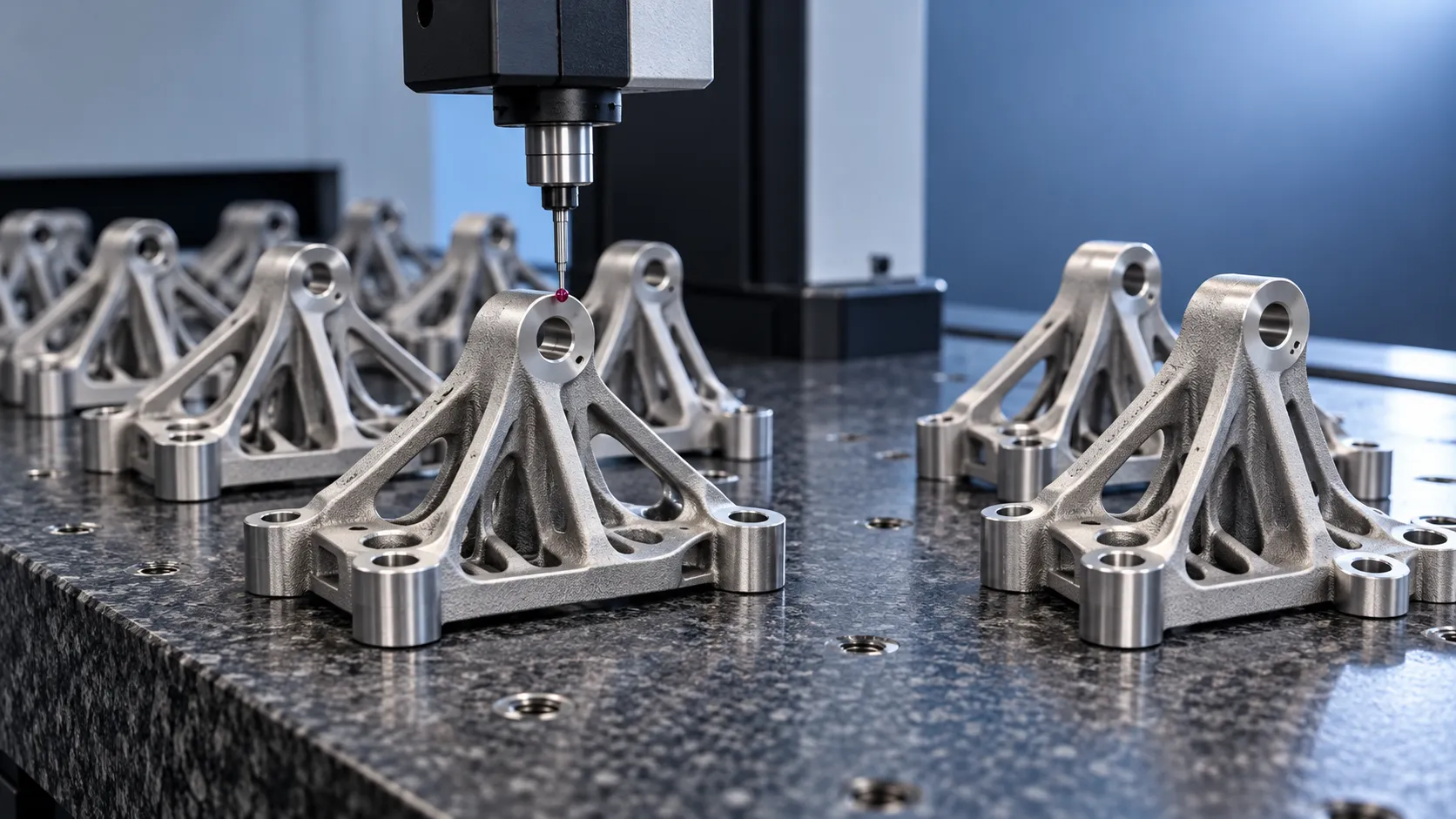
How to verify part consistency before choosing a 3D printing OEM
Choosing a 3D printing OEM? Learn how to verify part consistency with repeat-build trials, validated inspections, and traceability checks before committing to production.
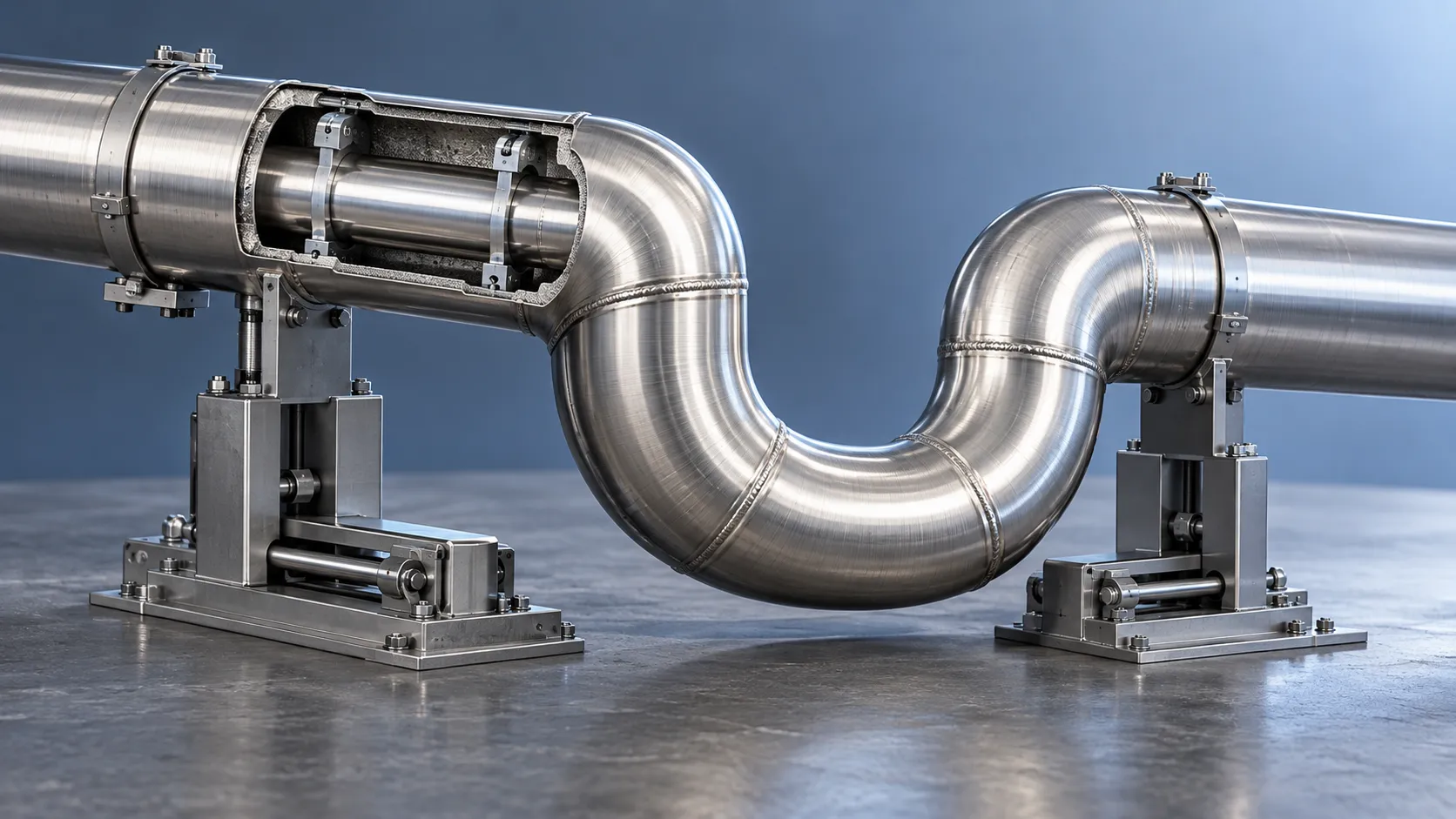
How does a rigid cryogenic transfer line handle thermal contraction?
Learn how a rigid cryogenic transfer line manages thermal contraction with bends, bellows, and guided supports. Discover key design checks for safe, reliable cryogenic performance.
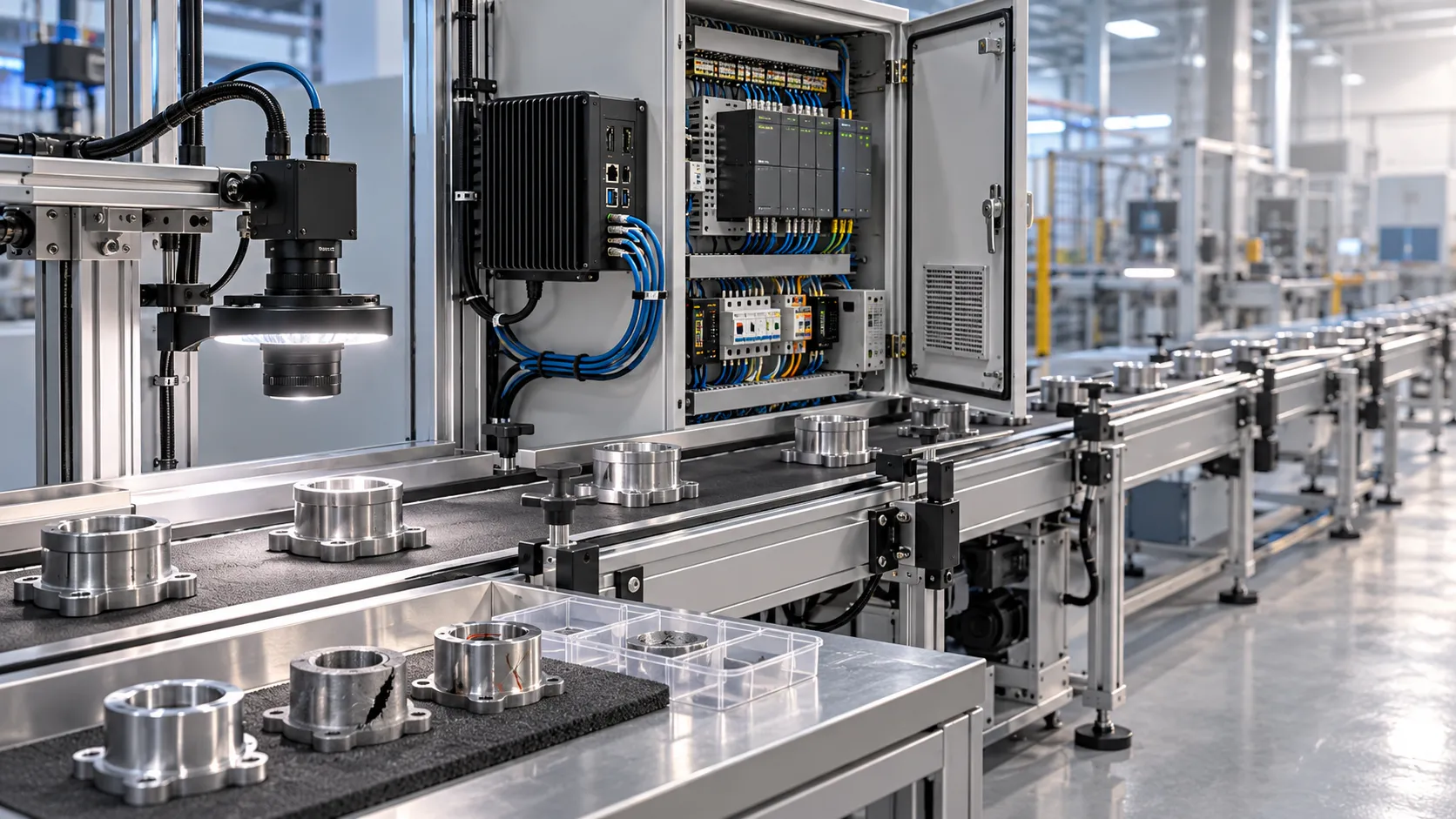
How much does edge vision deployment cost beyond the hardware?
Understand edge vision deployment cost beyond hardware, from data and integration to security and support. Uncover hidden expenses and build a smarter lifecycle budget before you scale.
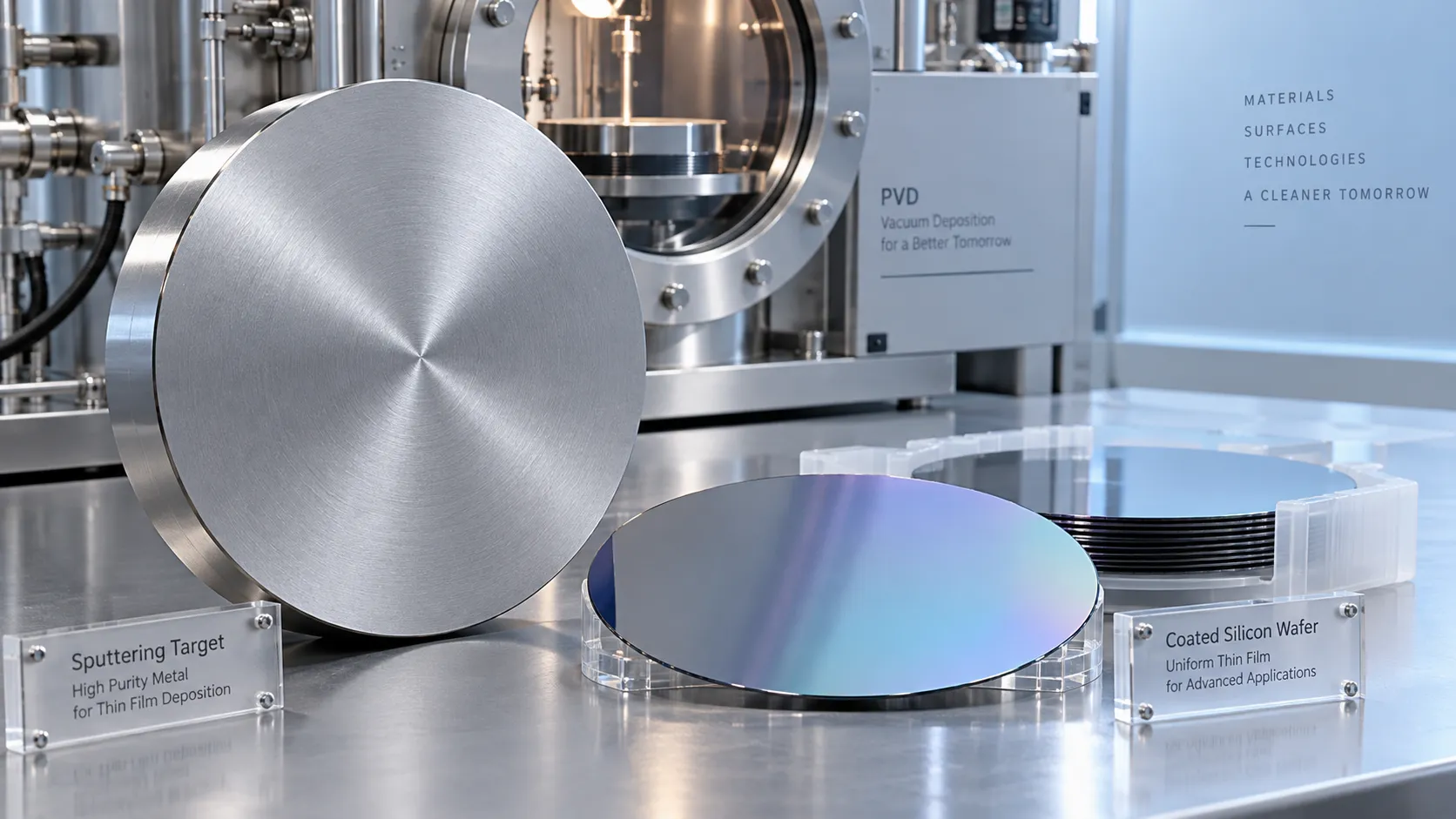
How does the purity of sputtering targets affect thin-film quality?
Discover how sputtering targets affect thin-film quality. Learn to assess purity, identify harmful impurities, and choose specifications that improve coating performance.
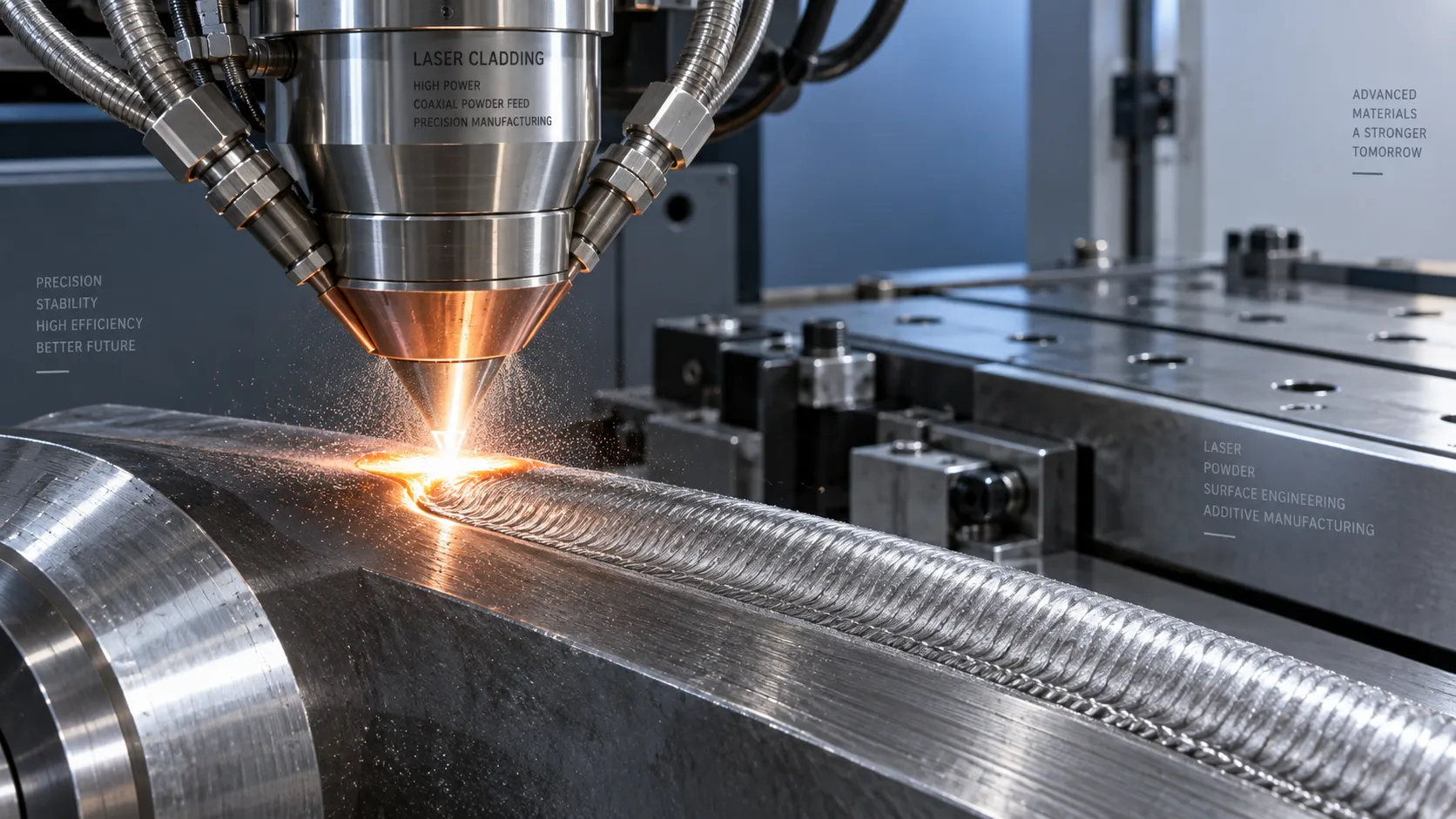
How high power laser cladding systems control substrate dilution
Discover how high power laser cladding systems control substrate dilution through beam shaping, material feed, and thermal management to deliver reliable bonds and coating performance.
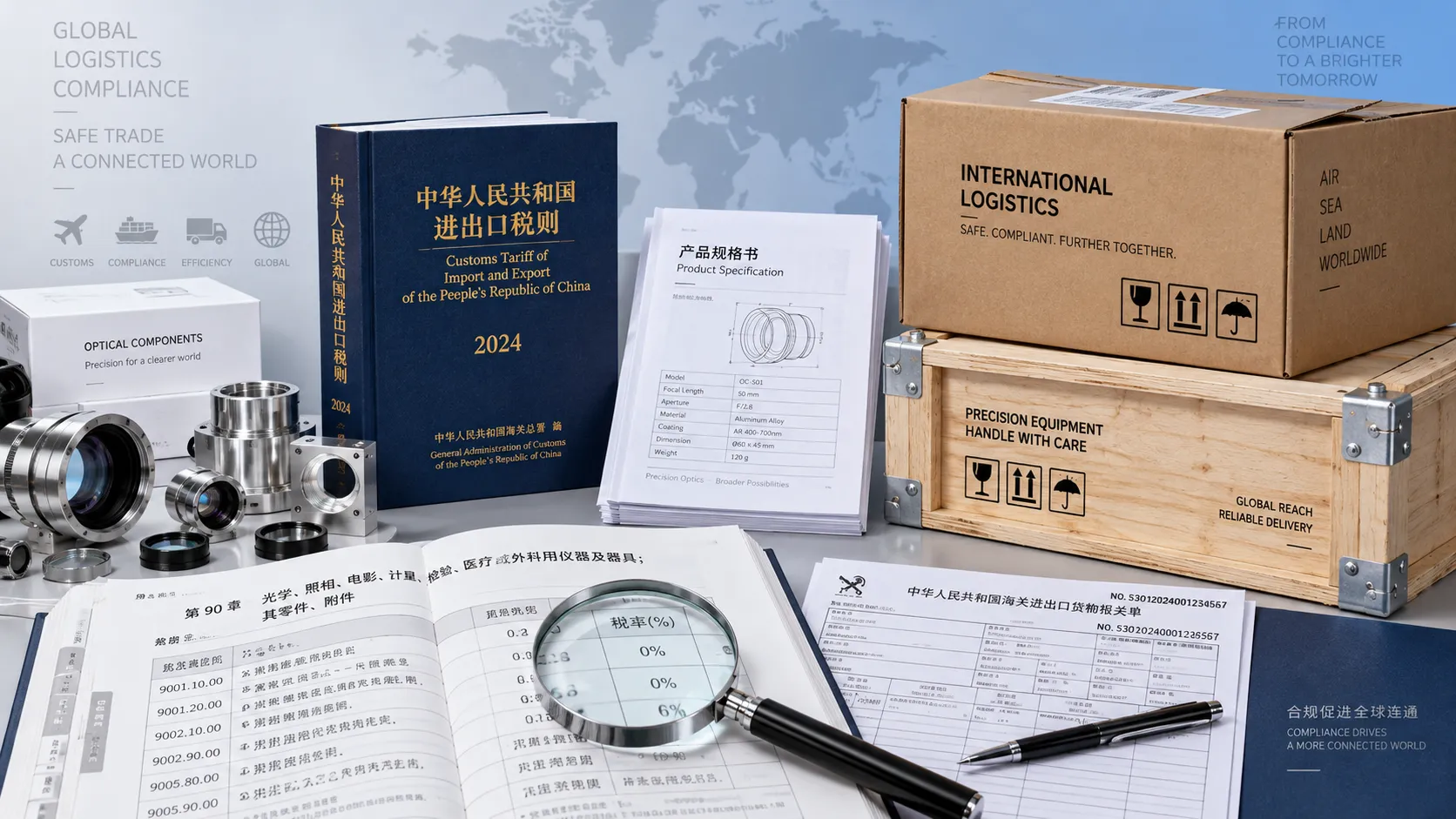
How to check HS codes for customs compliance in international logistics
Strengthen international logistics customs compliance: learn how to verify HS codes, check official tariffs, and document classifications to reduce costly shipment delays.
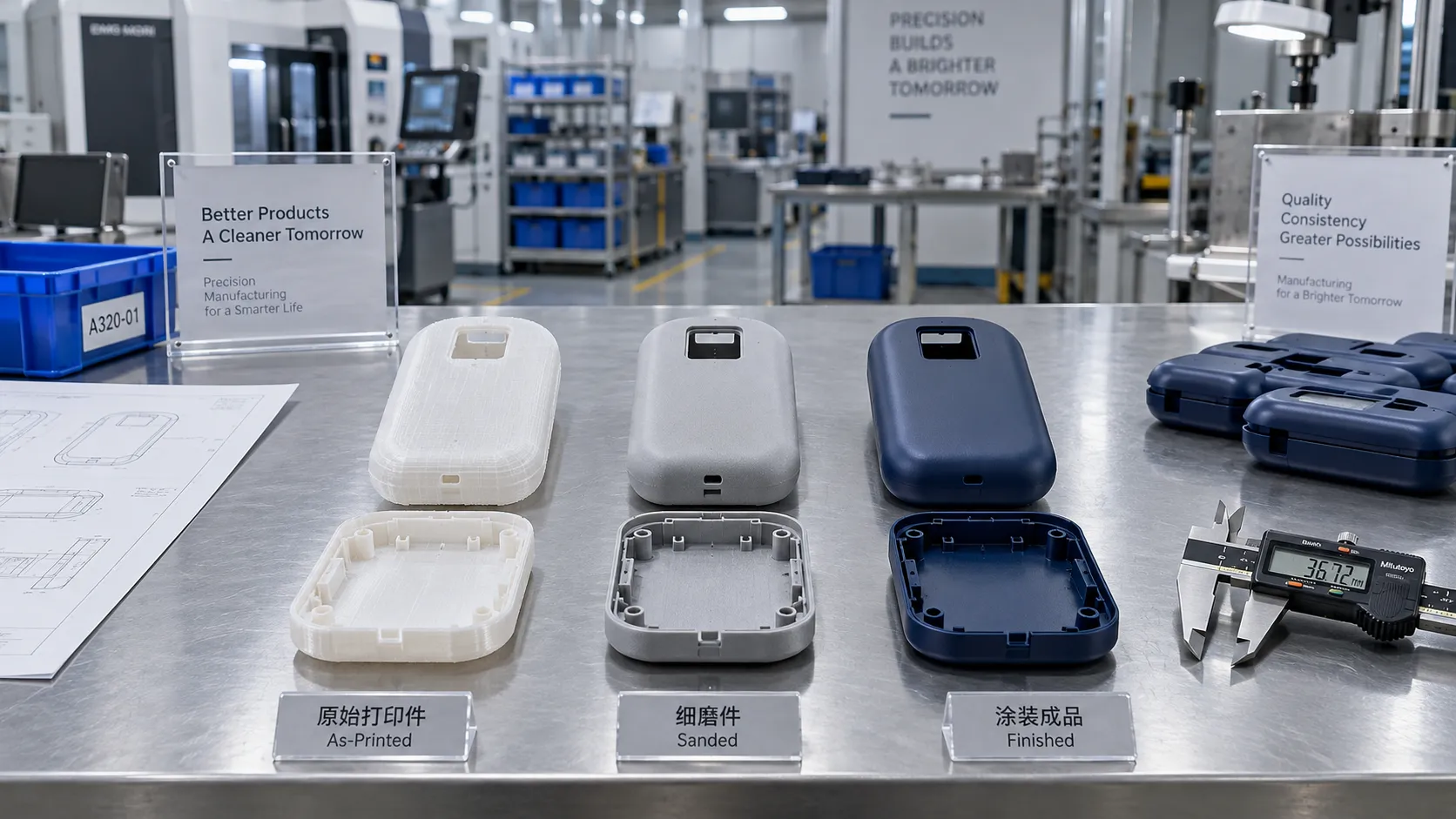
Choosing a 3D Printing Service for Consumer Products: Finish, Fit, and Cost
Compare 3d printing consumer good services by finish, fit, materials, and total cost. Learn how to choose a reliable supplier and avoid costly defects before ordering.
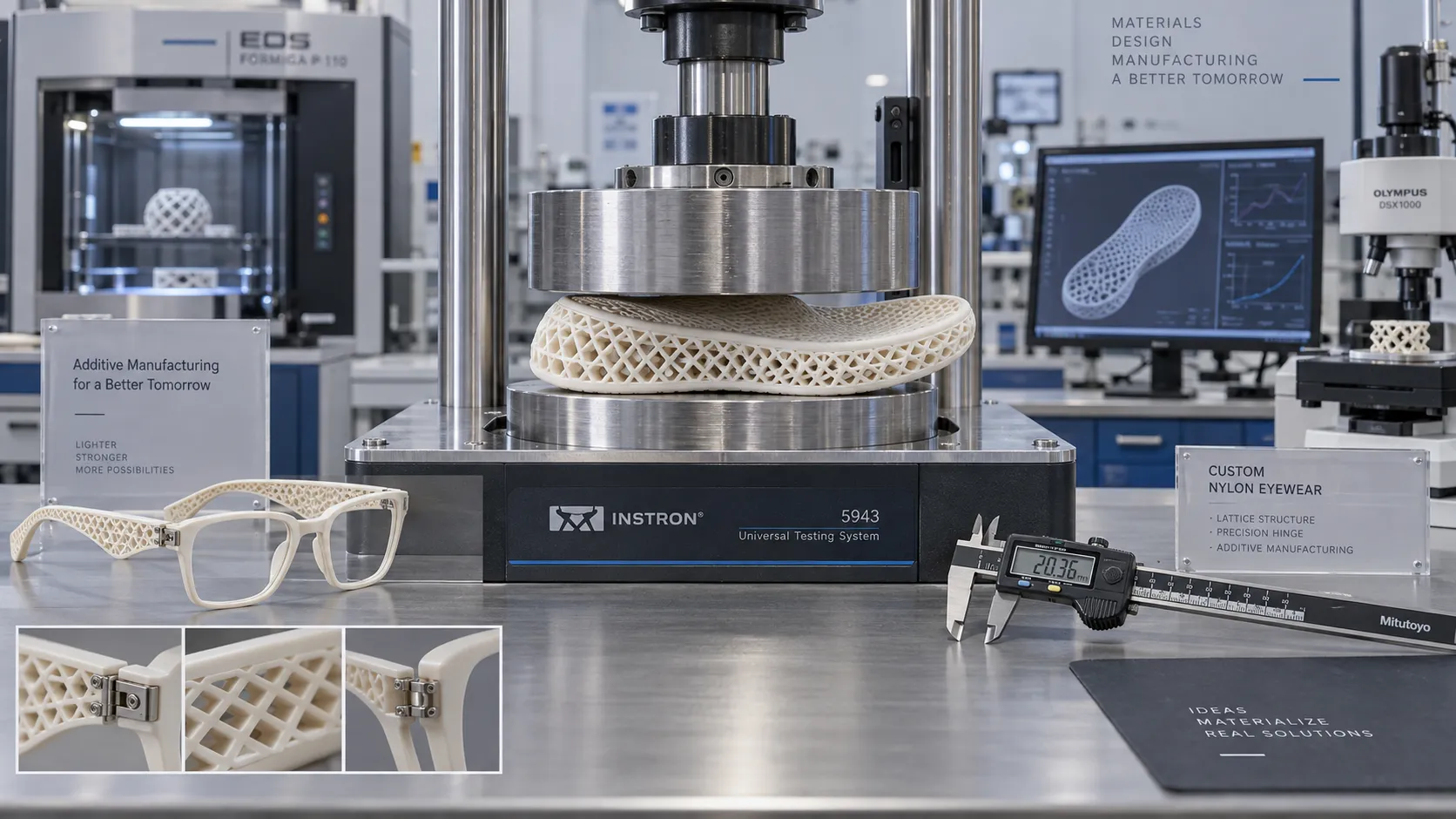
Which Consumer Goods Can Be 3D Printed, and What Are the Practical Limits?
Explore 3d printing consumer goods, from custom eyewear to replacement parts. Discover practical limits on materials, safety, and costs to make smarter production decisions.
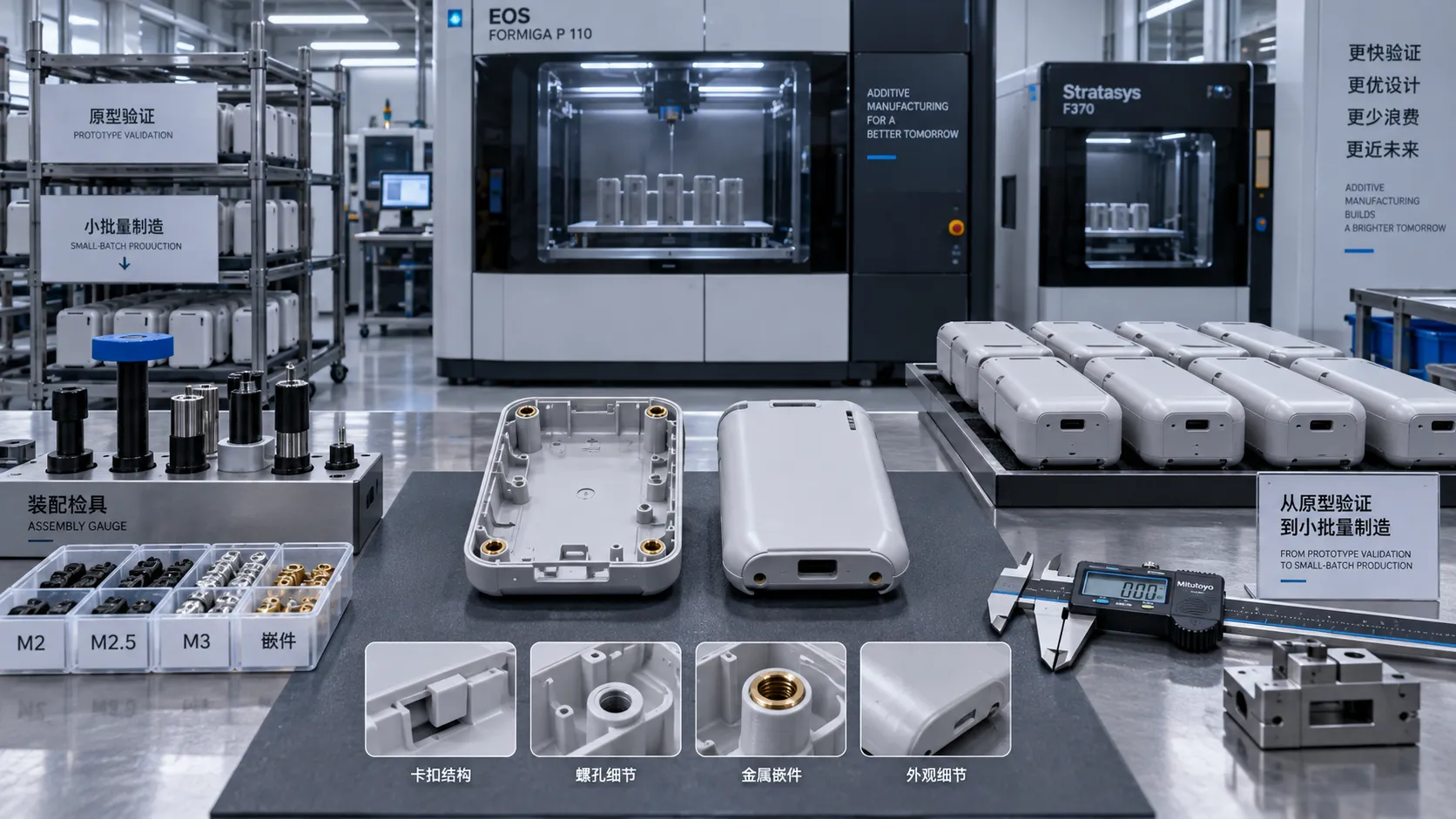
From Prototype to Small Batch: Applying 3D Printing to Consumer Goods
Explore 3d printing in consumer goods: learn how to move from prototype to small-batch production with practical guidance on materials, quality validation, and cost control.
Related News
- 00
0000-00
How to verify part consistency before choosing a 3D printing OEM - 00
0000-00
How does a rigid cryogenic transfer line handle thermal contraction? - 00
0000-00
How much does edge vision deployment cost beyond the hardware? - 00
0000-00
How does the purity of sputtering targets affect thin-film quality? - 00
0000-00
How high power laser cladding systems control substrate dilution
Dr. Hideo Tanaka
Weekly Insights
Stay ahead with our curated technology reports delivered every Monday.