
Supply Chain Risks That Quietly Raise Operating Costs

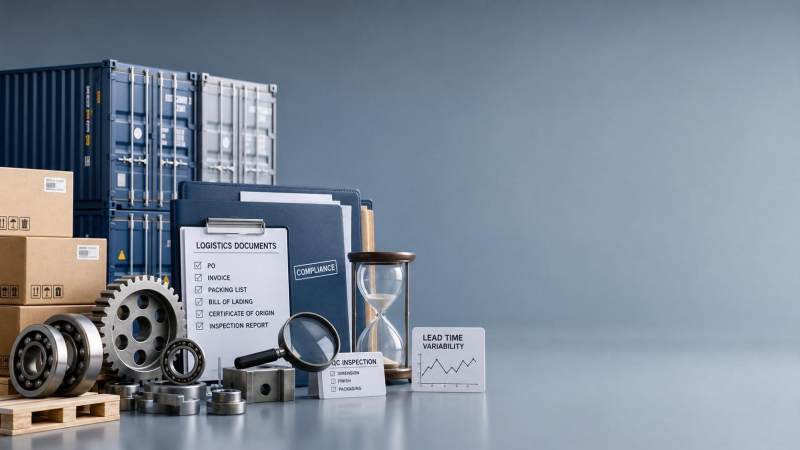
Supply Chain Risks That Quietly Raise Operating Costs
Hidden supply chain risks rarely trigger emergency meetings.
More often, they show up as small cost increases.
A shipment arrives slightly late.
A material batch performs just below target.
A supplier passes price pressure downstream through packaging, freight, or documentation fees.
None of these issues look dramatic alone.
Together, they quietly raise operating costs and weaken planning accuracy.
That is why supply chain risk deserves closer attention in procurement decisions.
In complex industrial sourcing, the real threat is not always disruption.
It is cost leakage that spreads across quality, lead times, compliance, and visibility.
Why quiet supply chain risks are expensive
Many teams still assess supply chain performance through price and delivery only.
That view is too narrow for modern sourcing.
A supplier can meet quoted cost targets while increasing total operating cost elsewhere.
This may happen through rework, excess stock, line stoppages, engineering review time, or compliance remediation.
From a cost perspective, supply chain risk compounds over time.
One unstable source can affect inventory policy, customer commitments, and internal labor allocation.
This also means the lowest bid can become the most expensive option.
The hidden cost pattern
- Unit price looks competitive, but quality variation drives scrap.
- Lead times seem acceptable, but inconsistency forces buffer inventory.
- Documentation appears complete, but missing traceability delays approvals.
- Capacity seems available, but demand spikes trigger expediting costs.
- Supplier diversification exists on paper, but second sources are not production-ready.
These are classic supply chain signals that often stay invisible until margins tighten.
Quality drift creates silent cost escalation
Quality drift is one of the most underestimated supply chain risks.
It rarely begins with total failure.
It starts with small deviations in process control, material consistency, calibration, or packaging discipline.
In advanced manufacturing, even minor drift can affect yield and downstream performance.
The cost impact spreads fast.
Inspection workload increases.
Engineering teams spend more time reviewing exceptions.
Production schedules lose predictability.
Warranty exposure can also rise long after the original purchase decision.
What to check before costs rise
- Review process capability data, not just final inspection pass rates.
- Check batch-to-batch consistency across at least two recent quarters.
- Confirm whether supplier changes require formal notification.
- Examine non-conformance response speed and root cause quality.
- Test traceability across raw materials, subcomponents, and shipping lots.
A resilient supply chain depends on stable process discipline, not optimistic assumptions.
Lead-time variability inflates inventory and planning costs
Average lead time can be misleading.
A supplier quoting six weeks may deliver in four, six, or ten.
That variability is a direct supply chain cost driver.
To protect operations, buyers hold more safety stock.
Cash gets tied up in inventory.
Warehouse pressure increases.
Forecast error becomes more expensive.
This is especially serious for technical components with calibration, storage, or shelf-life constraints.
In actual business conditions, variability often matters more than the nominal promise.
A predictable eight-week supply chain may outperform an unstable six-week source.
Key warning signs
- Frequent date changes after order confirmation.
- Growing reliance on partial shipments.
- Production capacity shared with higher-priority sectors.
- Weak visibility into sub-tier suppliers and critical materials.
- Long customs or export documentation cycles.
When these signals appear, operating costs usually rise before service failures become obvious.
Compliance gaps become expensive after the purchase order
Another quiet supply chain risk is incomplete compliance readiness.
This includes export controls, environmental declarations, testing records, product certifications, and supplier audit status.
On paper, the supplier may look acceptable.
In practice, missing documents delay onboarding, shipment release, or customer qualification.
These delays rarely appear in the initial quote.
Yet they create extra legal review, internal escalation, resubmission work, and potential contract penalties.
For global industrial procurement, supply chain compliance should be treated as a cost variable, not a filing exercise.
Practical due diligence questions
- Are certifications current and traceable to the delivered lot?
- Can the supplier support region-specific regulatory requests quickly?
- Is there a defined process for export classification updates?
- Do sub-suppliers meet the same compliance standard?
- How often do audit findings remain open beyond target dates?
These questions help reveal whether a supply chain is truly ready for scaled procurement.
Poor supplier visibility weakens cost control
Visibility is often discussed, but not always measured well.
A supply chain can seem transparent while hiding critical dependencies.
For example, two approved suppliers may rely on the same upstream material source.
A factory may appear diversified while one specialist process remains a single point of failure.
Without deep visibility, cost models become too optimistic.
Contingency planning becomes slower.
Negotiation leverage also weakens because real alternatives are limited.
From recent market shifts, this issue is becoming more visible.
Technical industries now face more export restrictions, regional policy shifts, and material concentration risk.
What stronger visibility looks like
- Mapped sub-tier sources for critical parts and process steps.
- Documented alternate tooling, sites, and logistics routes.
- Regular supplier health reviews covering capacity and financial stability.
- Shared metrics for quality, delivery variation, and corrective action closure.
- Clear escalation paths when the supply chain shows stress.
How to evaluate supply chain risk before it becomes cost
The most effective approach is to assess supply chain risk through total operating impact.
That means moving beyond simple price comparison.
A stronger evaluation model should connect technical reliability, supplier behavior, and cost exposure.
This is where disciplined benchmarking becomes useful.
In high-spec sectors, technical benchmarking adds another advantage.
It tests whether supplier claims align with standards, process evidence, and application reality.
That reduces the chance of selecting a supply chain that looks efficient but performs expensively.
A practical decision framework for lower-cost sourcing
A practical sourcing decision should answer five questions.
- Is the supply chain technically stable under real production conditions?
- Can the supplier maintain predictable delivery under volume pressure?
- Are compliance records current, complete, and easy to verify?
- Do approved alternatives exist beyond the first supplier tier?
- What operating cost rises if any one assumption fails?
This framework improves procurement quality because it links supply chain selection with business resilience.
It also makes internal decision discussions more objective.
Instead of debating only price, teams can compare exposure, stability, and total cost impact.
Final takeaway
The most damaging supply chain risks are often the quietest ones.
They do not always stop operations overnight.
They slowly increase operating costs through variability, inefficiency, and delayed response.
That is why strong supply chain evaluation should focus on hidden cost signals early.
The better approach is straightforward.
Measure quality stability.
Track lead-time variation.
Verify compliance readiness.
Map supplier visibility below the surface.
When those checks become standard practice, supply chain decisions become more accurate and more cost-efficient.
In the long run, that is how procurement protects margins without sacrificing operational confidence.
Related News
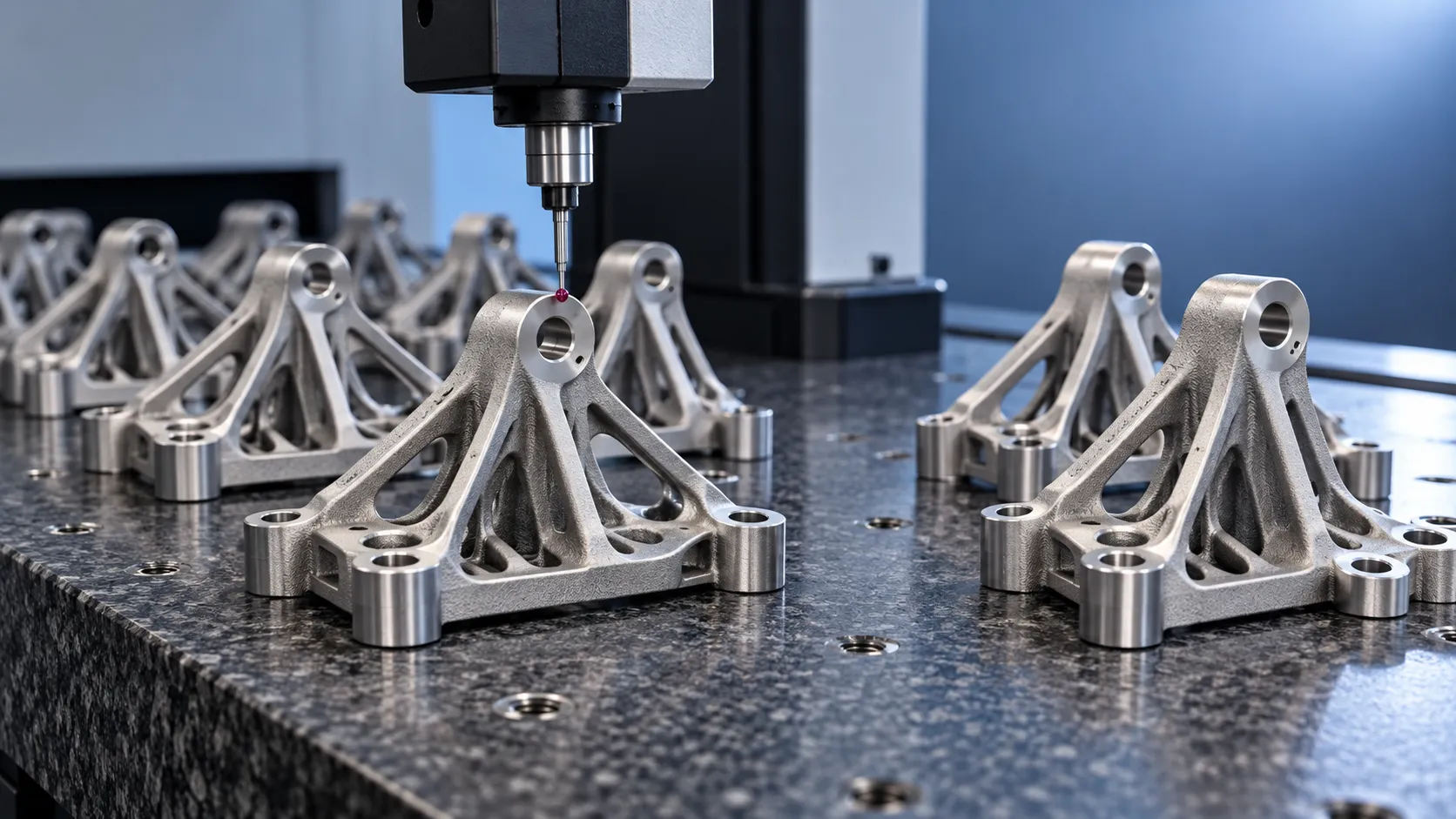
How to verify part consistency before choosing a 3D printing OEM
Choosing a 3D printing OEM? Learn how to verify part consistency with repeat-build trials, validated inspections, and traceability checks before committing to production.
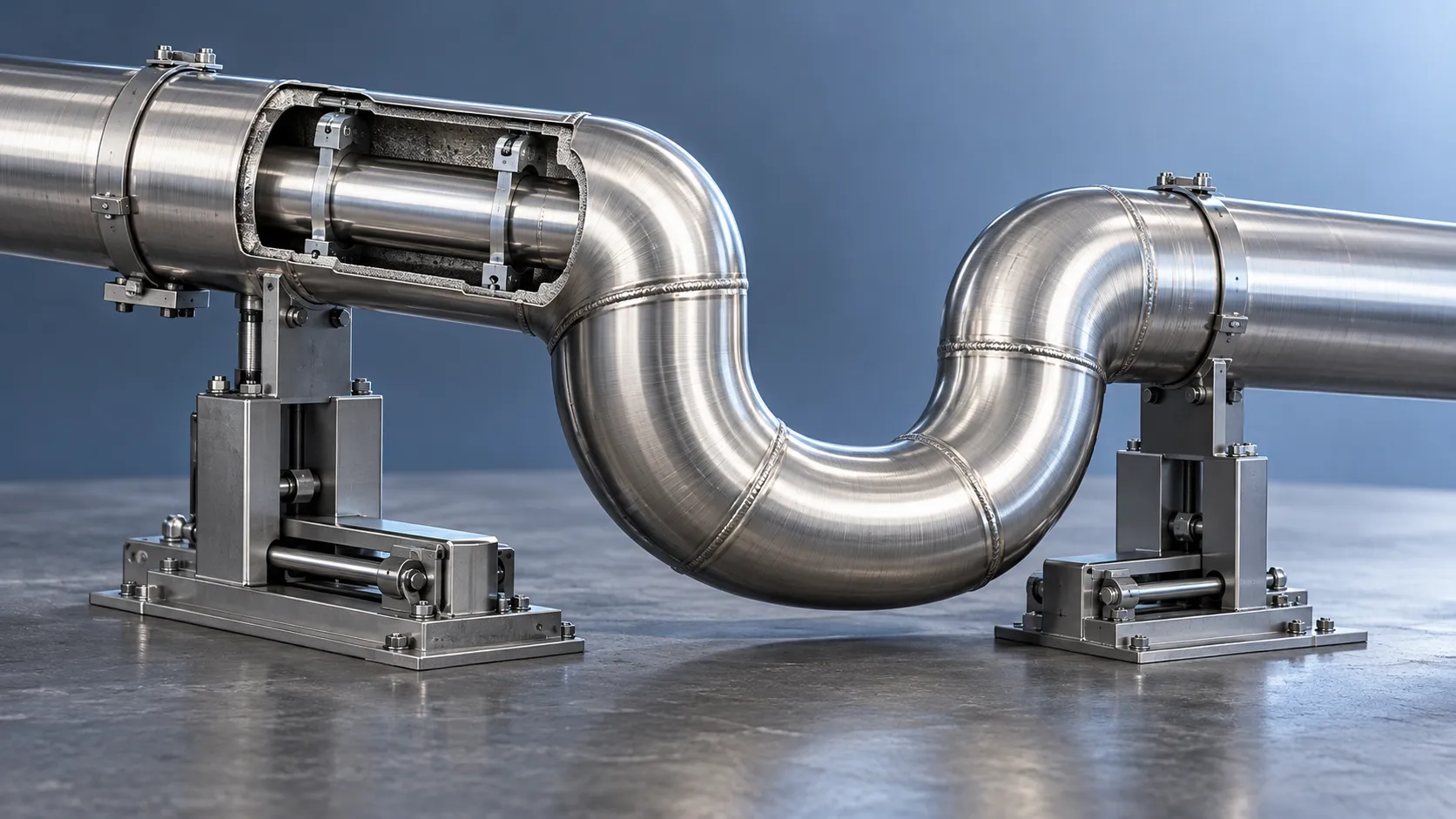
How does a rigid cryogenic transfer line handle thermal contraction?
Learn how a rigid cryogenic transfer line manages thermal contraction with bends, bellows, and guided supports. Discover key design checks for safe, reliable cryogenic performance.
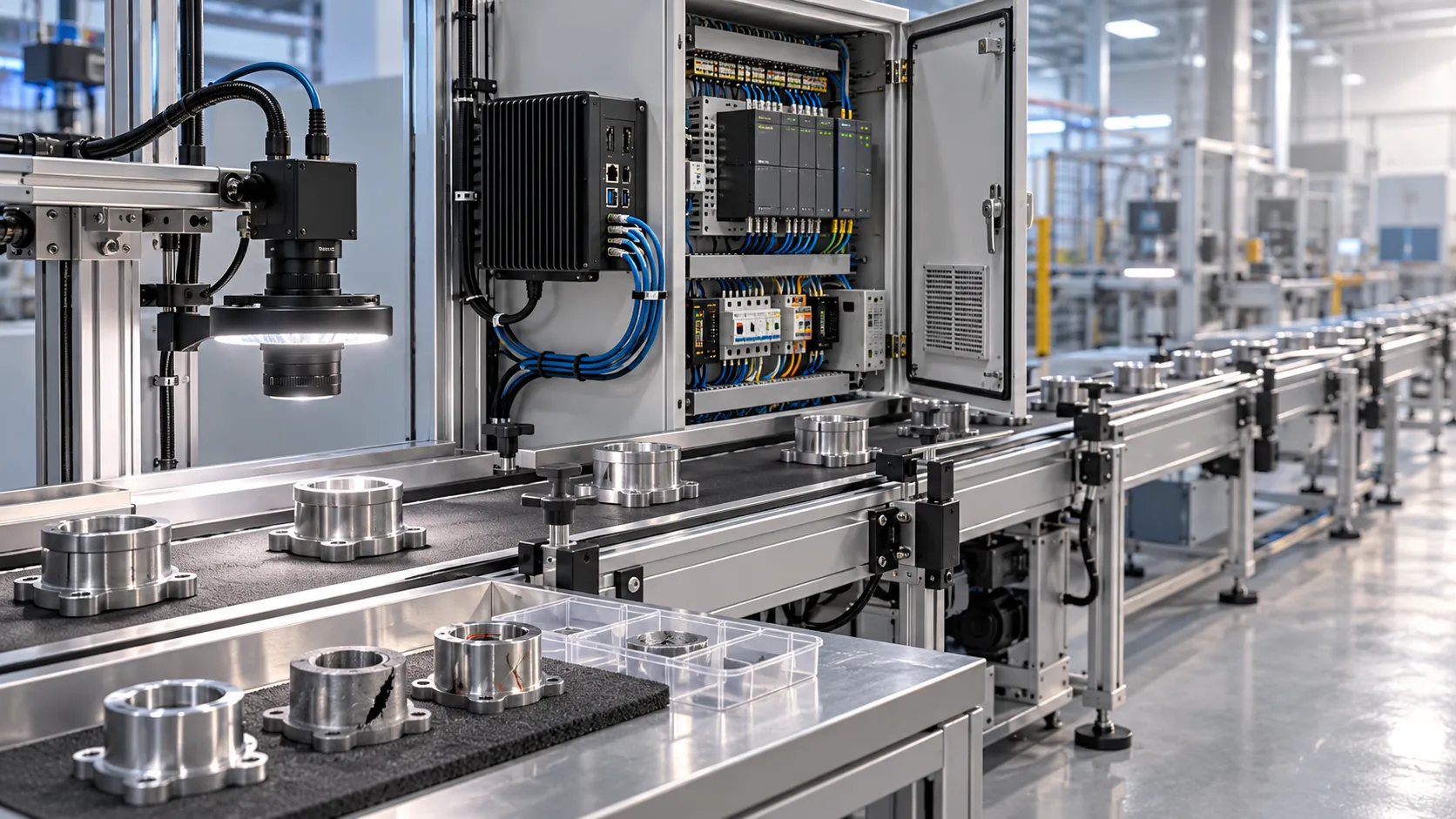
How much does edge vision deployment cost beyond the hardware?
Understand edge vision deployment cost beyond hardware, from data and integration to security and support. Uncover hidden expenses and build a smarter lifecycle budget before you scale.

How does the purity of sputtering targets affect thin-film quality?
Discover how sputtering targets affect thin-film quality. Learn to assess purity, identify harmful impurities, and choose specifications that improve coating performance.
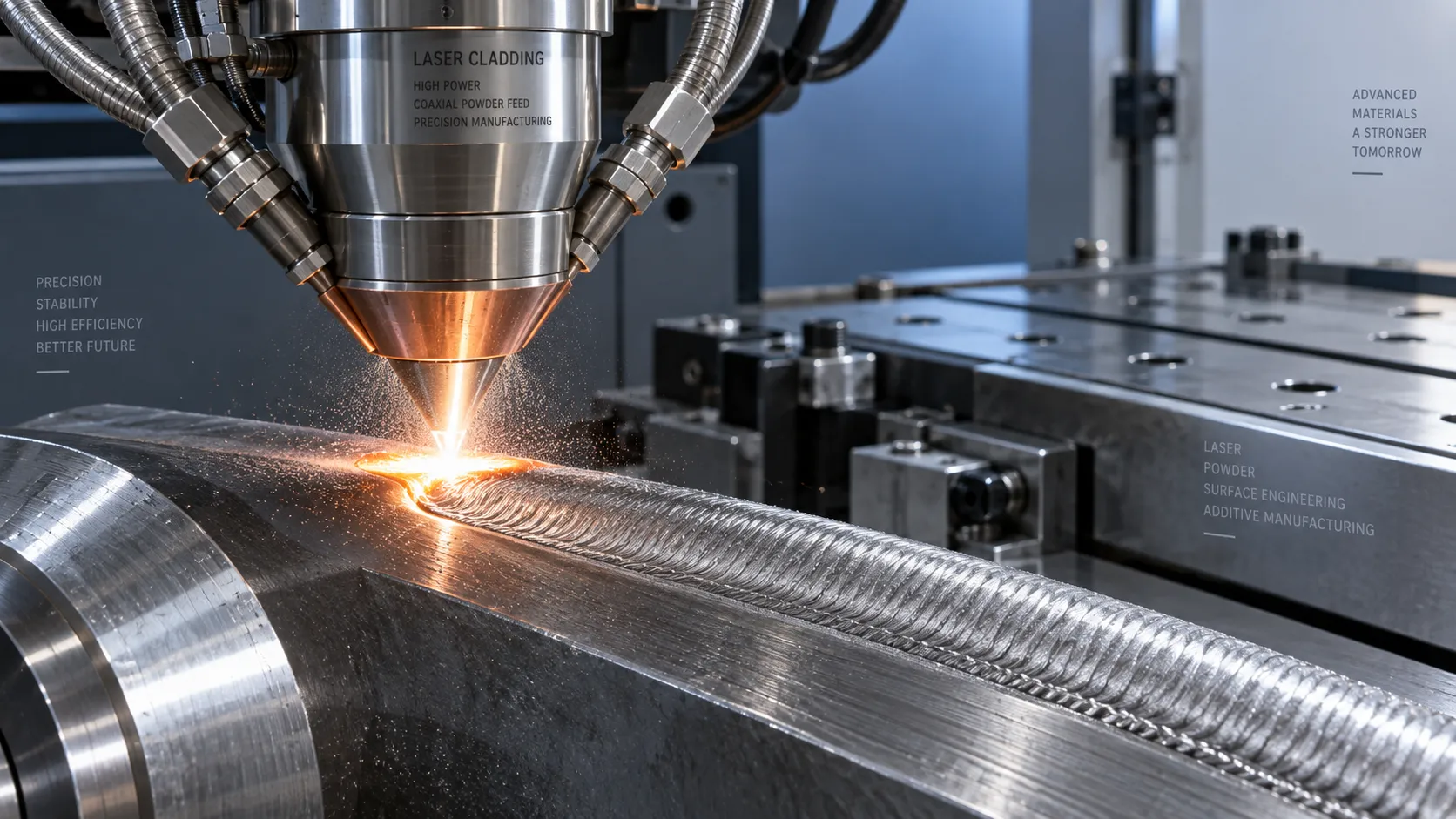
How high power laser cladding systems control substrate dilution
Discover how high power laser cladding systems control substrate dilution through beam shaping, material feed, and thermal management to deliver reliable bonds and coating performance.
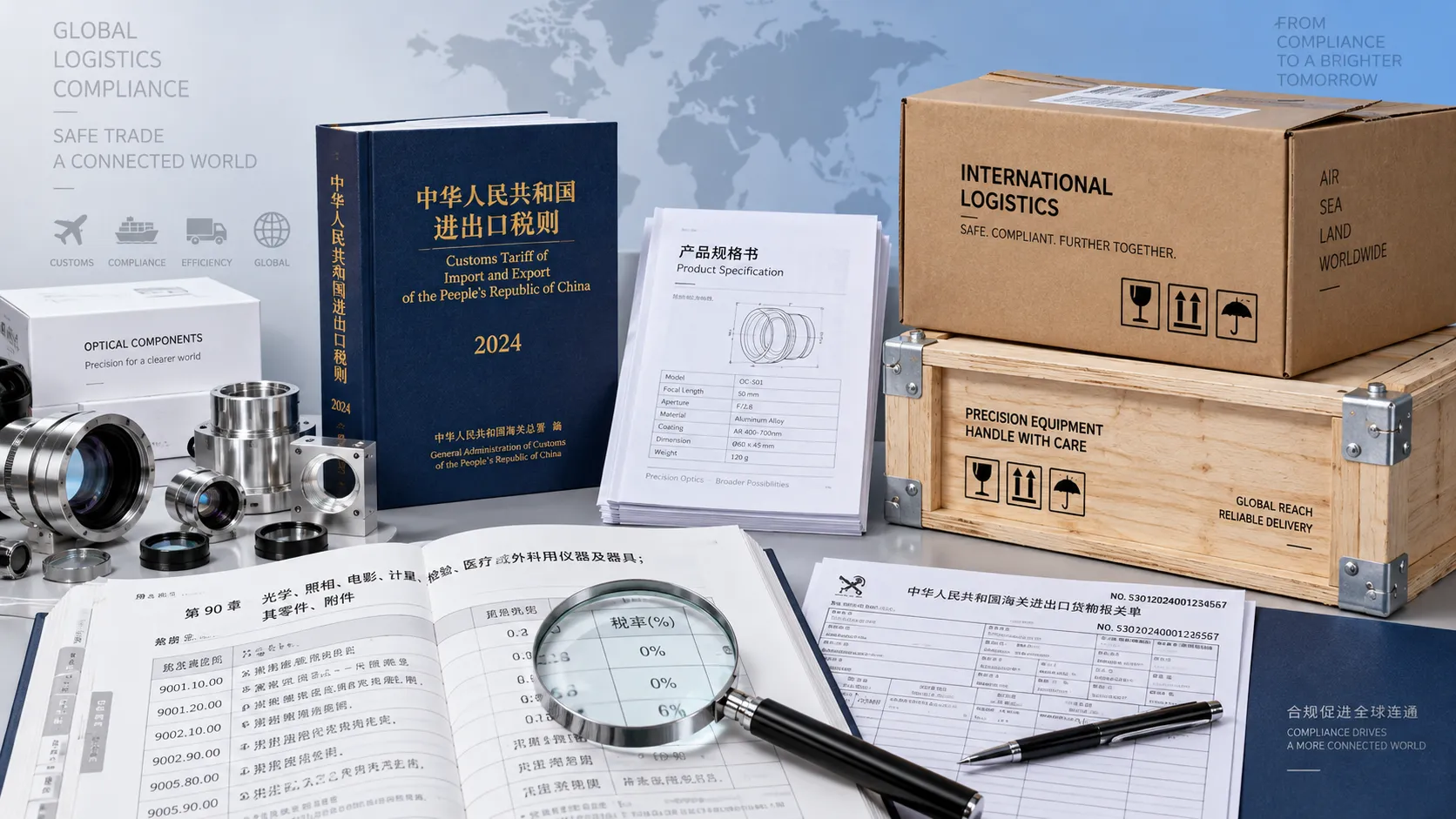
How to check HS codes for customs compliance in international logistics
Strengthen international logistics customs compliance: learn how to verify HS codes, check official tariffs, and document classifications to reduce costly shipment delays.
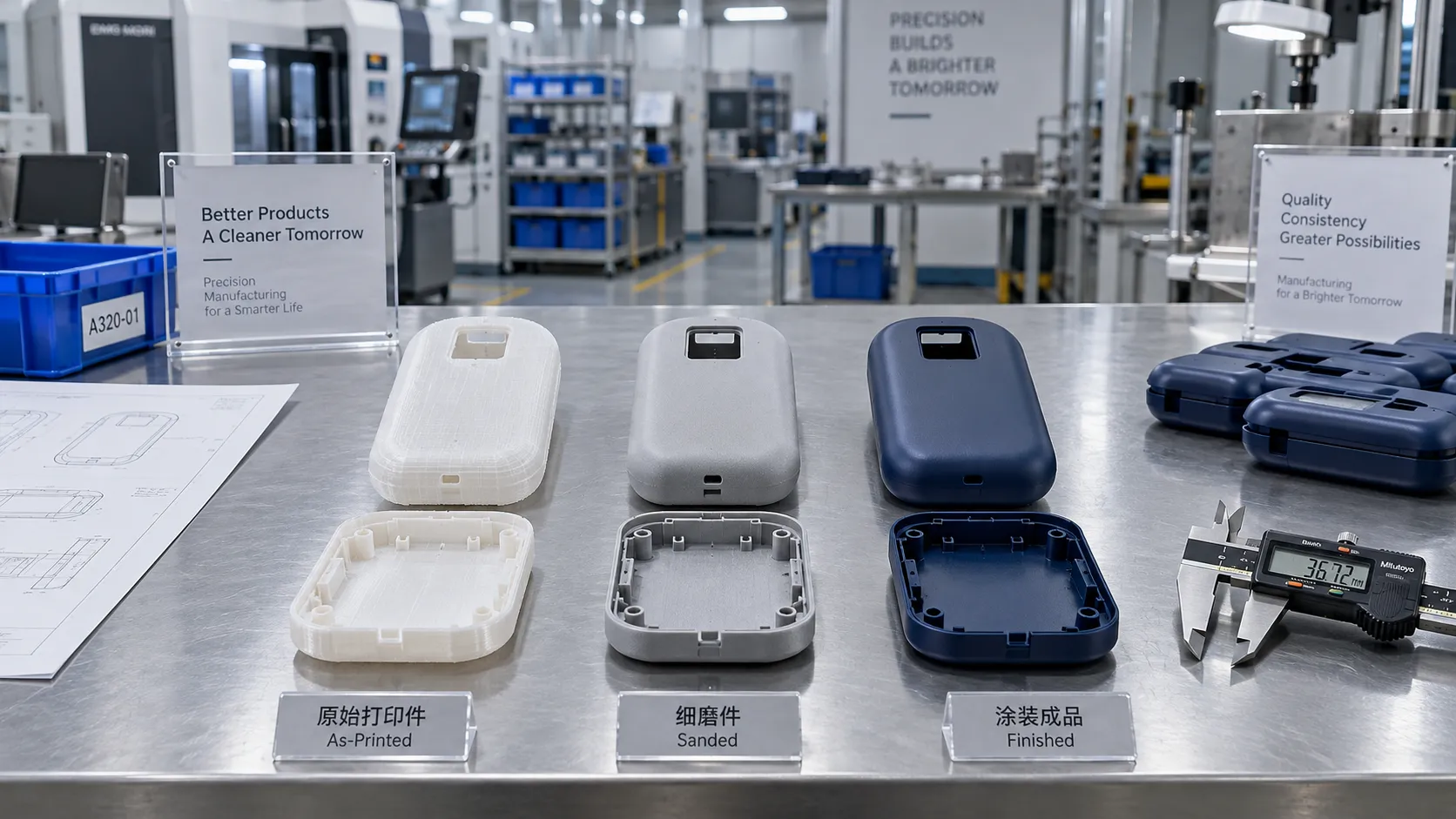
Choosing a 3D Printing Service for Consumer Products: Finish, Fit, and Cost
Compare 3d printing consumer good services by finish, fit, materials, and total cost. Learn how to choose a reliable supplier and avoid costly defects before ordering.
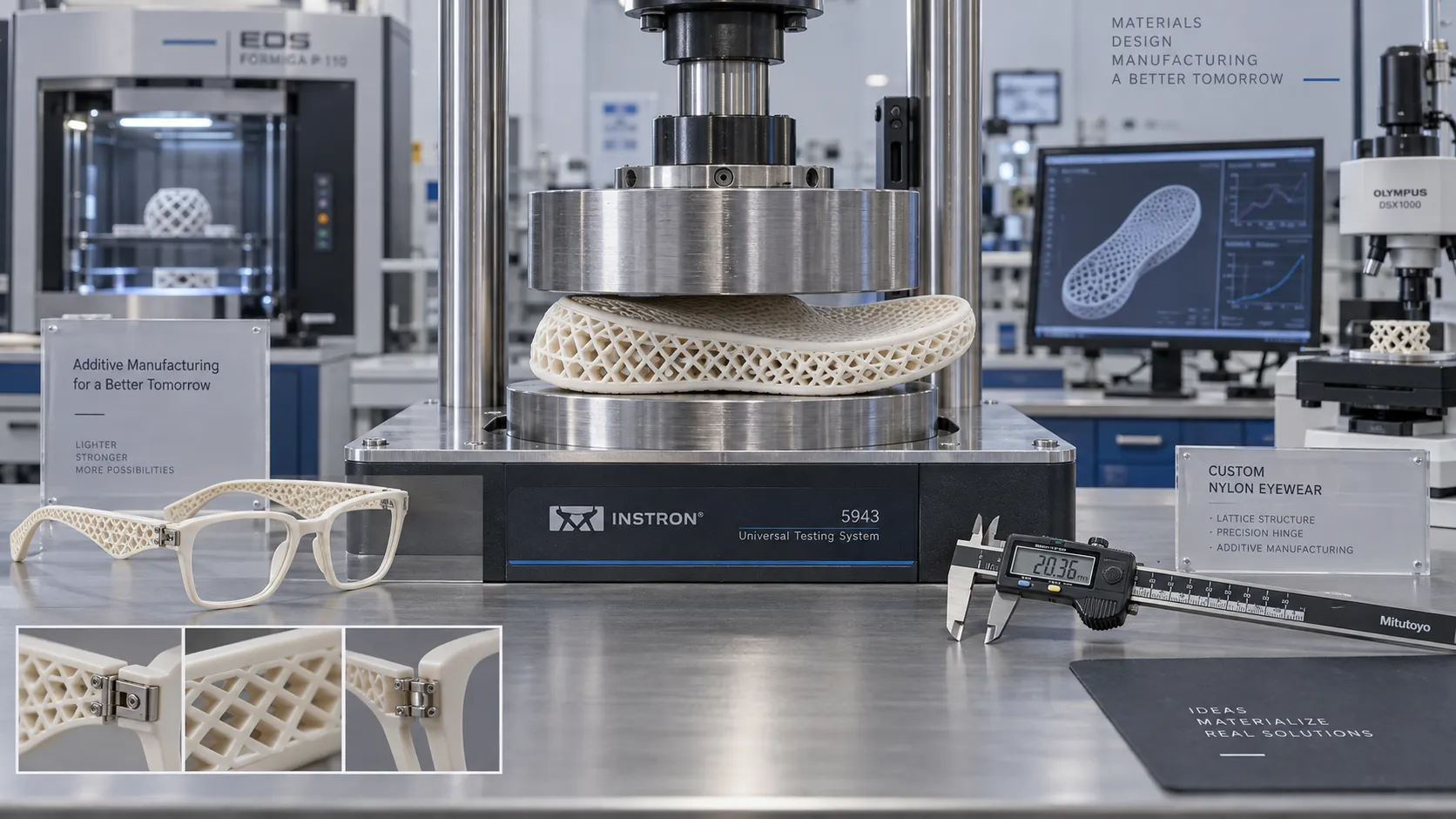
Which Consumer Goods Can Be 3D Printed, and What Are the Practical Limits?
Explore 3d printing consumer goods, from custom eyewear to replacement parts. Discover practical limits on materials, safety, and costs to make smarter production decisions.

From Prototype to Small Batch: Applying 3D Printing to Consumer Goods
Explore 3d printing in consumer goods: learn how to move from prototype to small-batch production with practical guidance on materials, quality validation, and cost control.
Related News
- 00
0000-00
How to verify part consistency before choosing a 3D printing OEM - 00
0000-00
How does a rigid cryogenic transfer line handle thermal contraction? - 00
0000-00
How much does edge vision deployment cost beyond the hardware? - 00
0000-00
How does the purity of sputtering targets affect thin-film quality? - 00
0000-00
How high power laser cladding systems control substrate dilution
Dr. Hideo Tanaka
Weekly Insights
Stay ahead with our curated technology reports delivered every Monday.