
Why Procurement Intelligence Fails Without Supplier Data Depth


Procurement Intelligence often breaks down when supplier profiles stop at surface-level claims, outdated certifications, or incomplete performance records. For procurement teams operating in high-stakes industrial markets, real decision confidence comes from deeper supplier data—technical benchmarks, compliance history, production capability, and risk visibility. Without that depth, even the best sourcing strategy can lead to costly blind spots.
Why a checklist approach matters before any sourcing decision
For procurement teams, speed is important, but speed without structure creates risk. That is why Procurement Intelligence should be built around a practical checklist instead of relying on brochures, sales claims, or a simple approved vendor list. In industrial buying environments, supplier capability is rarely visible from one document. A vendor may look strong on price, lead time, or certifications, yet still fail on repeatability, export compliance, engineering responsiveness, or capacity under demand spikes.
A checklist-based review helps buyers verify what matters first: whether the supplier can consistently deliver the required specification, under the required regulatory conditions, at the required scale. This is especially critical in advanced manufacturing, technical components, industrial systems, and multi-region sourcing programs where one weak supplier data point can disrupt quality, cost, or market access.
The first-screen checklist for stronger Procurement Intelligence
Before comparing quotations, procurement professionals should confirm whether supplier data is deep enough to support a real sourcing decision. The following checklist is a strong starting point.
- Verify whether technical specifications are measurable, not descriptive. “High precision” or “industrial grade” means little unless linked to tolerance, output stability, cycle life, test method, or benchmark standard.
- Check whether certifications are current, relevant, and product-linked. A company-level certificate does not automatically validate every plant, line, or part family.
- Review production capability in practical terms: monthly output, bottleneck processes, critical machine dependency, tooling redundancy, and response to urgent orders.
- Assess quality history through defect trends, corrective action records, incoming audit findings, customer complaints, and process control discipline.
- Confirm supply continuity factors such as raw material sourcing, single-source subcomponents, logistics exposure, and geopolitical sensitivity.
- Examine compliance depth, including export controls, restricted materials, traceability, environmental obligations, and market-specific regulatory readiness.
- Evaluate engineering support capability. Can the supplier handle drawing revisions, process validation, pilot builds, failure analysis, and co-development requests?
- Look for evidence of performance in similar use cases, not just large customer logos. Reference projects should match complexity, industry demands, and delivery conditions.
What “supplier data depth” should include
Many organizations say they use Procurement Intelligence, but in practice they only collect commercial snapshots. True supplier data depth is broader and more decision-ready. It should combine technical, operational, compliance, and commercial evidence into one picture.
1. Technical benchmark data
This includes validated performance against standards such as ISO, ASTM, IEEE, or sector-specific protocols. Buyers should request test conditions, acceptance criteria, sample size, and date of validation. In industrial laser systems, additive manufacturing equipment, machine vision platforms, graphene materials, or vacuum engineering assemblies, performance data without context is often misleading. Procurement Intelligence becomes meaningful only when technical claims are benchmarked against recognized methods.
2. Manufacturing process visibility
A deep supplier profile should show how the product is made, where the quality gates sit, which processes are outsourced, and what controls exist for variation. This matters because two suppliers can offer the same nominal specification with very different process maturity.
3. Compliance and regulatory history
Procurement teams should not stop at compliance declarations. They should ask whether the supplier has faced shipment holds, documentation failures, audit observations, export restrictions, or material disclosure issues. In regulated or globally traded categories, this is a major Procurement Intelligence gap.
4. Commercial resilience indicators
Good sourcing decisions depend on more than unit cost. Payment stress, customer concentration, unstable pricing inputs, and weak after-sales infrastructure can all undermine a contract later. A low quote from a fragile supplier is not a low-risk decision.
Practical judgment standards buyers can use
To make Procurement Intelligence operational, procurement teams need simple judgment standards they can apply consistently across suppliers. The table below can be used during prequalification or bid review.
How the checklist changes by sourcing scenario
Not every procurement case requires the same data depth. However, Procurement Intelligence fails most often when buyers use a generic supplier review for a high-risk scenario. Here are the main differences to watch.
New supplier onboarding
Prioritize process maturity, first-article validation, documentation quality, and responsiveness during technical clarification. A new supplier should be judged less on attractive pricing and more on evidence of controlled execution.
Strategic or long-term sourcing
Focus on investment capacity, innovation support, roadmap alignment, regional service coverage, and resilience through market cycles. In this case, Procurement Intelligence should include patent activity, expansion plans, and long-term compliance readiness.
High-specification industrial systems
For capital equipment or highly engineered components, request benchmark reports, field performance records, maintenance data, and installation references. In sectors tied to laser processing, additive manufacturing, machine vision, advanced materials, or vacuum systems, technical depth is not optional.
Multi-country procurement programs
Add country-specific checks for customs documentation, dual-use controls, sanctions exposure, and local regulatory acceptance. A supplier that works in one market may create hidden delays in another.
Common gaps that weaken Procurement Intelligence
The biggest problem is not always missing data. It is often the wrong data, the unverified data, or the data that is too shallow to guide a high-value decision. Procurement teams should be especially careful about these overlooked issues.
- Treating certifications as proof of product performance instead of proof of system conformance.
- Reviewing supplier capability at corporate level while ignoring plant-level differences.
- Using old audit reports that no longer reflect current ownership, capacity, or process changes.
- Failing to map sub-tier risk, especially for specialty materials, electronics, or controlled components.
- Comparing bids without normalizing technical assumptions, testing scope, warranty limits, and service commitments.
- Ignoring the supplier’s ability to support engineering changes after award.
Execution steps procurement teams can apply immediately
If your organization wants better Procurement Intelligence, the goal is not to collect more documents for the sake of volume. The goal is to collect the right evidence in a repeatable way. A practical rollout can follow these steps.
- Define supplier review tiers by risk and spend. High-value, high-complexity, or high-compliance categories should require deeper validation than routine buys.
- Standardize a supplier data template covering technical benchmarks, capacity, quality history, compliance status, sub-tier exposure, and support capability.
- Align procurement, engineering, quality, and legal teams on what counts as acceptable evidence.
- Use external intelligence sources where internal data is weak, especially for export updates, patent movement, regulatory changes, and market reputation.
- Revalidate critical suppliers on a schedule instead of relying on one-time onboarding approval.
FAQ: key questions buyers should ask before approval
How much data is enough for effective Procurement Intelligence?
Enough means sufficient to judge performance, continuity, and compliance under your actual use case. If the available data cannot explain how the supplier will meet specification, scale, and regulatory conditions, it is not enough.
Should procurement rely on supplier self-declarations?
Only as a starting point. Procurement Intelligence becomes reliable when self-declarations are supported by third-party testing, audit records, customer references, traceable quality data, and current compliance documents.
What is the fastest way to spot weak supplier data depth?
Ask for evidence tied to a specific product, production line, and delivery region. Weak suppliers often respond with generic certificates, marketing presentations, or undated capabilities instead of traceable proof.
Final action guide for procurement teams
Procurement Intelligence is only as strong as the supplier data behind it. When data depth is missing, procurement decisions become vulnerable to quality escapes, compliance delays, hidden cost increases, and supply disruption. The most effective response is not a more complicated sourcing process, but a clearer one: define the critical checks, require evidence, compare suppliers on normalized standards, and refresh the data as conditions change.
If your team needs to move from surface-level qualification to decision-grade Procurement Intelligence, prioritize these discussion points with suppliers or intelligence partners: validated technical parameters, benchmark standards used, current production capacity, process control evidence, compliance history by market, sub-tier dependencies, lead-time resilience, and support for engineering changes. Those are the questions that turn sourcing from assumption into confidence.
Related News

How to verify part consistency before choosing a 3D printing OEM
Choosing a 3D printing OEM? Learn how to verify part consistency with repeat-build trials, validated inspections, and traceability checks before committing to production.

How does a rigid cryogenic transfer line handle thermal contraction?
Learn how a rigid cryogenic transfer line manages thermal contraction with bends, bellows, and guided supports. Discover key design checks for safe, reliable cryogenic performance.

How much does edge vision deployment cost beyond the hardware?
Understand edge vision deployment cost beyond hardware, from data and integration to security and support. Uncover hidden expenses and build a smarter lifecycle budget before you scale.

How does the purity of sputtering targets affect thin-film quality?
Discover how sputtering targets affect thin-film quality. Learn to assess purity, identify harmful impurities, and choose specifications that improve coating performance.

How high power laser cladding systems control substrate dilution
Discover how high power laser cladding systems control substrate dilution through beam shaping, material feed, and thermal management to deliver reliable bonds and coating performance.
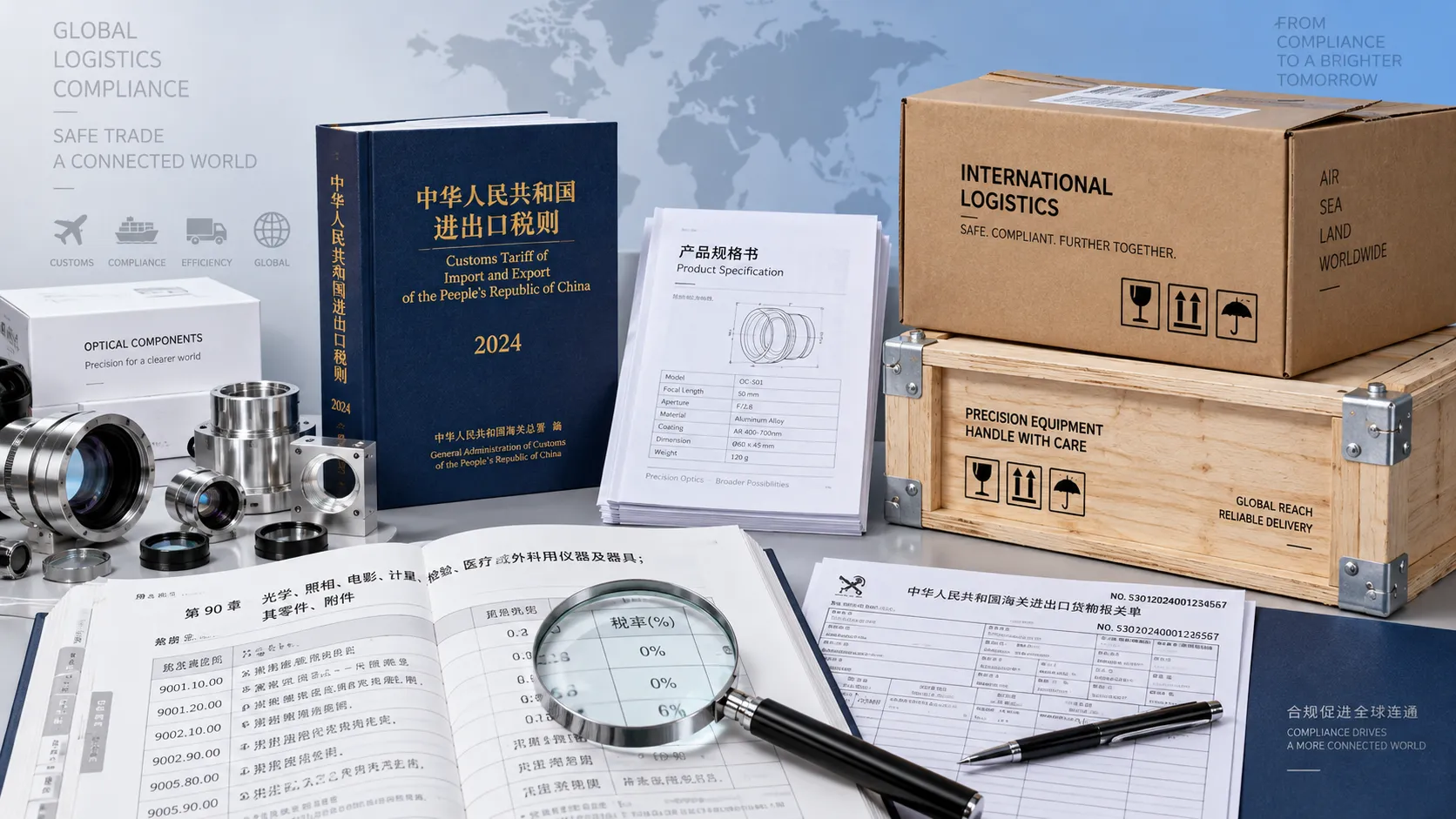
How to check HS codes for customs compliance in international logistics
Strengthen international logistics customs compliance: learn how to verify HS codes, check official tariffs, and document classifications to reduce costly shipment delays.
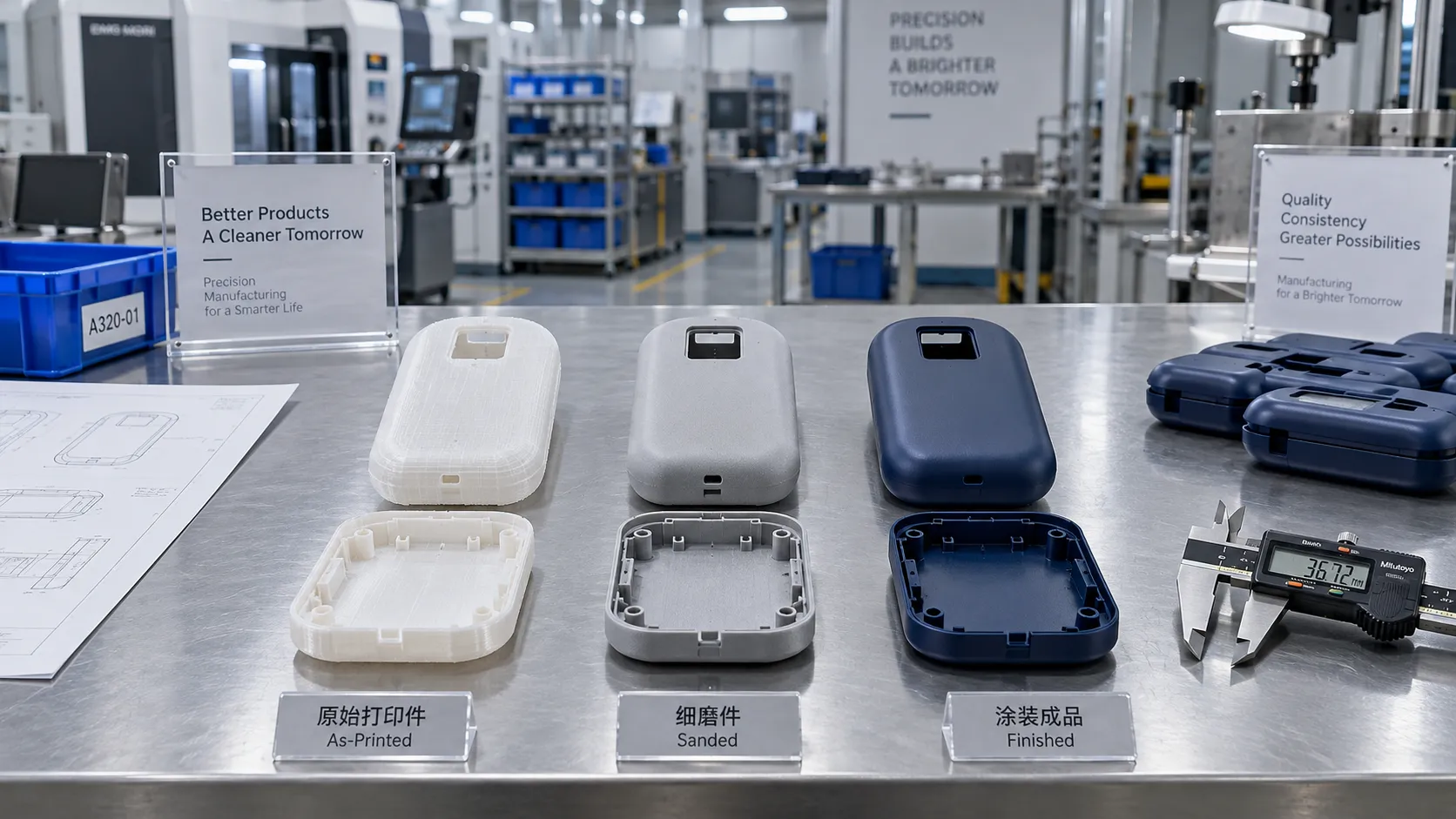
Choosing a 3D Printing Service for Consumer Products: Finish, Fit, and Cost
Compare 3d printing consumer good services by finish, fit, materials, and total cost. Learn how to choose a reliable supplier and avoid costly defects before ordering.
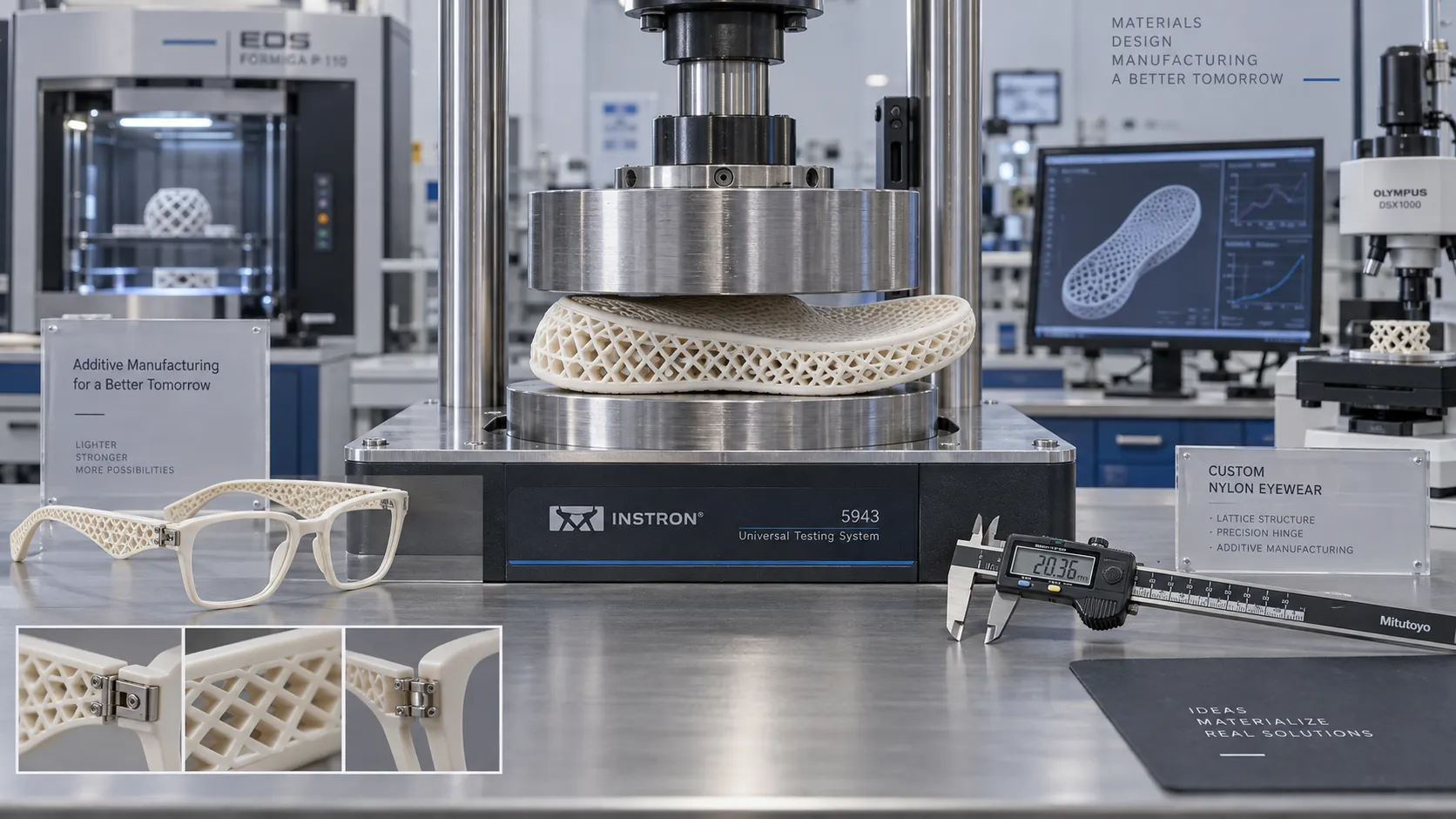
Which Consumer Goods Can Be 3D Printed, and What Are the Practical Limits?
Explore 3d printing consumer goods, from custom eyewear to replacement parts. Discover practical limits on materials, safety, and costs to make smarter production decisions.
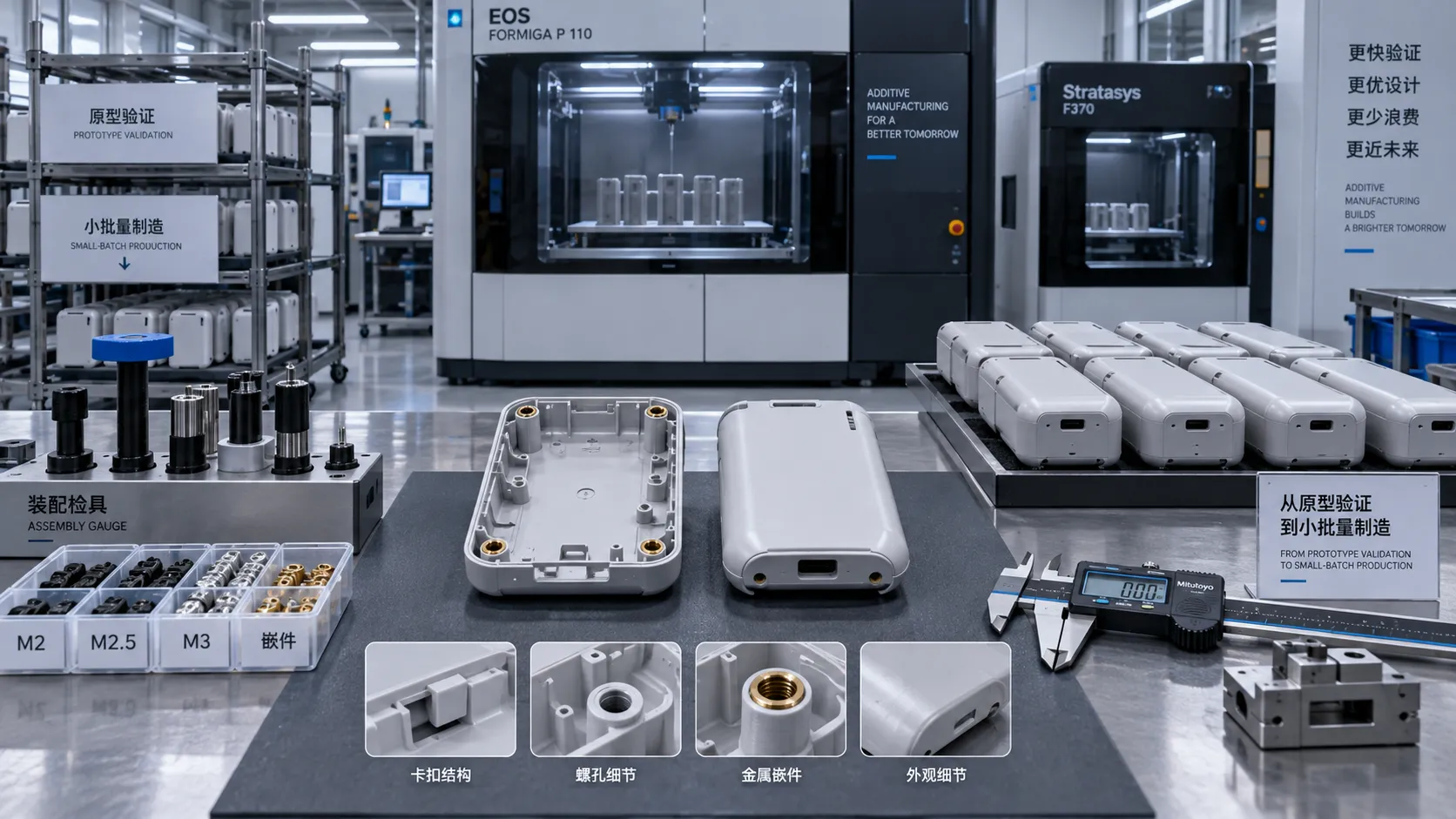
From Prototype to Small Batch: Applying 3D Printing to Consumer Goods
Explore 3d printing in consumer goods: learn how to move from prototype to small-batch production with practical guidance on materials, quality validation, and cost control.
Related News
- 00
0000-00
How to verify part consistency before choosing a 3D printing OEM - 00
0000-00
How does a rigid cryogenic transfer line handle thermal contraction? - 00
0000-00
How much does edge vision deployment cost beyond the hardware? - 00
0000-00
How does the purity of sputtering targets affect thin-film quality? - 00
0000-00
How high power laser cladding systems control substrate dilution
Dr. Hideo Tanaka
Weekly Insights
Stay ahead with our curated technology reports delivered every Monday.