
Mold Making Tolerances: When 3D Profilometers Improve Accuracy

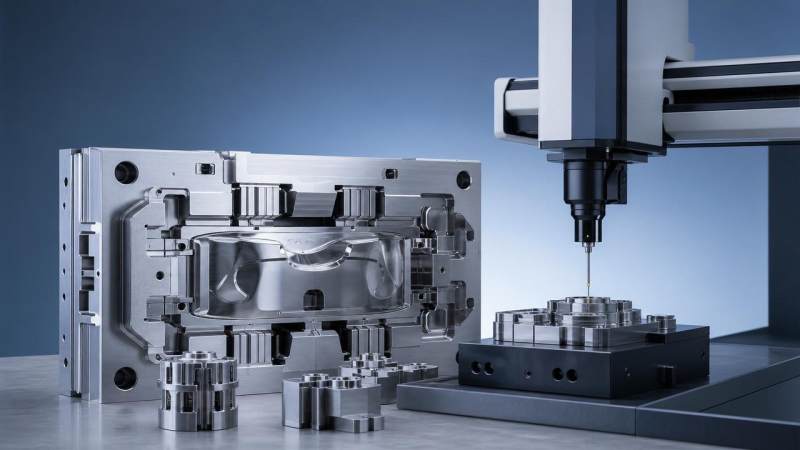
Mold Making Tolerances: When 3D Profilometers Improve Accuracy
In mold making, small tolerance errors rarely stay small for long.
A few microns can affect part fit, flash, sink marks, and cycle stability.
That is why inspection is moving closer to the machining process.
For many teams, 3D profilometers now play a practical role in mold making control.
They measure surface form, step height, waviness, roughness, and edge conditions without guesswork.
More importantly, they help catch deviations before they become tooling delays or repeat defects.
This matters even more when mold making involves tight shutoffs, textured surfaces, or complex 3D contours.
The question is not whether to inspect, but when a 3D profilometer adds clear value.
Why Tolerance Control Is Harder in Modern Mold Making
Mold making has changed fast in recent years.
Cavities now include freeform geometry, smaller radii, and stricter cosmetic demands.
At the same time, lead times are shorter and rework tolerance is lower.
Traditional tools still matter, but some limits are becoming obvious.
Touch probes can miss delicate features or slow down inspection on dense surfaces.
Visual checks depend too much on operator experience.
Two-dimensional measurements also leave blind spots on curved or blended areas.
In mold making, those blind spots often hide the real cause of mismatch.
A 3D profilometer helps by turning hard-to-read surfaces into measurable data.
What a 3D Profilometer Measures Better
Not every mold making task needs advanced optical metrology.
But several inspection targets strongly benefit from it.
- Surface roughness after EDM, grinding, polishing, or texturing.
- Step heights between blended features and insert transitions.
- Form deviation on freeform cavities and core surfaces.
- Burrs, pits, tool marks, and local wear zones.
- Flash-causing edge damage near shutoff regions.
- Texture consistency for visible consumer-facing parts.
This is where mold making teams often gain speed and confidence.
Instead of checking only a few points, they can inspect a complete surface map.
That wider view makes root-cause analysis much easier during tool qualification.
When 3D Profilometers Deliver the Greatest Value
The strongest return usually appears in a few specific mold making situations.
1. After Fine Machining and Before Polishing
This checkpoint prevents polishing from hiding deeper geometry issues.
If the surface form is already drifting, polishing may improve appearance but worsen accuracy.
A 3D profilometer reveals whether the problem is finish, shape, or both.
2. During EDM Feature Validation
EDM is common in mold making, but recast layers and micro-craters can affect performance.
Optical surface data helps confirm whether the feature matches process intent.
That is useful for vents, ribs, corners, and detailed engraving zones.
3. Before First Sampling
First shots often expose issues that actually started in mold making inspection gaps.
Surface maps help verify cavity balance, parting line quality, and local mismatch risks.
That reduces trial-and-error during press validation.
4. During Maintenance and Tool Repair
Repair decisions are stronger when wear is measured instead of estimated.
A 3D profilometer shows depth loss, edge rounding, and localized damage trends.
That supports smarter weld repair, re-polishing, or insert replacement choices.
Practical Benefits for Daily Mold Making Work
In real production, the value is not only higher precision.
It is also faster decisions and fewer unclear handoffs.
- Shorter inspection cycles on complex surfaces.
- Better consistency between shifts and teams.
- Clear digital records for customer approval.
- Earlier detection of process drift in mold making.
- Less unnecessary polishing or manual fitting.
- More reliable communication with machining suppliers.
These gains matter most where tolerances are tight and schedules are unforgiving.
For precision mold making, repeatable measurement often saves more time than faster cutting alone.
How to Use 3D Profilometers Without Slowing Production
One common concern is inspection overload.
That concern is valid if every feature gets scanned without priority.
The smarter approach is selective control points tied to failure risk.
- Identify critical mold making surfaces first.
- Match scan resolution to tolerance needs.
- Use the same reference system as CAD and CMM data.
- Create pass-fail limits for roughness and form deviation.
- Store baseline maps before sampling and after repair.
- Review trend data, not only single inspection results.
This keeps 3D inspection focused on decisions that affect mold making outcomes.
It also prevents teams from collecting data that never gets used.
Common Risks and How to Avoid Them
Even strong tools can create confusion when the setup is weak.
- Scanning reflective surfaces without stable parameters can distort mold making data.
- Comparing results from different reference frames can mislead repair decisions.
- Using excessive resolution can waste time without adding useful insight.
- Ignoring surface cleanliness can create false defect signals.
- Treating every deviation as critical can trigger unnecessary rework.
The best safeguard is a standard inspection workflow.
That workflow should define setup, filtering, acceptance rules, and reporting format.
Once that discipline is in place, mold making decisions become faster and more consistent.
Where This Fits in a Broader Precision Strategy
A 3D profilometer does not replace every metrology tool.
It works best as part of a layered mold making control strategy.
CMM systems remain important for dimensional frameworks.
Microscopes still help with visual confirmation and edge review.
But 3D profilometers fill a key gap between geometry, finish, and functional surface behavior.
That gap is exactly where many mold making problems begin.
For organizations tracking advanced manufacturing benchmarks, that kind of data-driven control is becoming standard practice.
Final Takeaway for Better Mold Making Accuracy
3D profilometers improve mold making accuracy when surface behavior matters as much as nominal dimensions.
They are especially valuable before polishing, before sampling, and during repair planning.
Used well, they reduce guesswork, cut rework, and strengthen process control.
The practical starting point is simple.
Choose a few high-risk mold making features, define measurable limits, and build inspection into the workflow.
From there, accuracy stops being a final check and becomes a controlled process.
Related News
How to verify part consistency before choosing a 3D printing OEM
Choosing a 3D printing OEM? Learn how to verify part consistency with repeat-build trials, validated inspections, and traceability checks before committing to production.
How does a rigid cryogenic transfer line handle thermal contraction?
Learn how a rigid cryogenic transfer line manages thermal contraction with bends, bellows, and guided supports. Discover key design checks for safe, reliable cryogenic performance.
How much does edge vision deployment cost beyond the hardware?
Understand edge vision deployment cost beyond hardware, from data and integration to security and support. Uncover hidden expenses and build a smarter lifecycle budget before you scale.
How does the purity of sputtering targets affect thin-film quality?
Discover how sputtering targets affect thin-film quality. Learn to assess purity, identify harmful impurities, and choose specifications that improve coating performance.
How high power laser cladding systems control substrate dilution
Discover how high power laser cladding systems control substrate dilution through beam shaping, material feed, and thermal management to deliver reliable bonds and coating performance.
How to check HS codes for customs compliance in international logistics
Strengthen international logistics customs compliance: learn how to verify HS codes, check official tariffs, and document classifications to reduce costly shipment delays.
Choosing a 3D Printing Service for Consumer Products: Finish, Fit, and Cost
Compare 3d printing consumer good services by finish, fit, materials, and total cost. Learn how to choose a reliable supplier and avoid costly defects before ordering.
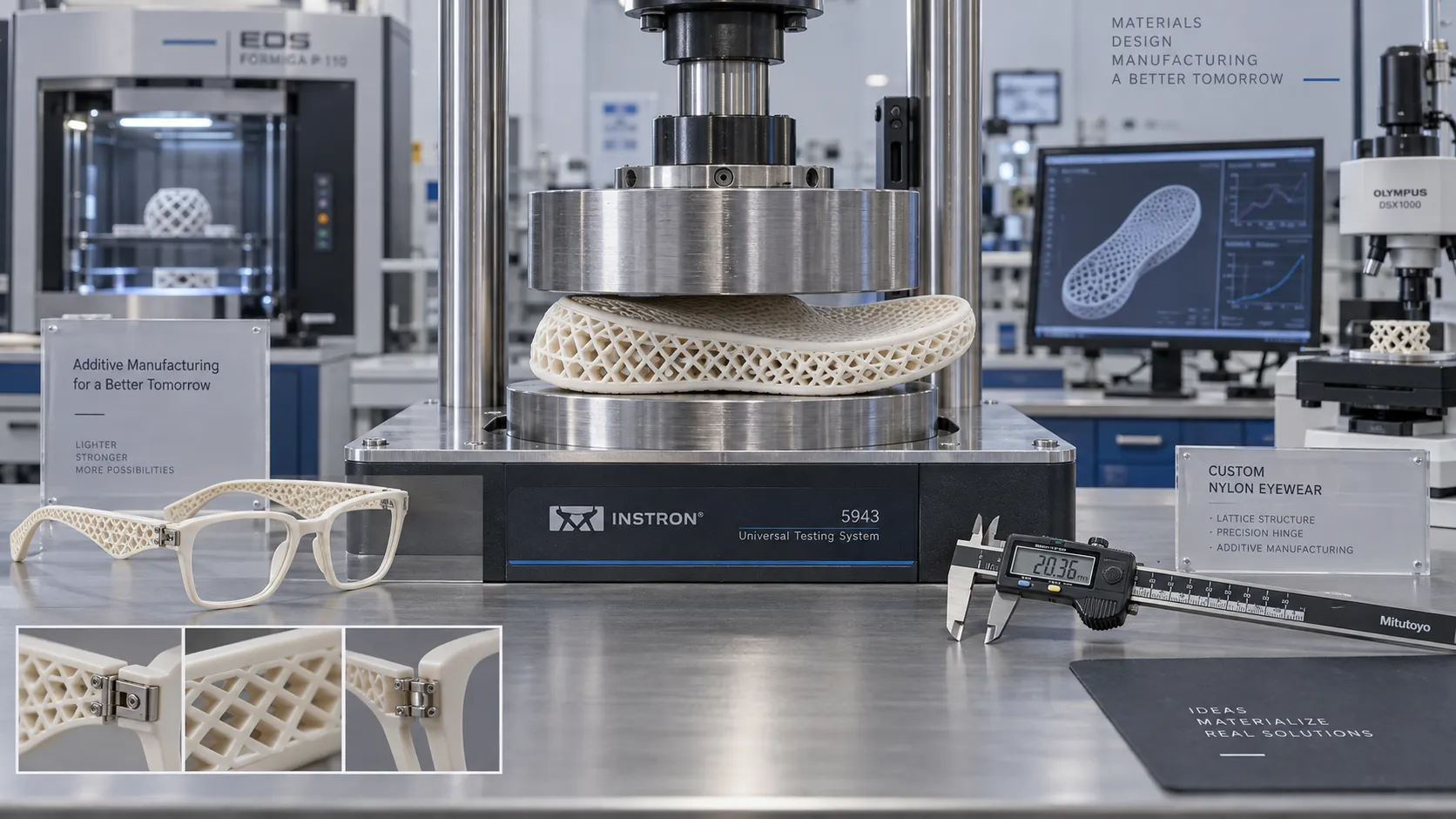
Which Consumer Goods Can Be 3D Printed, and What Are the Practical Limits?
Explore 3d printing consumer goods, from custom eyewear to replacement parts. Discover practical limits on materials, safety, and costs to make smarter production decisions.
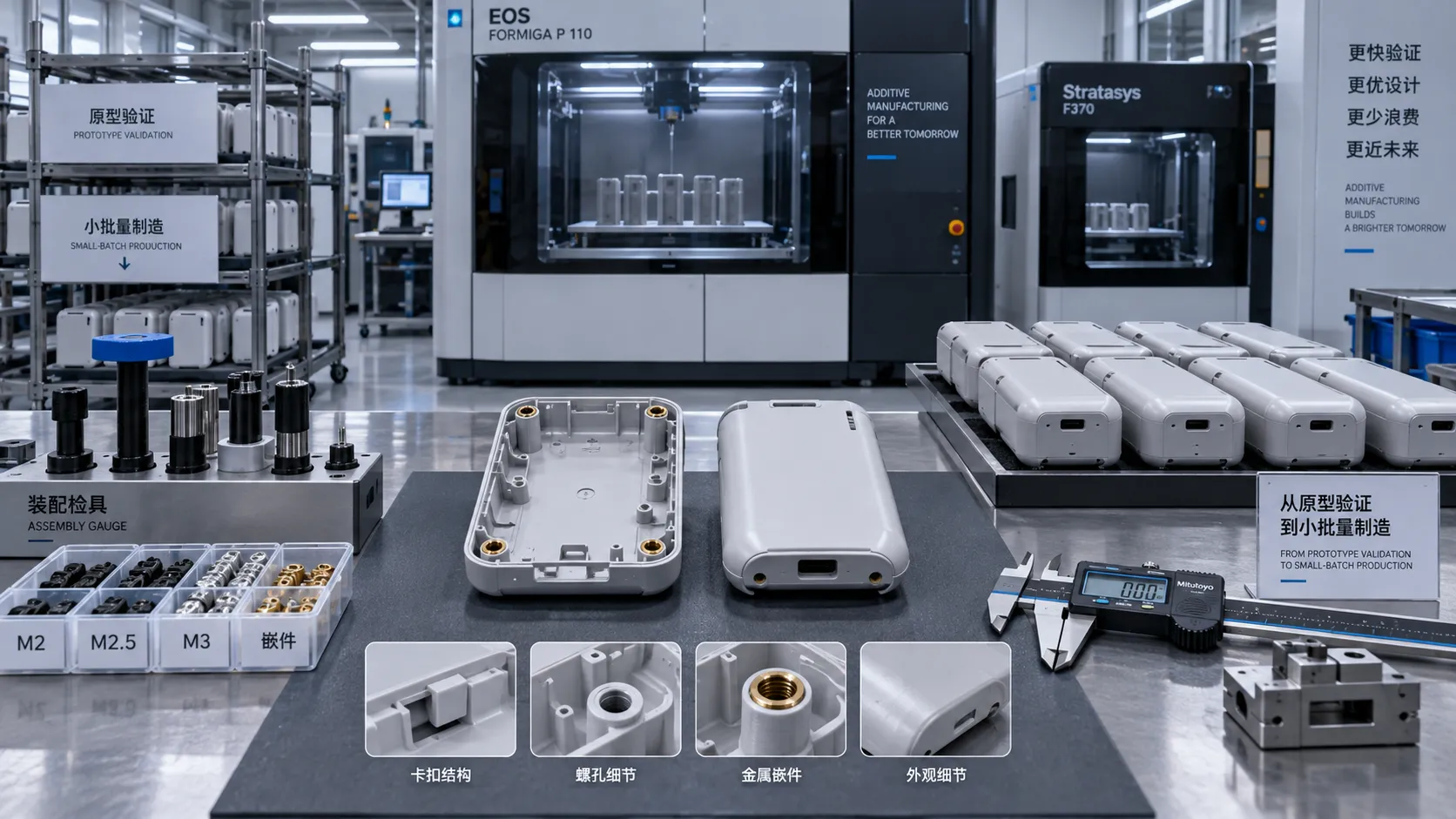
From Prototype to Small Batch: Applying 3D Printing to Consumer Goods
Explore 3d printing in consumer goods: learn how to move from prototype to small-batch production with practical guidance on materials, quality validation, and cost control.
Related News
- 00
0000-00
How to verify part consistency before choosing a 3D printing OEM - 00
0000-00
How does a rigid cryogenic transfer line handle thermal contraction? - 00
0000-00
How much does edge vision deployment cost beyond the hardware? - 00
0000-00
How does the purity of sputtering targets affect thin-film quality? - 00
0000-00
How high power laser cladding systems control substrate dilution
Dr. Victor Gear
Weekly Insights
Stay ahead with our curated technology reports delivered every Monday.