
Machine Vision Software Wholesale: Pricing Models and Hidden Costs

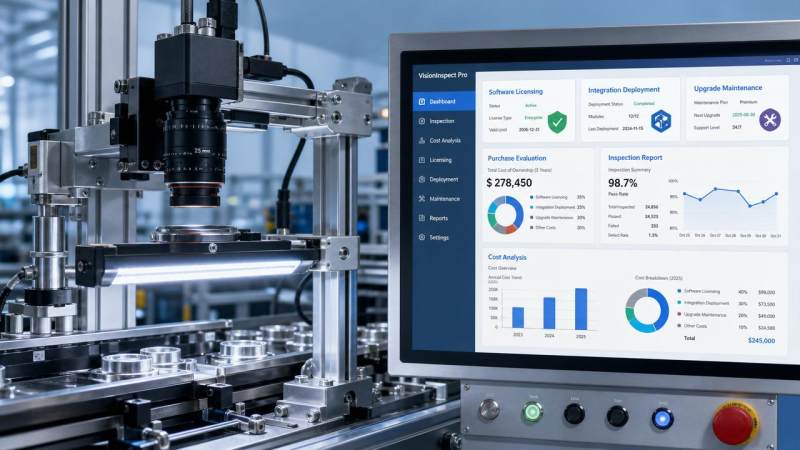
For procurement teams evaluating machine vision software wholesale, headline license prices rarely reveal the full investment picture.
Deployment models, integration services, training, maintenance, and upgrade terms often determine actual long-term value.
This guide explains how to compare pricing structures, identify hidden costs, and improve sourcing decisions for industrial environments.
What does machine vision software wholesale actually include?
The term machine vision software wholesale can describe more than bulk license purchasing.
In industrial practice, it may include runtime licenses, development seats, AI modules, inspection templates, and technical support packages.
Some vendors price only the core engine.
Others bundle camera drivers, PLC communication tools, reporting dashboards, and remote diagnostics.
That difference matters because two offers with similar base pricing may produce very different ownership costs.
In a broader industrial context, software scope should be verified against standards, validation needs, and future line expansion plans.
Key components often covered in wholesale packages
- Core image acquisition and processing tools
- Deep learning or rule-based inspection modules
- Operator interface and dashboard functions
- Protocol support for PLC, MES, SCADA, or ERP systems
- Runtime deployment rights by line, station, or site
- Maintenance, patching, and version upgrade access
Before comparing quotes, define what the supplier means by “wholesale” in contractual language, not sales language.
Which pricing models are most common in machine vision software wholesale?
Most machine vision software wholesale contracts follow one of five pricing approaches.
Each model affects budgeting, scalability, and upgrade flexibility differently.
1. Perpetual license
A one-time fee grants ongoing use of a specific software version.
Annual maintenance is usually charged separately for support and updates.
This model fits stable production lines with slow change cycles.
2. Subscription license
Fees are paid monthly or annually.
Updates and support are commonly included.
It reduces upfront capital cost, but long-term total cost may exceed perpetual options.
3. Runtime-based pricing
Charges depend on deployed inspection stations, cameras, processors, or production lines.
This is common when one development environment supports many operational nodes.
4. Feature-tier pricing
The base version covers standard inspection tools.
Advanced OCR, 3D vision, AI training, or analytics require higher tiers or add-ons.
5. Enterprise site licensing
A negotiated agreement covers broad internal usage across facilities.
This can improve cost efficiency when rollout volume is predictable and governance is strong.
The best model depends on deployment scale, validation burden, expected upgrades, and integration complexity.
What hidden costs change the real price of machine vision software wholesale?
This is where many sourcing plans lose accuracy.
The visible license fee may represent only part of the actual project budget.
Integration and customization
Connecting software with cameras, lighting controllers, robots, PLCs, and MES layers often requires engineering hours.
Custom workflows, defect classification logic, and traceability exports can raise cost significantly.
Validation and testing
Regulated or high-reliability sectors need documented testing, repeatability studies, and acceptance criteria.
Those activities consume time and may require vendor participation fees.
Training and onboarding
Operator training, engineering training, and maintenance training are often billed separately.
A low software price can hide expensive knowledge transfer requirements.
Hardware compatibility limits
Some packages need approved frame grabbers, GPUs, industrial PCs, or specific camera brands.
That can create unplanned hardware refresh expenses.
Maintenance and upgrades
Annual fees may be tied to a percentage of license value.
Major version changes sometimes require migration services or relicensing.
Downtime and changeover risk
If implementation disrupts production, internal cost rises beyond the software invoice.
That cost is especially relevant in continuous manufacturing or high-volume inspection lines.
How should machine vision software wholesale offers be compared fairly?
A fair comparison uses total cost of ownership, not only entry price.
That means evaluating technical fit, deployment rights, support scope, and lifecycle requirements together.
Use a structured evaluation checklist
- Does the quote include development and runtime licenses?
- Are AI, OCR, 3D, or analytics modules included?
- What support hours, response times, and escalation paths are guaranteed?
- Can the software scale to more stations without major relicensing?
- Is hardware flexibility preserved or locked to one ecosystem?
- What happens if operating systems or controllers change?
Compare cost over three to five years
A cheap first-year offer may become expensive after maintenance, line expansion, and feature unlocks.
A multi-year model highlights whether the machine vision software wholesale strategy remains economical at scale.
Check supplier maturity
Documentation quality, update discipline, cybersecurity practices, and standards alignment affect operational risk.
In advanced manufacturing environments, weak vendor governance can become a hidden cost itself.
Which mistakes create sourcing risk in machine vision software wholesale?
Several recurring mistakes lead to overspending or poor deployment outcomes.
Mistake 1: Buying for current use only
Inspection programs usually expand.
A narrow license model can become costly when new lines, products, or defect libraries are added.
Mistake 2: Ignoring internal engineering effort
Even strong vendor platforms require internal configuration, testing, and change management.
That labor should be counted in the business case.
Mistake 3: Overvaluing bundled features
Bundled functions seem attractive, but unused modules do not create value.
Prioritize fit, reliability, and validated performance over feature quantity.
Mistake 4: Missing contract language on ownership and exit
Confirm data ownership, model portability, update rights, and post-termination access terms.
Without that clarity, future migration can become expensive and disruptive.
How can buyers reduce total cost without sacrificing performance?
Cost control in machine vision software wholesale is possible when negotiation follows technical logic.
Standardize requirements early
Define inspection types, image volumes, latency limits, traceability needs, and cybersecurity constraints before quoting.
Clear requirements reduce change orders later.
Request a transparent cost breakdown
Separate line items for software, commissioning, training, maintenance, and optional modules make comparison far easier.
Pilot before wide rollout
A controlled pilot reveals integration effort, false reject rates, and operator usability issues early.
That evidence improves negotiation leverage and deployment accuracy.
Negotiate lifecycle terms, not only price
Ask about version support duration, response SLAs, hardware independence, and future expansion pricing.
These items often deliver greater savings than a small initial discount.
A strong machine vision software wholesale decision balances price, technical integrity, scalability, and operational continuity.
The most reliable path is to evaluate total cost of ownership across software, integration, support, and upgrade horizons.
Use a structured checklist, demand transparent commercial terms, and validate performance through a pilot before full commitment.
That approach reduces hidden costs and supports better long-term value in industrial inspection programs.
Related News

How to verify part consistency before choosing a 3D printing OEM
Choosing a 3D printing OEM? Learn how to verify part consistency with repeat-build trials, validated inspections, and traceability checks before committing to production.
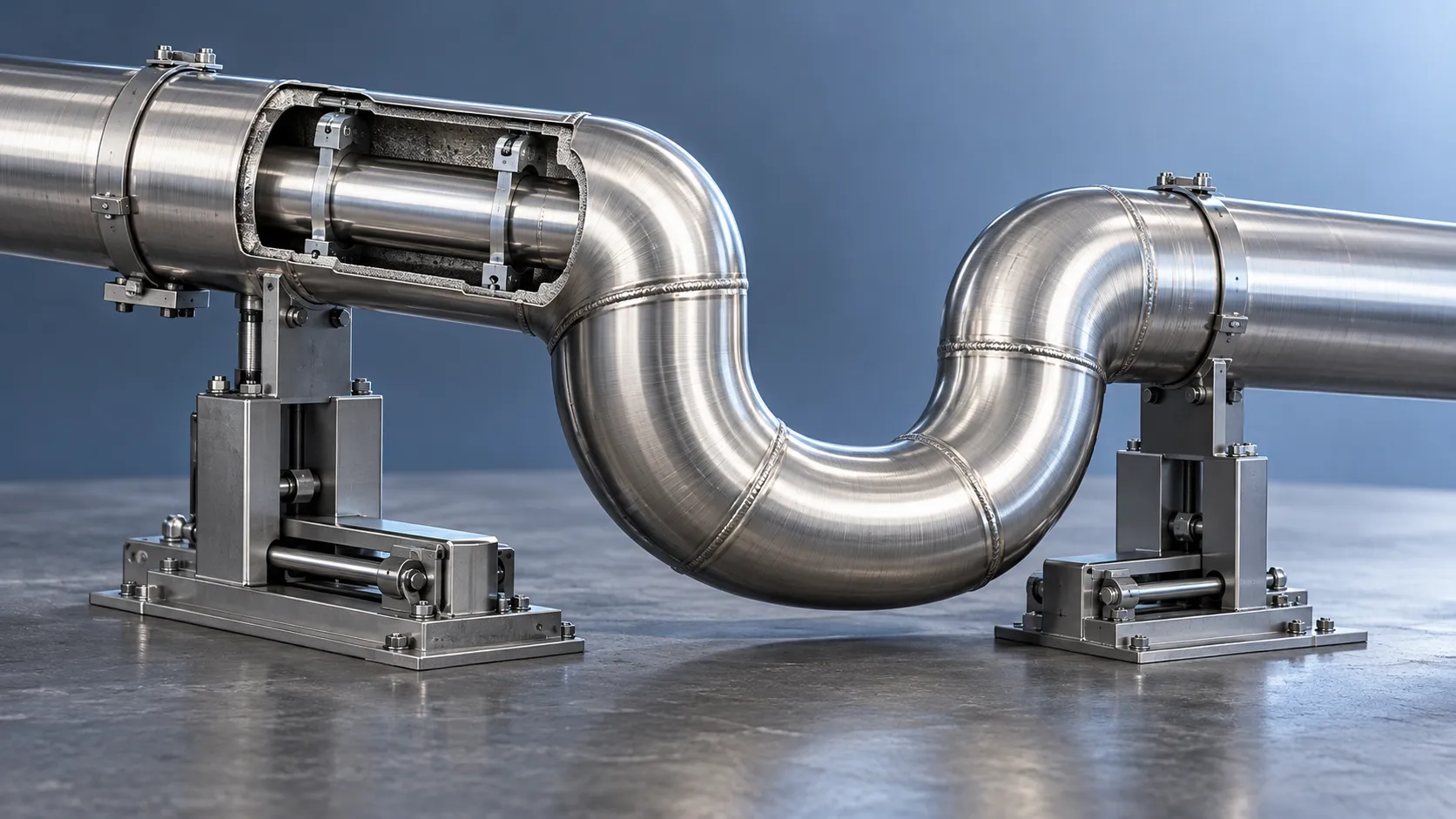
How does a rigid cryogenic transfer line handle thermal contraction?
Learn how a rigid cryogenic transfer line manages thermal contraction with bends, bellows, and guided supports. Discover key design checks for safe, reliable cryogenic performance.

How much does edge vision deployment cost beyond the hardware?
Understand edge vision deployment cost beyond hardware, from data and integration to security and support. Uncover hidden expenses and build a smarter lifecycle budget before you scale.

How does the purity of sputtering targets affect thin-film quality?
Discover how sputtering targets affect thin-film quality. Learn to assess purity, identify harmful impurities, and choose specifications that improve coating performance.

How high power laser cladding systems control substrate dilution
Discover how high power laser cladding systems control substrate dilution through beam shaping, material feed, and thermal management to deliver reliable bonds and coating performance.
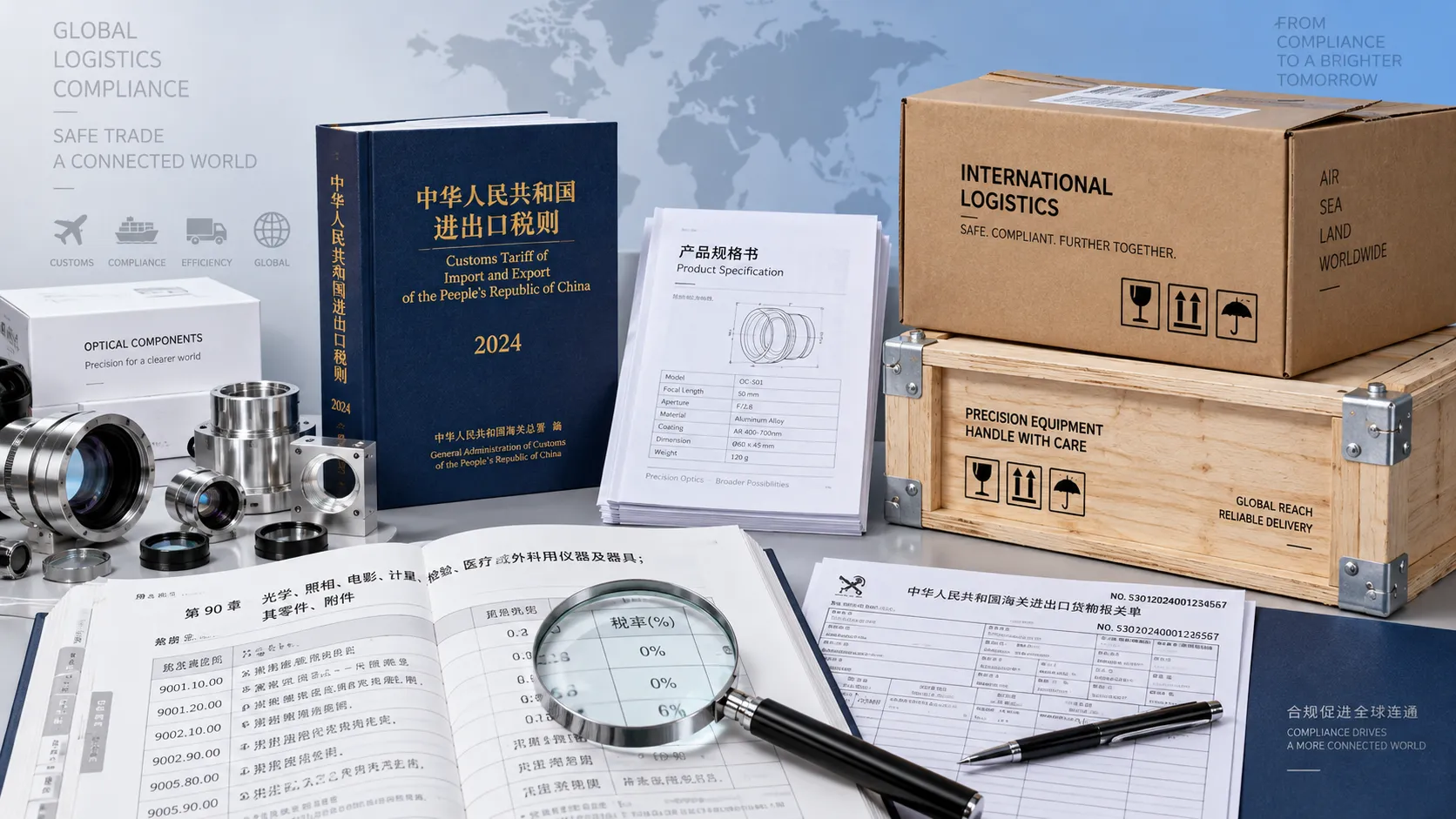
How to check HS codes for customs compliance in international logistics
Strengthen international logistics customs compliance: learn how to verify HS codes, check official tariffs, and document classifications to reduce costly shipment delays.
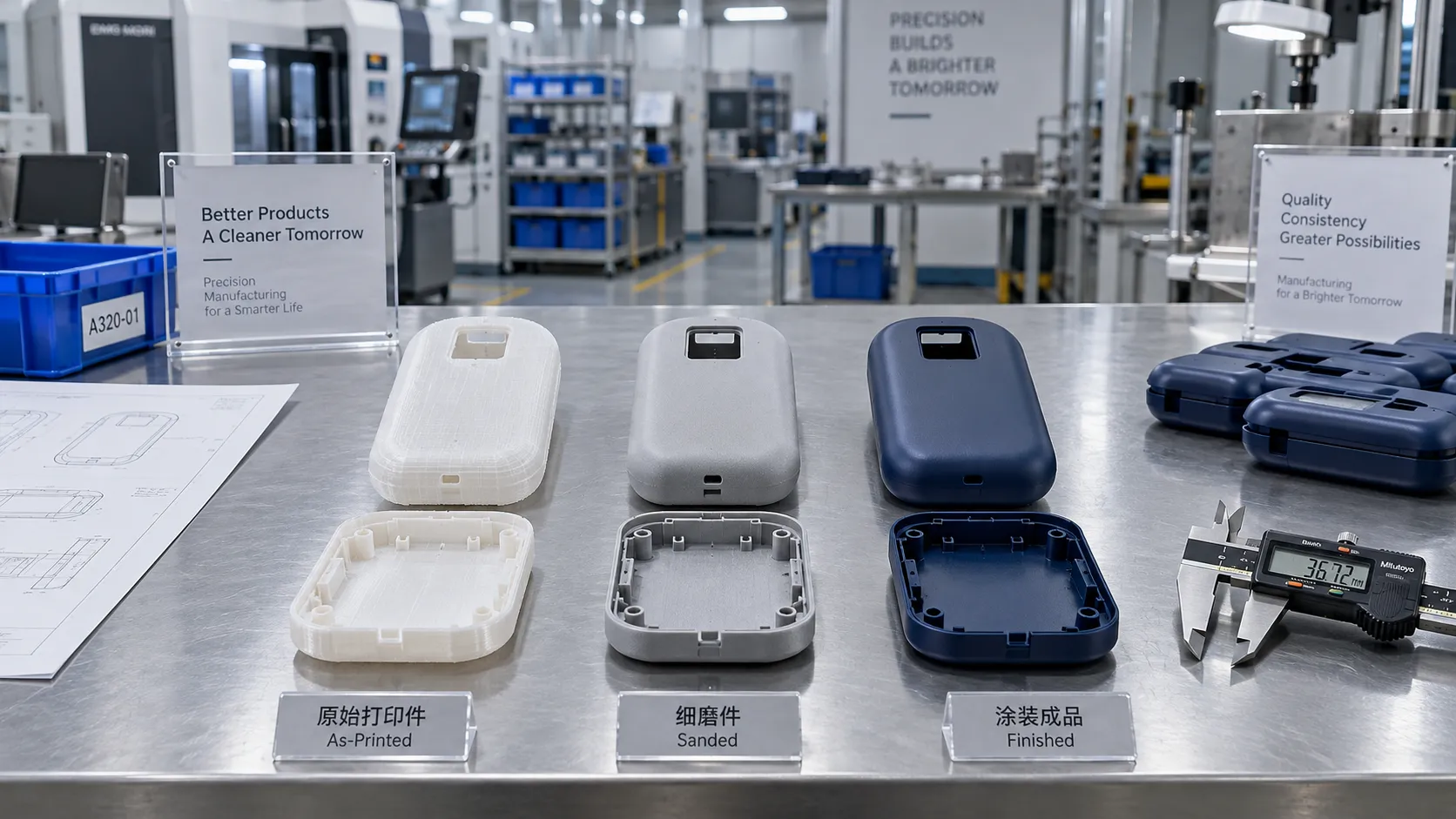
Choosing a 3D Printing Service for Consumer Products: Finish, Fit, and Cost
Compare 3d printing consumer good services by finish, fit, materials, and total cost. Learn how to choose a reliable supplier and avoid costly defects before ordering.

Which Consumer Goods Can Be 3D Printed, and What Are the Practical Limits?
Explore 3d printing consumer goods, from custom eyewear to replacement parts. Discover practical limits on materials, safety, and costs to make smarter production decisions.

From Prototype to Small Batch: Applying 3D Printing to Consumer Goods
Explore 3d printing in consumer goods: learn how to move from prototype to small-batch production with practical guidance on materials, quality validation, and cost control.
Related News
- 00
0000-00
How to verify part consistency before choosing a 3D printing OEM - 00
0000-00
How does a rigid cryogenic transfer line handle thermal contraction? - 00
0000-00
How much does edge vision deployment cost beyond the hardware? - 00
0000-00
How does the purity of sputtering targets affect thin-film quality? - 00
0000-00
How high power laser cladding systems control substrate dilution
Dr. Victor Gear
Weekly Insights
Stay ahead with our curated technology reports delivered every Monday.