
Cryogenic Heat Exchanger OEM: Key Selection Risks

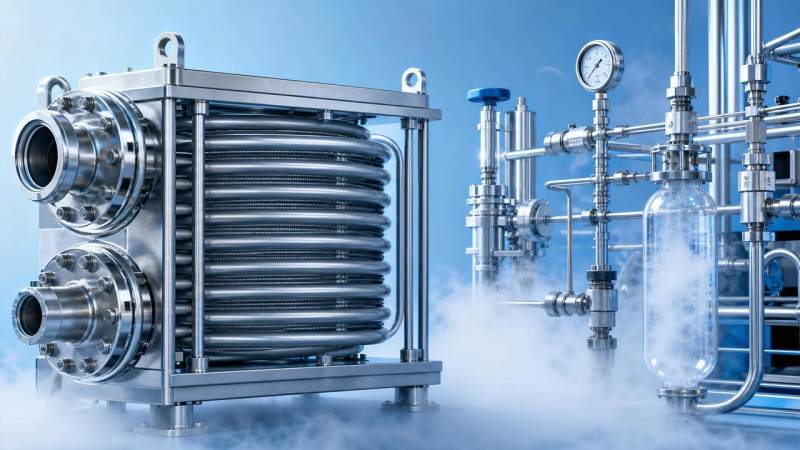
Selecting a cryogenic heat exchanger oem is not just a sourcing decision—it is a reliability, safety, and lifecycle-cost risk assessment. For technical evaluators, the challenge lies in validating thermal performance claims, material compatibility, pressure integrity, cleanability, documentation quality, and compliance with application-specific standards. This article outlines the key selection risks that can compromise cryogenic system efficiency, uptime, and qualification outcomes, helping engineering and procurement teams build a more evidence-based OEM evaluation framework before committing to design collaboration or long-term supply.
Why Cryogenic Heat Exchanger OEM Selection Carries Higher Technical Risk
A cryogenic heat exchanger operates in temperature zones where small design errors can become major operational failures. Thermal contraction, two-phase flow, pressure cycling, and contamination sensitivity all magnify supplier risk.
For technical evaluators, the main issue is not whether a cryogenic heat exchanger oem can fabricate hardware. The harder question is whether its engineering assumptions are verifiable.
The evaluator’s risk lens
- Thermal performance must be proven under realistic inlet conditions, flow ranges, pressure drops, and expected duty cycles.
- Mechanical integrity must account for cryogenic contraction, weld quality, vibration, and pressure transients during start-up or shutdown.
- Cleanliness must match the working fluid, especially oxygen, hydrogen, helium, nitrogen, LNG, or ultra-high-purity gas systems.
- Documentation must support qualification, maintenance planning, regulatory review, and traceability across the product lifecycle.
G-AIT approaches these risks through multidisciplinary benchmarking across vacuum and cryogenic engineering, materials, inspection technologies, and international compliance frameworks such as ISO, ASTM, SEMI, and relevant pressure equipment practices.
Which Application Scenarios Change the OEM Evaluation Standard?
A cryogenic heat exchanger oem should not be evaluated with a single generic checklist. Different industrial scenarios impose different failure modes, cleanliness expectations, and documentation burdens.
The table below helps technical teams connect operating context with practical OEM selection risks before issuing a request for quotation or design package.
This scenario-based approach prevents a common procurement mistake: comparing quotations without separating commodity fabrication from application-specific cryogenic engineering capability.
Thermal Performance Claims: What Should Be Verified First?
Thermal duty is often the first number reviewed, yet it can be the least meaningful without boundary conditions. A cryogenic heat exchanger oem should disclose assumptions clearly.
Key parameters that affect real performance
- Inlet and outlet temperature targets should be tied to mass flow, pressure, and fluid composition, not stated as isolated values.
- Pressure drop must be evaluated against compressor, pump, or process constraints because excessive loss reduces system efficiency.
- Approach temperature should be assessed with realistic safety margins, particularly in helium and hydrogen systems.
- Cooldown and warm-up cycles should be considered when equipment faces repeated thermal shock during operation.
A stronger evaluation asks the OEM to explain how calculations were generated, whether correlations are validated, and how manufacturing tolerances influence final performance.
G-AIT supports evaluators by organizing comparative technical data and identifying whether supplier claims align with typical cryogenic engineering practice and application-level constraints.
Material, Welding, and Cleanliness Risks That Are Often Underestimated
Material selection cannot be treated as a purchasing substitution exercise. At cryogenic temperatures, ductility, thermal conductivity, corrosion resistance, and compatibility with working fluids become decisive.
When reviewing a cryogenic heat exchanger oem, technical teams should examine not only the material grade but also traceability, forming methods, joining quality, and cleaning validation.
Critical questions for technical review
- Does the OEM provide material certificates that match the proposed pressure boundary and internal flow path components?
- Are weld procedures, welder qualifications, and non-destructive examination methods appropriate for the selected geometry?
- Is oxygen service cleaning or high-purity gas cleaning required, and does the supplier define acceptance criteria?
- Can the supplier explain how brazed, welded, plate-fin, coil-wound, or shell-and-tube designs affect inspectability?
Cleanliness is especially important in oxygen-rich, semiconductor, and research environments. Residues, hydrocarbons, or particulates may create safety issues or qualification failures.
How to Compare OEM Design Models Before Shortlisting
A quotation may look attractive because it reduces upfront cost. However, the selected architecture can affect pressure loss, maintenance access, delivery lead time, and lifecycle risk.
The following comparison helps a technical evaluator understand how design families may influence the cryogenic heat exchanger oem selection process.
No design is universally superior. The practical choice depends on fluid type, operating envelope, maintainability expectations, installation space, and the qualification route.
Documentation, Standards, and Certification: What Evidence Matters?
Technical evaluators frequently discover documentation gaps too late. Missing test records, unclear revision control, or incomplete material traceability can delay acceptance and commissioning.
A qualified cryogenic heat exchanger oem should provide a documentation package proportional to project risk, regulatory context, and end-user qualification requirements.
The table below summarizes common evidence categories. Exact requirements should be confirmed against jurisdiction, customer specifications, and process safety obligations.
G-AIT does not replace project-specific engineering approval. It strengthens the evaluation process by benchmarking supplier evidence against recognized industrial expectations.
Cost and Lifecycle Risk: Why the Lowest Quote Can Be Expensive
Cryogenic projects often operate under tight budgets and compressed delivery schedules. This creates pressure to select a cryogenic heat exchanger oem based on price alone.
The hidden cost usually appears later: higher energy consumption, unplanned downtime, rework, delayed qualification, excessive helium loss, or shortened service intervals.
Cost factors beyond the purchase order
- Engineering clarification time increases when the supplier cannot answer process, stress, or cleanliness questions with traceable data.
- Installation cost rises when nozzles, supports, insulation interfaces, or instrumentation points are not coordinated early.
- Operating cost grows when pressure drop exceeds assumptions or thermal effectiveness declines under real process conditions.
- Qualification cost expands when test reports, material records, and compliance statements are incomplete or inconsistent.
A better commercial comparison includes total lifecycle exposure. Evaluators should request technical deviations, warranty boundaries, spare strategy, and change-order triggers before award.
A Practical Procurement Checklist for Technical Evaluators
The best cryogenic heat exchanger oem evaluation process combines engineering review, compliance review, supplier capability assessment, and commercial risk control.
Recommended review sequence
- Define the operating envelope, including minimum and maximum flow, temperature, pressure, fluid composition, and cycling frequency.
- Ask the OEM to submit thermal design assumptions, pressure drop estimates, design margins, and calculation methodology.
- Review material compatibility, welding approach, cleaning requirements, and inspection strategy before freezing the design.
- Align documentation requirements with end-user qualification, regulatory obligations, and internal procurement governance.
- Compare total risk, not only unit price, by including schedule, service access, failure impact, and technical deviation cost.
This sequence is useful for large manufacturers, research institutes, clean technology programs, and process engineering teams managing high-consequence cryogenic assets.
Common FAQ About Cryogenic Heat Exchanger OEM Evaluation
How do I know whether a cryogenic heat exchanger oem is technically mature?
Look for transparent calculations, material traceability, defined inspection methods, and practical knowledge of your fluid system. Maturity is shown through evidence, not sales language.
What should be clarified before requesting a quotation?
Clarify flow range, inlet conditions, pressure limits, allowable pressure drop, cleanliness class, installation space, testing expectations, and documentation format. Ambiguity creates price differences that are not comparable.
Is a custom OEM design always better than a standard design?
Not always. A standard design may reduce lead time and qualification effort, while customization is justified when thermal duty, geometry, cleanliness, or compliance requirements are unusual.
How long does evaluation usually take?
The timeline depends on project complexity. Simple replacement units may move quickly, while hydrogen, UHV, LNG, or research systems often require deeper reviews and several clarification cycles.
Why Choose G-AIT for Evidence-Based OEM Benchmarking?
G-AIT helps technical evaluators move beyond supplier brochures by organizing verifiable engineering data, regulatory foresight, tender intelligence, and patent landscape insights across advanced industrial sectors.
For cryogenic heat exchanger oem evaluation, our perspective connects vacuum and cryogenic engineering with materials science, inspection technology, additive manufacturing, and high-performance industrial benchmarking.
Teams can consult G-AIT when they need support with parameter confirmation, OEM shortlisting, specification review, documentation expectations, certification alignment, delivery risk, or custom solution comparison.
Before committing to design collaboration or long-term supply, use a structured evidence review. It can reduce qualification surprises and improve the reliability of cryogenic system decisions.
Related News
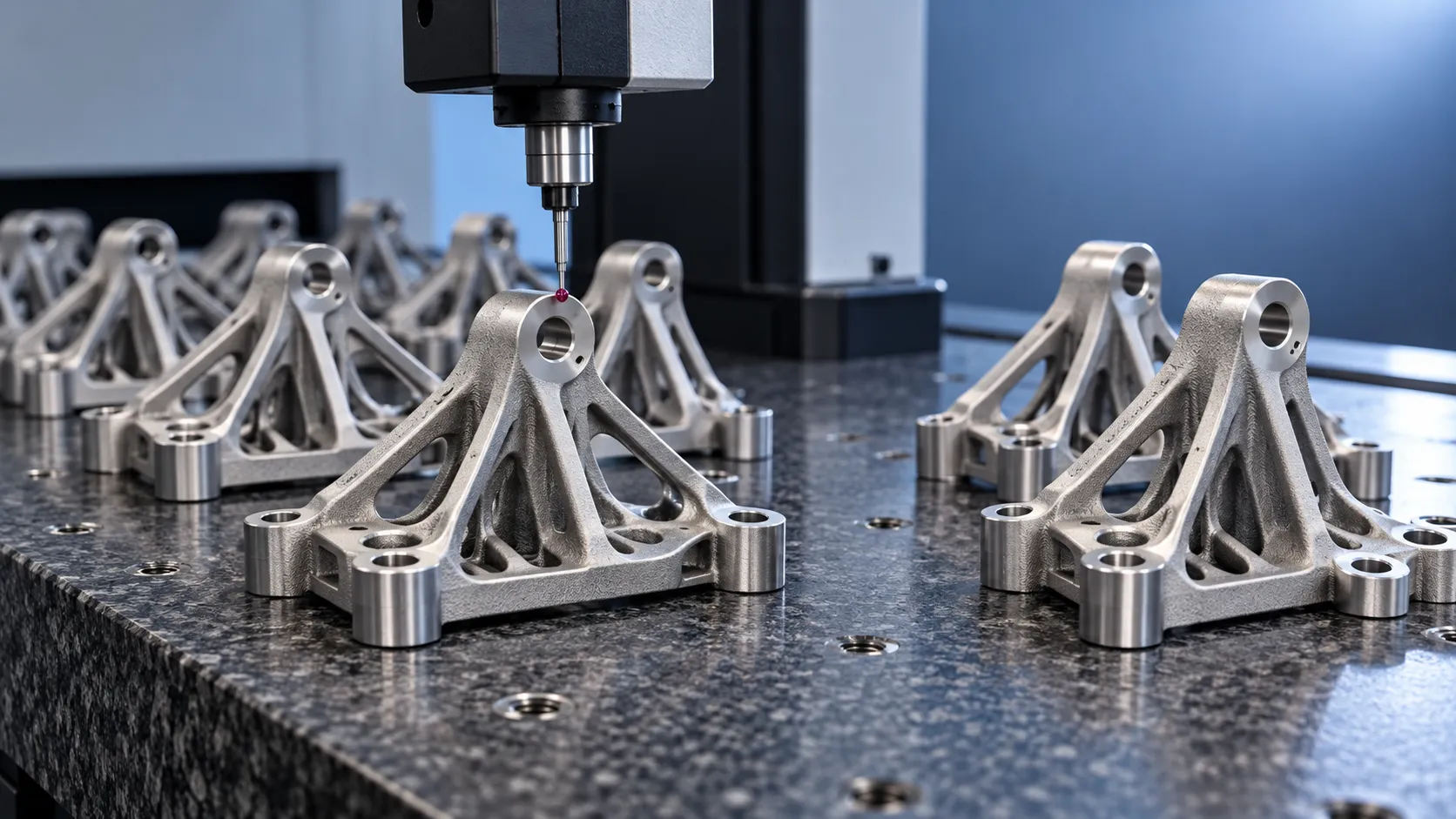
How to verify part consistency before choosing a 3D printing OEM
Choosing a 3D printing OEM? Learn how to verify part consistency with repeat-build trials, validated inspections, and traceability checks before committing to production.
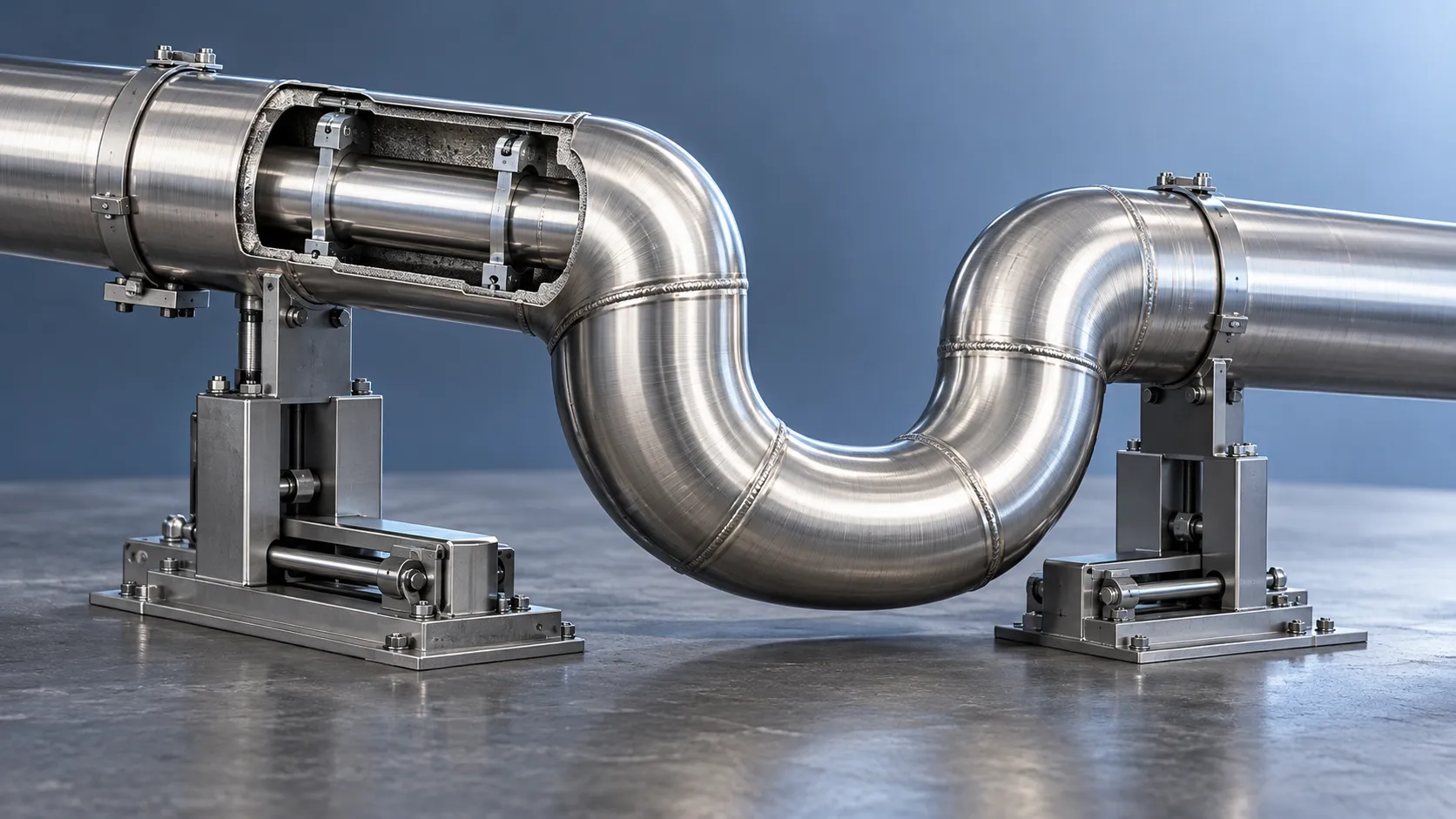
How does a rigid cryogenic transfer line handle thermal contraction?
Learn how a rigid cryogenic transfer line manages thermal contraction with bends, bellows, and guided supports. Discover key design checks for safe, reliable cryogenic performance.
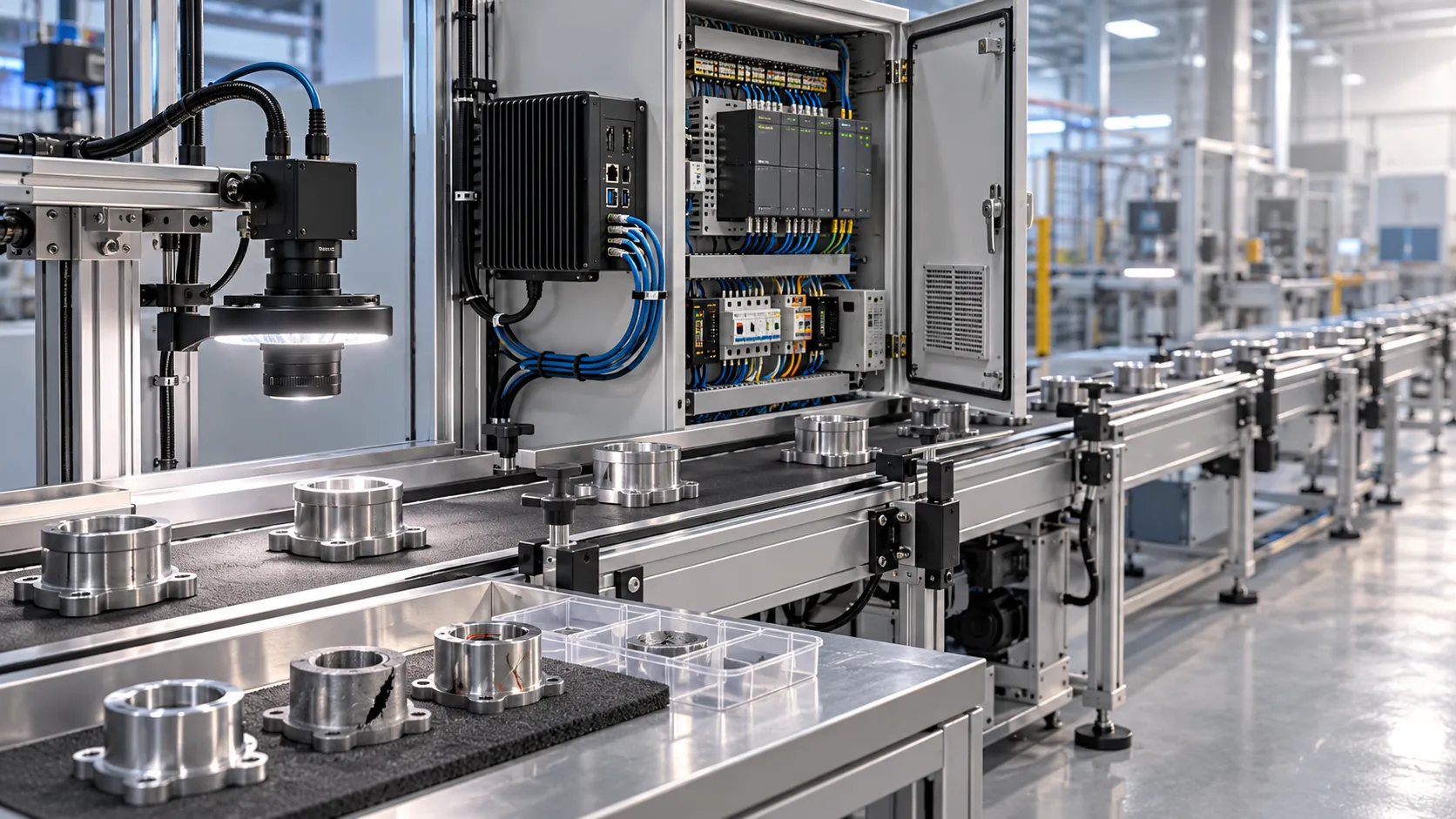
How much does edge vision deployment cost beyond the hardware?
Understand edge vision deployment cost beyond hardware, from data and integration to security and support. Uncover hidden expenses and build a smarter lifecycle budget before you scale.
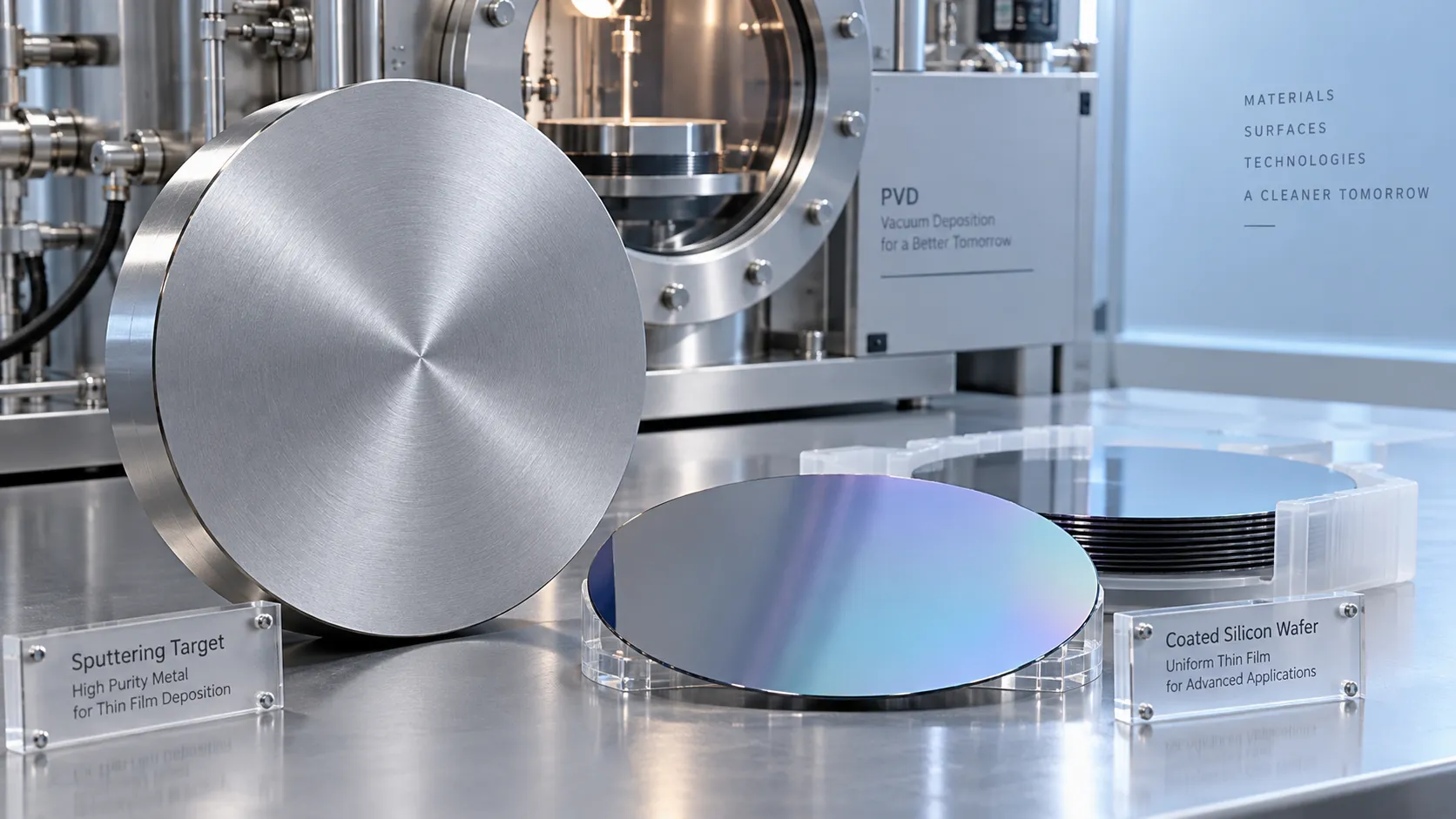
How does the purity of sputtering targets affect thin-film quality?
Discover how sputtering targets affect thin-film quality. Learn to assess purity, identify harmful impurities, and choose specifications that improve coating performance.
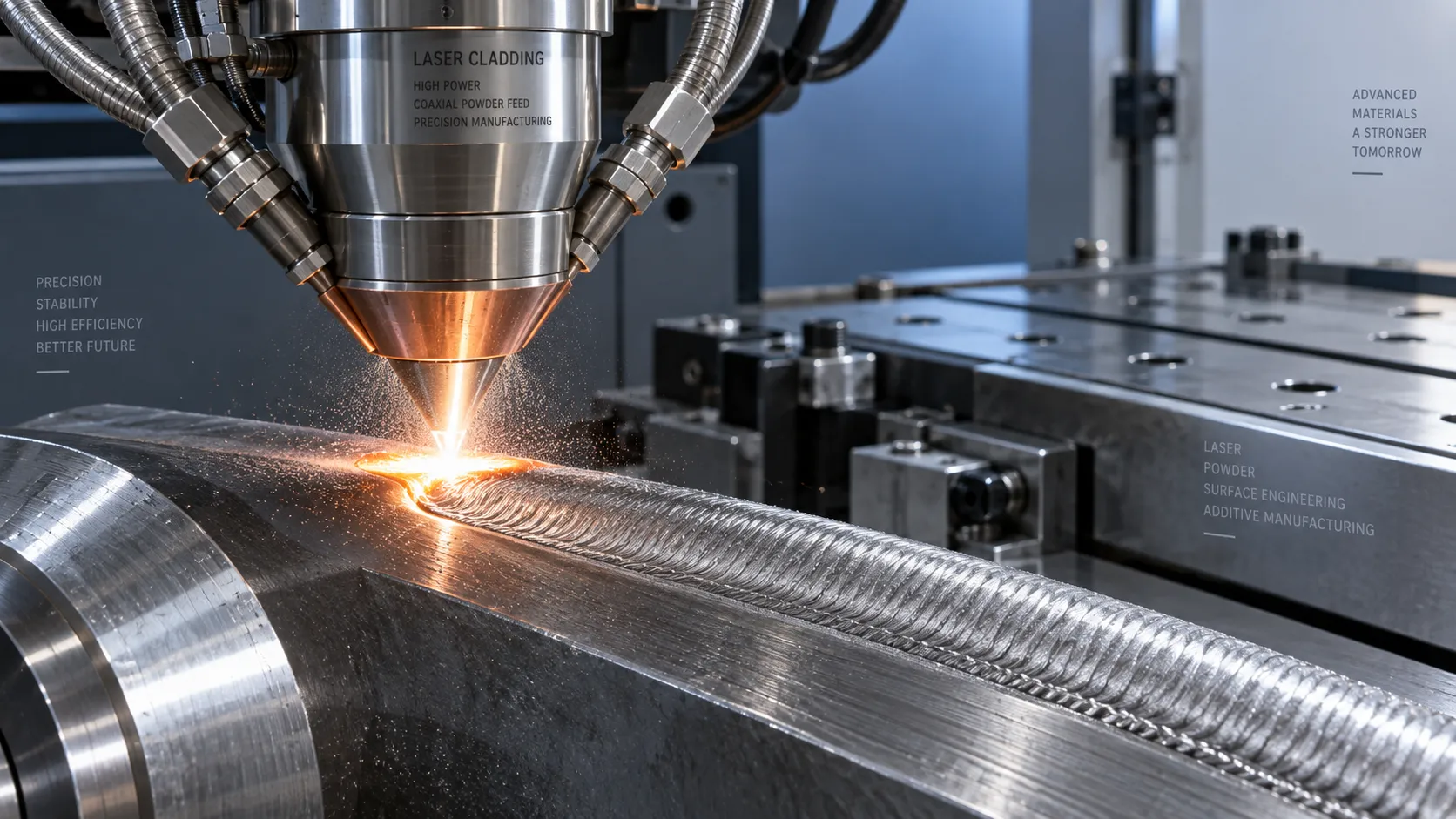
How high power laser cladding systems control substrate dilution
Discover how high power laser cladding systems control substrate dilution through beam shaping, material feed, and thermal management to deliver reliable bonds and coating performance.
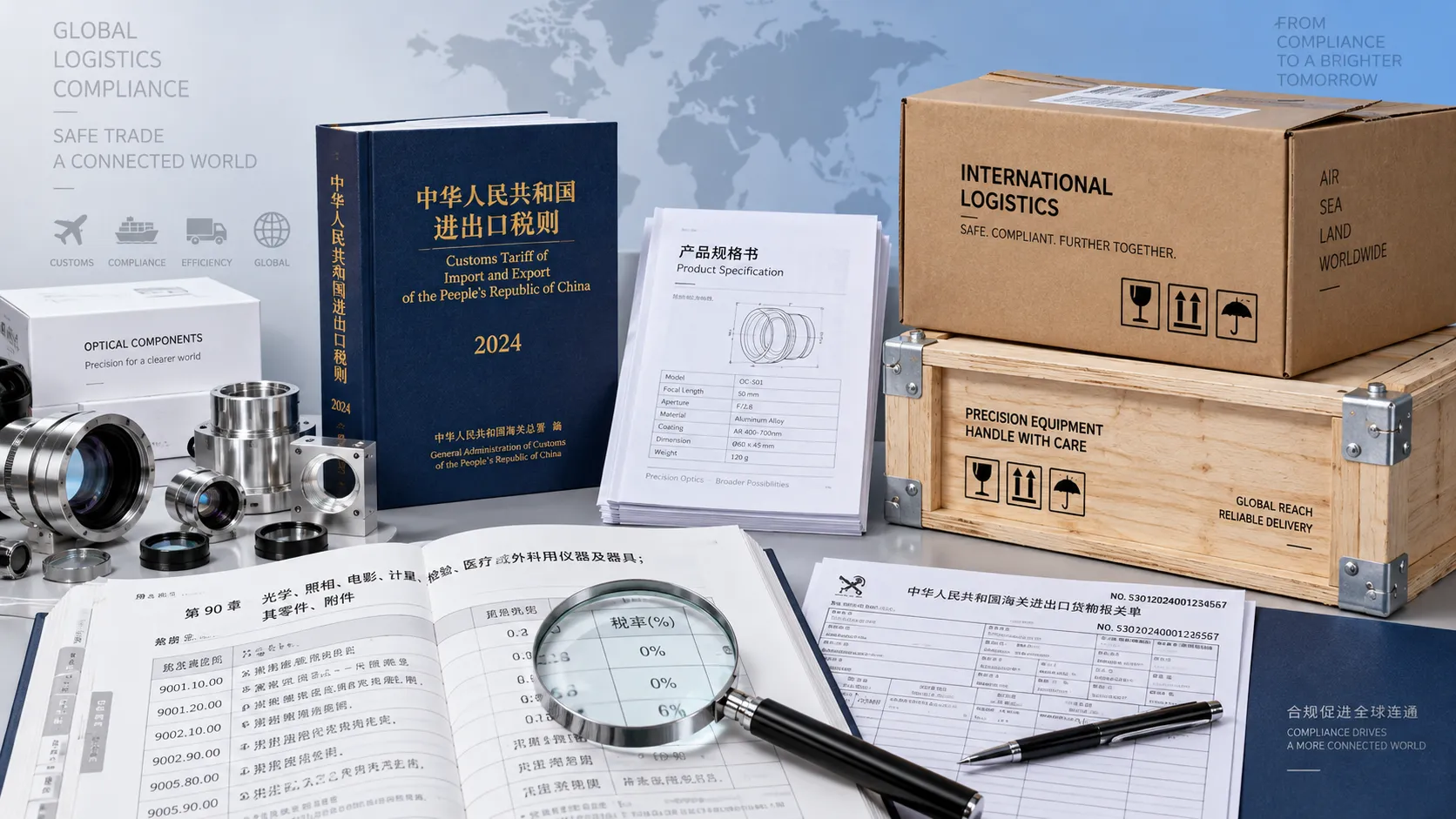
How to check HS codes for customs compliance in international logistics
Strengthen international logistics customs compliance: learn how to verify HS codes, check official tariffs, and document classifications to reduce costly shipment delays.
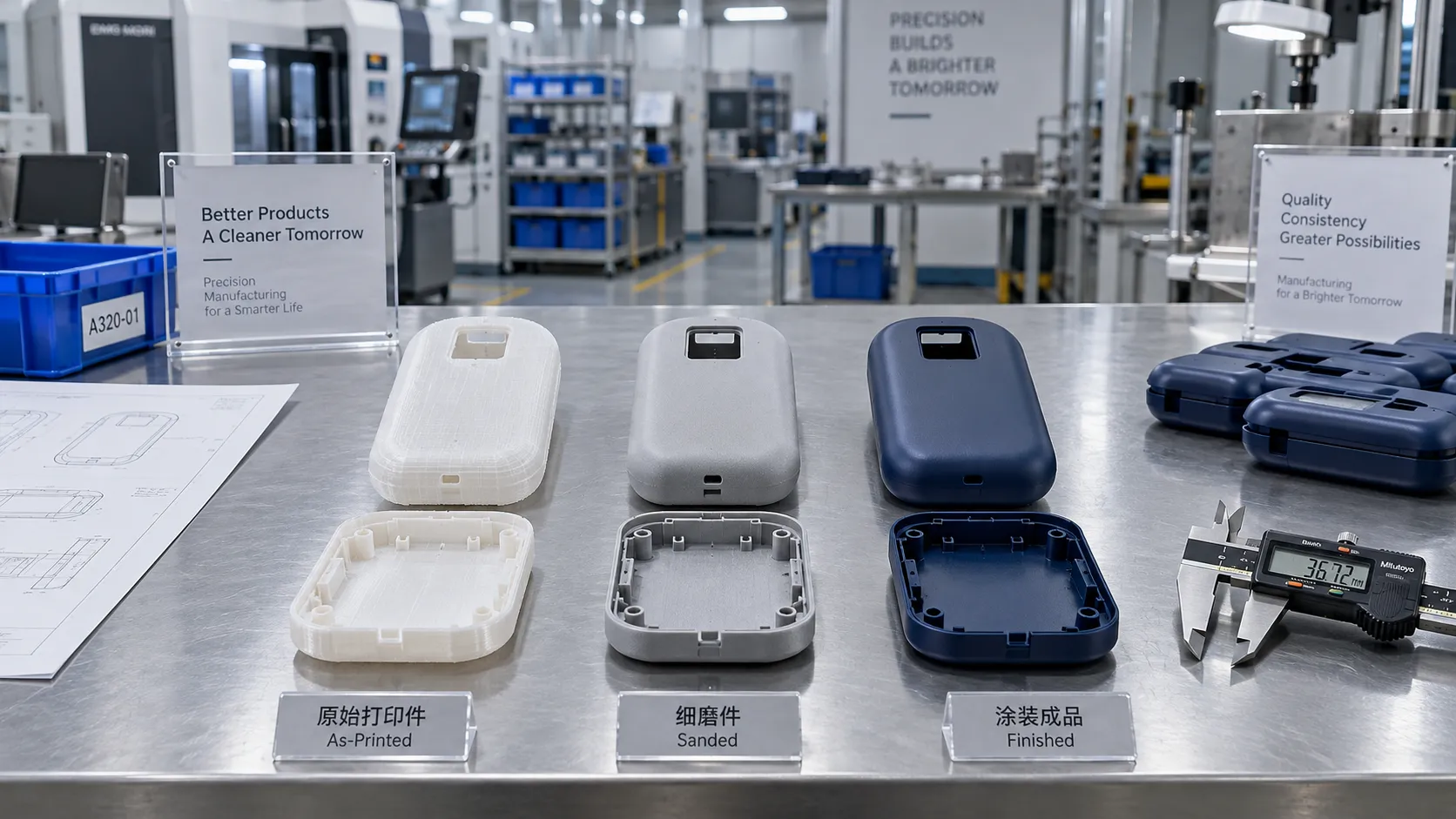
Choosing a 3D Printing Service for Consumer Products: Finish, Fit, and Cost
Compare 3d printing consumer good services by finish, fit, materials, and total cost. Learn how to choose a reliable supplier and avoid costly defects before ordering.
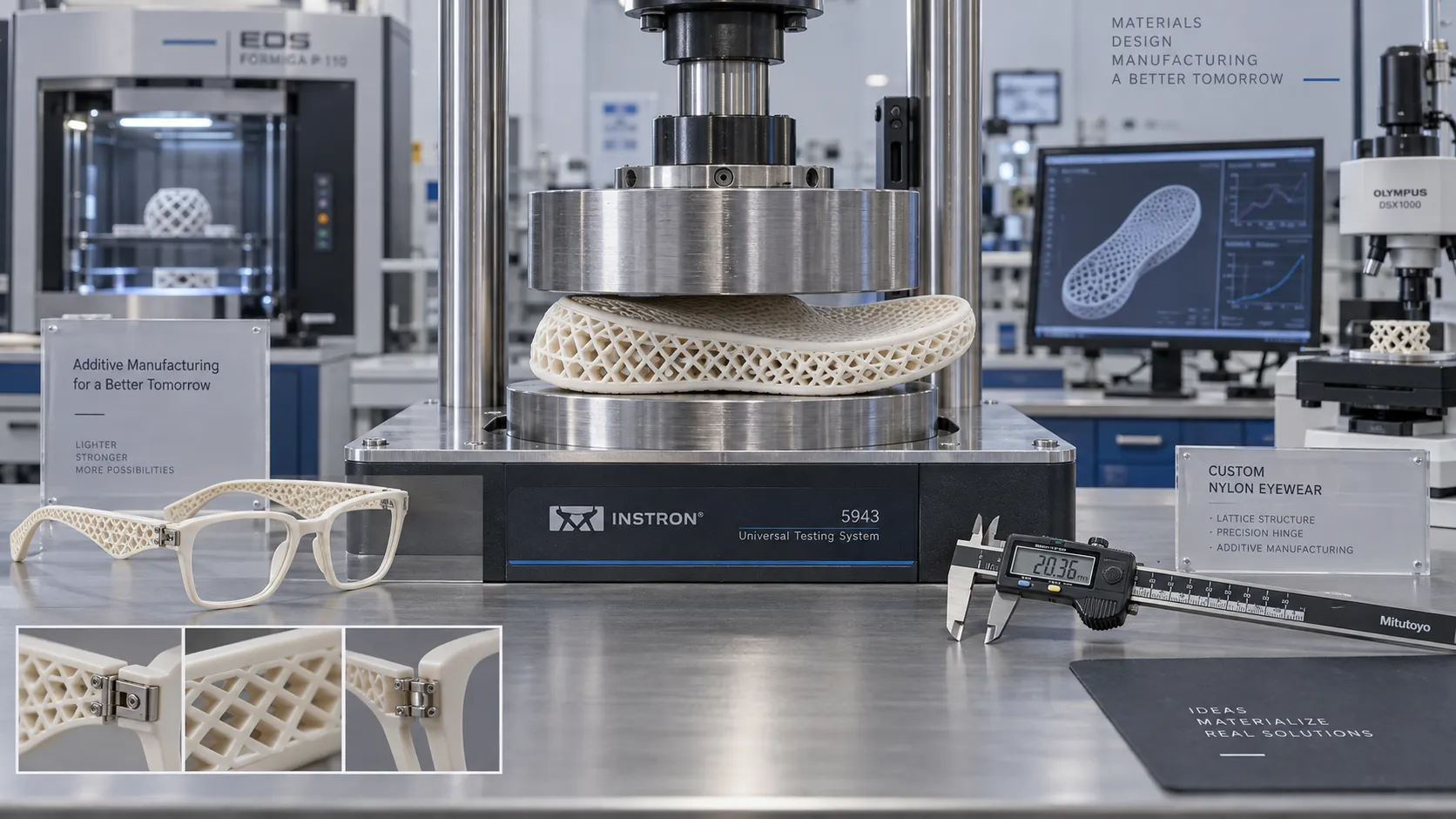
Which Consumer Goods Can Be 3D Printed, and What Are the Practical Limits?
Explore 3d printing consumer goods, from custom eyewear to replacement parts. Discover practical limits on materials, safety, and costs to make smarter production decisions.
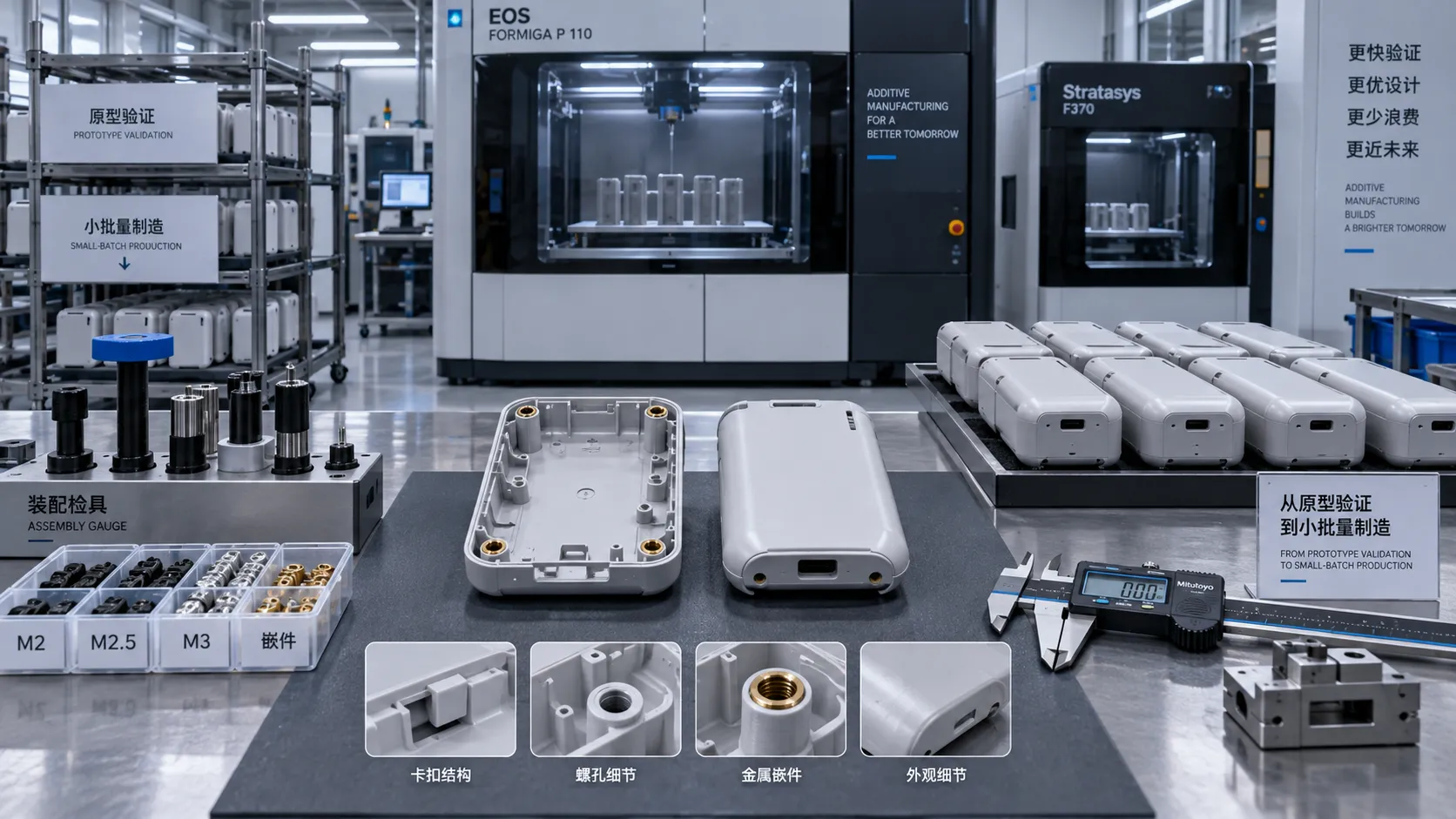
From Prototype to Small Batch: Applying 3D Printing to Consumer Goods
Explore 3d printing in consumer goods: learn how to move from prototype to small-batch production with practical guidance on materials, quality validation, and cost control.
Related News
- 00
0000-00
How to verify part consistency before choosing a 3D printing OEM - 00
0000-00
How does a rigid cryogenic transfer line handle thermal contraction? - 00
0000-00
How much does edge vision deployment cost beyond the hardware? - 00
0000-00
How does the purity of sputtering targets affect thin-film quality? - 00
0000-00
How high power laser cladding systems control substrate dilution
Dr. Julian Volt
Weekly Insights
Stay ahead with our curated technology reports delivered every Monday.