
Helium Leak Detection in Cleanrooms: Common Failure Points

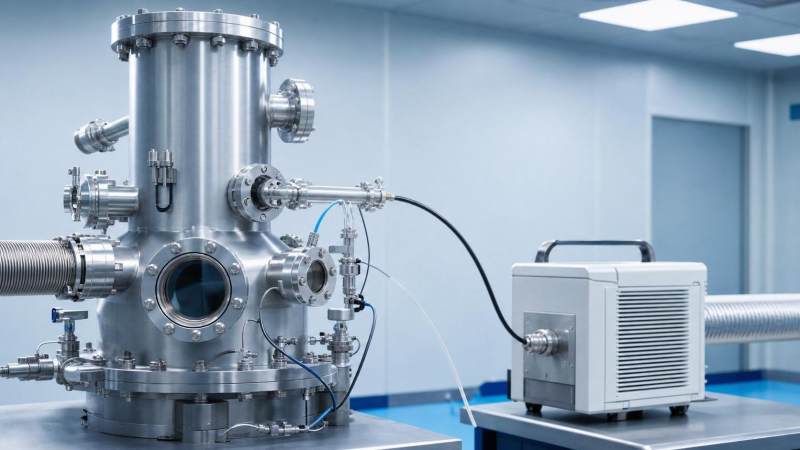
Why does helium leak detection matter so much in a cleanroom?
A cleanroom can look stable while a tiny leak is already damaging yield, vacuum performance, or contamination control.
That is why helium leak detection cleanroom procedures are treated as a reliability discipline, not just a maintenance task.
Helium is used because it is inert, detectable at very low concentrations, and practical for tracing hidden loss paths.
In high-precision spaces, leaks do more than waste gas.
They can pull particles inward, destabilize pressure zones, interrupt drying or coating steps, and trigger false equipment alarms.
The issue appears across semiconductor tools, optical inspection stations, additive manufacturing cells, UHV assemblies, and cryogenic support systems.
This broader industrial overlap is one reason technical benchmarking platforms such as G-AIT track leak integrity against ISO, SEMI, IEEE, and ASTM expectations.
The practical question is not whether leaks exist.
The real question is where helium leak detection cleanroom efforts should focus first, and what failure patterns deserve early attention.
Where do leaks usually start before anyone notices?
Most hidden leaks do not begin in dramatic places.
They usually start at interfaces, transitions, and service points that see vibration, thermal cycling, or repeated opening.
In helium leak detection cleanroom work, the most common failure points include the following:
- Door seals and hatch gaskets that harden, flatten, or collect chemical residue.
- CF, KF, or ISO flange joints with uneven torque or damaged sealing faces.
- Valve stems, bellows, and actuator penetrations exposed to motion and wear.
- Feedthroughs for sensors, cables, and gas lines where assembly strain builds slowly.
- Weld seams affected by microcracks, incomplete fusion, or rework distortion.
- Viewports and bonded windows that experience thermal mismatch.
More often, the leak appears after maintenance, relocation, or a process change.
A chamber that passed testing six months earlier may fail after a line upgrade or utility reconnection.
That is why leak history should be tied to intervention history.
Without that link, teams keep testing the same symptom while missing the recurring cause.
Which signs suggest the failure point is structural, not just procedural?
Some leaks are created by handling errors.
Others point to a deeper design or materials problem.
A useful distinction is whether the leak returns after a correct rebuild.
If the same area repeatedly fails, the failure point may involve stress concentration, poor fit-up, or incompatible materials.
The table below helps sort common observations during helium leak detection cleanroom inspections.
This matters because corrective action changes with the diagnosis.
A recurring weld issue needs fabrication review, while a recurring flange issue may only need stricter assembly control.
Is every helium indication a real leak in a cleanroom?
No, and this is one of the costliest misunderstandings.
Helium leak detection cleanroom results can be distorted by background helium, trapped gas, poor purging, or test geometry.
For example, helium from nearby tools can drift into the sampling zone.
The detector then reports a signal that looks convincing but is not linked to the tested boundary.
Another common issue is virtual leaks.
These come from trapped volumes, blind holes, porous interfaces, or contamination pockets releasing gas slowly.
The reading behaves like a leak, yet the pressure boundary may still be intact.
A more reliable approach is to confirm three things before making a repair decision:
- The baseline is stable and repeatable.
- The signal rises when helium is applied locally, not generically.
- The response falls away when the source is removed or the area is isolated.
In practical terms, clean interpretation is as important as sensitive instrumentation.
That is why advanced benchmarking in vacuum and cryogenic engineering increasingly compares test method discipline, not only detector specifications.
How should testing change across different cleanroom applications?
The same helium leak detection cleanroom method does not fit every process environment.
A UHV research chamber, a laser processing enclosure, and a machine vision inspection module fail in different ways.
In optical and laser systems, vibration and thermal loading often affect viewports, cable feedthroughs, and purge interfaces.
In additive manufacturing, powder handling and repeated access cycles create higher risk around doors, gloves, and transfer ports.
In graphene, nano-material, and contamination-sensitive lines, even a very small ingress path can distort material behavior or downstream measurement.
The more useful planning method is to test by exposure profile, not by equipment label.
Ask which areas see heat, motion, cleaning chemistry, pressure cycling, or repetitive operator contact.
Those zones usually deserve the shortest retest interval.
This cross-sector view aligns with how G-AIT maps industrial risk.
The same leak mechanism can appear in very different tools, even when the process objective is completely different.
What mistakes make leak detection slower, more expensive, or less reliable?
The biggest mistake is treating leak testing as a pass-or-fail event at the end.
By that point, the team is already under time pressure, and diagnosis becomes rushed.
Several avoidable errors show up repeatedly:
- Testing before temperature and pressure conditions are stable.
- Skipping surface inspection and replacing seals too early.
- Applying too much helium, which masks the actual failure point.
- Ignoring assembly records, torque order, and maintenance changes.
- Using one acceptance limit for all tools, regardless of function.
Another expensive habit is separating quality records from engineering records.
When leak rate, repair history, part lot, and process upset data sit in different systems, pattern recognition becomes weak.
A better model is to track leak events alongside material batches, service actions, and cycle exposure.
That turns helium leak detection cleanroom work into a prevention tool instead of a recurring emergency response.
What is a practical next step if failure points keep returning?
Start with a ranked failure map.
List every repeat leak by location, trigger condition, repair method, and time to recurrence.
Then separate them into three groups: assembly-sensitive points, wear-driven points, and design-sensitive points.
That simple classification often reveals where the real cost sits.
For fast control, focus on these actions:
- Define retest intervals by risk zone instead of calendar alone.
- Standardize torque, seal handling, and cleaning steps for known weak interfaces.
- Use localized confirmation before opening major assemblies.
- Review recurring points against applicable ISO, SEMI, IEEE, or ASTM guidance.
- Benchmark leak performance across similar assets, not just within one line.
In the end, helium leak detection cleanroom programs work best when they connect testing, root cause review, and design feedback.
The goal is not simply to find leaks faster.
It is to reduce repeat failures, protect process integrity, and make future maintenance more predictable.
A sensible next move is to audit the top five leak-prone interfaces, compare their history with current test limits, and adjust the inspection plan before the next process disruption appears.
Related News
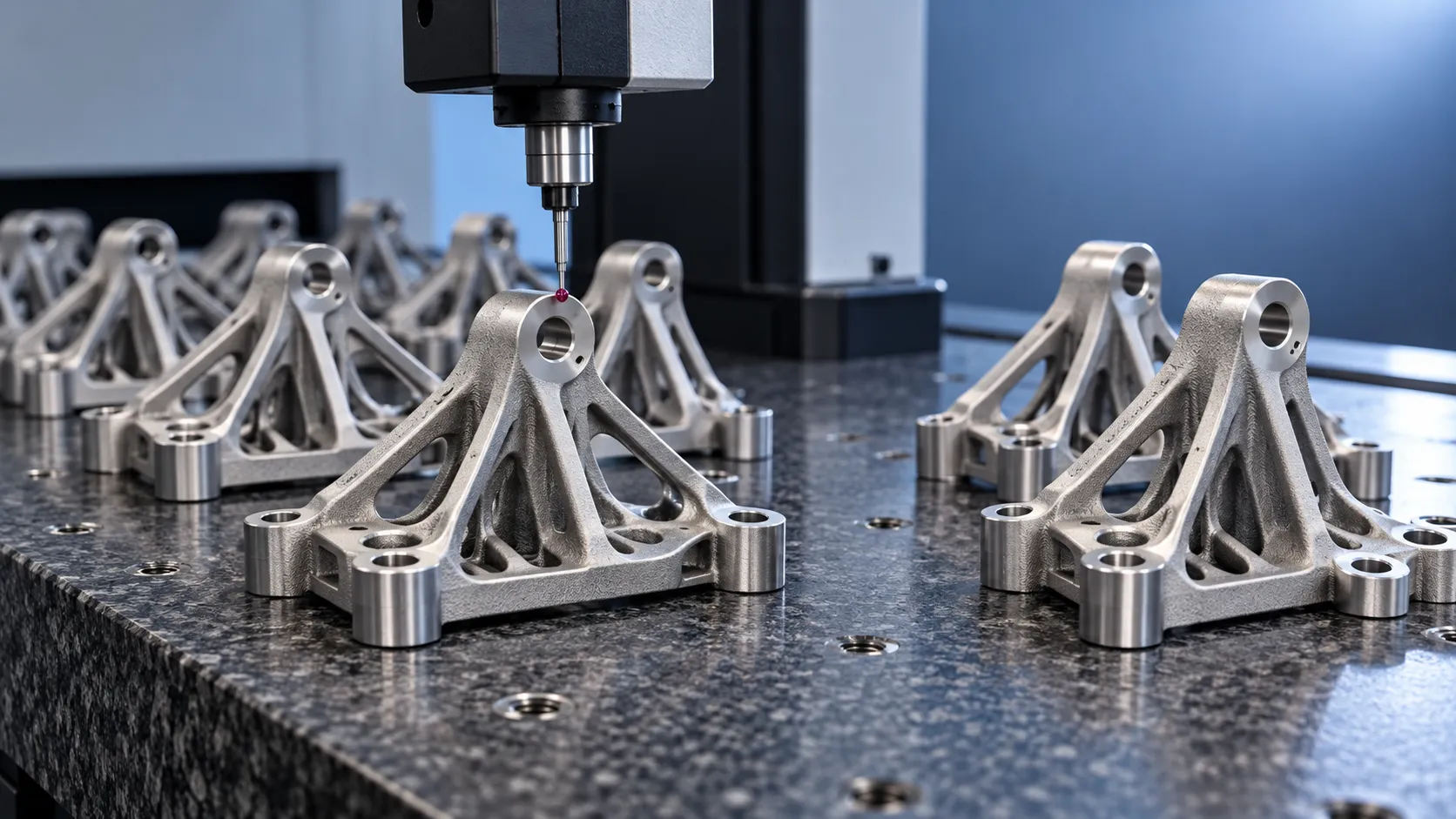
How to verify part consistency before choosing a 3D printing OEM
Choosing a 3D printing OEM? Learn how to verify part consistency with repeat-build trials, validated inspections, and traceability checks before committing to production.
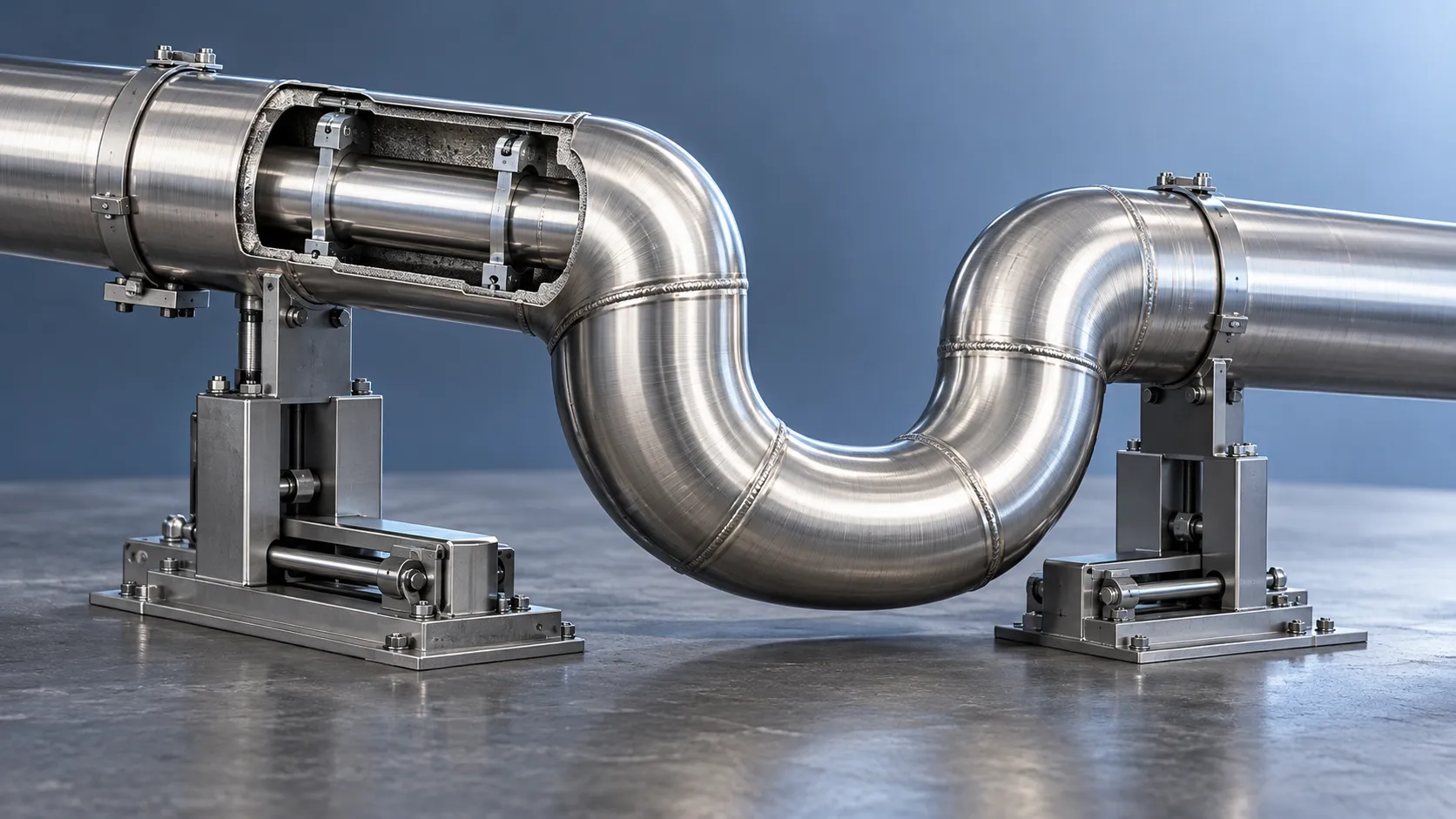
How does a rigid cryogenic transfer line handle thermal contraction?
Learn how a rigid cryogenic transfer line manages thermal contraction with bends, bellows, and guided supports. Discover key design checks for safe, reliable cryogenic performance.

How much does edge vision deployment cost beyond the hardware?
Understand edge vision deployment cost beyond hardware, from data and integration to security and support. Uncover hidden expenses and build a smarter lifecycle budget before you scale.

How does the purity of sputtering targets affect thin-film quality?
Discover how sputtering targets affect thin-film quality. Learn to assess purity, identify harmful impurities, and choose specifications that improve coating performance.

How high power laser cladding systems control substrate dilution
Discover how high power laser cladding systems control substrate dilution through beam shaping, material feed, and thermal management to deliver reliable bonds and coating performance.

How to check HS codes for customs compliance in international logistics
Strengthen international logistics customs compliance: learn how to verify HS codes, check official tariffs, and document classifications to reduce costly shipment delays.
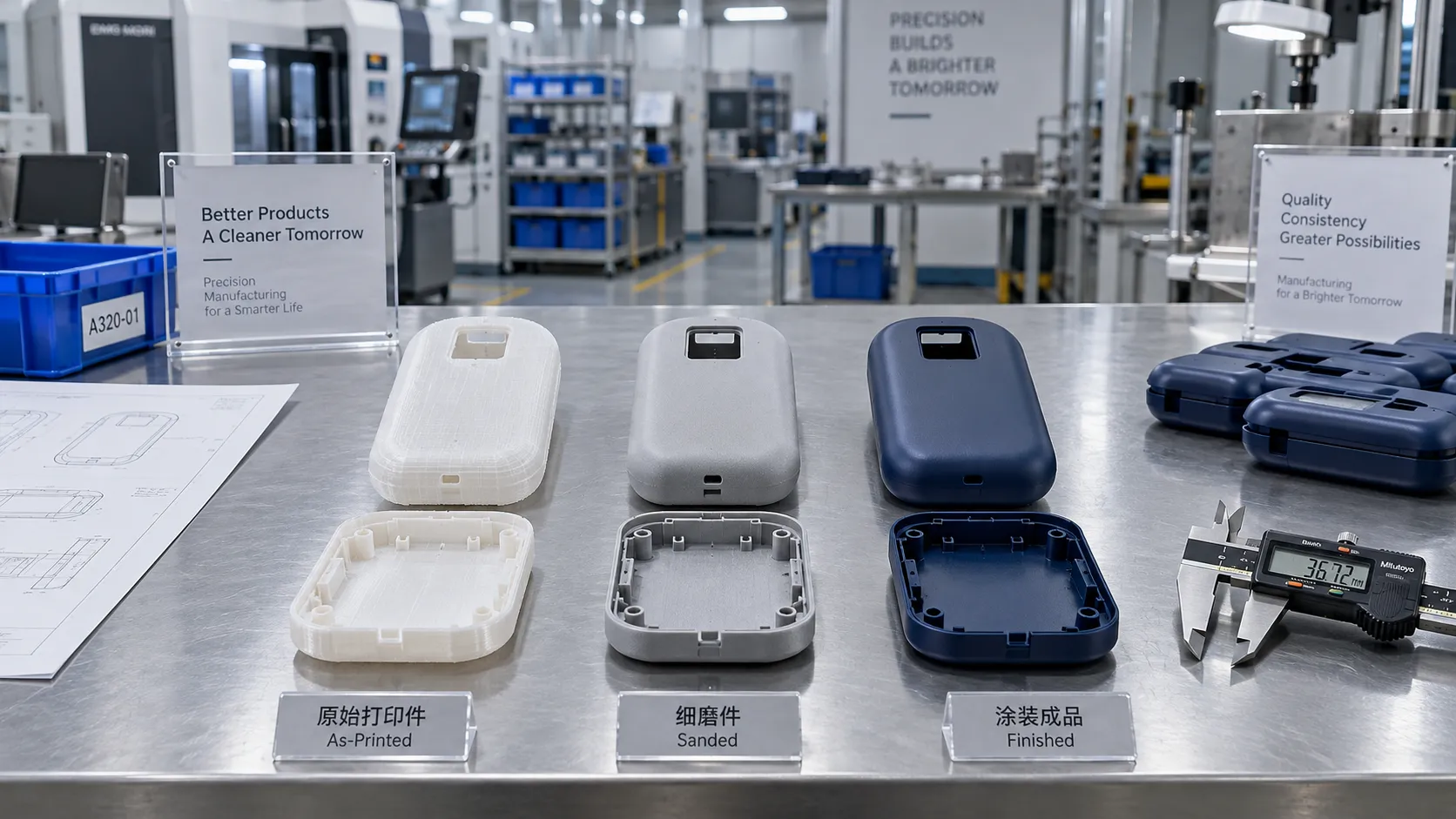
Choosing a 3D Printing Service for Consumer Products: Finish, Fit, and Cost
Compare 3d printing consumer good services by finish, fit, materials, and total cost. Learn how to choose a reliable supplier and avoid costly defects before ordering.
Which Consumer Goods Can Be 3D Printed, and What Are the Practical Limits?
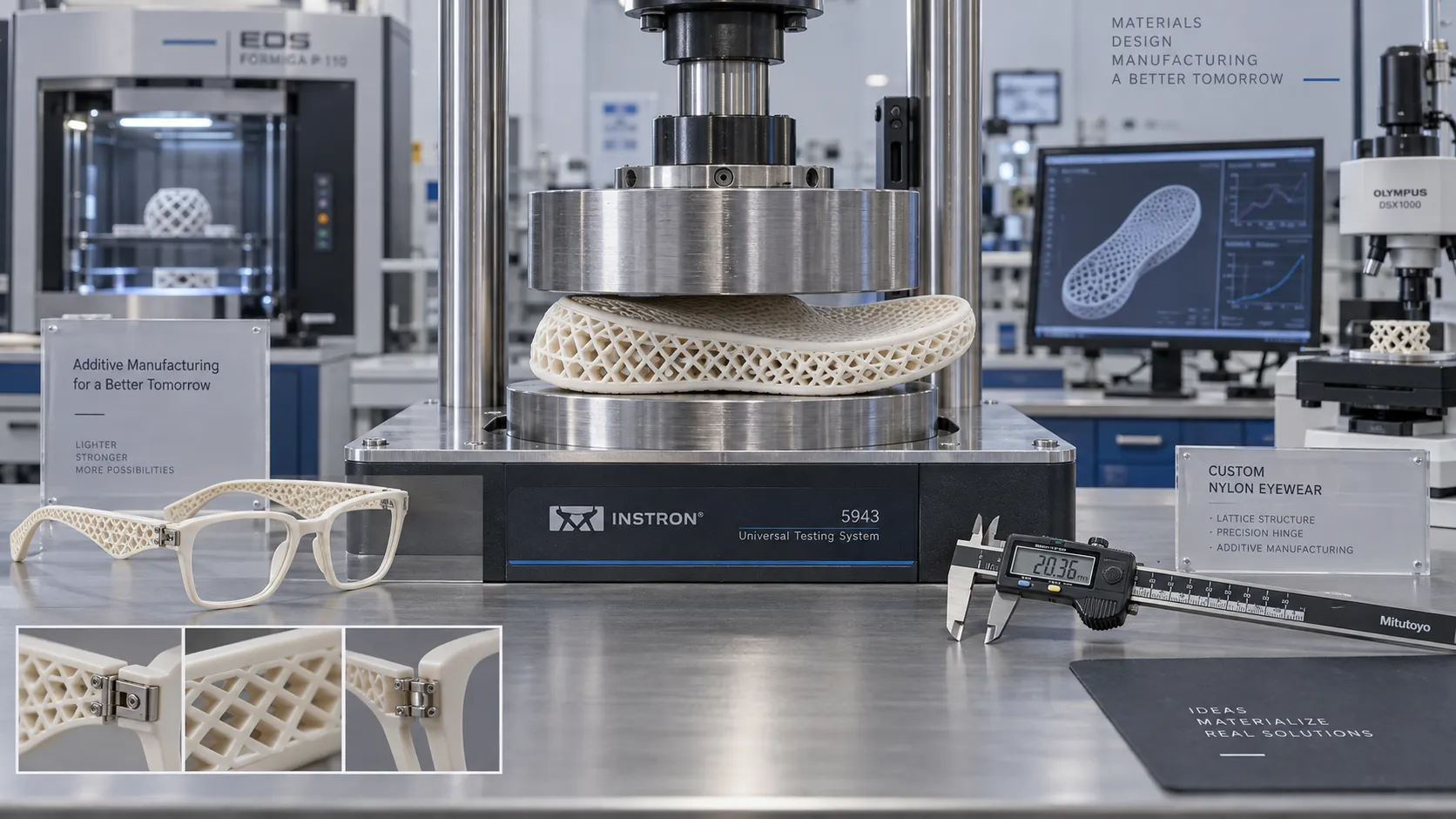
Explore 3d printing consumer goods, from custom eyewear to replacement parts. Discover practical limits on materials, safety, and costs to make smarter production decisions.

From Prototype to Small Batch: Applying 3D Printing to Consumer Goods
Explore 3d printing in consumer goods: learn how to move from prototype to small-batch production with practical guidance on materials, quality validation, and cost control.
Related News
- 00
0000-00
How to verify part consistency before choosing a 3D printing OEM - 00
0000-00
How does a rigid cryogenic transfer line handle thermal contraction? - 00
0000-00
How much does edge vision deployment cost beyond the hardware? - 00
0000-00
How does the purity of sputtering targets affect thin-film quality? - 00
0000-00
How high power laser cladding systems control substrate dilution
Dr. Julian Volt
Weekly Insights
Stay ahead with our curated technology reports delivered every Monday.