
UHV Technology in Quantum Computing: Chamber Stability Benchmarks

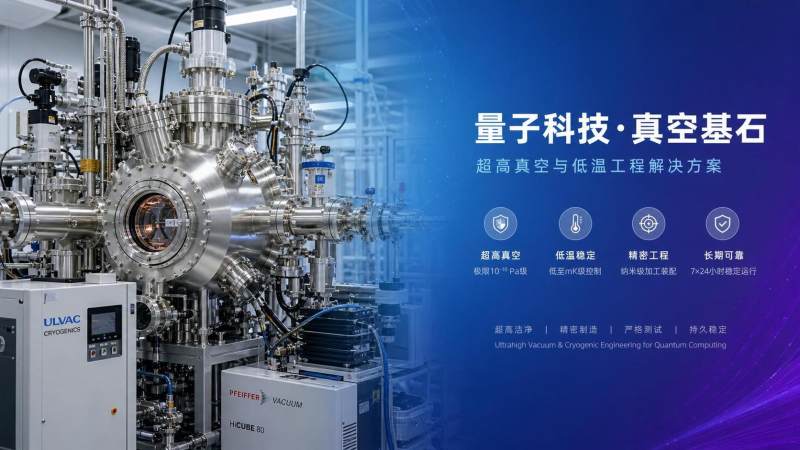
Quantum hardware no longer lives only in isolated research labs. As platforms scale, uhv technology in quantum computing becomes a practical benchmark for chamber uptime, contamination control, and repeatable device behavior across longer development cycles.
That shift matters because vacuum performance now influences not only physics outcomes, but also procurement timing, integration risk, maintenance planning, and supplier qualification. Chamber stability benchmarks help convert ambitious quantum roadmaps into measurable engineering decisions.
Within this context, G-AIT treats vacuum and cryogenic engineering as part of a wider industrial reliability framework. The value is not in isolated specifications alone, but in verified comparisons aligned with standards, supply-chain realities, and long-term system integrity.
Why chamber stability now defines quantum infrastructure quality
In quantum systems, vacuum chambers do far more than create a clean enclosure. They stabilize the physical environment surrounding trapped ions, neutral atoms, superconducting support assemblies, and precision measurement subsystems.
If pressure drifts, outgassing rises, or thermal transitions destabilize seals, the problem appears downstream as decoherence, calibration drift, inconsistent loading rates, or extended recovery time after maintenance events.
This is why uhv technology in quantum computing is judged less by a single headline pressure value and more by stability over time. A chamber that reaches target vacuum briefly is not equal to one that holds it under real operating stress.
From an industrial perspective, stability benchmarks also support cross-functional decisions. Mechanical design, material selection, process qualification, contamination protocols, and service intervals all intersect inside the chamber envelope.
What a meaningful UHV benchmark actually includes
A useful benchmark should describe how the chamber behaves before, during, and after operational change. Static pressure data is necessary, but it is only the starting point.
Core parameters that deserve close attention
- Base pressure after full bake-out, including time required to reach it.
- Pressure stability under thermal cycling, pump switching, and instrument operation.
- Leak rate performance, especially after repeated flange access or maintenance events.
- Residual gas composition, not only total pressure, to identify water, hydrocarbons, or hydrogen dominance.
- Outgassing contribution from chamber materials, feedthroughs, coatings, and internal fixtures.
- Recovery time after venting, component replacement, or unplanned pressure excursions.
In practice, these metrics reveal whether a chamber is suitable for continuous experimentation, pilot-scale deployment, or multi-node system integration. They also help distinguish laboratory-grade claims from production-ready performance.
The industry is watching more than pressure numbers
The current market pays close attention to repeatability. Quantum developers increasingly need chambers that perform consistently across sites, builds, and service cycles, not only under one controlled acceptance test.
That is where benchmark repositories and third-party technical intelligence become useful. G-AIT’s broader model reflects this need by comparing advanced systems against ISO, SEMI, IEEE, and ASTM-aligned expectations wherever relevant.
For uhv technology in quantum computing, this means asking how data was generated, what test conditions were used, and whether the chamber was evaluated with realistic assemblies, not an ideal empty configuration.
Another major concern is transferability. A chamber may look excellent in a prototype build, yet behave differently when integrated with optics, cryogenic interfaces, wiring density, magnetic shielding, or automation hardware.
Signals that often separate robust systems from optimistic claims
Where uhv technology in quantum computing creates business value
The value is often underestimated because vacuum quality is treated as background infrastructure. In reality, it shapes cost, pace, and confidence across the entire quantum program.
A stable chamber reduces failed runs, shortens recalibration intervals, and lowers the frequency of contamination-driven troubleshooting. That directly improves lab utilization and makes technical milestones easier to forecast.
It also supports cleaner supplier conversations. When chamber stability benchmarks are defined early, evaluation moves away from vague claims and toward comparable evidence on materials, seals, pump architecture, instrumentation, and serviceability.
In multi-site programs, benchmark discipline helps align development and manufacturing teams. Shared vacuum criteria reduce redesign loops when prototypes transition into repeatable builds or specialized pilot environments.
This is one reason uhv technology in quantum computing now sits inside a broader industrial conversation, alongside machine vision, additive manufacturing, and advanced materials. The common theme is verifiable performance under demanding operating conditions.
Typical scenarios that change the benchmark priority
Not every quantum architecture stresses the chamber in the same way. Benchmark priorities shift according to geometry, access requirements, operating temperature, and maintenance cadence.
Examples of how priorities differ
- Trapped-ion platforms often emphasize ultra-clean residual gas profiles, optical access integrity, and minimal disturbance during long experimental sequences.
- Neutral atom systems may prioritize chamber geometry, viewport stability, and contamination control affecting laser alignment and atom loading consistency.
- Hybrid cryogenic assemblies require closer attention to thermal transitions, material compatibility, and vacuum recovery after subsystem interventions.
- Scale-up environments usually place more weight on maintenance repeatability, supplier standardization, and service documentation.
Because of these differences, the best benchmark set is not the longest checklist. It is the shortest set that still captures the dominant failure modes of the intended operating scenario.
How to assess supplier data without losing technical nuance
A common mistake is to compare suppliers only by nominal vacuum level. Strong evaluation asks whether the chamber data is reproducible, context-rich, and relevant to the final system architecture.
Questions that sharpen the review process
- Was the reported performance measured on a bare chamber or a populated assembly?
- Which materials, seals, coatings, and internal components were present during testing?
- How many thermal or service cycles were completed before final data was recorded?
- Was residual gas analysis included, and were contamination peaks explained?
- How long does the system need to recover after access, repair, or transport?
- Are the benchmark methods documented in a way that another site could repeat?
These questions help translate uhv technology in quantum computing into procurement logic. They make it easier to compare risk exposure, not just technical ambition.
A practical path forward
The next step is usually not a larger specification sheet. It is a clearer benchmark framework tied to the chamber’s actual role in the quantum stack.
Start by ranking operating conditions that could destabilize performance, such as thermal cycling, optical access changes, feedthrough density, or maintenance frequency. Then map those risks to measurable vacuum indicators.
After that, compare supplier evidence against the same test logic. A benchmark repository such as G-AIT becomes most useful when it supports side-by-side review of data quality, standards alignment, and long-term service implications.
For organizations building quantum capability over several phases, the strongest position comes from treating uhv technology in quantum computing as a strategic infrastructure decision. Stable chambers protect experimental validity today and reduce scaling friction tomorrow.
Related News
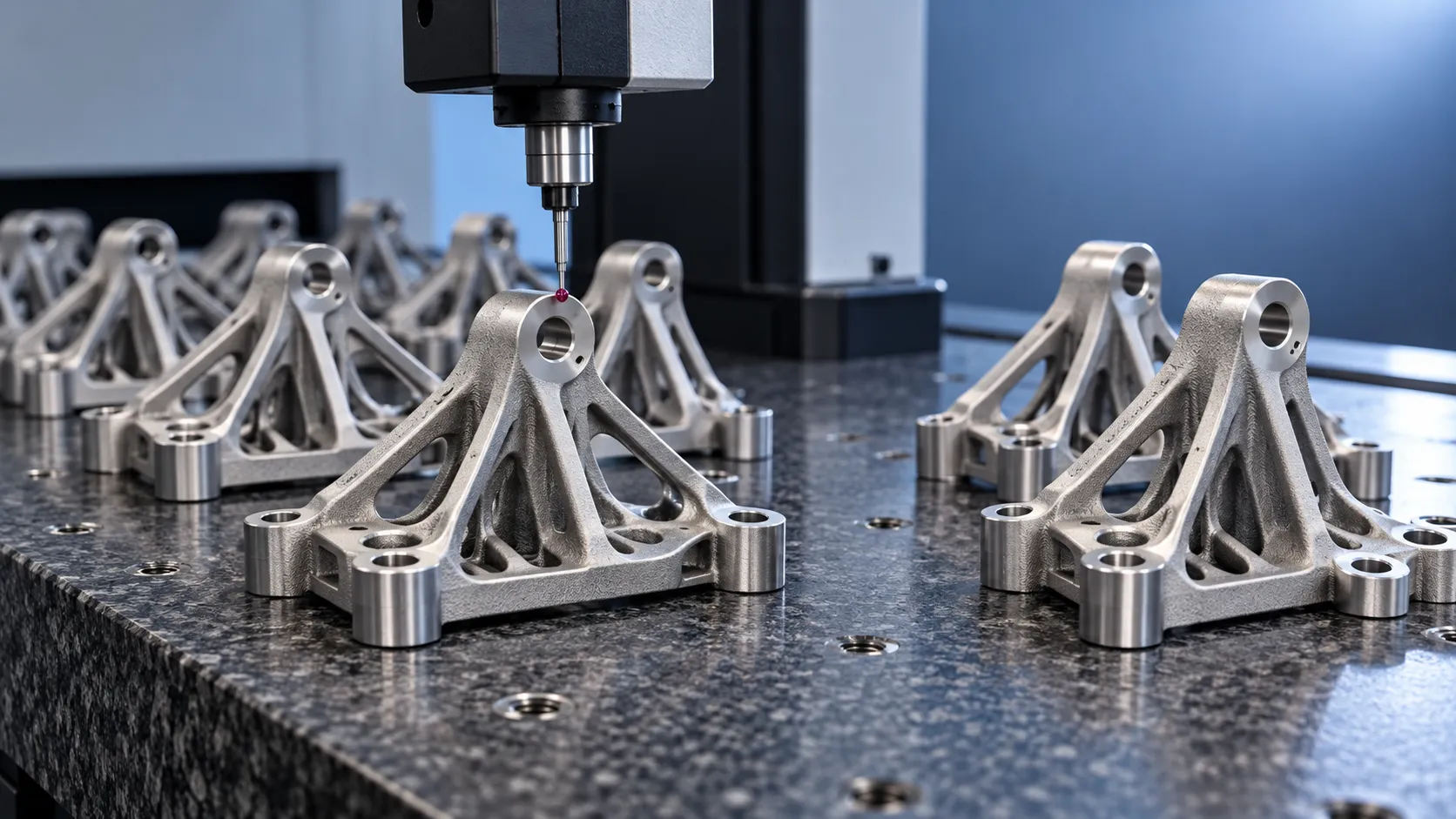
How to verify part consistency before choosing a 3D printing OEM
Choosing a 3D printing OEM? Learn how to verify part consistency with repeat-build trials, validated inspections, and traceability checks before committing to production.
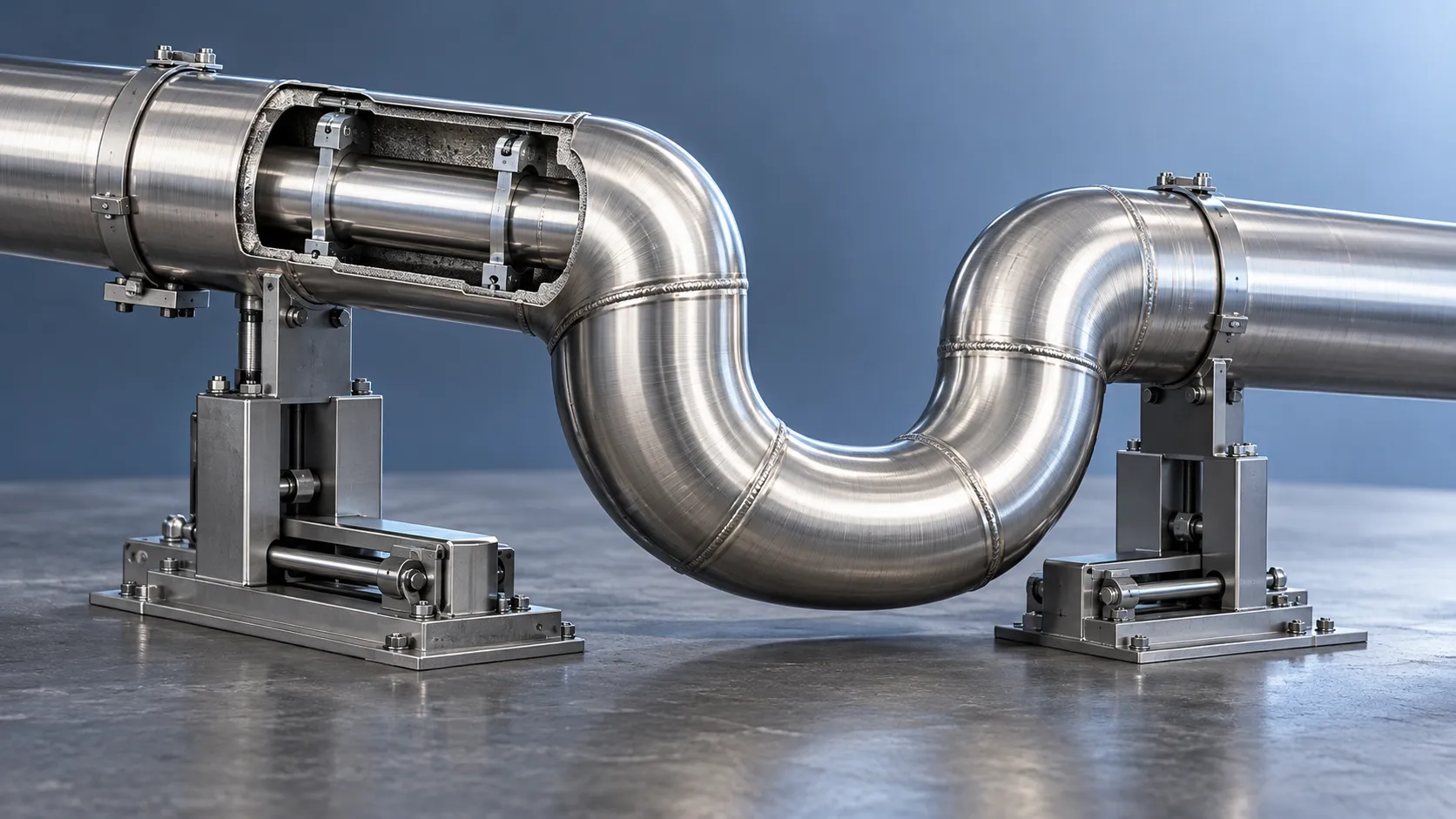
How does a rigid cryogenic transfer line handle thermal contraction?
Learn how a rigid cryogenic transfer line manages thermal contraction with bends, bellows, and guided supports. Discover key design checks for safe, reliable cryogenic performance.
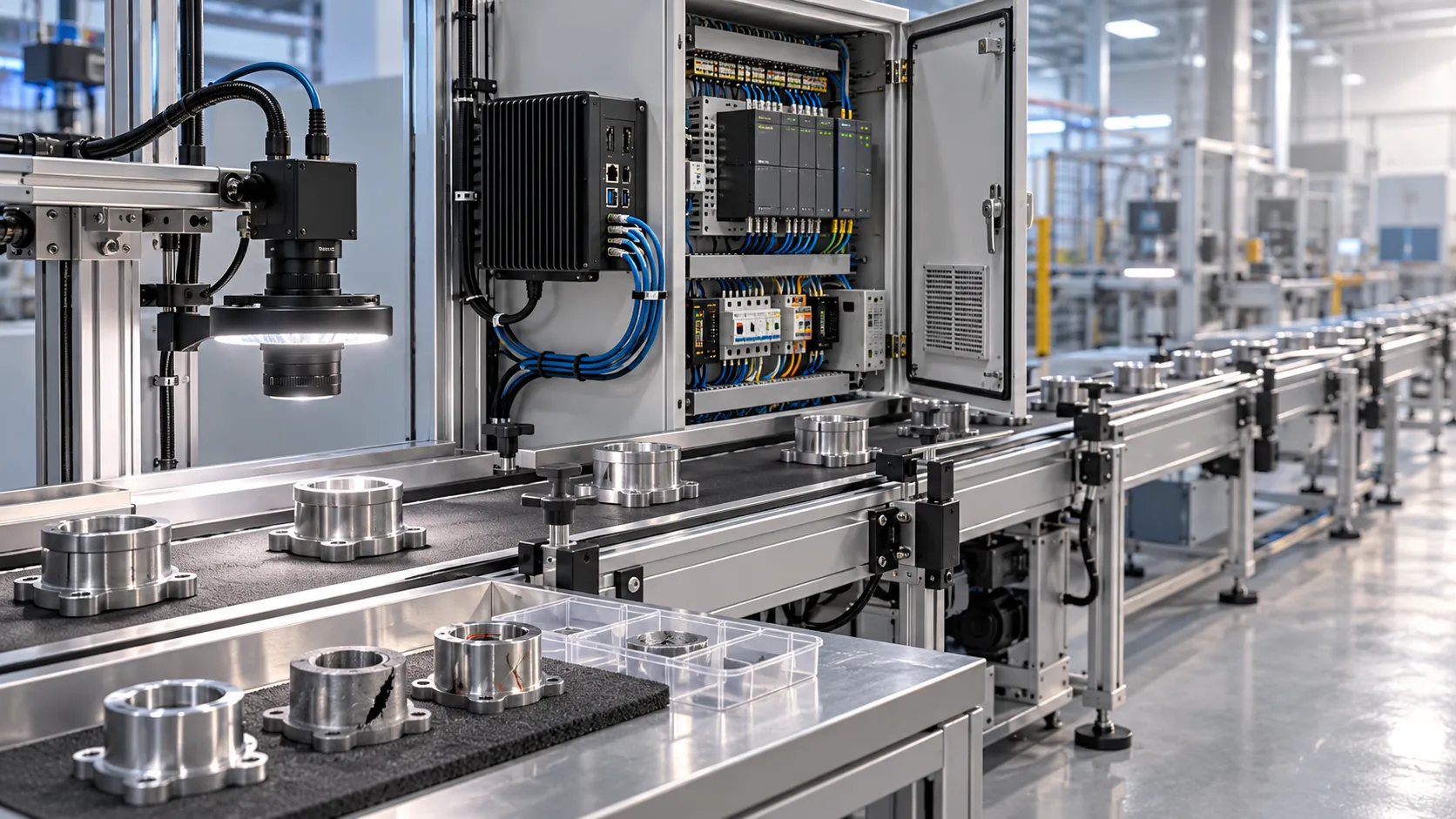
How much does edge vision deployment cost beyond the hardware?
Understand edge vision deployment cost beyond hardware, from data and integration to security and support. Uncover hidden expenses and build a smarter lifecycle budget before you scale.
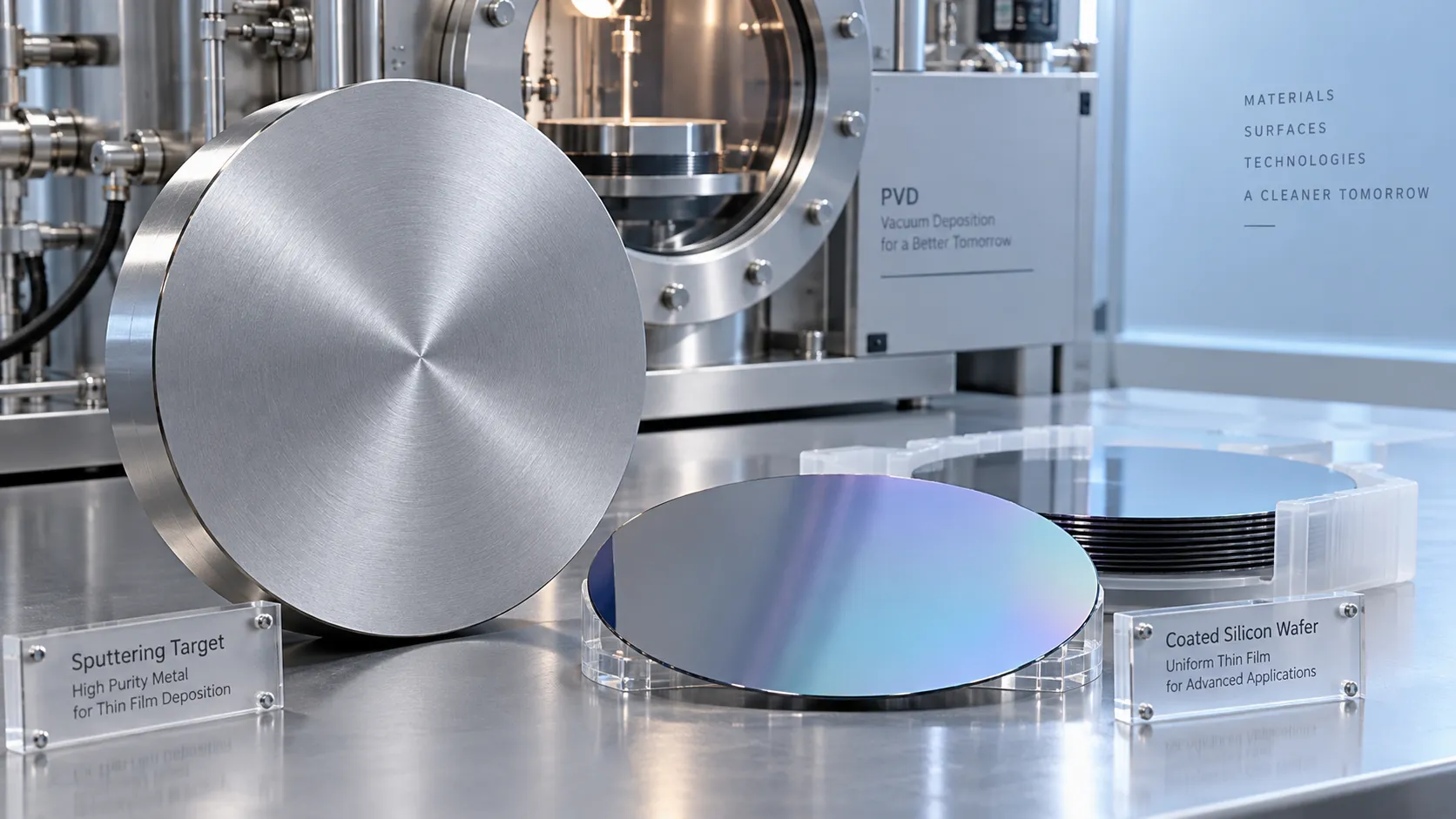
How does the purity of sputtering targets affect thin-film quality?
Discover how sputtering targets affect thin-film quality. Learn to assess purity, identify harmful impurities, and choose specifications that improve coating performance.
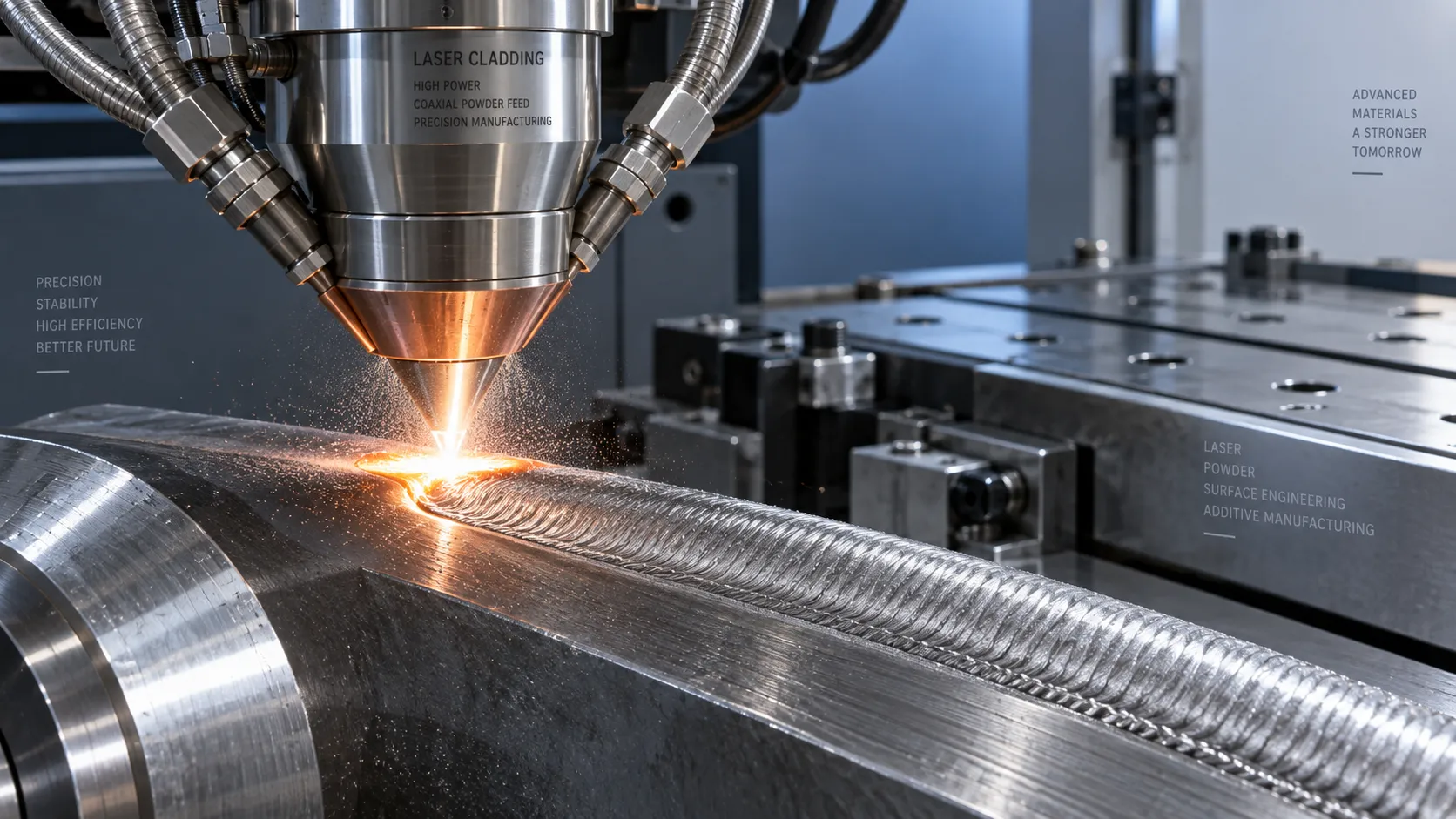
How high power laser cladding systems control substrate dilution
Discover how high power laser cladding systems control substrate dilution through beam shaping, material feed, and thermal management to deliver reliable bonds and coating performance.

How to check HS codes for customs compliance in international logistics
Strengthen international logistics customs compliance: learn how to verify HS codes, check official tariffs, and document classifications to reduce costly shipment delays.
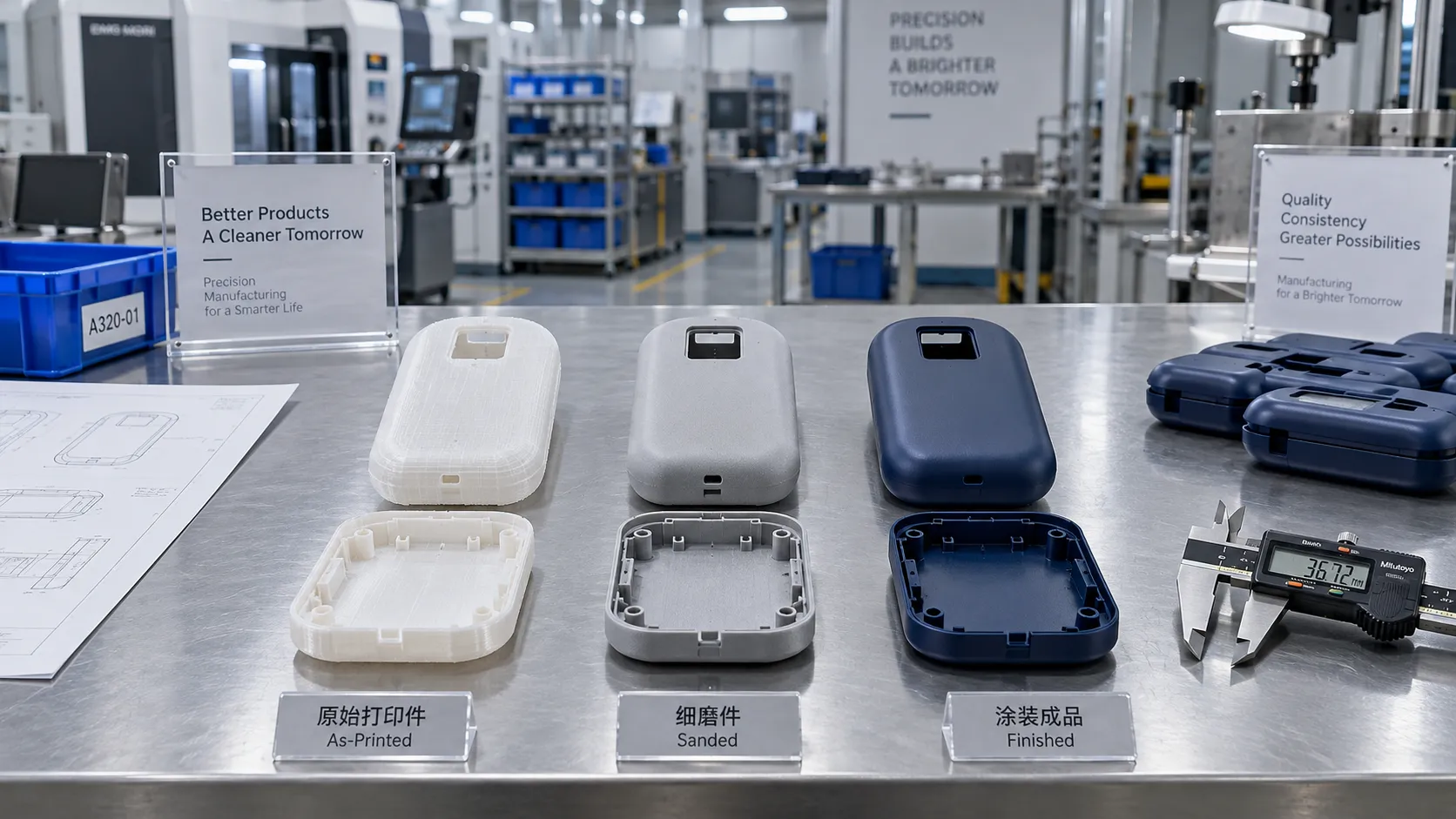
Choosing a 3D Printing Service for Consumer Products: Finish, Fit, and Cost
Compare 3d printing consumer good services by finish, fit, materials, and total cost. Learn how to choose a reliable supplier and avoid costly defects before ordering.
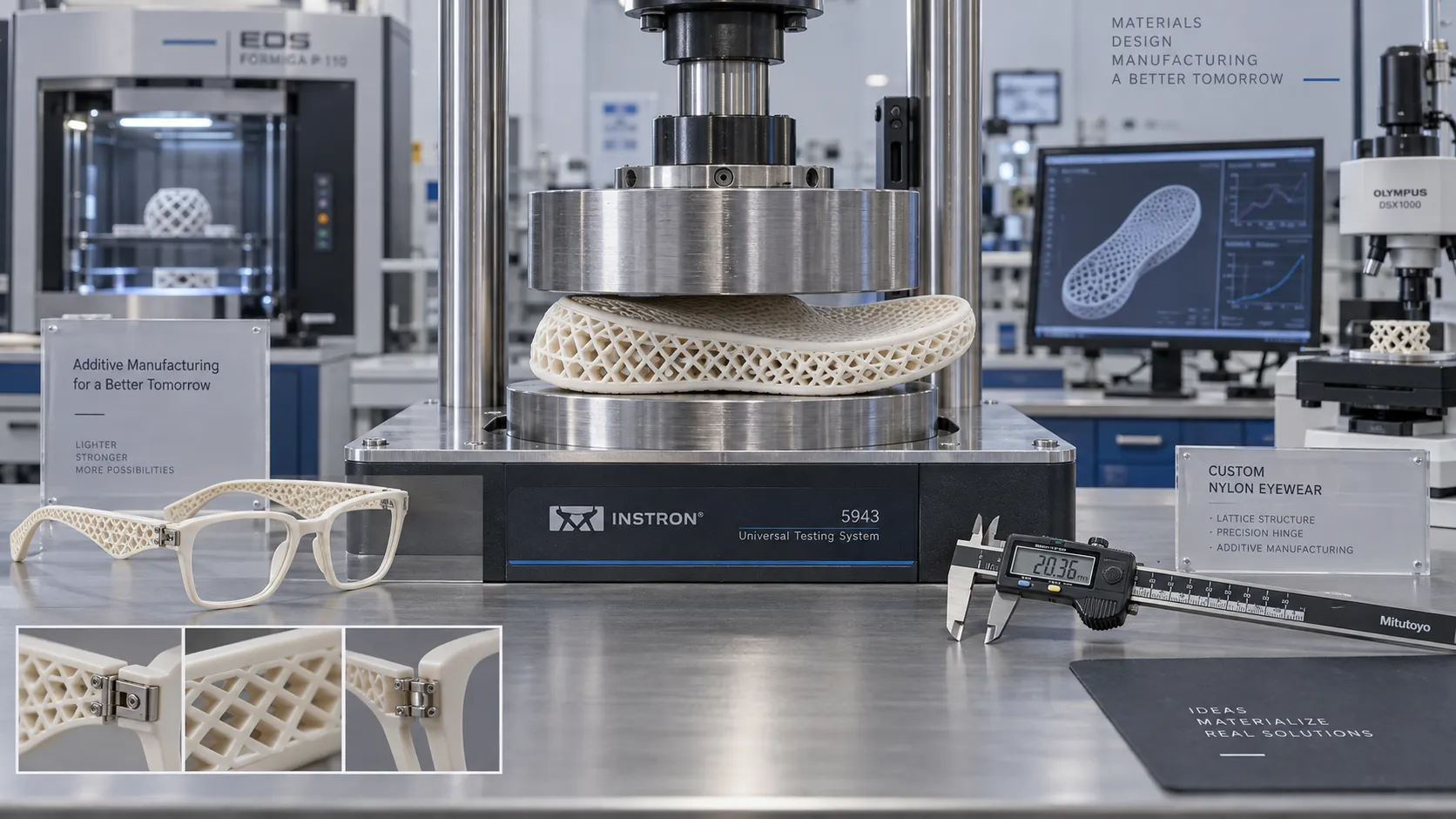
Which Consumer Goods Can Be 3D Printed, and What Are the Practical Limits?
Explore 3d printing consumer goods, from custom eyewear to replacement parts. Discover practical limits on materials, safety, and costs to make smarter production decisions.
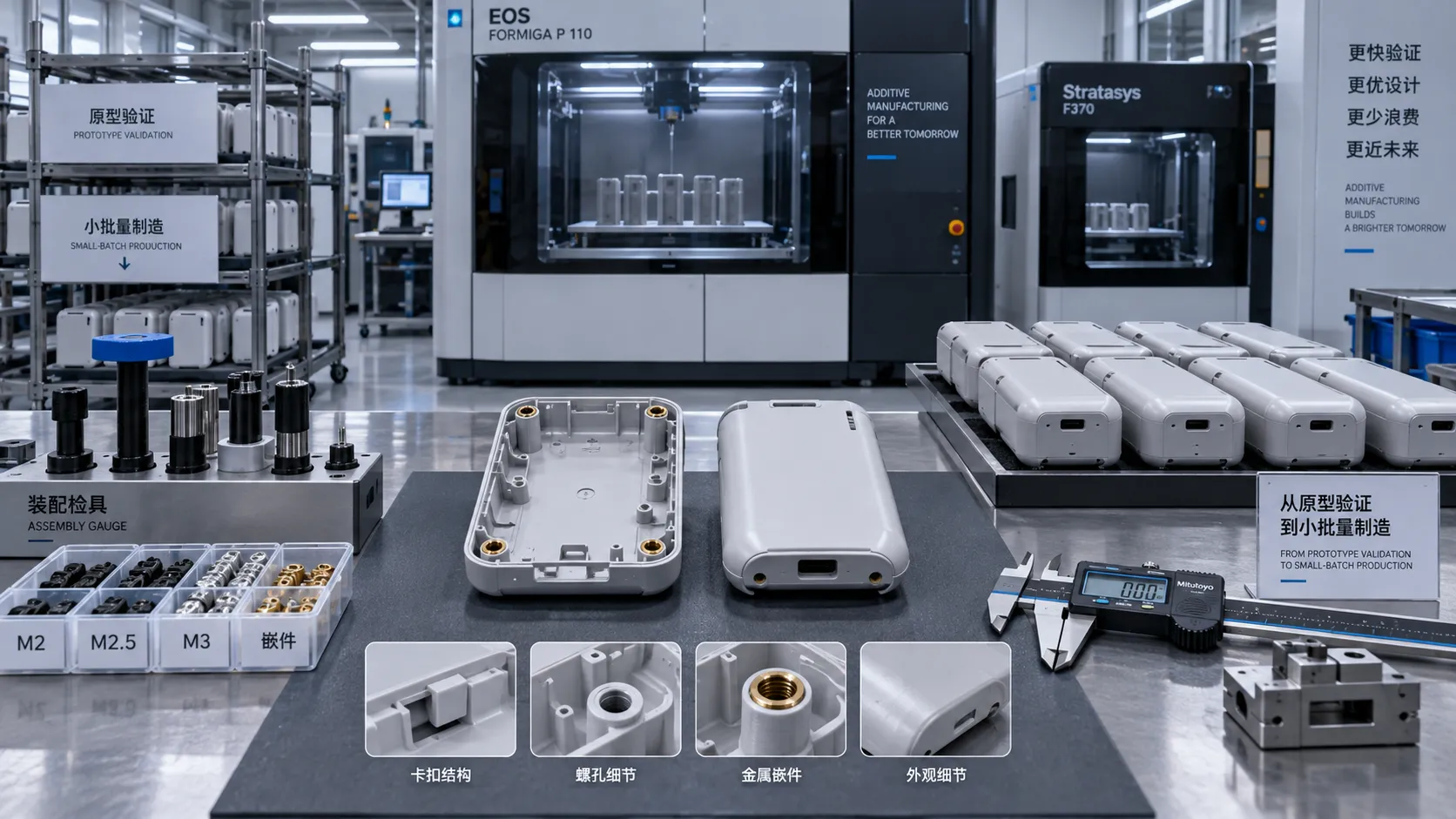
From Prototype to Small Batch: Applying 3D Printing to Consumer Goods
Explore 3d printing in consumer goods: learn how to move from prototype to small-batch production with practical guidance on materials, quality validation, and cost control.
Related News
- 00
0000-00
How to verify part consistency before choosing a 3D printing OEM - 00
0000-00
How does a rigid cryogenic transfer line handle thermal contraction? - 00
0000-00
How much does edge vision deployment cost beyond the hardware? - 00
0000-00
How does the purity of sputtering targets affect thin-film quality? - 00
0000-00
How high power laser cladding systems control substrate dilution
Dr. Julian Volt
Weekly Insights
Stay ahead with our curated technology reports delivered every Monday.