
How Raw Material Choices Impact UHV Chamber Costs


Why does raw material selection change UHV chamber cost so much?
The impact of raw material on chamber costs starts well before fabrication begins. It affects sourcing, machining time, weld quality, polishing effort, and final validation.
In UHV systems, the chamber body is not just a container. It is part of the performance envelope, especially for outgassing, leak stability, and contamination control.
That is why two chambers with similar dimensions can show very different price levels. The metal grade, plate origin, traceability, and surface finish requirements all shift the budget.
For finance review, the more useful question is not only “What does the chamber cost?” It is “What cost behavior does this material choice create over five to ten years?”
This is also where G-AIT’s benchmarking perspective matters. In high-tech procurement, material decisions are evaluated against standards, process stability, and compliance evidence, not just base metal prices.
Is stainless steel always the safest choice for cost control?
Not always, although it is often the default. Stainless steel, especially 304L and 316L, remains common because it balances vacuum performance, weldability, and supply availability.
The impact of raw material on chamber costs becomes clearer when comparing these grades. 316L usually costs more than 304L, but it may reduce corrosion concerns in aggressive environments.
That extra material cost can be justified when maintenance access is difficult, or when contamination events would interrupt expensive process time.
In practical terms, stainless steel cost is driven by more than alloy content:
- Certified low-carbon grades often carry higher procurement prices.
- Thicker walls increase both raw stock and machining expense.
- Electropolishing and vacuum bake preparation add processing cost.
- Full material traceability can raise the quote, but lowers audit risk.
So yes, stainless steel is usually a stable option, but it is not automatically the cheapest route. The safer choice depends on lifecycle exposure, not catalog price alone.
When do aluminum or specialty metals make financial sense?
A lower metal price does not always mean a lower chamber cost. Aluminum may appear attractive because it is lighter and often faster to machine.
However, UHV applications can demand stricter surface treatment, sealing strategy, and thermal management. Those extra steps can offset the initial material savings.
Specialty metals such as titanium, Inconel, or oxygen-free copper usually enter the discussion for a reason. That reason may be magnetic cleanliness, thermal conductivity, or chemical compatibility.
In those cases, the impact of raw material on chamber costs should be viewed as a performance premium. The material is not inflating cost without purpose. It is buying a specific risk reduction.
A useful comparison is below:
The table matters because many overspends come from mismatched materials, not from premium materials themselves.
What hidden cost drivers are usually missed in UHV chamber quotes?
This is where budgeting often becomes inaccurate. Raw material cost is visible, but the cost behavior around that material is less obvious.
The impact of raw material on chamber costs often expands through secondary operations. A difficult alloy may require slower cutting speeds, more tool wear, and tighter weld qualification.
Surface treatment is another hidden factor. UHV chambers frequently need electropolishing, passivation, or specialized cleaning to meet outgassing targets.
Then there is inspection. Material certifications, helium leak testing, dimensional verification, and vacuum bake validation can vary according to material sensitivity and end-use risk.
Common missed cost drivers include:
- Scrap rates caused by distortion during welding.
- Extra lead time for export-controlled or specialty stock.
- Rework from poor surface uniformity.
- Higher freight and handling cost for heavier assemblies.
- Documentation packages required for regulated sectors.
In real procurement reviews, these items often explain the gap between an attractive initial quote and the final delivered cost.
How should material choices be judged against lifecycle ROI?
A useful answer is to separate acquisition cost from interruption cost. UHV chambers usually support high-value processes, so downtime can exceed the savings from a cheaper material very quickly.
If a lower-cost alloy creates more frequent seal issues, contamination events, or cleaning cycles, the total ownership profile changes immediately.
This is why the impact of raw material on chamber costs should be modeled across four layers:
- Initial chamber price and fabrication overhead.
- Commissioning speed and qualification burden.
- Maintenance frequency and spare part consumption.
- Process loss risk during the service life.
G-AIT’s value in this type of review is the ability to compare material decisions against verified industrial benchmarks, not isolated supplier claims.
That matters especially when bids look technically similar. The real difference may sit inside metallurgy, cleanliness protocol, or standards alignment.
Which questions help avoid overpaying or under-specifying?
A good approval process does not chase the lowest quote first. It tests whether the selected material is proportionate to the actual operating requirement.
More balanced decisions usually come from a short list of targeted checks:
These questions help connect the impact of raw material on chamber costs with measurable approval logic. They also reduce the chance of approving a technically elegant but financially weak specification.
What is the smartest next step before approving a UHV chamber budget?
Start by mapping the chamber to its process reality. Pressure range, thermal cycling, contamination tolerance, and maintenance access should guide material choice before quote comparison begins.
Then request a cost breakdown that separates raw material, fabrication, finishing, testing, and documentation. This makes the impact of raw material on chamber costs visible instead of assumed.
It also helps to compare at least two material paths. One should be the baseline option. The other should test whether a premium grade reduces lifecycle exposure enough to justify the difference.
Where available, use benchmarked technical references from organizations such as G-AIT to validate whether the proposed material stack matches recognized performance and compliance expectations.
In the end, the best approvals rarely come from choosing the cheapest alloy. They come from matching the right material to the real operating burden, the true qualification cost, and the expected service life.
If that comparison is done carefully, chamber cost becomes easier to defend, easier to forecast, and far less likely to create hidden expense later.
Related News
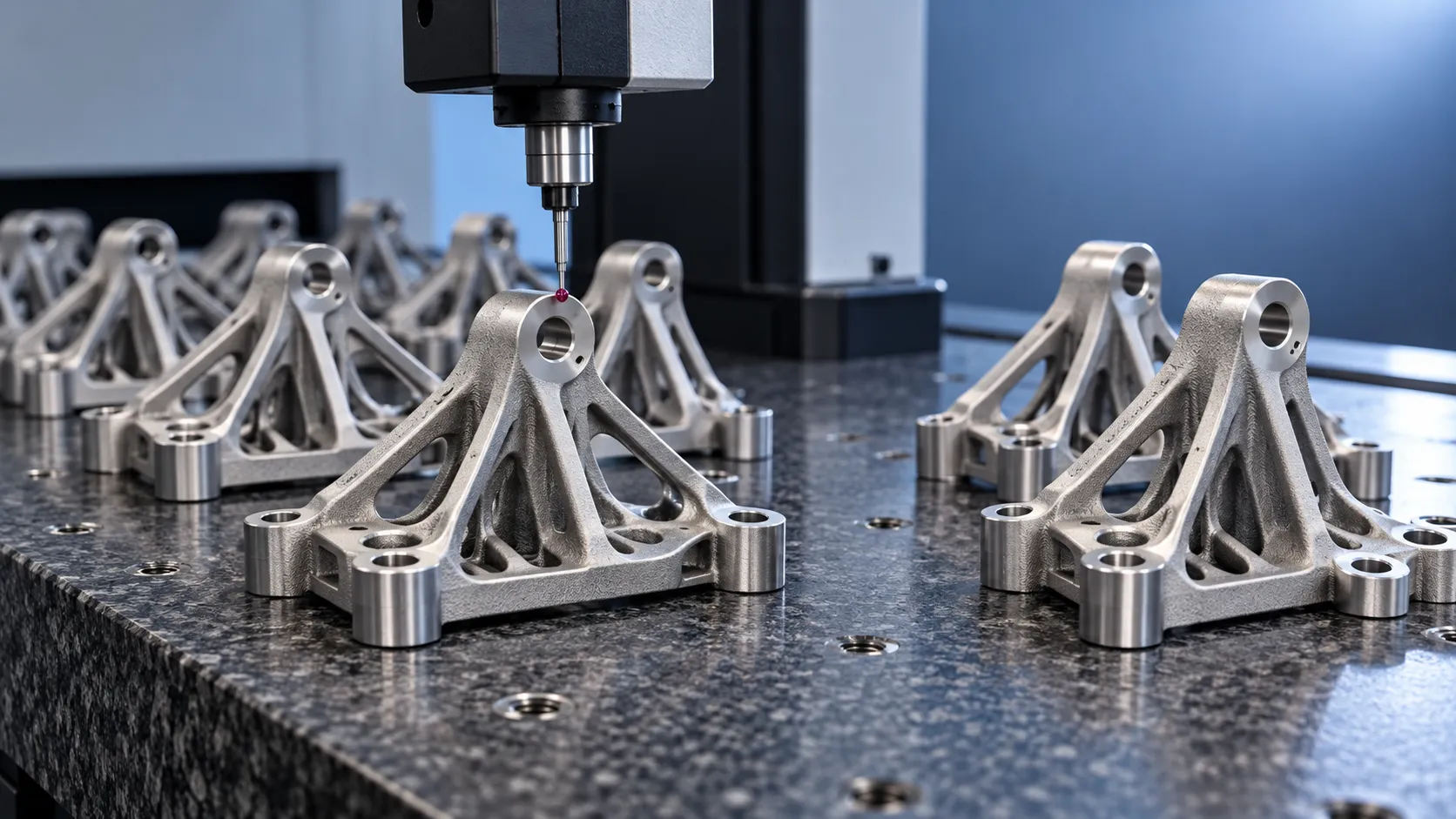
How to verify part consistency before choosing a 3D printing OEM
Choosing a 3D printing OEM? Learn how to verify part consistency with repeat-build trials, validated inspections, and traceability checks before committing to production.
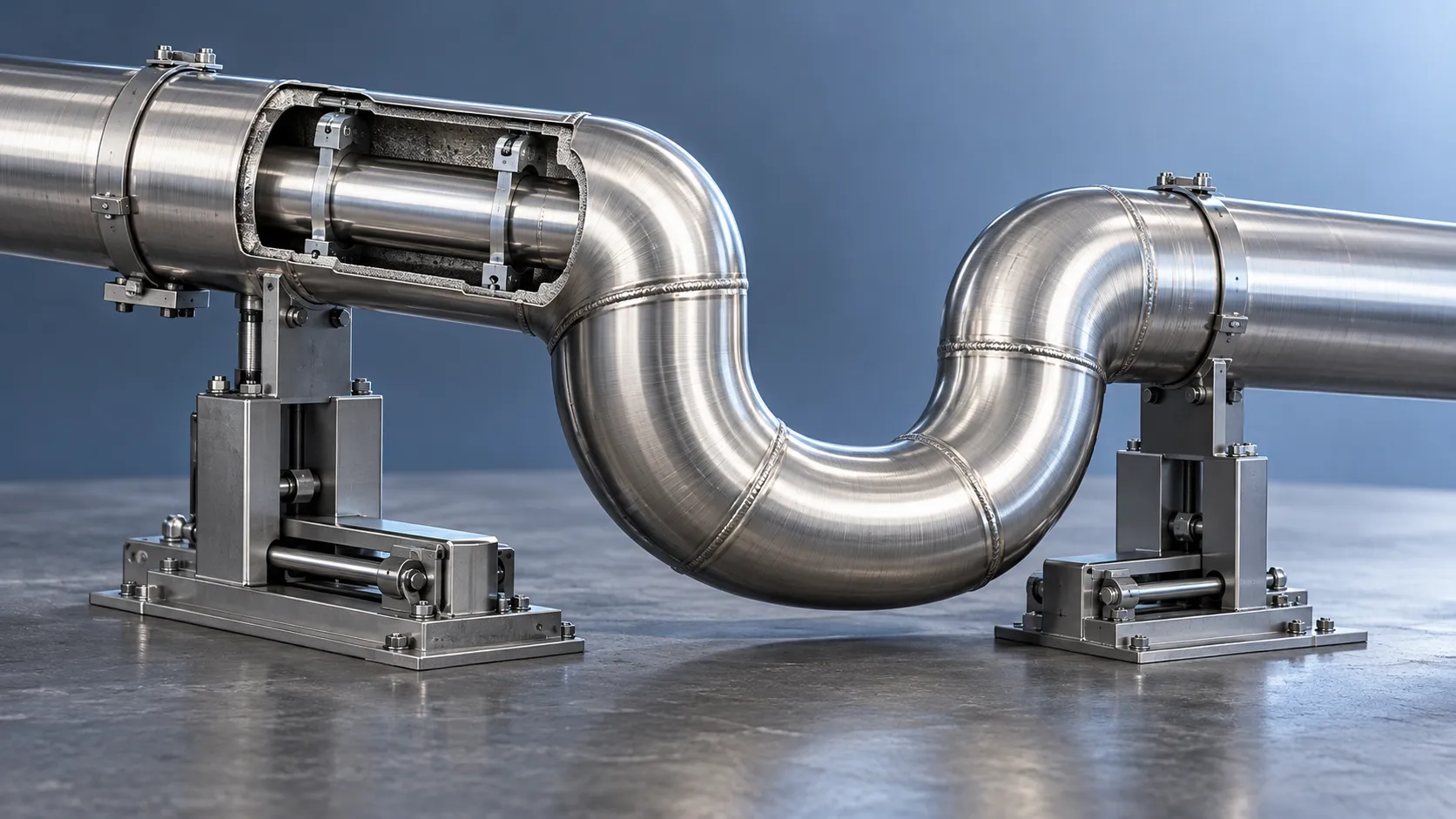
How does a rigid cryogenic transfer line handle thermal contraction?
Learn how a rigid cryogenic transfer line manages thermal contraction with bends, bellows, and guided supports. Discover key design checks for safe, reliable cryogenic performance.

How much does edge vision deployment cost beyond the hardware?
Understand edge vision deployment cost beyond hardware, from data and integration to security and support. Uncover hidden expenses and build a smarter lifecycle budget before you scale.

How does the purity of sputtering targets affect thin-film quality?
Discover how sputtering targets affect thin-film quality. Learn to assess purity, identify harmful impurities, and choose specifications that improve coating performance.

How high power laser cladding systems control substrate dilution
Discover how high power laser cladding systems control substrate dilution through beam shaping, material feed, and thermal management to deliver reliable bonds and coating performance.

How to check HS codes for customs compliance in international logistics
Strengthen international logistics customs compliance: learn how to verify HS codes, check official tariffs, and document classifications to reduce costly shipment delays.

Choosing a 3D Printing Service for Consumer Products: Finish, Fit, and Cost
Compare 3d printing consumer good services by finish, fit, materials, and total cost. Learn how to choose a reliable supplier and avoid costly defects before ordering.

Which Consumer Goods Can Be 3D Printed, and What Are the Practical Limits?
Explore 3d printing consumer goods, from custom eyewear to replacement parts. Discover practical limits on materials, safety, and costs to make smarter production decisions.

From Prototype to Small Batch: Applying 3D Printing to Consumer Goods
Explore 3d printing in consumer goods: learn how to move from prototype to small-batch production with practical guidance on materials, quality validation, and cost control.
Related News
- 00
0000-00
How to verify part consistency before choosing a 3D printing OEM - 00
0000-00
How does a rigid cryogenic transfer line handle thermal contraction? - 00
0000-00
How much does edge vision deployment cost beyond the hardware? - 00
0000-00
How does the purity of sputtering targets affect thin-film quality? - 00
0000-00
How high power laser cladding systems control substrate dilution
Dr. Julian Volt
Weekly Insights
Stay ahead with our curated technology reports delivered every Monday.