
UHV Technology in Quantum Computing: Key Design Factors

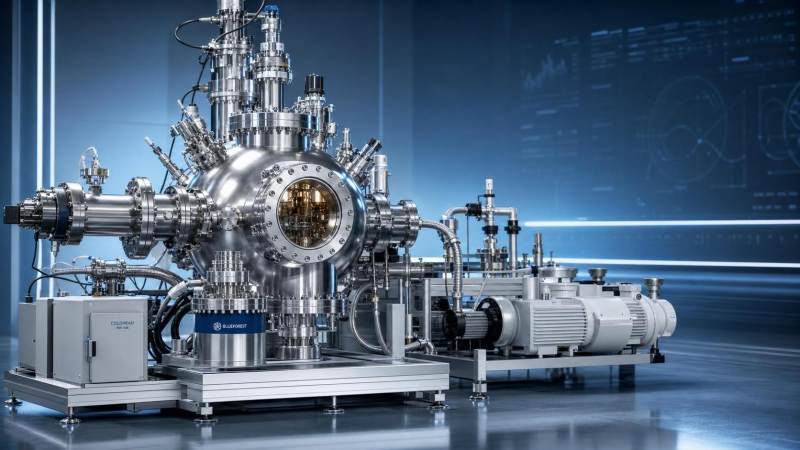
As quantum platforms shift from isolated experiments to engineered systems, uhv technology in quantum computing is no longer a supporting detail. It sits at the center of coherence control, contamination prevention, and repeatable device performance. In practical terms, ultra-high vacuum design affects whether sensitive qubits remain stable long enough for useful computation, calibration, and scale-up.
That is why the topic matters beyond physics alone. It connects vacuum engineering, cryogenics, materials science, precision manufacturing, and supply-chain qualification. For organizations comparing architectures or components, the real question is not only whether a chamber reaches a target pressure, but how consistently the full system protects quantum states over time.
Why UHV conditions matter in quantum environments
Quantum devices are unusually sensitive to their surroundings. Residual gases, hydrocarbons, water vapor, magnetic contamination, and microscopic leaks can all disturb operating conditions. In many platforms, those disturbances reduce coherence times, shift energy levels, or introduce noise that undermines measurement confidence.
The role of uhv technology in quantum computing is therefore preventive as much as functional. A well-designed vacuum environment limits particle collisions, suppresses surface contamination, and stabilizes interfaces where qubits interact with electrodes, lasers, or microwave control elements.
This becomes even more important when systems move toward modular production. A laboratory setup may tolerate manual intervention. A deployable quantum platform requires predictable vacuum behavior across longer operating cycles, maintenance intervals, and transportation risks.
The design factors that shape real performance
Pressure targets matter, but they are only one layer of evaluation. In most cases, long-term stability depends on a broader set of design variables working together.
Material selection and outgassing control
Material compatibility is often the first checkpoint. Stainless steel grades, ceramics, sapphire, copper alloys, and specialty coatings must be chosen for low outgassing and predictable cryogenic behavior. Adhesives, elastomers, and cable insulation deserve especially close scrutiny.
Even trace outgassing can become a long-term contamination source. This is why bake-out capability, surface finishing, cleaning protocols, and residual gas analysis are central to uhv technology in quantum computing, not peripheral tasks.
Chamber geometry and conductance
Chamber shape affects gas flow, pumping efficiency, and service access. Dead volumes, narrow passages, and poorly placed ports can create local pressure differences that remain hidden during simple acceptance tests.
Geometry also influences integration. Optical access, microwave feedthroughs, motion stages, and cryogenic interfaces all compete for space. A compact chamber may look efficient, yet compromise maintenance, alignment, or thermal isolation.
Pump architecture and vacuum recovery
Not all pumping strategies suit all quantum platforms. Ion pumps, turbomolecular pumps, non-evaporable getters, and cryopumps each bring trade-offs in vibration, magnetic signature, maintenance load, and ultimate pressure behavior.
Recovery time after venting or servicing is also critical. Systems intended for iterative development may prioritize faster turnaround. Systems approaching commercial deployment often prioritize low disturbance, lower maintenance frequency, and stronger contamination resilience.
Sealing strategy and leak integrity
Metal seals usually offer stronger long-term stability than elastomer solutions in demanding UHV conditions. However, they also affect serviceability, assembly time, and replacement planning. Leak-rate specifications should be reviewed together with thermal cycling data, not in isolation.
For uhv technology in quantum computing, helium leak testing remains essential, but it should be supported by process discipline. Flange handling, torque control, cleanliness, and storage conditions can all determine whether a good design performs well in operation.
Where current industry attention is shifting
The industry is moving from proof-of-principle chambers toward integrated platforms. That change is pushing attention away from isolated component specifications and toward system-level benchmarking.
This broader view aligns with how G-AIT frames frontier industrial technologies. Vacuum performance is most useful when benchmarked alongside materials reliability, optical integration, and manufacturing repeatability, rather than treated as a standalone number.
Different quantum platforms, different UHV priorities
There is no universal vacuum recipe. The relevance of uhv technology in quantum computing changes with the qubit approach and system architecture.
Trapped ion systems
These platforms often demand extremely clean, stable vacuum conditions because ion collisions directly affect trapping lifetime and gate fidelity. Optical access, electrode cleanliness, and low magnetic disturbance become closely linked concerns.
Neutral atom platforms
Laser interaction zones need low background gas pressure and careful chamber geometry. Here, viewport quality, coating durability, and alignment stability can matter as much as the pump specification itself.
Superconducting quantum systems
These systems rely strongly on cryogenic performance, but vacuum still shapes thermal insulation, contamination control, and maintenance outcomes. The chamber must support low-vibration integration with refrigerators, cabling, and microwave components.
In each case, the evaluation logic changes. The best design is not simply the deepest vacuum. It is the design that supports the platform’s control method, thermal regime, and service model without introducing secondary risks.
How to evaluate UHV design in business practice
A useful review starts with operating context. A prototype chamber, a pilot-line module, and a field-deployable subsystem should not be judged by identical criteria. Performance data must be matched to the intended lifecycle.
- Check whether pressure data includes time-based stability, not only best-case base pressure.
- Review residual gas composition, especially water, hydrogen, hydrocarbons, and contamination after cycling.
- Compare bake-out procedures, cleaning standards, and documented assembly controls.
- Assess vibration, magnetic compatibility, and thermal interactions from the selected pump set.
- Look for maintainability evidence, including seal replacement strategy and recovery time after intervention.
- Map the design against relevant international standards and qualification records.
This is where multidisciplinary benchmarking adds value. G-AIT’s approach across vacuum, cryogenic engineering, optical inspection, and advanced materials reflects a practical reality: quantum hardware reliability emerges from cross-domain consistency, not single-parameter optimization.
Common risks hidden behind strong specifications
Some of the most costly problems appear after procurement, not before. A chamber may meet a headline vacuum number while still carrying hidden process weaknesses.
One common issue is overreliance on initial acceptance testing. Another is incomplete visibility into cleaning chemistry, surface finishing, or subcontracted feedthrough production. Problems can also emerge when export controls or material substitutions alter the approved bill of materials.
For that reason, uhv technology in quantum computing should be reviewed as both an engineering system and a supply-chain system. Patent activity, regulatory changes, and sourcing resilience can influence long-term platform viability just as much as chamber design.
A practical next step for comparison and planning
The most effective next move is to build a comparison framework before selecting hardware or partners. Start with the target quantum platform, then define the vacuum-related failure modes that would most affect performance, maintenance, and scale-up.
From there, compare chamber design, materials, pump architecture, leak integrity, and standards alignment against those risks. When uhv technology in quantum computing is evaluated through that lens, technical decisions become easier to justify and easier to benchmark over time.
That approach creates a stronger basis for the next phase of assessment, whether the goal is supplier screening, pilot-line planning, or a deeper review of vacuum and cryogenic engineering readiness across an emerging quantum program.
Related News
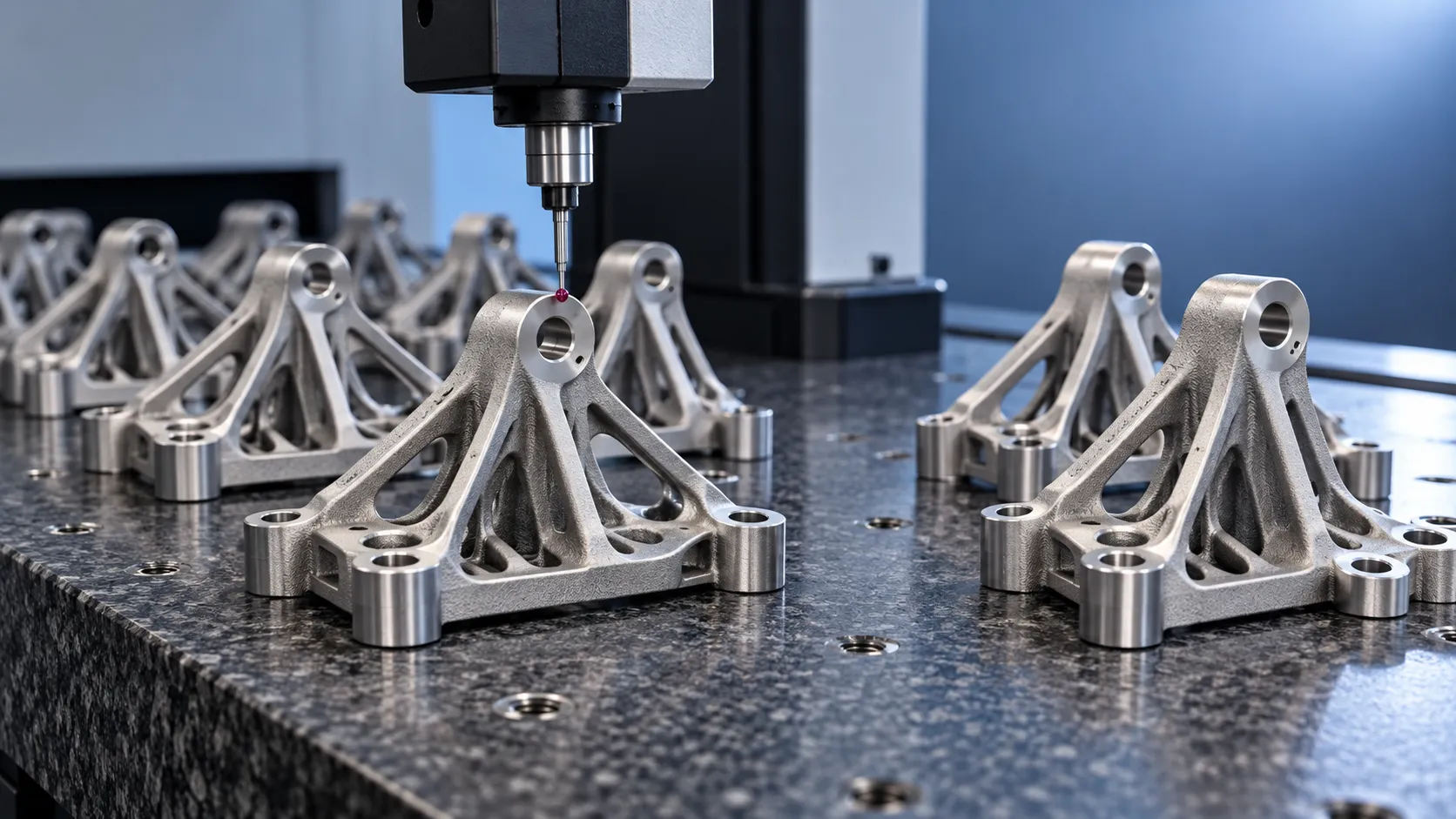
How to verify part consistency before choosing a 3D printing OEM
Choosing a 3D printing OEM? Learn how to verify part consistency with repeat-build trials, validated inspections, and traceability checks before committing to production.
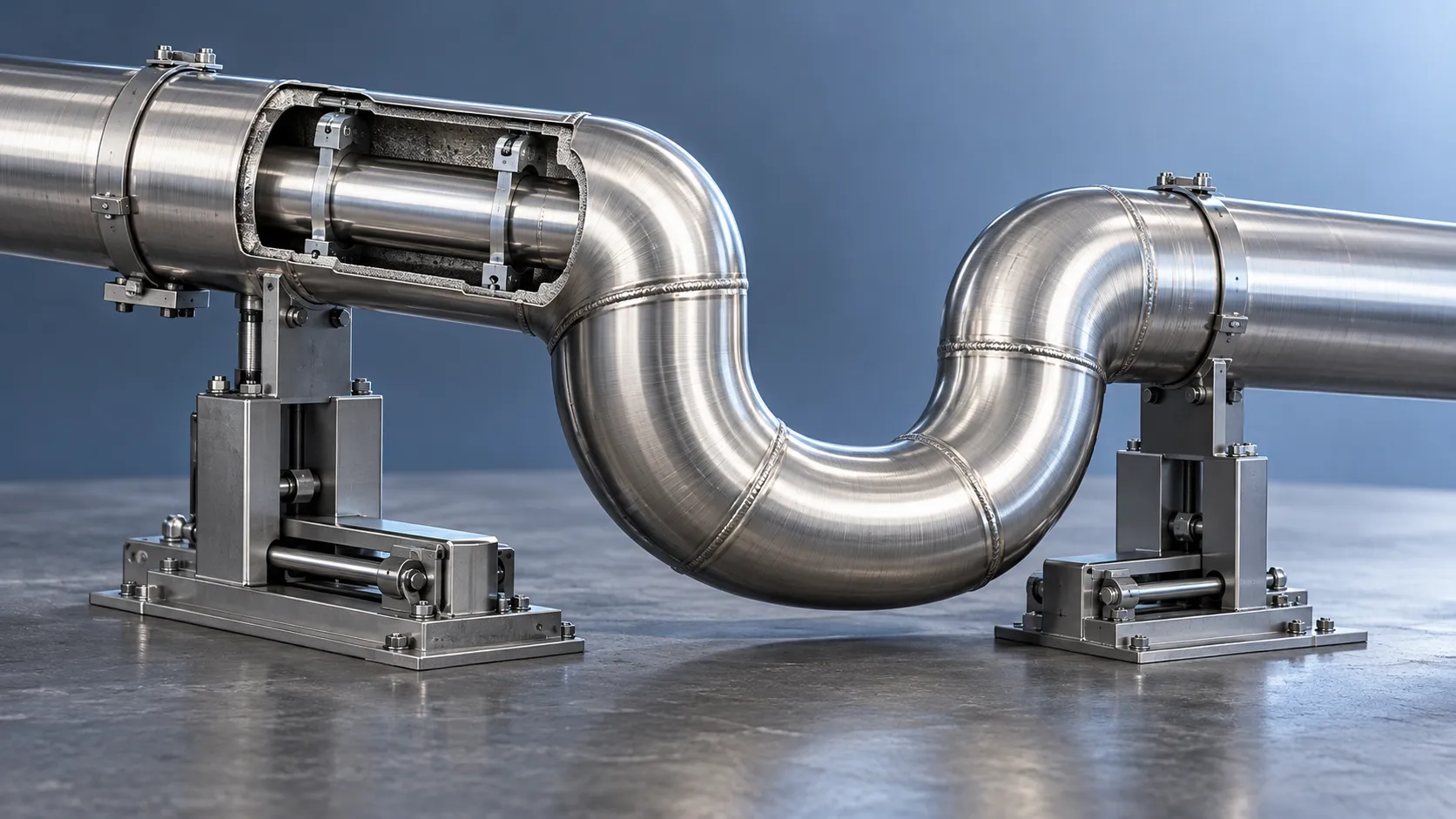
How does a rigid cryogenic transfer line handle thermal contraction?
Learn how a rigid cryogenic transfer line manages thermal contraction with bends, bellows, and guided supports. Discover key design checks for safe, reliable cryogenic performance.
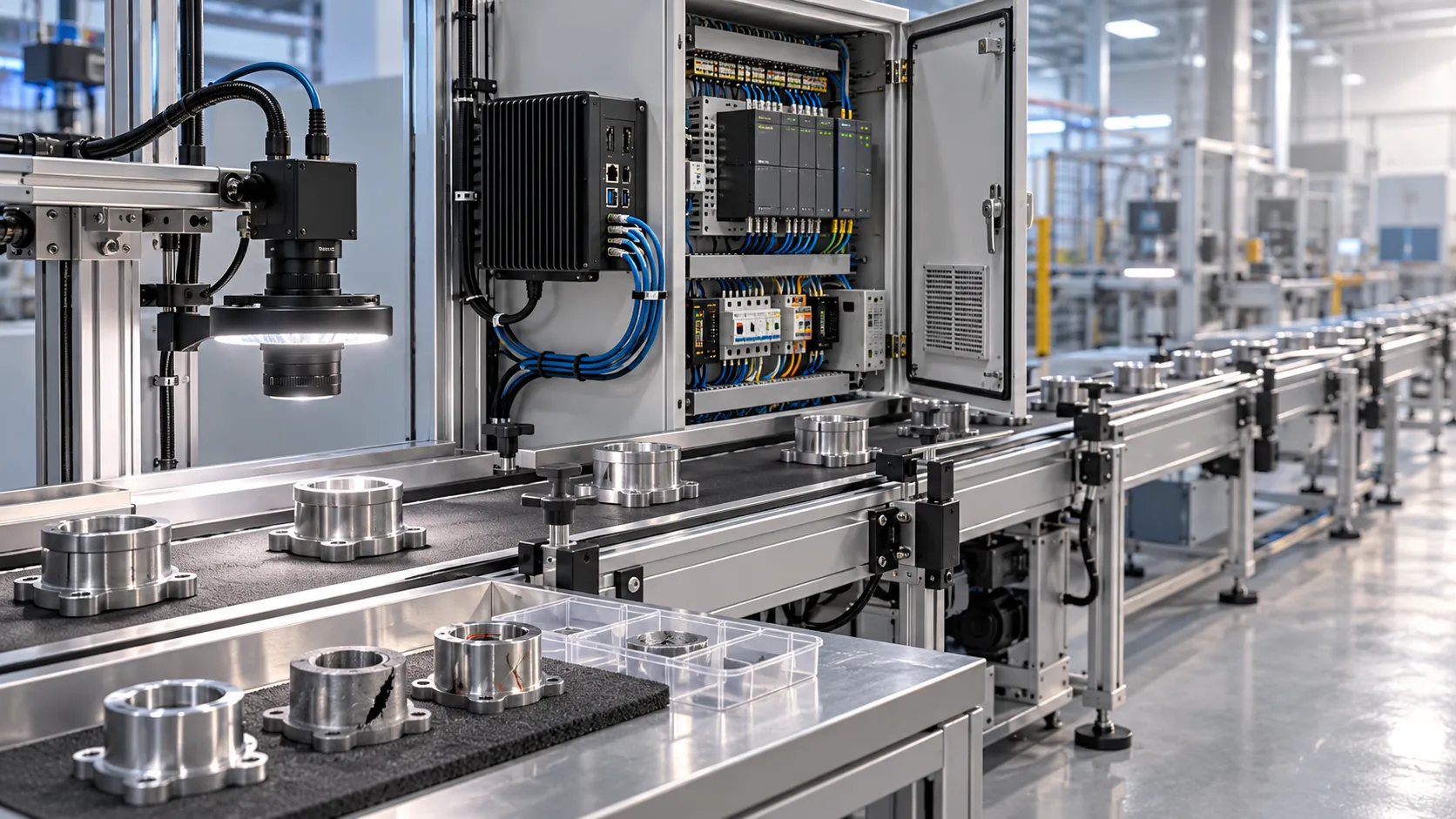
How much does edge vision deployment cost beyond the hardware?
Understand edge vision deployment cost beyond hardware, from data and integration to security and support. Uncover hidden expenses and build a smarter lifecycle budget before you scale.
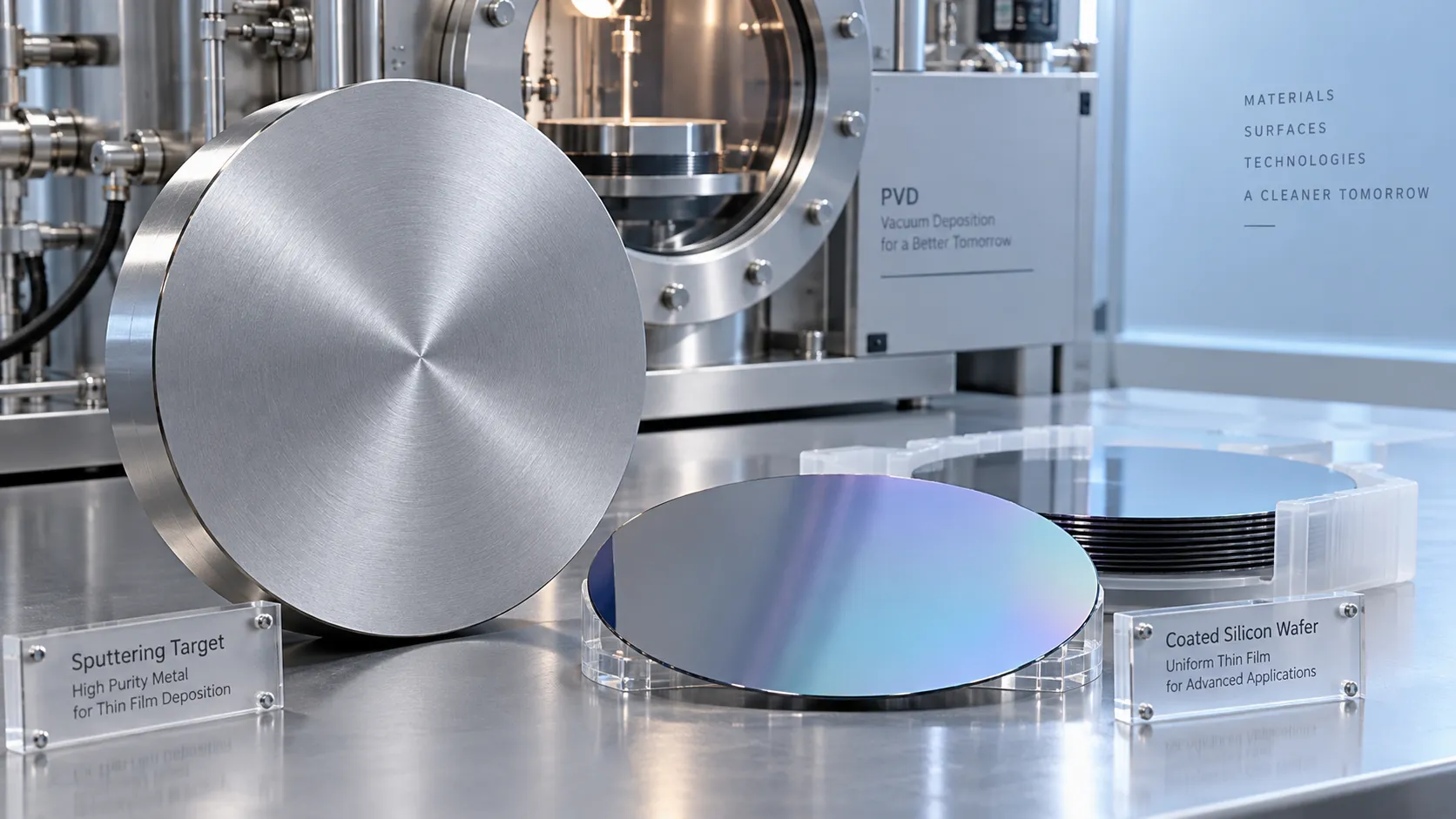
How does the purity of sputtering targets affect thin-film quality?
Discover how sputtering targets affect thin-film quality. Learn to assess purity, identify harmful impurities, and choose specifications that improve coating performance.
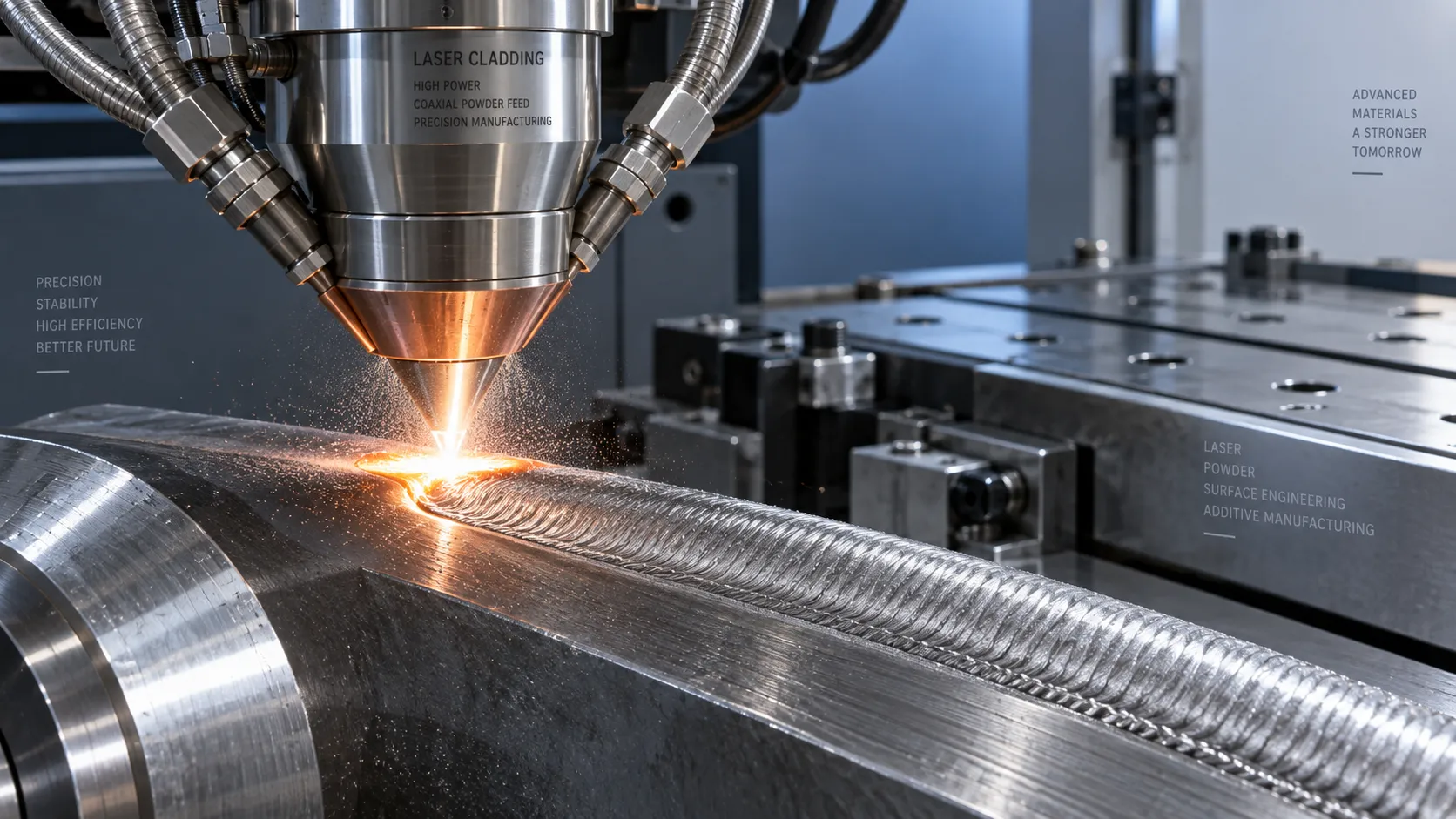
How high power laser cladding systems control substrate dilution
Discover how high power laser cladding systems control substrate dilution through beam shaping, material feed, and thermal management to deliver reliable bonds and coating performance.

How to check HS codes for customs compliance in international logistics
Strengthen international logistics customs compliance: learn how to verify HS codes, check official tariffs, and document classifications to reduce costly shipment delays.
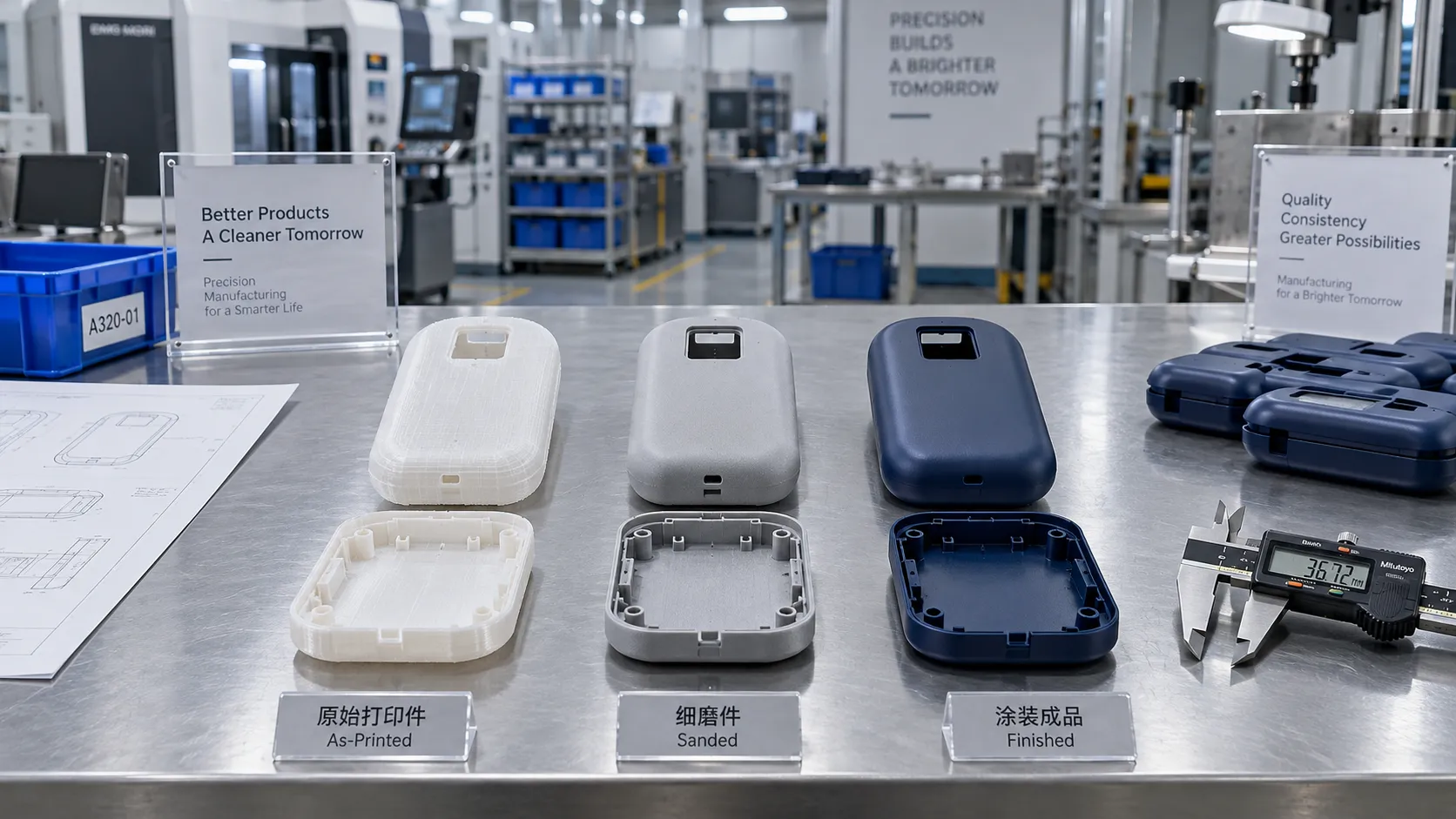
Choosing a 3D Printing Service for Consumer Products: Finish, Fit, and Cost
Compare 3d printing consumer good services by finish, fit, materials, and total cost. Learn how to choose a reliable supplier and avoid costly defects before ordering.
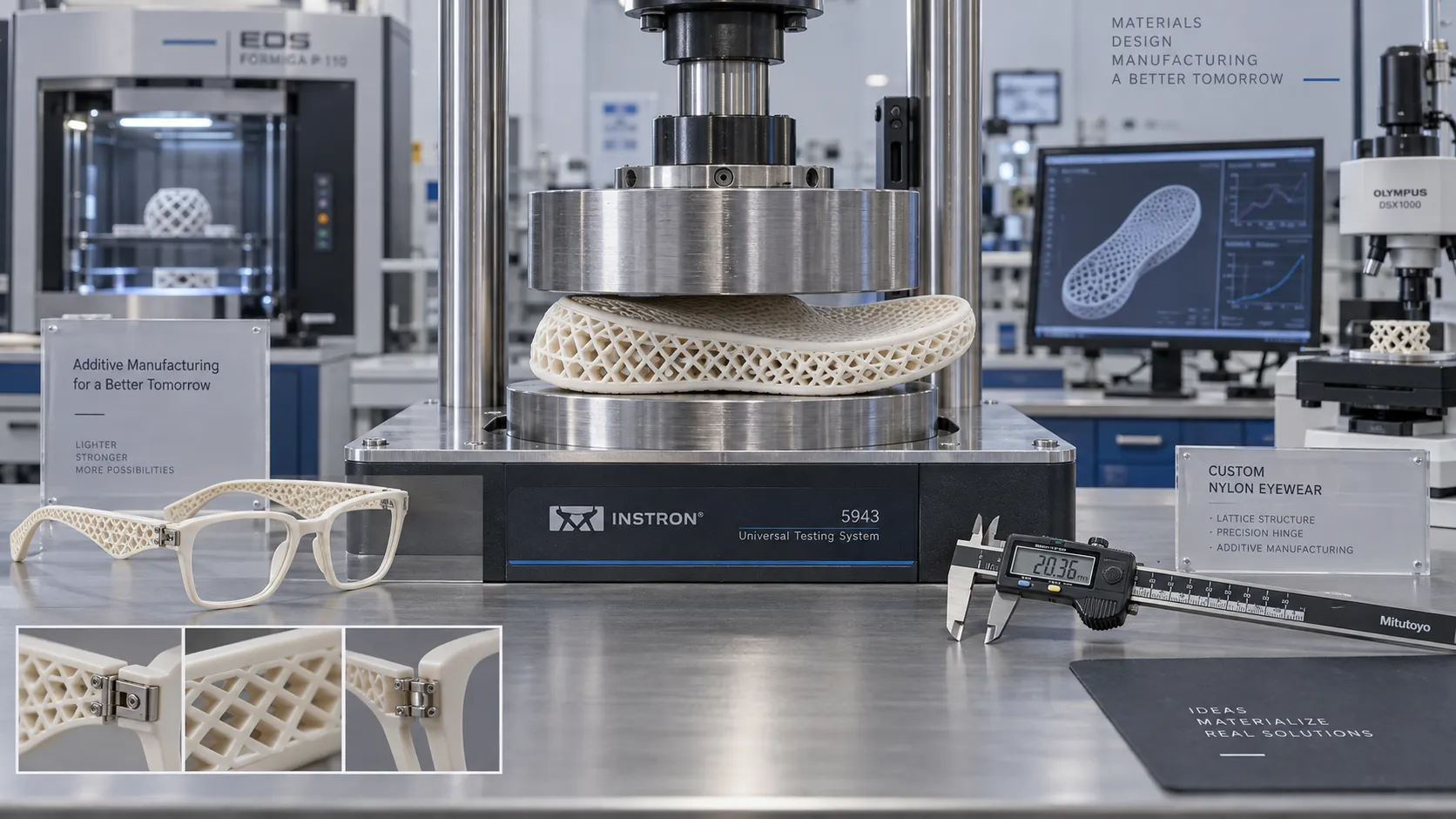
Which Consumer Goods Can Be 3D Printed, and What Are the Practical Limits?
Explore 3d printing consumer goods, from custom eyewear to replacement parts. Discover practical limits on materials, safety, and costs to make smarter production decisions.
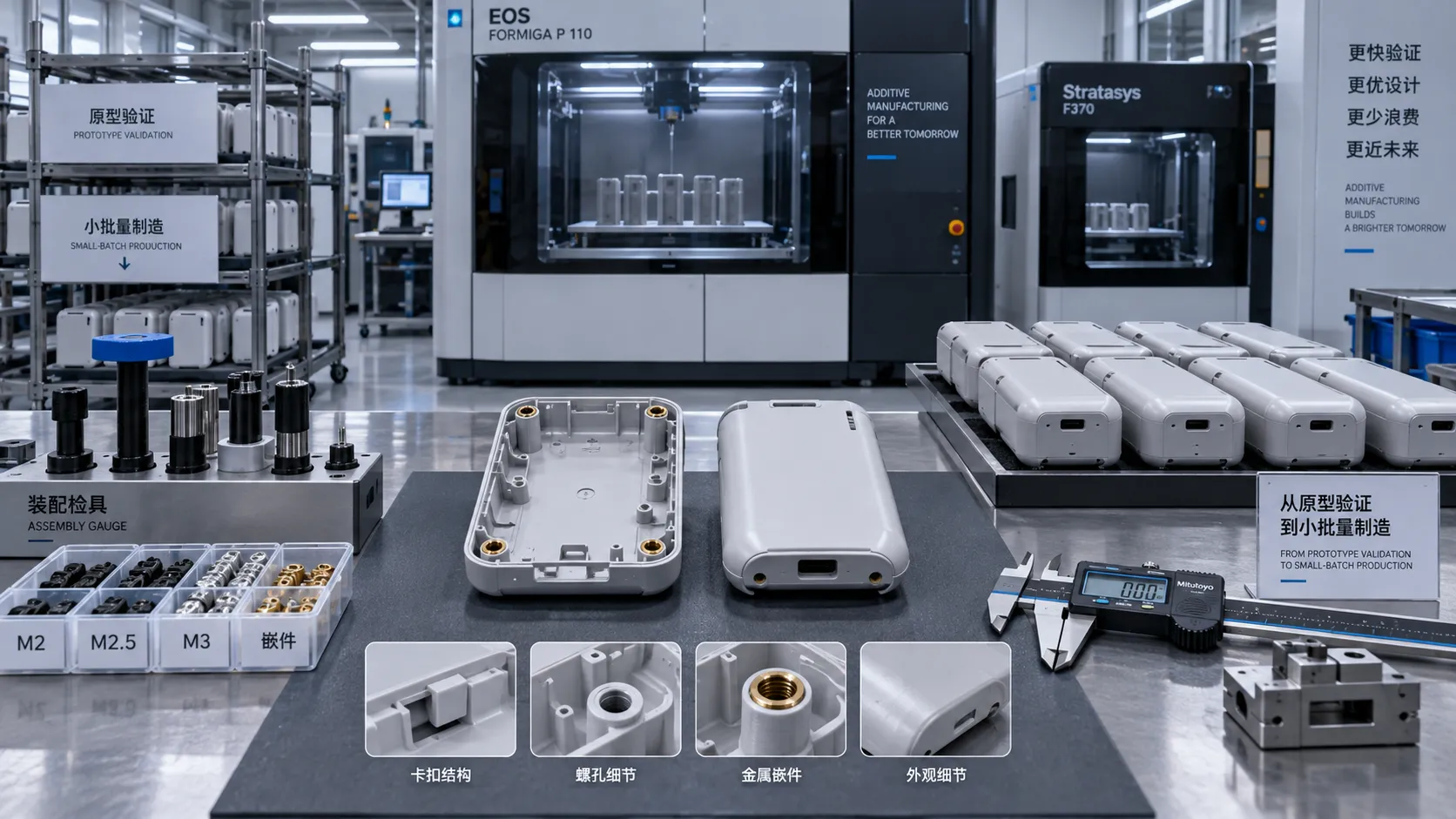
From Prototype to Small Batch: Applying 3D Printing to Consumer Goods
Explore 3d printing in consumer goods: learn how to move from prototype to small-batch production with practical guidance on materials, quality validation, and cost control.
Related News
- 00
0000-00
How to verify part consistency before choosing a 3D printing OEM - 00
0000-00
How does a rigid cryogenic transfer line handle thermal contraction? - 00
0000-00
How much does edge vision deployment cost beyond the hardware? - 00
0000-00
How does the purity of sputtering targets affect thin-film quality? - 00
0000-00
How high power laser cladding systems control substrate dilution
Dr. Julian Volt
Weekly Insights
Stay ahead with our curated technology reports delivered every Monday.