
3D Printing Factory Automation News: What Matters

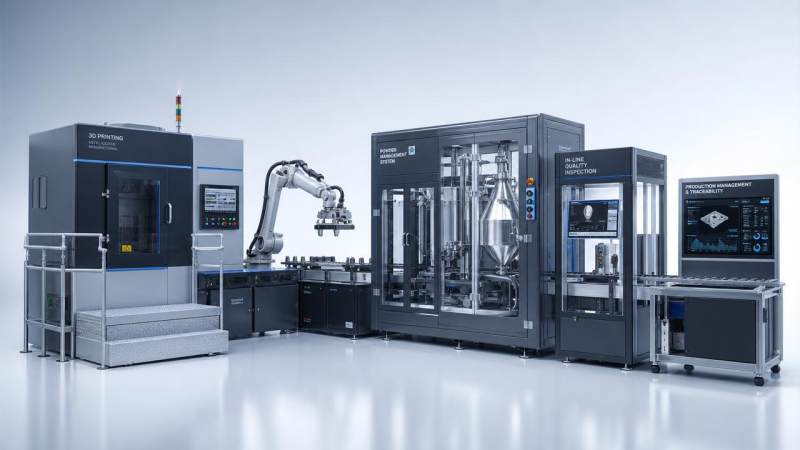
For project leaders navigating additive manufacturing scale-up, 3d printing factory automation news is no longer optional reading—it is a strategic signal. From workflow integration and machine interoperability to quality assurance and production efficiency, the latest developments directly affect delivery risk, investment timing, and long-term competitiveness. Understanding what matters helps decision-makers turn automation trends into measurable industrial advantage.
Why 3D Printing Factory Automation News Matters Now
The additive manufacturing sector has moved beyond prototyping in many industrial settings. It now supports spare parts, tooling, lightweight structures, and regulated end-use components.
That shift changes how 3d printing factory automation news should be read. The topic is no longer about isolated machines. It is about connected production systems.
Recent automation developments center on machine fleets, digital work instructions, robotic handling, closed-loop monitoring, and traceable quality records.
For the broader industrial market, these developments influence capital planning, supplier qualification, throughput modeling, and compliance readiness across mixed-technology production environments.
A practical definition
3d printing factory automation news refers to updates about software, hardware, standards, and production methods that reduce manual intervention in additive workflows.
It includes process orchestration, material movement, machine scheduling, inspection integration, data capture, and post-processing automation.
In practical terms, it reveals whether additive operations are becoming more repeatable, scalable, and financially defensible.
Core Signals Shaping Current Industry Attention
Not every headline has equal operational value. The most relevant 3d printing factory automation news usually falls into a small set of decision-critical themes.
These themes matter across aerospace, medical, energy, automotive, electronics, and advanced industrial tooling.
They also connect well with G-AIT’s cross-sector benchmarking model, where additive systems must be judged alongside inspection, laser processing, and compliance intelligence.
What to filter out
Some updates sound significant but offer little operational guidance. Examples include vague productivity claims, non-standardized benchmark results, or announcements without interoperability details.
Useful 3d printing factory automation news should show measurable effects on cycle time, quality consistency, labor intensity, or digital traceability.
Business Value Behind Automation Developments
Automation in additive manufacturing creates value when it stabilizes production rather than simply adding hardware complexity.
The strongest business case usually appears in five areas.
- Higher machine utilization through coordinated job scheduling
- Lower rework through monitoring and standardized workflows
- Faster release cycles through digital inspection records
- Safer powder and resin handling through enclosed automation
- Better cost modeling through connected production data
For mixed factories, automation news also indicates whether additive systems can align with existing enterprise controls and quality frameworks.
That is especially important when additive production must coexist with CNC machining, laser systems, optical inspection, or vacuum-based processes.
From isolated equipment to industrial cells
A major trend in 3d printing factory automation news is the transition from single-machine performance to cell-level productivity.
That means buyers increasingly evaluate powder loading, build removal, inspection handoff, and finishing workflows as one system.
When those interfaces remain manual, additive scaling often stalls despite strong printer specifications.
Where Automation News Has the Most Practical Impact
The operational impact of 3d printing factory automation news varies by production objective. Some settings prioritize throughput. Others prioritize certification, customization, or downtime reduction.
This is why additive automation should be assessed as part of a larger industrial architecture, not as a stand-alone trend.
How to Read 3D Printing Factory Automation News More Critically
A disciplined reading framework improves decision quality. Not every innovation deserves immediate adoption, and not every delay is a missed opportunity.
- Check whether the update solves a proven bottleneck, not a theoretical one.
- Look for compatibility with existing MES, ERP, PLM, and inspection systems.
- Verify whether benchmark data references ASTM, ISO, SEMI, or equivalent standards.
- Assess labor, safety, and maintenance effects, not only print speed.
- Compare cell-level throughput rather than individual machine output.
- Review post-processing implications before approving front-end automation investment.
This approach turns 3d printing factory automation news into an evaluation tool instead of passive industry watching.
Important caution areas
- Vendor ecosystems that limit interoperability
- Automation layers without cybersecurity planning
- Inspection data that cannot feed enterprise quality systems
- Throughput gains offset by powder recovery or finishing delays
- Claims unsupported by repeatable industrial datasets
A Practical Next-Step Framework
The next step is not simply tracking more headlines. It is building a structured watchlist for high-value automation signals.
A practical framework should include software integration status, material handling maturity, quality data depth, standards alignment, and downstream process readiness.
That is where a multidisciplinary source becomes useful. Additive automation rarely succeeds without inspection logic, process benchmarking, and regulatory awareness.
G-AIT supports that requirement by connecting 3d printing factory automation news with adjacent intelligence across laser processing, machine vision, advanced materials, and controlled-environment engineering.
When automation developments are filtered through verified engineering data and cross-industry standards, investment decisions become less reactive and more defensible.
In the current market, the most useful 3d printing factory automation news is not the loudest update. It is the one that clarifies readiness, integration risk, and measurable production value.
Related News
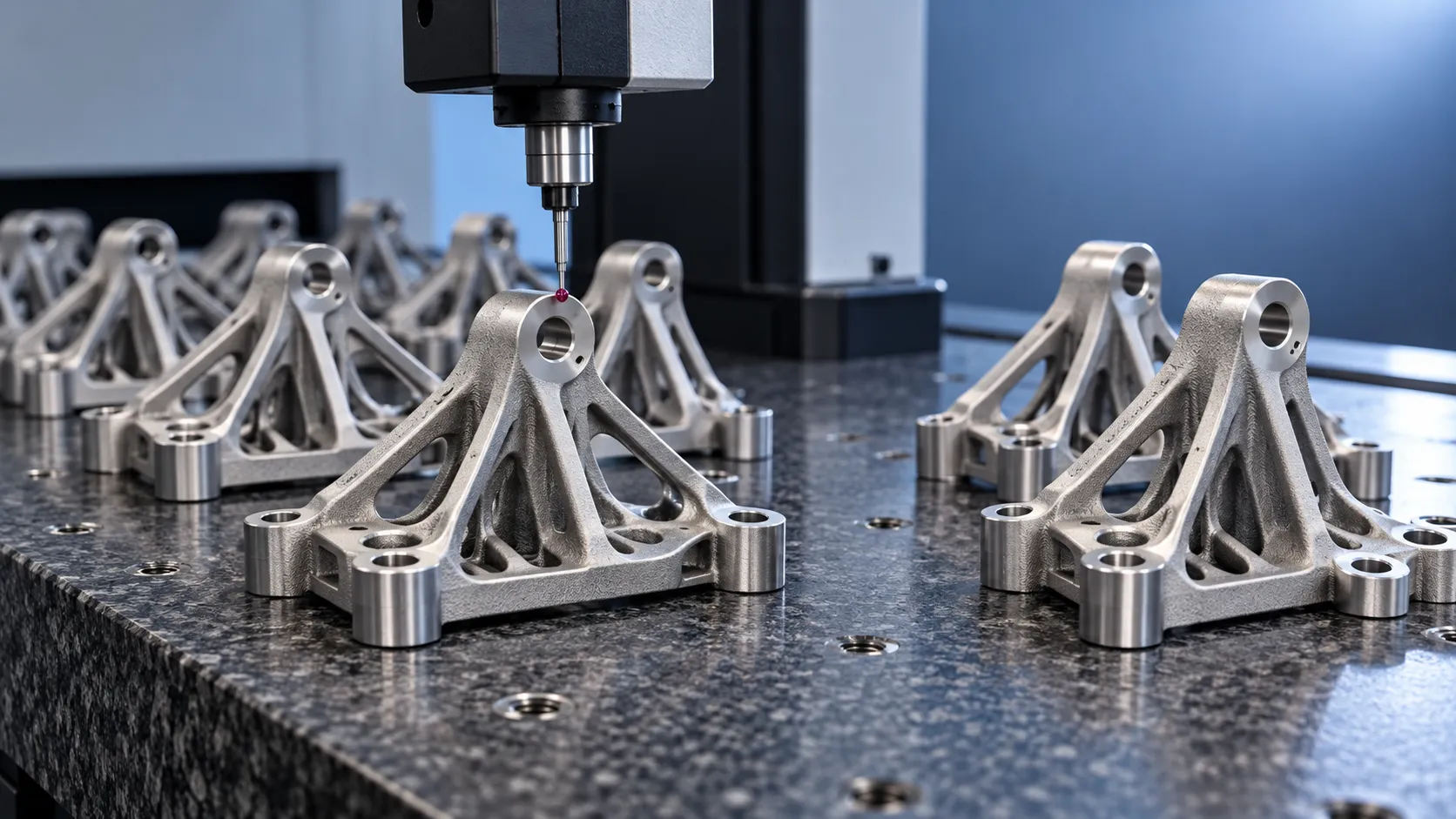
How to verify part consistency before choosing a 3D printing OEM
Choosing a 3D printing OEM? Learn how to verify part consistency with repeat-build trials, validated inspections, and traceability checks before committing to production.
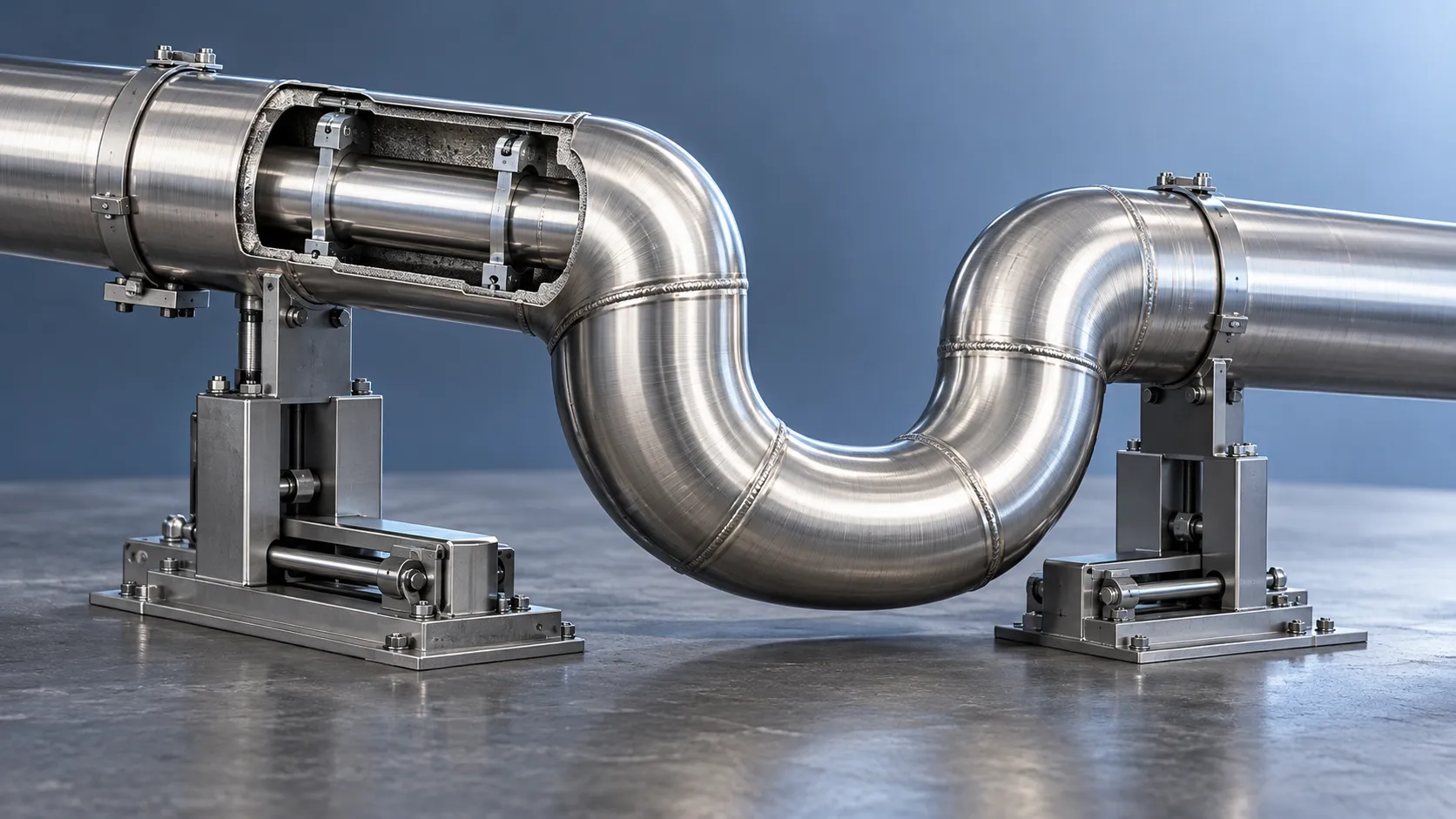
How does a rigid cryogenic transfer line handle thermal contraction?
Learn how a rigid cryogenic transfer line manages thermal contraction with bends, bellows, and guided supports. Discover key design checks for safe, reliable cryogenic performance.
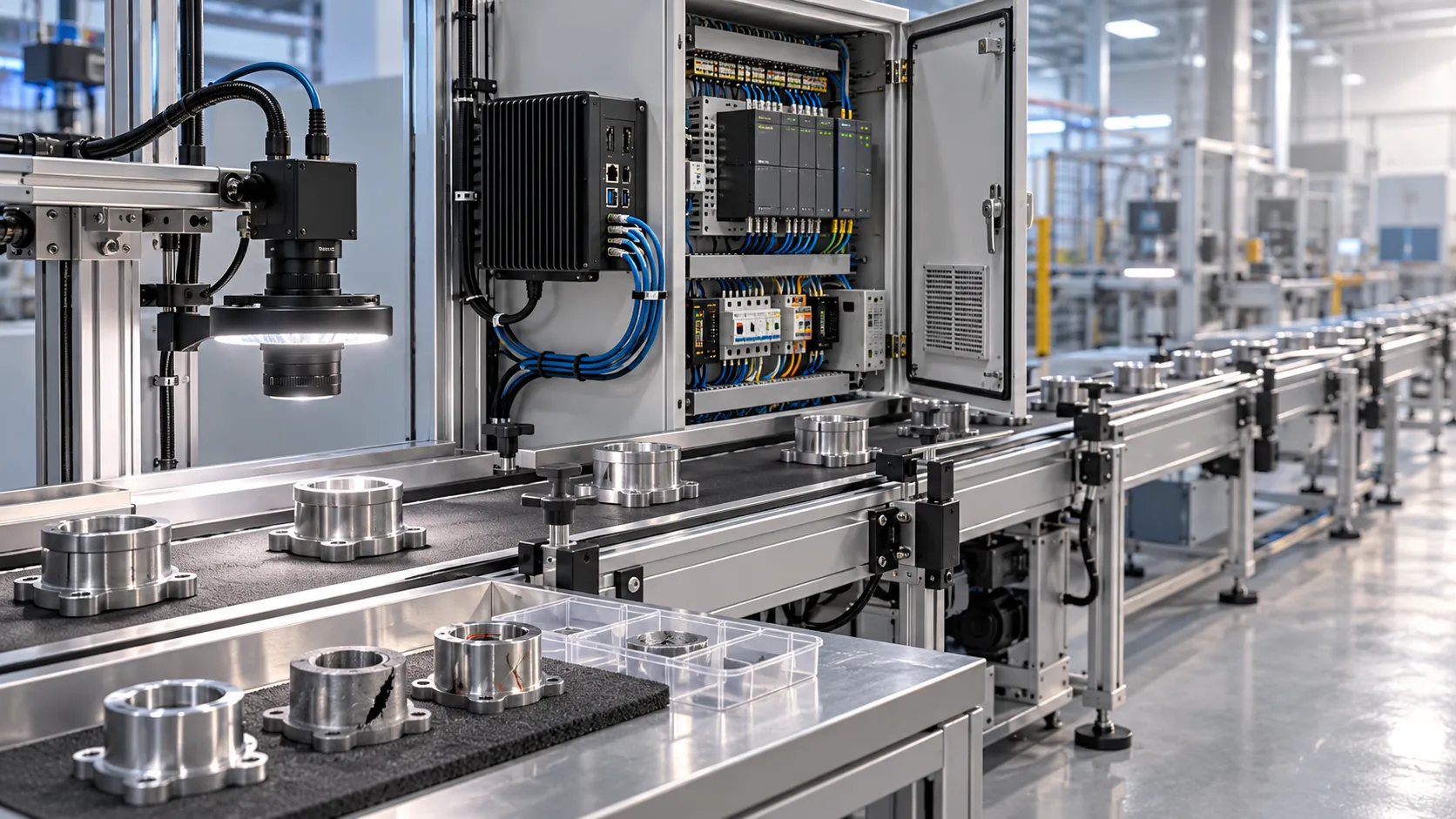
How much does edge vision deployment cost beyond the hardware?
Understand edge vision deployment cost beyond hardware, from data and integration to security and support. Uncover hidden expenses and build a smarter lifecycle budget before you scale.
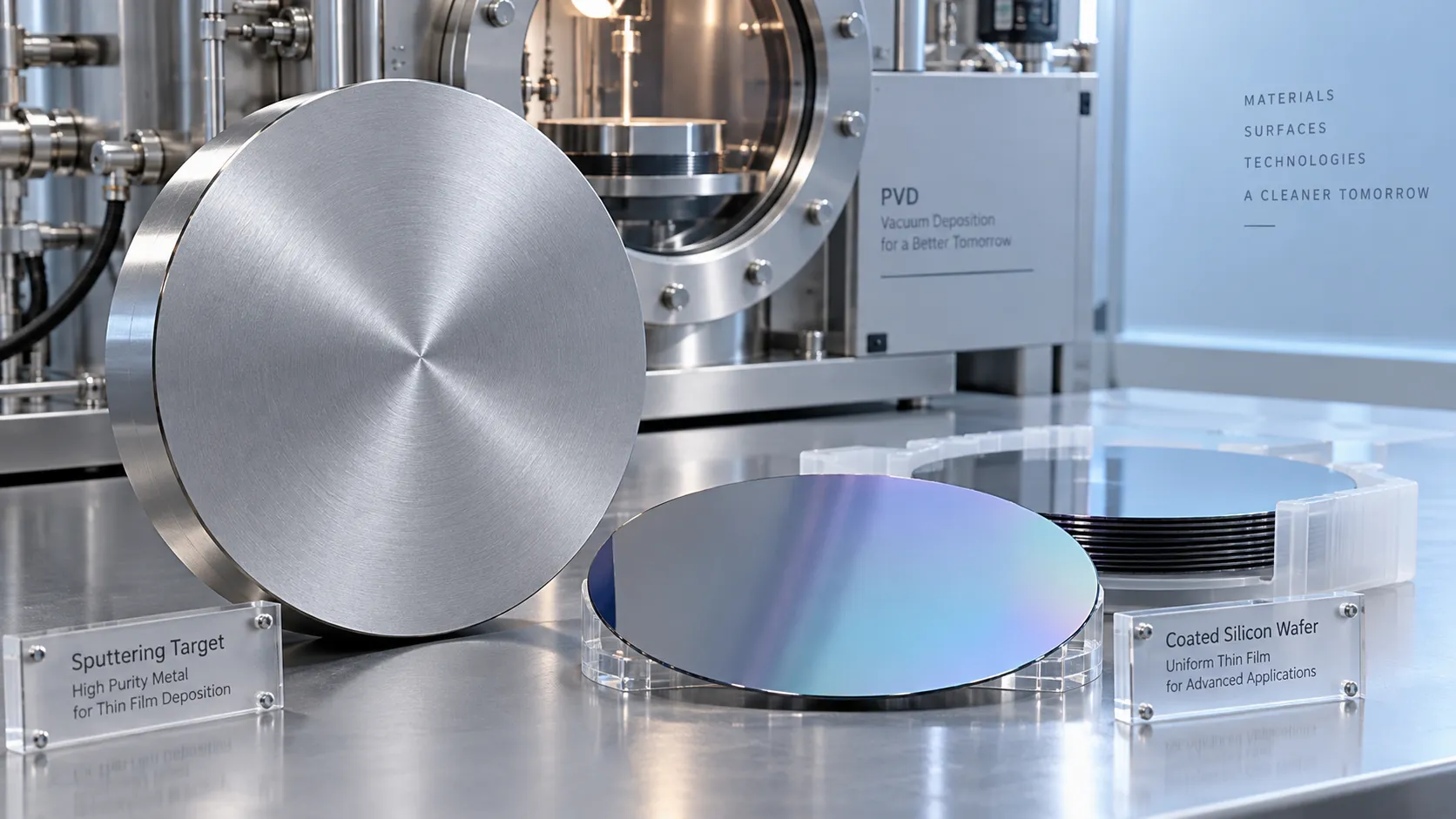
How does the purity of sputtering targets affect thin-film quality?
Discover how sputtering targets affect thin-film quality. Learn to assess purity, identify harmful impurities, and choose specifications that improve coating performance.
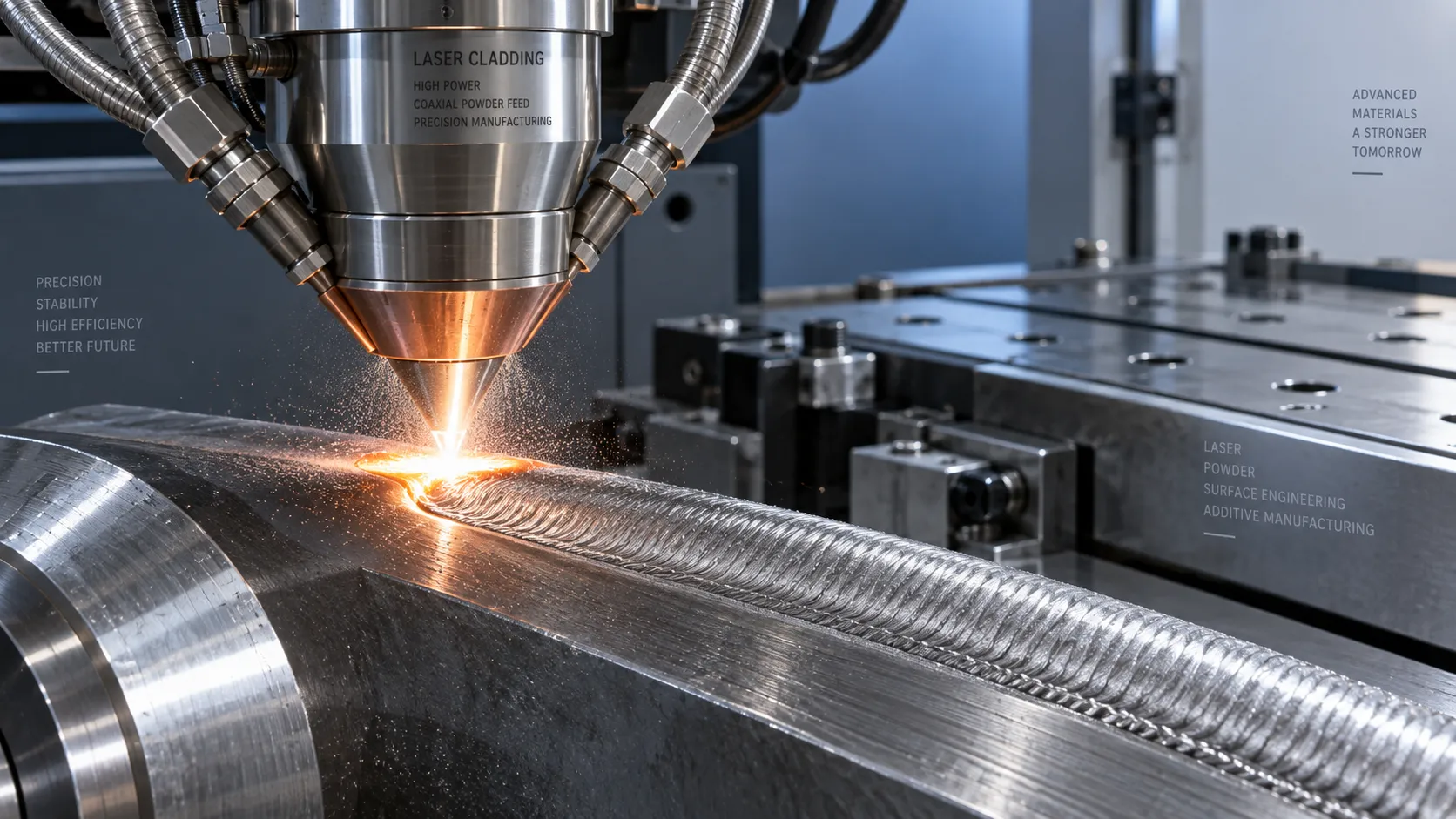
How high power laser cladding systems control substrate dilution
Discover how high power laser cladding systems control substrate dilution through beam shaping, material feed, and thermal management to deliver reliable bonds and coating performance.

How to check HS codes for customs compliance in international logistics
Strengthen international logistics customs compliance: learn how to verify HS codes, check official tariffs, and document classifications to reduce costly shipment delays.
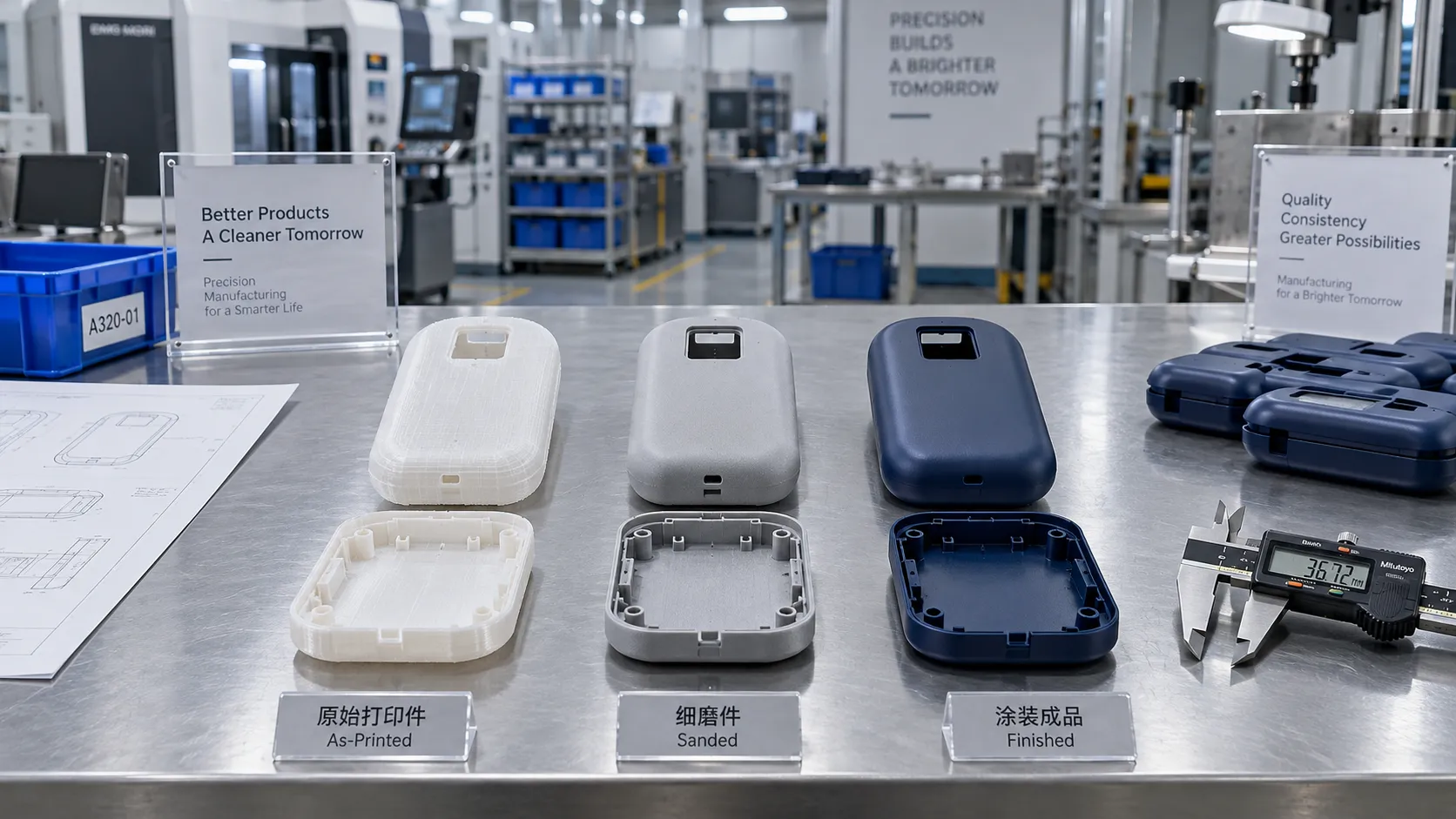
Choosing a 3D Printing Service for Consumer Products: Finish, Fit, and Cost
Compare 3d printing consumer good services by finish, fit, materials, and total cost. Learn how to choose a reliable supplier and avoid costly defects before ordering.
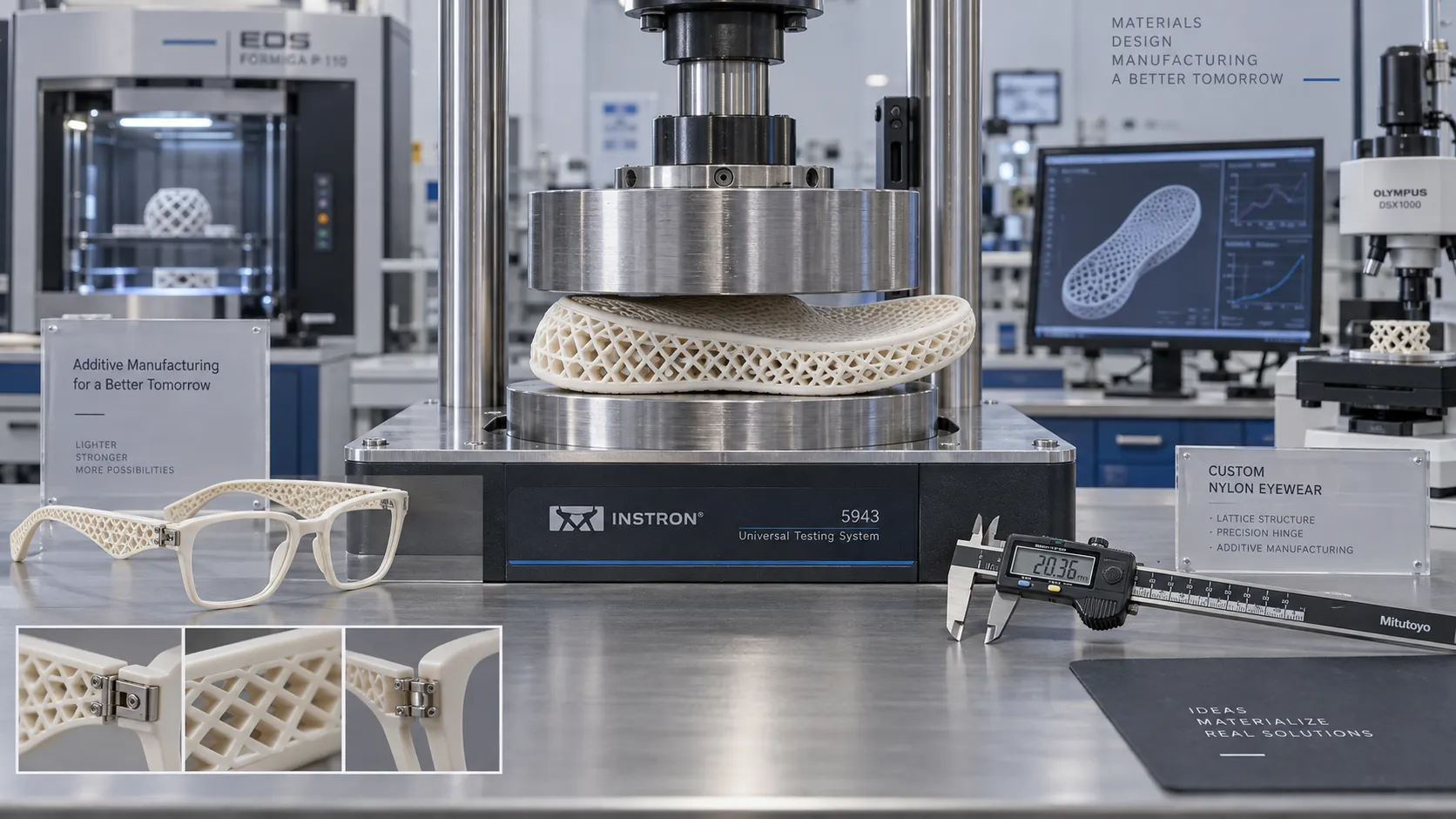
Which Consumer Goods Can Be 3D Printed, and What Are the Practical Limits?
Explore 3d printing consumer goods, from custom eyewear to replacement parts. Discover practical limits on materials, safety, and costs to make smarter production decisions.
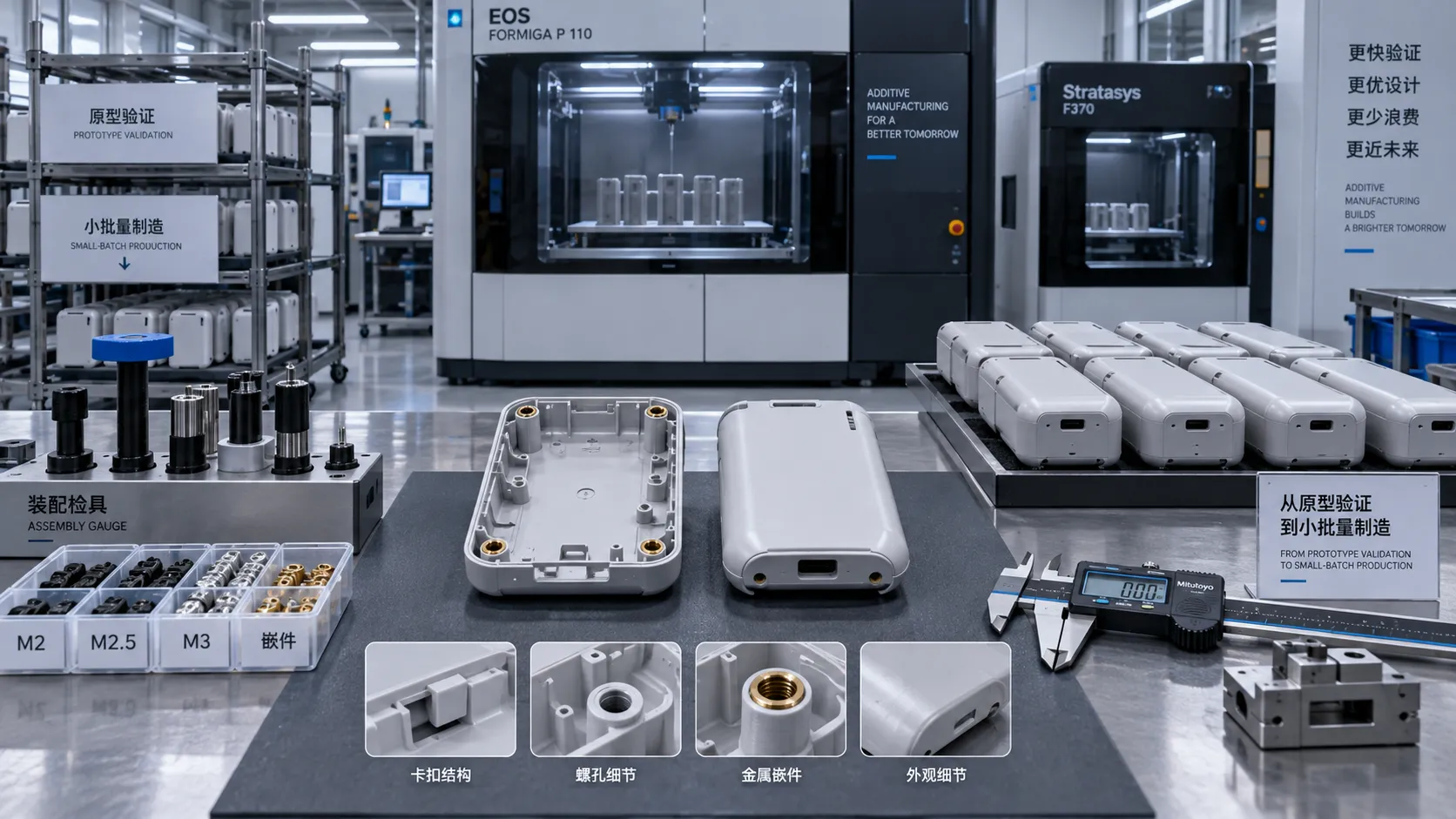
From Prototype to Small Batch: Applying 3D Printing to Consumer Goods
Explore 3d printing in consumer goods: learn how to move from prototype to small-batch production with practical guidance on materials, quality validation, and cost control.
Related News
- 00
0000-00
How to verify part consistency before choosing a 3D printing OEM - 00
0000-00
How does a rigid cryogenic transfer line handle thermal contraction? - 00
0000-00
How much does edge vision deployment cost beyond the hardware? - 00
0000-00
How does the purity of sputtering targets affect thin-film quality? - 00
0000-00
How high power laser cladding systems control substrate dilution
Marcus Print
Weekly Insights
Stay ahead with our curated technology reports delivered every Monday.