
Industrial 3D Printing Investment Insights for 2026


As industrial adoption accelerates and capital flows shift toward scalable, standards-driven manufacturing, industrial 3d printing investment insights are becoming essential for enterprise decision-makers.
In 2026, success will depend not only on equipment performance, but also on material qualification, supply chain resilience, regulatory alignment, and long-term ROI across advanced production ecosystems.
Across aerospace, medical, energy, electronics, automotive, and tooling, additive manufacturing is moving from pilot lines into controlled production environments.
That transition raises a core question: where should capital be deployed to capture durable value while limiting technical and operational risk?
Industrial 3D Printing Investment Insights: Core Definition and Scope
Industrial 3d printing investment insights refer to structured evaluation of machines, materials, software, standards, talent, and production economics.
The concept goes beyond printer acquisition.
It includes qualification pathways, process repeatability, digital traceability, quality control, maintenance strategy, and downstream integration with enterprise manufacturing systems.
In practical terms, investment quality depends on whether an additive platform can meet throughput targets, certification rules, and cost expectations under real operating conditions.
For this reason, industrial 3d printing investment insights increasingly combine engineering benchmarking with business intelligence.
G-AIT supports this approach by aligning technical verification, standards awareness, patent tracking, and global tender signals across advanced manufacturing domains.
2026 Market Background and Key Signals
The 2026 investment climate for industrial additive manufacturing is shaped by consolidation, selective scaling, and tighter demands for measurable returns.
Capital is still active, yet it is moving toward validated applications rather than broad, speculative platform expansion.
- Metal powder bed fusion remains strategic for high-value components with strict weight and performance targets.
- Binder jetting gains attention where throughput and post-processing economics can support series production.
- Directed energy deposition is expanding in repair, large-part build, and hybrid manufacturing environments.
- High-performance polymer systems are advancing in fixtures, electronics, and lightweight functional parts.
- Software, simulation, and in-situ monitoring are attracting stronger interest as enabling layers for yield improvement.
At the same time, industrial 3d printing investment insights now emphasize geopolitical supply continuity and export control exposure.
Material sourcing, laser component access, and data security rules can materially alter deployment timelines and cost structures.
Where Industrial 3D Printing Investment Insights Create Business Value
The strongest value case appears when additive manufacturing solves a bottleneck that conventional methods cannot address efficiently.
That may involve part consolidation, lead-time compression, mass customization, lightweighting, spare part localization, or reduced tooling dependency.
Industrial 3d printing investment insights help compare these value drivers against the total cost of ownership.
A machine with impressive specifications may underperform financially if powder recycling loss, support removal, and inspection labor remain too high.
Conversely, a higher-cost system may produce stronger returns if it improves first-pass yield and reduces qualification delays.
Primary value levers
- Reduced inventory through digital spare part libraries
- Faster engineering iterations and shorter product development cycles
- Improved performance through topology optimization and advanced geometries
- Lower assembly complexity through part consolidation
- Better continuity for low-volume, high-mix production
These gains are most durable when supported by metrology, process monitoring, and standard operating procedures.
Without that foundation, apparent productivity gains can be erased by rework and inconsistent part performance.
Priority Investment Categories Across the Industrial Stack
A balanced capital plan should cover more than hardware.
Industrial 3d printing investment insights in 2026 favor ecosystem readiness across six linked layers.
This layered view reflects why industrial 3d printing investment insights should be treated as a systems discipline.
Representative Industrial Scenarios and Investment Fit
Different sectors justify additive investment through different technical and financial paths.
- Aerospace: weight reduction, part consolidation, and certified metal components with strict documentation requirements.
- Medical: patient-specific implants, porous structures, and validated biocompatible material control.
- Energy: repair strategies, high-temperature alloys, and localized spare parts for critical assets.
- Automotive: tooling, prototype acceleration, and selective end-use production for premium programs.
- Electronics: thermal management structures, precision fixtures, and rapid design refresh cycles.
Industrial 3d printing investment insights become more accurate when each scenario is mapped to volume, compliance burden, and post-processing demand.
A low-volume certified part may justify premium equipment.
A medium-volume commodity part may not.
Practical Evaluation Criteria for 2026 Capital Allocation
Robust industrial 3d printing investment insights should be built on measurable criteria instead of headline claims.
- Verify application fit by part family, alloy or polymer grade, tolerance range, and annual demand.
- Model total cost of ownership, including energy, inert gas, consumables, labor, and depreciation.
- Assess qualification effort under ASTM, ISO, SEMI, IEEE, and sector-specific regulatory frameworks.
- Examine data interoperability with CAD, PLM, MES, ERP, and quality systems.
- Stress-test supply continuity for powder, optics, replacement parts, and service coverage.
- Review benchmarked machine repeatability rather than one-time demonstration builds.
This framework reduces the chance of overinvesting in underutilized capacity.
It also reveals where adjacent technologies strengthen additive economics.
For example, machine vision, laser processing, advanced materials, and vacuum engineering often determine final process stability.
Implementation Considerations and Risk Controls
Even strong business cases can fail during execution if rollout sequencing is weak.
Industrial 3d printing investment insights should therefore include implementation governance.
- Start with a qualified part roadmap instead of a machine-first strategy.
- Set stage gates for design validation, process qualification, and production release.
- Track scrap rate, build success, cycle time, and cost per accepted part.
- Formalize data retention, cybersecurity, and revision control across the digital thread.
- Plan post-processing capacity from the beginning, not after machine installation.
These controls improve transparency and support better capital discipline as programs scale.
Next-Step Outlook for Industrial 3D Printing Investment Insights
In 2026, the most credible industrial 3d printing investment insights will come from organizations that connect technical evidence with commercial timing.
That means combining benchmark data, standards tracking, tender activity, patent signals, and application-level economics.
A disciplined review should identify which part families are ready now, which technologies need further validation, and which regions offer the best deployment conditions.
For long-horizon planning, the smartest move is to prioritize repeatable production capability over short-term novelty.
Use industrial 3d printing investment insights as a decision framework, then align capital with standards, materials, software, and inspection readiness from day one.
That approach creates stronger ROI visibility and a more resilient position in the next industrial cycle.
Related News
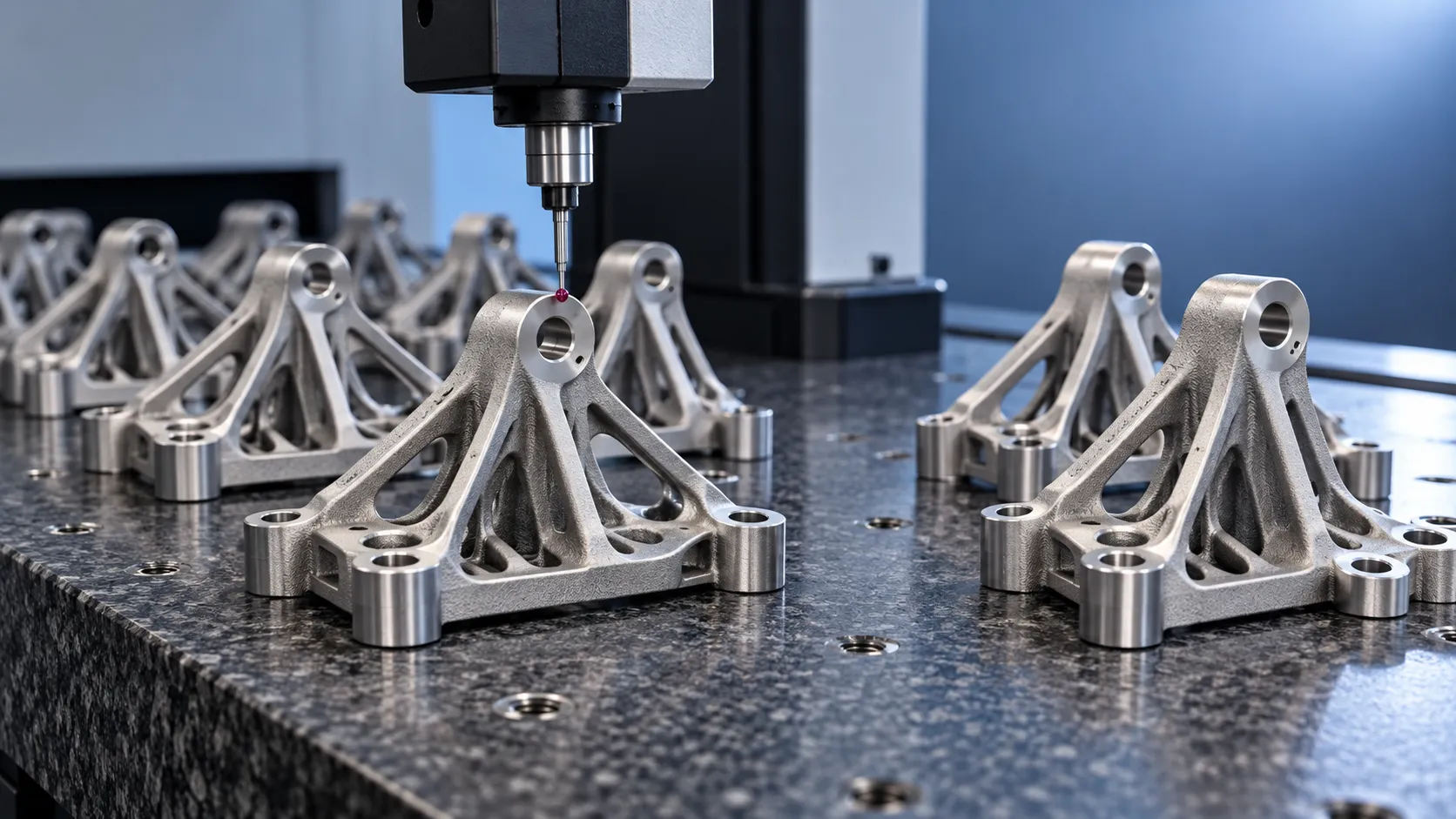
How to verify part consistency before choosing a 3D printing OEM
Choosing a 3D printing OEM? Learn how to verify part consistency with repeat-build trials, validated inspections, and traceability checks before committing to production.
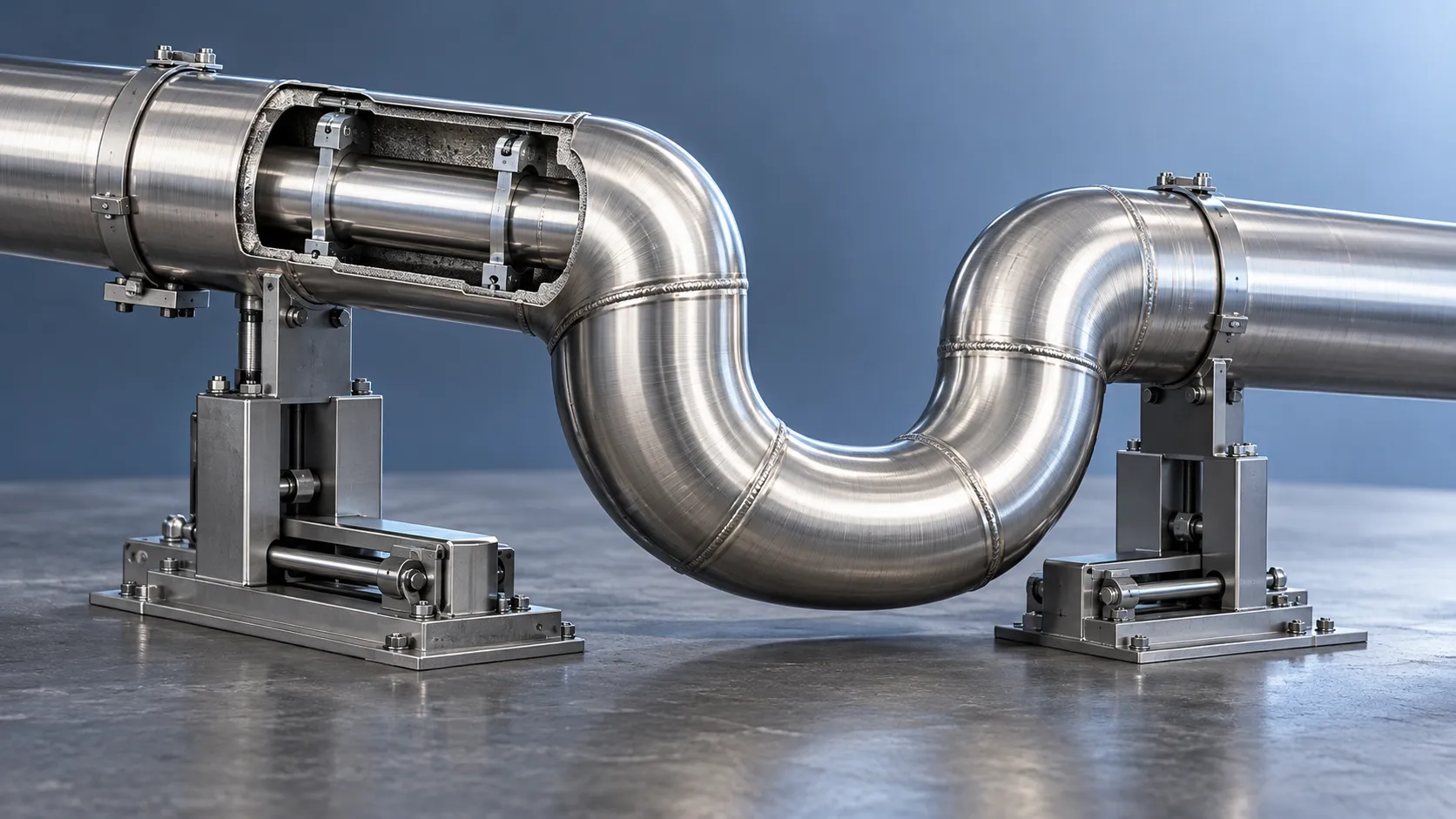
How does a rigid cryogenic transfer line handle thermal contraction?
Learn how a rigid cryogenic transfer line manages thermal contraction with bends, bellows, and guided supports. Discover key design checks for safe, reliable cryogenic performance.
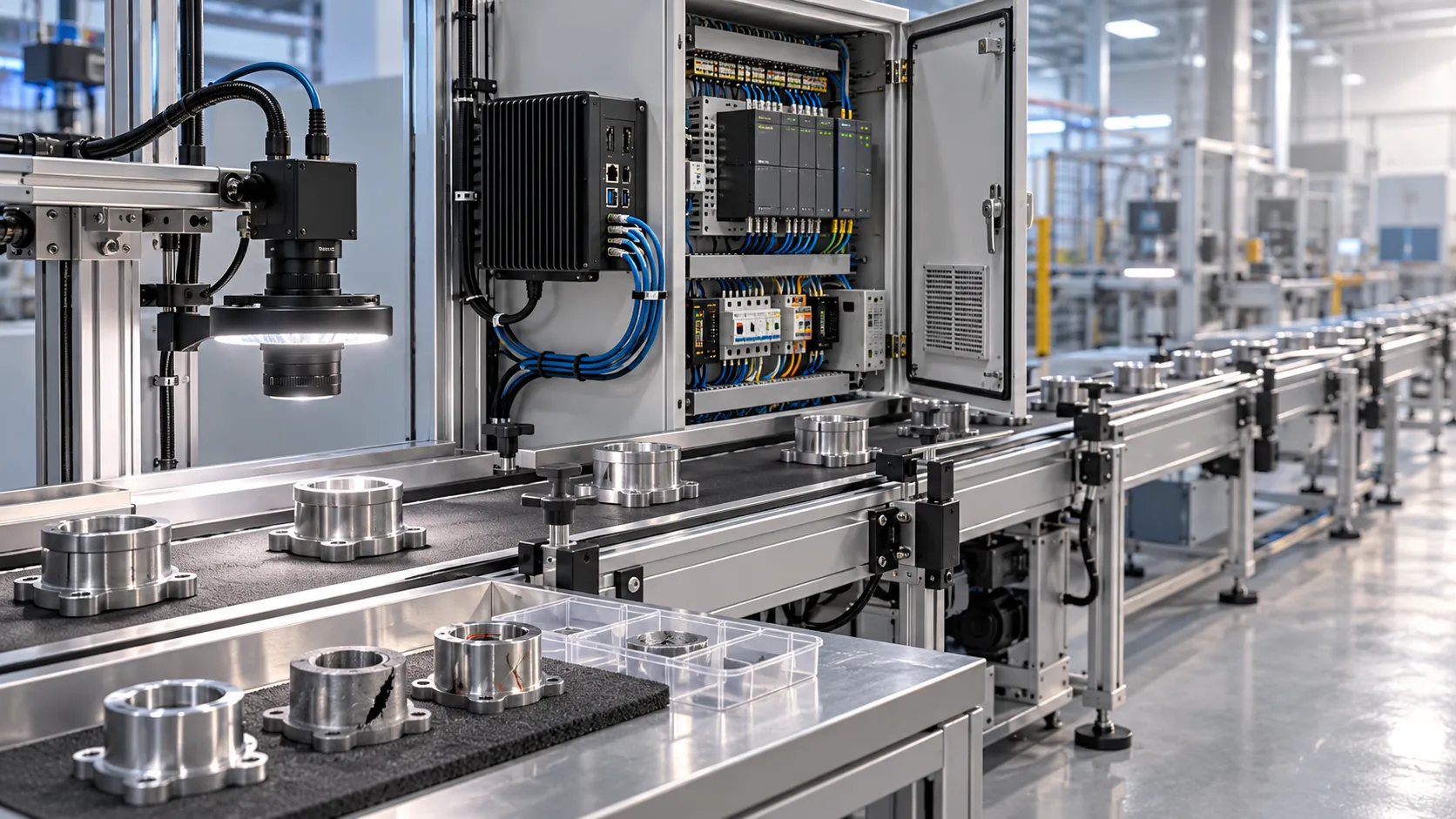
How much does edge vision deployment cost beyond the hardware?
Understand edge vision deployment cost beyond hardware, from data and integration to security and support. Uncover hidden expenses and build a smarter lifecycle budget before you scale.

How does the purity of sputtering targets affect thin-film quality?
Discover how sputtering targets affect thin-film quality. Learn to assess purity, identify harmful impurities, and choose specifications that improve coating performance.
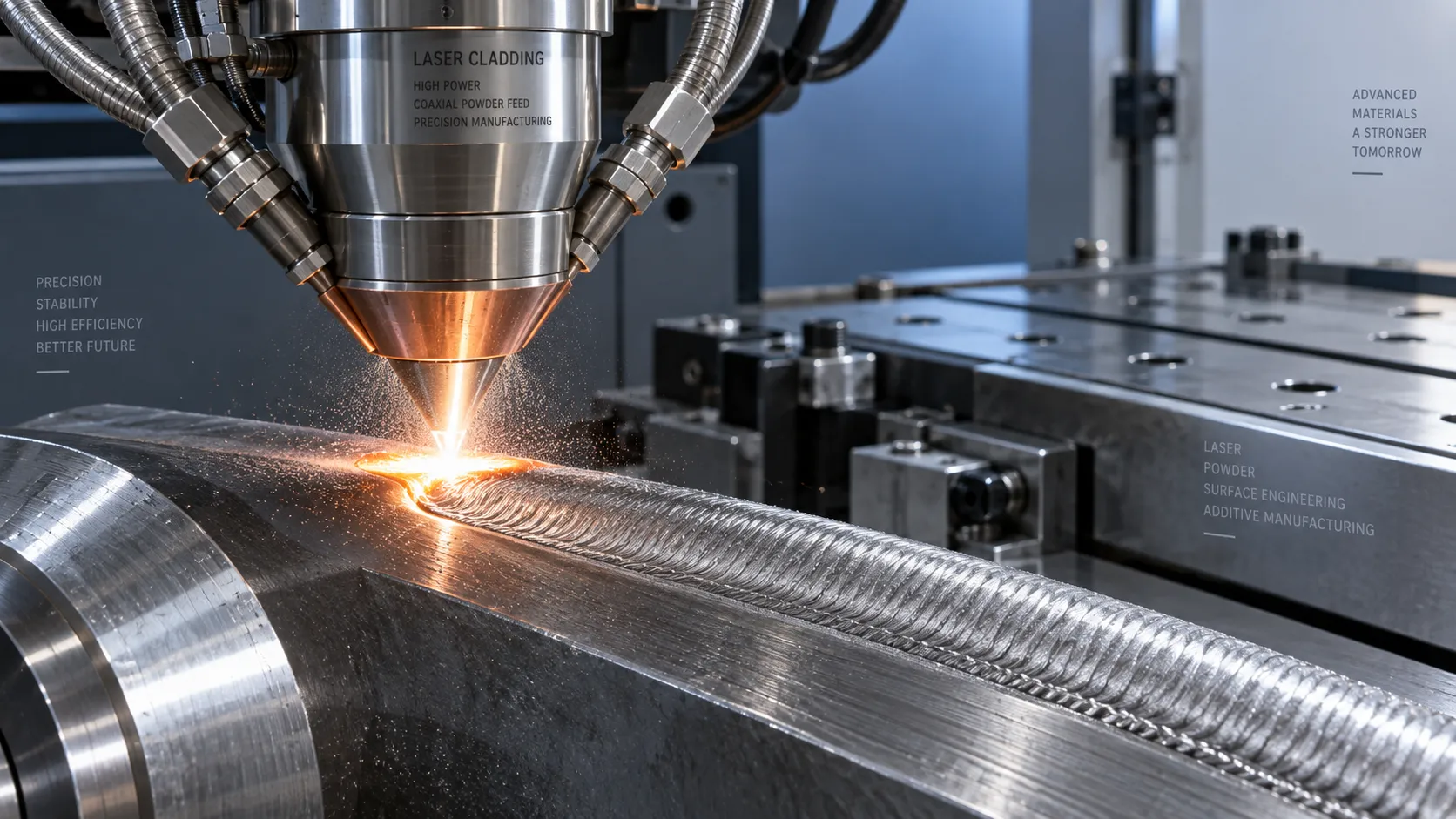
How high power laser cladding systems control substrate dilution
Discover how high power laser cladding systems control substrate dilution through beam shaping, material feed, and thermal management to deliver reliable bonds and coating performance.

How to check HS codes for customs compliance in international logistics
Strengthen international logistics customs compliance: learn how to verify HS codes, check official tariffs, and document classifications to reduce costly shipment delays.
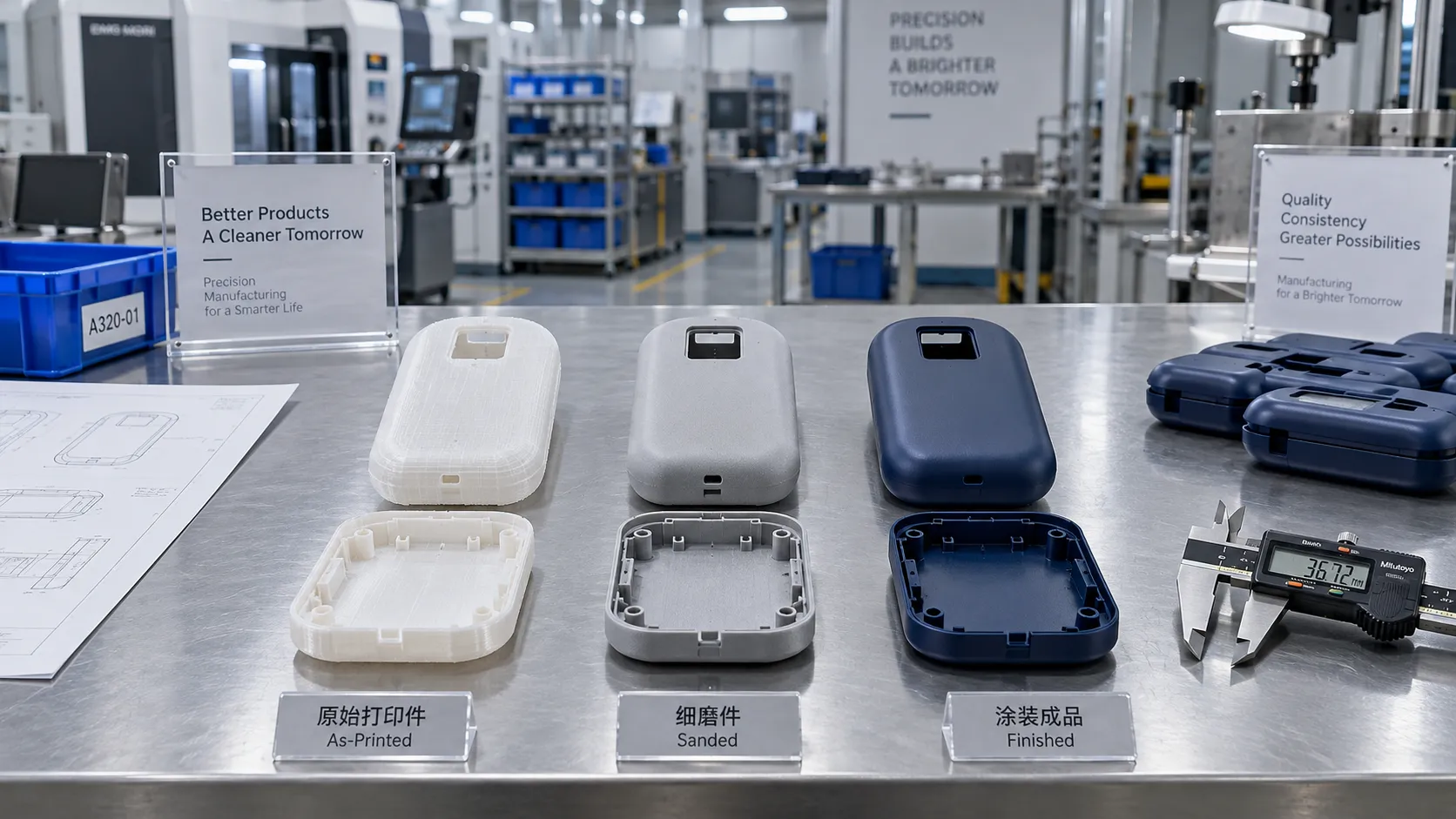
Choosing a 3D Printing Service for Consumer Products: Finish, Fit, and Cost
Compare 3d printing consumer good services by finish, fit, materials, and total cost. Learn how to choose a reliable supplier and avoid costly defects before ordering.
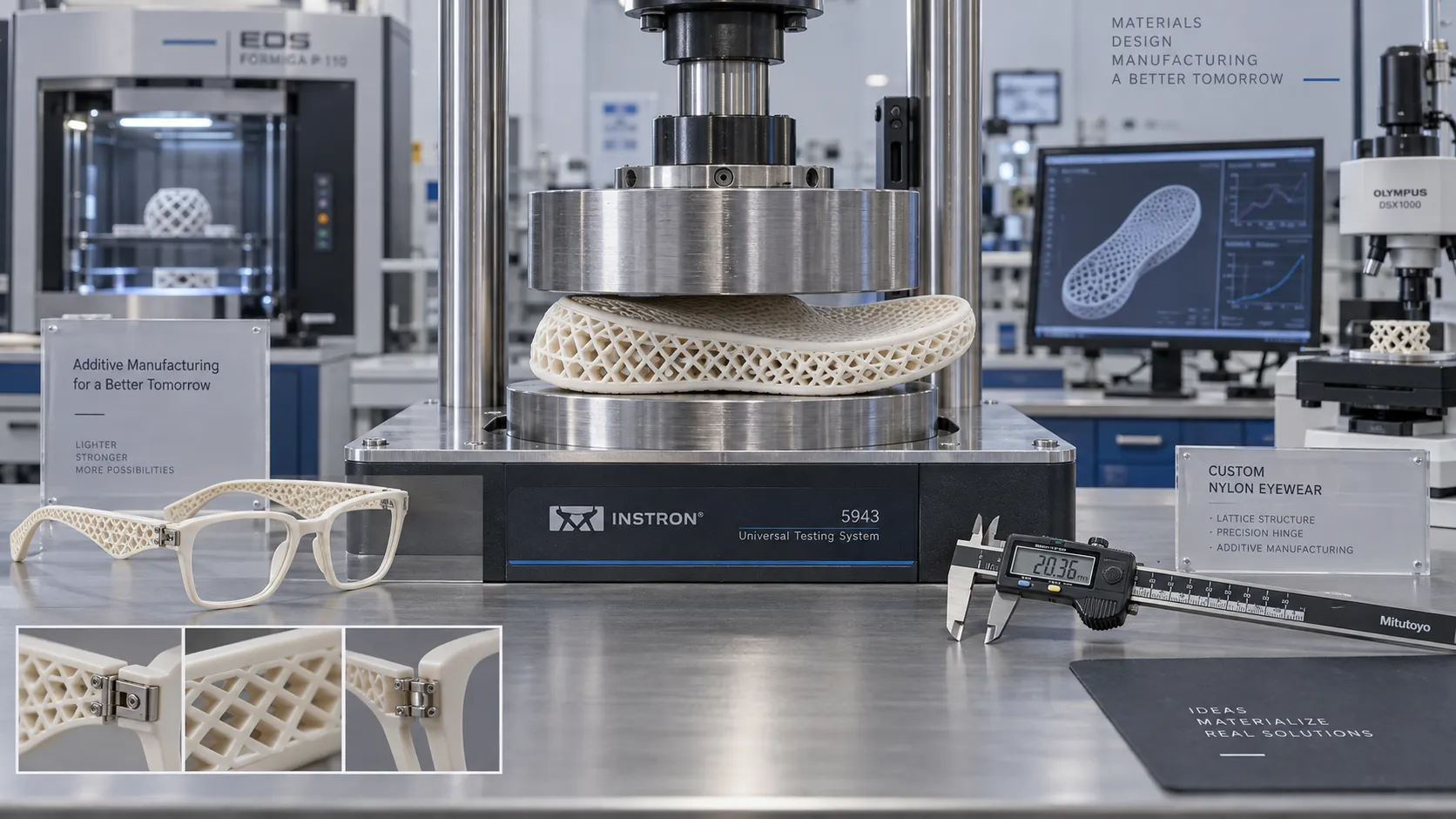
Which Consumer Goods Can Be 3D Printed, and What Are the Practical Limits?
Explore 3d printing consumer goods, from custom eyewear to replacement parts. Discover practical limits on materials, safety, and costs to make smarter production decisions.

From Prototype to Small Batch: Applying 3D Printing to Consumer Goods
Explore 3d printing in consumer goods: learn how to move from prototype to small-batch production with practical guidance on materials, quality validation, and cost control.
Related News
- 00
0000-00
How to verify part consistency before choosing a 3D printing OEM - 00
0000-00
How does a rigid cryogenic transfer line handle thermal contraction? - 00
0000-00
How much does edge vision deployment cost beyond the hardware? - 00
0000-00
How does the purity of sputtering targets affect thin-film quality? - 00
0000-00
How high power laser cladding systems control substrate dilution
Marcus Print
Weekly Insights
Stay ahead with our curated technology reports delivered every Monday.