
Global 3D Printing Machine Tenders: 2026 Outlook


Global 3D printing machine tenders are entering a more competitive phase in 2026. Demand is expanding across aerospace, medical devices, tooling, energy, education, and advanced production lines. At the same time, buyers are raising technical thresholds, documentation standards, and lifecycle expectations. For organizations tracking global 3d printing machine tenders, success will depend on reading requirements early, qualifying opportunities carefully, and aligning technical responses with compliance, delivery, and after-sales capability.
Why a Checklist Matters in Global 3D Printing Machine Tenders
In 2026, tender notices will look broader, but qualification rules will become narrower. Many projects will bundle machine supply with software, material validation, installation, training, and service-level commitments.
That is why a checklist approach is essential. It reduces wasted bidding effort, improves bid/no-bid discipline, and helps teams compare global 3d printing machine tenders using the same technical and commercial frame.
For a multidisciplinary intelligence platform such as G-AIT, this matters even more. Tender evaluation is no longer only about print volume or speed. It includes standards alignment, export control exposure, application fit, metrology integration, and long-term operational reliability.
Core Checklist for Evaluating Global 3D Printing Machine Tenders
- Define the application first, then map machine type, materials, part geometry, throughput target, and post-processing flow before judging whether the tender is commercially realistic.
- Verify the required process class, such as metal PBF, binder jetting, SLA, SLS, FDM, or ceramic printing, because substitution is often restricted in formal bids.
- Check standards references carefully, including ISO, ASTM, CE, electrical safety, powder handling, traceability, and calibration language embedded in annexes or technical appendices.
- Review build envelope, layer thickness, laser or energy source configuration, dimensional tolerance, repeatability, and validated material list against the stated end-use requirement.
- Assess software requirements, including build preparation, simulation, MES connectivity, cybersecurity controls, data export format, and compatibility with ERP or quality systems.
- Confirm whether the tender includes powder sieving, inert gas handling, thermal management, depowdering, curing, HIP, machining, or inspection as part of one integrated package.
- Examine delivery terms, site readiness, utilities, cleanroom or ventilation conditions, and local certification needs that may extend installation timelines or increase hidden cost.
- Measure service capability by response time, spare parts localization, preventive maintenance scope, operator training depth, and remote diagnostics commitments written into the bid.
- Screen export control, dual-use restrictions, end-user declarations, and sanctioned component exposure before preparing any formal commercial or technical submission.
- Compare evaluation weighting, because many global 3d printing machine tenders award points for technical methodology, energy efficiency, and qualification support, not price alone.
How Buyer Priorities Are Changing in 2026
The strongest shift is from machine-centric buying to production-system buying. Buyers increasingly ask whether a 3D printing cell can deliver repeatable parts under documented process control, not just whether a printer can run.
Another shift is evidence depth. More global 3d printing machine tenders now request benchmark samples, qualification data, uptime references, and third-party test results. Marketing claims alone will not carry a bid.
Energy use and sustainability are also becoming scored factors. Powder recycling rates, scrap reduction, gas consumption, and machine utilization efficiency can influence final tender rankings.
Aerospace and Defense
These projects usually demand strict process qualification, batch traceability, metallurgical consistency, and post-build inspection compatibility. Technical documentation must be exact and revision-controlled.
Global 3d printing machine tenders in this segment often prioritize inert atmosphere stability, parameter locking, quality logs, and integration with non-destructive inspection workflows.
Medical and Dental
Medical-related tenders focus on validated materials, dimensional precision, sterilization compatibility, and regulated production records. Software traceability and repeatability usually matter as much as machine speed.
Where patient-specific production is involved, workflow consistency from scan data to final part can become a decisive scoring criterion.
Industrial Tooling and General Manufacturing
This segment values turnaround time, material flexibility, fixture accuracy, and production economics. Buyers often seek equipment that supports both prototyping and low-volume functional output.
In these global 3d printing machine tenders, the winning offer is frequently the one that proves shortest time-to-value after installation.
Education, Research, and Public Innovation Labs
These bids often combine technical breadth with budget control. Multi-material capability, user safety, training resources, and open parameter access may outrank maximum throughput.
Tender packages may also request curriculum support, demonstration modules, and maintenance simplicity for mixed-experience operating environments.
Frequently Missed Risks in Global 3D Printing Machine Tenders
Overlooking annex documents is a common mistake. Key acceptance criteria are often hidden in technical schedules, environmental clauses, or service appendices rather than the headline specification.
Underestimating local installation constraints can also sink a project. Power stability, gas purity, extraction systems, floor loading, and temperature control affect both compliance and commissioning.
Another risk is offering a machine without validating the full digital chain. If file preparation, simulation, print monitoring, and quality reporting are disconnected, the bid may fail operational review.
Service promises are another weak point. Many submissions describe support in general terms, while the tender requires named local resources, spare parts lead times, and preventive maintenance intervals.
Finally, some bidders ignore geopolitical and export-control friction. In 2026, global 3d printing machine tenders involving advanced metal systems may face tighter scrutiny on components, software, and end use.
Practical Execution Steps Before Submission
- Build a tender matrix that links every requirement to a document, test report, certificate, drawing, or service commitment, then score any unresolved compliance gap.
- Prepare a process-fit note explaining why the proposed machine architecture matches the target application, material route, and expected production environment.
- Localize the commercial structure by clarifying Incoterms, taxes, training days, warranty coverage, consumables, and optional upgrades before pricing is finalized.
- Attach proof, not claims, including benchmark prints, uptime references, qualification pathways, and service case examples relevant to the buyer’s sector.
- Review legal and regulatory exposure with special attention to dual-use rules, software licenses, and destination-country technical approval obligations.
Market Outlook for 2026
The 2026 pipeline for global 3d printing machine tenders is likely to broaden geographically. Southeast Asia, the Middle East, Eastern Europe, and Latin America are expected to issue more capability-building tenders.
At the same time, mature markets will move toward higher-value replacement cycles. Existing users will seek larger build platforms, higher automation, closed-loop quality systems, and better enterprise connectivity.
This favors suppliers and partners that can combine machine knowledge with materials science, inspection logic, and regulatory awareness. That integrated view is where technical intelligence platforms such as G-AIT create real advantage.
Conclusion and Next Action
Global 3d printing machine tenders in 2026 will reward disciplined qualification, precise documentation, and application-led positioning. The best opportunities will not necessarily be the biggest tenders, but the ones where technical fit, compliance readiness, and delivery structure are strongest.
Start by screening each notice with a structured checklist, then validate process suitability, standards alignment, service depth, and export-control exposure. A stronger response begins long before submission day.
For teams monitoring global 3d printing machine tenders across multiple regions, the practical next step is clear: centralize tender intelligence, benchmark requirements against proven system data, and pursue only the bids that can be won credibly and delivered reliably.
Related News
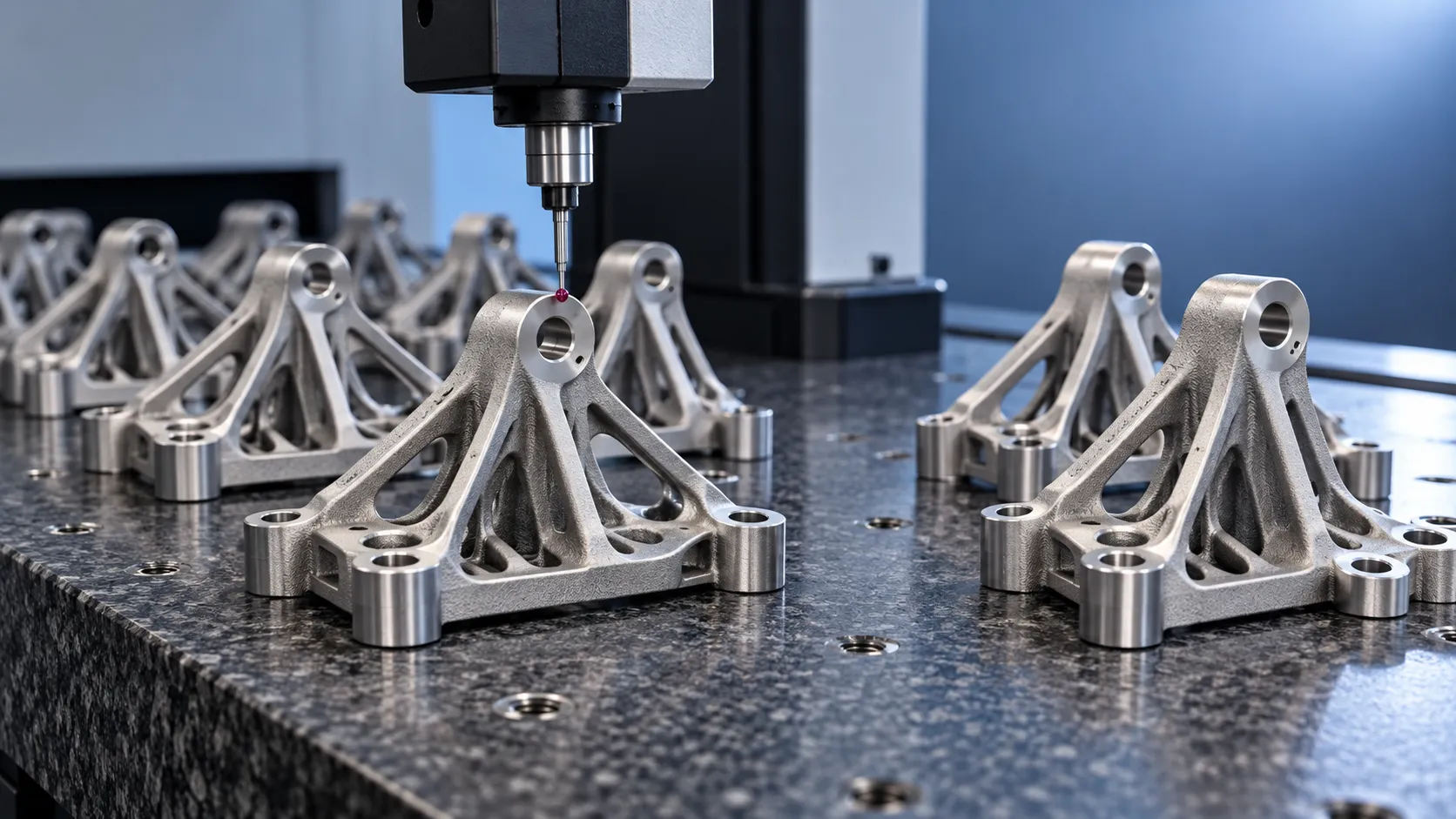
How to verify part consistency before choosing a 3D printing OEM
Choosing a 3D printing OEM? Learn how to verify part consistency with repeat-build trials, validated inspections, and traceability checks before committing to production.
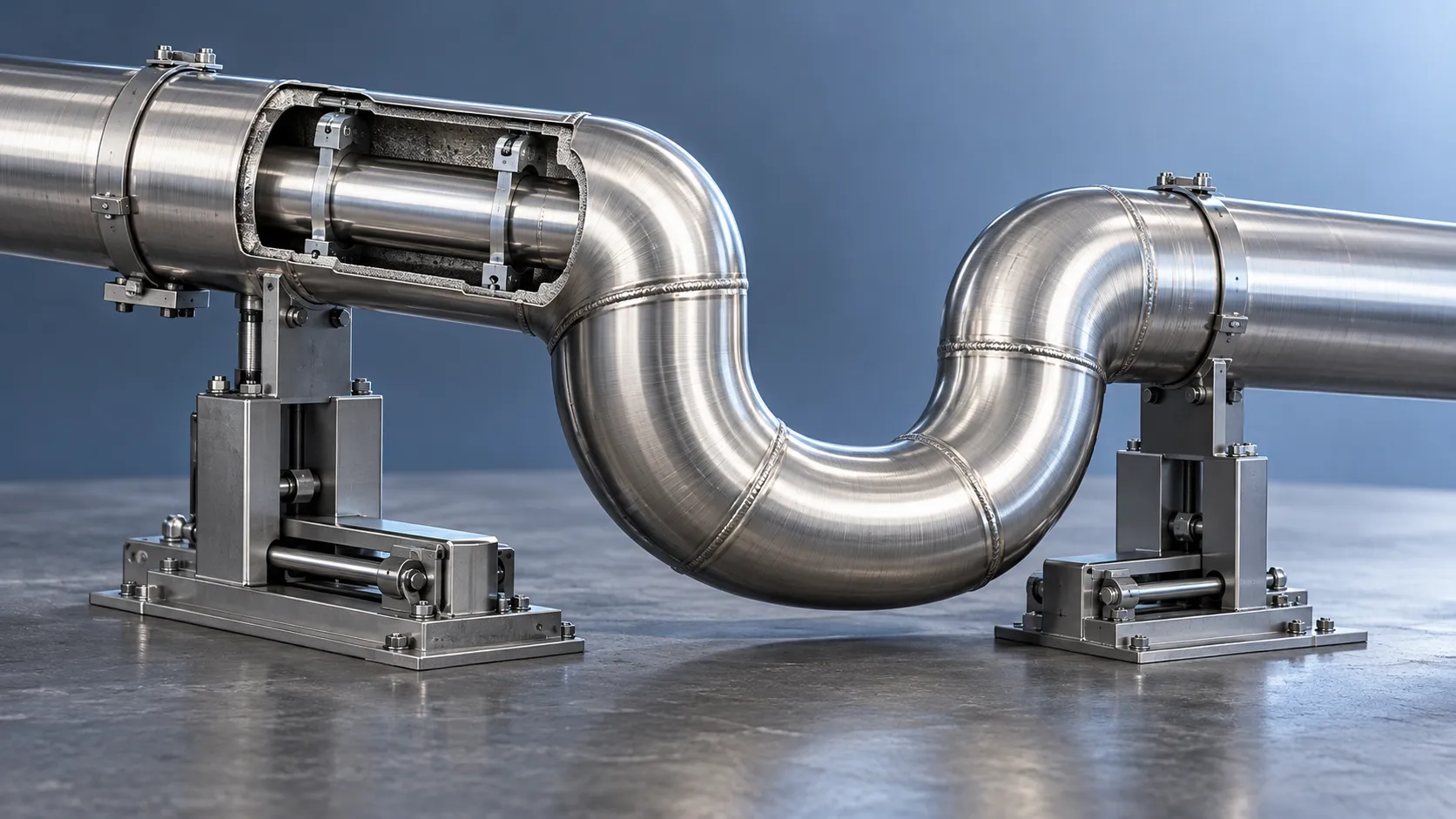
How does a rigid cryogenic transfer line handle thermal contraction?
Learn how a rigid cryogenic transfer line manages thermal contraction with bends, bellows, and guided supports. Discover key design checks for safe, reliable cryogenic performance.

How much does edge vision deployment cost beyond the hardware?
Understand edge vision deployment cost beyond hardware, from data and integration to security and support. Uncover hidden expenses and build a smarter lifecycle budget before you scale.

How does the purity of sputtering targets affect thin-film quality?
Discover how sputtering targets affect thin-film quality. Learn to assess purity, identify harmful impurities, and choose specifications that improve coating performance.

How high power laser cladding systems control substrate dilution
Discover how high power laser cladding systems control substrate dilution through beam shaping, material feed, and thermal management to deliver reliable bonds and coating performance.
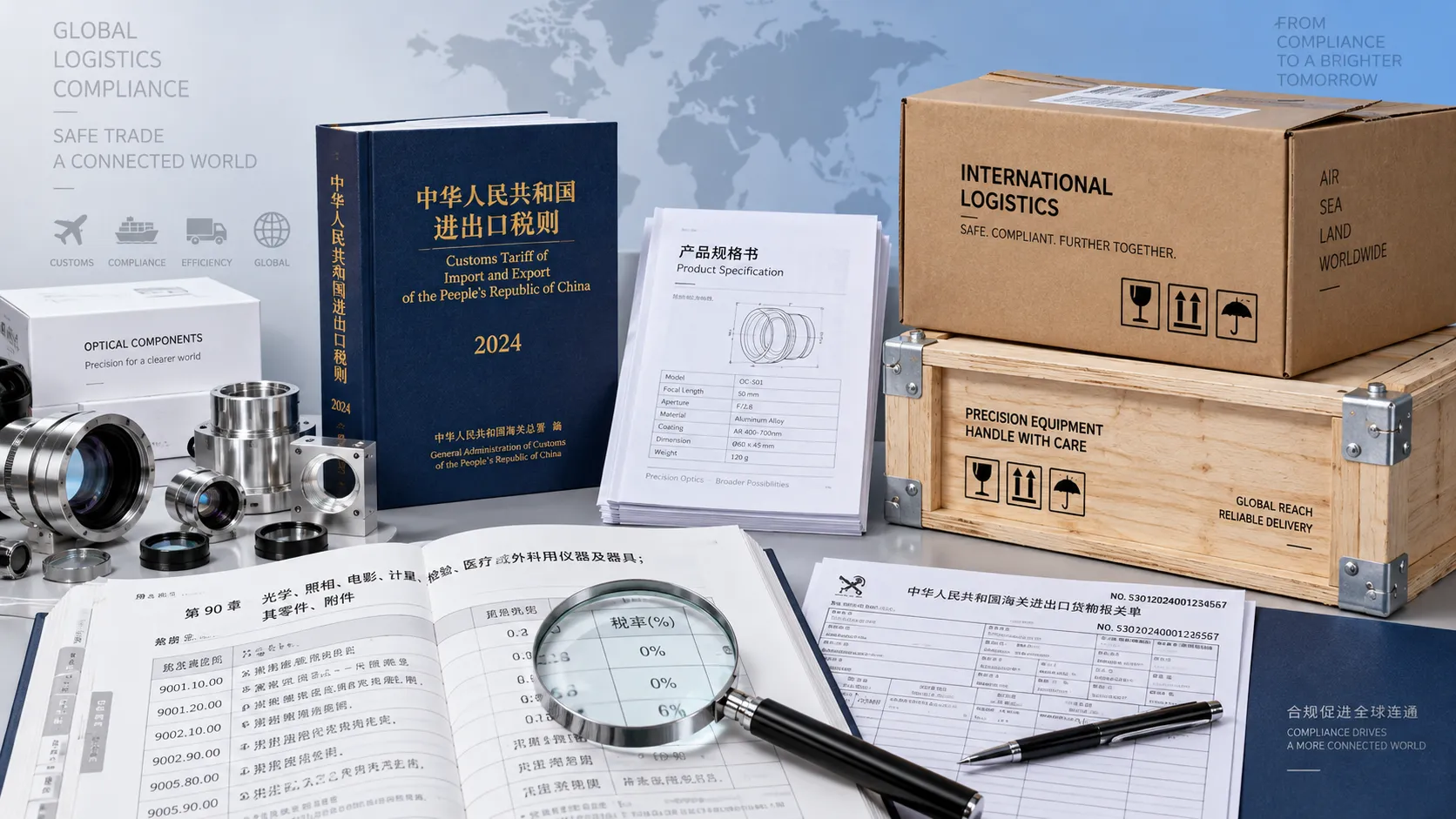
How to check HS codes for customs compliance in international logistics
Strengthen international logistics customs compliance: learn how to verify HS codes, check official tariffs, and document classifications to reduce costly shipment delays.
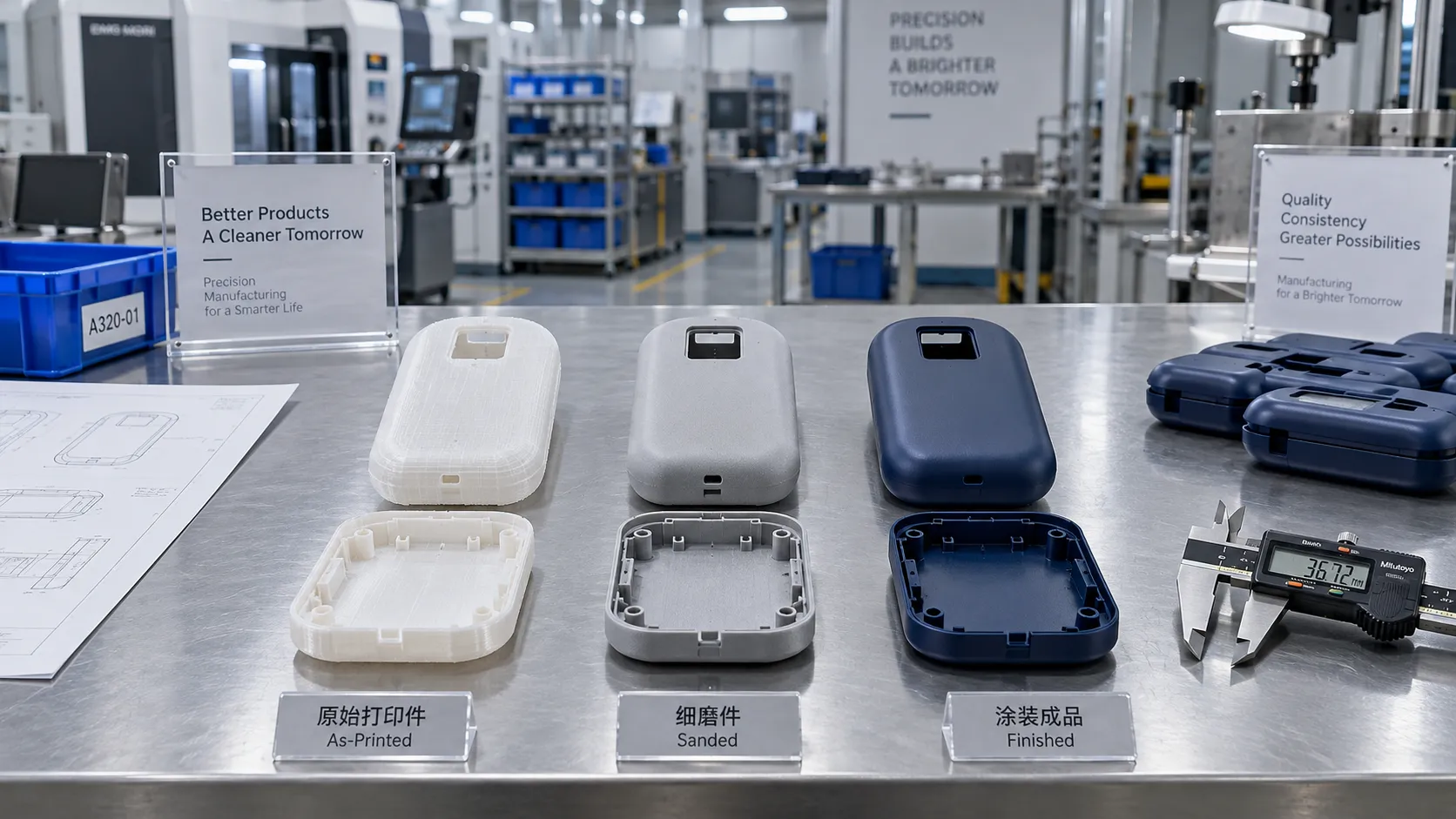
Choosing a 3D Printing Service for Consumer Products: Finish, Fit, and Cost
Compare 3d printing consumer good services by finish, fit, materials, and total cost. Learn how to choose a reliable supplier and avoid costly defects before ordering.
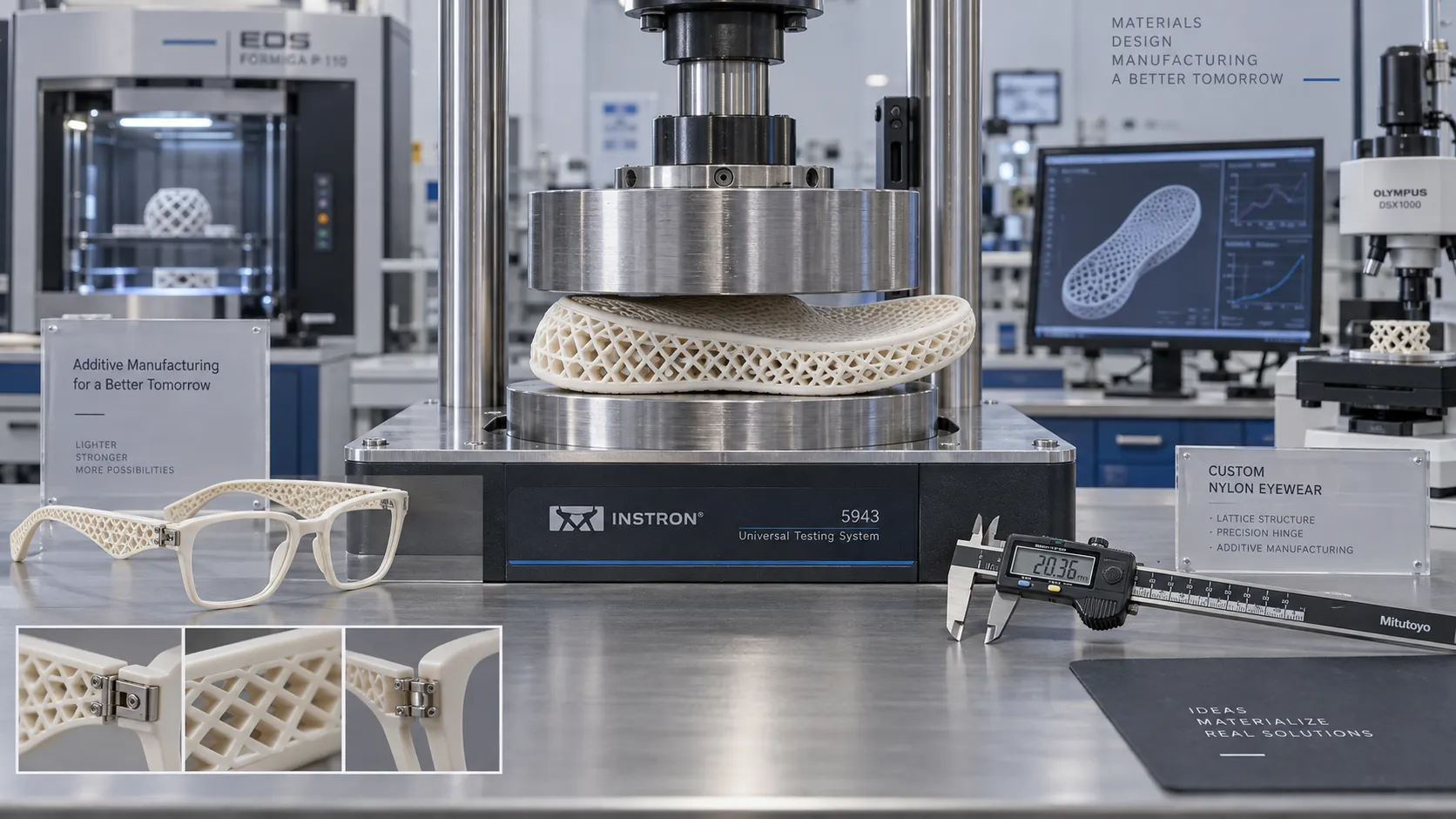
Which Consumer Goods Can Be 3D Printed, and What Are the Practical Limits?
Explore 3d printing consumer goods, from custom eyewear to replacement parts. Discover practical limits on materials, safety, and costs to make smarter production decisions.

From Prototype to Small Batch: Applying 3D Printing to Consumer Goods
Explore 3d printing in consumer goods: learn how to move from prototype to small-batch production with practical guidance on materials, quality validation, and cost control.
Related News
- 00
0000-00
How to verify part consistency before choosing a 3D printing OEM - 00
0000-00
How does a rigid cryogenic transfer line handle thermal contraction? - 00
0000-00
How much does edge vision deployment cost beyond the hardware? - 00
0000-00
How does the purity of sputtering targets affect thin-film quality? - 00
0000-00
How high power laser cladding systems control substrate dilution
Marcus Print
Weekly Insights
Stay ahead with our curated technology reports delivered every Monday.