
3D Printing in Automotive Supply Chain: What Changed

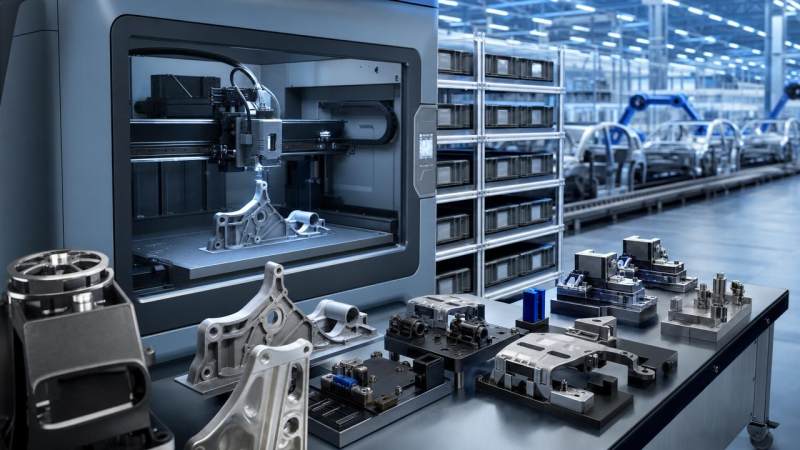
3d printing in automotive supply chain is no longer a side experiment for concept labs. It now changes sourcing speed, tooling exposure, inventory logic, and production continuity across vehicle programs.
The biggest shift is practical. Additive manufacturing increasingly supports qualified parts, faster design validation, and localized supply options under cost, compliance, and resilience pressure.
For industrial planning, the value of 3d printing in automotive supply chain depends on the scenario. Prototype urgency, service parts complexity, plant downtime risk, and certification needs create very different adoption paths.
Why scenario judgment matters more than hype
The same additive process does not fit every automotive requirement. A bracket for testing, a low-volume interior part, and a tooling insert face different quality, traceability, and throughput expectations.
That is why 3d printing in automotive supply chain should be assessed by application window, not by trend language. Decisions improve when teams match geometry, volume, material, and regulatory exposure.
This approach also aligns with benchmark-driven industrial evaluation. Verified process capability, international standards, and lifecycle economics matter more than simple printer ownership.
Scenario 1: Development programs where time loss costs more than unit price
When prototyping speed changes program decisions
In development stages, 3d printing in automotive supply chain shortens the path from CAD revision to physical evaluation. That reduces waiting time for fit checks, airflow studies, and assembly validation.
The change is not only faster models. It also reduces dependence on temporary tooling, outsourced machining slots, and long approval loops for low-risk validation components.
Core judgment points for this scenario
- Revision frequency is high and tooling changes would be expensive.
- Part geometry is complex or hard to machine quickly.
- Testing needs functional similarity before production tooling exists.
- Launch timing has greater impact than early unit economics.
In this scenario, 3d printing in automotive supply chain often creates value through cycle compression. Faster design confirmation can prevent downstream tooling rework and late-stage engineering changes.
Scenario 2: Low-volume and customized parts where tooling risk is hard to justify
Where additive manufacturing beats conventional setup costs
Special editions, motorsport derivatives, premium trims, and regional variants often have limited demand. Traditional tooling can make those parts financially fragile from the start.
Here, 3d printing in automotive supply chain reduces upfront commitment. It supports production without locking capital into molds or fixtures that may never reach efficient utilization.
What changed in this use case
Material choices, repeatability controls, and digital workflow integration have improved. That makes additive methods more viable for selected end-use applications, not just visual mockups.
Localized output also matters. Instead of shipping slow-moving parts globally, qualified production can move closer to demand points when logistics volatility is high.
Scenario 3: Spare parts and service continuity where inventory becomes digital
Why aftermarket support is a major change area
Service parts create a difficult balance. Low turnover parts consume storage space, but stockouts can damage uptime, repair timelines, and customer commitments.
3d printing in automotive supply chain changes this by shifting selected items from physical inventory to digital inventory. Files, process parameters, and quality records become strategic assets.
Key evaluation questions
- Is annual demand too low for economical conventional replenishment?
- Does part obsolescence create inventory write-off risk?
- Can the part be qualified through controlled additive workflows?
- Would localized production reduce lead time exposure?
This is one of the clearest examples of how 3d printing in automotive supply chain supports resilience. It can reduce dependence on old tooling, distant warehouses, and single-source legacy suppliers.
Scenario 4: Tooling, jigs, fixtures, and plant support where indirect gains are immediate
The fastest return often comes from non-product parts
Many production sites first benefit from additive manufacturing through assembly aids, inspection fixtures, robotic grippers, and ergonomic tools. Qualification burden is usually lower than for road-use components.
In this setting, 3d printing in automotive supply chain improves responsiveness inside the factory. Engineering changes can be translated into physical support tools within days instead of weeks.
Typical indicators of fit
Frequent line adjustments, operator ergonomics issues, and custom holding requirements all point to good additive opportunities. Weight reduction and shape flexibility are especially useful here.
These indirect applications also build internal process confidence. They help establish material handling, inspection routines, and documentation discipline before critical part programs expand.
How demand differs across automotive supply scenarios
Practical fit recommendations for 3d printing in automotive supply chain
- Start with parts where complexity is high and annual volume is low.
- Separate appearance models, functional prototypes, and end-use parts in qualification plans.
- Map each candidate part against material, tolerance, load, and environmental exposure.
- Use ISO, ASTM, and customer-specific documentation requirements from the beginning.
- Build a digital thread covering file control, machine settings, inspection, and batch traceability.
- Compare additive economics against tooling amortization, logistics, and obsolescence, not only piece price.
For advanced industrial environments, this is where structured intelligence matters. Benchmarking machine capability, process stability, and regulatory alignment reduces trial-and-error deployment.
A data-centered approach is especially important when metal additive systems, inspection workflows, and export control factors intersect within global programs.
Common misjudgments that weaken results
Mistaking design freedom for automatic cost savings
Not every printable part is economical. Post-processing, support removal, inspection, and certification can outweigh benefits if the use case is poorly chosen.
Ignoring qualification and repeatability requirements
3d printing in automotive supply chain succeeds when process control is disciplined. Material lot consistency, machine calibration, and documented acceptance criteria are essential.
Focusing only on printers, not the full workflow
The real system includes design rules, simulation, powder or filament management, thermal treatment, metrology, and digital traceability. Weakness in any step can block industrial scaling.
Underestimating compliance and data governance
Distributed manufacturing introduces file security, revision control, and trade compliance questions. These issues become critical when parts move across borders or regulated sectors.
What to do next if 3d printing in automotive supply chain is under review
Begin with a structured part screening exercise. Rank candidates by lead time pain, tooling exposure, geometry complexity, service urgency, and qualification difficulty.
Then validate a small portfolio across different scenarios. Include one prototype application, one plant-support tool, and one low-volume or service part with clear documentation rules.
Measure outcomes beyond unit cost. Track development days saved, inventory reduced, downtime avoided, and sourcing flexibility gained. Those metrics reveal the real impact.
The market shift is clear: 3d printing in automotive supply chain now matters where speed, complexity, resilience, and controlled localization intersect. The best results come from scenario-based adoption, backed by verifiable engineering data.
Related News
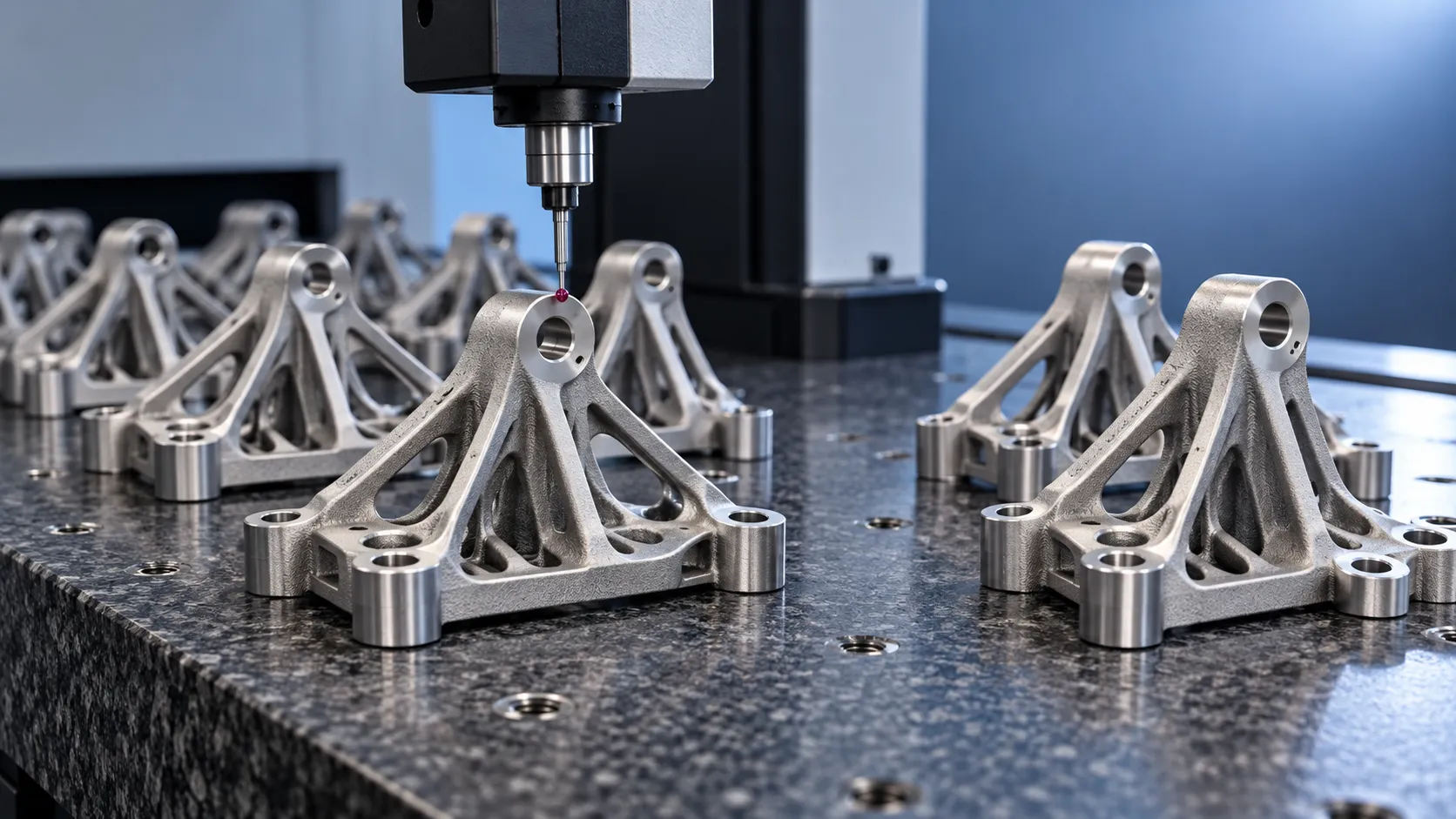
How to verify part consistency before choosing a 3D printing OEM
Choosing a 3D printing OEM? Learn how to verify part consistency with repeat-build trials, validated inspections, and traceability checks before committing to production.
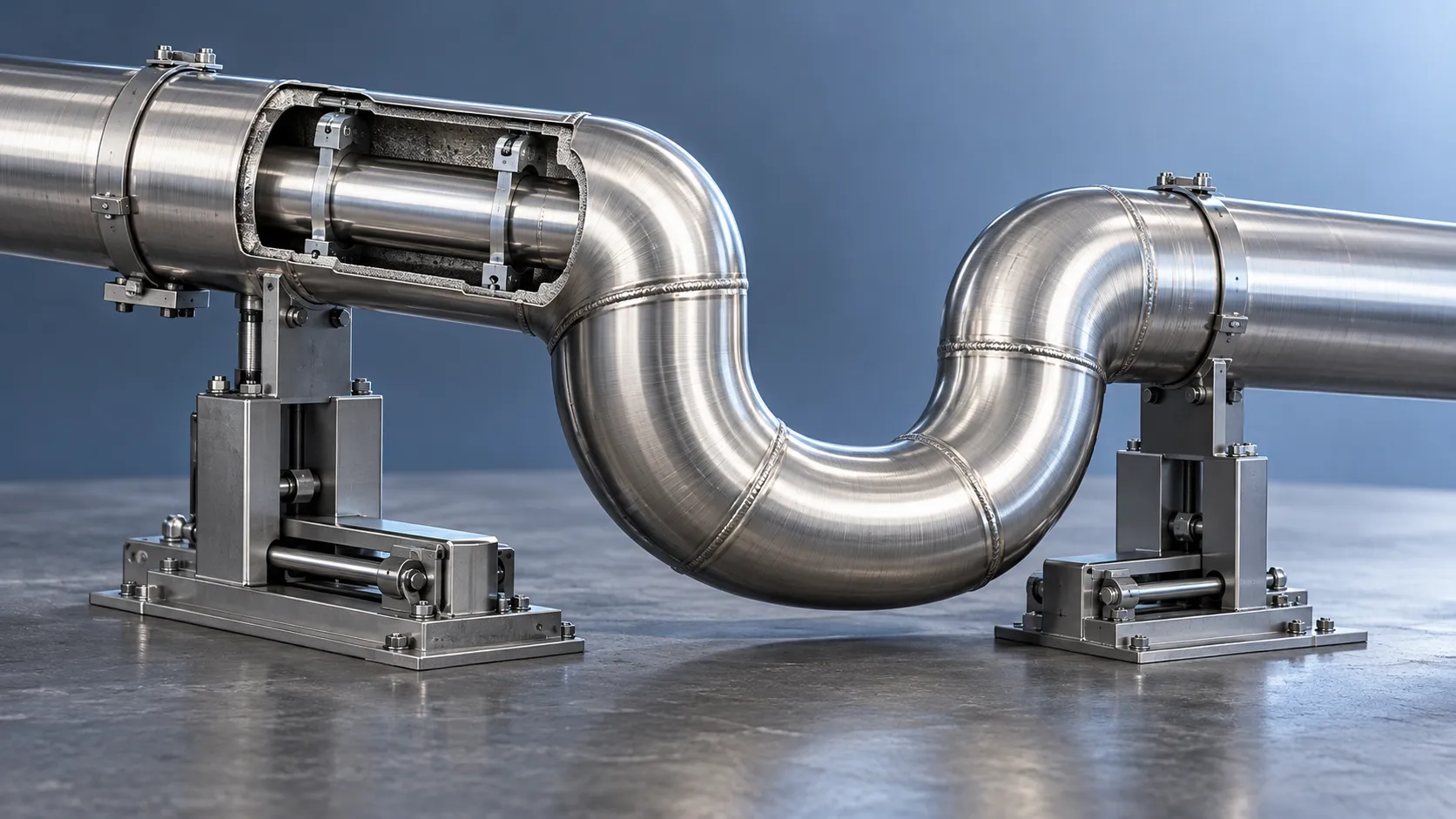
How does a rigid cryogenic transfer line handle thermal contraction?
Learn how a rigid cryogenic transfer line manages thermal contraction with bends, bellows, and guided supports. Discover key design checks for safe, reliable cryogenic performance.
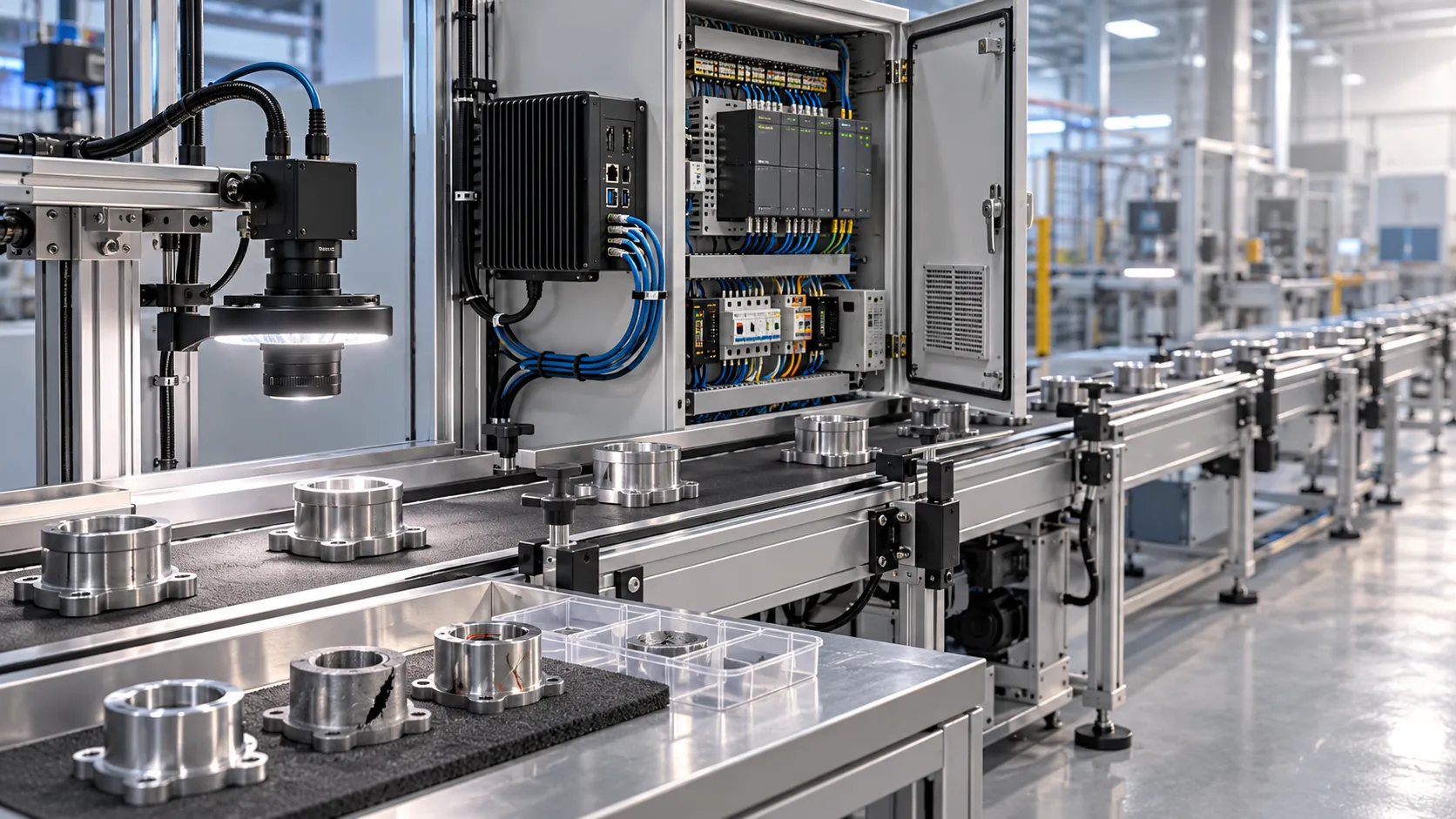
How much does edge vision deployment cost beyond the hardware?
Understand edge vision deployment cost beyond hardware, from data and integration to security and support. Uncover hidden expenses and build a smarter lifecycle budget before you scale.
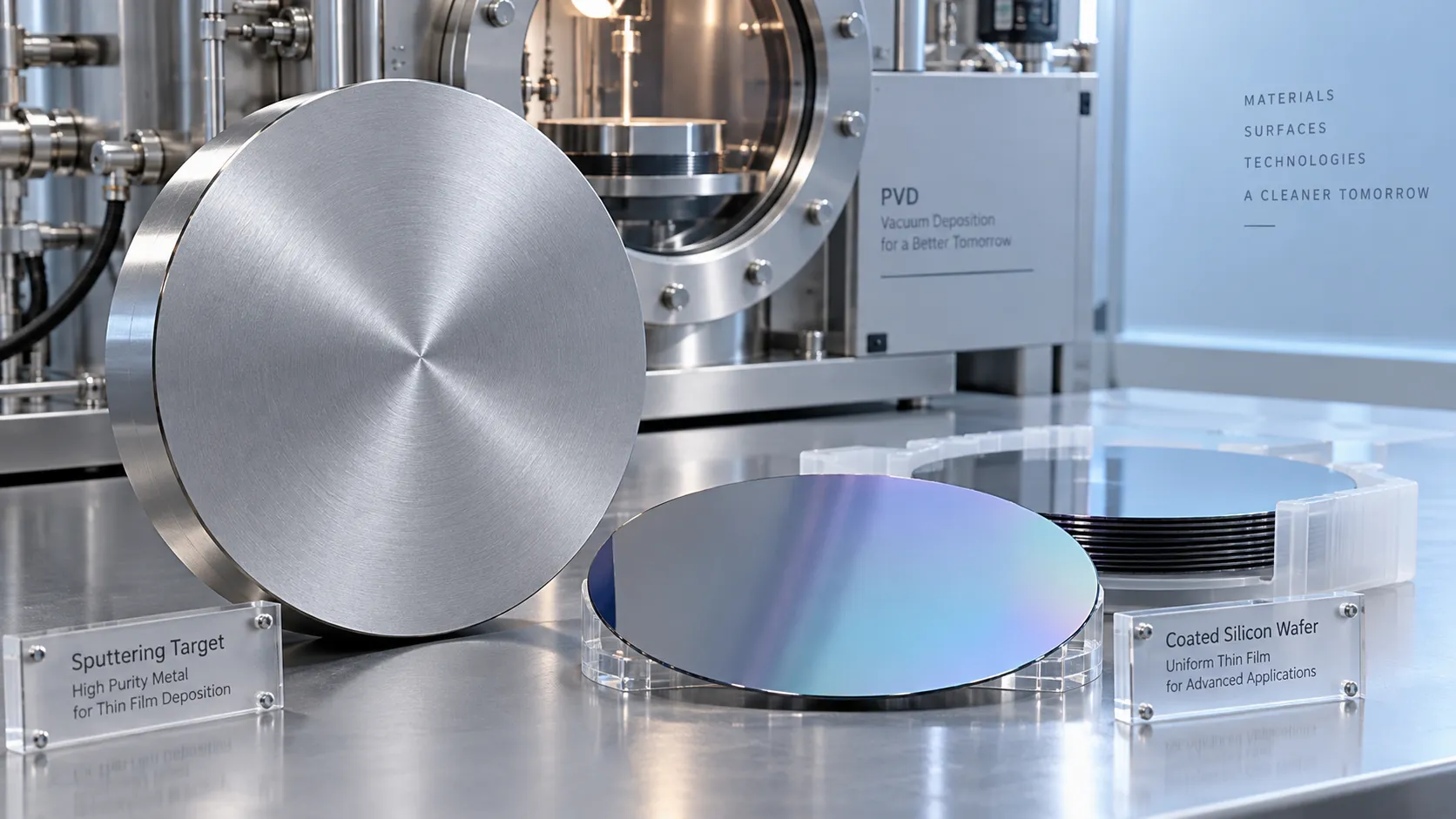
How does the purity of sputtering targets affect thin-film quality?
Discover how sputtering targets affect thin-film quality. Learn to assess purity, identify harmful impurities, and choose specifications that improve coating performance.
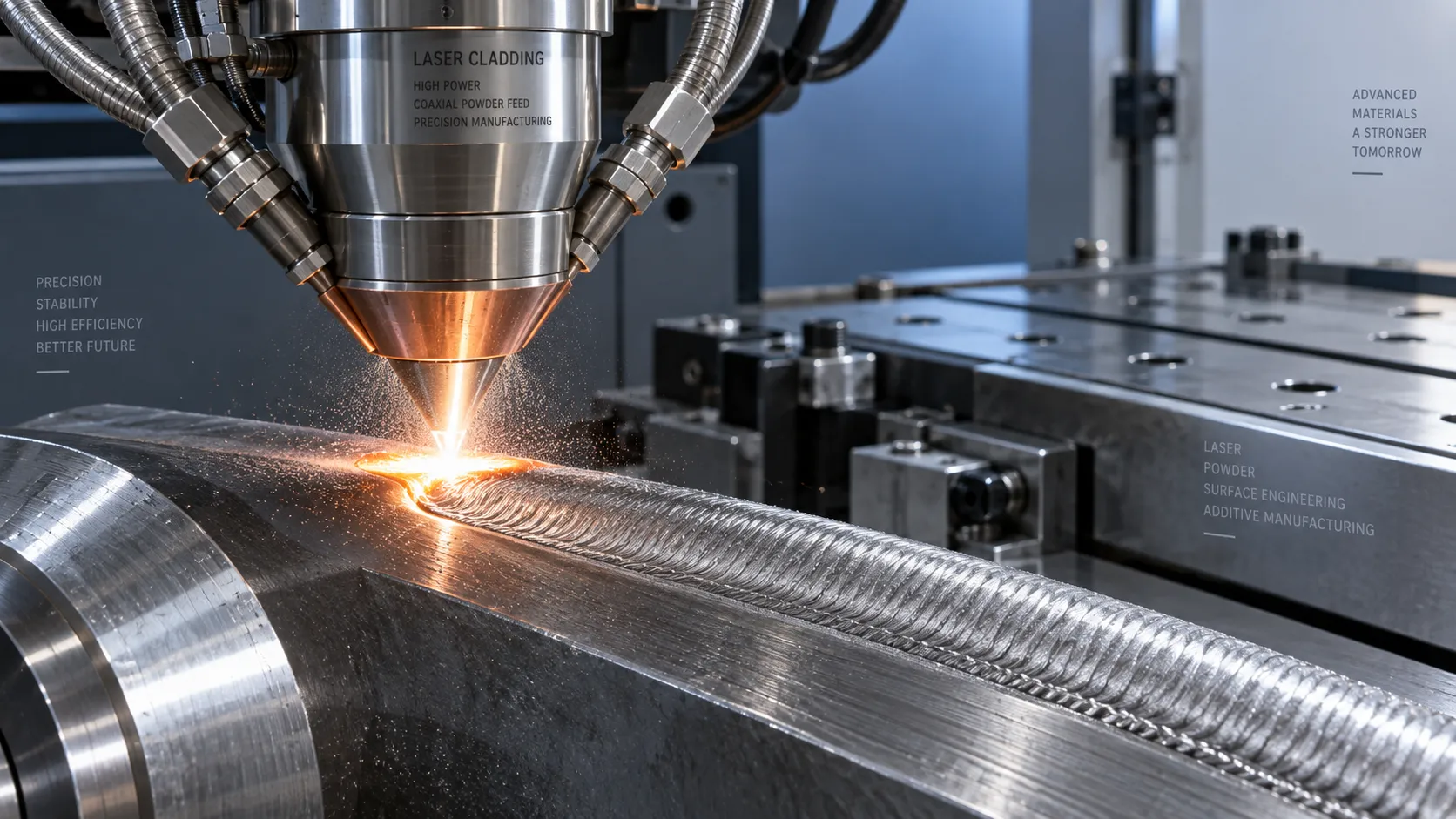
How high power laser cladding systems control substrate dilution
Discover how high power laser cladding systems control substrate dilution through beam shaping, material feed, and thermal management to deliver reliable bonds and coating performance.
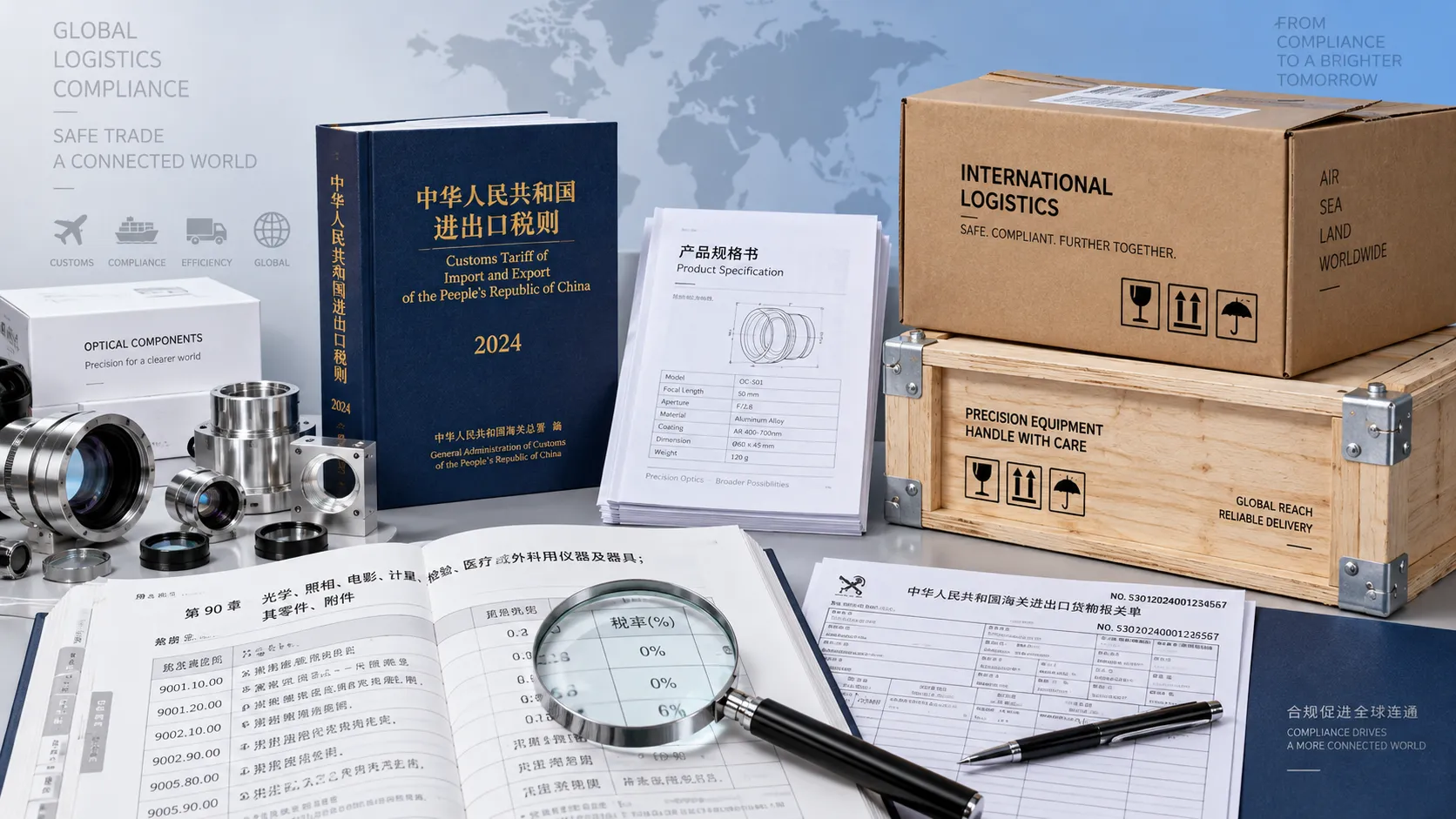
How to check HS codes for customs compliance in international logistics
Strengthen international logistics customs compliance: learn how to verify HS codes, check official tariffs, and document classifications to reduce costly shipment delays.
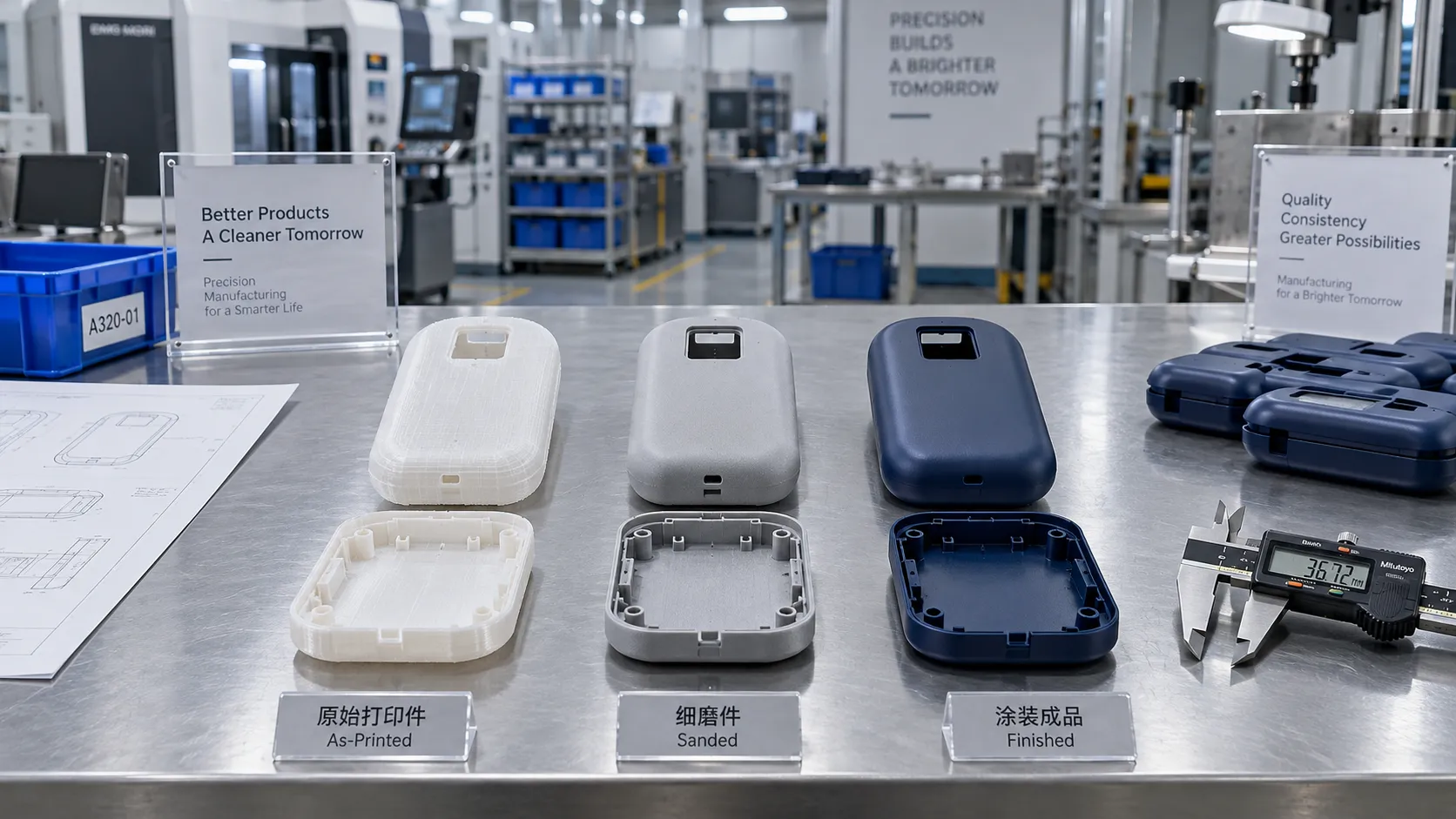
Choosing a 3D Printing Service for Consumer Products: Finish, Fit, and Cost
Compare 3d printing consumer good services by finish, fit, materials, and total cost. Learn how to choose a reliable supplier and avoid costly defects before ordering.
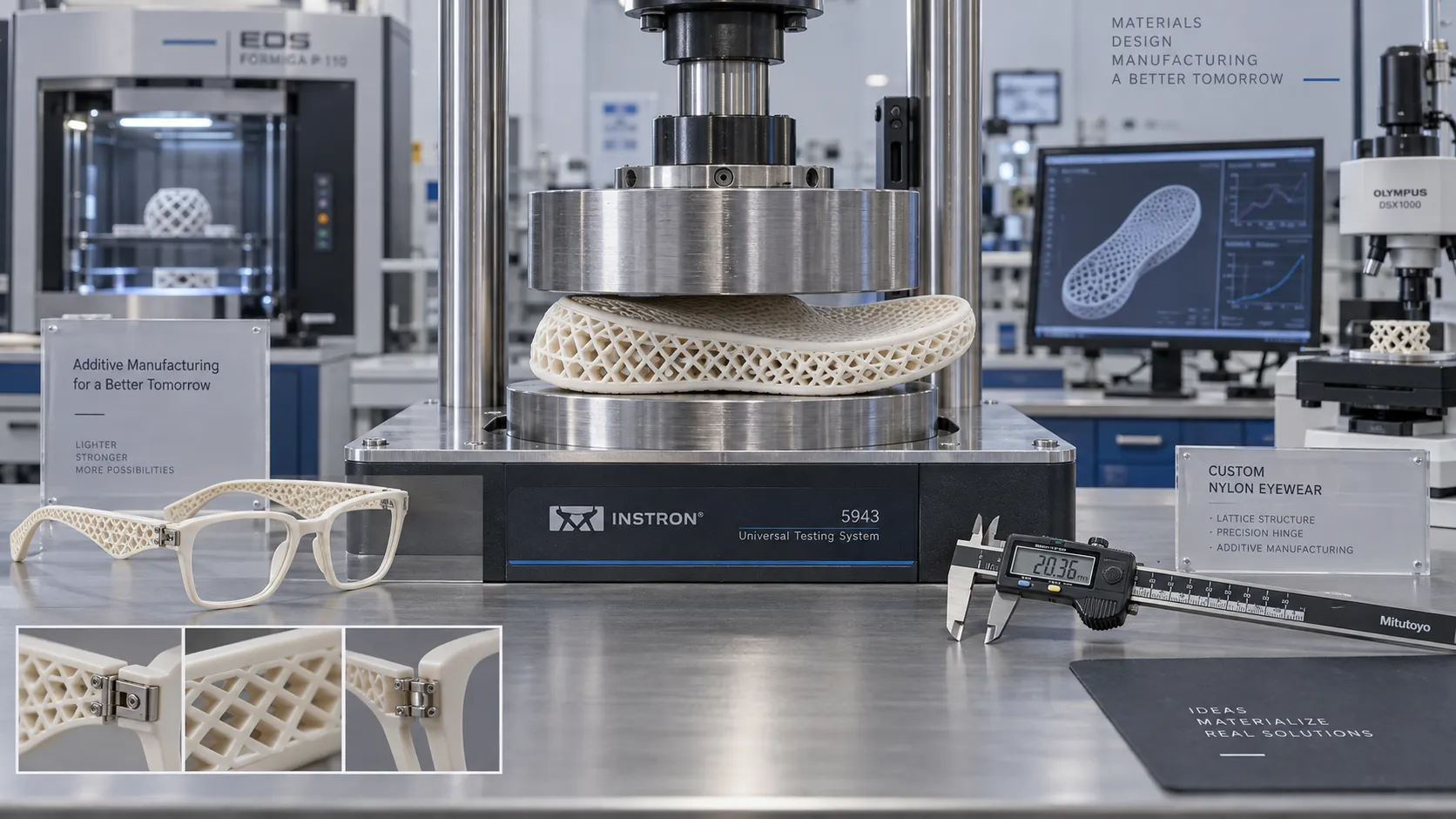
Which Consumer Goods Can Be 3D Printed, and What Are the Practical Limits?
Explore 3d printing consumer goods, from custom eyewear to replacement parts. Discover practical limits on materials, safety, and costs to make smarter production decisions.
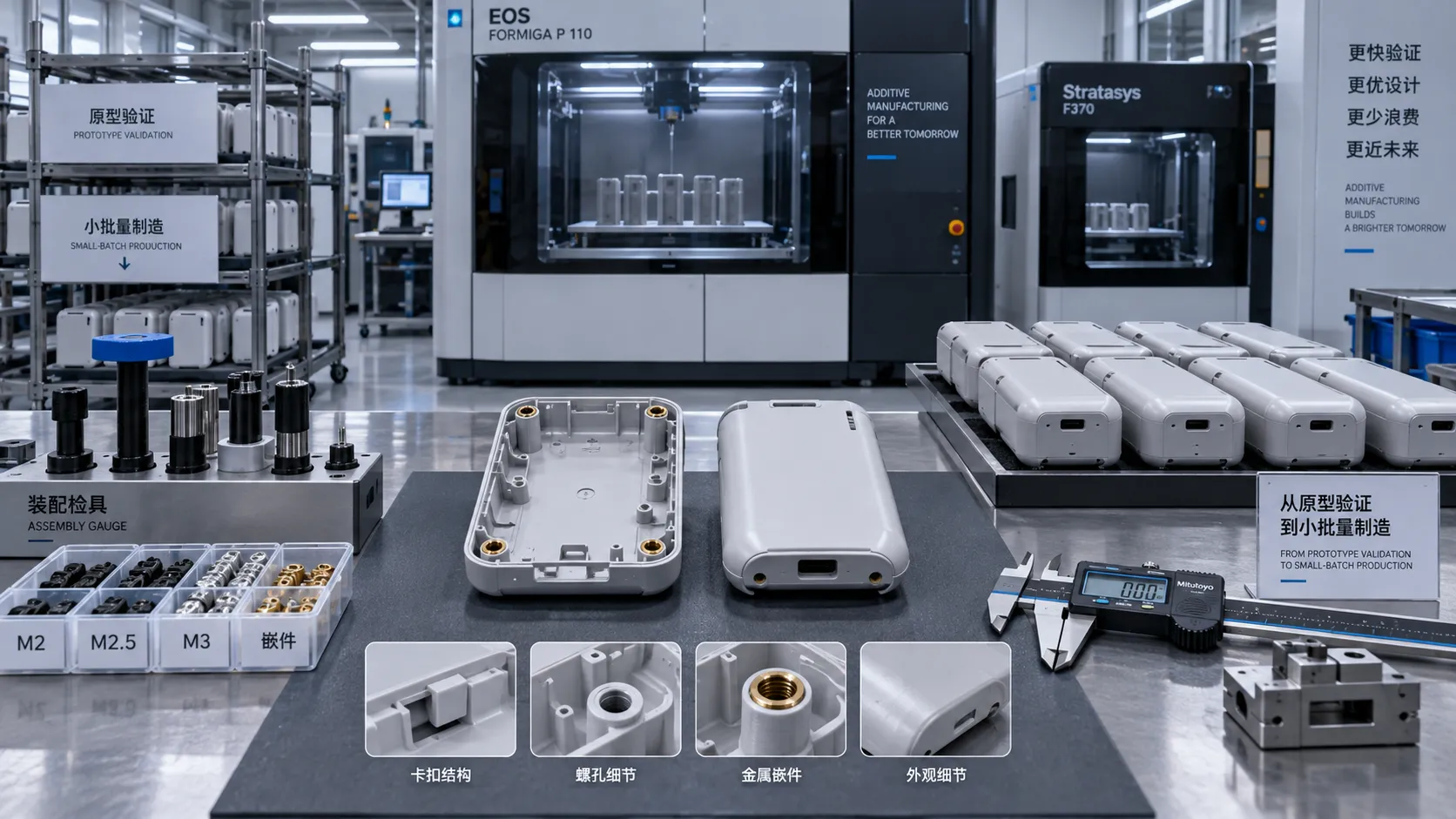
From Prototype to Small Batch: Applying 3D Printing to Consumer Goods
Explore 3d printing in consumer goods: learn how to move from prototype to small-batch production with practical guidance on materials, quality validation, and cost control.
Related News
- 00
0000-00
How to verify part consistency before choosing a 3D printing OEM - 00
0000-00
How does a rigid cryogenic transfer line handle thermal contraction? - 00
0000-00
How much does edge vision deployment cost beyond the hardware? - 00
0000-00
How does the purity of sputtering targets affect thin-film quality? - 00
0000-00
How high power laser cladding systems control substrate dilution
Marcus Print
Weekly Insights
Stay ahead with our curated technology reports delivered every Monday.