
New ASTM 3D Printing Standards News to Watch


For quality control and safety managers, new ASTM 3D printing standards news is more than an industry update—it is a practical signal for compliance, process validation, and risk reduction. As additive manufacturing expands across regulated supply chains, staying ahead of evolving ASTM requirements helps teams strengthen inspection protocols, material traceability, and production consistency.
Why New ASTM 3D Printing Standards News Needs a Checklist
ASTM updates rarely affect one document alone. They often influence testing methods, machine qualification, powder handling, digital records, and acceptance criteria across multiple production stages.
That is why new ASTM 3D printing standards news should be reviewed through a structured checklist. A checklist reduces interpretation gaps and turns standards monitoring into a repeatable control process.
This matters across the broader industrial landscape. Aerospace, medical, energy, tooling, electronics, and research programs all depend on documented evidence that additive processes remain stable and auditable.
Core Checklist for Tracking New ASTM 3D Printing Standards News
Use the following execution list when reviewing any new ASTM publication, revision, ballot activity, or committee discussion related to additive manufacturing.
- Identify the exact standard number, revision status, and publication date, then confirm whether the update is new, reapproved, withdrawn, or technically revised.
- Map the standard to process type, including powder bed fusion, material extrusion, vat photopolymerization, directed energy deposition, or binder jetting.
- Check whether the update changes terminology, acceptance thresholds, sampling plans, or reporting language that could alter audit interpretations.
- Review links to companion ISO, ASTM, SEMI, or internal specifications so duplicate controls and conflicting clauses are identified early.
- Compare the revision against current work instructions, traveler documents, inspection forms, and validation protocols used on active production lines.
- Verify material traceability implications, especially for recycled powder ratios, feedstock storage, batch history, and contamination control documentation.
- Assess whether machine qualification, calibration intervals, sensor logging, or environmental monitoring must change to meet the updated requirement.
- Confirm whether post-processing steps such as heat treatment, support removal, cleaning, or surface finishing now require different records or tests.
- Evaluate non-destructive testing and destructive testing impacts, including CT, tensile testing, density verification, metallography, and dimensional inspection.
- Document a gap assessment with owners, deadlines, and evidence requirements so the response to new ASTM 3D printing standards news remains auditable.
What to Watch First in New ASTM 3D Printing Standards News
Terminology and Scope Changes
Small wording changes can create major compliance consequences. A revised definition for feedstock, build orientation, or defect classification may change how test results are recorded.
When reading new ASTM 3D printing standards news, start with scope and definitions. These sections often signal hidden impacts before technical requirements become obvious.
Test Methods and Data Reporting
Many teams focus on process settings and miss reporting format changes. Yet updated reporting rules can determine whether a qualification package is accepted during review.
Look for revised specimen geometry, build location rules, sample counts, statistical treatment, and mandatory metadata fields in every ASTM update.
Material Control Requirements
Powder and resin control remain high-risk areas. New requirements may address moisture limits, reuse conditions, sieving practices, storage atmosphere, or contamination screening.
This is where new ASTM 3D printing standards news directly affects scrap rates, lot release decisions, and supplier qualification evidence.
Scenario-Based Review Across Industrial Applications
Aerospace and Defense Programs
Aerospace parts demand tight alignment between process qualification, part qualification, and records retention. Even minor ASTM revisions can trigger customer reapproval questions.
Focus on fatigue testing references, build consistency data, and digital thread integrity. Traceability must connect feedstock, machine state, build file, and inspection outcome.
Medical and Life Sciences Manufacturing
In medical applications, standards changes often affect biocompatibility evidence, cleaning validation, and documentation around patient-specific production pathways.
Review whether the ASTM change affects surface characterization, sterilization-related assumptions, or post-processing records that support final release.
Energy, Industrial Equipment, and Repair
Directed energy deposition and repair applications face elevated scrutiny on deposition quality, heat input control, and substrate compatibility.
Here, new ASTM 3D printing standards news may influence repair qualification logic, localized testing strategy, and acceptance criteria for restored components.
Research, Prototyping, and Cross-Industry Benchmarking
Early-stage programs often assume standards do not apply until production. That assumption creates weak baselines and poor transfer readiness later.
Using new ASTM 3D printing standards news during prototyping builds stronger benchmark data and reduces scale-up friction across sites and suppliers.
Commonly Missed Risks
- Ignoring annexes and notes, even though they often contain practical interpretation guidance that shapes real audit expectations.
- Updating the quality manual but leaving shop-floor forms unchanged, which creates evidence gaps during first-article or surveillance reviews.
- Treating an ASTM revision as isolated, despite its impact on supplier questionnaires, incoming inspection plans, and digital record structures.
- Overlooking training needs for technicians, because revised terminology and sample handling rules can alter routine execution quality.
- Assuming existing validation remains sufficient, without checking whether revised test conditions require partial or full requalification.
Practical Execution Steps
Build a monthly standards review cycle. Include ASTM committee developments, published revisions, and cross-references to customer or regulatory requirements.
Create a simple impact matrix. Rank each update by process relevance, compliance urgency, validation burden, and documentation workload.
Maintain a controlled comparison log for every standard update. Record changed clauses, affected documents, required actions, and closure evidence.
Run targeted internal reviews before external audits. Use sample builds, retained coupons, and archived reports to verify that revised expectations are met.
Where technical benchmarking is needed, compare machine capability, material behavior, and inspection outputs against recognized international frameworks, not only internal habits.
Summary and Next Action
New ASTM 3D printing standards news should be treated as a live operational input, not passive reading. The value lies in translating updates into traceable actions.
Start with one controlled checklist, one impact matrix, and one document gap review. Then align testing, material control, and reporting practices to the latest ASTM direction.
In fast-moving additive manufacturing environments, disciplined standards surveillance improves consistency, supports defensible quality claims, and reduces downstream compliance surprises.
Related News
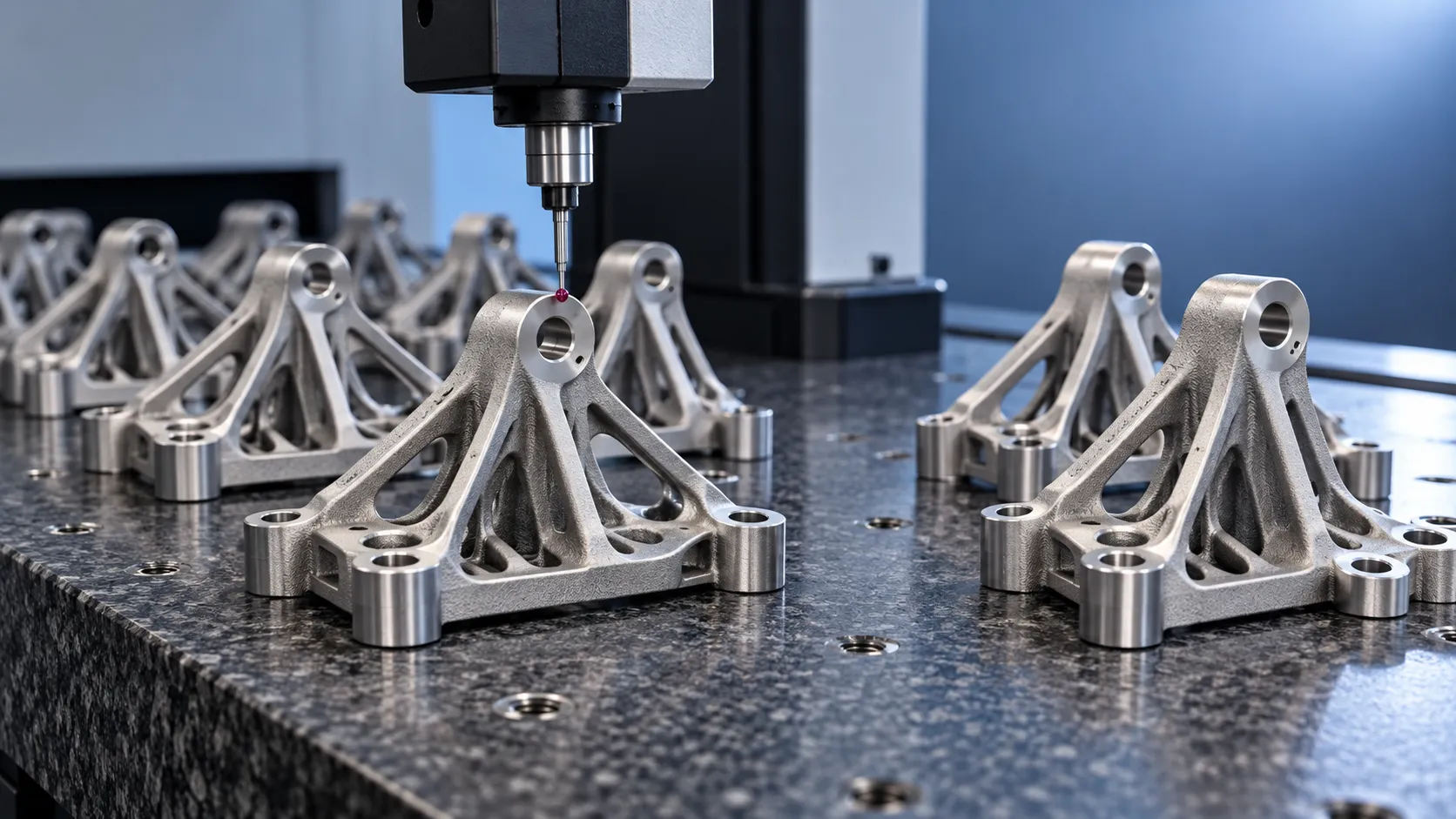
How to verify part consistency before choosing a 3D printing OEM
Choosing a 3D printing OEM? Learn how to verify part consistency with repeat-build trials, validated inspections, and traceability checks before committing to production.
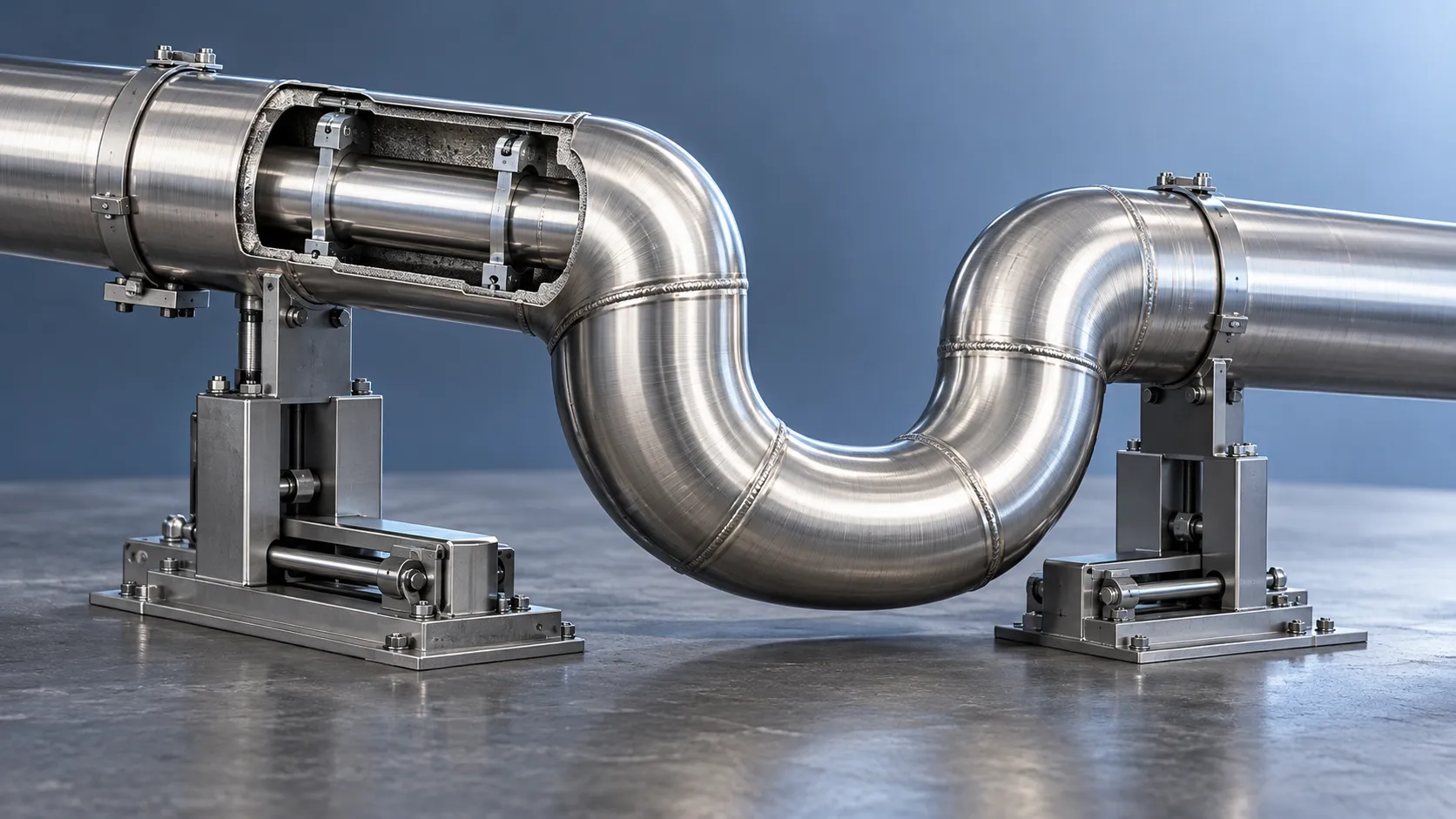
How does a rigid cryogenic transfer line handle thermal contraction?
Learn how a rigid cryogenic transfer line manages thermal contraction with bends, bellows, and guided supports. Discover key design checks for safe, reliable cryogenic performance.

How much does edge vision deployment cost beyond the hardware?
Understand edge vision deployment cost beyond hardware, from data and integration to security and support. Uncover hidden expenses and build a smarter lifecycle budget before you scale.

How does the purity of sputtering targets affect thin-film quality?
Discover how sputtering targets affect thin-film quality. Learn to assess purity, identify harmful impurities, and choose specifications that improve coating performance.
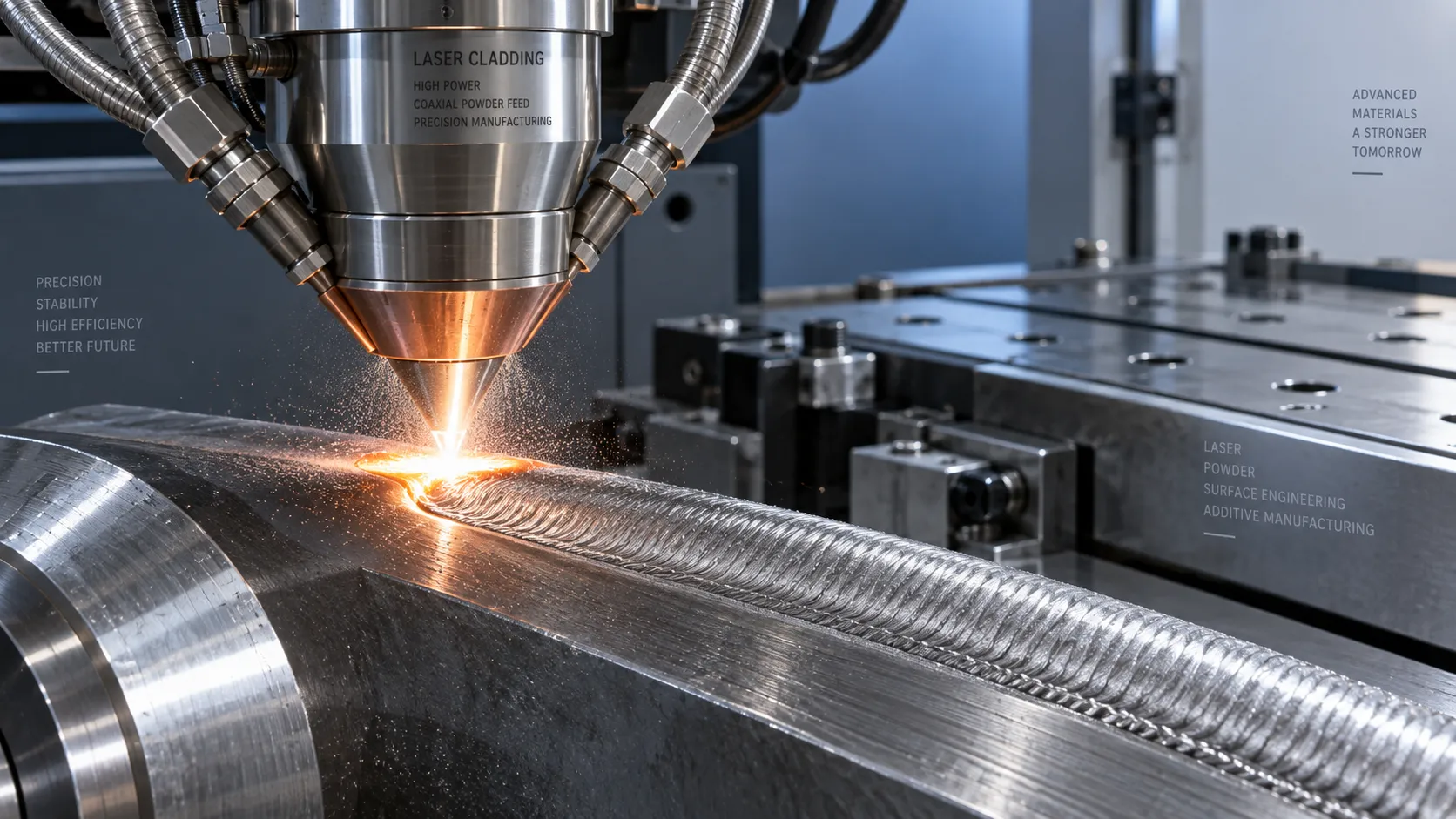
How high power laser cladding systems control substrate dilution
Discover how high power laser cladding systems control substrate dilution through beam shaping, material feed, and thermal management to deliver reliable bonds and coating performance.

How to check HS codes for customs compliance in international logistics
Strengthen international logistics customs compliance: learn how to verify HS codes, check official tariffs, and document classifications to reduce costly shipment delays.

Choosing a 3D Printing Service for Consumer Products: Finish, Fit, and Cost
Compare 3d printing consumer good services by finish, fit, materials, and total cost. Learn how to choose a reliable supplier and avoid costly defects before ordering.
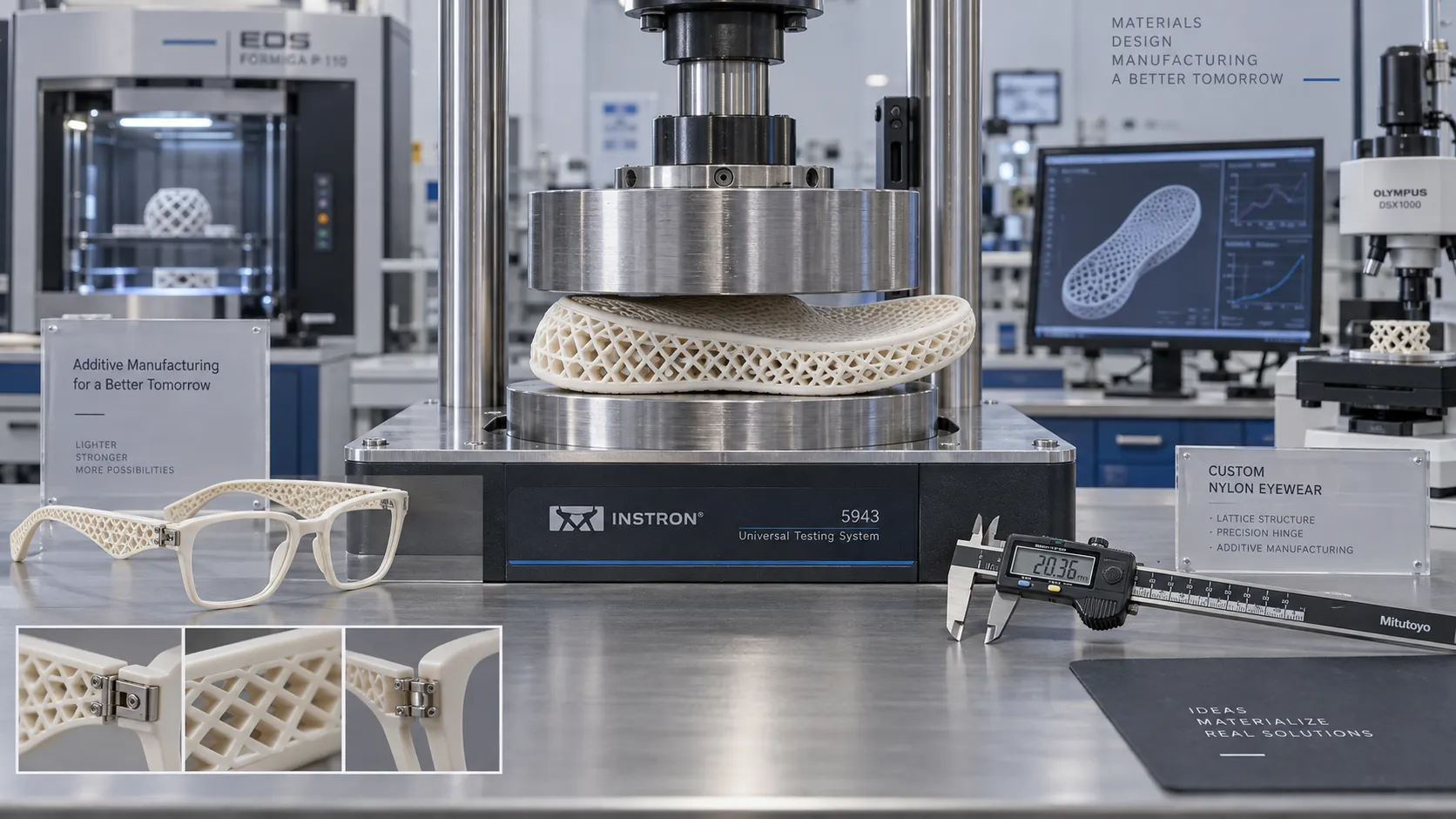
Which Consumer Goods Can Be 3D Printed, and What Are the Practical Limits?
Explore 3d printing consumer goods, from custom eyewear to replacement parts. Discover practical limits on materials, safety, and costs to make smarter production decisions.

From Prototype to Small Batch: Applying 3D Printing to Consumer Goods
Explore 3d printing in consumer goods: learn how to move from prototype to small-batch production with practical guidance on materials, quality validation, and cost control.
Related News
- 00
0000-00
How to verify part consistency before choosing a 3D printing OEM - 00
0000-00
How does a rigid cryogenic transfer line handle thermal contraction? - 00
0000-00
How much does edge vision deployment cost beyond the hardware? - 00
0000-00
How does the purity of sputtering targets affect thin-film quality? - 00
0000-00
How high power laser cladding systems control substrate dilution
Marcus Print
Weekly Insights
Stay ahead with our curated technology reports delivered every Monday.