
Build volume gains do not always mean faster printing

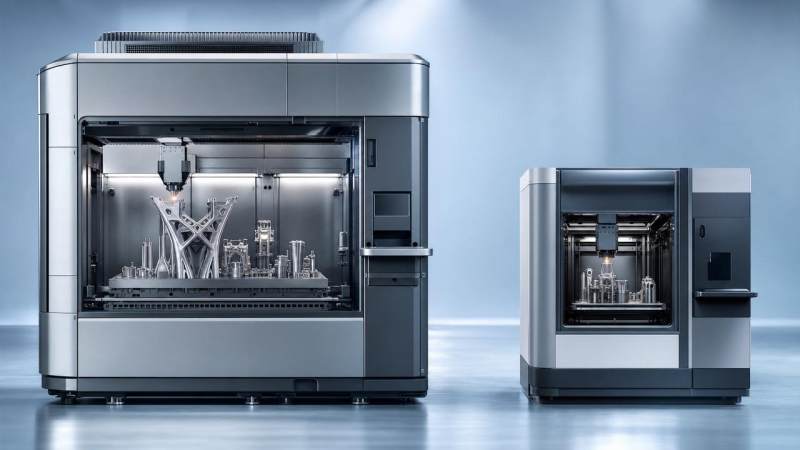
In industrial procurement, bigger machine specs can be misleading. The debate around 3d printing build volume vs speed is not simply about choosing the largest platform, but about understanding how chamber size, thermal stability, part geometry, and production strategy affect real throughput. For buyers evaluating additive manufacturing systems, separating headline capacity from actual printing efficiency is essential to making reliable, cost-effective investment decisions.
Why does 3d printing build volume vs speed matter so much in procurement?
Procurement teams are often presented with a simple narrative: a larger build chamber means fewer jobs, larger parts, and faster output. In practice, that claim is incomplete. The relationship between 3d printing build volume vs speed depends on machine architecture, process physics, material behavior, and the production mix expected on the shop floor.
A larger platform may reduce the number of setups, but it can also increase recoating time, thermal gradients, inert gas management complexity, and quality validation workload. If these factors are not controlled, nominal capacity rises while usable throughput falls. This is especially critical for procurement directors who are accountable for both capex efficiency and operational continuity.
For industrial buyers, the question is not “Which machine has the largest chamber?” The better question is “Which system delivers qualified parts at the required cadence, cost, and compliance level?” That shift changes the evaluation framework from marketing specifications to production economics.
- Large chambers can improve nesting efficiency when parts share material, thermal profile, and post-processing flow.
- Large chambers can slow output when jobs include sparse layouts, tall geometries, or strict distortion limits.
- True procurement value comes from qualified output per week, not chamber dimensions alone.
What procurement teams often overlook
Buyers frequently compare build size, laser count, and headline layer speed, yet overlook machine utilization losses. These include warm-up time, powder changeover, support removal, inspection queue delays, failed builds, and requalification after parameter changes. In regulated or high-value sectors, those hidden variables can outweigh the benefit of a bigger envelope.
Which technical factors decide whether a larger build volume prints faster?
The 3d printing build volume vs speed discussion becomes clearer when procurement teams break speed into its real components. Print time is not one number. It is the sum of layer spreading, scanning or deposition, thermal management, machine movement, pauses, and downstream validation.
The table below summarizes the main variables that should be reviewed before approving a large-format additive manufacturing investment.
The key takeaway is simple: build volume affects potential capacity, but process control determines whether that capacity becomes usable output. Procurement teams should therefore compare not only machine dimensions, but also validated cycle time under realistic production conditions.
Large format is not the same as high throughput
In some workflows, a medium-format machine running stable, repeatable batches can outperform a large-format system that suffers from low fill rates, frequent stoppages, or lengthy cooling cycles. That is why G-AIT’s benchmarking approach matters: independent comparison across process performance, standards alignment, and operational integrity reduces the risk of buying capacity that remains underused.
When does a bigger platform make sense, and when does it not?
Procurement decisions improve when chamber size is linked to actual production scenarios. The right choice depends on whether the facility prints large monolithic components, many small parts, or mixed job baskets with changing priorities.
Scenarios where larger build volume can add value
- Low-volume, high-value parts that cannot be segmented without harming structural integrity or certification strategy.
- Production programs with stable demand and repeatable nesting across the full platform.
- Workflows where fewer setups reduce labor bottlenecks, fixture changes, and scheduling complexity.
Scenarios where larger build volume may disappoint
- Job shops handling varied part sizes, changing materials, and urgent small-batch orders.
- Programs where tall parts dominate, making Z-axis time the real bottleneck.
- Sites with limited inert gas infrastructure, powder safety systems, or post-processing capacity.
For procurement personnel, this means the 3d printing build volume vs speed decision should start with part families, annual demand variance, material portfolio, inspection capacity, and qualification requirements. A bigger chamber only creates value when the surrounding process can absorb it.
How should buyers compare machine options beyond headline specifications?
A disciplined comparison framework helps buyers avoid overinvesting in size and underinvesting in productivity. The table below can be used as a practical shortlist tool during supplier review.
This comparison method is especially valuable in cross-functional buying committees, where engineering, quality, EHS, and finance may each define “speed” differently. A structured matrix keeps decisions tied to measurable output and lifecycle impact.
A useful internal metric: time to qualified part
One of the most practical ways to resolve the 3d printing build volume vs speed debate is to measure time to qualified part. This includes print time, cooling, unpacking, support removal, heat treatment where required, inspection, and documentation release. Procurement teams that compare suppliers on this basis usually reach clearer and more defensible decisions.
What costs rise when build volume increases?
Large-format systems can create strong strategic value, but they often come with secondary costs that are not obvious in initial quotations. Focusing only on purchase price can distort the business case.
- Facility requirements may increase, including floor load, ventilation, inert gas supply, and powder handling zones.
- Ancillary equipment costs can rise, especially if larger parts require bigger furnaces, cutting capacity, or inspection systems.
- Scrap exposure per failed build becomes higher because more material, machine time, and queued components are tied to each job.
- Qualification cycles may take longer if process windows vary across a larger working envelope.
For buyers under budget pressure, a distributed fleet of medium-format systems can sometimes provide better resilience than a single large-format machine. This approach may improve scheduling flexibility, reduce single-point failure risk, and match more naturally with mixed-order environments.
Cost-sensitive alternative strategies
- Use medium-format systems for standard production and outsource rare oversize parts.
- Standardize part redesign to improve nesting rather than buying a larger chamber immediately.
- Build capacity in stages, linking additional investment to validated order flow and qualification maturity.
Which standards and compliance points should procurement review?
In industrial additive manufacturing, speed without traceability can become a liability. Procurement teams should align machine evaluation with applicable standards, internal quality systems, and sector-specific documentation expectations. The exact standard set depends on use case, but the discipline should always cover process repeatability, material control, and inspection integrity.
G-AIT’s value in this area is its ability to benchmark equipment and supplier claims against widely recognized frameworks such as ISO, ASTM, IEEE, and SEMI where relevant. That independent, standards-aware perspective helps buyers assess whether apparent speed gains come at the cost of process robustness or regulatory readiness.
- Confirm material traceability and powder batch handling procedures.
- Review machine calibration, sensor logging, and acceptance criteria for repeat production.
- Check whether inspection workflows are scalable to larger build sizes and higher part counts.
- Assess export control implications if systems, materials, or applications cross national compliance boundaries.
Common misconceptions about 3d printing build volume vs speed
“A larger chamber always means fewer production hours.”
Not necessarily. If parts occupy only a fraction of the platform, or if thermal balancing requires conservative parameters, print jobs may become longer without proportional throughput gains. Utilization rate matters as much as chamber size.
“More lasers always solve the speed problem.”
Multi-laser systems can improve productivity, but calibration, overlap strategy, and quality consistency across scan fields remain critical. Buyers should request evidence of repeatability over the full build area, not only peak scan speed figures.
“If the machine can print a large part, it is the right strategic investment.”
Capability alone is not enough. Procurement should ask how often those large parts will be ordered, what margin they carry, how they will be inspected, and whether post-processing infrastructure already exists. Rare capability may be better sourced externally.
FAQ: what do buyers ask most often?
How should we evaluate 3d printing build volume vs speed for a mixed production portfolio?
Start with part-family segmentation. Group components by footprint, height, material, tolerance, and annual demand. Then compare suppliers using realistic nests and time to qualified part. Mixed portfolios often benefit more from flexibility and repeatability than maximum build size.
Which metric is more reliable than advertised print speed?
Qualified weekly output is usually more useful. It reflects machine uptime, setup burden, scrap rate, cooling time, and inspection release. For procurement teams, this metric is easier to convert into cost-per-part and delivery performance.
When is a large build volume justified despite higher cost?
It is justified when large one-piece components are strategically important, redesign is limited, demand is stable enough to fill the platform effectively, and downstream operations are prepared. Without those conditions, the larger system may be underutilized.
What should procurement request during technical clarification?
Request sample build plans, process consistency data, maintenance assumptions, material handling procedures, expected delivery lead times, and acceptance criteria. Ask suppliers to map a realistic production scenario rather than presenting only ideal benchmark prints.
Why work with G-AIT when making this decision?
For buyers comparing 3d printing build volume vs speed, the real challenge is not lack of claims. It is lack of validated context. G-AIT helps procurement and technical teams compare additive manufacturing platforms through a multidisciplinary lens that connects machine performance, standards alignment, supplier reliability, and commercial risk.
Because G-AIT benchmarks disruptive industrial technologies across 3D printing, industrial laser processing, machine vision, advanced materials, and vacuum engineering, buyers gain a broader understanding of the full production chain. That matters when build size decisions affect inspection strategy, powder quality control, thermal treatment, or integration with existing manufacturing cells.
- We can support parameter confirmation for part families, chamber size fit, and throughput assumptions.
- We can help compare product selection paths based on demand profile, compliance burden, and lifecycle cost.
- We can review delivery cycle expectations, implementation constraints, and supporting process requirements.
- We can assist with custom solution discussions, certification-related checkpoints, sample evaluation strategy, and quotation alignment.
If your team is assessing whether a larger additive system will truly accelerate output, contact G-AIT with your target materials, part envelope, annual volume, quality requirements, and timeline. A data-driven review can clarify whether the better investment is a large platform, a medium-format fleet, or a staged deployment strategy.
Related News
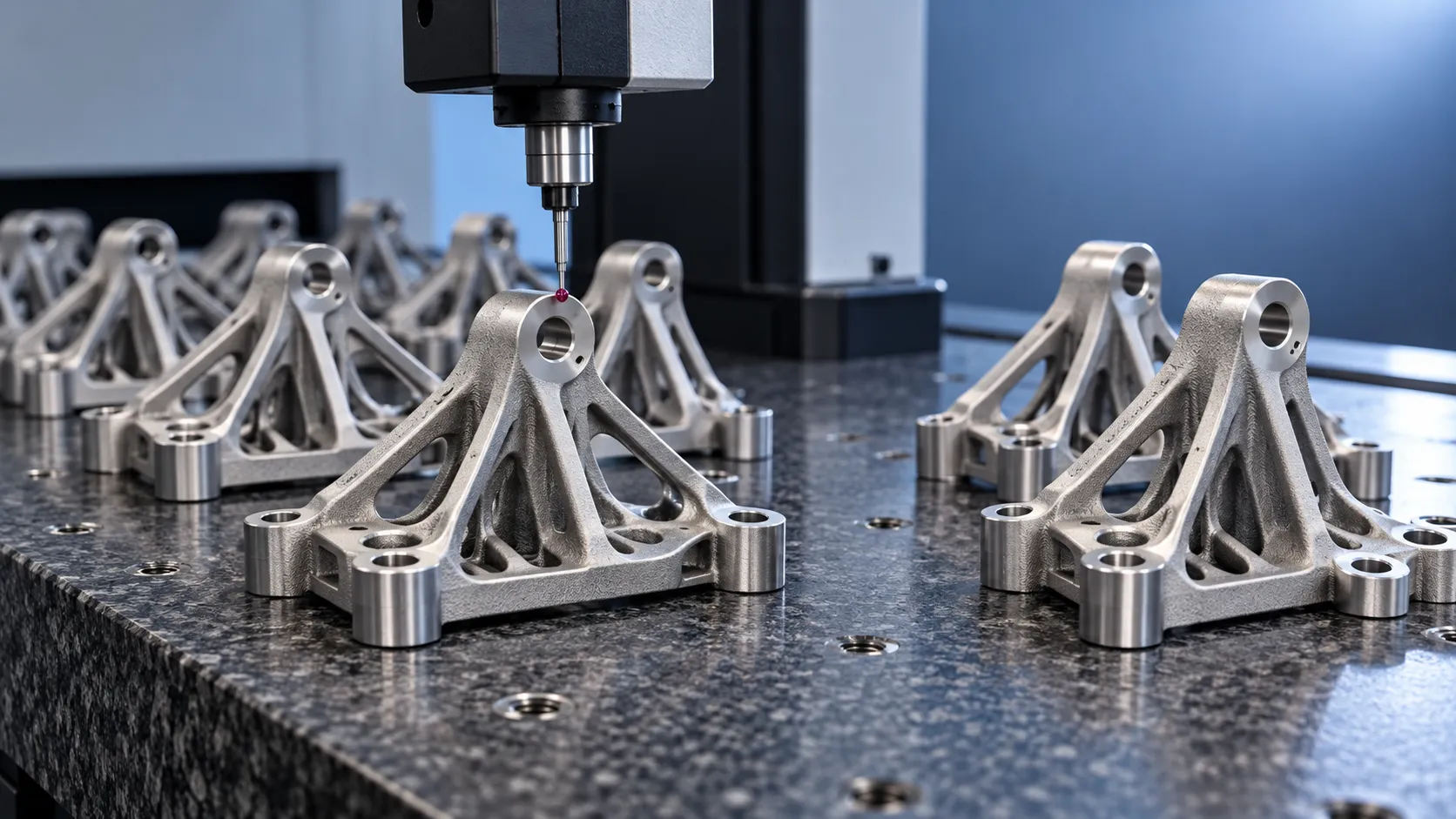
How to verify part consistency before choosing a 3D printing OEM
Choosing a 3D printing OEM? Learn how to verify part consistency with repeat-build trials, validated inspections, and traceability checks before committing to production.
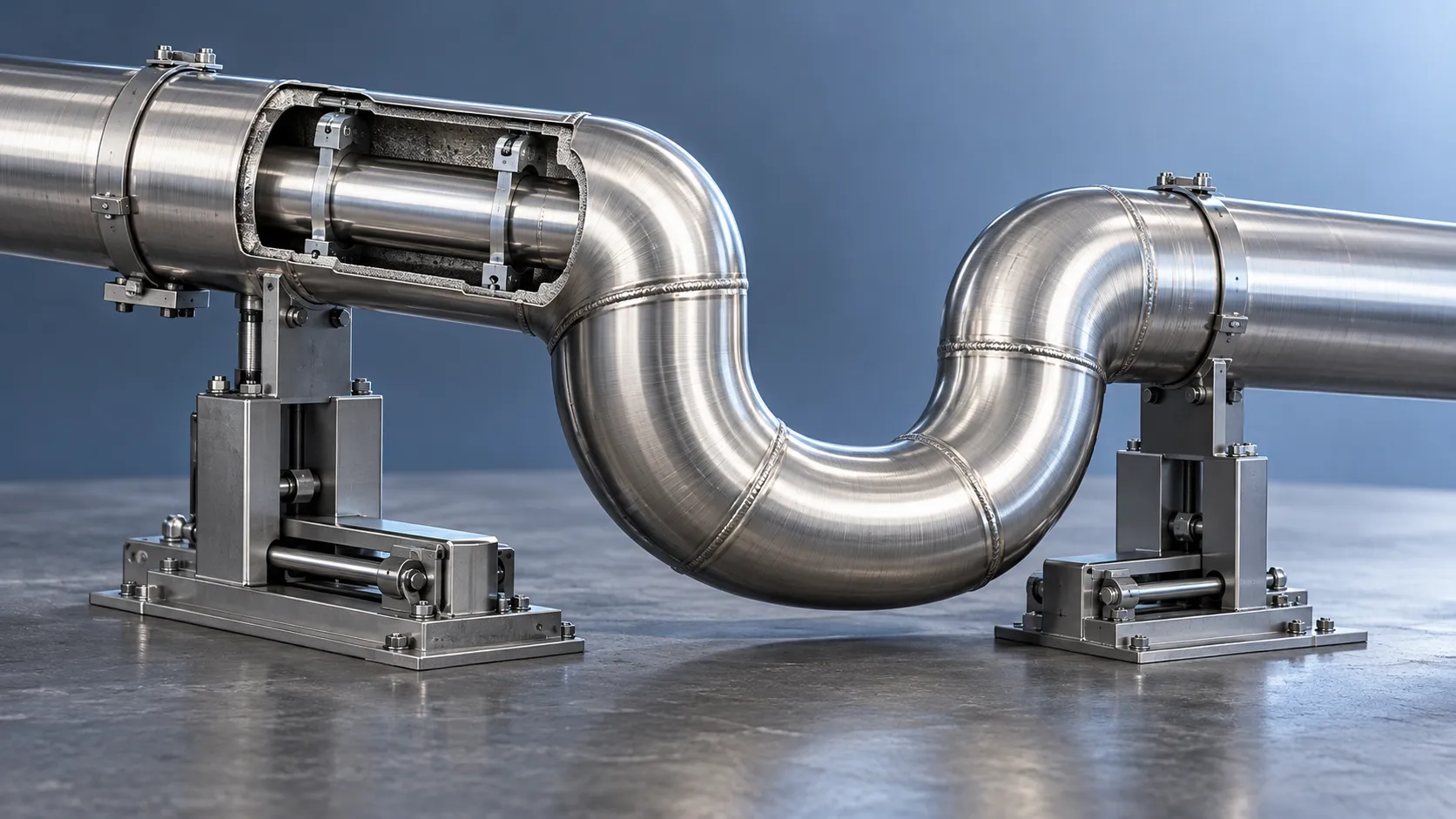
How does a rigid cryogenic transfer line handle thermal contraction?
Learn how a rigid cryogenic transfer line manages thermal contraction with bends, bellows, and guided supports. Discover key design checks for safe, reliable cryogenic performance.
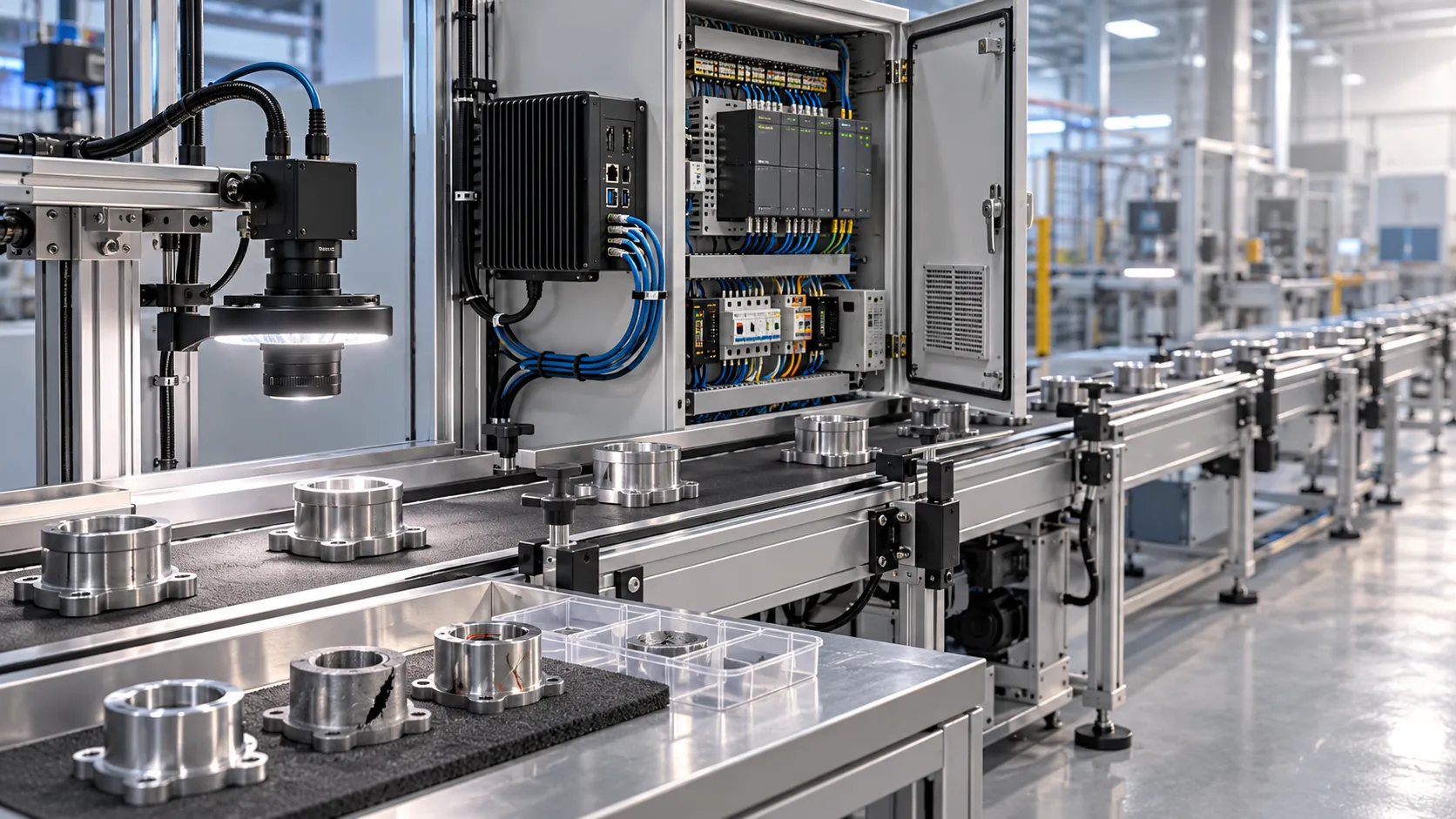
How much does edge vision deployment cost beyond the hardware?
Understand edge vision deployment cost beyond hardware, from data and integration to security and support. Uncover hidden expenses and build a smarter lifecycle budget before you scale.

How does the purity of sputtering targets affect thin-film quality?
Discover how sputtering targets affect thin-film quality. Learn to assess purity, identify harmful impurities, and choose specifications that improve coating performance.
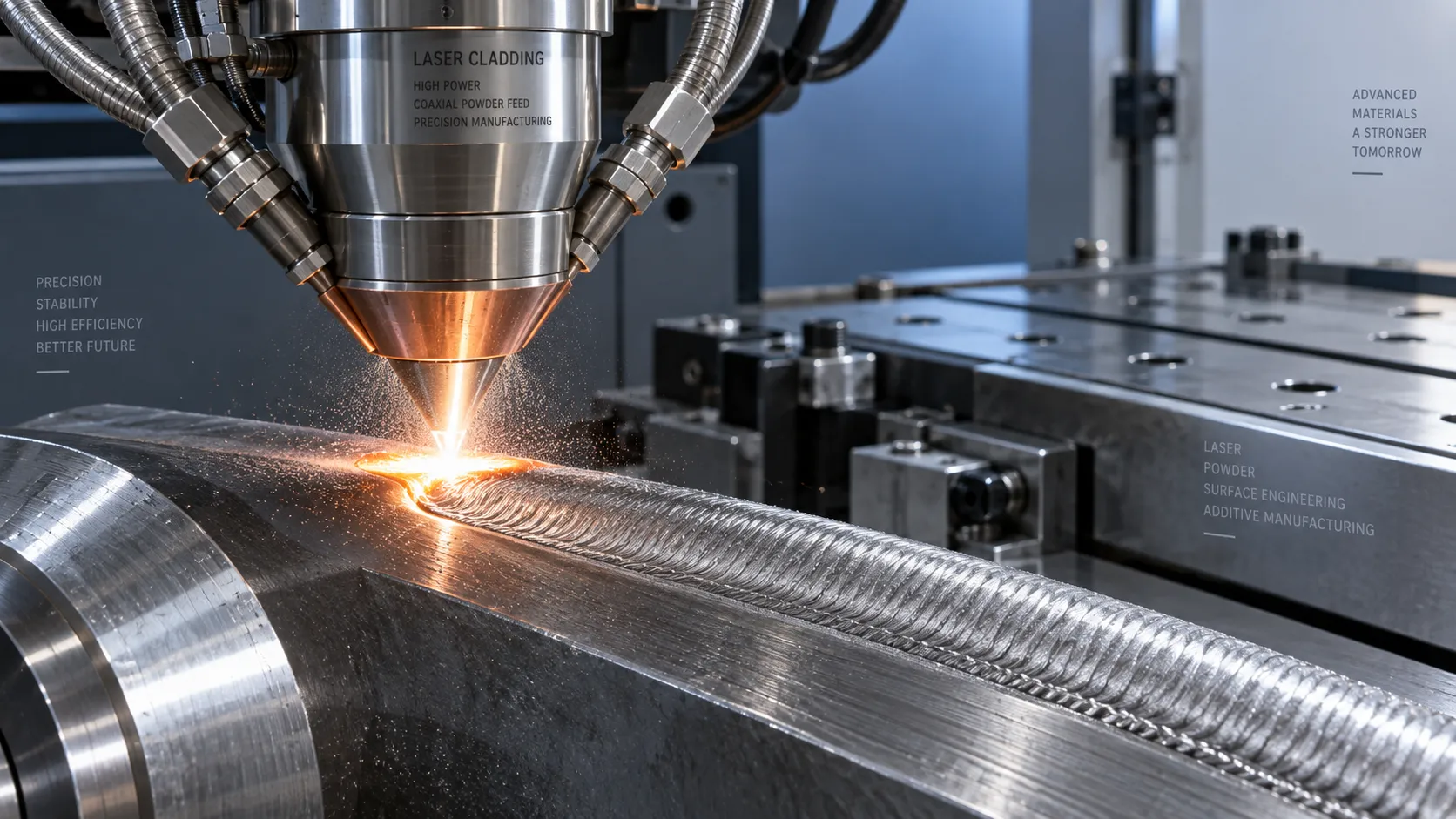
How high power laser cladding systems control substrate dilution
Discover how high power laser cladding systems control substrate dilution through beam shaping, material feed, and thermal management to deliver reliable bonds and coating performance.
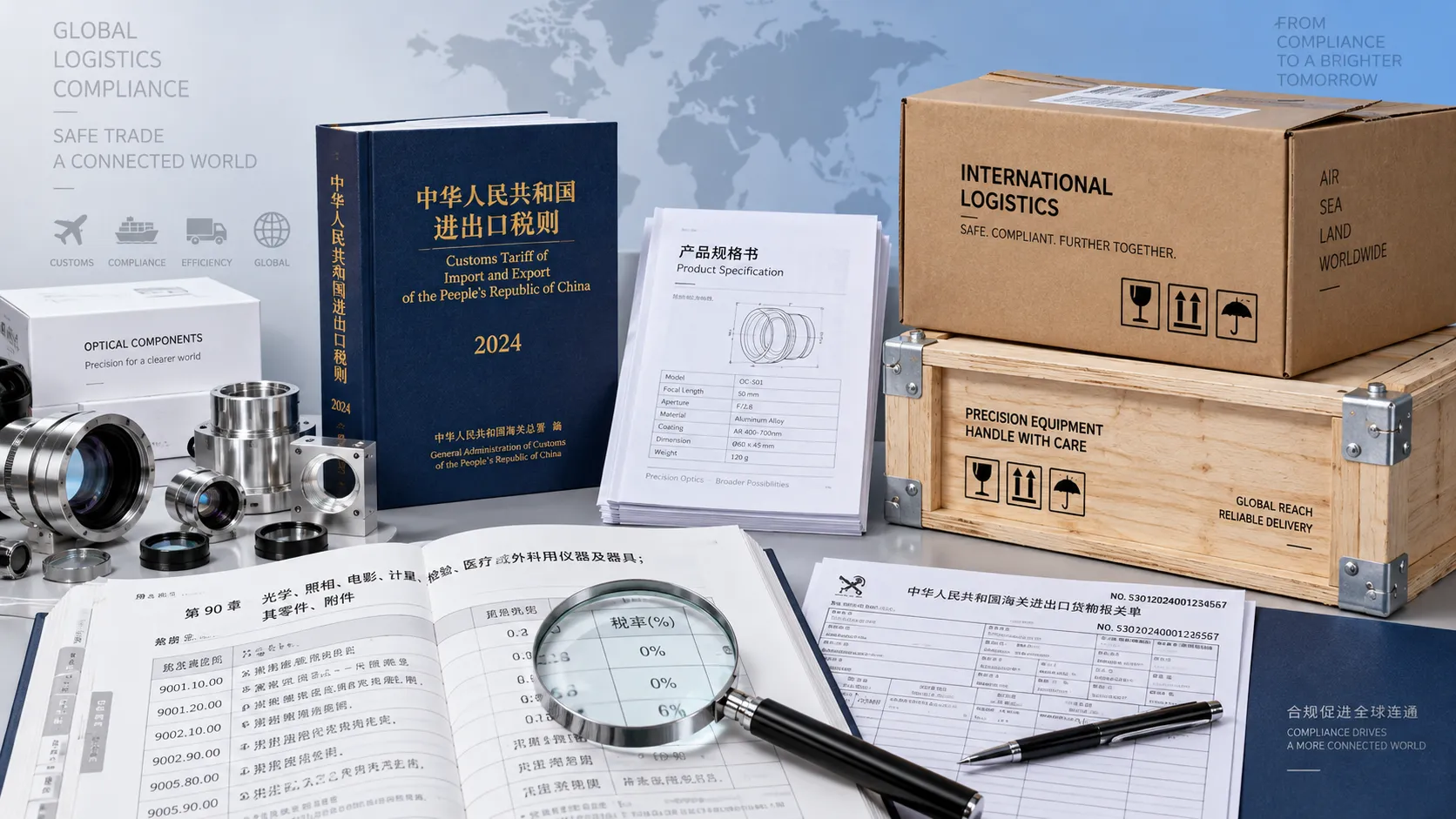
How to check HS codes for customs compliance in international logistics
Strengthen international logistics customs compliance: learn how to verify HS codes, check official tariffs, and document classifications to reduce costly shipment delays.
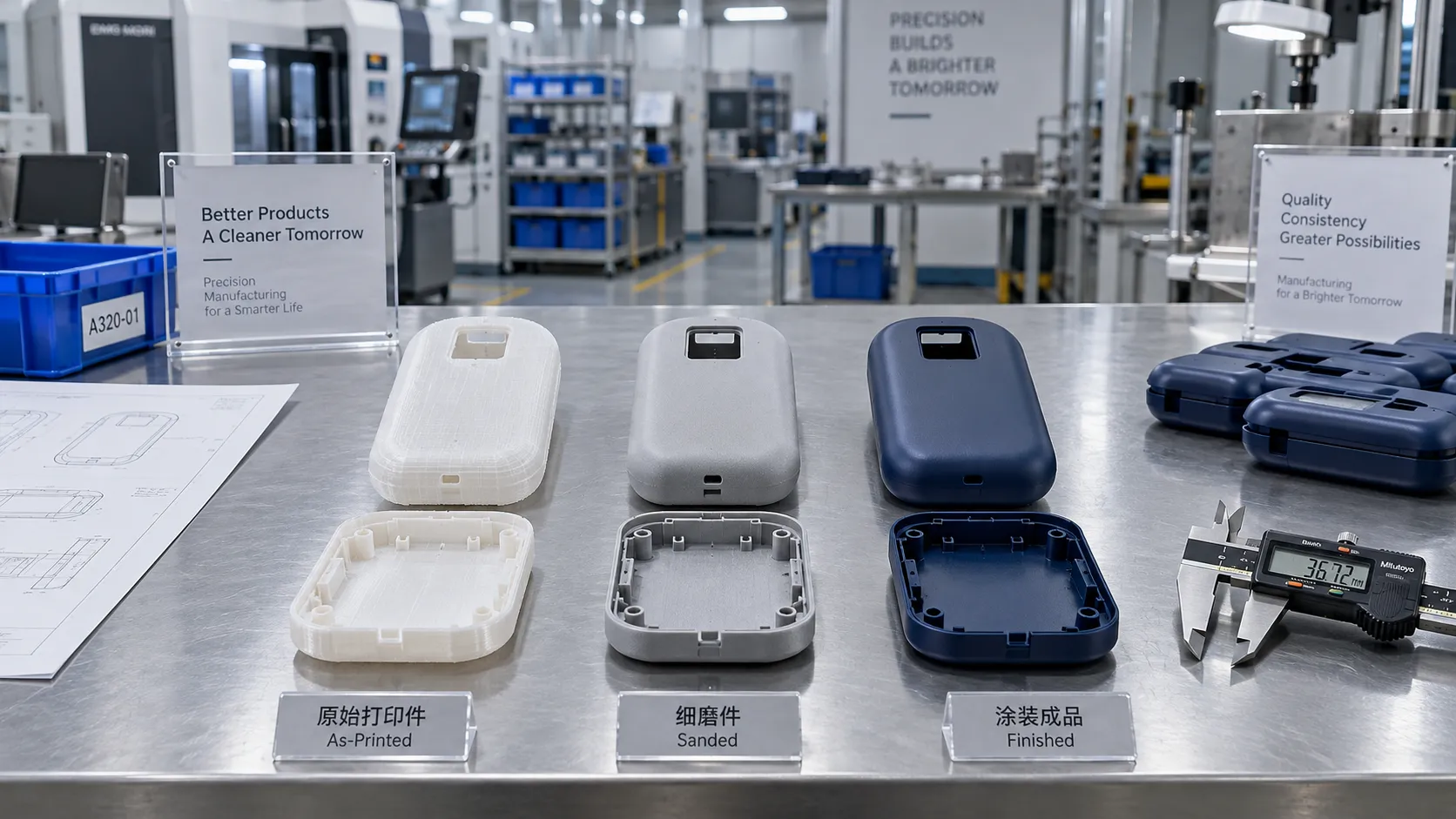
Choosing a 3D Printing Service for Consumer Products: Finish, Fit, and Cost
Compare 3d printing consumer good services by finish, fit, materials, and total cost. Learn how to choose a reliable supplier and avoid costly defects before ordering.
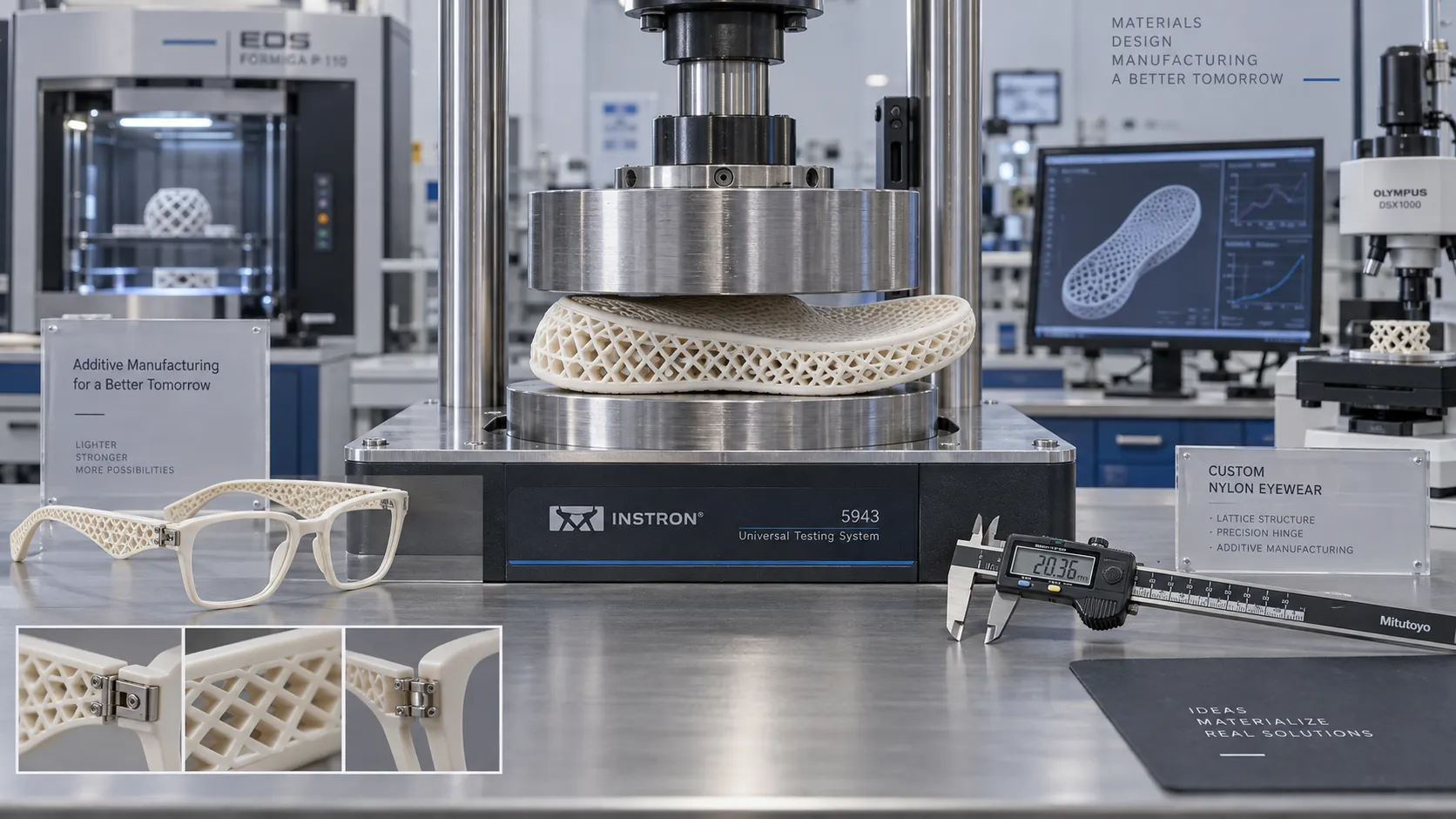
Which Consumer Goods Can Be 3D Printed, and What Are the Practical Limits?
Explore 3d printing consumer goods, from custom eyewear to replacement parts. Discover practical limits on materials, safety, and costs to make smarter production decisions.
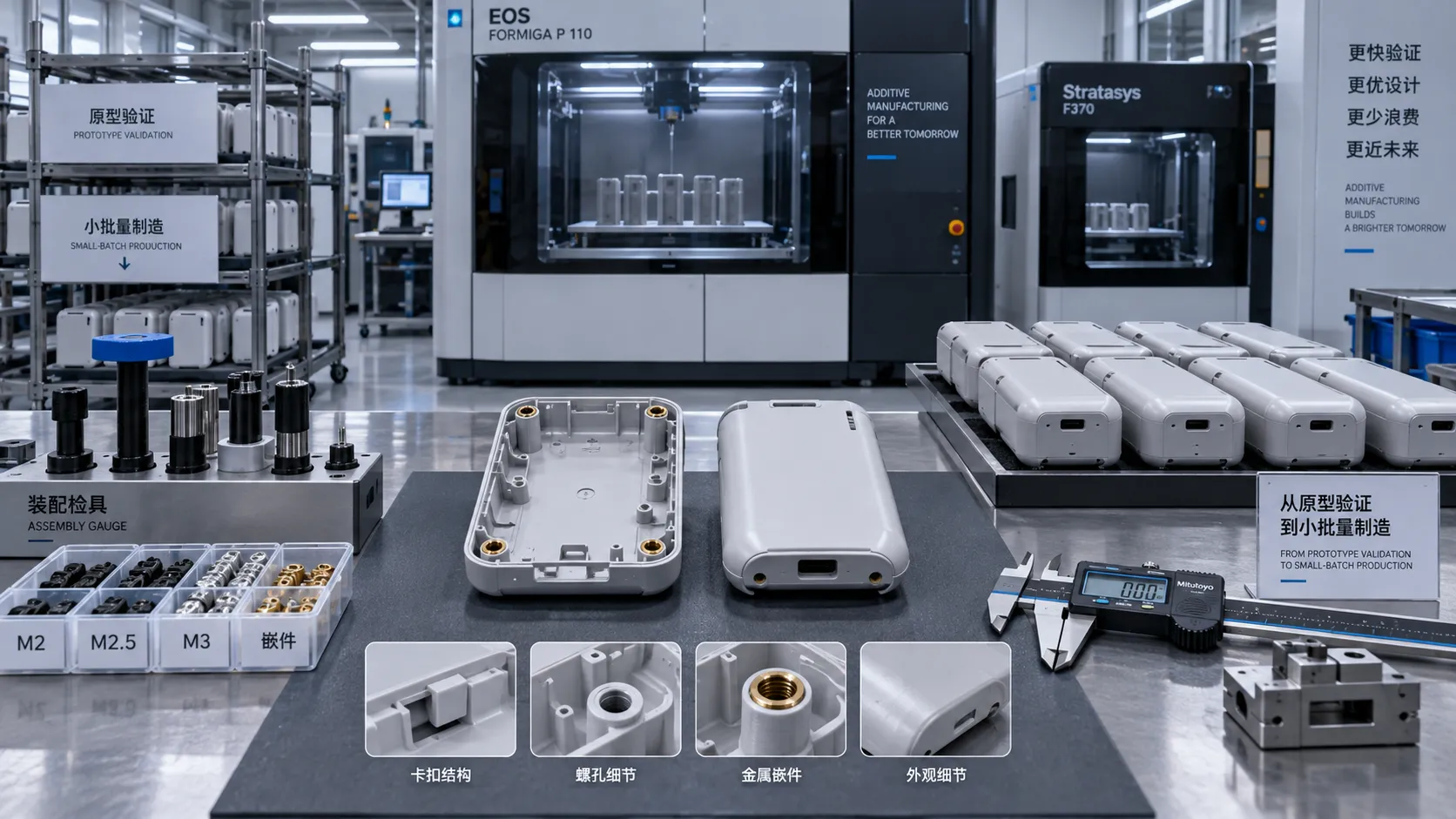
From Prototype to Small Batch: Applying 3D Printing to Consumer Goods
Explore 3d printing in consumer goods: learn how to move from prototype to small-batch production with practical guidance on materials, quality validation, and cost control.
Related News
- 00
0000-00
How to verify part consistency before choosing a 3D printing OEM - 00
0000-00
How does a rigid cryogenic transfer line handle thermal contraction? - 00
0000-00
How much does edge vision deployment cost beyond the hardware? - 00
0000-00
How does the purity of sputtering targets affect thin-film quality? - 00
0000-00
How high power laser cladding systems control substrate dilution
Marcus Print
Weekly Insights
Stay ahead with our curated technology reports delivered every Monday.