
What multi material strength data actually reveals


What does multi-material interface strength data really reveal beyond lab numbers? In advanced industry, it shows whether a joint will survive heat, shock, fatigue, corrosion, and scale-up variation. Proper interpretation turns isolated strength values into evidence about process stability, material compatibility, inspection priorities, and long-term risk.
For technical benchmarking and industrial intelligence, multi-material interface strength data matters because many next-generation products rely on bonded, welded, printed, coated, or hybridized material systems. The interface often fails before the base material. That makes interface data a decision tool, not just a test report.
What multi-material interface strength data measures
At a basic level, multi-material interface strength data describes how strongly two dissimilar materials remain joined under defined conditions. The value may come from tensile, shear, peel, flexural, fracture, or fatigue testing.
However, the number alone is incomplete. A reported strength value only becomes meaningful when paired with test method, specimen geometry, surface condition, loading direction, environment, and failure mode.
In additive manufacturing and hybrid fabrication, multi-material interface strength data also reflects deposition path, energy input, cooling history, porosity, interdiffusion depth, and residual stress distribution.
Key dimensions behind the dataset
- Mechanical performance under a specific load mode
- Chemical and metallurgical compatibility at the boundary
- Sensitivity to thermal cycling and environmental exposure
- Repeatability across batches, machines, and operators
- Failure location, whether cohesive, adhesive, or substrate-driven
This is why multi-material interface strength data should be read as a structured reliability signal. It reveals how the interface behaves as a system, not just as a single bond line.
Why the industry pays close attention to these values
Across the broader industrial landscape, more products combine metals, polymers, ceramics, composites, coatings, graphene-enhanced layers, and printed functional materials. Performance gains come from combination, but so do hidden interface risks.
A strong bulk material can still underperform when joined to a dissimilar partner. That is why multi-material interface strength data has become central to qualification, compliance review, and comparative benchmarking.
In benchmarking work, the strongest reported value is rarely the most useful metric. The more important question is whether the multi-material interface strength data remains consistent across realistic service conditions.
What multi-material interface strength data actually reveals in practice
When interpreted correctly, multi-material interface strength data reveals much more than peak strength. It shows how robust the joining strategy is, how controllable the process window remains, and how much hidden margin exists before failure.
1. Bonding quality
Higher interface strength can indicate better wetting, stronger diffusion, improved interlocking, or cleaner surface preparation. Lower values may point to contamination, oxides, insufficient energy, or poor cure behavior.
2. Process sensitivity
If test results vary sharply between batches, the process may be narrow and unstable. In this case, multi-material interface strength data reveals manufacturing sensitivity rather than material potential.
3. Material compatibility
Two materials may appear compatible in theory, yet produce brittle intermetallics, thermal mismatch cracking, or moisture-driven delamination. Interface datasets expose these incompatibilities early.
4. Failure mechanism
Failure location matters. If the substrate fails before the interface, the joint may be stronger than the parent material. If the boundary separates cleanly, the interface remains the dominant weakness.
5. Suitability for scale
Small-sample success does not guarantee industrial repeatability. Reliable multi-material interface strength data across larger samples, multiple lots, and environmental tests signals better scale-up confidence.
Application value across representative industrial scenarios
Different sectors use multi-material interface strength data for different reasons, but the common objective is the same: reduce uncertainty before qualification, deployment, or supplier comparison.
These scenarios show why multi-material interface strength data should be linked with operating profile, not reviewed in isolation. The same interface may pass one duty cycle and fail another.
How to evaluate the quality of the dataset
Not all datasets support reliable comparison. Strong interpretation starts by checking whether the test evidence is complete, traceable, and aligned with recognized standards.
- Confirm the test method and standard reference
- Review specimen design and interface geometry
- Check sample size, variance, and confidence range
- Identify surface treatment and preconditioning steps
- Compare room-condition results with environmental aging results
- Look for microscopy, fracture images, or cross-section evidence
A single attractive number without this context has limited value. Robust multi-material interface strength data should support root-cause interpretation and independent verification.
Practical interpretation guidelines and common mistakes
One common mistake is comparing values from different test methods as if they were equivalent. Shear, peel, and tensile interface results measure different failure responses and should not be merged casually.
Another mistake is ignoring environmental drift. Multi-material interface strength data collected only at room temperature can hide severe degradation after humidity exposure, thermal cycling, vacuum service, or chemical contact.
A third mistake is overvaluing average results while ignoring spread. High mean strength with poor repeatability may signal unstable quality control. Lower but tighter results can be more valuable for industrial deployment.
Useful practice points
- Map interface data to the actual service load case.
- Prioritize failure mode evidence, not just peak values.
- Use aging and cycling data for long-life applications.
- Benchmark process window stability across production conditions.
- Cross-check with microscopy, NDT, and dimensional inspection results.
Turning interface data into an actionable next step
The real value of multi-material interface strength data lies in structured decision support. It helps rank candidate processes, identify qualification gaps, flag hidden reliability issues, and refine technical benchmarking criteria.
A practical next step is to organize available datasets by interface type, test method, environment, and failure mode. This makes comparisons more defensible and highlights where additional validation is needed.
When reviewed with standards awareness and application context, multi-material interface strength data becomes far more than a mechanical metric. It becomes evidence for reliability, compatibility, and industrial readiness across advanced manufacturing systems.
For technical intelligence programs, the most useful question is not simply, “How strong is the bond?” It is, “What does this multi-material interface strength data reveal about long-term performance, control, and deployment risk?”
Related News
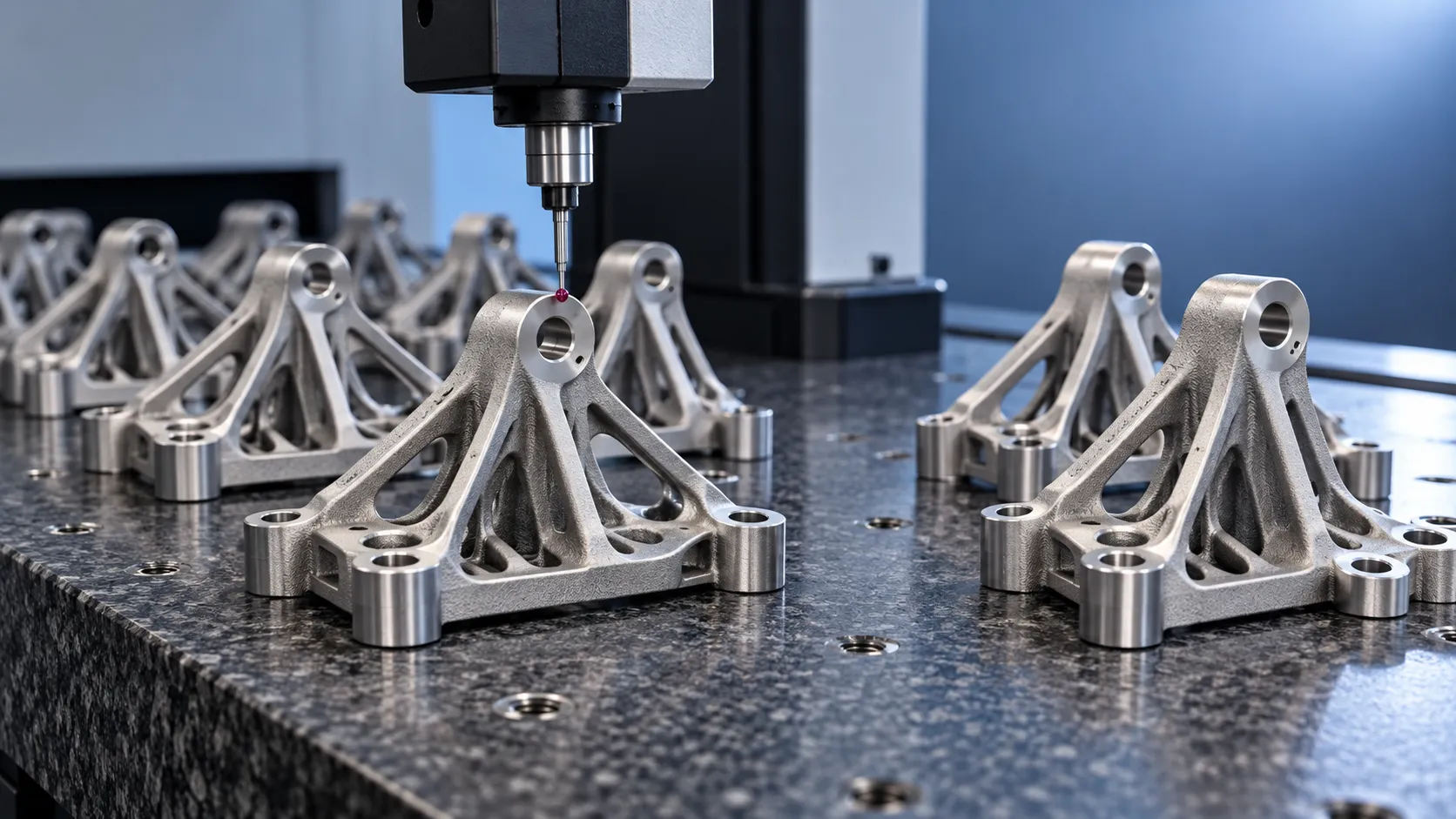
How to verify part consistency before choosing a 3D printing OEM
Choosing a 3D printing OEM? Learn how to verify part consistency with repeat-build trials, validated inspections, and traceability checks before committing to production.
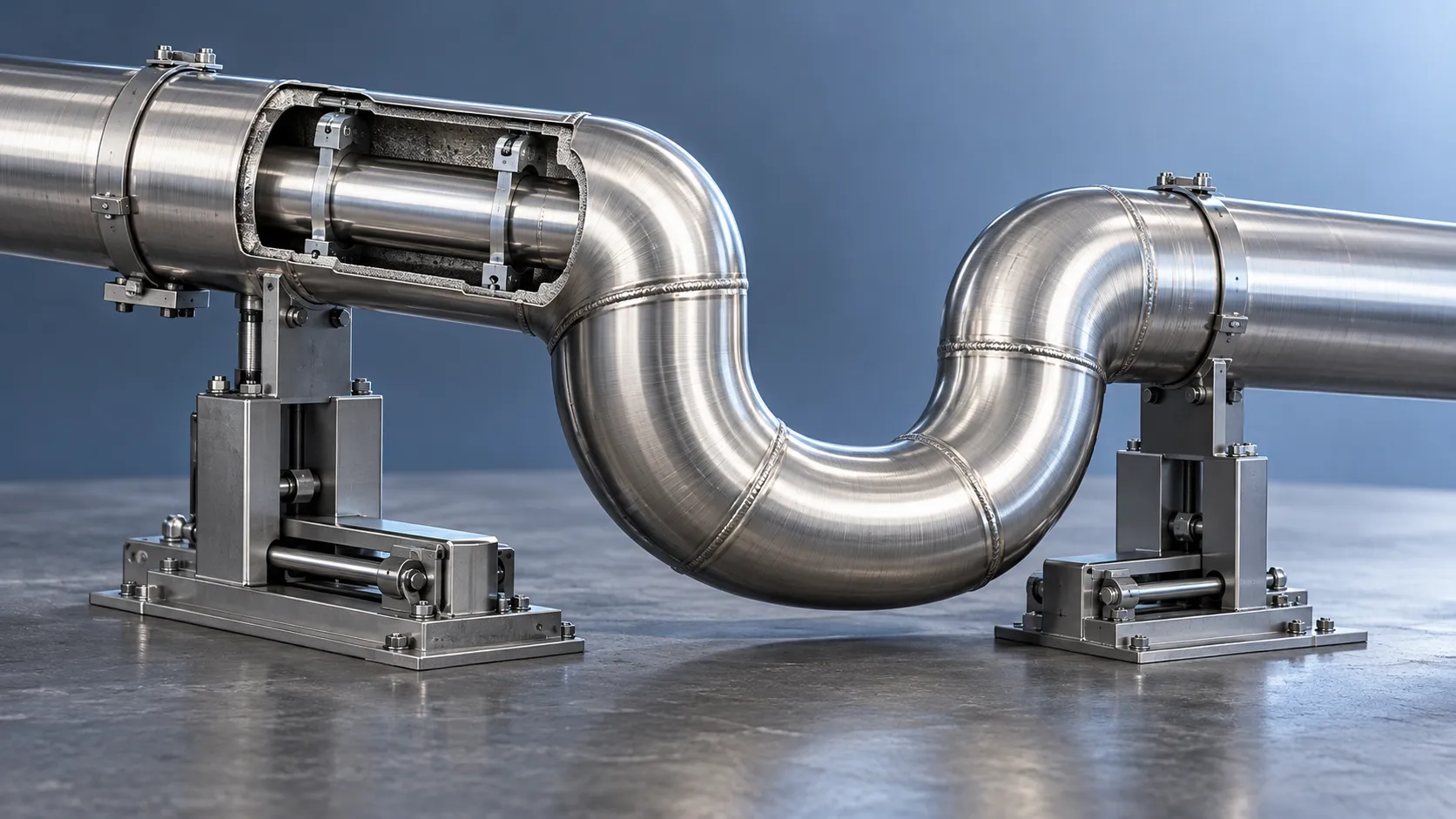
How does a rigid cryogenic transfer line handle thermal contraction?
Learn how a rigid cryogenic transfer line manages thermal contraction with bends, bellows, and guided supports. Discover key design checks for safe, reliable cryogenic performance.

How much does edge vision deployment cost beyond the hardware?
Understand edge vision deployment cost beyond hardware, from data and integration to security and support. Uncover hidden expenses and build a smarter lifecycle budget before you scale.

How does the purity of sputtering targets affect thin-film quality?
Discover how sputtering targets affect thin-film quality. Learn to assess purity, identify harmful impurities, and choose specifications that improve coating performance.

How high power laser cladding systems control substrate dilution
Discover how high power laser cladding systems control substrate dilution through beam shaping, material feed, and thermal management to deliver reliable bonds and coating performance.

How to check HS codes for customs compliance in international logistics
Strengthen international logistics customs compliance: learn how to verify HS codes, check official tariffs, and document classifications to reduce costly shipment delays.
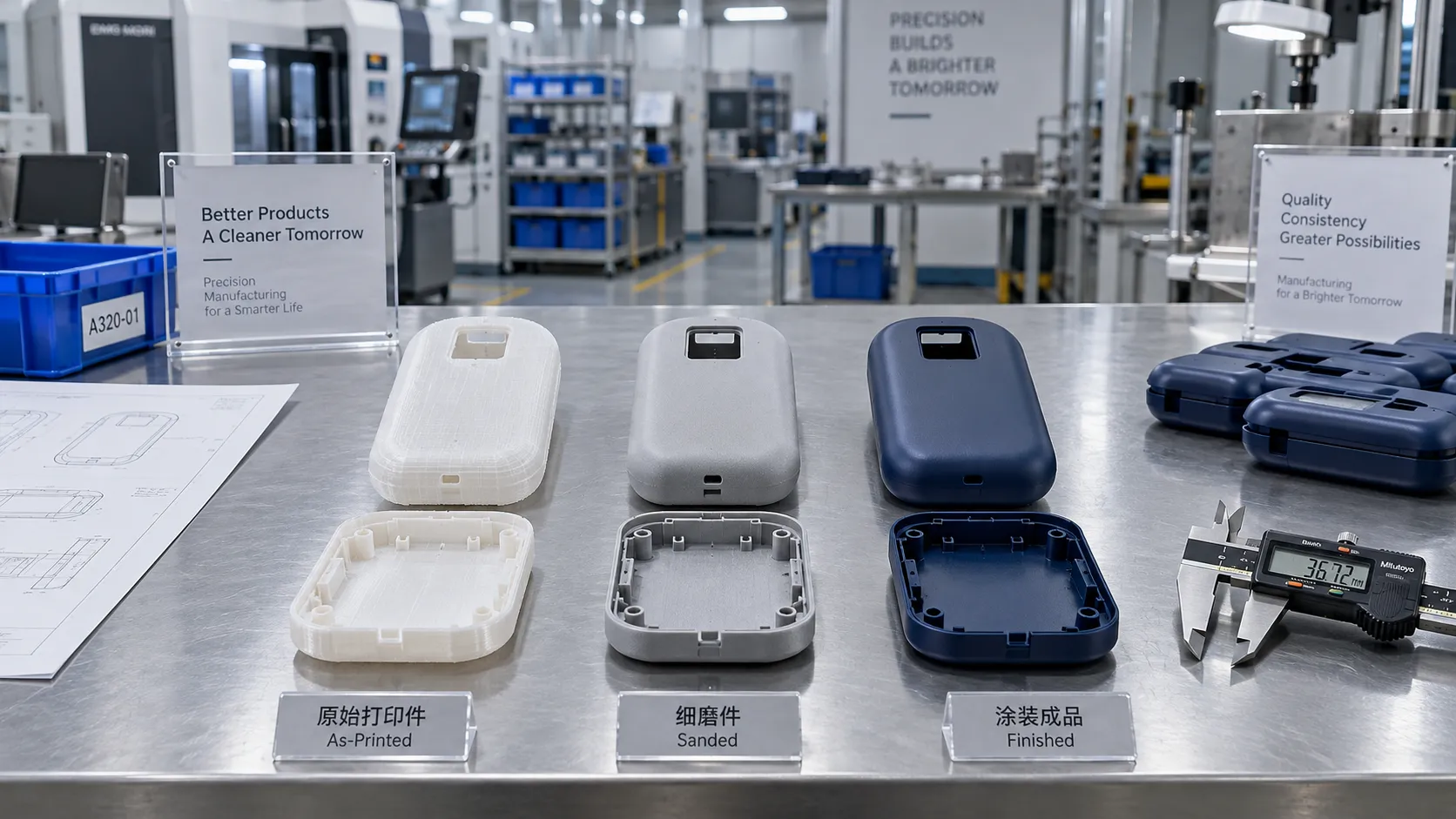
Choosing a 3D Printing Service for Consumer Products: Finish, Fit, and Cost
Compare 3d printing consumer good services by finish, fit, materials, and total cost. Learn how to choose a reliable supplier and avoid costly defects before ordering.
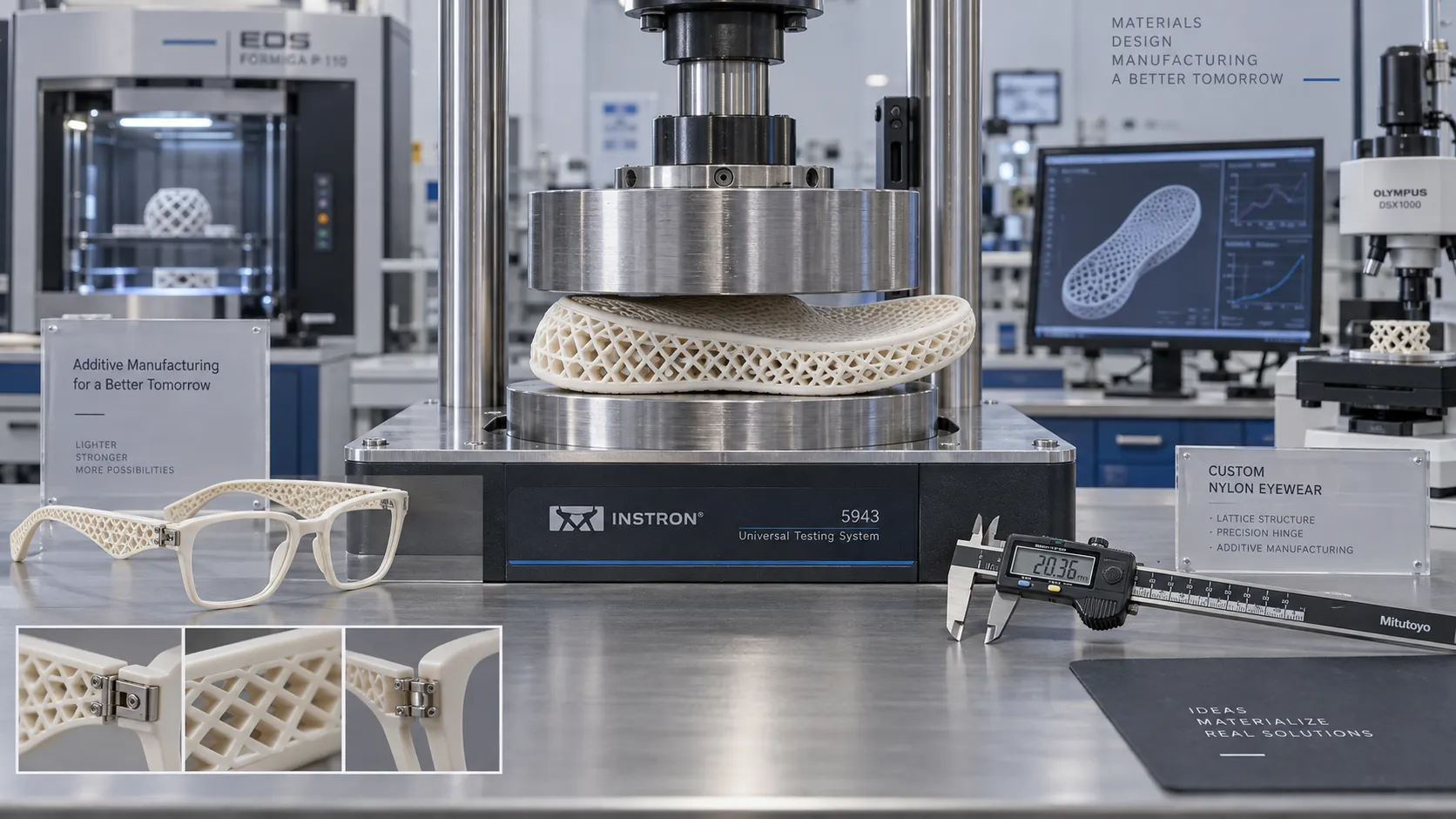
Which Consumer Goods Can Be 3D Printed, and What Are the Practical Limits?
Explore 3d printing consumer goods, from custom eyewear to replacement parts. Discover practical limits on materials, safety, and costs to make smarter production decisions.
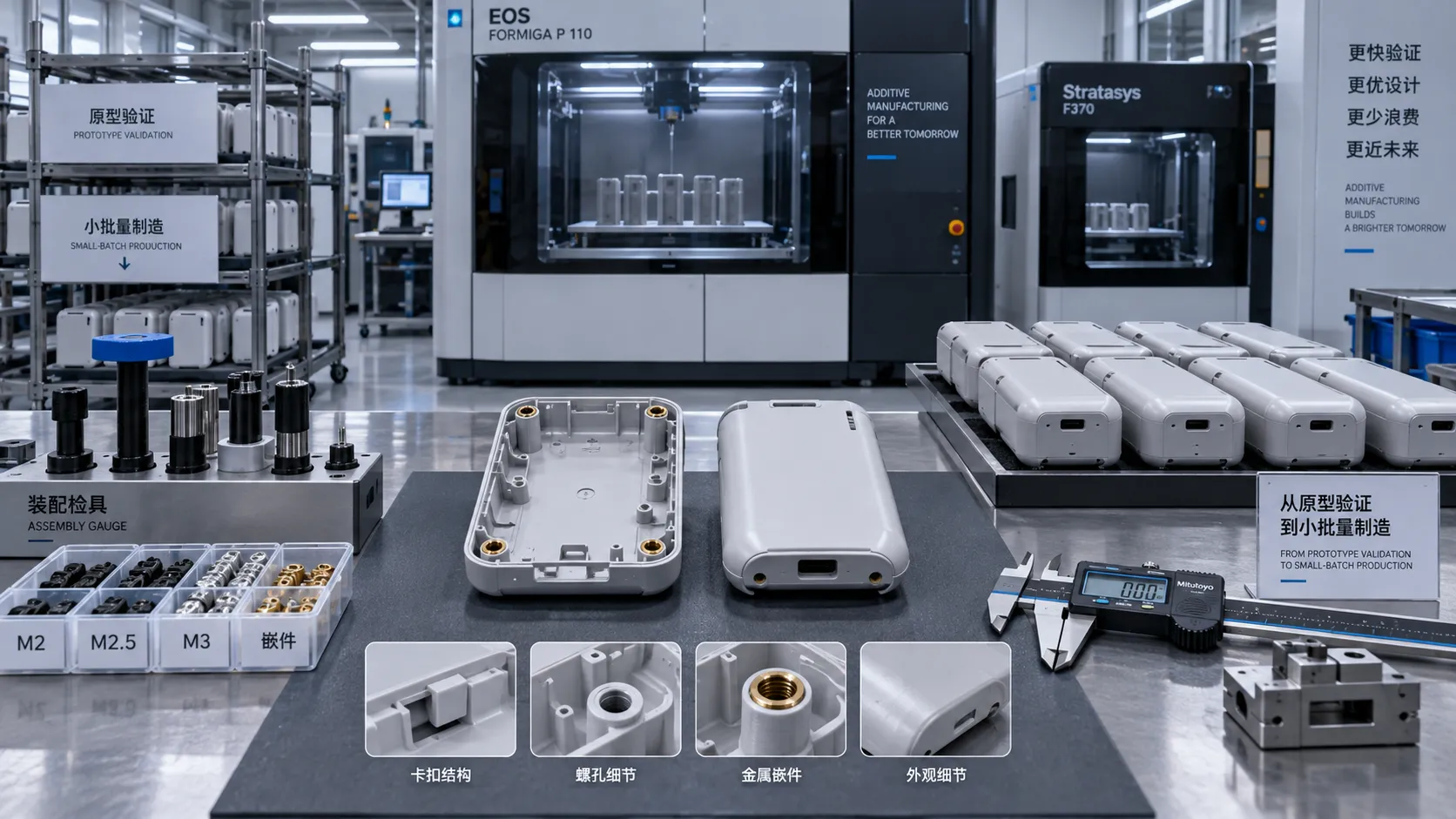
From Prototype to Small Batch: Applying 3D Printing to Consumer Goods
Explore 3d printing in consumer goods: learn how to move from prototype to small-batch production with practical guidance on materials, quality validation, and cost control.
Related News
- 00
0000-00
How to verify part consistency before choosing a 3D printing OEM - 00
0000-00
How does a rigid cryogenic transfer line handle thermal contraction? - 00
0000-00
How much does edge vision deployment cost beyond the hardware? - 00
0000-00
How does the purity of sputtering targets affect thin-film quality? - 00
0000-00
How high power laser cladding systems control substrate dilution
Marcus Print
Weekly Insights
Stay ahead with our curated technology reports delivered every Monday.