
How to Evaluate Metal Fabrication for Automation Equipment

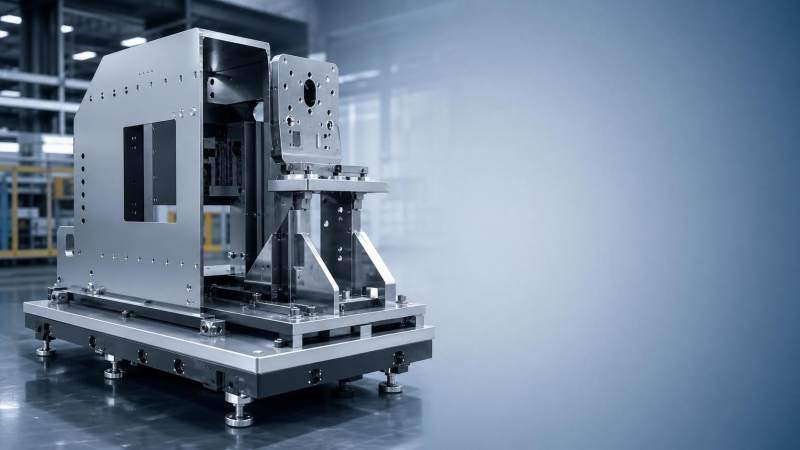
How to Evaluate Metal Fabrication for Automation Equipment
Evaluating metal fabrication for automation equipment is more than comparing materials or costs.
It is about precision, scalability, compliance, and long-term system reliability.
A weak fabrication decision can delay commissioning, create alignment issues, and raise lifecycle maintenance costs.
A strong one improves integration quality and protects delivery targets.
That is why metal fabrication for automation equipment should be reviewed as a system-level decision, not a purchasing line item.
Start with Functional Requirements
The first step is defining what the fabricated assembly must actually do.
In automation projects, metal parts often support motion systems, sensors, guarding, cable management, and precision tooling.
Each function changes the evaluation criteria.
A welded machine base needs stiffness and dimensional stability.
A stainless enclosure may prioritize cleanliness, corrosion resistance, and cable access.
A robotic end-effector frame may depend on tight weight control.
- Required tolerances at part and assembly level
- Static and dynamic load conditions
- Exposure to vibration, heat, moisture, chemicals, or washdown
- Surface finish expectations for hygiene, appearance, or friction control
- Maintenance access and replacement frequency
This early definition keeps metal fabrication for automation equipment tied to measurable performance, not assumptions.
Assess Material Fit Beyond Basic Strength
Material selection is usually the most visible part of supplier discussions.
Still, strong metal fabrication for automation equipment depends on more than yield strength or price per kilogram.
The real question is whether the material suits the operating environment and the fabrication method.
Carbon steel remains common for machine frames because it balances stiffness, availability, and cost.
Stainless steel is often preferred for food, medical, and clean process environments.
Aluminum helps where lower mass supports speed, easier handling, or energy efficiency.
In some cases, mixed-material assemblies make sense, but they add joining and galvanic corrosion risks.
Review material fit against these decision points:
- Corrosion exposure and cleaning chemistry
- Thermal expansion under operating temperatures
- Machinability and weld distortion behavior
- Availability in required sections, sheets, or tubes
- Traceability requirements for regulated sectors
This is where many sourcing decisions become more practical.
A cheaper alloy can quickly become expensive if it warps during welding or slows downstream machining.
Check Fabrication Capability and Process Control
Not every shop that cuts and welds metal is suitable for automation-grade work.
Metal fabrication for automation equipment often needs repeatable tolerances across batches and precise fit with purchased components.
That makes process control as important as equipment lists.
Ask how the supplier handles laser cutting, bending, machining, welding, grinding, finishing, and assembly inspection.
Look for evidence that these operations are linked by documented controls, not operator memory.
If the supplier cannot explain process capability clearly, that is a decision signal by itself.
Evaluate Tolerance Strategy, Not Just Tolerance Claims
Tight tolerances look reassuring on paper, but they are not always meaningful.
For metal fabrication for automation equipment, the key is whether tolerances reflect assembly function and stack-up behavior.
Over-tolerancing increases cost without improving performance.
Under-tolerancing leads to rework, shimming, and alignment loss.
A capable fabrication partner should discuss datums, critical-to-function dimensions, and stack-up risks.
They should also distinguish between weldment dimensions and machined finish dimensions.
That difference matters a lot in precision automation frames.
In practical terms, review whether the supplier can support:
- Flatness and parallelism for motion rails
- Hole position accuracy for sensor brackets and guarding
- Squareness for enclosure fit and door sealing
- Post-weld machining where functional surfaces demand it
This conversation quickly separates commodity metalwork from automation-ready fabrication.
Review Quality Systems, Documentation, and Compliance
Quality management should be visible in records, traceability, and response discipline.
For metal fabrication for automation equipment, this becomes more important as projects scale internationally.
Compliance gaps often surface late, exactly when schedules are hardest to recover.
Depending on the application, review alignment with ISO quality systems, welding qualifications, material certificates, RoHS status, and customer-specific validation requirements.
For regulated sectors, ask about document retention and revision control.
For export-sensitive systems, review origin data and restricted material exposure.
Useful checkpoints include:
- First article inspection reports
- Material test reports and heat traceability
- Nonconformance handling and corrective action records
- Change notification procedures for materials or processes
- Packaging and preservation standards for finished assemblies
When documentation is weak, the technical risk is usually higher than it first appears.
Look at Manufacturability, Lead Time, and Scale Readiness
A design may be technically correct and still be difficult to fabricate consistently.
That is why evaluating metal fabrication for automation equipment should include manufacturability review early in the project.
Small design choices often drive major delivery outcomes.
Check whether the supplier flags unnecessary welds, difficult bends, inaccessible fasteners, and cosmetic surfaces that conflict with functional needs.
Good suppliers actively reduce complexity before production starts.
They also explain lead time drivers honestly, including material availability, fixture preparation, subcontract finishing, and inspection bottlenecks.
From a decision standpoint, ask two direct questions.
Can this supplier support prototype speed without losing production discipline?
And can they scale from pilot builds to repeat orders without process drift?
Use a Practical Supplier Evaluation Framework
To compare options fairly, use a weighted scorecard.
This makes metal fabrication for automation equipment easier to evaluate across technical and commercial factors.
It also prevents low price from dominating the decision too early.
Adjust the weights based on your application.
A high-speed vision platform may emphasize precision more heavily.
A large welded utility skid may put more weight on throughput and field durability.
Final Decision Priorities
The best metal fabrication for automation equipment is rarely the cheapest quote.
It is the option that protects fit, function, compliance, and delivery at the same time.
That balance matters more as automation systems become faster, more customized, and more tightly integrated.
In real projects, the strongest decisions come from early technical review, clear tolerance logic, and honest supplier validation.
Use capability evidence, not sales language, to guide supplier selection.
When metal fabrication for automation equipment is evaluated this way, integration risk drops and long-term performance becomes far more predictable.
Related News
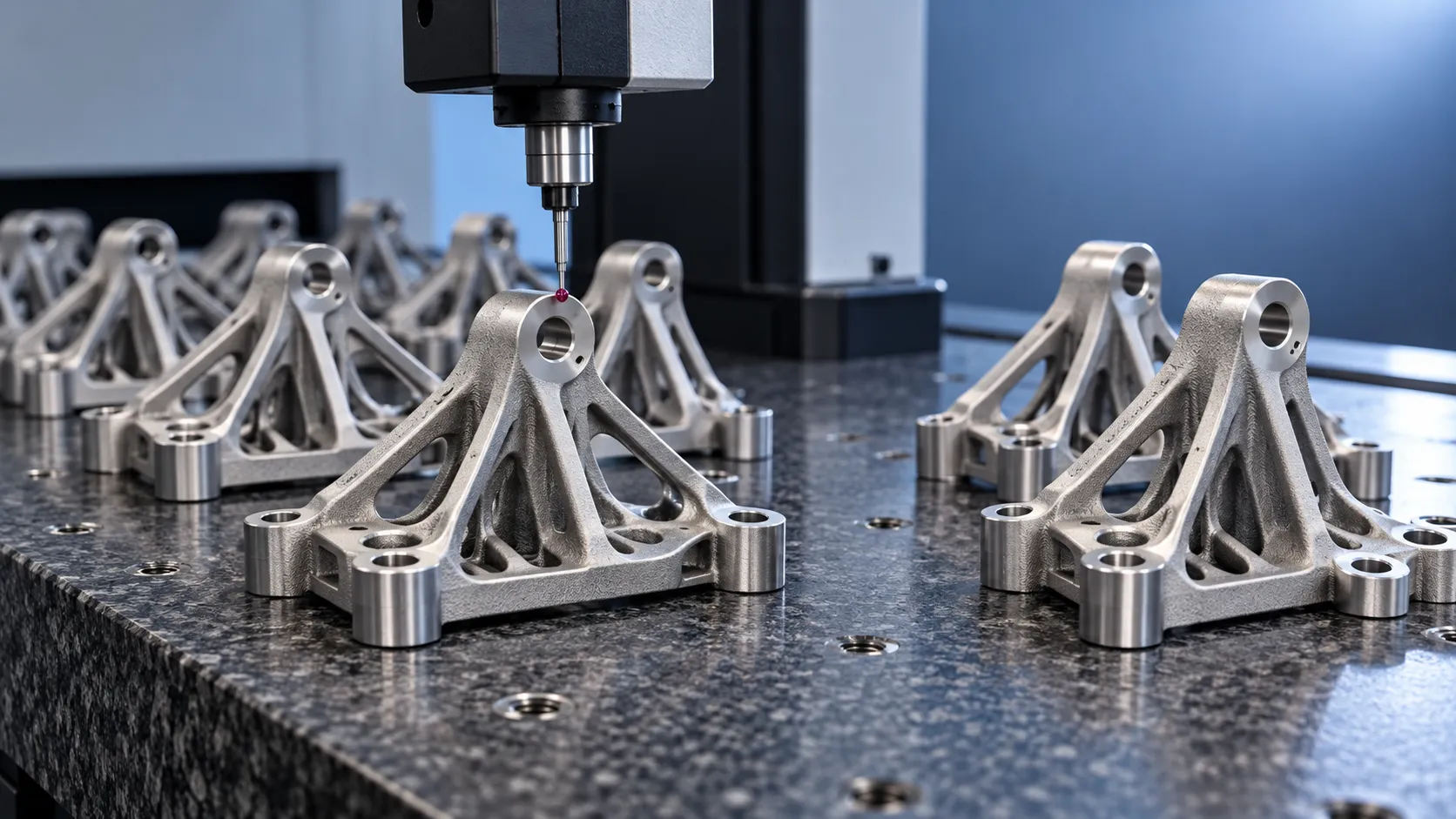
How to verify part consistency before choosing a 3D printing OEM
Choosing a 3D printing OEM? Learn how to verify part consistency with repeat-build trials, validated inspections, and traceability checks before committing to production.
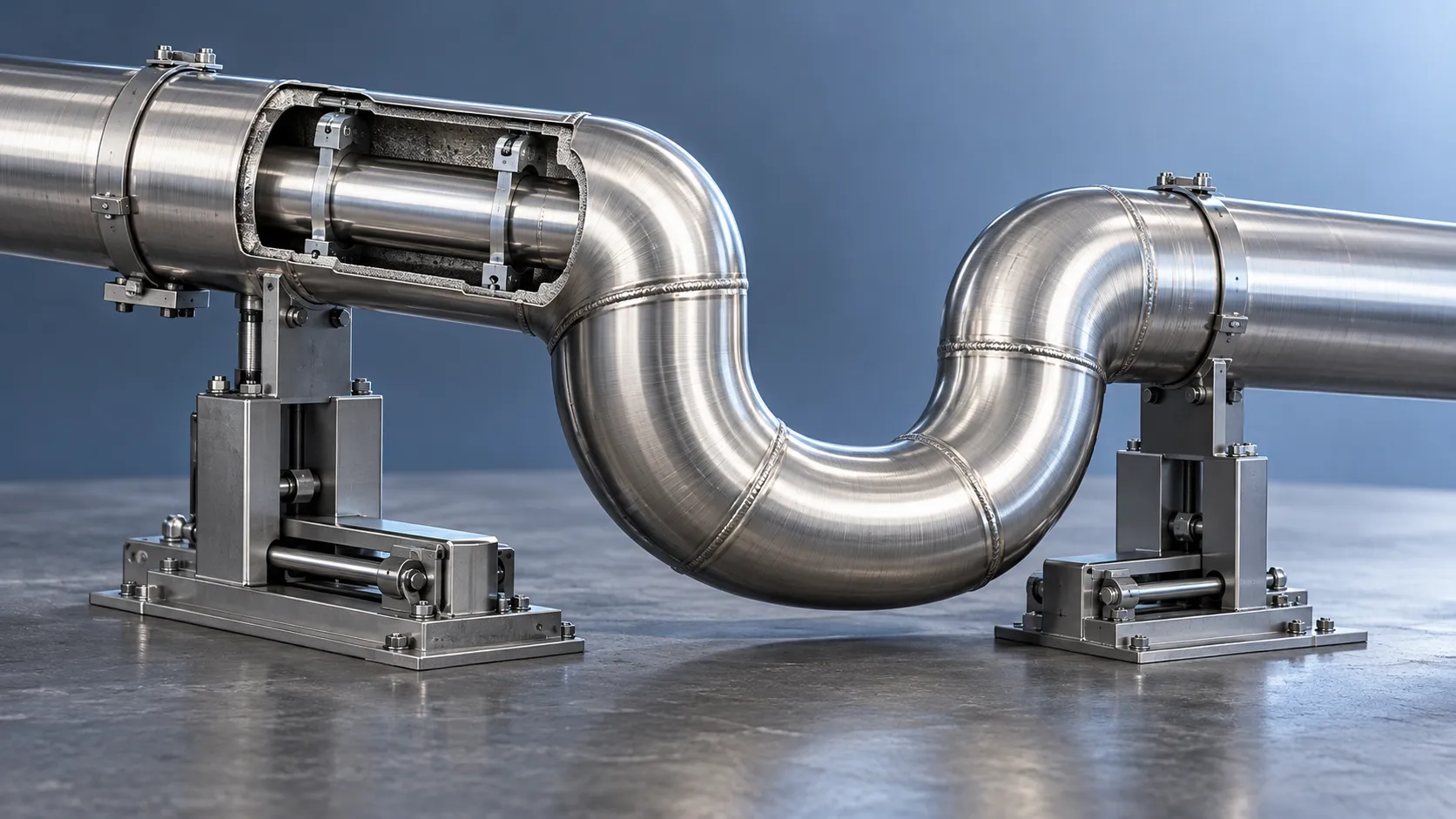
How does a rigid cryogenic transfer line handle thermal contraction?
Learn how a rigid cryogenic transfer line manages thermal contraction with bends, bellows, and guided supports. Discover key design checks for safe, reliable cryogenic performance.
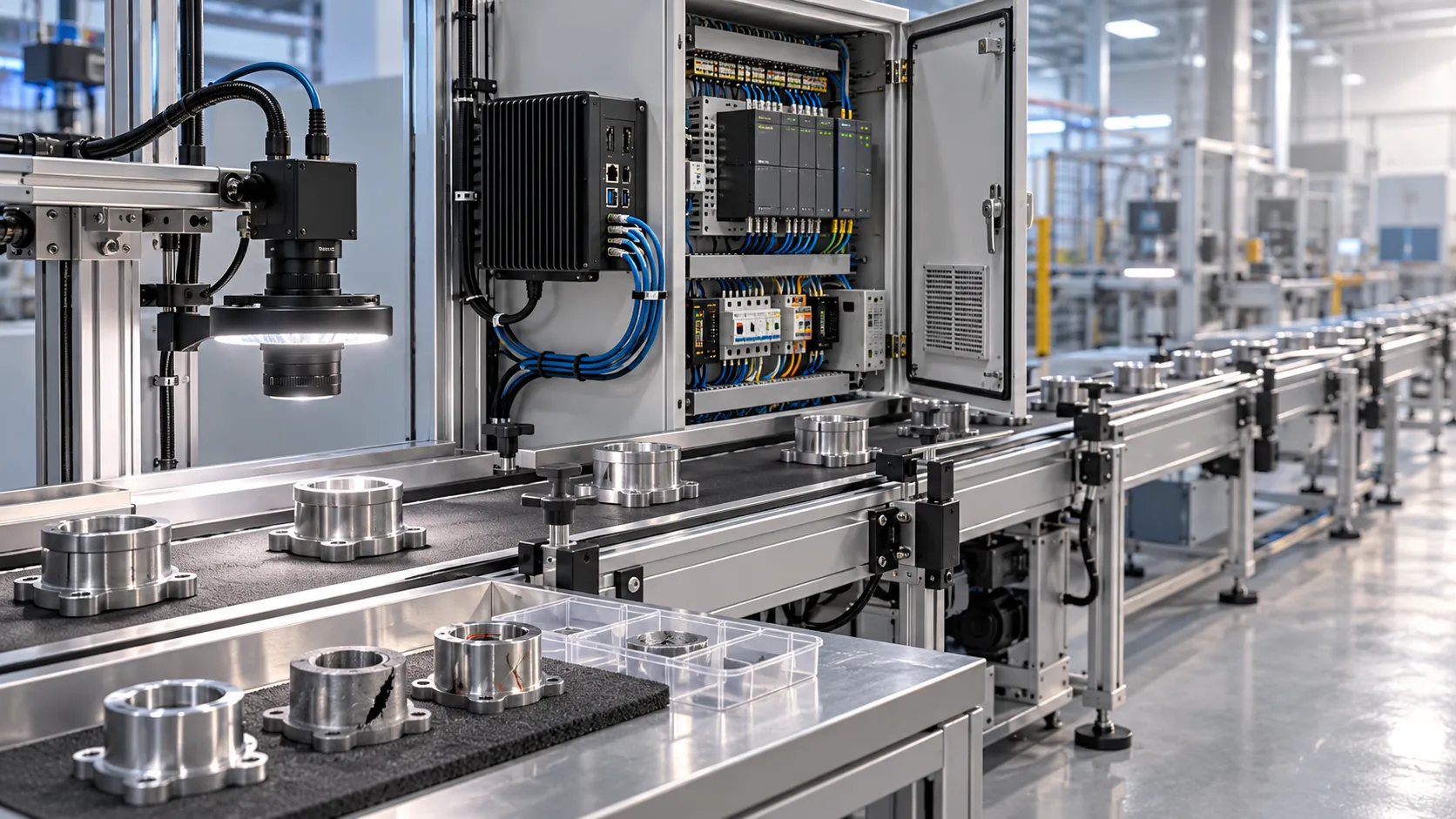
How much does edge vision deployment cost beyond the hardware?
Understand edge vision deployment cost beyond hardware, from data and integration to security and support. Uncover hidden expenses and build a smarter lifecycle budget before you scale.

How does the purity of sputtering targets affect thin-film quality?
Discover how sputtering targets affect thin-film quality. Learn to assess purity, identify harmful impurities, and choose specifications that improve coating performance.
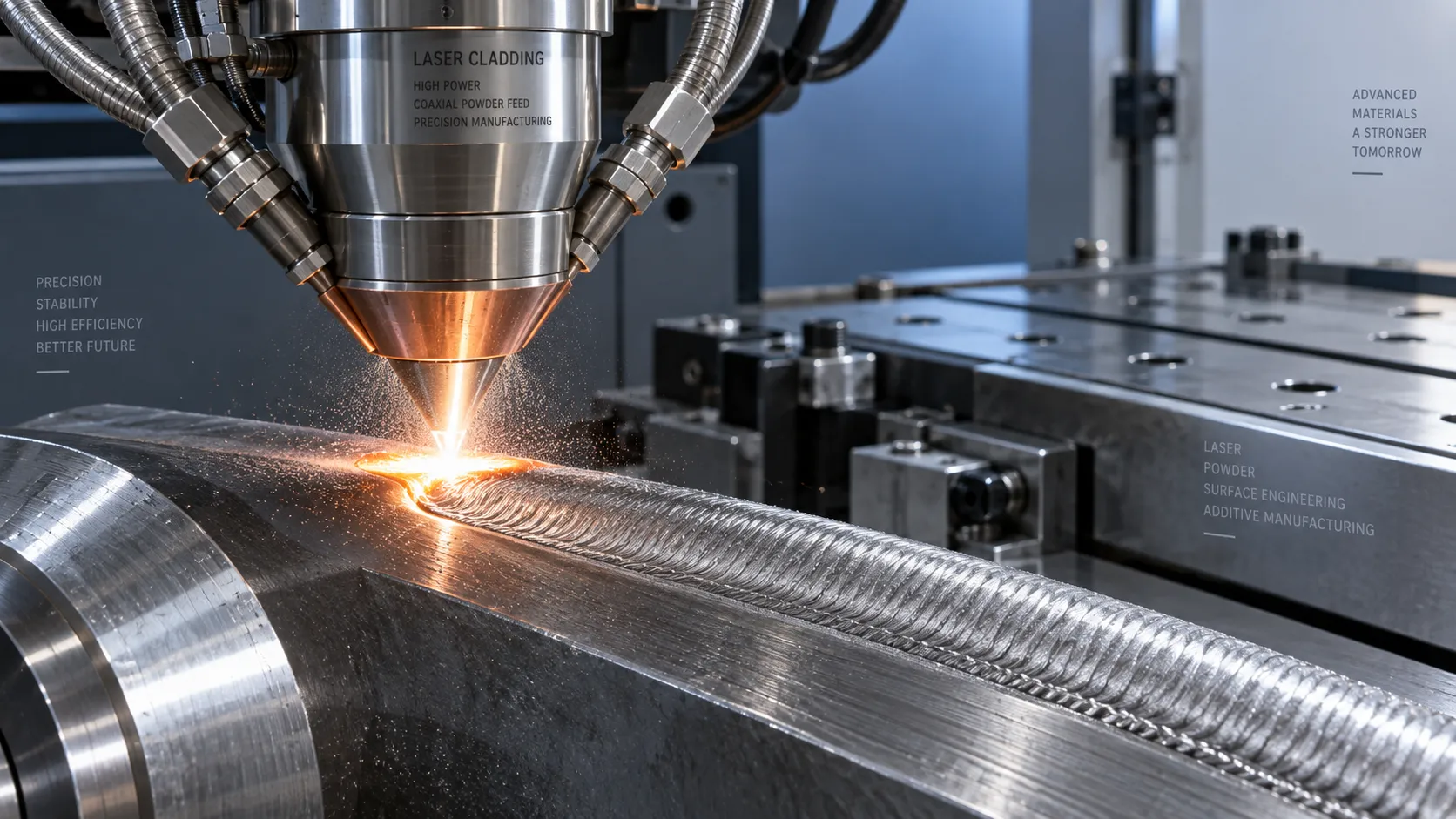
How high power laser cladding systems control substrate dilution
Discover how high power laser cladding systems control substrate dilution through beam shaping, material feed, and thermal management to deliver reliable bonds and coating performance.

How to check HS codes for customs compliance in international logistics
Strengthen international logistics customs compliance: learn how to verify HS codes, check official tariffs, and document classifications to reduce costly shipment delays.

Choosing a 3D Printing Service for Consumer Products: Finish, Fit, and Cost
Compare 3d printing consumer good services by finish, fit, materials, and total cost. Learn how to choose a reliable supplier and avoid costly defects before ordering.
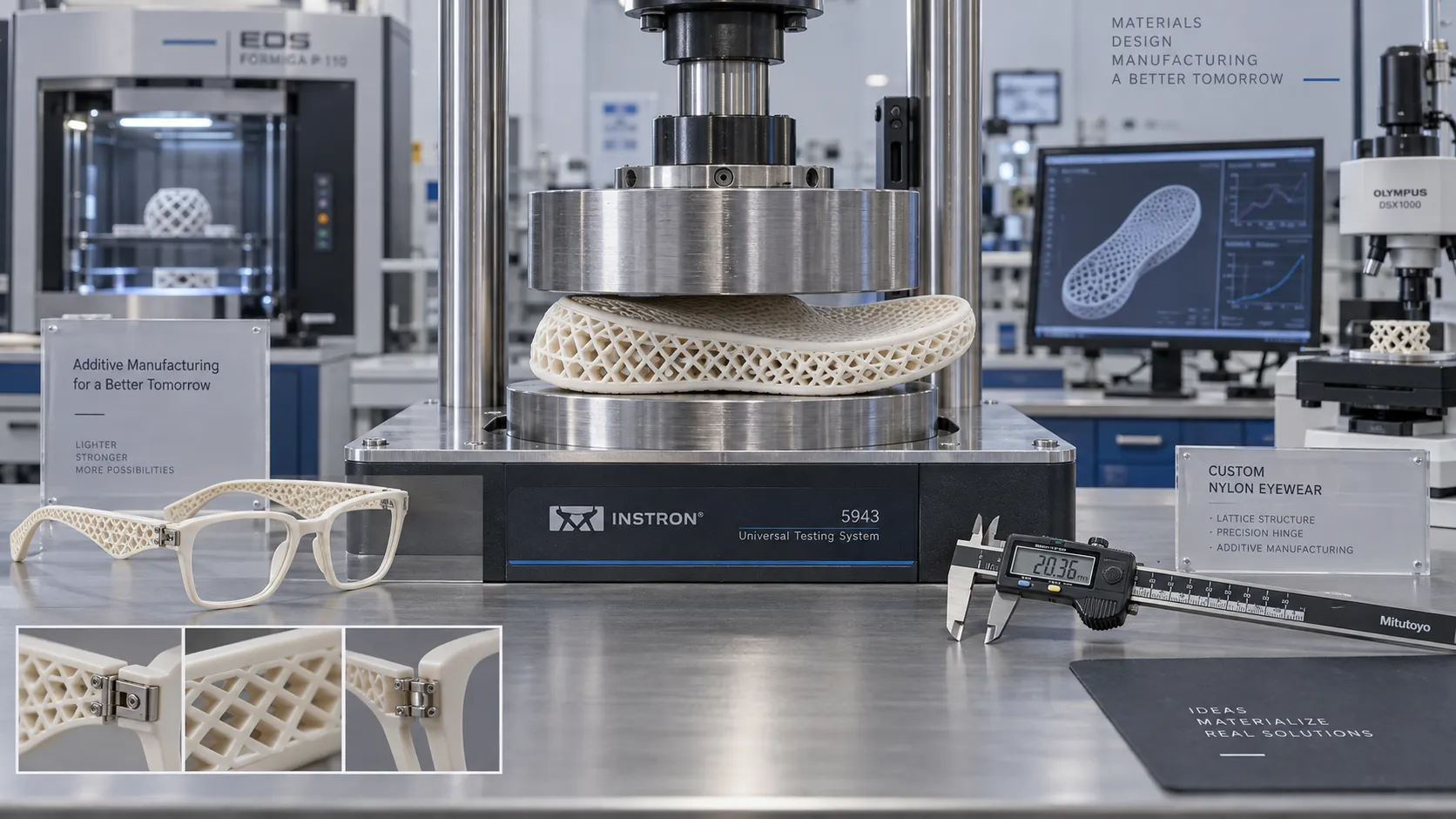
Which Consumer Goods Can Be 3D Printed, and What Are the Practical Limits?
Explore 3d printing consumer goods, from custom eyewear to replacement parts. Discover practical limits on materials, safety, and costs to make smarter production decisions.

From Prototype to Small Batch: Applying 3D Printing to Consumer Goods
Explore 3d printing in consumer goods: learn how to move from prototype to small-batch production with practical guidance on materials, quality validation, and cost control.
Related News
- 00
0000-00
How to verify part consistency before choosing a 3D printing OEM - 00
0000-00
How does a rigid cryogenic transfer line handle thermal contraction? - 00
0000-00
How much does edge vision deployment cost beyond the hardware? - 00
0000-00
How does the purity of sputtering targets affect thin-film quality? - 00
0000-00
How high power laser cladding systems control substrate dilution
Marcus Print
Weekly Insights
Stay ahead with our curated technology reports delivered every Monday.